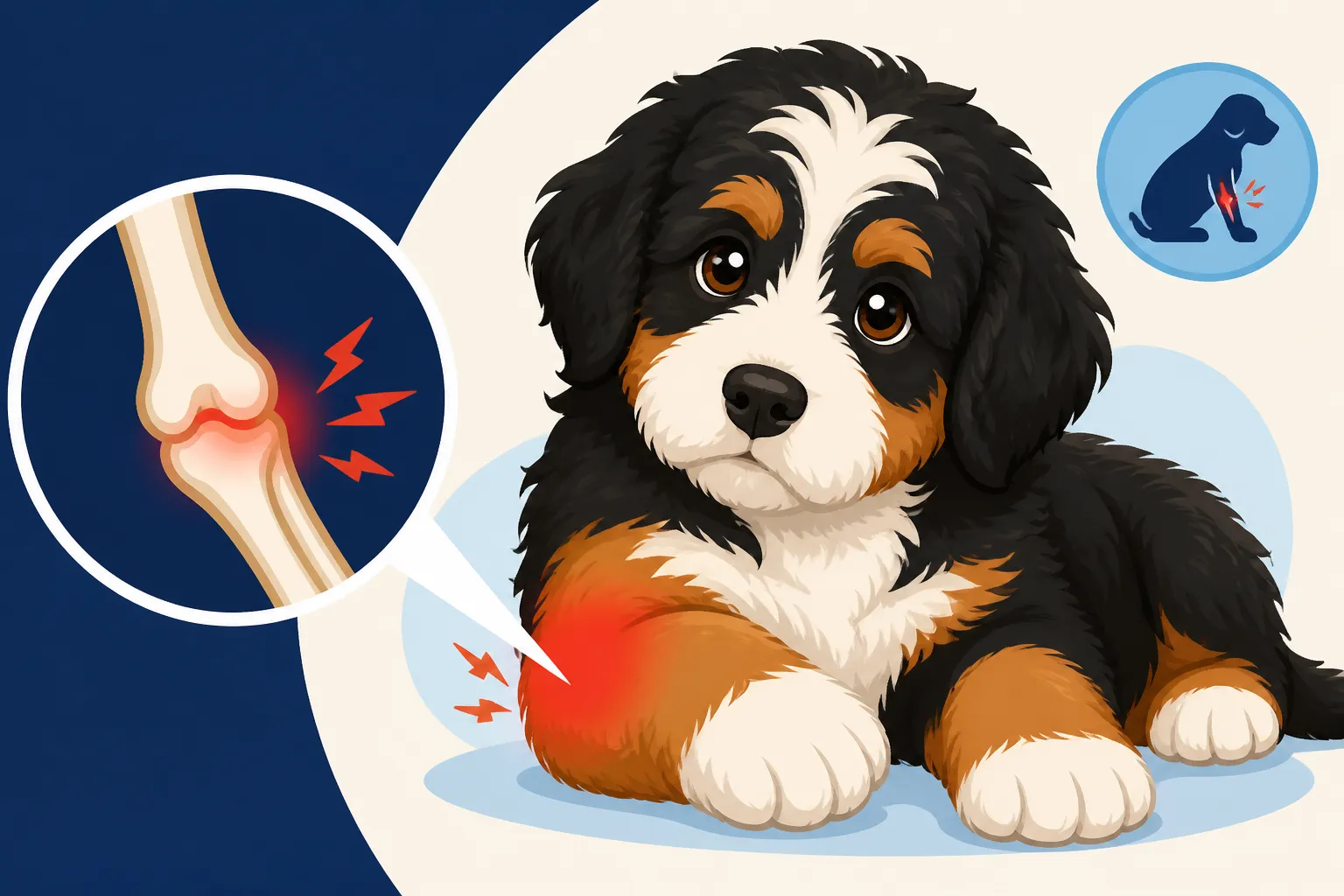
Signs a Bernedoodle Puppy’s Elbows Hurt
It’s absolutely heartbreaking to see your bouncy Bernedoodle puppy, full of life and joy, suddenly start limping or showing signs of discomfort. When you’ve invested so much love, time, and hope into a furry family member, any sign of pain can send your anxiety through the roof. This guide is here to walk you through the common and subtle indicators that your Bernedoodle puppy might be experiencing elbow pain, what those signs could mean, and what crucial steps you need to take to help your beloved companion.
Understanding Elbow Dysplasia and Other Causes of Pain
Before we dive into the specific signs, it's really important to understand why a Bernedoodle puppy might experience elbow pain in the first place. These wonderful dogs are a mix of Bernese Mountain Dog and Poodle, two breeds that, while incredible, can pass on certain genetic predispositions. Elbow dysplasia is a term that often comes up, and it’s a big one to wrap your head around, but it’s far from the only culprit.
What is Elbow Dysplasia?
Elbow dysplasia isn't a single condition, but rather a catch-all term for several developmental abnormalities of the elbow joint. Essentially, the bones that make up the elbow (the humerus, ulna, and radius) don’t fit together perfectly, leading to instability, abnormal wear and tear, and eventually, arthritis. In a rapidly growing breed like a Bernedoodle, especially a standard size, this misalignment can become apparent early on. It's truly one of those silent issues that can develop as the puppy grows, often without a dramatic injury to point to. Many owners wonder if Whether Elbow Dysplasia Is Heritable in a Bernedoodle and the answer is a resounding yes, making proper breeder screening essential.
There are four main components often grouped under elbow dysplasia:
- Fragmented Medial Coronoid Process (FCP): A small piece of bone in the ulna breaks off and floats in the joint, causing irritation.
- Osteochondrosis Dissecans (OCD): Cartilage in the joint fails to develop properly and can detach, forming a flap or loose body.
- Ununited Anconeal Process (UAP): A growth plate in the ulna doesn't fuse as it should, leaving a loose bone piece.
- Elbow Incongruity: The bones don't align correctly, causing uneven pressure and wear.
All of these lead to inflammation and pain, often exacerbated by a Bernedoodle’s active nature and impressive growth rate.
Other Reasons for Puppy Elbow Pain
While elbow dysplasia is a major concern, it’s not the only reason your Bernedoodle puppy might be hurting. Sometimes, it’s something much simpler, or at least, different.
- Growth Plate Injuries: Puppies have open growth plates, which are softer than mature bone and susceptible to injury. A fall or awkward landing can damage a growth plate near the elbow, leading to pain and lameness.
- Sprains or Strains: Just like us, puppies can twist an ankle or overstretch a ligament while playing hard. These can happen around the elbow joint and cause temporary pain.
- Trauma: A more obvious injury, like being stepped on, falling from a height, or a rough collision with another dog, can cause acute pain, fractures, or dislocations.
- Infections or Inflammatory Conditions: Though less common, certain infections or inflammatory conditions can affect joints.
- Panosteitis (Growing Pains): This condition, sometimes called "growing pains," is an inflammation of the long bones, often shifting from leg to leg. While it typically affects the long bones of the legs rather than specifically the elbow joint, the pain can sometimes manifest in ways that owners might initially attribute to a joint. It's often transient and usually resolves as the puppy matures.
Understanding these possibilities helps you approach your vet visit with a clearer picture of potential issues, but always remember to let the professionals do the diagnosing!
Recognizing the Subtle and Overt Signs of Elbow Discomfort
It can be incredibly challenging to tell if your Bernedoodle puppy's elbow hurts, especially with their natural exuberance. They’re often so stoic and determined to play that they might try to hide discomfort. However, there are a range of signs, from subtle hints to more obvious distress, that you should absolutely pay attention to.
The Quiet Whispers: Subtle Signs to Watch For
These are the tricky ones, the "maybe it's nothing" moments that you, as a vigilant owner, need to tune into. Early detection is key for managing conditions like elbow dysplasia effectively.
- A Subtle Change in Gait or Movement: This might be the first thing you notice. Perhaps your puppy takes a shorter stride with one front leg, or seems to place less weight on it when walking or trotting. It's not a full-blown limp, but an asymmetry. You might notice them "bunny hopping" with their back legs to compensate for front leg pain, or shifting their weight more to their back end.
- Reluctance to Play as Vigorously: Your Bernedoodle, usually a dynamo, might start to show less enthusiasm for fetch, prolonged romps, or wrestling. They might stop playing sooner than usual, or choose calmer activities. This isn't laziness; it could be pain.
- Difficulty Getting Up or Lying Down: Watch how they transition. Does your puppy hesitate before lying down, trying to ease themselves onto the sore leg? Do they seem to struggle or take longer to get up from a resting position? This can be very subtle initially.
- Licking at the Elbow Joint: While not always indicative of pain, persistent licking at a specific joint can be a sign of discomfort, inflammation, or even a localized injury. If you notice them focusing on one elbow repeatedly, it's worth investigating.
- Crankiness or Changes in Temperament: Pain can make even the sweetest puppy irritable. If your Bernedoodle snaps when touched near the shoulder or elbow, or generally seems more withdrawn or less tolerant than usual, it could be a cry for help.
The Louder Calls: Overt and Obvious Signs
When these signs appear, it’s usually clear that something is wrong, and prompt veterinary attention is crucial.
- Obvious Limping or Lameness: This is the most unmistakable sign. Your puppy is clearly favoring one front leg, holding it up, or putting minimal weight on it. The limp might be constant or intermittent, worse after rest and improving slightly with movement, or vice-versa.
- Swelling or Heat Around the Joint: Carefully feel your puppy's elbows. Compare one to the other. Is one noticeably warmer or swollen? This indicates inflammation and often significant pain.
- Vocalization Upon Movement or Touch: If your puppy yelps, cries, or growls when they move a certain way, or when you gently touch their elbow, they are telling you very clearly that it hurts.
- Reluctance to Bear Weight on the Affected Leg: This is beyond just favoring it; they might actively avoid putting any weight on the leg at all, holding it completely off the ground.
- Muscle Atrophy in the Affected Leg: Over time, if a leg isn't being used properly due to pain, the muscles will start to waste away. You might notice one leg looking thinner than the other. This usually indicates a more chronic issue.
- Stiffness After Rest: After waking up from a nap or a night’s sleep, your puppy might be noticeably stiff and struggle to move normally for a few minutes. This can be a strong indicator of joint issues like early arthritis.
It’s easy to dismiss a quick yelp during boisterous play, or a slight limp that resolves after a few steps. But with a Bernedoodle, especially a larger one, paying close attention to these signals is vital. Their growth plates are particularly vulnerable, and conditions like Elbow Dysplasia in a Growing Bernedoodle can set in early.
Here’s a quick overview of what to look out for:
| Symptom Category | Subtle Signs | Overt Signs | Potential Urgency |
|---|---|---|---|
| Movement | Shortened stride, bunny hopping, reluctance to jump/climb | Obvious limp, refusal to bear weight | High |
| Behavior | Less enthusiastic play, difficulty rising/lying down, licking joint | Yelling/crying when moving/touched, increased irritability | High |
| Physical | No obvious changes, slight muscle asymmetry | Swelling, heat around joint, visible deformity | Very High |
| Timing | Intermittent lameness, worse after exertion | Consistent pain, stiffness after rest | High |
Taking Action: What to Do if You Suspect Elbow Pain
If you notice any of these signs, don't just wait and see. Early intervention can make a world of difference for your Bernedoodle's long-term comfort and mobility. Ignoring the signs might lead to more severe complications down the road.
Immediate Steps at Home
Before you even get to the vet, there are a few things you can do to help your puppy and prepare for the appointment:
- Restrict Activity: This is paramount. No more strenuous play, jumping, or long walks. Keep your puppy on a leash for potty breaks and confine them to a smaller, safe area indoors. The less stress on the joint, the better. This goes against the natural Bernedoodle urge to zoom around, but it's critical.
- Observe and Document: Keep a detailed log of what you're seeing. When did the symptoms start? Are they worse at certain times of day? What makes them better or worse? Note down any incidents (falls, rough play) that might have preceded the pain. This information is invaluable for your veterinarian.
- Avoid Self-Medicating: Never give your dog human pain relievers like ibuprofen or acetaminophen. These are toxic to dogs and can cause severe, life-threatening side effects.
- Gentle Palpation (If Your Puppy Allows): If your puppy isn't in severe pain, you can gently feel around the elbow area. Look for swelling, heat, or a reaction from your puppy when you touch specific spots. Be very cautious not to cause more pain.
Consulting Your Veterinarian
This is the most critical step. Schedule an appointment with your vet as soon as you notice persistent signs of elbow pain. Don’t delay.
- Thorough Examination: Your vet will perform a comprehensive physical exam, observing your puppy’s gait, manipulating the joint, and checking for pain, swelling, and range of motion. They might ask you to describe what you've observed, so your notes will be helpful here.
- Diagnostic Imaging: X-rays are usually the first line of defense to diagnose bone abnormalities, including elbow dysplasia. Sometimes, specific views might be required. In some cases, advanced imaging like CT scans or MRI might be recommended for a more detailed look at soft tissues and complex joint structures. For definitive diagnosis, especially for specific components of elbow dysplasia, these can be really important.
- Blood Tests: While less common for direct elbow issues, blood tests can rule out other systemic conditions or infections if indicated.
When discussing treatment, remember to talk about the costs involved. It's situations like these that make pet insurance providers like Healthy Paws such a valuable asset. Knowing you have support for diagnostics and treatments can alleviate a huge amount of financial stress during an already difficult time.
Navigating Treatment Options
Treatment for elbow pain in puppies depends entirely on the underlying cause and severity.
- Conservative Management: For mild cases or conditions like panosteitis, your vet might recommend rest, anti-inflammatory medications, and pain management. This often involves specific instructions on activity restriction and follow-up checks. Joint supplements like glucosamine and chondroitin are often recommended to support cartilage health, and you might wonder Whether Joint Supplements Help a Bernedoodle.
- Surgical Intervention: If elbow dysplasia or another structural issue is diagnosed, surgery might be the best option to correct the abnormality, remove bone fragments, or improve joint congruence. This can be daunting, but often offers the best long-term outcome for the puppy. Post-operative care will be extensive and involve rehabilitation.
- Rehabilitation: Whether surgical or conservative, physical therapy and rehabilitation are often crucial. This can include hydrotherapy, therapeutic exercises, and massage to strengthen muscles, improve range of motion, and reduce pain.
It's a long road, but with patience and dedication, you can significantly improve your Bernedoodle puppy's quality of life.
Long-Term Management and Prevention
Even after diagnosis and initial treatment, managing elbow issues in a Bernedoodle often requires a lifelong commitment. Prevention, where possible, starts even before you bring your puppy home.
Ongoing Care and Monitoring
Life with a Bernedoodle who has sensitive elbows means continuous awareness.
- Weight Management: Keeping your Bernedoodle at a lean, healthy weight is one of the most impactful things you can do. Every extra pound puts more strain on their joints, accelerating wear and tear. Discuss ideal body condition with your vet.
- Controlled Exercise: While activity restriction is temporary, smart exercise is lifelong. Avoid high-impact activities like repeated jumping, intense agility, or long, sustained runs on hard surfaces. Focus on lower-impact activities like swimming or moderate, consistent walks. Remember The Five Minute Rule on a Bernedoodle Puppy's Walks during their formative months.
- Supportive Environment: Ensure your home environment is joint-friendly. Provide orthopedic beds, use ramps for getting into cars or onto furniture, and consider non-slip rugs on slick floors. These small changes can make a huge difference in comfort and preventing slips that could exacerbate pain.
- Regular Vet Check-ups: Regular check-ups are vital to monitor joint health, adjust medication as needed, and catch any new issues early. Your vet might also recommend specific screenings annually. For long-term care, pet insurance can be a game-changer. Plans from providers like Healthy Paws can help manage the recurring costs of medications, therapies, and routine monitoring.
- Joint Supplements: Continued use of vet-approved joint supplements containing ingredients like glucosamine, chondroitin, and omega-3 fatty acids can help support joint health and potentially slow the progression of arthritis.
The Role of Responsible Breeding
For future Bernedoodle owners, prevention really begins with choosing a reputable breeder. This cannot be stressed enough.
- Health Clearances: A responsible breeder will perform comprehensive health screenings on both parent dogs, including OFA (Orthopedic Foundation for Animals) or PennHIP certifications for hips and elbows. They should be transparent and willing to provide documentation for these clearances, demonstrating good or excellent ratings for generations. Asking The Age a Bernedoodle's Elbows Can Be Graded is a good starting point for a conversation with a breeder.
- Genetic Testing: While there isn't a direct genetic test for elbow dysplasia, knowing the health history of the parent lines for conditions like Degenerative Myelopathy Both Bernedoodle Parents Can Carry shows a commitment to overall health.
- Transparency: A good breeder will be open about any health issues in their lines and will prioritize health over quick sales or "rare" colors. They will also educate you on potential health risks and how to best care for your puppy.
Choosing a Bernedoodle from a breeder who has done all their due diligence significantly reduces the risk of inheriting conditions like elbow dysplasia, giving your puppy the best possible start to a long, happy, and pain-free life. It also means you’re less likely to be surprised by huge vet bills, though even with the best breeding, unforeseen health issues can arise, which is where a good plan with Healthy Paws comes in handy.
Disclaimer
The information provided in this guide is for informational purposes only and does not constitute veterinary advice. Always consult with a qualified veterinarian for any health concerns or before making any decisions related to your pet's health or treatment.