Whether a Bernedoodle Needs a Hip Replacement
Bringing home a Bernedoodle puppy is an absolute joy, filled with dreams of long walks, cuddles on the couch, and years of unwavering companionship. But for many loving owners, a nagging worry often exists: the potential for hip issues, especially considering the Bernese Mountain Dog heritage. The thought of your big, goofy companion struggling with pain, or even facing a major surgery like a hip replacement, can be truly overwhelming. This guide is here to walk you through everything you need to know about hip problems in Bernedoodles, from understanding the causes and recognizing the signs to exploring treatment options, including when a hip replacement might be necessary, and how to proactively support your furry friend's joint health.
Understanding Hip Dysplasia in Bernedoodles
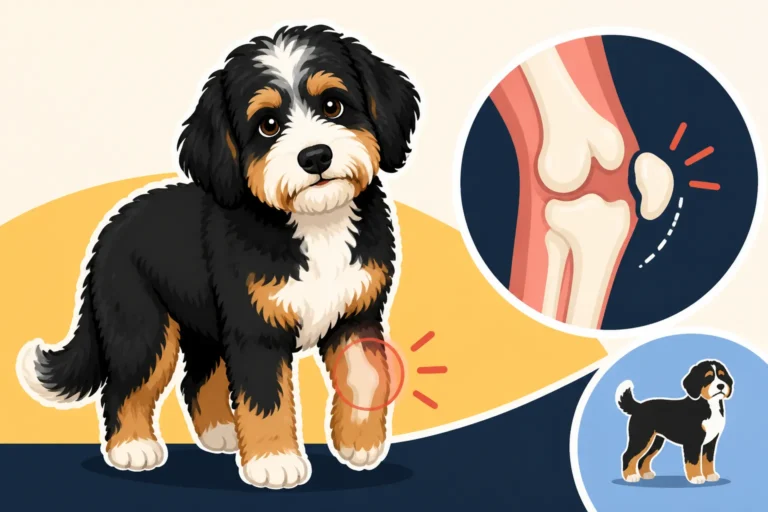
Hip dysplasia is a condition that many large breed dog owners, particularly those with Bernedoodles, are unfortunately familiar with. It's a developmental abnormality where the hip joint, which is a ball-and-socket joint, doesn't form correctly. Instead of the femur head (the "ball") fitting snugly into the pelvis socket (the "acetabulum"), it sits loosely, leading to a shallow socket and flattened ball. Over time, this poor fit causes friction, pain, and the gradual degeneration of the joint, often leading to debilitating arthritis.
The Genetic Hand They're Dealt
The most significant factor in whether a Bernedoodle develops hip dysplasia is genetics. Both parent breeds – the Bernese Mountain Dog and the Poodle – can carry genes for hip dysplasia, though it's notoriously prevalent in the Bernese Mountain Dog line. While the Poodle side can sometimes bring a slightly lower risk, it doesn't eliminate it. It's a complex, polygenic trait, meaning multiple genes are involved, and environmental factors can also play a role.
Imagine a scenario where a Bernedoodle inherits some genes for hip looseness from its Bernese grandparent and maybe a weaker hip structure gene from its Poodle grandparent. Even if neither parent showed severe signs, they could be carriers, passing on the predisposition. This is why when you're considering a puppy, it's so incredibly important to ask breeders for comprehensive health clearances, specifically regarding their breeding dogs' hips. Look for clear OFA (Orthopedic Foundation for Animals) or PennHIP certifications for both the sire and dam. These certifications confirm that the parent dogs have good hip structure, significantly reducing the likelihood that their puppies will inherit the condition. It's the first line of defense in giving your Bernedoodle the best chance at a pain-free life.
Early Warning Signs and How They Progress
Recognizing the signs of hip dysplasia can be tricky because they can vary widely in severity and onset. Some Bernedoodles might show signs as early as four to six months old, while others might not exhibit noticeable symptoms until they're several years old, especially as arthritis sets in. It's not always an obvious limp right away, so you need to be observant.
In puppies or young adults, you might notice subtle changes. Perhaps your Bernedoodle puppy, who loves to tear around the yard, starts to tire more easily after play. You might observe a "bunny hop" gait, where they use both back legs together when running, almost like a rabbit, to minimize stress on individual hips. They might have difficulty getting up after resting, or show reluctance to climb stairs or jump into the car. For a playful breed known for their boundless energy, any decrease in activity level or enthusiasm for walks should raise a red flag. Pay close attention to their weight distribution – are they shifting more weight to their front legs?
As the condition progresses into middle or later age, especially if it was mild or went unnoticed earlier, the signs often become more pronounced due to secondary arthritis. Your Bernedoodle might display a noticeable limp, experience stiffness after lying down for an extended period, or show decreased range of motion in their hips. They might whine or cry when you touch their hip area, or even become irritable because of chronic pain. If you've been noticing any of these behaviors, it's crucial to schedule a visit with your veterinarian. Early diagnosis can make a significant difference in managing the condition and preserving your dog's quality of life.
Diagnosing Hip Issues and Exploring Alternatives to Surgery
If you suspect your Bernedoodle is struggling with hip issues, the next step is a thorough veterinary examination. This process is essential not only for confirming a diagnosis of hip dysplasia but also for ruling out other conditions that might present with similar symptoms, like cruciate ligament tears or even spinal problems.
The Diagnostic Journey with Your Vet
When you bring your Bernedoodle to the vet with concerns about their hips, the veterinarian will typically start with a comprehensive physical examination. This will include observing their gait, palpating their hips, and manipulating their legs to assess range of motion, pain response, and hip laxity (looseness). They'll be looking for signs of discomfort or instability in the joint.
The definitive diagnosis, however, usually comes from X-rays. For these X-rays, your dog will often need to be sedated or anesthetized. This isn't just to keep them still; it's to ensure proper positioning, which is critical for obtaining accurate images of the hip joint. The X-rays will show the shape of the femoral head, the depth of the acetabulum, and the degree of joint laxity. Your vet might also send these X-rays to a veterinary radiologist for evaluation by organizations like the OFA or PennHIP. While OFA grades hips based on a single extended view, PennHIP uses multiple views to provide a quantitative measurement of hip laxity, which can be a more sensitive indicator of future hip dysplasia even in young dogs. Getting an accurate picture of what's happening inside those joints is the first real step toward finding relief for your beloved Bernedoodle.
Managing Hip Dysplasia Without a Knife
For many Bernedoodles with hip dysplasia, especially those with mild to moderate cases, surgery isn't always the immediate answer. Conservative management often proves very effective in controlling pain and maintaining a good quality of life. The cornerstone of non-surgical treatment revolves around several key strategies.
Firstly, weight management is paramount. Every extra pound your Bernedoodle carries puts immense stress on their already compromised joints. Your vet will help you determine an ideal body weight and a feeding plan to achieve it. This might mean carefully measuring meals and being mindful of treats. Secondly, a combination of medications and supplements can provide relief. Non-steroidal anti-inflammatory drugs (NSAIDs) are often prescribed to reduce pain and inflammation. Over-the-counter joint supplements containing ingredients like glucosamine, chondroitin, and MSM can help support cartilage health, though their effectiveness can vary. Omega-3 fatty acids are also excellent for their anti-inflammatory properties.
Beyond medication, controlled exercise is crucial. While high-impact activities like jumping and aggressive fetch should be avoided, regular, moderate exercise helps strengthen the muscles surrounding the hip joint, providing natural support. Swimming and underwater treadmill therapy are particularly beneficial as they offer a low-impact workout that builds muscle without stressing the joints. Physical therapy and chiropractic care can also be incredibly helpful, improving mobility and reducing discomfort. A dedicated physical therapist can design a tailored program of stretches and exercises to keep your Bernedoodle moving comfortably. The goal here is always to keep your dog active and happy for as long as possible, delaying or even preventing the need for more invasive procedures.
When a Hip Replacement Becomes the Best Path Forward
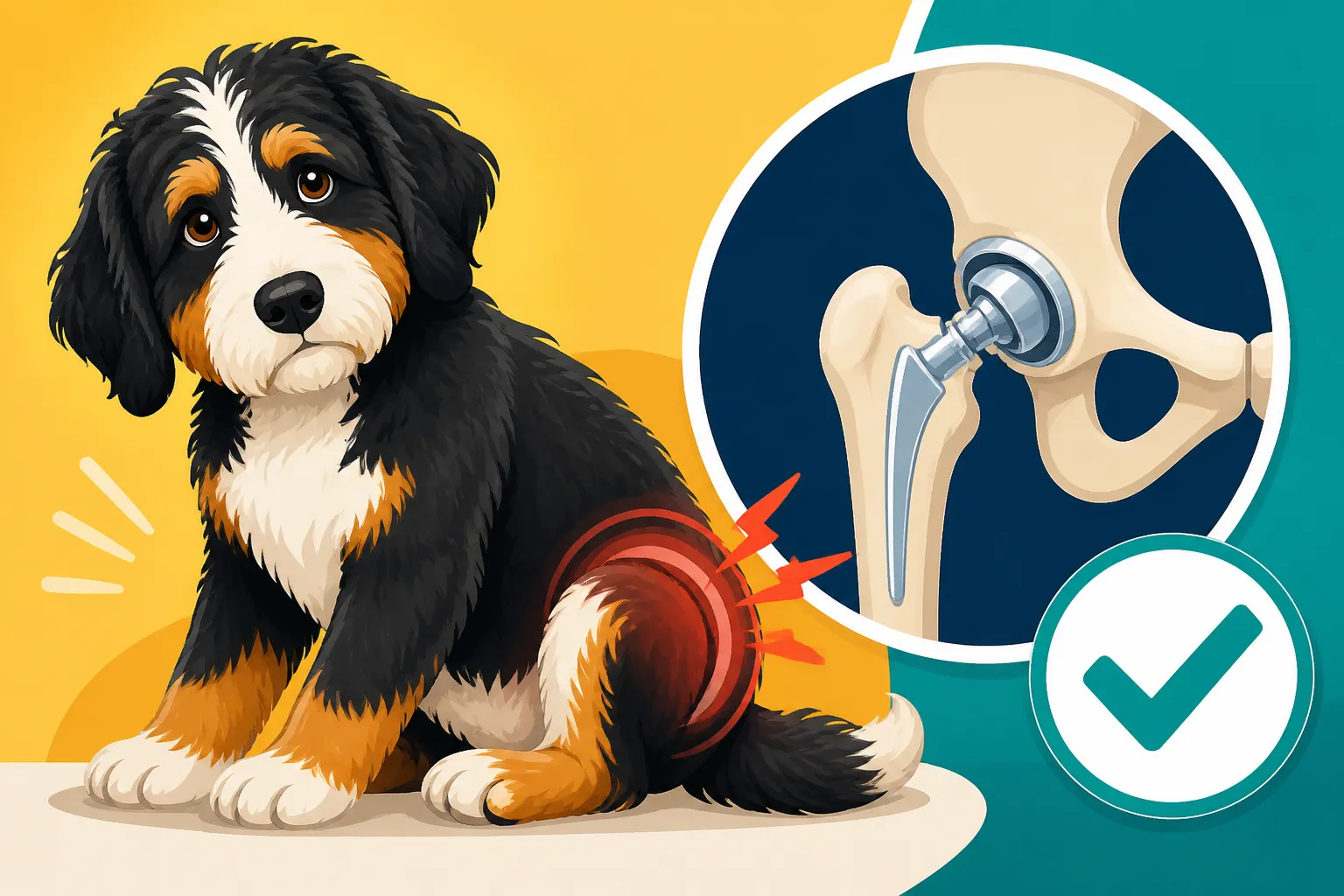
While conservative management can be incredibly effective, there are times when it simply isn't enough to alleviate a Bernedoodle's pain and improve their quality of life. When severe hip dysplasia progresses to the point where pain is constant and debilitating, even with medication and lifestyle adjustments, a total hip replacement (THR) may be the best, most lasting solution.
Deciding on Total Hip Replacement (THR)
The decision to proceed with Total Hip Replacement (THR) is a significant one, both emotionally and financially. It’s a major surgery, and it’s not taken lightly by veterinarians or owners. Typically, THR is considered when a Bernedoodle is experiencing severe, chronic pain that significantly impacts their mobility and overall well-being, despite aggressive non-surgical treatments.
Your veterinary orthopedic specialist will assess several factors to determine if your Bernedoodle is a good candidate. They’ll look at the severity of the joint degeneration on X-rays, your dog's age, overall health, and temperament. A dog that is too young and still growing might not be an ideal candidate, nor would a dog with other serious medical conditions. Ultimately, the primary driver for a THR recommendation is improving your Bernedoodle's quality of life. If they can no longer enjoy walks, play, or even get up comfortably, and conservative measures have failed, then a hip replacement offers the best chance at a pain-free, active future. It's about restoring mobility and alleviating suffering that other treatments just can't touch.
The Surgery, Recovery, and Long-Term Outlook
Total Hip Replacement surgery is a highly specialized procedure, usually performed by a board-certified veterinary orthopedic surgeon. During the surgery, the diseased "ball" of the femur and the damaged "socket" of the pelvis are removed and replaced with prosthetic components, typically made of metal and plastic. It's essentially the same procedure humans undergo for hip replacement.
The recovery from a THR is extensive and requires significant commitment from the owner. Immediately after surgery, your Bernedoodle will need strict rest and activity restriction, often involving kennel confinement for several weeks. This allows the tissues to heal and the new joint to stabilize. Pain management is crucial during this period, with a combination of medications to keep your dog comfortable. Following the initial rest period, a structured rehabilitation program, often including physical therapy like controlled leash walks, passive range of motion exercises, and hydrotherapy, will begin. This phase is vital for strengthening muscles and restoring full function.
The good news is that THR has an excellent success rate, typically between 90-95%, with many dogs experiencing a complete resolution of pain and a return to normal activity levels. While the recovery journey is demanding, the long-term outlook for a Bernedoodle that undergoes a successful hip replacement is overwhelmingly positive. They often regain full use of their leg, becoming active, happy dogs once again. It’s truly a transformative surgery for those who need it most.
Understanding the Costs and Insurance Support
Let's be real: Total Hip Replacement surgery is not inexpensive. The cost can be a significant financial burden for many families, often ranging from $4,000 to $8,000 per hip, and potentially even more depending on where you live and the specific veterinary facility. This cost typically includes the surgeon's fees, anesthesia, hospital stay, implants, and initial follow-up care. If both hips require replacement, the costs essentially double, making it a very serious consideration for any Bernedoodle owner.
It's natural to feel overwhelmed by these numbers, but there are options available to help manage the expense. Many veterinary specialty clinics offer payment plans, and there are also third-party financing options like CareCredit specifically designed for veterinary expenses. However, this is where pet insurance truly shines. A comprehensive pet insurance policy, especially one from providers like Healthy Paws, can cover a significant portion of the costs associated with a hip replacement, provided the condition isn't considered pre-existing. This is a critical point: insurance won't cover conditions that show symptoms before the policy starts or during the waiting period. This is why it’s so important to enroll your Bernedoodle in pet insurance as early as possible, ideally when they are a puppy, to ensure conditions like hip dysplasia are covered if they develop later in life. Imagine the peace of mind knowing that if your beloved companion ever needs this life-changing surgery, a substantial part of the bill will be covered, allowing you to focus on their recovery rather than the financial stress.
Proactive Steps to Protect Your Bernedoodle's Hips
While the thought of hip surgery can be daunting, there's a lot you can do proactively to minimize the risk of hip dysplasia in your Bernedoodle and support their joint health throughout their life. It starts even before you bring your puppy home and continues with careful daily management.
Responsible Breeding and Early Testing
The absolute best way to protect your Bernedoodle from severe hip dysplasia begins with your choice of breeder. A reputable breeder is transparent about the health of their breeding dogs and goes to great lengths to reduce the incidence of genetic conditions. They should enthusiastically provide proof of health clearances for both parent dogs, specifically for hips and elbows, from recognized organizations like the Orthopedic Foundation for Animals (OFA) or through PennHIP evaluations.
For example, when looking for a puppy, ask to see the OFA certificates for both the sire and dam. You want to see "Good" or "Excellent" ratings for hips and "Normal" for elbows. If the breeder uses PennHIP, they should be able to provide Distraction Index (DI) scores that place the parents in the lower risk categories. A responsible breeder understands that The Five Clearances a Bernedoodle Breeder Should Have are non-negotiable for the long-term health of their puppies. Don't be shy about asking questions about hip dysplasia in their lines, or if any previous puppies from their pairings have developed the condition. A breeder who shrugs off health testing or claims it's unnecessary is a huge red flag and should be avoided at all costs. This upfront diligence is your first and most powerful tool in ensuring your Bernedoodle starts life with the healthiest possible foundation for their joints.
Lifestyle Choices for Joint Health
Beyond genetics, everyday lifestyle choices play a huge role in supporting your Bernedoodle's developing and aging joints. When they are puppies, it's crucial to promote slow and steady growth to prevent undue stress on their developing skeletal system. This means feeding a high-quality, large-breed puppy food that is specifically formulated to control growth rates, avoiding excessive calcium and phosphorus. Overfeeding a Bernedoodle puppy, even with the right food, can lead to rapid growth that outpaces bone development, increasing the risk of joint problems. You want to avoid Overfeeding a Bernedoodle Puppy Damages Its Joints at all costs.
Controlled exercise is another critical component, especially for a large breed puppy. While it might seem counterintuitive, you don't want to over-exercise a growing Bernedoodle. Avoid forced, repetitive activities like long runs on hard surfaces, excessive jumping, or navigating many stairs during their first year or so. A good rule of thumb for puppies is the "five-minute rule": five minutes of structured exercise per month of age, twice a day, up to their adult walks. So, a four-month-old puppy might get 20 minutes of walking twice daily. This means The Five Minute Rule on a Bernedoodle Puppy's Walks is a great guideline to follow. As they mature, maintaining a lean body weight throughout their life is perhaps the single most impactful thing you can do for their joint health. Even a few extra pounds can significantly exacerbate hip problems. Regularly check their body condition—you should be able to feel their ribs easily without seeing them, and they should have a discernible waist. Remember, Keeping a Standard Bernedoodle Sound Past Ten years old relies heavily on responsible early care and consistent weight management. By being mindful of these factors, you can give your Bernedoodle the best chance at comfortable, healthy mobility for years to come.
Comparative Look: Conservative Management vs. Total Hip Replacement
Understanding the nuances of treating hip dysplasia is crucial. Here's a brief comparison of the two main approaches:
| Feature | Conservative Management | Total Hip Replacement (THR) |
|---|---|---|
| Approach | Non-surgical; manages symptoms | Surgical; replaces diseased joint parts |
| Goal | Pain control, maintain mobility, slow disease | Eliminate pain, restore near-normal function and mobility |
| Ideal Candidate | Mild to moderate dysplasia, early arthritis, owners unwilling/unable to pursue surgery |
Severe, debilitating pain unresponsive to conservative management; good overall health; dedicated owners |
| Treatment Methods | Weight control, NSAIDs, joint supplements, physical therapy, hydrotherapy, controlled exercise |
Surgical implantation of prosthetic joint; intensive post-op recovery and rehabilitation |
| Time to Improvement | Varies; ongoing management | Significant improvement typically within weeks to months post-op, with full recovery taking several months |
| Cost | Generally lower long-term, but ongoing medication/ therapy costs |
High upfront cost (e.g., $4,000-$8,000 per hip); potential for insurance coverage (e.g., Healthy Paws) |
| Potential Drawbacks | May not fully resolve pain in severe cases; progressive joint degeneration |
Major surgery risks (anesthesia, infection); long, demanding recovery; high cost |
| Long-Term Outlook | Can provide good quality of life for many years, but may require lifelong management |
Excellent in most cases, leading to a pain-free and active life |
Disclaimer
The information provided in this article is for general informational purposes only and does not constitute veterinary medical advice. Always consult with a qualified veterinarian for any health concerns or before making any decisions related to your Bernedoodle's care and treatment. Every dog is an individual, and what works for one may not work for another.