The Bleeding Disorder a Bernedoodle Gets From the Bernese
Bringing a Bernedoodle into your life is an absolute joy, filled with goofy antics, endless cuddles, and a unique personality that truly brightens your home. However, as with any beloved companion, there's always a lingering worry about their health, especially when you learn about specific genetic conditions that can crop up in their lineage. One such concern for Bernedoodle parents is Von Willebrand's Disease (vWD), a bleeding disorder that isn't always obvious until a scary situation arises. This comprehensive guide is here to shed light on what vWD is, how it affects Bernedoodles through their Bernese Mountain Dog heritage, and what you can do to ensure your furry family member lives a long, healthy life.
Understanding Von Willebrand's Disease in Bernedoodles
It's natural to assume that a mixed-breed dog like the Bernedoodle might escape some of the common genetic pitfalls of its purebred parents. While the idea of "hybrid vigor" is often touted, it doesn't always apply to every specific genetic condition, especially when one parent breed is a known carrier for something like Von Willebrand's Disease. Understanding this condition is the first step in being a proactive and informed Bernedoodle owner.
What is Von Willebrand's Disease Anyway
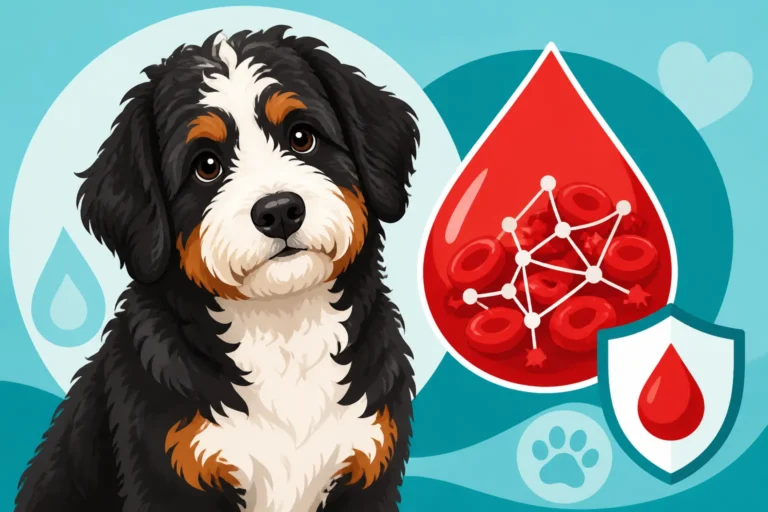
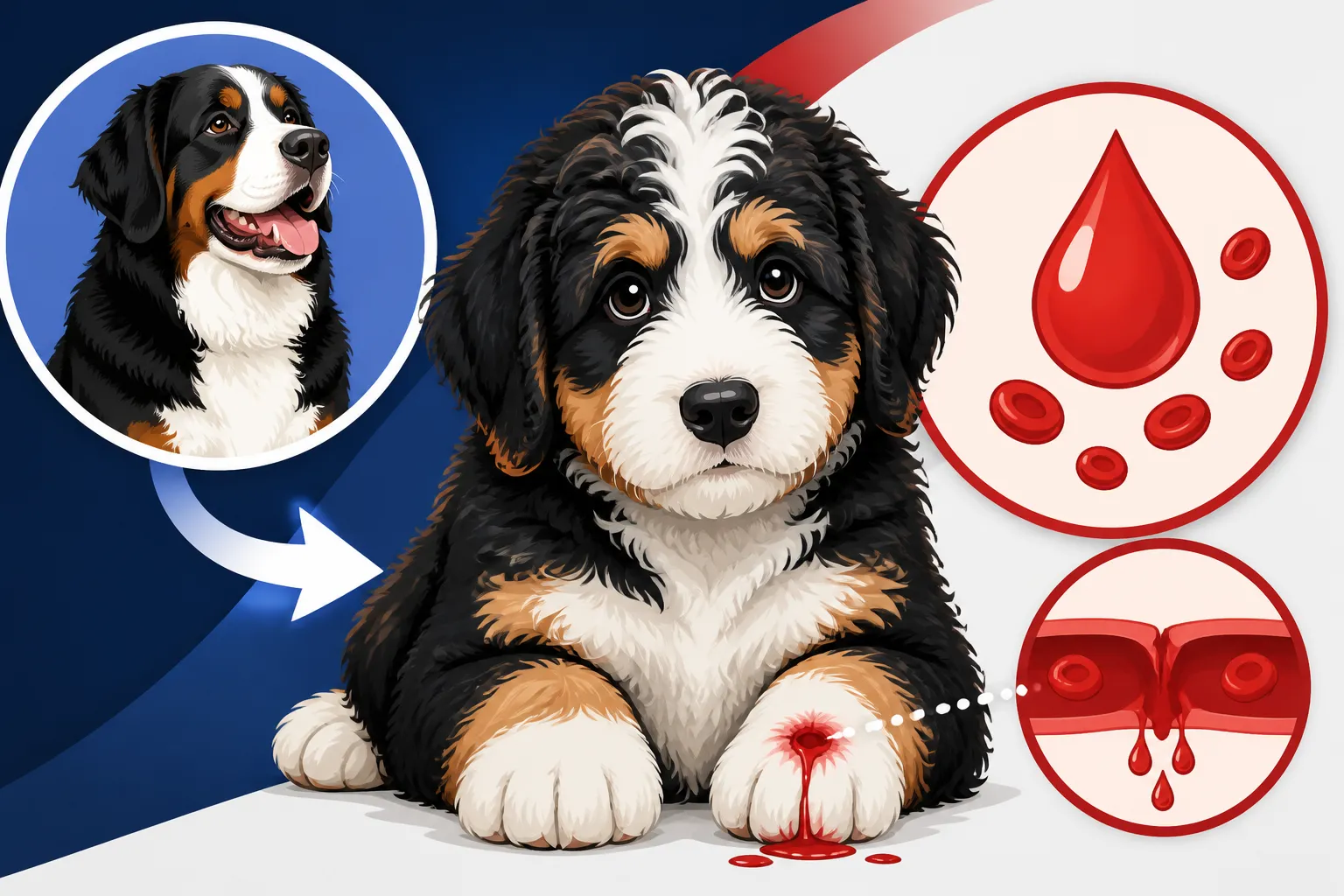
Imagine you get a tiny cut on your finger while chopping veggies. What happens? Your body quickly forms a clot, and the bleeding stops. This seemingly simple process is actually incredibly complex, involving a whole host of proteins and cells working together. One of the crucial players in this intricate dance is something called the Von Willebrand Factor (vWF). Think of vWF as the glue that helps platelets (tiny blood cells that initiate clotting) stick to the site of injury and form a plug, and also as a carrier for another important clotting factor, Factor VIII.
In dogs with Von Willebrand's Disease, there's either not enough of this vital Von Willebrand Factor, or the factor they do have isn't working correctly. This deficiency or dysfunction means their blood can't clot as efficiently as it should. So, what might be a minor scrape for a healthy dog could turn into prolonged, worrisome bleeding for a Bernedoodle affected by vWD. It's not a condition that necessarily causes constant, dramatic bleeding, which is why it can often fly under the radar until a more significant event, like surgery or a serious injury, occurs.
The Bernese Connection: How Bernedoodles Inherit vWD
Now, let's talk about how this all connects back to our wonderful Bernedoodles. Von Willebrand's Disease, specifically Type I (which we'll delve into shortly), is an inherited bleeding disorder that is autosomal recessive. What does "autosomal recessive" mean in plain English? It means that a dog needs to inherit two copies of the faulty gene – one from each parent – to actually be affected by the disease. If they inherit only one copy, they are considered a "carrier" and won't show symptoms themselves, but they can pass that gene on to their puppies.
The Bernese Mountain Dog, one half of our beloved Bernedoodle cross, is known to have a higher prevalence of Type I vWD. This means that many Bernese Mountain Dogs carry the gene for this condition. When you breed a Bernese Mountain Dog with a Poodle (the other half of the Bernedoodle equation), there's a chance the Bernedoodle puppy could inherit that gene. If a Bernese parent is a carrier and is bred with a Poodle who is also a carrier (or affected, though Poodles typically carry different types of vWD or are clear for Type I), then the puppies are at risk of being affected. Even if the Poodle parent is clear, a Bernedoodle puppy can still be a carrier if the Bernese parent was. This is why understanding the genetic health of both parent breeds is so incredibly important for responsible Bernedoodle breeding and for you, as an owner, to understand your dog's potential risks.
Types of Von Willebrand's Disease and the Bernedoodle's Risk
It might sound complicated, but understanding the different types of Von Willebrand's Disease really helps clarify what you're looking for and why certain breeds are more at risk. While there are three main classifications, it’s Type I that is predominantly associated with the Bernese Mountain Dog and, by extension, the Bernedoodle.
Decoding the Types: I, II, and III
Let's break down the different flavors of vWD:
- Type I vWD: This is the most common form of the disease in dogs and the one primarily associated with Bernedoodles. In Type I, dogs have a reduced but still present amount of Von Willebrand Factor. The factor they do have generally works normally, but there just isn't enough of it. The severity of bleeding can range from mild to moderate. Many dogs with Type I might live their entire lives without ever showing significant symptoms, only for an unexpected surgery or injury to reveal the underlying issue. Breeds like the Doberman Pinscher, Golden Retriever, and, yes, the Bernese Mountain Dog, are known for Type I vWD.
- Type II vWD: This type is much rarer and usually more severe. Here, the dog produces a normal amount of vWF, but the factor itself is structurally abnormal and doesn't function correctly. Because the vWF is defective, even normal quantities can't do the job of clotting effectively. This type can lead to more serious and spontaneous bleeding episodes. It's typically found in breeds like the German Shorthaired Pointer and a few others, but it's not the concern for Bernedoodles of Bernese lineage.
- Type III vWD: This is the most severe form, characterized by a near-complete absence of Von Willebrand Factor. Dogs with Type III vWD will experience very severe and often spontaneous bleeding from a young age. This type is generally seen in breeds like the Scottish Terrier and Shetland Sheepdog, and again, it's not the type that your Bernedoodle is likely to inherit from their Bernese side.
So, when we talk about Bernedoodles and vWD, our focus is overwhelmingly on Type I, which stems directly from their Bernese Mountain Dog ancestry.
Why Bernedoodles Are Prone to Type I vWD
The reason Bernedoodles are prone to Type I vWD circles back to the genetics of the Bernese Mountain Dog. These beautiful, gentle giants have a well-documented genetic predisposition to Type I vWD. While crossing with a Poodle is often done to introduce genetic diversity and potentially mitigate some health concerns – for example, some owners hope it will extend their dog's lifespan beyond "The Seven Years a Bernese Lives and the Twelve a Bernedoodle Might" – it doesn't automatically erase specific single-gene disorders like vWD if the Bernese parent is a carrier.
A Bernedoodle puppy inherits 50% of its genes from its Bernese parent and 50% from its Poodle parent. If that Bernese parent carries the vWD gene, then each puppy has a 50% chance of inheriting that single copy and becoming a carrier, or a 25% chance of inheriting two copies (if the Poodle parent also carried it, which is less common for Type I but not impossible for other vWD types or if the Poodle was unknowingly a carrier) and being affected. This is why even a first-generation (F1) Bernedoodle isn't completely immune, and the idea that "Whether an F1 Bernedoodle Halves the Cancer Risk" applies universally to all genetic conditions is a common misconception. The risk for vWD, specifically, is a direct inheritance concern from the Bernese side. It emphasizes why genetic testing of both parent dogs is absolutely non-negotiable for any responsible Bernedoodle breeder.
Recognizing the Signs and Symptoms of vWD
One of the trickiest aspects of Von Willebrand's Disease, particularly Type I, is that it can be a silent condition for a long time. Many Bernedoodles who are affected might not show any obvious signs until a critical moment, which can be incredibly frightening for an owner who suddenly faces prolonged, unexplained bleeding.
Subtle Clues and Obvious Bleeds
The symptoms of vWD in Bernedoodles can vary wildly in severity, ranging from mild and easily overlooked to severe and life-threatening. Here are some of the signs to be aware of:
- Nosebleeds: These can sometimes be spontaneous, occurring without any apparent trauma, or they might seem excessive after a minor bump.
- Bleeding Gums: You might notice this during teething in puppies, or later in life during routine teeth brushing if the gums are particularly sensitive.
- Prolonged Bleeding After Injury or Surgery: This is often the most common way vWD is first diagnosed. A minor cut that takes an unusually long time to stop bleeding, or excessive bleeding after routine procedures like nail trims, spaying/neutering, or a dental cleaning, are huge red flags. If you've ever thought, "Why does it seem like "Whether a Bernedoodle Bleeds Longer Than Expected" after a simple scrape?", vWD might be the answer.
- Blood in Stool or Urine: While these can indicate many other health issues, prolonged bleeding from the gastrointestinal or urinary tract can be a symptom of vWD.
- Excessive Bruising: Sometimes, even slight bumps can lead to large, noticeable bruises on an affected Bernedoodle.
- Bleeding during estrus (heat cycles) or after whelping (giving birth): In female dogs, prolonged or heavy bleeding during these times can also be an indicator.
It's important to remember that not all Bernedoodles with vWD will exhibit all these symptoms, and some might show none at all until a very specific trigger occurs. This insidious nature is precisely why pre-emptive testing is so crucial.
When to Worry: Emergency Situations
While subtle signs can be present, vWD often becomes an emergency situation when a Bernedoodle undergoes surgery or suffers a significant injury. Imagine your sweet Bernedoodle needing a routine spay or neuter. Without proper testing and awareness, a vet might not know your dog is affected by vWD, leading to excessive bleeding during or after the procedure. This isn't just a nuisance; it can lead to dangerous blood loss, requiring emergency transfusions, and significantly complicates recovery. This is why many vets strongly recommend that "Whether a Bernedoodle Should Be Tested Before Neutering" is a standard protocol, especially for breeds known to carry vWD.
Beyond planned surgeries, internal bleeding can also occur spontaneously or after minor trauma, which can be incredibly frightening because it's not always visible. Signs of internal bleeding might include:
- Lethargy and Weakness: A sudden drop in energy, unwillingness to move.
- Pale Gums: A sign of blood loss and anemia.
- Abdominal Distention: A swollen, painful belly could indicate bleeding into the abdominal cavity.
- Difficulty Breathing: If bleeding occurs in the chest cavity.
If you ever notice these severe signs, especially coupled with any history of excessive bruising or bleeding, it's an immediate trip to the emergency vet. Always, always inform your veterinary team about any known family history of bleeding disorders or if your Bernedoodle has tested as a carrier or affected for vWD. This information is absolutely vital for them to provide the best and safest care.
Diagnosis and Genetic Testing for Your Bernedoodle
The good news is that Von Willebrand's Disease is something we can test for, giving us the power to make informed decisions about our Bernedoodles' health. This proactive approach is a cornerstone of responsible pet ownership and breeding.
The Importance of Screening Your Bernedoodle
There are generally two main types of tests used to diagnose vWD in dogs:
- vWF:Ag (Von Willebrand Factor Antigen) Test: This is a blood test that measures the actual amount of Von Willebrand Factor protein present in your dog's blood. It provides a quantitative result, telling you how much vWF your dog has. While useful, the level of vWF can fluctuate due to stress, inflammation, or hormonal changes, so a single test might not always tell the whole story, and sometimes repeated testing or comparison with a genetic test is recommended.
- Genetic DNA Test: This is arguably the most definitive and reliable test, especially for Type I vWD. It's usually done via a simple cheek swab or blood sample. This test looks directly for the specific gene mutation responsible for Type I vWD. The results will tell you if your Bernedoodle is "Clear" (meaning they don't have the mutation and cannot pass it on), a "Carrier" (meaning they have one copy of the mutation and can pass it on, but typically won't show symptoms themselves), or "Affected" (meaning they have two copies of the mutation and are at risk of developing symptoms and can pass it on).
Knowing your Bernedoodle's status, particularly their genetic status, is incredibly powerful. It allows you to:
- Inform your vet of potential risks before any surgery or invasive procedure.
- Take preventative measures to minimize trauma.
- Make informed breeding decisions if your dog is intact.
It's not just about your Bernedoodle; it's about the health of future generations. That's why it's so important that "The SOD1 Test Both Bernedoodle Parents Need" (for Degenerative Myelopathy) and the vWD test are standard for any responsible breeder. You should always ask about a puppy's parents' vWD status before bringing a Bernedoodle home.
Interpreting Test Results and Breeder Responsibilities
When you receive vWD test results, whether it's for your own Bernedoodle or from a breeder for a potential puppy, understanding what they mean is crucial.
Let's look at the possible genetic test outcomes:
| Result | Genetic Status | Meaning | Breeding Implications | Health Implications for Dog |
|---|---|---|---|---|
| Clear | N/N (Normal/Normal) | The dog does not carry the vWD gene mutation. | Can be safely bred with any dog. Will not produce affected puppies. | Very low risk of vWD Type I. |
| Carrier | N/vWD (Normal/Affected) | The dog carries one copy of the vWD gene mutation but usually shows no symptoms. | Can be bred with a "Clear" dog to produce only clear or carrier puppies, avoiding affected offspring. | Typically asymptomatic, but may have slightly prolonged clotting times. |
| Affected | vWD/vWD (Affected/Affected) | The dog carries two copies of the vWD gene mutation and is at risk of showing symptoms. | Should not be bred. Breeding would guarantee passing on affected genes. | High risk of bleeding episodes; requires careful management. |
Responsible Bernedoodle breeders will go above and beyond to ensure their breeding stock is healthy and free from known genetic diseases like vWD. They should be able to provide clear documentation of genetic testing for both parent dogs, not just a verbal assurance. This includes providing OFA (Orthopedic Foundation for Animals) or PennHIP certifications for hips and elbows, eye clearances, and genetic panels that include vWD. If a breeder isn't upfront about these tests, it should be a major red flag. Always ask to see the actual certificates, not just a summary. A breeder who proudly displays "The Five Clearances a Bernedoodle Breeder Should Have" for their dogs demonstrates a true commitment to the health of their puppies. Conversely, considering "Whether an Untested Bernedoodle Litter Is Worth Buying" without these assurances is a gamble on your future pet's health and your wallet.
The cost of these tests is a small fraction of what potential emergency care could cost. For example, knowing "What a Von Willebrand Test Costs on a Bernedoodle" might seem like an extra expense, but it's an invaluable investment in peace of mind and your dog's safety.
Managing and Living with a Bernedoodle Affected by vWD
If you discover your Bernedoodle is affected by Von Willebrand's Disease, it's not the end of the world, but it does mean you'll need to be more vigilant and proactive in their care. The goal is to minimize risks and be prepared for potential bleeding episodes.
Proactive Care and Prevention
Living with a vWD-affected Bernedoodle means being extra mindful of their environment and activities. Here's how you can proactively manage their health:
- Avoid Trauma: While you can't wrap your Bernedoodle in bubble wrap, try to minimize situations where they might get cuts, scrapes, or rough impacts. Supervise play with other dogs, especially boisterous ones, and avoid overly rough games. If your dog loves to zoom around the yard, ensure there are no sharp objects or hazards they could run into.
- Careful Grooming: Nail trims can sometimes lead to prolonged bleeding in vWD-affected dogs. Use sharp clippers, have styptic powder (like Kwik Stop) readily available, and only clip off tiny amounts at a time. Be gentle when brushing to avoid skin nicks, especially around sensitive areas.
- Medication Awareness: Certain medications can exacerbate bleeding in dogs with vWD. Non-steroidal anti-inflammatory drugs (NSAIDs) like aspirin, ibuprofen, and some prescription pain relievers, as well as some antibiotics, can interfere with platelet function or blood clotting. Always inform your vet about your Bernedoodle's vWD status before they prescribe any medication. They will know which medications to avoid or use with extreme caution.
- Inform Your Vet: This is paramount. Every time your Bernedoodle needs veterinary care, especially for surgery, dental cleaning, or any procedure requiring anesthesia, remind your vet of their vWD status. This allows them to take necessary precautions, such as pre-screening or having necessary blood products on hand.
By integrating these proactive steps into your Bernedoodle's routine, you can significantly reduce the likelihood of a major bleeding crisis and ensure a higher quality of life.
Treatment Options and Emergency Preparedness
When a bleeding episode does occur, or when surgery is unavoidable, there are specific treatment options available for Bernedoodles with Type I vWD.
- Desmopressin (DDAVP): This synthetic hormone can sometimes be administered before surgery to help release more Von Willebrand Factor from the body's storage sites. It's not effective for all dogs with Type I vWD, and generally not useful for Types II or III, but for those it helps, it can significantly reduce bleeding risks. Your vet will determine if this is a suitable option for your Bernedoodle.
- Blood Transfusions: In severe bleeding episodes or for major surgeries, a blood transfusion containing fresh-frozen plasma (FFP) or cryoprecipitate (a concentrated source of clotting factors, including vWF) might be necessary. These provide the missing Von Willebrand Factor and other clotting proteins to help the blood clot.
- Surgical Hemostasis: During surgery, vets will employ meticulous surgical techniques to control bleeding, such as careful cautery or ligatures.
- Emergency Plan: Work with your veterinarian to establish an emergency plan. Know which emergency veterinary clinics in your area are equipped to handle bleeding disorders and stock blood products. Keep their numbers handy, along with your Bernedoodle's vWD test results.
Considering pet insurance is also a very wise decision for a Bernedoodle, especially with the potential for inherited conditions like vWD. Policies from providers like Healthy Paws can help offset the significant costs of emergency transfusions or complex surgical management. Understanding "What Insuring a Standard Bernedoodle Runs" and ensuring you have coverage for hereditary conditions can provide immense peace of mind when facing unexpected health challenges.
Breeding and the Future of Bernedoodle Health
The decisions made by Bernedoodle breeders today directly impact the health of puppies for years to come. For owners, understanding responsible breeding practices is your most powerful tool in ensuring your Bernedoodle comes from the healthiest possible lineage.
Making Informed Breeding Decisions
For anyone considering breeding Bernedoodles, or for prospective puppy buyers, genetic testing for Von Willebrand's Disease (Type I, specifically) is an absolute must. There is simply no excuse for skipping this crucial step.
- Test All Breeding Dogs: Every Bernese Mountain Dog and Poodle used in a Bernedoodle breeding program should be genetically tested for vWD Type I, along with other breed-specific genetic conditions. This isn't just a suggestion; it's a foundational ethical requirement. Knowing the status of the parent dogs allows breeders to make informed pairing decisions that safeguard the health of the puppies.
- Responsible Pairing:
- Clear x Clear: This is the ideal pairing. All puppies will be Clear and will not carry the vWD gene.
- Clear x Carrier: This pairing will produce approximately 50% Clear puppies and 50% Carrier puppies. None of the puppies will be affected by vWD, but the Carrier puppies will carry one copy of the gene. Owners of these puppies should be informed of their carrier status and advised not to breed them with another carrier.
- Clear x Affected: This pairing will produce 100% Carrier puppies. Again, none will be affected, but all will carry the gene. This pairing is less ideal but can be used cautiously by experienced breeders if the "Affected" dog has exceptional qualities otherwise, with strict adherence to not breeding the resulting carriers.
- Carrier x Carrier, Carrier x Affected, Affected x Affected: These pairings are considered irresponsible and unethical. They carry a high risk of producing puppies that are "Affected" by vWD, meaning they will suffer from the bleeding disorder. Reputable breeders will never make these pairings.
By adhering to these responsible breeding strategies, breeders can steadily reduce the prevalence of vWD in the Bernedoodle population, contributing to a healthier future for the breed. If a breeder is unwilling or unable to provide proof of genetic testing, especially for conditions like vWD, it's a strong indicator that they may not have the puppies' best interests at heart.
Educating Future Bernedoodle Owners
As prospective Bernedoodle owners, you hold significant power. Your demand for health-tested puppies drives responsible breeding practices. Don't be afraid to ask tough questions and expect transparent answers and documentation.
- Demand Health Clearances: Always ask to see the genetic health clearances for both parent dogs, specifically including the vWD Type I test. A good breeder will have these readily available and be happy to discuss them with you. Don't accept vague assurances or "vet checked" as a substitute for verifiable genetic testing.
- Understand Your Puppy's Status: If your Bernedoodle puppy's parents were a Clear x Carrier pairing, your puppy might be a carrier. Ask for this information. If your Bernedoodle is a carrier, it's important for you to know, especially if you ever consider breeding them (which generally isn't recommended for carrier dogs, to help phase out the gene).
- Spread Awareness: By being informed and advocating for responsible breeding, you contribute to raising the bar for Bernedoodle health across the board. The more educated puppy buyers become, the more pressure there is on breeders to prioritize health and genetics over simply producing puppies.
- Ongoing Veterinary Care: Even if your Bernedoodle is clear, regular veterinary check-ups are essential. And if they are a carrier or affected, your ongoing partnership with your vet is vital for monitoring their health and addressing any concerns promptly.
Ultimately, the goal is to ensure that Bernedoodles continue to be wonderful companions, free from preventable suffering due to inherited conditions. Your role as an informed owner, from your initial puppy search to a lifetime of care, is central to achieving this vision.
Disclaimer
Please remember, the information provided in this guide is intended for educational purposes only and should not be considered a substitute for professional veterinary advice. Always consult with a qualified veterinarian for any health concerns or before making any decisions related to your Bernedoodle's medical care or treatment.