Hypothyroidism From the Bernese Side of a Bernedoodle
It's incredibly frustrating when you bring home a vibrant, playful Bernedoodle, expecting a robust hybrid, only to discover they're struggling with unexpected health issues like a dull coat, lethargy, or unexplained weight gain. Many new Bernedoodle parents are caught off guard by these subtle but persistent changes, often wondering if it’s just a phase or something more serious. This guide will walk you through understanding hypothyroidism, a condition often inherited from the Bernese side of your beloved Bernedoodle, helping you identify symptoms, navigate diagnosis, and manage treatment effectively to keep your furry friend thriving.
Understanding Hypothyroidism in Bernedoodles
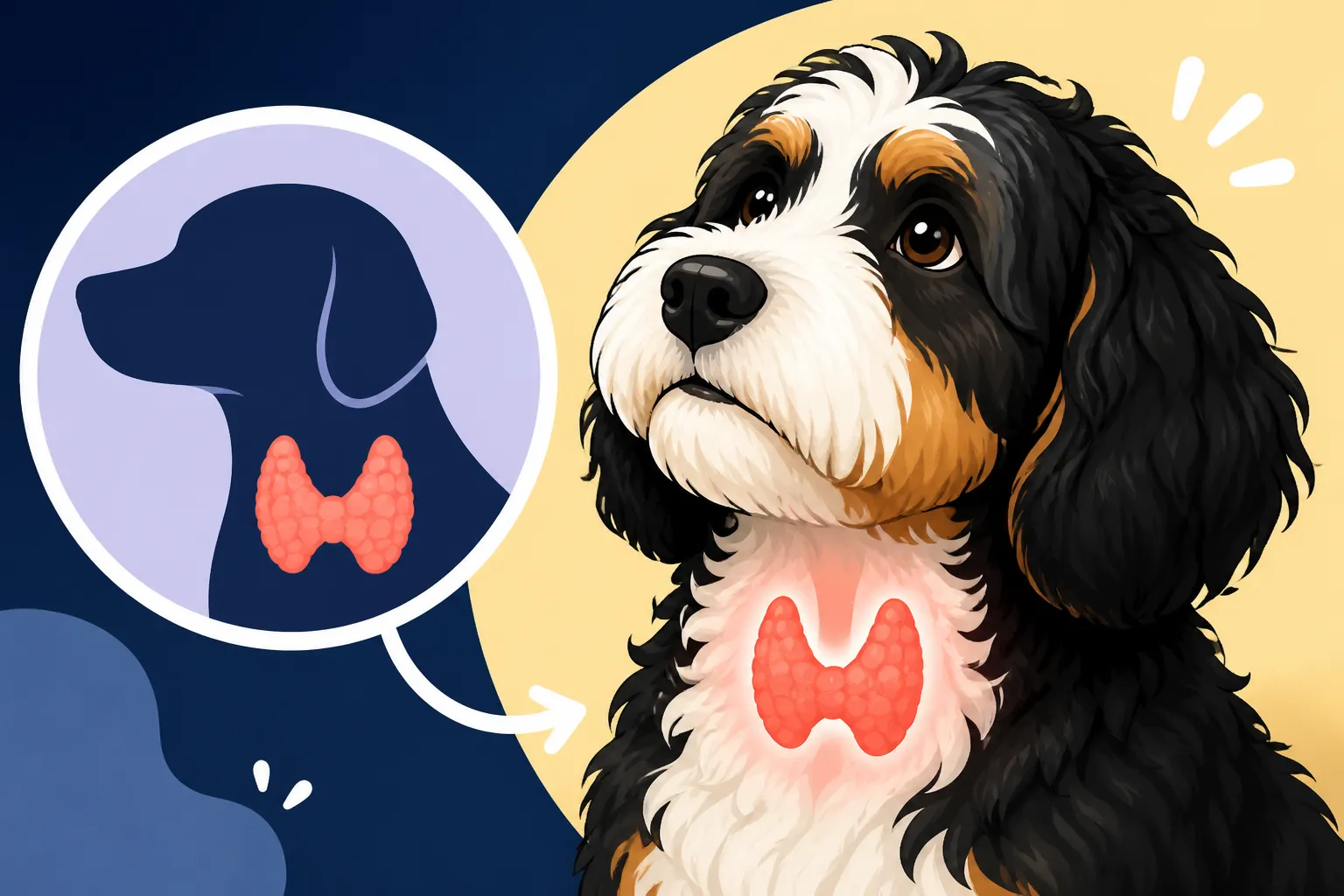
Hypothyroidism is a condition where the thyroid gland, a small but mighty organ located in your dog's neck, doesn't produce enough thyroid hormones. These hormones are essential for regulating metabolism, which pretty much governs every single process in the body. When hormone levels drop, everything slows down, leading to a cascade of symptoms that can be confusing and disheartening for owners to witness. It's not a sudden, dramatic illness, but rather a slow, insidious decline in your dog's overall vitality.
The Bernese Mountain Dog Connection to Thyroid Issues
When we talk about hypothyroidism in Bernedoodles, it’s almost impossible not to look at the Bernese Mountain Dog side of the family. Bernese Mountain Dogs, as a breed, have a statistically higher predisposition to developing autoimmune thyroiditis, which is the most common cause of hypothyroidism in dogs. In simple terms, their own immune system mistakenly attacks and destroys the thyroid gland over time. This isn't something that happens overnight; it's a gradual process, often starting long before clinical signs become obvious.
Imagine a beautiful, fluffy Bernese with its strong, sturdy build – you wouldn’t immediately think "fragile thyroid," would you? Yet, this genetic vulnerability is very real. When a Bernese parent with this genetic predisposition is bred with a Poodle, the Bernedoodle offspring can inherit this increased risk. It’s not a guarantee, mind you, but the odds are definitely higher than in some other breeds. Many dedicated breeders go to great lengths to screen their breeding stock for thyroid issues, knowing the potential impact on future generations. This diligence is why it’s so important to choose a reputable breeder who prioritizes health clearances, not just for hips and elbows, but for thyroid function too.
How the Poodle Side Influences Hypothyroidism Risk
Now, while the Bernese often takes the spotlight for thyroid issues, we can’t entirely let the Poodle off the hook. Standard Poodles, too, can carry a genetic predisposition to certain autoimmune diseases, including autoimmune thyroiditis. While perhaps not as pronounced as in the Bernese, the Poodle side can certainly contribute to the overall risk in a Bernedoodle. In some cases, a Bernedoodle might inherit a tendency from both parents, compounding the risk.
However, the Poodle's influence isn't solely about adding risk. The concept of "hybrid vigor" is often discussed in designer breeds like the Bernedoodle, suggesting that mixing two purebreds can sometimes reduce the incidence of breed-specific diseases. While this is true for some conditions, it doesn't entirely eliminate the risk of those inherited from either parent. In the case of hypothyroidism, if both parent breeds carry a predisposition, hybrid vigor might slightly dilute the risk but won't make your Bernedoodle immune. It's a complex genetic lottery, where traits from both sides intertwine, creating a unique health profile for each individual dog. This is why paying attention to the health history of both parent lines is absolutely crucial when considering Whether an Unknown Pedigree Costs a Bernedoodle Years.
Different Types of Hypothyroidism Seen in Dogs
When a veterinarian talks about hypothyroidism, they're usually referring to primary hypothyroidism, which accounts for over 95% of cases in dogs. This is where the problem originates directly from the thyroid gland itself. Within primary hypothyroidism, the most common culprit is autoimmune thyroiditis, where the dog's immune system launches an attack on its own thyroid tissue. It's like the body's defense system gets confused and starts targeting an ally instead of an enemy. Over time, this chronic inflammation leads to the destruction of the thyroid cells, reducing their ability to produce hormones.
Less commonly, dogs can suffer from idiopathic thyroid atrophy, where the thyroid gland simply shrinks and wastes away for no apparent reason that medical science can pinpoint. Then there's secondary hypothyroidism, which is quite rare, where the pituitary gland in the brain fails to produce enough Thyroid Stimulating Hormone (TSH), which is supposed to tell the thyroid gland to get to work. Lastly, congenital hypothyroidism, where puppies are born with an underactive thyroid, is incredibly rare but can lead to severe developmental issues if not caught early. For Bernedoodle owners, understanding that primary hypothyroidism due to autoimmune thyroiditis is the most likely scenario helps to focus discussions with your vet, especially given the Bernese predisposition.
Recognizing the Subtle Signs of Low Thyroid Function
One of the trickiest things about hypothyroidism is that its symptoms often creep up slowly, mimicking other conditions, or just making your dog seem "off." You might dismiss a slight slowdown as aging or assume a dull coat is just seasonal. But for attentive Bernedoodle parents, recognizing these subtle cues early can make all the difference in getting a timely diagnosis and starting treatment. It's often not one dramatic symptom, but a collection of small, persistent changes that paint the picture.
Common Physical Symptoms to Watch For
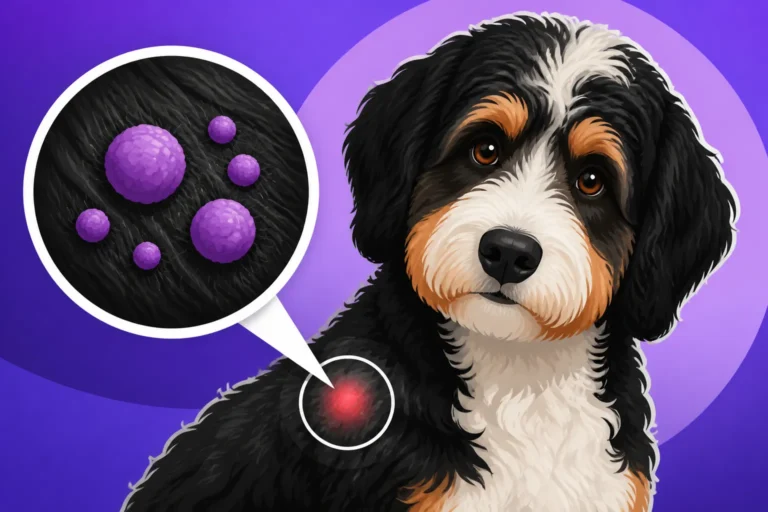
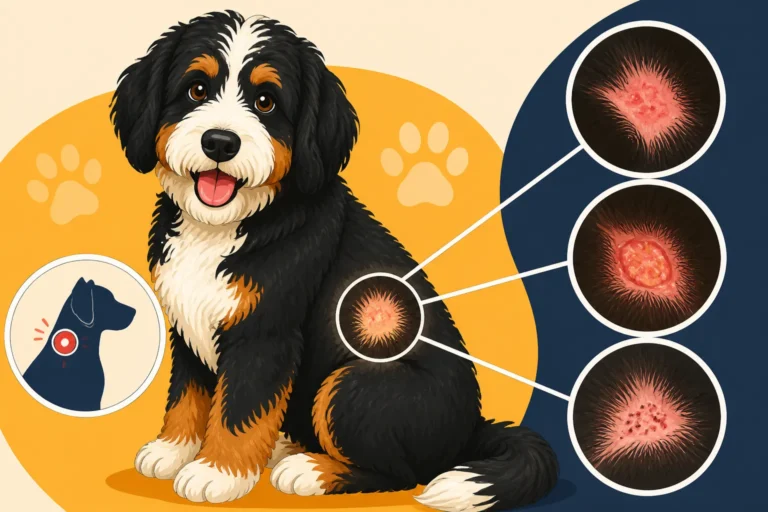
The most commonly reported physical signs of hypothyroidism often revolve around changes in coat and skin. You might notice your Bernedoodle's beautiful, fluffy coat becoming dry, brittle, and sparse. Patches of hair loss, particularly on the flanks, tail (often called a "rat tail"), or the bridge of the nose, are classic indicators. The skin itself can become dry, flaky, thickened, or even hyperpigmented (darkened), especially in areas of friction or where hair loss is present. Some dogs develop recurrent skin infections because their compromised skin barrier makes them more susceptible. It's easy to mistake these for Skin Problems Under a Bernedoodle's Heavy Coat or allergies initially.
Beyond the skin and coat, you might observe a generalized lethargy or lack of energy. Your once enthusiastic companion might be less keen on walks, play, or even greetings. They might sleep more, move slower, and just seem generally less engaged. Weight gain, despite no change in diet or exercise, is another very common symptom because their metabolism has slowed to a crawl. They're burning fewer calories. You might notice a puffy face or a tragic expression, which can be due to fluid retention in facial tissues, giving them a somewhat sad appearance. Even a slightly lower body temperature can be a sign, though this is harder to detect without a thermometer. This slowing down can sometimes be confused with The Signs a Bernedoodle Is Slowing Down that come with age, but if it starts earlier or seems more pronounced, it's worth investigating.
Behavioral Shifts and Why They Occur
It’s not just physical symptoms; hypothyroidism can subtly impact your Bernedoodle's personality and behavior too. Because their metabolism is dragging, they simply don't have the internal energy reserves they once did. This can manifest as a general apathy or disinterest in things they once loved. They might become less playful, less responsive, and even seem a bit withdrawn. You might notice that they're less eager to go outside for walks, or they tire much more quickly during playtime.
Some owners report an increase in irritability or even aggression in their hypothyroid dogs. While this is less common, chronic low-grade discomfort, feeling sluggish, or just generally unwell can certainly impact a dog's mood and patience. Imagine always feeling tired and a bit "off" – it would make anyone a little grumpy! It's important to differentiate these changes from normal temperament quirks or aging processes. If your Bernedoodle, who was once an eager participant in family activities, suddenly prefers to lie alone, seems less tolerant of handling, or generally seems to have lost their spark, it's definitely something to discuss with your vet. Sometimes, what seems like a behavioral problem is actually rooted in an underlying medical condition.
The Challenges of Diagnosing Hypothyroidism
Diagnosing hypothyroidism can be surprisingly challenging because, as we've discussed, the symptoms are often vague and overlap with many other conditions. A dull coat could be poor nutrition or allergies. Weight gain could be overfeeding. Lethargy could be simple aging or another illness. This makes it a true "mimic" disease. Vets often refer to it as a great imitator, which is why a thorough diagnostic approach is always needed.
Another hurdle is the impact of other illnesses or medications on thyroid test results. Certain drugs, like steroids, or even non-thyroidal illnesses can suppress thyroid hormone levels, leading to what's called "euthyroid sick syndrome." This means the dog's thyroid gland is perfectly fine, but its blood tests show low levels because the body is conserving energy to fight another battle. This can result in a false positive for hypothyroidism. Because of these complexities, a single low T4 reading isn't always enough to make a definitive diagnosis. Your vet will need to consider the full clinical picture, rule out other diseases, and often perform a more comprehensive thyroid panel to get an accurate assessment. This can be frustrating for owners, as it might involve multiple vet visits and tests, but it’s crucial for ensuring your Bernedoodle receives the correct treatment.
The Diagnostic Process and What to Expect at the Vet
When you suspect your Bernedoodle might be dealing with hypothyroidism, the first step is always a visit to your veterinarian. They’ll take a thorough history, asking about all the subtle changes you’ve noticed, and perform a complete physical examination. This initial consultation is vital, as it helps rule out other common conditions that might present with similar symptoms. Don't be afraid to list every little thing you've observed, even if it seems minor – sometimes the smallest detail can be a crucial clue.
Initial Examinations and Bloodwork
During the initial exam, your vet will meticulously check your Bernedoodle's skin and coat, looking for signs of dryness, scaling, hair loss, or thickening of the skin. They’ll also feel your dog’s thyroid gland, though it's often too small and soft to feel anything abnormal in a hypothyroid dog. They'll also assess your dog's overall body condition, noting any weight gain or lethargy. After this, blood tests are the cornerstone of diagnosing hypothyroidism.
The most common initial screening test is a total T4 (thyroxine) level. T4 is one of the main thyroid hormones. If this is low, it’s a red flag. However, as mentioned, a low T4 can be influenced by many factors. To get a clearer picture, your vet will often recommend a more comprehensive thyroid panel, which typically includes:
- Total T4 (TT4): Measures the total amount of T4 in the blood.
- Free T4 (fT4): Measures the biologically active, "unbound" form of T4. This is often considered more accurate than TT4 because it's less affected by non-thyroidal illnesses or medications.
- TSH (Thyroid Stimulating Hormone): Produced by the pituitary gland, TSH tells the thyroid to produce more hormones. In primary hypothyroidism, the pituitary gland tries to compensate for the failing thyroid by pumping out more TSH, so a high TSH level paired with low T4 and fT4 is highly indicative of hypothyroidism.
- Thyroglobulin Autoantibodies (TgAA): This test specifically looks for the antibodies that attack the thyroid gland in autoimmune thyroiditis. A positive result confirms the autoimmune nature of the disease, which is particularly relevant given the Bernese predisposition.
These tests help your vet piece together the puzzle, giving a much clearer picture of your Bernedoodle's thyroid function. A diagnosis isn't usually made on just one test, but rather a combination of consistent clinical signs and specific patterns in these blood markers. It’s also important to remember that some pet insurance providers, such as Healthy Paws, often cover diagnostic tests and medications for chronic conditions like hypothyroidism once the waiting period has passed, offering peace of mind during this potentially expensive diagnostic phase. You can learn more about The Screening a Bernedoodle Should Have Yearly for other conditions as well.
Interpreting Test Results and False Positives
Interpreting thyroid test results can be quite nuanced, and it's where your veterinarian's expertise truly shines. A low total T4 alone isn't necessarily a definitive diagnosis, especially if your Bernedoodle has another illness or is on certain medications. For instance, some medications for Arthritis in a Bernedoodle at Eight or certain skin conditions could temporarily suppress thyroid hormone levels. This is where the free T4 and TSH levels become incredibly important.
The classic pattern for primary hypothyroidism is a low total T4, a low free T4, and a high TSH. The high TSH indicates that the pituitary gland is working overtime, desperately trying to stimulate a failing thyroid gland that simply can't respond adequately. If autoantibodies (TgAA) are also positive, it strengthens the diagnosis of autoimmune thyroiditis. However, if total T4 is low but free T4 and TSH are normal, or if TSH is not elevated, it might suggest euthyroid sick syndrome, meaning the thyroid itself isn't the primary problem. This is a crucial distinction because treating a dog for hypothyroidism when they don't actually have it won't resolve their underlying issues and can even create new health problems. Your vet will carefully consider all these factors, often recommending a retest in a few weeks or months if the initial results are borderline or contradictory, to ensure the most accurate diagnosis.
When to Seek a Specialist's Opinion
While many general practice veterinarians are adept at diagnosing and managing common cases of hypothyroidism, there are certainly times when consulting a specialist, like a board-certified internal medicine veterinarian, is a wise move. This might be recommended if your Bernedoodle's symptoms are unusual, their blood test results are consistently ambiguous, or if they're not responding to standard treatment as expected.
A specialist has advanced training and experience in complex medical conditions, often with access to more specialized diagnostic tools or a deeper understanding of rare presentations. They can offer a fresh perspective, conduct more advanced tests, or help manage tricky cases that might be complicated by other co-existing health issues. For example, if your Bernedoodle has multiple autoimmune conditions or if there's suspicion of secondary or congenital hypothyroidism (though very rare), a specialist might be better equipped to pinpoint the exact problem. Don’t view a referral as a sign that your regular vet isn’t capable; rather, it’s a testament to their commitment to ensuring your beloved Bernedoodle receives the absolute best and most comprehensive care possible.
Managing Hypothyroidism in Your Bernedoodle
Once your Bernedoodle has a confirmed diagnosis of hypothyroidism, the good news is that it's a very manageable condition. While it requires lifelong treatment, the therapy is typically straightforward, relatively inexpensive, and often brings about dramatic improvements in your dog's health and quality of life. The key is consistency and close monitoring with your veterinarian.
Lifelong Medication and Dosage Adjustments
The cornerstone of treating hypothyroidism in dogs is daily oral medication, specifically synthetic thyroid hormone replacement, usually in the form of levothyroxine (often prescribed as L-thyroxine or Soloxine). This medication essentially replaces the hormones your Bernedoodle's body isn't producing enough of. It's usually given twice a day, and consistency is vital – try to administer it around the same time each day, preferably on an empty stomach (or at least consistently with food, as food can affect absorption).
The initial dosage is calculated based on your Bernedoodle's weight, but it’s rarely a "one size fits all" situation. Your vet will start with a dose and then, typically after 4-8 weeks, will recommend a follow-up blood test. This test measures the thyroid hormone levels in your dog's blood a few hours after they've taken their medication, to see if the dosage is adequate. Based on these results and your Bernedoodle's clinical improvement, the vet will adjust the dosage up or down. This titration period is crucial to finding the "sweet spot" where your dog's hormone levels are optimal, and their symptoms are resolved without causing hyperthyroidism (too much thyroid hormone). Once stable, these follow-up blood tests are usually recommended once or twice a year, or if symptoms recur. Remember, this is a lifelong commitment, but the benefits of a happy, energetic Bernedoodle are immeasurable.
The Role of Diet and Supplements
While medication is the primary treatment for hypothyroidism, some owners wonder about the role of diet and supplements. For the most part, a high-quality, balanced commercial dog food appropriate for your Bernedoodle's age and size is perfectly sufficient. There’s no specific "hypothyroid diet" that can cure the condition or replace medication. However, because weight gain can be a symptom, choosing a food that helps maintain a healthy weight is beneficial. Be mindful of calorie intake, especially if your Bernedoodle has already gained weight. Discuss appropriate food choices with your vet, especially when considering Feeding a Bernedoodle That Will Reach Ninety Pounds.
Regarding supplements, while various products claim to support thyroid health, it's essential to be cautious and consult your vet before adding anything to your Bernedoodle's regimen. Some supplements can actually interfere with thyroid medication absorption or contain ingredients that are either unhelpful or, in rare cases, harmful. For instance, too much iodine can sometimes exacerbate thyroid issues. The most important "supplement" is simply adhering to the prescribed levothyroxine. Focus on a good quality diet, maintaining a healthy weight, and providing consistent exercise, rather than relying on unproven supplements to manage a treatable medical condition. However, if your Bernedoodle develops issues like Arthritis in a Bernedoodle at Eight, then appropriate joint supplements might be considered under veterinary guidance.
Prognosis and Quality of Life for Hypothyroid Bernedoodles
The good news is that the prognosis for Bernedoodles diagnosed with hypothyroidism and properly managed is excellent! With consistent medication, most dogs return to their normal, vibrant selves within a few weeks to months. Owners often report a dramatic improvement in energy levels, a resurgence of their playful personality, and a healthier, shinier coat. The physical and behavioral changes often reverse, giving you back the Bernedoodle you know and love.
Since it's a lifelong condition, continued adherence to medication and regular veterinary check-ups for blood monitoring are key to maintaining this good quality of life. The aim is to ensure your Bernedoodle’s thyroid hormone levels remain stable within the normal range. With proper management, hypothyroidism typically does not shorten a Bernedoodle's lifespan or significantly impact their overall well-being. It becomes just another part of their routine, much like taking a daily vitamin for a human. This highlights why early detection and consistent treatment, potentially covered by a comprehensive pet insurance plan like those offered by Healthy Paws, are so crucial for managing chronic conditions effectively and ensuring your furry companion enjoys a full, happy life. Knowing The Average Age a Bernedoodle Reaches can help you appreciate that good care extends their active years.
Preventing and Screening for Thyroid Disease
While we can't completely prevent genetic predispositions, there are certainly proactive steps Bernedoodle owners and responsible breeders can take to minimize the risk and ensure early detection of thyroid disease. Prevention often starts long before a puppy even comes home, extending through its entire life.
Breeder Responsibility and Genetic Testing
The first line of defense against inherited health conditions like hypothyroidism lies with responsible breeding practices. Reputable Bernedoodle breeders understand the health risks associated with both the Bernese Mountain Dog and Poodle lines and prioritize comprehensive health screening for their breeding dogs. This means not only checking for common orthopedic issues like Hips on a Ninety Pound Bernedoodle and Elbow Dysplasia in a Growing Bernedoodle, but also thoroughly screening for thyroid function.
Breeders should be able to provide clear documentation of thyroid testing for both parent dogs, ideally including results from a reputable canine health registry like the Orthopedic Foundation for Animals (OFA). The OFA's Canine Health Information Center (CHIC) program, for example, recommends thyroid evaluations for Bernese Mountain Dogs and Poodles. This usually involves annual blood tests for T3, T4, free T4, and TgAA to screen for autoimmune thyroiditis. Breeders committed to these practices are actively working to reduce the incidence of hypothyroidism in their puppies. Asking about these health clearances, especially thyroid results, is a non-negotiable step when choosing a Bernedoodle puppy. If a breeder can't or won't provide them, that's a significant red flag.
Regular Veterinary Check-ups and Early Detection
Even with the best breeding practices, genetic conditions can sometimes arise, which is why regular veterinary check-ups are paramount throughout your Bernedoodle's life. These annual (or semi-annual for older dogs) wellness visits are not just about vaccinations; they're an opportunity for your vet to conduct a thorough physical exam, discuss any changes you've observed, and recommend appropriate screening tests.
As your Bernedoodle approaches middle age (around 4-6 years old), your vet might suggest adding a basic thyroid screen to their routine bloodwork, especially if they notice any subtle symptoms or if there’s a known history of thyroid disease in the dog's lineage. Early detection means starting medication sooner, which can prevent the progression of symptoms and maintain your Bernedoodle's quality of life. Waiting until symptoms are severe often means your dog has been feeling unwell for quite some time. Proactive screening is an investment in your Bernedoodle’s long-term health, and it's always easier to manage a condition when it's caught in its nascent stages.
Lifestyle Factors and Their Potential Impact
While hypothyroidism is primarily a genetic and autoimmune condition, a healthy lifestyle can certainly contribute to your Bernedoodle's overall well-being and resilience. This isn't about preventing hypothyroidism through diet alone, but about supporting a robust immune system and general health that can help your dog cope better with any challenges.
Maintaining a healthy weight is crucial, as obesity can exacerbate many health issues and even mimic some symptoms of hypothyroidism, such as lethargy. Ensuring your Bernedoodle gets appropriate, consistent exercise suitable for their age and size is vital. This helps with weight management, muscle tone, and mental stimulation. Feeding a high-quality, balanced diet provides all the necessary nutrients for optimal body function. Managing stress, providing a safe and enriching environment, and ensuring good dental hygiene also contribute to overall health. While none of these directly prevent the immune system from attacking the thyroid, a healthy dog is generally better equipped to manage chronic conditions and recover more effectively from any illness, including a diagnosis of hypothyroidism.
Taking care of your Bernedoodle involves a holistic approach, where their daily needs, regular vet visits, and a bit of knowledge about their breed-specific predispositions all come together to ensure a long, happy life.
| Symptom Category | Typical Hypothyroidism Signs in Bernedoodles | What You Might Confuse It With | Diagnostic Clues |
|---|---|---|---|
| Coat & Skin | Dry, brittle coat; hair loss (flanks, tail); dullness; thickened/darkened skin; recurrent infections | Allergies; poor diet; seasonal shedding; fleas | Low T4/fT4, High TSH, Positive TgAA antibodies |
| Energy & Activity | Lethargy; increased sleeping; reluctance to play/walk; easily tired | Aging; What Changes in a Bernedoodle After Eight; depression; other illnesses | Sustained low energy despite rest; improved energy on medication |
| Weight & Appetite | Unexplained weight gain despite no diet change; normal appetite or slight decrease | Overfeeding; lack of exercise; Whether an Overweight Bernedoodle Loses Years | Weight gain with stable calorie intake; metabolism slowdown confirmed by bloodwork |
| Behavior | Apathy; reduced enthusiasm; mild irritability; seeking warmth | Normal aging; stubborn streak; pain | Sudden personality shifts; resolution of irritability post-treatment |
| Other Physical | Puffy face ("tragic expression"); cold intolerance; slow heart rate | Facial swelling from other causes; climate; normal variation | Confirmed by blood panel and clinical improvement after treatment |
Disclaimer
This article is intended for informational purposes only and does not constitute veterinary advice. Always consult with a qualified veterinarian for any health concerns or before making any decisions about your Bernedoodle's care or treatment. Individual cases may vary, and a professional diagnosis is essential for proper management of any medical condition.