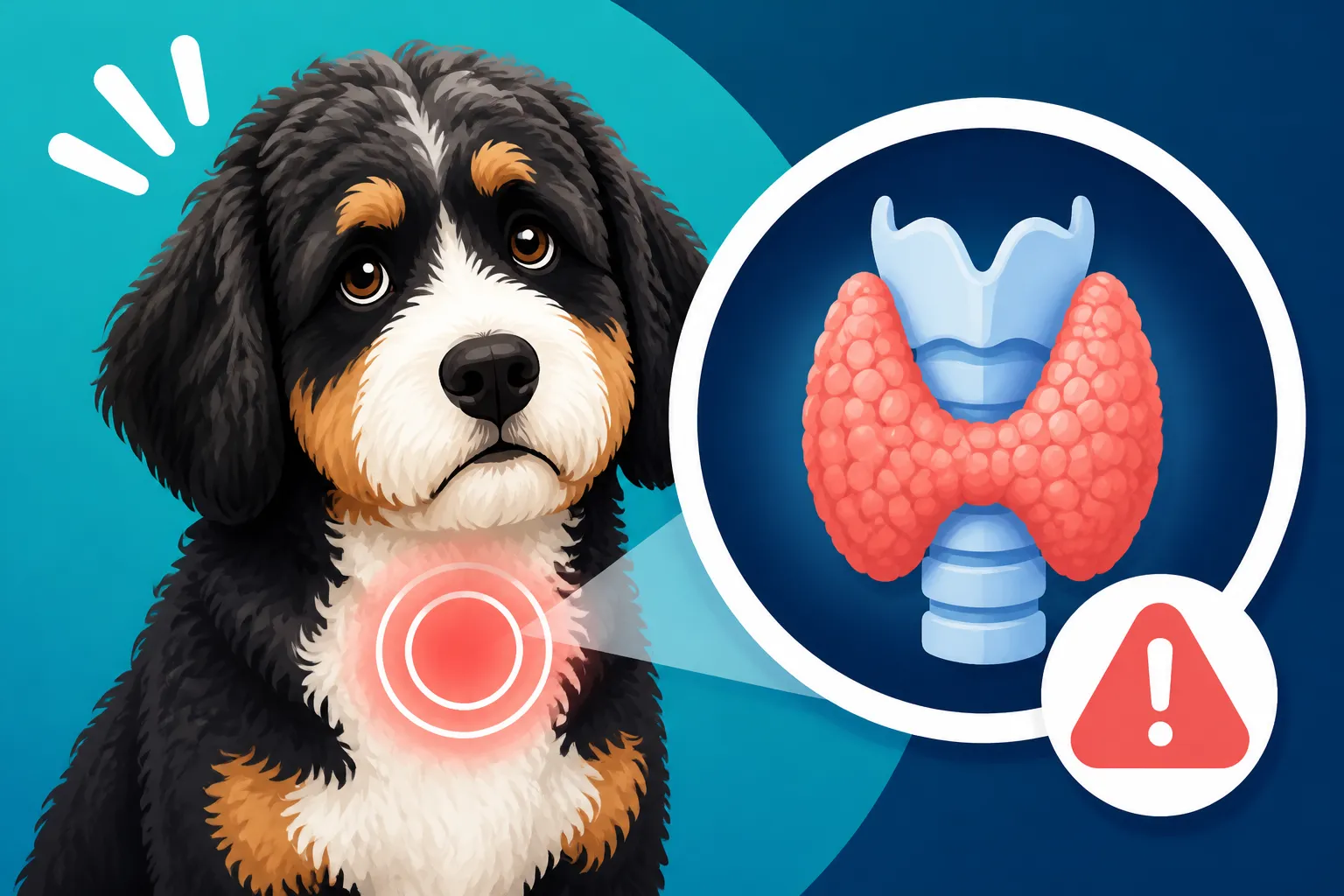
Signs a Bernedoodle’s Thyroid Has Failed
It’s truly disheartening when you start noticing changes in your beloved Bernedoodle – maybe they’re just not as bouncy as they used to be, their beautiful coat isn't quite right, or they seem to be packing on pounds despite no change in diet. These subtle shifts can be incredibly frustrating and confusing to pinpoint, often leaving you wondering if it's just old age creeping in or something more serious. This comprehensive guide is here to shed light on one often-overlooked culprit: hypothyroidism, and help you recognize the tell-tale signs that your Bernedoodle's thyroid might be failing.
Understanding Hypothyroidism in Bernedoodles
Hypothyroidism is a condition where your dog's thyroid gland doesn't produce enough thyroid hormones, which are absolutely crucial for regulating metabolism. Think of these hormones as the tiny engines that keep almost every cell in your Bernedoodle's body running efficiently. When those engines slow down, everything else does too. It’s a common endocrine disorder in dogs, and unfortunately, Bernedoodles can be particularly susceptible, inheriting a predisposition from their Bernese Mountain Dog lineage. This isn't just a minor inconvenience; it can significantly impact their quality of life if left untreated.
The Bernese Connection to Thyroid Issues
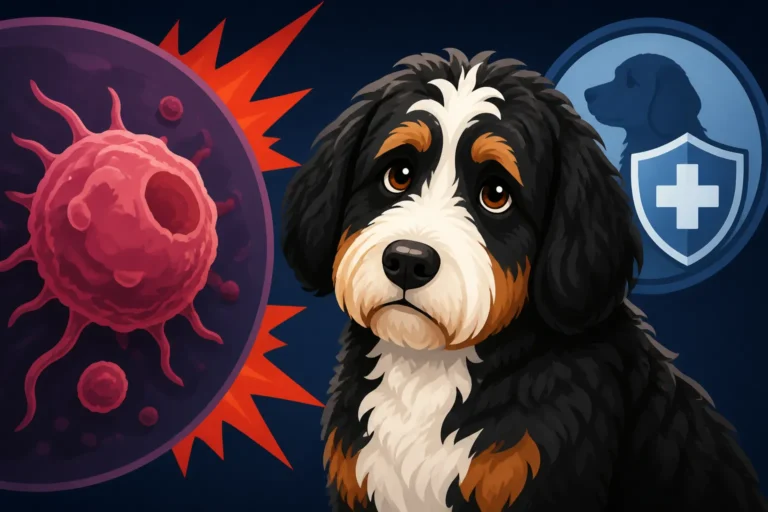
Many Bernedoodle owners fall in love with the breed because of the promise of a healthier dog than a purebred Bernese, but it’s vital to remember they still carry genetic predispositions from both parent breeds. When it comes to hypothyroidism, the Bernese Mountain Dog side brings a higher risk. Studies have shown that Bernese Mountain Dogs have a genetic susceptibility to autoimmune thyroiditis, which is the most common cause of hypothyroidism in dogs. This is where the immune system mistakenly attacks and destroys the thyroid gland over time.
This inherited component means that even though your Bernedoodle might be a mix, they aren't entirely immune to the conditions that plague their Bernese ancestors. It’s not a guarantee that every Bernedoodle will develop it, but the risk is certainly there, making awareness of the symptoms even more critical for you as an owner. If you're exploring Hypothyroidism From the Bernese Side of a Bernedoodle, you'll find even more in-depth information on this specific genetic link and what it means for your furry friend.
How Thyroid Hormones Affect Your Dog
Thyroid hormones, primarily thyroxine (T4) and triiodothyronine (T3), are like the conductors of an orchestra, ensuring that every bodily function is performed at the right tempo. They influence everything from energy production and fat metabolism to skin health, hair growth, and even heart rate. When there's a deficit, these systems start to falter. Your Bernedoodle's metabolism slows down, leading to a cascade of symptoms that can easily be mistaken for other issues or simply "getting old." This is why it’s so important to be attuned to changes, no matter how subtle they seem at first. Catching it early can make a world of difference in managing the condition and maintaining your Bernedoodle's comfort and vitality.
Physical Signs to Watch For
The most common signs of a failing thyroid often manifest physically, and they can be quite frustrating to deal with, especially when you're showering your Bernedoodle with all the love and care in the world but still seeing these perplexing changes.
Coat and Skin Changes
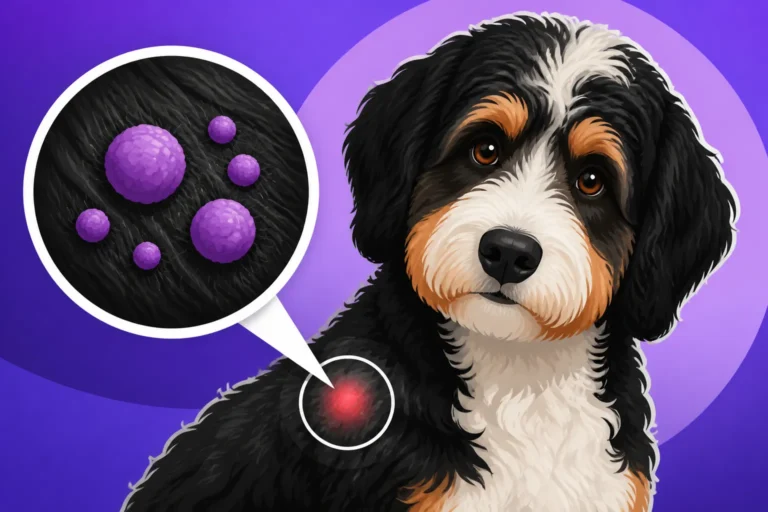
One of the first and most noticeable signs for many Bernedoodle owners is a dramatic shift in their dog's coat and skin. Your Bernedoodle's normally lush, soft coat might start to feel coarse, dry, and brittle. You might notice an unusual amount of shedding, but not the typical seasonal kind. Instead, it can be patchy, often symmetrically, meaning both sides of their body show similar hair loss. This is particularly common on the flanks, chest, and along the tail, sometimes described as a "rat tail" appearance.
Beyond just the hair, the skin itself can suffer. It might become dry and flaky, prone to secondary bacterial skin infections, or even hyperpigmentation, where patches of skin turn darker, almost leathery. Some Bernedoodles might develop a persistently greasy or oily coat, even after bathing, with a distinct, sometimes unpleasant odor. This is often referred to as seborrhea, and it's another metabolic slowdown indicator. Owners often initially attribute these changes to allergies, diet, or even just Skin Problems Under a Bernedoodle's Heavy Coat, but if they persist or worsen, thyroid should definitely be on your radar.
Unexplained Weight Gain
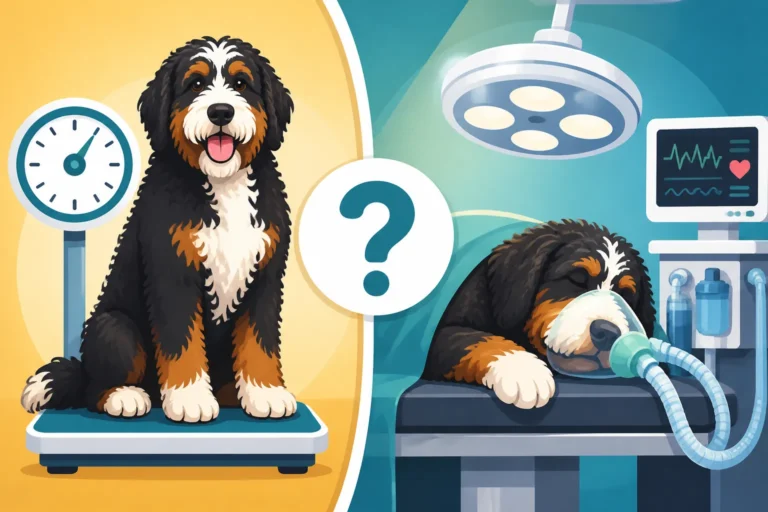
This is a big one that can be truly baffling. You're feeding your Bernedoodle the same amount, ensuring they get their regular walks around the neighborhood, maybe even trying to cut back on treats, and yet the scale keeps creeping up. This isn't just about looking a little chunky; it's a significant metabolic slowdown. Without enough thyroid hormones, the body isn't burning calories efficiently. Instead, it stores them as fat, leading to weight gain even if your dog’s caloric intake hasn't changed.
It’s easy to dismiss this as simply overfeeding, especially with a breed prone to being a bit robust like the Bernedoodle. However, if your Bernedoodle is gaining weight without any obvious increase in food or decrease in exercise, it’s a red flag. This weight gain can put extra strain on their joints, already a concern for larger breeds, and negatively impact their overall health. If you're concerned about Whether an Overweight Bernedoodle Loses Years, understanding the root cause of weight gain is crucial.
Lethargy and Reduced Activity Levels
Is your usually playful Bernedoodle suddenly acting like a couch potato? Are they less enthusiastic about their morning walk, or struggling to keep up with you on hikes they once loved? This profound drop in energy, or lethargy, is a classic symptom of an underactive thyroid. Your Bernedoodle might sleep more, be reluctant to play, or just seem generally listless and tired. This isn't laziness; it's a genuine physiological slowdown.
They might also seem less tolerant of cold temperatures, seeking out warm spots in the house or shivering more easily, because their body isn't generating enough heat efficiently. This can be particularly noticeable for a large, supposedly robust dog like a Bernedoodle. You might find them curled up more often, less interested in engaging, and generally just "off." It’s a sad sight to see your vibrant companion lose their spark, and it’s a clear signal that something internal is amiss.
Behavioral and Less Obvious Symptoms
While physical changes are often the first thing we notice, hypothyroidism can also bring about subtle behavioral shifts and other less obvious signs that can be just as distressing to witness in your beloved companion.
Mental Dullness and Temperament Shifts
Imagine feeling foggy-brained all the time – that's a bit like what a hypothyroid dog can experience. You might notice a subtle "mental dullness" in your Bernedoodle. They might seem less alert, a bit slower to respond to commands, or perhaps even seem to forget things they once knew. Their usually bright eyes might appear dull or uninterested. This isn't necessarily a sign of aging, but rather a result of their slowed metabolism affecting brain function.
Beyond dullness, some Bernedoodles can exhibit changes in temperament. They might become more anxious, irritable, or even show uncharacteristic aggression. A dog that was once incredibly friendly could become reserved or even shy around strangers, backing away or growling where they previously would have offered a happy lean. This can be incredibly confusing and frustrating for owners, as it feels like your dog is becoming a stranger. If you're seeing concerning shifts, consider if A Bernedoodle That Backs Away From Strangers or displays other unusual behaviors might have a physiological cause.
Reproductive Issues
For intact Bernedoodles, hypothyroidism can significantly impact reproductive health. Females might experience irregular heat cycles, a complete absence of heat (anestrus), or difficulty conceiving. If they do become pregnant, there's a higher risk of stillbirths or puppies with low birth weight and poor survival rates. Males can suffer from decreased libido, poor sperm quality, or even infertility.
These symptoms are less common in pet dogs who are typically spayed or neutered, but if you have a breeding Bernedoodle and are experiencing unexplained reproductive difficulties, a thyroid panel should be one of the first diagnostic tests performed. It highlights just how widespread the impact of these vital hormones truly is throughout the body.
Other Subtle Clues
Sometimes, the signs are even more subtle, making diagnosis challenging without professional help. These can include:
- Slow heart rate: A veterinarian might notice a slower-than-normal heart rate during an examination.
- Anemia: Blood tests might reveal a mild, non-regenerative anemia.
- Corneal lipid deposits: In some cases, lipid (fat) deposits can accumulate in the eyes, appearing as white or grayish spots on the cornea.
- Ear infections: While ear infections are common in Bernedoodles due to their floppy ears, persistent or recurring infections that don't respond well to treatment could sometimes be linked to underlying hypothyroidism, as compromised skin health can make them more susceptible.
It’s the accumulation of several of these signs, rather than just one in isolation, that should truly raise a red flag.
When to Seek Veterinary Help and Diagnosis
If you've read through these signs and are feeling that familiar knot of worry because your Bernedoodle is exhibiting several of them, don't hesitate. The sooner you get your dog to the vet, the sooner you can get answers and start treatment. Delaying can lead to a worsening of symptoms and further decline in their quality of life. Remember, your vet is your best partner in unraveling these mysteries. Early intervention is key for a good prognosis. This is also where having a robust pet insurance plan like Healthy Paws can really ease your mind, as diagnostics and ongoing medication can add up.
The Diagnostic Process
Diagnosing hypothyroidism in Bernedoodles typically involves a combination of your vet taking a thorough history (which is why your observations are so important!), a physical examination, and blood tests.
-
Blood Work: The cornerstone of diagnosis is a thyroid panel. This usually includes:
- Total T4 (TT4): This measures the total amount of thyroxine in the blood. A low TT4 is a common indicator, but it can also be affected by other illnesses or medications, so it's rarely the only test.
- Free T4 (fT4): This measures the amount of unbound, active thyroxine. It's often a more accurate indicator than TT4, as it's less affected by non-thyroidal illnesses.
- Thyroid-Stimulating Hormone (TSH): Produced by the pituitary gland, TSH tells the thyroid gland to produce hormones. In hypothyroid dogs, the pituitary gland often works overtime to try and stimulate a failing thyroid, leading to elevated TSH levels.
- Thyroglobulin Autoantibodies (TgAA): This test helps identify autoimmune thyroiditis, the most common cause of hypothyroidism. If these antibodies are present, it confirms the immune system is attacking the thyroid.
Sometimes, a screening like The Screening a Bernedoodle Should Have Yearly might include a basic thyroid check, but a full panel is needed for definitive diagnosis.
-
Interpreting Results: Your vet will look at these results together. A common pattern for hypothyroidism is low TT4, low fT4, and high TSH. However, interpretation can be tricky, as other conditions or even certain medications can mimic thyroid disease (this is called "euthyroid sick syndrome"). Your vet might recommend repeat testing or a trial of medication in some cases to confirm the diagnosis.
Treatment and Management
The good news is that hypothyroidism is very treatable! Once diagnosed, your Bernedoodle will likely be prescribed a synthetic thyroid hormone replacement, typically levothyroxine. This medication needs to be given consistently, usually once or twice a day, for the rest of your dog's life.
- Dosage Adjustments: Your vet will start with a specific dose and then schedule follow-up blood tests (usually a few weeks after starting medication and then periodically) to monitor hormone levels and adjust the dosage until it's optimized. It's a bit of a balancing act to find the "sweet spot" for your individual Bernedoodle.
- Prognosis: With consistent medication, most Bernedoodles with hypothyroidism go on to live perfectly normal, active lives. You should start to see improvements in energy levels, coat quality, and weight within a few weeks to a couple of months of starting treatment. The lethargy might lift, their coat might improve, and they might even start to lose some of that unexplained weight.
- Financial Considerations: Managing a chronic condition like hypothyroidism does come with ongoing costs for medication and regular vet check-ups. This is another area where Healthy Paws pet insurance can be a lifesaver, helping to cover the expenses for diagnostics and long-term care, ensuring your Bernedoodle gets the best possible treatment without breaking the bank. It's a conversation worth having with your vet and your insurance provider as you navigate treatment for your furry family member.
Recognizing these signs early and working closely with your veterinarian is the best way to ensure your Bernedoodle stays happy, healthy, and full of that wonderful, goofy personality you adore.
| Symptom Category | Common Signs of Thyroid Failure | Typical Onset/Notes |
|---|---|---|
| Physical | Dry, brittle, thinning coat | Symmetrical, often on flanks/tail. |
| Patchy hair loss (alopecia) | Often accompanies dry coat. | |
| Dull, coarse coat | Loss of soft texture. | |
| Thickened/darkened skin | Hyperpigmentation, leathery feel. | |
| Unexplained weight gain | Despite normal diet/exercise. | |
| Lethargy, decreased activity | Less play, more sleeping. | |
| Cold intolerance | Seeks warm spots, shivers easily. | |
| Recurrent skin/ear infections | Due to compromised skin health. | |
| Behavioral | Mental dullness | Less alert, slower responses. |
| Temperament changes | Anxiety, irritability, shyness. | |
| Other | Slow heart rate | Detected by vet during exam. |
| Anemia | Mild, non-regenerative. | |
| Reproductive issues | Irregular heats, infertility (intact dogs). |
Disclaimer
The information provided in this article is for general informational purposes only and is not intended as a substitute for professional veterinary advice, diagnosis, or treatment. Always seek the advice of your veterinarian or other qualified health provider with any questions you may have regarding a medical condition. Never disregard professional veterinary advice or delay in seeking it because of something you have read in this article.