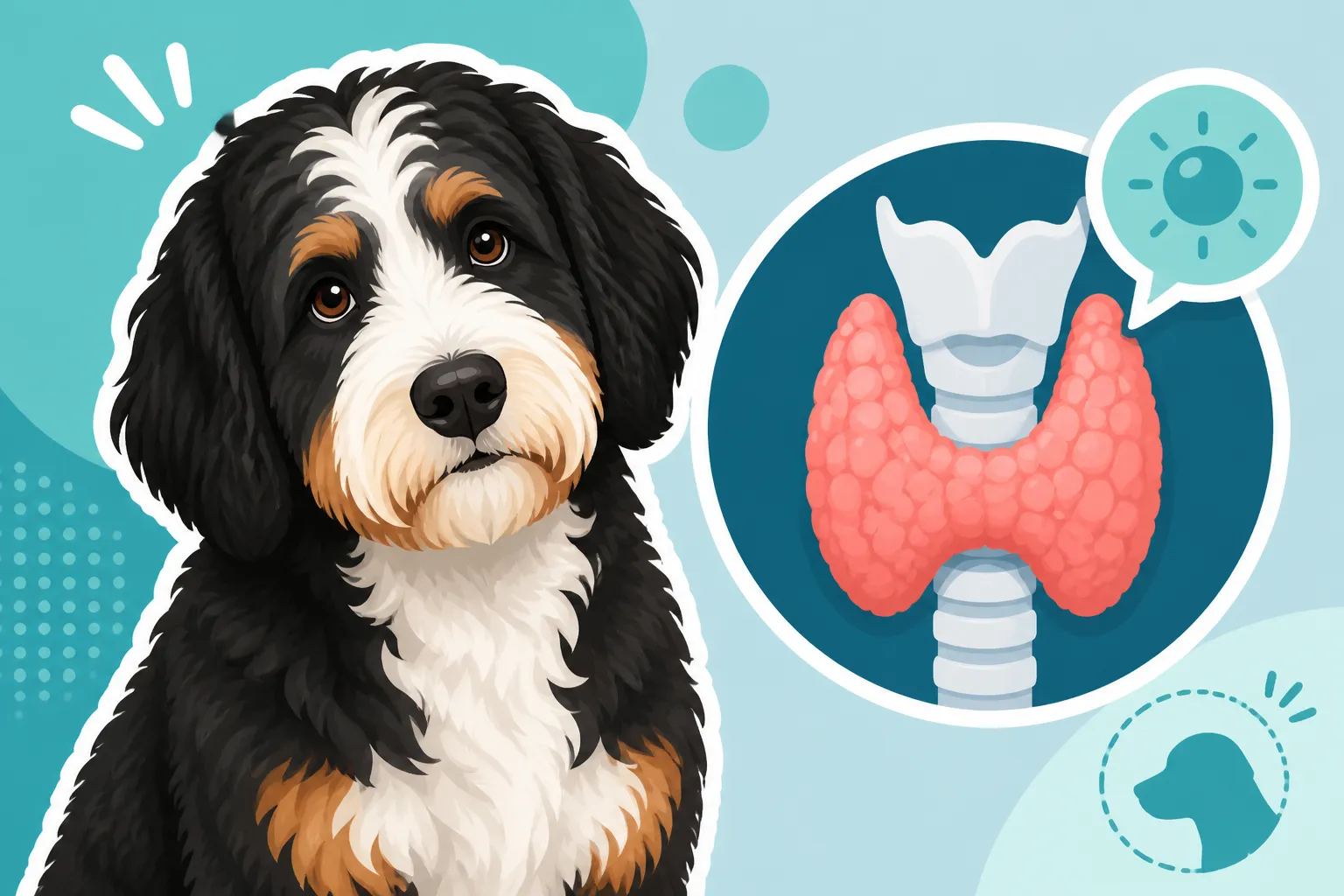
Whether a Bernedoodle Gets Thyroid Disease
It's natural to worry about the myriad of health conditions that can affect our beloved Bernedoodles, especially given the distinct genetic blueprints of their Bernese Mountain Dog and Poodle parents. One concern that frequently surfaces among owners is the potential for thyroid issues, specifically hypothyroidism. It’s a valid worry, and understanding this condition is crucial for ensuring your furry family member lives a happy, healthy life. Let's dive deep into what you need to know about thyroid disease in Bernedoodles, from identifying subtle changes to navigating diagnosis and long-term care.
The Intricate Role of the Thyroid in Your Bernedoodle's Health
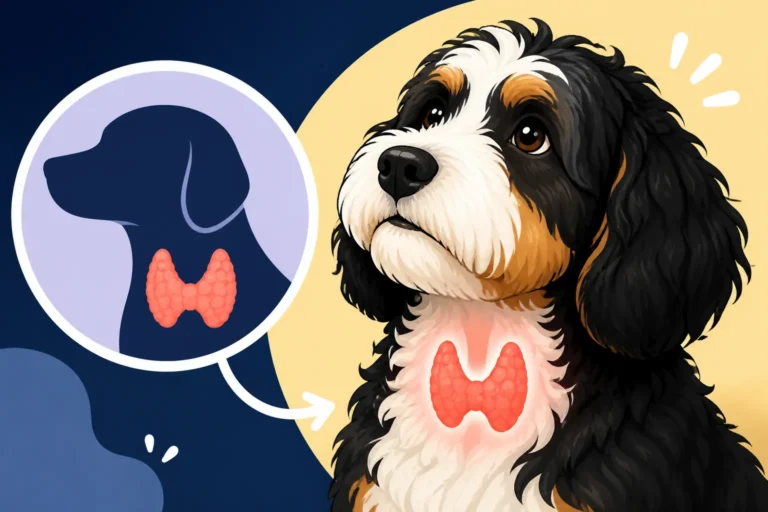
The thyroid gland, a small but mighty organ located in your dog's neck, acts as the master regulator of metabolism. It produces hormones, primarily thyroxine (T4), that influence nearly every bodily function, from energy levels and body temperature to heart rate, digestion, and even the health of their magnificent coat. When this delicate balance is disrupted, particularly when the thyroid doesn't produce enough hormones, we enter the realm of hypothyroidism.
What Hypothyroidism Means for a Bernedoodle
Hypothyroidism essentially means your Bernedoodle's body is running in slow motion. Without sufficient thyroid hormones, metabolic processes slow down, leading to a cascade of symptoms that can often be mistaken for aging or other less serious issues. For Bernedoodles, the concern about hypothyroidism isn't unfounded. Both parent breeds, the Bernese Mountain Dog and the Poodle, have documented predispositions to this condition. This means your Bernedoodle carries genes from both sides that could increase their likelihood of developing an underactive thyroid.
It's a frustrating situation because, unlike some immediately visible conditions, hypothyroidism often creeps up subtly, making it hard to pinpoint. You might just notice your energetic pup seems a little less enthusiastic on walks, or their once vibrant coat starts looking dull. The slow onset can sometimes lead to delays in diagnosis, which is why being vigilant and understanding the signs is so important. Knowing that your Bernedoodle might be predisposed simply because of their heritage, as explored in the post about Hypothyroidism From the Bernese Side of a Bernedoodle, should prompt you to be extra attentive to any changes.
The Genetic Link from Both Parent Breeds
The Bernese Mountain Dog, while known for its loyal and gentle nature, does come with a genetic predisposition to several health issues, and hypothyroidism is one of them. Similarly, Poodles, especially Standard Poodles, also have a higher incidence of autoimmune thyroiditis, which is the most common cause of hypothyroidism in dogs. When you combine these two breeds, the Bernedoodle inherits a heightened genetic risk. This isn't to say every Bernedoodle will get thyroid disease, but it means the likelihood is higher than in some other breeds.
This genetic inheritance means that responsible breeders will often screen their breeding stock for thyroid issues, as part of a comprehensive health panel. While there isn't a single definitive genetic test that predicts hypothyroidism with 100% certainty in all cases, breeders can look at the thyroid health history of their lines. Understanding the genetic predispositions of both parent breeds is fundamental to anticipating and managing health risks in your Bernedoodle. It's about being informed, not paranoid, and knowing that genetic factors play a significant role in their overall health trajectory.
Spotting the Silent Signs of Hypothyroidism in Bernedoodles
One of the most challenging aspects of hypothyroidism is that its symptoms are often vague and can mimic other conditions. It rarely presents as a sudden, dramatic illness. Instead, you'll likely observe a gradual decline in your Bernedoodle's usual vitality and appearance. These subtle shifts can easily be brushed off as normal aging or just a "lazy day," making early detection tricky.
Unexplained Weight Gain and Lethargy
Perhaps the most common initial signs of hypothyroidism are unexplained weight gain and a noticeable decrease in energy. Your Bernedoodle might start to put on pounds even if their diet hasn't changed and their exercise routine remains consistent. This isn't just a matter of eating too many treats; it's a metabolic slowdown causing their body to burn calories less efficiently. Coupled with this, you might notice your once playful pup is now more inclined to nap, reluctant to go for walks, or just generally moves slower.
This lethargy can be particularly concerning because Bernedoodles are known for their playful, albeit sometimes calm, demeanor. If your dog, who used to greet you with boundless enthusiasm, now barely lifts their head, it's a red flag. Owners often describe their dogs becoming "couch potatoes" or less interested in activities they once loved. It’s important to recognize these changes aren't just a phase but could be the body struggling to keep up due to a hormonal imbalance. If you're seeing a pattern of low energy, it’s worth considering alongside other possible issues described in "The Signs a Bernedoodle Is Slowing Down."
Changes in Coat and Skin Health
The thyroid hormones play a crucial role in maintaining healthy skin and a luxurious coat. When these hormones are deficient, the effects on your Bernedoodle's beautiful fur can be quite pronounced. You might notice their coat becoming dry, brittle, and dull, losing its characteristic shine and softness. Hair loss, particularly on the flanks, tail, and the bridge of the nose, is also a classic sign, often symmetrical. Sometimes, the hair that does grow back might be coarse or sparse.
Beyond the fur, the skin itself can suffer. It might become dry, flaky, thickened, or even dark in areas, a condition known as hyperpigmentation. Some Bernedoodles develop a "tragic" facial expression due to thickening of the skin and muscles around the face. They might also be more prone to skin infections because their skin's natural defenses are compromised. If you're wondering Whether Thyroid Explains a Bernedoodle's Coat Loss, the answer is often a resounding yes. These dermatological symptoms are often key indicators that the thyroid is not functioning correctly.
Other Behavioral and Physical Indicators
While weight gain and coat changes are prominent, other less obvious signs can point to hypothyroidism. Bernedoodles might become more intolerant to cold, seeking out warm spots in the house or shivering even in mild temperatures, because their body struggles to regulate its internal heat. Some dogs might show subtle behavioral changes, becoming more irritable, anxious, or even exhibiting a duller mental alertness.
In more advanced cases, you might observe a slow heart rate, or even some muscle weakness. While rare, some dogs can develop constipation or other digestive issues as their metabolism slows down. It's a complex picture, and no single symptom confirms hypothyroidism. Instead, it's the combination of these signs that should prompt a visit to your veterinarian for a thorough check-up. Catching these indicators early, and getting regular The Screening a Bernedoodle Should Have Yearly appointments, can make a world of difference in your dog’s quality of life.
Navigating Diagnosis and Treatment for a Hypothyroid Bernedoodle
If you've noticed several of the subtle signs of hypothyroidism in your Bernedoodle, the next crucial step is getting an accurate diagnosis. This isn't a condition that can be diagnosed by observation alone; it requires specific veterinary tests to confirm. Once diagnosed, managing hypothyroidism is typically straightforward, though it does involve a lifelong commitment to medication and monitoring.
The Diagnostic Process: Blood Tests are Key
Diagnosing hypothyroidism involves a series of blood tests that measure the levels of thyroid hormones in your Bernedoodle's bloodstream. The most common tests include:
- Total T4 (Thyroxine): This measures the total amount of thyroid hormone circulating in the blood. A low T4 is often the first indicator.
- Free T4: This measures the unbound, biologically active form of T4. It's often considered more accurate than total T4, as it's less affected by non-thyroidal illnesses or certain medications.
- TSH (Thyroid-Stimulating Hormone): Produced by the pituitary gland, TSH stimulates the thyroid to produce hormones. In hypothyroidism, the pituitary gland often works overtime to try and stimulate a failing thyroid, leading to elevated TSH levels.
Your vet might also recommend a complete blood count (CBC) and a biochemistry panel to rule out other conditions and get a broader picture of your Bernedoodle's overall health. It's not uncommon for these blood tests to be conducted twice, perhaps a few weeks apart, to confirm consistent low levels and ensure accuracy, especially if the initial results are borderline. It’s also vital to ensure the blood sample is drawn before any medication that might interfere with thyroid hormone levels is administered.
Effective Treatment with Hormone Replacement
The good news is that hypothyroidism is highly treatable. The standard treatment involves daily oral medication, typically a synthetic thyroid hormone called levothyroxine (or L-thyroxine). This medication effectively replaces the hormones your Bernedoodle's body isn't producing naturally. The dosage is carefully calculated based on your dog's weight and the severity of their condition.
It’s truly remarkable to see the transformation in dogs once they start treatment. Within a few weeks, owners often report a significant increase in energy levels and a more active, engaged Bernedoodle. Improvements in coat and skin health take a little longer, usually appearing over several months as the body slowly regenerates healthy cells and hair follicles. Your Bernedoodle might begin to shed some of that dull, brittle hair, making way for a new, vibrant coat. This long-term care means ensuring you never miss a dose, just like you would for any ongoing medical need.
Long-Term Management and Monitoring
Hypothyroidism is a lifelong condition, meaning your Bernedoodle will need to take levothyroxine every day for the rest of their life. This isn't as daunting as it sounds, but it does require commitment. Regular follow-up appointments and blood tests are essential to monitor the effectiveness of the medication and adjust the dosage as needed. Typically, blood levels are re-checked a few weeks after starting treatment, and then every 6-12 months once a stable dose is achieved.
These monitoring tests ensure that your Bernedoodle is receiving the optimal amount of hormone replacement – enough to alleviate symptoms without over-medicating. It’s a fine balance, but with consistent veterinary care, your Bernedoodle can lead a full and normal life. Chronic conditions like hypothyroidism highlight the value of pet insurance. Having a plan from a provider like Healthy Paws can significantly ease the financial burden of ongoing medication and regular blood tests, allowing you to focus purely on your Bernedoodle’s well-being. Insurance can be a real game-changer for conditions that require consistent, long-term medical support, offering peace of mind when it comes to managing conditions that are part of What Changes in a Bernedoodle After Eight.
Proactive Steps and Genetic Considerations for Thyroid Health
While you can't entirely prevent a genetic predisposition to hypothyroidism, there are certainly proactive steps you can take to minimize risks, ensure early detection, and manage the condition effectively if it arises. A significant part of this responsibility falls on both breeders and owners.
Choosing a Responsible Breeder with Health Clearances
The very first step in protecting your Bernedoodle from inherited health issues, including hypothyroidism, begins before you even bring your puppy home. A truly responsible breeder will be transparent about the health history of their breeding dogs and their respective lines. This means they should be able to provide clear documentation of health clearances for both parent breeds. For thyroid health, this often includes recent thyroid panel results for the sire and dam.
Don't be shy about asking questions regarding specific health screenings, including for conditions like Degenerative Myelopathy Both Bernedoodle Parents Can Carry or Elbow Dysplasia in a Growing Bernedoodle. A good breeder will welcome your questions and provide evidence, not just assurances. They understand that transparency is key to building trust and ensuring their puppies go to well-informed homes. Avoid any breeder who seems vague about health testing or downplays the importance of genetic predispositions. This proactive approach significantly reduces the chances of inheriting issues like thyroid disease.
Regular Veterinary Check-ups and Vigilance
Even with the best genetics, life happens, and conditions can develop. Regular veterinary check-ups are your best defense against any health issue, including hypothyroidism. Your vet can perform routine physical exams and blood work that might catch early indicators of thyroid imbalance before more noticeable symptoms appear. A general wellness check-up, especially as your Bernedoodle enters middle age, can be incredibly telling.
Beyond scheduled vet visits, consistent observation at home is paramount. You are your Bernedoodle's primary advocate. Pay attention to subtle shifts in their energy levels, appetite, weight, coat quality, or behavior. Keep a mental note, or even a small journal, of any changes. If you notice persistent signs like those discussed earlier – unexplained weight gain, lethargy, or deteriorating coat quality – don't hesitate to contact your vet. Early intervention is always better, leading to a quicker diagnosis and a faster return to optimal health.
Lifestyle Factors and Nutritional Support
While genetics are the primary driver of hypothyroidism, maintaining overall health and wellness through diet and exercise certainly supports your Bernedoodle's immune system and metabolic function. Ensure your Bernedoodle is on a high-quality, balanced diet appropriate for their age and size. Avoid overfeeding, as maintaining a healthy weight is crucial to prevent exacerbating symptoms of a slowed metabolism. Discuss with your vet if any specific supplements might be beneficial, though for diagnosed hypothyroidism, synthetic hormone replacement is the definitive treatment.
Regular, appropriate exercise not only helps manage weight but also keeps their body and mind active. While it won't prevent hypothyroidism, a fit and well-nourished Bernedoodle is generally better equipped to handle any health challenge that comes their way. It’s about creating a holistic environment that promotes vitality. And remember, should a condition like hypothyroidism be diagnosed, managing the costs of long-term medication and monitoring can be greatly alleviated with comprehensive pet insurance. Providers like Healthy Paws offer robust plans that cover a wide range of illnesses, ensuring you can provide the best care without financial strain.
Comparison of Hypothyroidism Symptoms vs. Other Common Bernedoodle Issues
It's easy to mistake the symptoms of hypothyroidism for other common ailments or simply signs of aging in your Bernedoodle. This table aims to help distinguish some of the key indicators of low thyroid function from other conditions.
| Symptom Category | Hypothyroidism Indicators | Common Alternative Explanations |
|---|---|---|
| Energy Level | Lethargy, reduced enthusiasm, increased sleeping, cold intolerance | Arthritis (pain-induced lethargy), general aging, poor diet, other systemic illnesses |
| Weight | Unexplained weight gain despite no diet change | Overfeeding, insufficient exercise, Cushing's disease, fluid retention from heart/kidney issues |
| Coat/Skin | Dry, brittle, dull coat; symmetrical hair loss (flanks, tail); thickened/darkened skin; recurrent skin infections | Allergies (itching, skin issues), fleas/parasites, poor grooming, The Skin Tumors a Bernedoodle Develops |
| Behavior | Dullness, depression, seeking warmth, irritability | Anxiety, pain, cognitive dysfunction (in older dogs), lack of mental stimulation |
| Other | Slow heart rate (less common), constipation | Gastrointestinal issues, dehydration, dental disease (leading to appetite changes) |
Understanding these distinctions is vital, but always remember that self-diagnosis isn't a substitute for professional veterinary care. If you observe any of these symptoms in your Bernedoodle, a visit to the vet for proper testing is the only way to get an accurate diagnosis and treatment plan.
Disclaimer
The information provided in this article is intended for general knowledge and informational purposes only, and does not constitute medical advice. Always consult with a qualified veterinarian or animal healthcare professional for any health concerns or before making any decisions related to your pet's health or treatment.