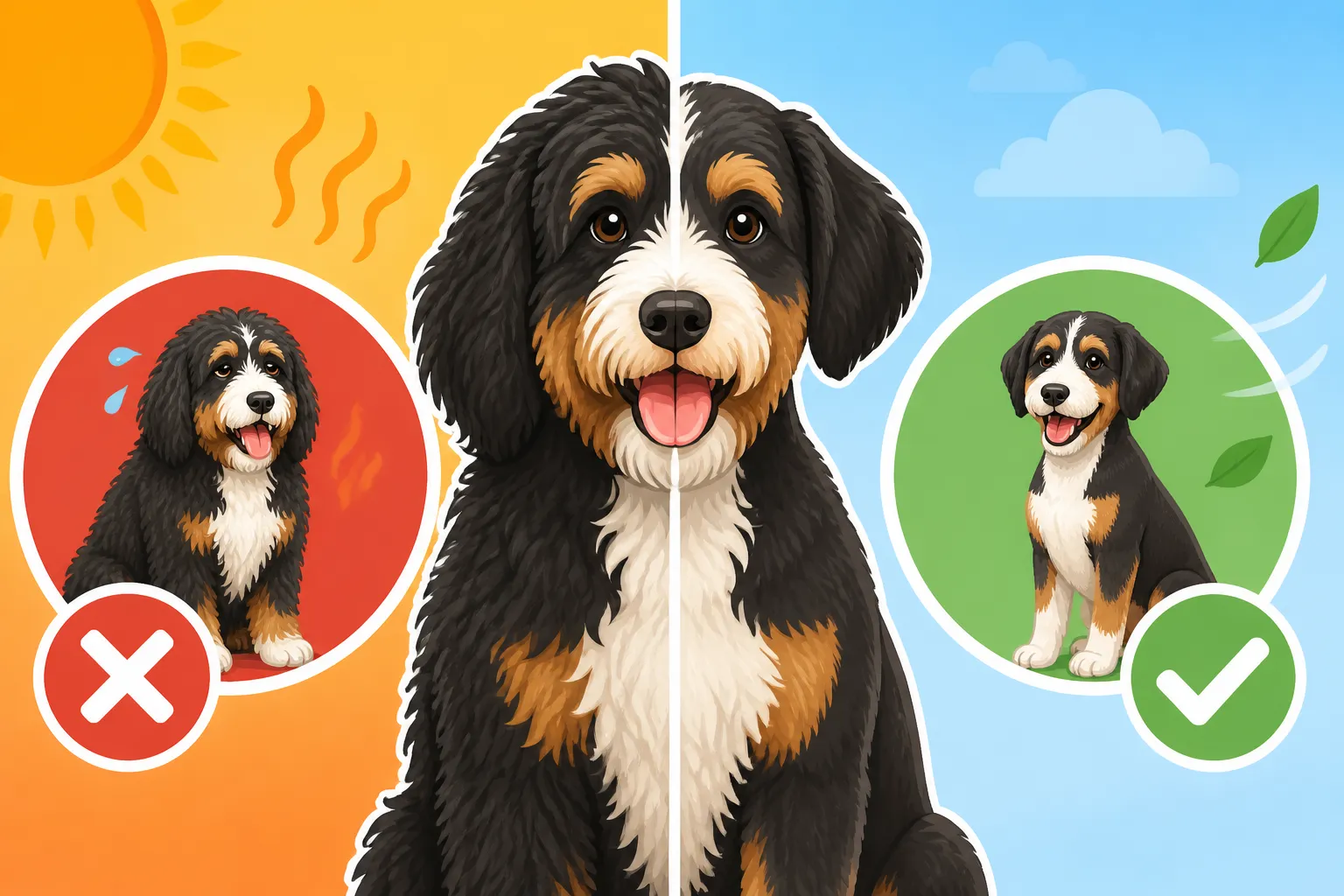
Whether a Bernedoodle Should Be Clipped Short in Summer
Summer brings with it a whole host of joys – long walks, sunny afternoons, and generally more time spent outdoors with our beloved Bernedoodles. But for those of us with these magnificent, fluffy companions, it also ushers in a familiar dilemma: how do we keep them cool and comfortable when their thick, luxurious coats seem utterly unsuited for the rising temperatures? The question of whether to clip your Bernedoodle short for summer is one many owners grapple with, often torn between what seems like a logical solution and concerns about their dog's coat health and protection. This guide aims to unpack this complex topic, offering a realistic look at the pros, cons, and alternatives to help you make the best decision for your furry family member.
Understanding the Bernedoodle's Double Coat
Before we even consider reaching for the clippers, it's crucial to understand the unique characteristics of a Bernedoodle's coat, a beautiful blend inherited from its Bernese Mountain Dog and Poodle parents. This isn't just a fashion statement; it's a vital part of their thermoregulation system.
The Bernese Influence on Coat Type
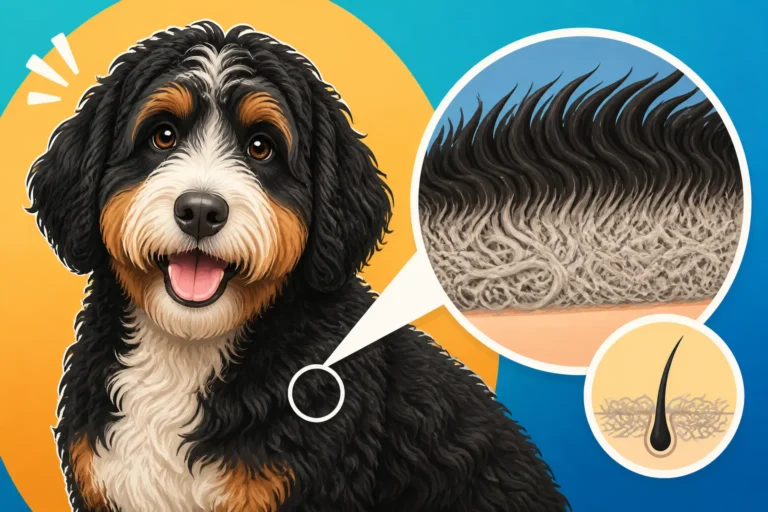
Your Bernedoodle inherits its coat traits from two very different breeds. The Bernese Mountain Dog parent contributes a dense, double coat designed for cold climates. This coat has a soft, thick undercoat for insulation and a longer, coarser outer coat that repels water and protects against snow and debris. It's truly a marvel of natural engineering, keeping them warm in winter and, somewhat counterintuitively, helping to keep them cool in summer by trapping a layer of air against their skin, which insulates against external heat.
However, this dense undercoat is also the reason many Bernese shed quite a bit, and why regular brushing is so important. When a Bernedoodle carries more of this Bernese coat characteristic, it means more fluff, more potential for matting, and often, more shedding than a Poodle-dominant coat. Owners often describe these Bernedoodles as having a "fluffier" or "wavier" coat, which can feel incredibly thick to the touch. It's this density that makes summer heat feel so oppressive for them.
The Poodle Influence and Coat Blends
On the other side of the genetic coin, the Poodle parent brings a single-layer, curly, non-shedding (or very low-shedding) coat. This coat grows continuously and is known for its hypoallergenic qualities. It acts more like human hair, requiring regular clipping to prevent it from becoming matted and unmanageable. The curls provide loft, which can also offer some insulation, but it lacks the dense undercoat of the Bernese.
A Bernedoodle's coat can be a true genetic lottery, falling anywhere on the spectrum between these two extremes. You might have a "flat-coated" Bernedoodle that sheds significantly and has a more Bernese-like appearance, or a "curly-coated" one that resembles a Poodle more closely and sheds very little. Most Bernedoodles land somewhere in the middle with a "wavy" coat, which is often dense and prone to matting if not meticulously cared for. This variability means there isn't a one-size-fits-all answer to summer clipping. A curly-coated Bernedoodle might tolerate a shorter clip better than a flat-coated one, for example, because its coat doesn't rely as heavily on the double-layer structure for its protective qualities. Understanding your own dog's specific coat type is the first step in deciding how to manage it in the warmer months.
The Argument for a Short Summer Clip
The thought of giving your Bernedoodle a good, short clip for summer usually stems from a very understandable desire: to help them beat the heat. It seems logical, right? Less hair, less heat. And for some Bernedoodles, a strategic trim can indeed offer some relief and practical benefits during those sweltering months.
Providing Relief from Overheating
One of the primary reasons owners opt for a shorter summer clip is to reduce the risk of their Bernedoodle overheating. These dogs, especially the larger standard Bernedoodles and those with darker coats like a [Black Tri Bernedoodle], can struggle immensely in high temperatures. Their thick fur can trap heat against their body, making it difficult for them to cool down, particularly during exercise or even just lounging outside. A shorter coat can allow for better air circulation closer to the skin, which can, in theory, help dissipate heat more effectively.
Imagine how you feel on a hot day wearing a heavy wool sweater – that’s akin to what your Bernedoodle experiences with a full, dense coat. By removing some of that bulk, particularly the thick undercoat if present, you're essentially lightening their thermal load. This doesn't mean shaving them bald, but rather a practical, shorter clip that leaves enough coat to still offer some protection (which we'll discuss next) while reducing the insulating effect of excess fur. Many owners report that their Bernedoodles are noticeably more energetic and comfortable outdoors after a summer haircut, willing to play a little longer without becoming winded or seeking shade quite as quickly.
Reducing Matting and Grooming Burden
Let's be honest, the Bernedoodle coat is high maintenance. The combination of dense fur, often with a wavy or curly texture, makes it a mat magnet. Humidity in summer can exacerbate this issue, turning small tangles into giant, painful mats seemingly overnight. Mats are not just unsightly; they pull on the skin, cause discomfort, and can lead to skin infections if left unattended. They also trap heat and moisture, which is counterproductive to cooling.
A shorter summer clip significantly reduces the surface area for mats to form. This means fewer hours spent brushing, less stress for both you and your dog during grooming sessions, and less likelihood of having to deal with painful skin issues. For busy families, or those whose Bernedoodles simply despise being brushed, a shorter cut can be a lifesaver. It allows for a more relaxed grooming schedule, perhaps daily quick brush-throughs instead of intense hour-long sessions, making regular coat maintenance far more manageable. While you'll still need to brush, especially if your Bernedoodle has a wavy coat prone to tangles, the sheer volume of coat to contend with is vastly reduced, freeing up more time for summer fun. How Often a Bernedoodle Should Be Brushed is a common question, and a shorter clip definitely changes the answer.
The Risks of Clipping a Bernedoodle Too Short
While the idea of a short summer clip sounds appealing for heat relief and easier grooming, there are important considerations and potential risks, particularly if the coat is clipped too short or shaved down to the skin. The Bernedoodle's coat, for all its challenges, serves crucial protective functions that shouldn't be overlooked.
Risk of Sunburn and Skin Damage
One of the most significant drawbacks of clipping a Bernedoodle's coat too short, or worse, shaving it completely, is the increased risk of sunburn. That thick fur isn't just for warmth; it acts as a natural barrier, protecting their sensitive skin from harmful UV rays. Just like humans, dogs can get sunburned, especially on areas with lighter pigmentation or sparse hair. A severe sunburn can be incredibly painful for your dog, leading to redness, blistering, and peeling, and in the long term, it can increase their risk of skin cancers.
Consider a Bernedoodle with a patch of white fur on its back or a light-colored nose. These areas are particularly vulnerable once the protective coat is removed. If you do opt for a shorter clip, it's vital to ensure there's still at least an inch or two of hair left to provide a buffer against the sun. After a short clip, you'll need to be extra vigilant about sun exposure, especially during peak UV hours. Walking them in the early morning or late evening, seeking shady spots, and even considering dog-safe sunscreen on exposed areas can become necessary precautions. Whether a Shaved Bernedoodle Sunburns is a valid concern for many owners for exactly this reason.
Impaired Natural Thermoregulation
This is where the conventional wisdom about "less hair equals cooler dog" can sometimes be misleading, especially for double-coated breeds or those with a significant Bernese influence. A dog's coat, when healthy and well-maintained, actually works as an insulator against both cold and heat. It creates an air barrier that helps regulate body temperature. Removing this protective layer entirely can interfere with your Bernedoodle's natural cooling mechanisms.
When a double coat is shaved down, the undercoat may not grow back correctly, potentially altering the texture and insulating properties permanently. It can become patchy, coarser, or simply not as effective. This can leave your Bernedoodle more susceptible to overheating because their natural air conditioning system has been compromised. The coat helps to trap a layer of cooler air next to the skin, preventing hot air from reaching it directly. Without this barrier, the sun's rays and ambient heat can penetrate more easily, making the dog feel hotter rather than cooler. This is especially true if the Bernedoodle is left outside in direct sunlight after a very short clip. It's a fine balance, and maintaining some length is often the safest bet.
Potential for Coat Damage and Improper Regrowth
The idea of damaging your Bernedoodle's beautiful coat is a fear for many owners, and it's a legitimate concern with improper or overly aggressive clipping. The Bernedoodle coat, particularly those with a wavy or Bernese-dominant texture, can be tricky. When shaved or clipped excessively short, especially with dull blades or by inexperienced hands, the texture of the hair can change.
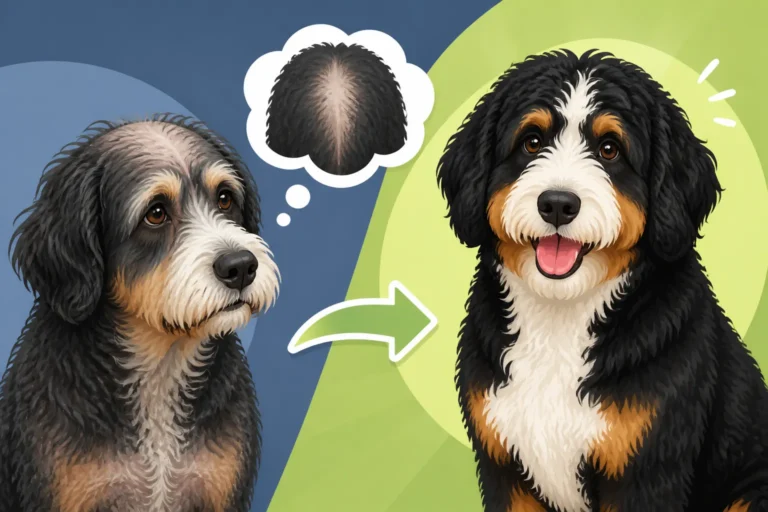
Sometimes, after a very short clip or shave, the coat can grow back thicker, coarser, or with an altered wave pattern. This "clipper alopecia" or coat change isn't always permanent, but it can take a long time to revert, if it ever does fully. The soft, fluffy feel that many adore might be replaced by a wiry texture. For dogs with a significant Bernese undercoat, shaving can disrupt the natural cycle of shedding and growth, leading to an even thicker, mat-prone coat when it grows back. This can paradoxically make future grooming harder rather than easier, creating a vicious cycle. Moreover, uneven regrowth can occur, leading to a patchy appearance. Professional groomers usually advise against shaving double-coated breeds down to the skin, recommending instead a trim that maintains at least an inch or two of coat length to protect the hair follicles and ensure proper regrowth.
Alternative Cooling Strategies for Bernedoodles
Okay, so clipping short isn't always the magic bullet, and can even come with its own set of problems. Does that mean your Bernedoodle is doomed to suffer through summer? Absolutely not! There are plenty of effective, coat-friendly ways to keep your fluffy friend comfortable when the mercury rises.
Regular Grooming and Brushing
This is perhaps the most crucial strategy, regardless of whether you opt for a short summer trim or keep their coat longer. A well-maintained coat is a healthy coat, and a healthy coat can do its job of thermoregulation much more effectively. Regular brushing, at least a few times a week and ideally daily during shedding seasons or high humidity, prevents mats and removes loose undercoat. Mats not only trap heat and moisture but also hinder air circulation, making your dog much hotter. Removing that dead, loose hair allows for better airflow close to the skin, which is essential for cooling.
Line brushing your Bernedoodle down to the skin with a good slicker brush and a metal comb, such as those you can find on Amazon or Chewy, is key. This ensures you're not just brushing the top layer but getting deep into the coat to remove all the shedding undercoat. This process essentially thins out their natural insulation without cutting their protective outer coat. The Volume of Coat a Bernedoodle Owner Brushes Weekly is significant, and staying on top of it is paramount to their comfort in heat. Professional grooming every 6-8 weeks is also vital, where the groomer can give them a good bath, blow-dry, and trim while ensuring their coat remains mat-free and healthy. You can ask your groomer for a "summer tidy" or a "light trim" that focuses on thinning the coat and neatening up the feathering without going overly short.
Timing Walks and Outdoor Activities
Common sense goes a long way here. The scorching midday sun is no friend to a Bernedoodle. Adjusting your routine to avoid the hottest parts of the day is a simple yet incredibly effective way to prevent overheating. Think early mornings and late evenings for walks, playtime, and potty breaks.
Pay attention to the pavement temperature – if it's too hot for your bare hand, it's too hot for your Bernedoodle's paws. Concrete and asphalt can heat up significantly and cause painful burns. Stick to grassy areas, shaded trails, or indoor activities during peak heat. This also applies to car rides. Never, ever leave your Bernedoodle in a parked car, even with the windows cracked, as temperatures can skyrocket in minutes. If you notice signs like excessive panting, lethargy, or stumbling, get your dog to a cool spot immediately and offer water. Whether a Bernedoodle Should Be Walked in Summer is a question with a clear answer: yes, but carefully and at the right times.
Providing Ample Water and Shade
Hydration is non-negotiable. Always have fresh, cool water readily available for your Bernedoodle, both indoors and outdoors. Consider placing multiple water bowls around the house and yard, or investing in a large, spill-proof water dispenser. When you're out and about, bring a portable water bottle and a collapsible bowl. Many Bernedoodles also enjoy ice cubes as a treat, which can help them cool down from the inside out.
Shade is equally vital for outdoor comfort. If your Bernedoodle spends time in the yard, ensure there's always a shaded area where they can retreat. This could be under a tree, an awning, or a pop-up canopy. Even better, bring them inside to air-conditioned comfort during the hottest parts of the day. A kiddie pool with a few inches of water can also be a fantastic way for Bernedoodles to cool off and play. Some dogs love to lie down in it, while others just splash their feet. Cooling mats, cooling vests, and damp towels can also provide immediate relief when they're resting indoors.
| Method | Pros | Cons | Best For |
|---|---|---|---|
| Short Summer Clip (1-2 inches) | Better air circulation, less matting, easier grooming | Risk of sunburn if too short, potential coat texture change | Active Bernedoodles, high humidity areas, owners seeking less grooming |
| Regular Brushing (Full Coat) | Maintains natural thermoregulation, protects skin from sun | High time commitment, still prone to matting in humidity | Owners dedicated to daily grooming, those in moderate climates |
| Early/Late Walks | Avoids peak heat, protects paws | Limits daytime outdoor activity, requires schedule adjustment | All Bernedoodles, especially those in hot climates |
| Ample Water/Shade | Essential for all dogs, easy to implement | Doesn't directly address coat insulation | All Bernedoodles, foundational cooling strategy |
| Cooling Products | Immediate relief, portable | May not be enough for severe heat, constant re-application | Short-term relief, targeted cooling |
Making the Best Decision for Your Bernedoodle
Choosing how to manage your Bernedoodle's coat in summer really comes down to a few key factors: your dog's individual needs, your lifestyle, and the climate you live in. There's no single right answer, but by considering these elements, you can make an informed choice that prioritizes your Bernedoodle's comfort and well-being.
Considering Your Dog's Individual Needs
Every Bernedoodle is unique, even within the same litter. Think about your specific dog's coat type: is it more Poodle-curly or Bernese-wavy? A very curly, dense coat might benefit more from a shorter clip because it's less prone to shedding out naturally and can become an insulating mat. A flatter, more Bernese-like coat might actually suffer more from a very short clip if it disrupts the delicate balance of the double coat. The Wavy Coat Most Bernedoodles Carry and The Curly Coat Bernedoodle and Its Upkeep both have different requirements.
Also, consider their activity level and heat tolerance. Is your Bernedoodle a couch potato who only goes out for quick potty breaks, or are they an active adventurer who loves long hikes? An active dog in a warm climate will likely benefit more from a lighter, shorter coat. Conversely, a dog that spends most of its time in an air-conditioned home might not need as drastic a haircut. Observe your Bernedoodle closely for Signs a Bernedoodle Is Overheating – excessive panting, seeking cool surfaces, lethargy, or a bright red tongue. These are all indicators that they are struggling, and a coat adjustment might be beneficial. If your dog is struggling even with careful timing and shade, a shorter clip could be a compassionate choice.
Consulting with Your Professional Groomer
Your groomer is an invaluable resource when it comes to coat care, especially for a breed like the Bernedoodle with its diverse coat types. They handle Bernedoodle coats all day, every day, and can offer personalized advice based on your dog's specific hair texture, density, and skin health.
Don't just ask for "a summer cut." Instead, have a detailed discussion. Explain your concerns about heat and matting, and listen to their professional recommendation. They might suggest a specific blade length (e.g., leaving 1 to 2 inches of hair), or a technique like "carding" or "raking" to remove dead undercoat without sacrificing the protective outer layer. They can also advise on how frequently your Bernedoodle should be groomed in summer to prevent mats from reforming. A good groomer will prioritize your dog's health and comfort above all else, ensuring the cut is appropriate for the season and your Bernedoodle's individual coat needs. They can also teach you at-home brushing techniques that will keep their coat healthy between professional appointments.
Prioritizing Comfort and Health Over Aesthetics
Ultimately, the decision of whether or not to clip your Bernedoodle short for summer should come down to what is best for their comfort and health, not just what looks good. While a fresh, short cut can make your Bernedoodle look sleek and tidy, the primary goal should be to keep them cool and safe.
Some owners prefer the fluffy, shaggy Bernedoodle look year-round, but if maintaining that length means your dog is miserable, constantly panting, or developing painful mats, then a shorter, more practical style might be the kinder choice. Be prepared to let go of certain aesthetic preferences if it means your dog is healthier and happier. Remember, their fur will grow back! Whether you opt for a modest trim or a slightly shorter clip, ensure you're still committing to regular brushing to prevent mats and allow their coat to function as intended. Ultimately, a Bernedoodle that can enjoy summer safely and comfortably, whether with a full coat or a fresh trim, is a happy Bernedoodle.
Disclaimer
This article is for general informational purposes only and does not constitute professional advice. Laws, prices and regulations vary by location and change over time. Consult a qualified professional for guidance on your specific situation.