Whether Air Conditioning Is Necessary for a Bernedoodle
For Bernedoodle owners, the summer months, or even just unexpectedly warm days, can bring a huge wave of anxiety. You see your fluffy, happy-go-lucky companion panting heavily, seeking out the coolest tile floor, and you can’t help but wonder: is my home cool enough for them? This guide will dive deep into why Bernedoodles struggle with heat and explore whether air conditioning is truly a necessity to keep your beloved furry friend safe and comfortable, offering practical advice and strategies for managing warm weather.
Understanding the Bernedoodle's Vulnerability to Heat
It's easy to look at a Bernedoodle and see a lovable, goofy companion, but underneath that charming exterior lies a genetic predisposition that makes them particularly susceptible to overheating. Understanding these inherent traits is the first step in ensuring their safety and comfort when temperatures rise.
The Bernese Mountain Dog Influence on Heat Tolerance
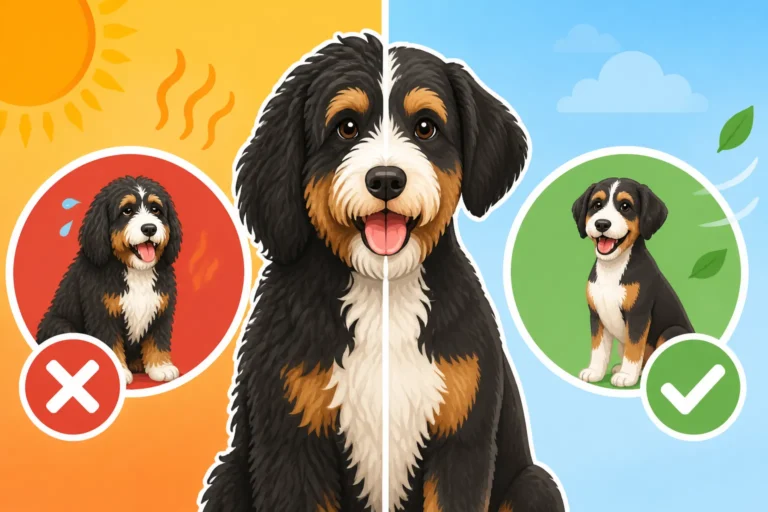
One half of the Bernedoodle equation is the magnificent Bernese Mountain Dog, a breed originating from the chilly, mountainous regions of Switzerland. These dogs were bred for drafting and guarding livestock in cold climates, and their physiology reflects this heritage. They possess a thick, dense double coat and a stocky build, which are fantastic for insulating against snow and ice but act like a heavy winter coat in the heat.
When a Bernedoodle inherits these traits, they're starting at a disadvantage in warm weather. Their bodies are simply not designed to efficiently dissipate heat in the same way a dog from a desert climate might. Imagine wearing a heavy wool sweater in July – that's often how a Bernedoodle feels. This genetic blueprint means they can quickly become uncomfortable and even dangerously hot, even at temperatures that might seem mild to other breeds or to us humans. Their Bernese lineage dictates a lower tolerance for heat and a higher risk of heat-related illness.
The Double Coat Dilemma
The Bernedoodle's coat is often hailed for being low-shedding or hypoallergenic, a trait largely inherited from their Poodle parent. However, what often gets overlooked is the density and structure of that coat. Many Bernedoodles, especially those with more Bernese influence or an F1 generation, inherit a substantial double coat. This means they have a soft, insulating undercoat beneath a coarser, weather-resistant outer coat.
While this double coat offers superb protection against cold, keeping them toasty warm in winter, it can trap heat against their body like a thermal blanket in summer. It prevents air from circulating freely against their skin, making it incredibly difficult for them to cool down. Even a wavy Poodle-like coat can be surprisingly dense. This isn't just about comfort; it's about survival. Their skin needs to breathe, and their body needs to release heat, which a thick coat actively hinders. This is why proper grooming is so crucial, as we’ll discuss later, but even with the best grooming, the sheer volume of coat poses a challenge. The Coat a Bernedoodle Gets From Two Heavy Coated Parents delves deeper into understanding their unique coat structure.
Factors That Compound Heat Risk
Beyond their inherent breed characteristics, several other factors can significantly increase a Bernedoodle's risk of overheating. It's a cumulative effect, and recognizing these elements can help you be even more vigilant.
First, size and body mass play a role. Standard Bernedoodles, which can easily reach 70 to 90 pounds or more, have a larger body mass to cool down compared to their Mini or Tiny counterparts. This means their internal temperature can rise faster, and it takes more effort and time for their body to regulate it. A larger dog simply has more heat to dissipate.
Second, coat color is a major factor. While all Bernedoodles struggle, those with dark coats, particularly black or black tri-color, absorb more radiant heat from the sun. Think about wearing a black shirt versus a white shirt on a sunny day – the difference in absorbed heat is noticeable. For a Bernedoodle, Why a Black Tri Bernedoodle Overheats explains how this darker pigmentation acts like a solar panel, pulling in heat and making them even hotter, faster.
Lastly, age and underlying health conditions can increase vulnerability. Very young puppies and senior Bernedoodles (often considered senior around eight years old, but some show signs earlier) have less efficient thermoregulation systems. Older dogs, in particular, may have conditions like heart disease, respiratory issues, or arthritis that make them less able to move to cooler spots, pant effectively, or handle the physiological stress of heat. Caring for a Bernedoodle Past Eight emphasizes the special considerations for older dogs, including their heat sensitivity.
Recognizing the Signs of Heat Stress and Heatstroke
Knowing your Bernedoodle is prone to heat doesn't mean much if you can't tell when they're actually struggling. Spotting the signs of heat stress early is absolutely critical. What might start as mild discomfort can rapidly escalate into a life-threatening emergency, especially with a breed so susceptible to overheating.
Early Warning Signals You Cannot Ignore
Your Bernedoodle will likely try to tell you they're too warm, even if they can't speak. Learning to read these early warning signals is paramount. The most common and obvious sign is excessive panting. While all dogs pant to cool down, a Bernedoodle that is panting rapidly, deeply, and continuously, even when resting indoors, is likely too hot. Their panting might sound more labored, and they might open their mouth wider than usual.
Another sign is seeking shade or cool surfaces. You might notice your Bernedoodle moving from their usual comfy bed to lie stretched out on the tile, hardwood, or even try to get into the bathtub. This is their instinct telling them to find relief. They might also become lethargic or unusually tired, refusing to play or go for a walk, even if it's typically their favorite activity. A Bernedoodle that seems restless, can't settle, or is constantly shifting positions, looking for a cooler spot, is also giving you a clear signal.
Pay attention to their gums and tongue. In the early stages of heat stress, their gums might appear darker than usual, a deeper red, rather than a healthy pink. Their tongue might also seem wider and hang out more. They might also exhibit excessive drooling, sometimes thick and ropey, as their body tries to cool down. Don't dismiss these subtle cues; they are your dog's way of asking for help.
When It Becomes an Emergency: Heatstroke Symptoms
If early heat stress isn't addressed, it can quickly progress to heatstroke, a severe and potentially fatal condition. This is an emergency that requires immediate veterinary attention. The symptoms of heatstroke are much more pronounced and alarming. Signs a Bernedoodle Is Overheating offers a detailed look at these critical indicators.
One of the most dangerous signs is a body temperature above 104°F (40°C). While you might not carry a rectal thermometer everywhere, it's a good benchmark for severity. Visibly, you'll see extremely rapid and frantic panting, often accompanied by loud, gasping breaths. Your Bernedoodle might look wide-eyed and distressed.
Their gums may turn bright red, purple, or even bluish as their circulation becomes compromised. Their saliva can become very thick, sticky, and excessive, sometimes forming foamy strings around their mouth. You might also notice vomiting and diarrhea, which can further dehydrate them, or even blood in their stool or vomit.
Neurological symptoms are also a critical indicator. These include stumbling, staggering, weakness, disorientation, or collapse. Your dog might seem confused, lose coordination, or be unable to stand. In severe cases, they may experience seizures, tremors, or fall unconscious. If you see any of these signs, consider it an immediate veterinary emergency. Every minute counts.
Immediate Actions to Take
If you suspect your Bernedoodle is suffering from heatstroke, you must act fast. This is not a "wait and see" situation. Your immediate goal is to lower their body temperature safely and quickly while en route to a vet.
- Move them to a cooler environment immediately: Get them out of the sun and into an air-conditioned space, or at least a shady, breezy area.
- Start cooling them down: Use cool (not ice cold) water to wet their coat, especially their head, neck, armpits, and groin. You can use a hose on a gentle setting, wet towels, or even a sponge. Focus on areas where large blood vessels are close to the surface.
- Use fans: Direct a fan towards them to increase evaporative cooling. If you’re outside, create a breeze with anything you have.
- Offer small amounts of water: Let them drink a little water, but don't force it, and avoid large quantities too quickly, as this can lead to vomiting.
- Seek veterinary care: Even if you manage to cool them down at home, a vet visit is crucial. Heatstroke can cause internal organ damage that isn't immediately obvious. Call your vet or the nearest emergency animal hospital while you're cooling them so they can prepare for your arrival. Cooling a Bernedoodle Down Safely provides more detailed first aid steps.
Air Conditioning: A Primary Line of Defense
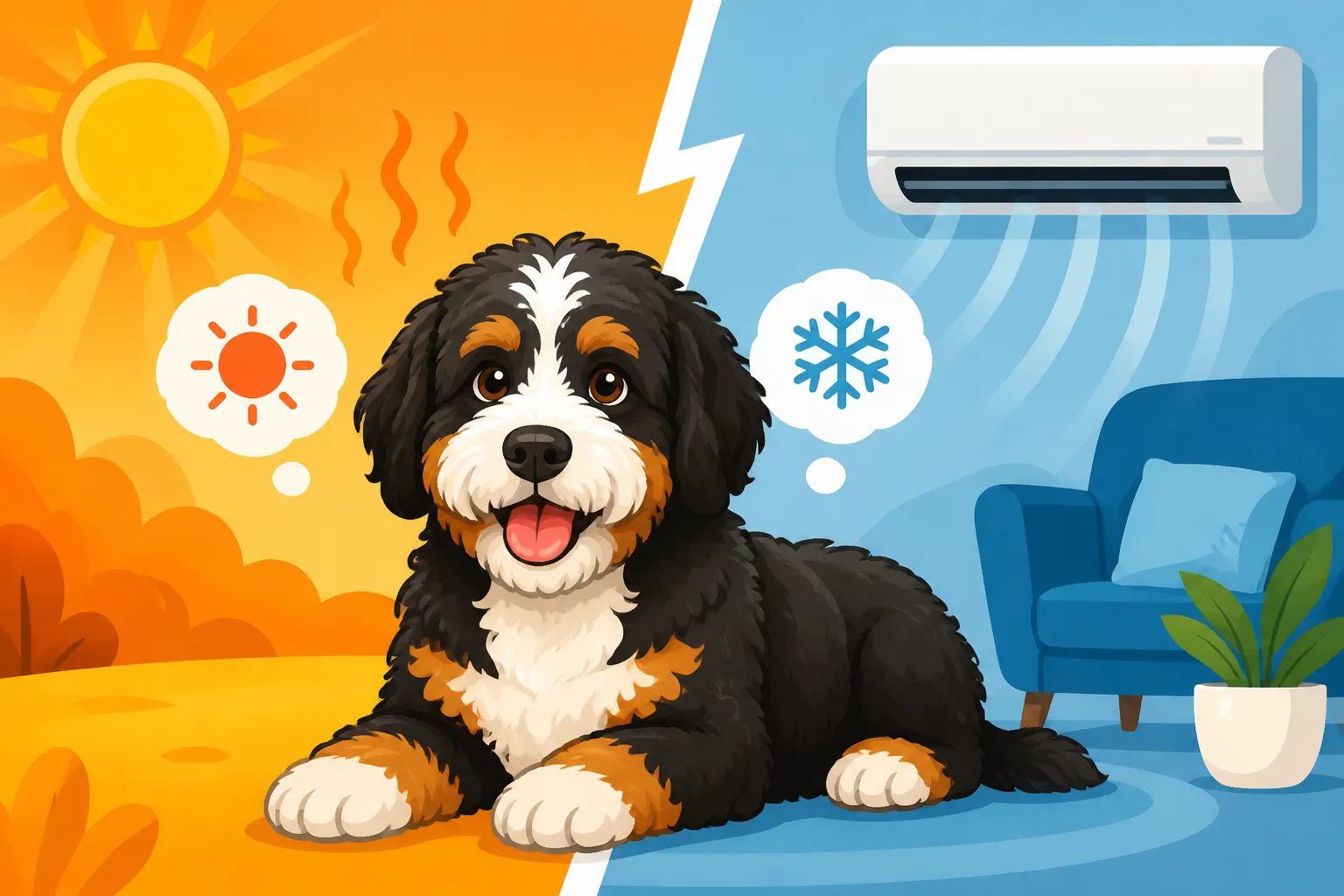
Given the Bernedoodle's inherent challenges with heat, it's not an exaggeration to say that air conditioning moves beyond a luxury and often into the realm of necessity. While other cooling methods are helpful, AC provides a consistent, controlled environment that is hard to replicate otherwise.
Why AC Is More Than Just a Comfort
For a Bernedoodle, air conditioning isn't just about making them feel a little more comfortable; it's a vital tool for preventing serious heat-related illnesses. Unlike humans who sweat efficiently over most of their body, dogs primarily cool themselves through panting and through the pads of their feet. This process is far less efficient, especially for a large, thick-coated breed like a Bernedoodle. When the ambient temperature and humidity are high, their ability to cool themselves through panting becomes severely compromised.
Air conditioning tackles both these issues: it lowers the temperature of the air, and it reduces humidity. Lower humidity makes evaporative cooling (panting) much more effective. Without AC, especially during peak summer months or in warmer climates, your Bernedoodle might constantly be on the verge of overheating, putting immense strain on their cardiovascular system. It reduces their overall stress levels and allows their body to function within a safe temperature range, protecting them from internal damage that can occur even with prolonged mild heat stress. For many Bernedoodle owners, AC is the non-negotiable cornerstone of their dog's summer care.
Setting the Ideal Indoor Temperature
Finding the "perfect" indoor temperature for your Bernedoodle can feel like a balancing act, especially if you share your home with humans who have different preferences! However, a general guideline is to keep your indoor environment between 72-78°F (22-26°C).
For a Bernedoodle, the cooler end of this spectrum is often preferable, especially if they have a particularly dense coat, are very active indoors, or if the outdoor temperature is extreme. Aiming for around 72-74°F (22-23°C) can provide a comfortable buffer. You'll know you've hit a good spot when your Bernedoodle is resting calmly, not panting excessively, and isn't actively seeking out the coldest spots in the house.
It's also important to consider nighttime temperatures. Even if the days are scorching, some people like to let the house warm up at night. However, dogs can still overheat during sleep. Maintain a comfortable temperature through the night, or at least ensure a strong fan is directed at their sleeping area if you must raise the AC setting. Monitor your dog’s behavior closely; if they’re still panting or restless, adjust the thermostat lower. Remember, consistency is key; wild fluctuations can be just as stressful as sustained heat.
Considerations for Homes Without Central Air
Not every home comes equipped with central air conditioning, and that’s perfectly okay. It doesn’t mean you can’t provide a safe environment for your Bernedoodle, but it does mean you’ll need to be more strategic and proactive.
If you have window AC units, ensure they are placed in rooms where your Bernedoodle spends the most time, or ideally, in a room where they can retreat to escape the heat. Consider getting multiple units if your home is large or has poor air circulation. Close off unused rooms to concentrate the cool air where it’s needed most.
For homes with no AC at all, your plan needs to be even more robust. This might mean investing in portable AC units, which can be moved from room to room, or even just using a single unit in a dedicated "cool room" for your dog. Couple this with strong fans to move air around, even in rooms without direct AC. Cross-ventilation is important when temperatures allow, but be mindful of drawing in hot, humid air. In extremely hot climates, if you lack effective AC, you might need to consider arranging for your Bernedoodle to spend the hottest parts of the day at a friend's house with AC, or even a reputable doggy daycare that offers climate-controlled environments. It truly is that important for their well-being.
Complementary Cooling Strategies (Beyond AC)
While air conditioning is a powerful ally, it's rarely the only solution needed. Even with AC, there are many simple yet effective strategies to enhance your Bernedoodle's comfort and keep them safe from overheating. These methods become even more crucial if you don't have constant access to air conditioning.
Portable Solutions and Cooling Products
The market is full of innovative products designed to help dogs stay cool, and many of these are perfect for a Bernedoodle. One popular option is cooling mats. These mats often contain a gel that activates with pressure, absorbing and dissipating your dog's body heat. They don't require electricity or refrigeration, making them super convenient. You can find a good selection of these on sites like Amazon or Chewy. Just make sure to pick one sturdy enough to withstand a big Bernedoodle.
Another excellent choice is an elevated dog bed. These beds lift your Bernedoodle off the floor, allowing air to circulate all around them, which is much cooler than lying directly on a thick rug or carpet. Many are made with breathable mesh fabrics. Paired with a fan, these can offer significant relief.
For outdoor excursions or even just lounging on the patio, kiddie pools or shallow splash pools can be a game-changer. Many Bernedoodles love water, and even just wading in a few inches of cool water can bring their body temperature down quickly. Make sure to supervise them and use a non-slip surface if possible. For walks, consider a cooling vest or bandana that you soak in water before use. These evaporate slowly, providing a continuous cooling effect around their core or neck. Just remember that no single product is a magic bullet, but a combination can make a big difference.
Hydration and Dietary Adjustments
Keeping your Bernedoodle well-hydrated is absolutely non-negotiable in warm weather. Water helps regulate body temperature, and dehydration exacerbates heat stress. Always provide fresh, cool water in multiple locations around your home and yard. Consider adding ice cubes to their water bowl to keep it cooler for longer, or invest in a filtered water fountain that encourages them to drink more.
For longer outings, bring a portable water bottle and a collapsible bowl. Dogs don't always signal thirst as obviously as we do, so proactive offering is key. You can also make "pupsicles" with diluted broth or pureed fruit to offer a hydrating, refreshing treat.
In terms of diet, some owners find that feeding smaller, more frequent meals can be helpful, as digesting large meals generates more body heat. If your Bernedoodle eats fresh food, like from services such as Ollie, the higher moisture content can contribute to overall hydration. Always consult with your vet before making significant changes to their diet, but ensuring they receive adequate moisture through their food and drink is vital. Whether a Bernedoodle Swims to Cool Off explains more about using water as a cooling mechanism.
Smart Management of Outdoor Time
This is where common sense and strict adherence to safety guidelines come into play. Your Bernedoodle's outdoor routine needs a complete overhaul when temperatures rise.
First and foremost, avoid walks during the hottest parts of the day. This typically means between 10 AM and 4 PM, but in very hot climates, it might extend even further. Instead, schedule walks for early mornings (sunrise is ideal) and late evenings after the sun has set and pavement has cooled down. Whether a Bernedoodle Should Be Walked in Summer provides more guidance on safe walking practices.
Always check the pavement temperature with the back of your hand before walking. If it's too hot for your hand to hold for 5-7 seconds, it's too hot for your dog's paws. Hot pavement can cause painful burns and also radiates heat back up to their body. Consider dog booties if walks are unavoidable during warmer hours, or stick to grassy, shaded paths.
Limit strenuous exercise. While Bernedoodles need their activity, intense play or long runs in the heat can quickly lead to overheating. Opt for shorter, calmer walks or indoor playtime in an air-conditioned space. Never, ever leave your Bernedoodle unattended in a parked car, even with the windows cracked. The temperature inside a car can skyrocket to dangerous levels in minutes, even on a seemingly mild day. This is a fatal mistake that is entirely preventable.
Long-Term Management and Preventative Measures
Keeping your Bernedoodle cool isn't just about quick fixes; it's about a holistic, year-round approach, especially if you live in a climate with prolonged warm seasons. Thinking ahead and integrating preventative measures into your routine can make a huge difference in their long-term health and comfort.
Grooming for Temperature Regulation
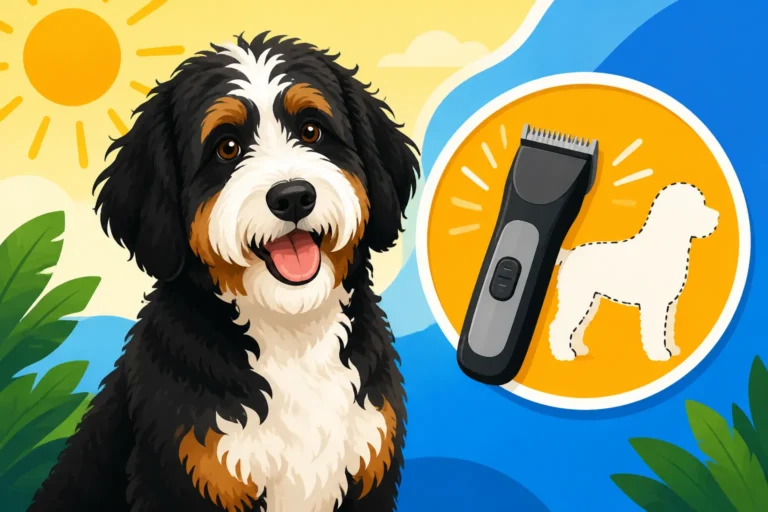
Many owners wonder if shaving their Bernedoodle down will help them stay cooler. The answer is nuanced, and it's not always as simple as it seems. While a super short clip can certainly remove bulk, it's crucial to understand the role of their coat. A dog's coat, even a double coat, actually provides some insulation against the sun's UV rays and heat. Completely shaving it off can expose their sensitive skin to sunburn and make them more susceptible to heat absorption. Whether a Shaved Bernedoodle Handles Heat Better delves into this topic in detail.
Instead of a full shave, consider a shorter, manageable summer clip. A length of 1-2 inches often provides a good balance, reducing the bulk of the coat while still offering some natural protection. Regular brushing is also paramount. Daily line brushing, getting right down to the skin, removes loose undercoat and prevents mats, which can trap heat and restrict air circulation. Neglecting this leads to a matted coat, which is incredibly insulating and hot.
Work closely with a professional groomer who understands Bernedoodle coats. They can recommend appropriate clips for summer and help you maintain their coat year-round to ensure it functions optimally for temperature regulation. Investing in good grooming tools, like a high-velocity dryer and quality slicker brushes (many available on Chewy or Amazon), for home maintenance between professional appointments will also pay dividends in keeping their coat healthy and heat-friendly. The Summer Shave Argument on a Bernedoodle provides further insights into managing their coat in warm weather.
Designing a Heat-Safe Home Environment
Even without central air conditioning, you can strategically design your home to be a cooler haven for your Bernedoodle. Think about what your dog instinctively seeks out when they're hot: cool surfaces, shade, and airflow.
If you have a basement, consider making it a primary hang-out spot during the hottest days. Basements naturally stay cooler due to being underground. Ensure it's safe, well-lit, and has fresh water available. If you don't have a basement, identify the coolest room in your house, perhaps one that gets less direct sunlight, and make that your Bernedoodle's sanctuary. Use blackout curtains or blinds on windows that receive direct sun to keep rooms from heating up.
Strategic use of fans can significantly improve air circulation. Position fans to create a cross-breeze, or direct them at your Bernedoodle's favorite sleeping spots. Even if the air isn't "cool" from AC, moving air helps with evaporative cooling. If you have tile or stone floors, keep them clean and accessible; these are often favorite spots for Bernedoodles to sprawl out on. Providing elevated dog beds in these cool areas can further enhance comfort.
Lifestyle Adjustments for Hot Climates
For Bernedoodle owners living in consistently hot or humid climates, like those in the southern US, deeper lifestyle adjustments may be necessary. It’s not just about surviving summer; it's about ensuring a good quality of life for your dog year-round.
This might mean embracing a truly early bird or night owl schedule for all outdoor activities. Walks, potty breaks, and playtime may need to be strictly confined to these cooler parts of the day. Consider enrolling your Bernedoodle in indoor dog sports, like agility or obedience classes held in climate-controlled facilities, to provide mental and physical stimulation when outdoor exercise is too risky.
You might need to adjust your own travel plans, prioritizing destinations that are cooler, or ensuring any travel involves fully air-conditioned vehicles and destinations. Be mindful of their exposure to direct sunlight even during cooler hours; shade is always their friend. Some owners even install "doggie doors" into a screened porch or a fully shaded, secure yard area, allowing their Bernedoodle to choose when to go out for short periods, but always with access back to a cool indoor space. Ultimately, living in a hot climate with a Bernedoodle requires a conscious, ongoing commitment to their heat management, often making air conditioning an absolutely essential part of their daily life. The Temperature a Bernedoodle Should Not Be Walked In provides specific temperature guidelines for safe outdoor activity.
A Comparative Look at Cooling Methods
To help put everything into perspective, here's a quick comparison of various cooling methods, highlighting their effectiveness and best use for a Bernedoodle.
| Cooling Method | Effectiveness (Bernedoodle) | Best Use Case | Pros | Cons |
|---|---|---|---|---|
| Air Conditioning (AC) | High | Primary indoor cooling, especially in warm climates | Consistent, lowers ambient temperature & humidity, reliable | Can be expensive to run, not always available, energy consumption |
| Fans (Circulating) | Medium | Enhances AC, improves airflow in non-AC rooms | Affordable, good for air circulation, aids evaporative cooling | Only moves existing air, not effective in extreme heat/humidity, doesn't cool air |
| Cooling Mats/Beds | Medium | Spot cooling, rest areas, travel | Portable, no electricity, pressure-activated cooling | Limited area of effect, may not be appealing to all dogs, can get warm after prolonged use |
| Kiddie Pools/Water Play | High (temporary) | Outdoor relief, active cooling during play | Fun, quick cooling, engages dogs | Requires supervision, can be messy, limited to outdoor use, not for prolonged cooling |
| Cooling Vests/Bandanas | Medium | Targeted cooling during walks or brief outdoor stays | Portable, aids evaporative cooling, useful for short excursions | Requires re-wetting, only covers part of body, not for severe heat |
| Shade & Cool Surfaces | Low-Medium (passive) | Basic first step, essential for all outdoor time | Free, always available outdoors | Not sufficient on its own, limited cooling effect, relies on existing environment |
| Hydration (Water) | High (preventative) | Essential always, especially with any heat exposure | Crucial for all bodily functions, prevents dehydration, aids cooling | Not a primary cooling method, but vital support; too much at once can cause issues |
| Grooming (Summer Clip) | Medium (long-term support) | Reduces coat bulk, allows air circulation | Prevents matting, reduces heat-trapping coat | Too short a clip can cause sunburn, requires professional skill, doesn't actively cool |
Conclusion: Prioritizing Your Bernedoodle's Well-being
Ultimately, the question of whether air conditioning is necessary for a Bernedoodle often leans heavily towards "yes," especially in any climate where summer temperatures regularly reach or exceed the mid-70s°F (around 24°C) with significant humidity. Their thick coats, Bernese heritage, and sheer size make them incredibly vulnerable to overheating.
While you can certainly employ a range of complementary strategies – from cooling mats and kiddie pools to smart grooming and strict outdoor scheduling – these are often insufficient on their own when the mercury truly climbs. Air conditioning provides the most reliable and consistent way to lower both ambient temperature and humidity, creating a truly safe and comfortable indoor environment where your Bernedoodle can relax without constantly struggling to cool down.
Investing in air conditioning, or ensuring access to it, isn't just about comfort; it's a critical health decision for Bernedoodle owners. It safeguards them from the serious and often fatal consequences of heatstroke, allowing them to lead happier, healthier lives, particularly during the warmer months. Your Bernedoodle relies on you to be their advocate and create an environment where they can thrive, regardless of the weather outside.
Disclaimer
This article is for general informational purposes only and does not constitute professional advice. Laws, prices and regulations vary by location and change over time. Consult a qualified professional for guidance on your specific situation.