How Often a Bernedoodle Should Be Brushed
Oh, the Bernedoodle coat! It’s a magnificent tapestry of fluff, waves, and curls, isn't it? But let's be real, beneath all that charm lies a beast that demands attention, often daily. If you've ever found yourself wrestling with tangles, wondering if you're brushing enough, or despairing over a sudden mat behind an ear, you're in the right place. This guide is all about demystifying the Bernedoodle brushing routine, helping you understand exactly how often you should be brushing your furry friend to keep their coat healthy, happy, and tangle-free, without losing your sanity in the process.
The Daily Reality: Why Brushing Your Bernedoodle Is a Must (Almost Every Day)
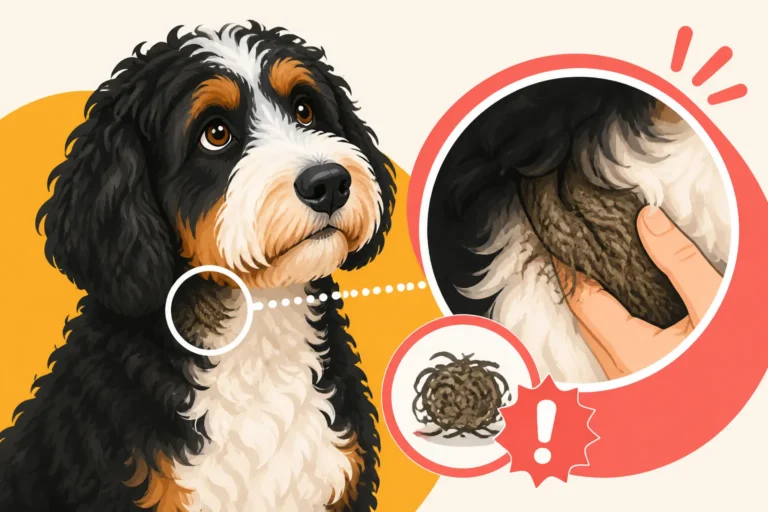
Let's not sugarcoat it: owning a Bernedoodle means committing to regular grooming. While the allure of a "non-shedding" or "low-shedding" coat is certainly appealing, it comes with a trade-off: matting. Unlike dogs that shed their undercoat, Bernedoodles, thanks to their Poodle heritage, tend to hold onto that loose hair. When loose hairs don't fall out, they get woven into the surrounding live hair, creating tangles that quickly snowball into dense, painful mats if not brushed out consistently.
Ignoring brushing for even a few days, especially if your Bernedoodle loves to romp outdoors or gets wet often, can lead to serious problems. Mats aren't just cosmetic; they pull on the skin, causing discomfort, pain, and even skin infections if moisture gets trapped underneath. Imagine having a tight knot constantly tugging at your scalp – that's what a mat feels like to your dog. For many Bernedoodle owners, the question isn't if they should brush daily, but how to fit it into an already busy schedule. It's a fundamental part of The Coat a Bernedoodle Gets From Two Heavy Coated Parents, and understanding this upfront is key to a happy, healthy Bernedoodle life.
The Consequences of Infrequent Brushing
When you slack on brushing, the consequences can range from annoying to downright heartbreaking. A few missed days can turn into a week of dedicated detangling, and if left too long, professional intervention might be the only solution. Groomers often have to shave down severely matted dogs, which, while necessary for the dog's comfort, can be upsetting for owners who love their dog's fluffy appearance. More importantly, it's a stressful and potentially painful experience for your Bernedoodle.
Beyond the visible mats, a neglected coat can hide skin issues, parasites, and prevent you from noticing lumps or bumps on your dog's body. Regular brushing isn't just about aesthetics; it's a vital part of preventative health care. It stimulates blood flow to the skin, distributes natural oils, and allows you to bond with your dog while checking for any abnormalities. It’s an investment in their long-term well-being that pays dividends in comfort and health.
Decoding the Bernedoodle Coat: How Type and Length Influence Your Brushing Schedule
Not all Bernedoodle coats are created equal, and this is perhaps the single biggest factor in determining how often you need to brush. The genetic lottery plays a huge role in whether you get a dog with a fluffy, low-maintenance wave or a tight curl that's a magnet for tangles. Understanding your dog's specific coat type is the first step to establishing an effective grooming routine.
The Wavy Coat: The Most Common (and Manageable) Bernedoodle Look
Many Bernedoodles inherit that beautiful, flowing "wavy" coat – often referred to as a fleece coat. This is typically the easiest to manage of the Bernedoodle coat types. The waves are generally soft, less prone to tight curling, and while they will still mat, they tend to do so less aggressively than a truly curly coat.
For a wavy-coated Bernedoodle, especially if kept at a moderate length (think 1-2 inches), brushing every other day might be sufficient to prevent mats. However, if their coat is kept longer, or if they spend a lot of time playing in brush, swimming, or rolling in the dirt, daily brushing is still highly recommended. Think of it as preventative maintenance; a quick 10-15 minute brush-out each day is far easier than an hour-long battle with mats a few times a week. Even with a wavy coat, it’s still critical to line brush properly to get all the way down to the skin, as surface brushing often hides problems underneath. The Wavy Coat Most Bernedoodles Carry still demands consistent attention.
The Curly Coat: A Matting Magnet That Needs Daily Dedication
On the other end of the spectrum is the "curly" Bernedoodle coat, which strongly favors the Poodle parent. This coat is often described as tight, dense, and can feel more like wool. While it’s fantastic for those with severe allergies due to its minimal shedding, it is an absolute matting machine. These tight curls love to intertwine, catching every piece of debris, every loose hair, and every speck of moisture, turning into felted mats almost instantaneously.
If your Bernedoodle has a curly coat, daily brushing is non-negotiable. Seriously, every single day. If you skip a day, you'll feel it. If you skip two, you might be calling your groomer. These coats also benefit greatly from being kept shorter, as longer curls are exponentially harder to maintain. Even with a short cut, you’ll need to consistently brush through it. Without a daily routine, owners of curly-coated Bernedoodles often find themselves facing a "shave-down" at the groomer, simply because the matting has become too severe to brush out without causing significant pain. This is truly The Curly Coat Bernedoodle and Its Upkeep in its most demanding form.
The Straight Coat: Shedding and Still Matting?
Then there's the less common, "straight" Bernedoodle coat, which leans heavily towards the Bernese Mountain Dog side. This coat type is often the biggest surprise for owners expecting a "non-shedding" dog. The Straight Coated Bernedoodle That Sheds can shed, sometimes quite a bit, but here's the kicker: it can still mat! While the hair might not be as prone to felting as a curly coat, the longer, straighter hairs can still tangle, especially in high-friction areas like armpits, behind the ears, and in the britches.
For a straight-coated Bernedoodle, you might find shedding brushes and de-shedding tools more useful in addition to your slicker brush. Brushing every 2-3 days might suffice if the coat is short and not prone to heavy shedding or matting. However, if it’s long or very dense, increasing the frequency to daily or every other day is wise, especially during seasonal shedding periods. It’s a unique challenge to have a coat that both sheds and mats, but it’s a reality for some Bernedoodle owners.
Table: Brushing Frequency by Bernedoodle Coat Type and Length
To help visualize, here’s a general guideline for brushing frequency based on coat type and length. Remember, these are starting points – your individual dog's activity level and environment will also play a role!
| Coat Type | Coat Length (approx.) | Recommended Brushing Frequency | Common Problem Areas |
|---|---|---|---|
| Wavy (Fleece) | Short (under 1 inch) | Every 2-3 days | Behind ears, armpits, collar line |
| Wavy (Fleece) | Moderate (1-3 inches) | Daily to every other day | Behind ears, armpits, britches, tail |
| Wavy (Fleece) | Long (over 3 inches) | Daily, sometimes twice daily | All over, especially friction points |
| Curly (Wool) | Short (under 1 inch) | Daily | All over, especially tight curls |
| Curly (Wool) | Moderate (1-3 inches) | Daily, sometimes twice daily | Absolute matting magnet, full body |
| Curly (Wool) | Long (over 3 inches) | Professional grooming needed | Extremely difficult to maintain at home |
| Straight (Hair) | Any length | Every 2-3 days, daily during shed season | Behind ears, armpits, shedding undercoat |
Beyond Coat Type: Factors That Change Your Bernedoodle's Brushing Needs
While coat type is paramount, it's not the only piece of the puzzle. Several other elements can significantly impact how often you need to reach for that brush and comb. Being aware of these can help you adjust your routine proactively, preventing those dreaded matting emergencies.
The Dreaded "Coat Change" Phase
One of the most challenging times for Bernedoodle owners is the "coat change," often occurring between 6 to 18 months of age. This is when your adorable puppy fluff starts transitioning to its denser, adult coat. During this period, the softer puppy hair gets trapped within the emerging adult coat, creating an unprecedented matting nightmare. When a Bernedoodle's Puppy Fluff Becomes an Adult Coat is a crucial time that requires intensified effort.
During this phase, you absolutely must increase your brushing frequency, likely to daily, if not twice daily for some. It might feel like you're brushing constantly, but trust me, it’s worth it. Skipping a few days during the coat change can lead to mats so severe that a full shave is the only humane option. Many owners get caught off guard by this, assuming their puppy's easy-to-manage coat will last forever. This is where dedication truly pays off.
Lifestyle and Activity Levels
Your Bernedoodle's daily life also plays a huge role. An active Bernedoodle who loves to roll in the grass, swim in the lake, or explore the woods will naturally pick up more debris and develop tangles faster than a more sedate, indoor-only dog.
- Outdoor Adventures: If your Bernedoodle loves hikes, trips to the dog park, or playing in muddy conditions, you'll need to brush them immediately after these activities. Burrs, twigs, and dirt are notorious for causing mats.
- Swimming: Getting wet can cause hair to clump and mat as it dries, especially if not thoroughly brushed out afterward. Always brush your Bernedoodle thoroughly after a swim, ensuring they are fully dry.
- Collars and Harnesses: The friction from collars and harnesses can rub the coat, leading to mats, especially around the neck, chest, and armpits. Pay extra attention to these areas during your regular brushing sessions. This is one of The Places a Ninety Pound Bernedoodle Mats First.
- Sleeping Habits: Even something as simple as sleeping can contribute! If your Bernedoodle sleeps curled up or rolls around a lot, friction can create mats.
Seasonal Changes
Just like us, dogs experience seasonal changes. While Bernedoodles don't have the dramatic "blowing coat" of some double-coated breeds, you might notice subtle shifts in their coat density or shedding patterns with the seasons. In cooler, drier weather, static electricity can sometimes contribute to tangles. In warmer, humid months, moisture can exacerbate matting.
Pay attention to your Bernedoodle's coat year-round. You might find you need to adjust your brushing routine slightly. For instance, after a particularly long winter where the coat was kept longer for warmth, a more frequent brushing schedule might be needed in spring as the dog becomes more active outdoors.
Mastering the Brush-Out: Techniques and Tools for a Happy Bernedoodle (and Owner!)
Knowing how often to brush is only half the battle; knowing how to brush effectively is the other. A quick, superficial brush won't cut it for a Bernedoodle. You need proper technique and the right tools to ensure you're getting down to the skin and preventing mats from forming deep within the coat. This also turns grooming into a positive, bonding experience rather than a dreaded chore.
Essential Tools for Your Bernedoodle Grooming Kit
Don't skimp on your tools. High-quality brushes and combs make a world of difference, saving you time and your dog discomfort. You can find excellent options for all of these on platforms like Amazon or Chewy, which makes it easy to stock up.
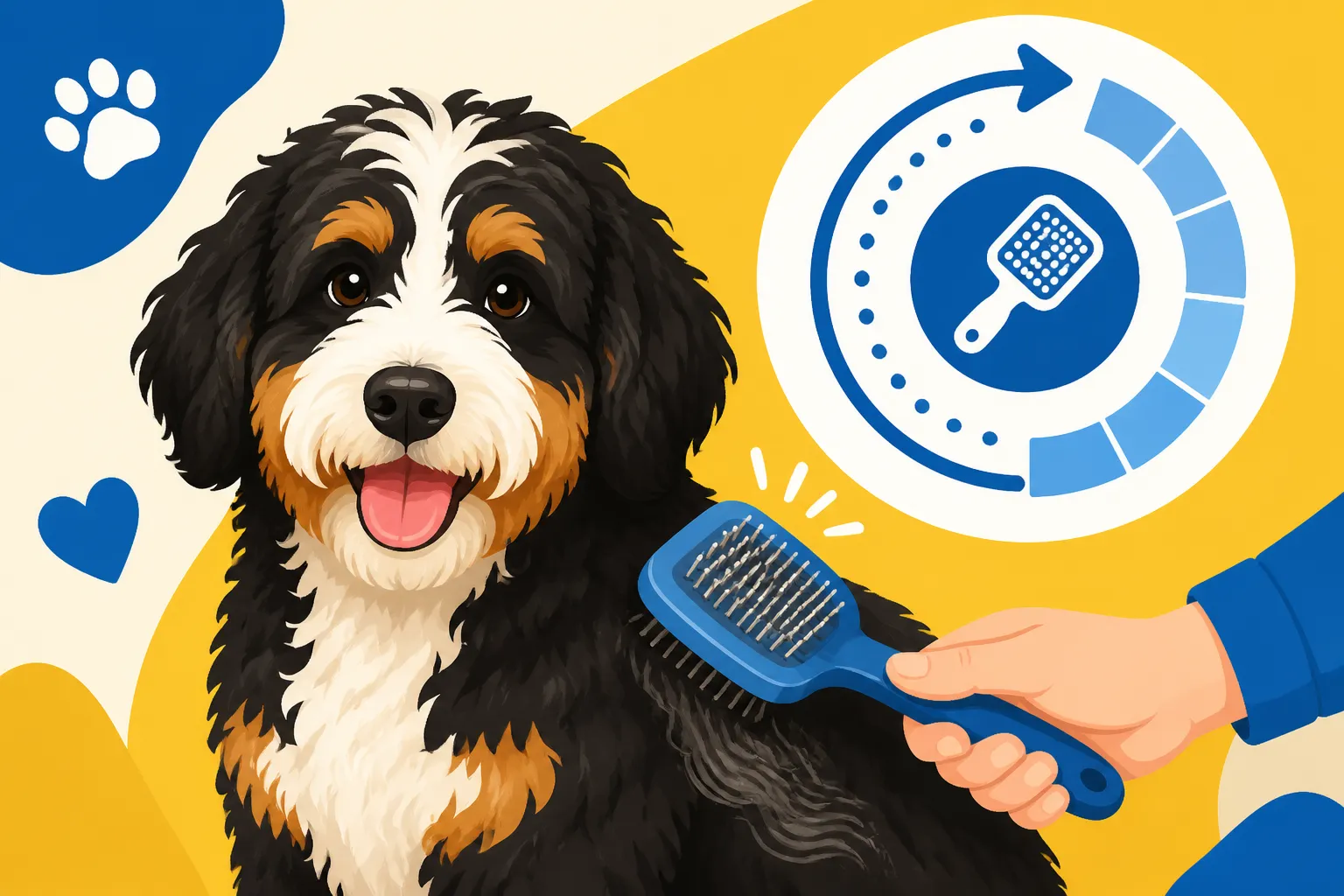
- Slicker Brush: This is your primary weapon against tangles. Look for one with fine, bent wire bristles. It's excellent for removing loose hair and working through small tangles. Always brush gently to avoid "brush burn" on the skin. I recommend a sturdy, ergonomically designed slicker brush that fits comfortably in your hand, especially if you have a large dog or are doing The Weekly Hours a Standard Bernedoodle's Coat Takes.
- Long-Toothed Metal Comb: Crucial for "line brushing" and checking your work. After using the slicker, run the comb through the brushed area. If the comb snags, you've found a tangle that needs more attention with the slicker brush. A comb with both wide and narrow teeth is ideal. This combination of tools is what makes The Slicker and Rake a Bernedoodle Needs so effective.
- Detangling Spray: A good detangling spray (look for pet-safe, conditioning formulas) can help loosen tangles and reduce static, making brushing smoother and more comfortable for your dog.
- Blunt-Tip Scissors: For cutting out very small, stubborn mats that cannot be brushed out. Exercise extreme caution when using scissors near your dog's skin. If a mat is too close to the skin or too large, it's safer to visit a professional groomer.
- Force Dryer (Optional but highly recommended): If you bathe your Bernedoodle at home, a force dryer is a game-changer. It helps to blast out loose undercoat and straightens the hair, making it much easier to brush and preventing mats from forming as the coat dries. This is also excellent for drying down to the skin, which is crucial for their thick coat.
The Art of Line Brushing
Line brushing is the most effective technique for a Bernedoodle, ensuring you get all the way down to the skin. It takes a little more time, but it’s the only way to truly prevent mats.
- Section by Section: Start by parting your Bernedoodle's coat, perhaps along their back or side. Hold the top layer of hair up with one hand.
- Brush from the Bottom Up: With your other hand, use your slicker brush to brush the exposed section of hair, starting from the skin and working your way out. Brush in small strokes, moving horizontally along the section.
- Drop and Repeat: Once that section is tangle-free, drop a little more hair from the top layer and repeat the process, working your way up the body.
- Comb Check: After you've brushed an entire section with the slicker, use your metal comb to comb through it, again starting from the skin. If the comb slides through easily, you're good. If it snags, go back with the slicker brush until it's smooth. This is your definitive test that you’ve gotten rid of any Mats in a Bernedoodle's Armpits and Britches.
- Systematic Approach: Work through your entire dog this way – legs, chest, belly, tail, and those infamous areas behind the ears.
Making Brushing a Positive Experience
No one wants to fight with their dog every day, so making brushing a positive experience from puppyhood is vital.
- Start Early: Begin short, gentle brushing sessions as soon as you bring your Bernedoodle puppy home. Even if they don't have much coat yet, getting them used to the brushes and being handled is crucial.
- Positive Reinforcement: Use high-value treats and praise generously during and after brushing. Associate the brush with good things!
- Short Sessions: Especially in the beginning, keep sessions short and sweet. Aim for 5-10 minutes of calm brushing, slowly increasing the duration as your dog becomes more comfortable.
- Comfortable Environment: Brush in a quiet, comfortable space where your dog feels relaxed. A non-slip mat on a table can help make it easier for you and more stable for them.
- Patience is Key: There will be days your Bernedoodle isn't cooperative. Don't force it. Take a break and try again later. Frustration from your end will only make them more resistant. If you find yourself needing more help, remember that sometimes Whether a Bernedoodle Needs a Professional Trainer can extend to grooming manners too!
Consistency truly is the secret ingredient for a Bernedoodle's coat. A little bit of effort every day or every other day can save you hours of painful detangling and expensive trips to the groomer. Embrace the brush, make it a bonding ritual, and your Bernedoodle will thank you with a gorgeous, healthy, and mat-free coat.
Disclaimer
This article is for general informational purposes only and does not constitute professional advice. Laws, prices and regulations vary by location and change over time. Consult a qualified professional for guidance on your specific situation.