When a Bernedoodle’s Puppy Fluff Becomes an Adult Coat
That soft, ethereal puppy fluff that makes you want to snuggle your Bernedoodle all day long? It's utterly adorable, but it won't last forever. Many new Bernedoodle owners, myself included, often wonder exactly when that delightful baby coat will give way to the more adult, and often more challenging, fur beneath. This guide is here to walk you through the fascinating, sometimes frustrating, and ultimately rewarding journey of your Bernedoodle's coat transition, helping you understand the timeline, anticipate the changes, and keep that beautiful coat healthy and mat-free.
The Enchanting World of Puppy Fluff
When you first bring home your Bernedoodle puppy, you're likely enchanted by its incredibly soft, downy coat. This isn't just regular fur; it's a special kind of puppy fluff, often lighter in texture and less dense than what you’ll find on an adult dog. It's designed to keep them warm and cozy in their early weeks and months, and it feels absolutely heavenly to touch. You probably find yourself burying your face in it, inhaling that distinct puppy scent.
This puppy fluff feels almost weightless, like cotton wool or a fine, soft cloud. It typically lacks the coarser guard hairs you might see on a Bernese Mountain Dog, and it doesn't yet have the dense, sometimes oily texture of an adult Poodle's coat. For Bernedoodle owners, this initial coat is often a source of joy because it tends to be relatively easy to maintain, usually not matting too severely, and shedding minimally. It’s a wonderful introductory period where you can get your pup used to light brushing without too much struggle.
However, don't let this ease lull you into a false sense of security. This wonderful fluff is a temporary phase, a beautiful preamble to the complexities of the adult Bernedoodle coat. It’s crucial to use this time wisely to introduce your puppy to grooming tools and routines, making it a positive experience so they're better prepared for the changes ahead.
What Makes Puppy Fluff So Unique?
The unique qualities of puppy fluff come down to its structure. Unlike adult hair, puppy fur has a simpler follicle structure, often lacking the full development of an adult coat's layers. It's usually a single coat, meaning it doesn't have the distinct undercoat and outer coat layers that many adult dogs, especially those with Bernese heritage, possess. This is why it feels so uniformly soft and light.
Think of it like a baby's hair versus an adult's. A baby might have very fine, sparse hair, which eventually thickens and changes in texture and color as they grow. Your Bernedoodle's puppy fluff is similar. It's designed for quick growth and warmth in their early development, but it's not built for the long-term demands of an active, outdoor adult dog. Its primary purpose is comfort and protection during puppyhood, not complex insulation or extreme weather resilience.
The Gentle Start of Grooming Habits
Even with the easy-care puppy fluff, establishing a regular grooming routine early on is paramount. This isn't just about keeping them tidy now; it's about setting them up for a lifetime of comfortable grooming experiences, especially once that adult coat starts to come in. Start with short, positive sessions. Use a soft slicker brush or a wide-toothed comb, letting your puppy sniff the tools, giving them treats, and praising them enthusiastically.
Focus on handling their paws, ears, tail, and muzzle — all the sensitive areas that will require regular attention later. Make it a game, not a chore. If you consistently make grooming a pleasant, rewarding activity during the puppy fluff stage, you'll have a much easier time when the coat thickens and mats inevitably start to appear. This early training will be invaluable in preventing struggles and making future professional grooms less stressful for your dog. Teaching a Bernedoodle to Lie Down for Three Hours of Grooming is a great resource for developing these crucial habits.
The Great Coat Transition: When and How It Happens
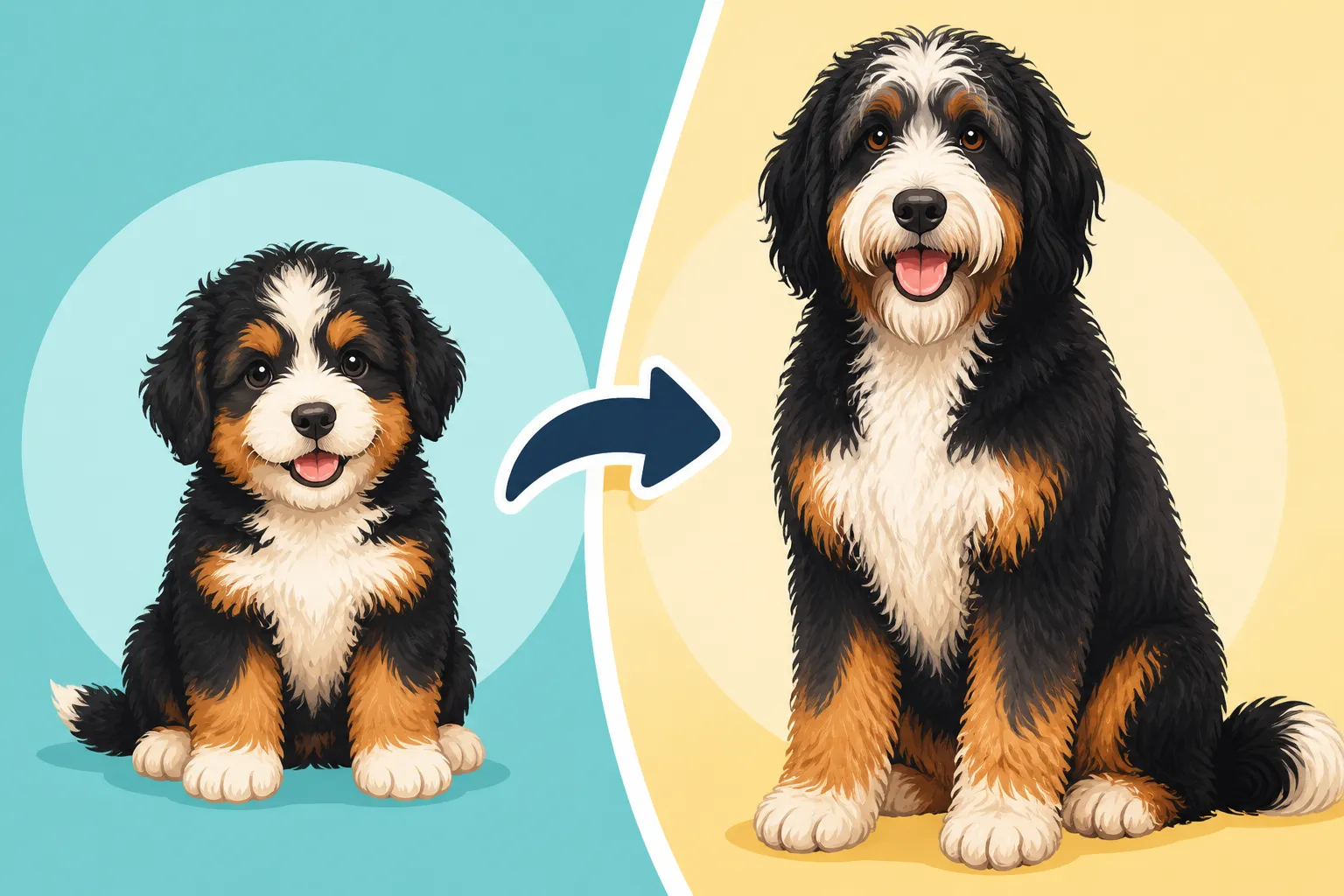
Alright, let's get down to the nitty-gritty of when that lovely puppy fluff actually starts to vanish. This is often the period that catches new Bernedoodle owners by surprise, and trust me, it can be a bit of a whirlwind! The transition from puppy fluff to adult coat typically begins when your Bernedoodle is somewhere between 4 to 8 months old, but it can absolutely vary. I've seen some start as early as 3 months and others hold onto their baby softness until well past 9 months. It's not an exact science, and a lot depends on genetics and the individual pup.
This isn't a sudden, overnight transformation. Instead, it's a gradual process, sometimes taking several months to complete. You might notice the change first around their neck, shoulders, or down their spine, where the new, denser adult hair begins to emerge. The soft fluff starts to shed out, making way for the coarser, thicker, and often wavier or curlier adult coat. It's like your pup is slowly growing into a whole new outfit, one hair at a time.
This period, often affectionately (or exasperatedly!) called the "coat change," is when many Bernedoodle owners truly begin to understand the commitment to grooming. The gentle brushing you did for the first few months suddenly feels inadequate as the new hair grows in and the old hair tries to shed out, creating a perfect storm for tangles and mats.
The Typical Timeline of Coat Change
While there's no precise calendar for every Bernedoodle, here's a general idea of what to expect:
- 0-4 Months: Pure puppy fluff. Soft, easy to manage, minimal shedding. Enjoy this blissful phase!
- 4-8 Months: The start of the transition. You'll begin to notice patches of denser, perhaps wavier or curlier, hair emerging. The puppy fluff starts to shed more noticeably. This is when matting can really ramp up.
- 8-18 Months: The peak of the coat change. Your Bernedoodle's coat will likely be a mix of old fluff and new adult hair, creating a prime environment for mats. This period demands consistent and thorough grooming.
- 18 Months Onward: The adult coat is generally established. While the texture and density might continue to develop a bit, the major shedding of puppy fluff is over, and you're dealing primarily with the adult coat's maintenance.
It’s important to remember that this timeline can be influenced by your Bernedoodle's specific genetics. An F1 Bernedoodle (50% Bernese, 50% Poodle) might have a coat that shifts differently than an F1b (75% Poodle, 25% Bernese), which might lean more heavily towards the Poodle's curly texture sooner. Whether a Bernedoodle's Coat Gets Thicker With Age is a good read if you're curious about long-term coat development.
The Role of Genetics in Coat Texture
The type of adult coat your Bernedoodle develops is largely determined by the genetic lottery they won from their Bernese Mountain Dog and Poodle parents. Bernedoodles can have wavy, curly, or even flat (straighter) coats, and the transition will vary depending on which genetic traits are dominant.
- Wavy Coats: Often seen as the "ideal" Bernedoodle coat, these tend to be a softer blend, but can still mat if not brushed regularly. The transition will involve the fine puppy fluff being replaced by a more substantial, wavy texture.
- Curly Coats: These lean heavily towards the Poodle side and are often dense and non-shedding, which is great for allergies, but they are matting magnets. The puppy fluff will give way to tighter curls that need diligent care.
- Flat/Straight Coats: Less common, these coats tend to shed more, resembling the Bernese parent. While they might mat less than curly coats, they can still tangle, especially during the transition when the puppy fluff is releasing. Whether a Coat Test Tells You If a Bernedoodle Will Shed can provide more insights into predicting these traits.
Understanding your individual Bernedoodle's potential adult coat texture can help you prepare for the challenges of the transition. A good breeder should be able to give you an educated guess based on the parents and the puppy's coat at 8 weeks, though nothing is ever 100% guaranteed until the adult coat is fully in.
The Infamous Matting Minefield During Transition
Ah, the matting minefield. This is perhaps the biggest frustration Bernedoodle owners face during the coat change. It's not just a little tangle here or there; it's a battle against dense, intertwined knots that seem to appear out of nowhere, especially during this specific developmental stage. The reason for this matting surge is simple: the fine, soft puppy hair is literally getting trapped by the emerging, coarser adult hair as it sheds out. It's like trying to comb two completely different textures of yarn that are determined to cling to each other.
Imagine trying to brush out a sweater made of both cashmere and wool that are shedding simultaneously. That's essentially what's happening on your Bernedoodle. The fluffy undercoat of the puppy fur, which might not have matted much before, now becomes entangled with the stiffer, denser incoming adult hairs. This combination creates felt-like mats that can quickly become painful if not addressed.
These mats are not just cosmetic issues; they can pull on your dog's skin, restrict movement, and lead to skin irritations, hot spots, or even infections if moisture gets trapped underneath. It's a genuinely uncomfortable experience for your Bernedoodle, which is why prevention and diligent action are so critical during this phase.
Common Areas for Matting
During the coat change, mats seem to have a preference for certain areas on your Bernedoodle's body. These are often high-friction zones or places where the fur is naturally longer and denser. Be extra vigilant in these spots:
- Behind the Ears: This is probably the number one spot. The fur here is fine, and the constant movement of the ears creates friction, leading to quick matting.
- Armpits: Another high-friction area where the legs constantly rub against the body. These can be particularly tight and difficult to detangle.
- Collar/Harness Area: Constant rubbing from collars or harnesses can compress the fur and cause mats to form rapidly, especially around the neck and chest.
- Under the Chin/Beard: Food and water can get trapped here, causing tangles and dirty mats.
- "Britches" (Back of Hind Legs): The long, feathery hair on the back of the hind legs is prone to matting, especially when your Bernedoodle sits down or moves.
- Tail Base: Similar to the britches, the hair around the tail can get quite dense and mat quickly.
- Paws/Between Toes: Snow, mud, and debris can easily get caught in the fur here, leading to painful mats and discomfort.
Regularly checking these areas, even if you don't do a full brush-out, can save you a lot of headache. A quick run-through with a metal comb will often reveal small tangles before they escalate into full-blown mats. Mats in a Bernedoodle's Armpits and Britches offers more targeted advice for these tricky spots.
The Importance of Consistent Line Brushing
During this crucial transition period, a casual brush-over won't cut it. You need to employ a technique called line brushing. This method ensures you're getting down to the skin, where most mats originate and hide.
Here’s how to do it:
- Section the Coat: Part your dog's hair, creating a line (like parting human hair). Start at the bottom of a leg or the belly, and hold the top hair out of the way with one hand.
- Brush in Sections: With your free hand, use a slicker brush to brush the section you've exposed, going down to the skin. Brush downwards and outwards.
- Comb to Check: Once you've brushed a small section, follow up with a metal comb. If the comb glides smoothly through the hair from the skin to the tip, that section is mat-free. If it catches, go back with the slicker brush until it passes through easily.
- Work Upwards: Move your part up slightly and repeat the process, working your way across and up your dog's body, section by section, until the entire coat has been thoroughly brushed and combed.
This isn't a five-minute job, especially for a standard Bernedoodle. Expect to spend a good 30-60 minutes, potentially more, every single day or every other day during the peak of the coat change. It's a commitment, but it's the only way to effectively prevent severe matting. You can find excellent quality slicker brushes and metal combs on Amazon or Chewy.
Essential Grooming Strategies for the Changing Coat
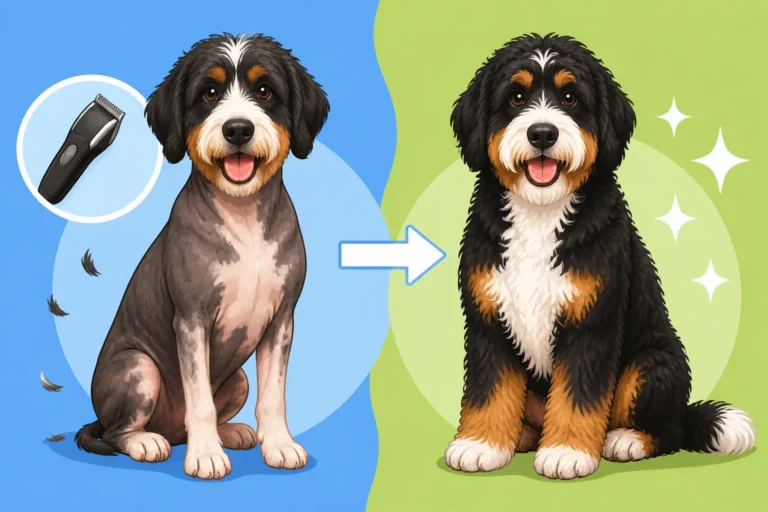
Dealing with a Bernedoodle's coat during the transition from puppy fluff to adult hair requires a dedicated approach and the right tools. It's not just about brushing; it's about a holistic grooming strategy that keeps your dog comfortable and their coat healthy. Ignoring it, even for a few days, can lead to serious matting that might necessitate a full shave-down by a professional groomer, which nobody wants!
The key is consistency and patience. Think of it as an investment in your Bernedoodle's well-being. Regular, thorough grooming sessions will strengthen your bond and make future maintenance much easier. It's a marathon, not a sprint, especially during these challenging months.
The Right Tools for the Job
Having the correct grooming tools is half the battle. Don't skimp on quality here; good tools will make your life (and your dog's) much easier.
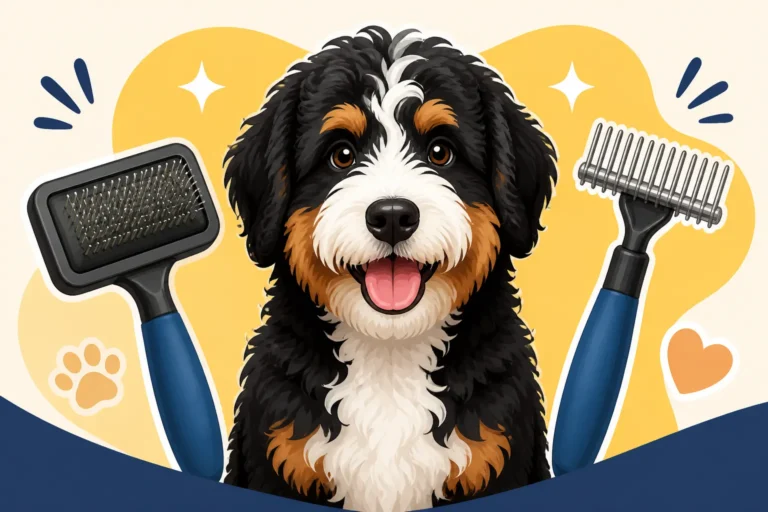
- Slicker Brush: This is your primary weapon against tangles. Look for one with fine, bent wire bristles. It’s excellent for getting through the top layer and working out smaller mats. Brands like Chris Christensen or Artero are popular for their effectiveness, and you can usually find a good selection on Amazon.
- Metal Comb (Greyhound Comb): Essential for line brushing and checking your work. The comb should have both wide and narrow-set teeth. It’s the ultimate tool for ensuring you've reached the skin and removed all tangles.
- Dematter/Mat Splitter: For those stubborn mats that refuse to budge. Use these with extreme caution, as they are sharp. They're designed to break up mats rather than cut them out entirely.
- Detangling Spray: A good quality detangling spray can make brushing much easier, reducing static and helping the brush glide through the coat. Spray it directly onto the mat before attempting to brush it out.
- Force Dryer (Optional but highly recommended): If you plan to bathe your Bernedoodle at home, a force dryer is a game-changer. It blasts water out of the coat, significantly reducing drying time and helping to prevent new mats from forming during the drying process. Trying to air-dry a Bernedoodle is a recipe for disaster. Drying a Bernedoodle to the Skin explains why this is so important.
Invest in these tools upfront. They might seem like an expense, but they'll save you money on professional dematting fees in the long run.
Bathing and Drying Best Practices
Bathing a Bernedoodle, especially a larger one, is a production. During the coat change, you need to be even more meticulous.
- Brush Before Bathing: NEVER bathe a matted Bernedoodle. Water will tighten existing mats, making them nearly impossible to remove without shaving. Always do a thorough brush-out beforehand to ensure there are no tangles.
- Use Quality Shampoo and Conditioner: Opt for a good quality dog shampoo that is hydrating and a conditioner that helps with detangling. This will help keep the coat healthy and manageable. Many excellent options are available on Chewy.
- Lather and Rinse Thoroughly: Ensure you get the shampoo down to the skin and rinse every bit of it out. Residue can irritate the skin and also contribute to matting.
- Towel Dry, Then Force Dry: After the bath, towel dry as much as you can. Then, use a force dryer. This is non-negotiable for a Bernedoodle, particularly one in coat change. The powerful airflow separates the hairs, prevents them from clumping and matting as they dry, and pushes out shed hair. Dry your Bernedoodle completely, down to the skin, section by section. Any dampness left in the undercoat can quickly lead to mats.
If you don't have a force dryer, consider taking your Bernedoodle to a professional groomer for baths during this period, or use a self-serve dog wash that provides them.
Life After Puppy Fluff: The Adult Coat
Once your Bernedoodle has navigated the treacherous waters of the coat change, usually by 18 months of age, you'll finally see their adult coat established. This is the coat they'll carry for the rest of their lives, although its texture and density might continue to mature and thicken slightly in the subsequent year or two. The good news is that the intense, daily matting struggle often subsides, and you can usually settle into a more predictable grooming schedule.
However, "easier" doesn't mean "no grooming." A Bernedoodle's adult coat, especially the popular wavy and curly types, still demands consistent attention to remain healthy, comfortable, and mat-free. The characteristics of the adult coat will largely depend on the genetic lottery they won.
Understanding Your Bernedoodle's Adult Coat Type
The adult coat can vary significantly, even among littermates, depending on their genetic inheritance from the Bernese Mountain Dog and Poodle parents.
- Wavy Coat: This is perhaps the most common and often sought-after Bernedoodle coat. It’s a lovely, flowing wave that usually sheds minimally (though no dog is truly 100% non-shedding). While easier to manage than a curly coat, it still requires regular brushing to prevent tangles and mats, especially in friction areas. This coat tends to have a softer, more luxurious feel.
- Curly Coat: Strongly influenced by the Poodle parent, this coat is typically non-shedding and ideal for allergy sufferers. However, it's the most high-maintenance in terms of grooming. The tight curls can quickly form dense mats close to the skin if not brushed and combed through regularly. Professional grooming every 6-8 weeks is essential, coupled with diligent home care.
- Straight/Flat Coat: This coat is less common and leans more towards the Bernese side. It will shed more than the wavy or curly types, potentially even having an undercoat similar to a Bernese. While it might mat less than a curly coat, it can still tangle, especially if it's longer. Regular brushing will help manage shedding and prevent knots. You might be interested in Whether an F1 Bernedoodle Sheds More Than an F1b for more on coat types.
Knowing your Bernedoodle's predominant adult coat type will help you tailor your long-term grooming strategy.
Establishing a Regular Grooming Schedule
Even with the adult coat, consistency is king. While you might not need to brush daily as intensely as during the coat change, you still need a solid routine.
- Daily or Every Other Day Brushing (for curly coats): If your Bernedoodle has a very curly coat, you might still need to do a quick daily brush-through with a slicker brush and comb to stay on top of tangles.
- 2-3 Times a Week Brushing (for wavy coats): Wavy coats generally do well with thorough brush-outs a few times a week, focusing on those common matting areas.
- Weekly Brushing (for straighter coats): Straighter coats might get by with weekly brushing, but always check for tangles, especially if the coat is longer.
- Professional Grooming: Regardless of coat type, almost all Bernedoodles benefit from professional grooming every 6-12 weeks, depending on how long you keep their coat and how diligent you are at home. A professional groomer has the tools and expertise to give your Bernedoodle a thorough wash, cut, and detangle, ensuring the coat stays in top condition. This is especially true if you prefer a longer, shaggier look. Don't underestimate The Seventy to Hundred Fifty Dollar Bernedoodle Groom – it's a significant ongoing cost.
Think of professional grooming as a necessary health and hygiene practice, not just a luxury. It keeps your Bernedoodle comfortable and prevents skin issues. Between professional appointments, your home grooming is crucial. If you notice persistent itching or skin issues, it might be worth investigating Skin Problems Under a Bernedoodle's Heavy Coat.
Long-Term Coat Care and Health
Beyond brushing and professional grooms, overall health plays a big role in the quality of your Bernedoodle's coat.
- Nutrition: A high-quality diet rich in essential fatty acids (like Omega-3 and Omega-6) is vital for a healthy skin barrier and a shiny, strong coat. Look for foods that list healthy fats as key ingredients. Some owners opt for fresh food diets from brands like Ollie to ensure optimal nutrition for skin and coat health.
- Supplements: Some owners choose to add fish oil or other skin and coat supplements to their Bernedoodle's diet, especially if they notice dry skin or dull fur. Always consult your vet before adding supplements.
- Skin Health: Regularly check your Bernedoodle's skin for any redness, flakiness, bumps, or hot spots. The dense Bernedoodle coat can hide a lot, so parting the fur and looking closely is important.
- Seasonal Changes: Even with an adult coat, you might notice slight changes with the seasons. Some Bernedoodles, particularly those with more Bernese influence, might have a slightly denser coat in winter. The summer months will require extra vigilance against overheating, and many owners opt for a shorter clip during warmer weather. The Clip a Bernedoodle Owner Should Ask For in July is a great resource for managing coat length in summer.
Embrace the journey of your Bernedoodle's coat. It changes, it challenges, but with the right knowledge and commitment, you can keep your furry friend looking and feeling their best.
| Bernedoodle Coat Stage | Approximate Age Range | Key Characteristics | Grooming Needs | Common Challenges |
|---|---|---|---|---|
| Puppy Fluff | 0-4 months | Very soft, fine, downy, light | Light brushing, introduce tools | Easy to manage, minimal shedding/matting |
| Coat Change | 4-18 months | Mix of puppy fluff and new adult hair; varied texture | Daily line brushing, metal comb, detangling spray | Intense matting, tangles, frustrating process |
| Adult Coat | 18 months+ | Denser, coarser, wavy/curly/straight | 2-3 times/week brushing, professional grooming | Continued matting risk (especially curly), shedding (if straighter) |
Disclaimer
This article is for general informational purposes only and does not constitute professional advice. Laws, prices and regulations vary by location and change over time. Consult a qualified professional for guidance on your specific situation.