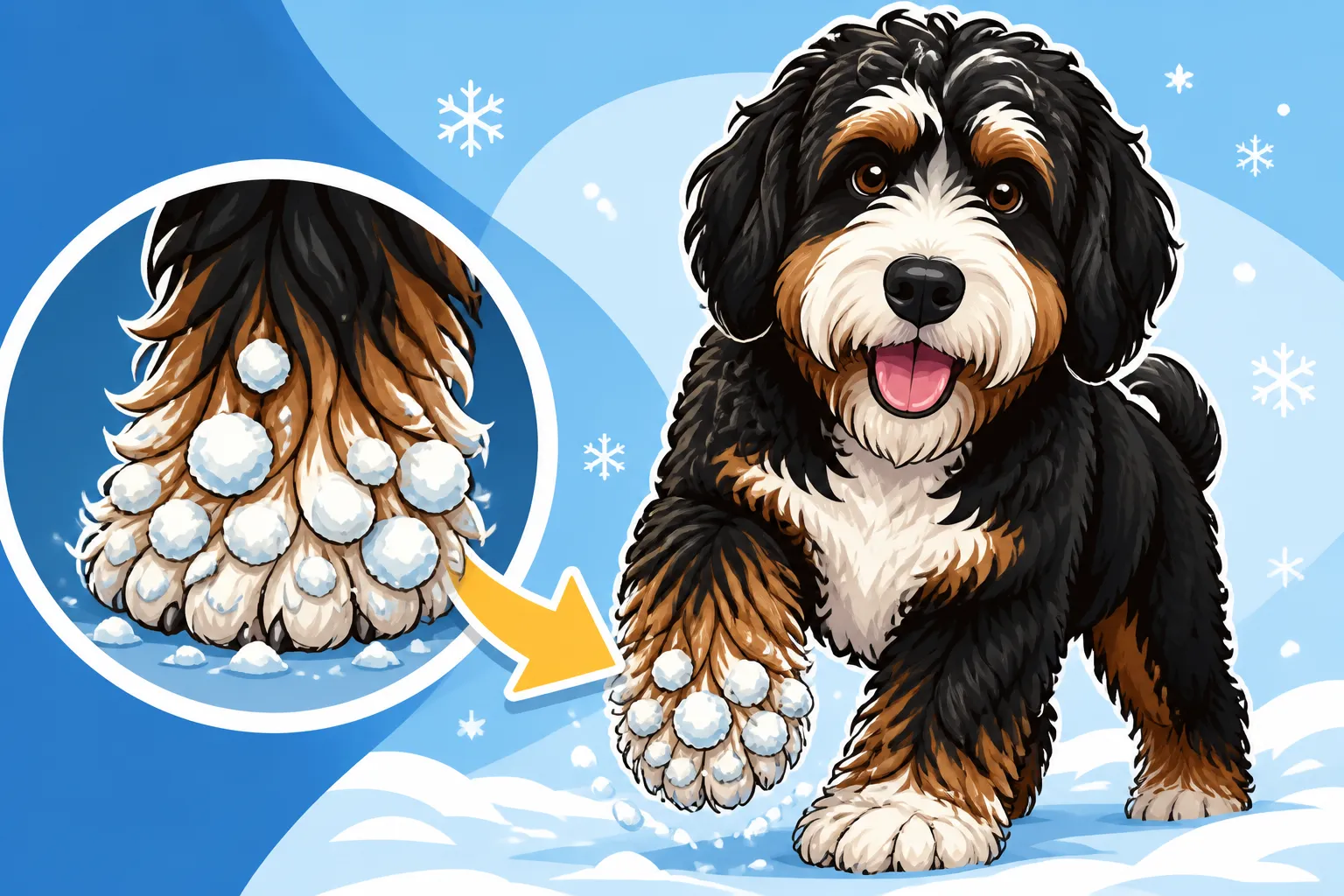
Ice Balls in a Bernedoodle’s Feathering
Winter walks with your beloved Bernedoodle are often a highlight, a chance for them to explore and burn off some energy. But there’s a distinct frustration many of us face when the snow starts to fall: those pesky, uncomfortable, and often painful ice balls that cling stubbornly to their beautiful feathering. This guide is here to walk you through exactly why your Bernedoodle's gorgeous coat becomes a magnet for these frozen nuisances, and more importantly, how you can prevent them and safely remove them, ensuring your furry friend stays happy and comfortable all winter long.
Understanding Why Bernedoodles Get Ice Balls
It's a common scene: you've just come back from a beautiful winter stroll, your Bernedoodle trotting happily beside you, only to find their legs, belly, and even tail covered in hardened clumps of snow and ice. You might wonder why your dog, with their specific coat type, seems to attract them like a magnet.
The Anatomy of an Ice Ball
An ice ball isn't just a random chunk of snow; it's a formation that starts subtly. When your Bernedoodle walks through fresh snow, that snow initially adheres to their fur. As the dog moves, their body heat slightly melts the snow, which then refreezes into tiny ice crystals. More snow picks up, layers over these crystals, and the process repeats. With each step, the friction and compression, combined with melting and refreezing, compact the snow into solid, dense balls of ice. These aren't just superficial; they can become quite heavy and pull at the skin, embedding deeply into the coat.
Why Bernedoodle Coats Are Prone
Bernedoodles, with their wonderful mix of Bernese Mountain Dog and Poodle, inherit a glorious but demanding coat. You often see The Coat a Bernedoodle Gets From Two Heavy Coated Parents described as low-shedding and luscious, and it certainly is! However, this very characteristic makes them prime candidates for ice balls. Their dense, often wavy or curly double coat, especially the longer "feathering" on their legs, belly, and tail, provides ample surface area and texture for snow to cling to. Unlike short-haired breeds where snow might simply fall off, the Bernedoodle's coat traps moisture and snow easily. The Poodle side often contributes a curly, moisture-retaining texture, while the Bernese side adds incredible density and length, particularly in those areas prone to feathering. This combination is a recipe for ice ball formation, creating a thick, insulating layer that, unfortunately, also grabs and holds snow and ice with impressive tenacity.
The Dangers and Discomfort for Your Dog
Beyond being a minor inconvenience for you to clean up, ice balls can pose real problems for your Bernedoodle. Imagine having heavy, freezing weights pulling at your hair with every step – that's what your dog experiences.
- Pain and Irritation: The constant pulling can irritate their skin, leading to redness, chafing, and even open sores if left unchecked.
- Frostbite Risk: These icy clumps can lower the skin temperature in localized areas, increasing the risk of frostbite, especially on paws and extremities.
- Restricted Movement: Large ice balls on the legs or belly can hinder your dog's natural gait, making walking uncomfortable, awkward, or even dangerous, increasing the risk of slips or falls.
- Hypothermia: While less common, extensive ice accumulation can contribute to overall body temperature drop, especially in smaller Bernedoodles or during prolonged exposure in very harsh conditions.
- Anxiety and Avoidance: Some Bernedoodles become visibly uncomfortable or even reluctant to go outside in the snow if they've had a bad experience with ice balls. We don't want our dogs dreading their walks!
Preventing Ice Balls in Bernedoodle Feathering
The old adage "an ounce of prevention is worth a pound of cure" absolutely applies here. Taking a few proactive steps before you even head out the door can save you a lot of hassle and discomfort for your Bernedoodle later.
Strategic Grooming Before Winter
This is your first line of defense! A well-maintained coat is less likely to collect and hold snow.
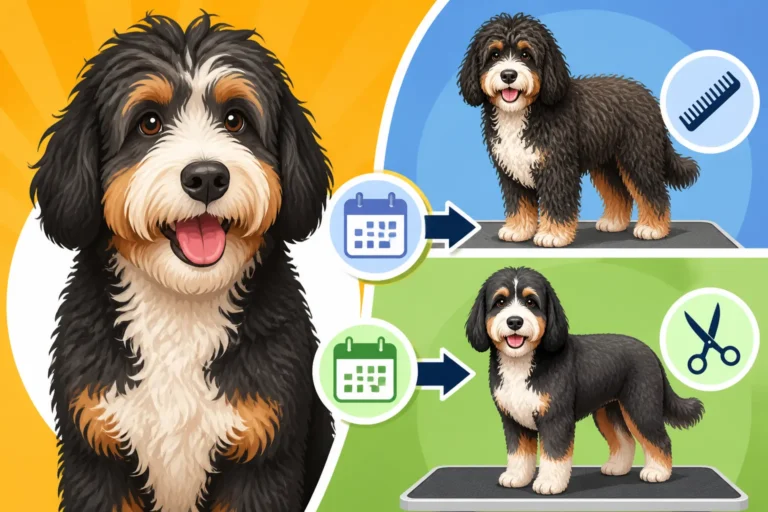
- Maintain a Shorter Trim: While we love that fluffy Bernedoodle look, a slightly shorter trim on the feathering of their legs, belly, and around their paws can drastically reduce the surface area for snow to stick to. You don't need a full summer shave, but a "winter trim" that keeps the hair just short enough to clear the ground can be incredibly effective. Discuss this with your groomer.
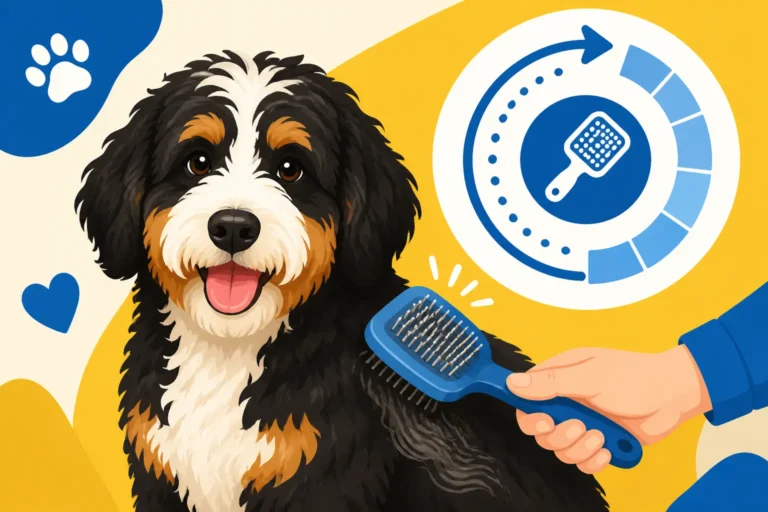
- Keep the Coat Dematted: Mats are ice ball magnets. A matted coat offers even more nooks and crannies for snow to bind to, making removal almost impossible without cutting the fur. Regular brushing, especially line brushing, is crucial. If your Bernedoodle's coat is anything like The Volume of Coat a Bernedoodle Owner Brushes Weekly, you know it’s a commitment, but it pays off in winter. Ensure you're brushing down to the skin, particularly in areas like the armpits, inner thighs, and behind the ears, as these spots often hide mats.
- Trim Paw Hair: The hair between your Bernedoodle's paw pads is notorious for collecting snow and ice. Keeping this hair neatly trimmed, flush with the pads, is one of the most important preventative measures you can take. It allows snow to fall away easily and prevents ice from forming painful clumps that can push between their toes. You can do this at home with blunt-nosed scissors or ask your groomer to do a "paw tidy" during their regular appointments. For more on this, check out Trimming Between a Bernedoodle's Pads.
Protective Gear and Products
Once the grooming is handled, it's time to consider barriers against the snow.
- Protective Balms and Waxes: These create a hydrophobic (water-repelling) layer on your Bernedoodle's fur and paw pads. Products specifically designed for paw protection can be applied generously to paw pads, between toes, and even lightly worked into the feathering on their legs and belly. They make it harder for snow and ice to adhere. You can find excellent options on
Amazonor at pet supply stores likeChewy. Reapply these before every outing in snowy conditions for maximum effectiveness. - Dog Boots: While some dogs tolerate them better than others, dog boots are an excellent way to protect your Bernedoodle's paws entirely. They prevent snow and ice from accumulating between pads, offer protection against road salt and chemicals, and provide extra traction. Make sure they fit well – snug enough not to fall off, but not so tight they pinch. Introduce them slowly at home before expecting your dog to wear them on a long walk.
- Dog Coats/Suits: For Bernedoodles with extensive feathering, a full-body dog suit or even a well-fitting winter coat that covers their belly and chest can prevent snow accumulation in those areas. Look for waterproof or water-resistant materials. Not all Bernedoodles need Whether a Bernedoodle Needs a Coat in Winter, especially in moderate cold, but for deep snow and ice, one that covers the undercarriage can be a game-changer for preventing ice balls.
Modifying Winter Routines
Sometimes, it's about how and when you brave the elements.
- Choose Your Walking Times Wisely: If possible, walk your Bernedoodle when the snow is freshest and not yet packed down or slushy. Slush tends to be particularly sticky and prone to forming ice balls. Avoiding warmer parts of the day when snow is melting can also help, as the melt-freeze cycle is what exacerbates the problem.
- Stick to Shovel-Cleared Paths: Whenever possible, walk your Bernedoodle on cleared sidewalks or paths rather than letting them romp through deep, untouched snow. This significantly reduces the contact their feathered legs and belly have with snow.
- Keep Walks Shorter in Deep Snow: If you must venture into deep snow, consider shorter walks to minimize the time for ice balls to form and accumulate. A quick romp is often less problematic than a long trek.
Safe Removal of Ice Balls from Bernedoodle Fur
Despite your best preventative efforts, sometimes ice balls are inevitable. When your Bernedoodle comes in looking like a walking snowdrift, it's essential to remove these icy clumps safely and gently to avoid causing pain or damaging their delicate skin.
Gentle Thawing Methods
Your first instinct might be to chip away at the ice, but this is a surefire way to hurt your dog or cut their skin. Patience is key!
- Warm Water Bath/Rinse: The fastest and most effective method is a warm water rinse. Guide your Bernedoodle into a tub or shower, and use lukewarm water to gently melt the ice balls. Focus the water stream directly on the icy clumps, allowing the warm water to dissolve them. Never use hot water, as this can shock their system or burn their skin. You’ll be amazed how quickly they disappear once the ice structure breaks down.
- Damp, Warm Towels: If a full bath isn't feasible or the ice balls are minor, you can use warm, damp towels. Soak a towel in warm water, wring it out, and then hold it gently against the ice balls. The warmth will slowly melt the ice. You might need several applications, reheating the towel each time. This method works well for paws or smaller clumps on the legs.
- Allow Natural Thawing Indoors: In some cases, if the ice balls are small and your Bernedoodle isn't in immediate discomfort, simply bringing them into a warm house and letting them thaw naturally can work. Lay down some towels where they settle, or put them in a confined area with easy-to-clean flooring. This takes longer, but it's completely passive. However, be mindful of their comfort and don't leave them with large, heavy ice balls for too long.
Tools and Techniques for Removal
Once the ice has softened or melted, you can carefully work it out.
- Use Your Fingers: For smaller, softer clumps, your fingers are often the best tool. Gently pull and crumble the softened ice from the fur. Always work from the tip of the hair towards the skin, never pulling against the direction of hair growth.
- Blunt-Ended Scissors (with extreme caution): If an ice ball is exceptionally stubborn, very large, or deeply matted into the fur after you've attempted to thaw it, you might need to use blunt-ended scissors. This is a last resort and requires immense care. Always slide a comb between the ice ball and your dog's skin first to create a barrier. Then, carefully snip only the hair that is part of the ice clump, aiming to break the mass apart rather than cutting the hair short. Never point the scissors towards your dog's skin. If you are uncomfortable, it's always better to take your dog to a professional groomer.
- A Wide-Toothed Comb: After thawing, a wide-toothed comb can help gently work through any remaining icy bits or tangles. Again, work slowly and gently, section by section. For tools and other grooming essentials for your Bernedoodle, online retailers like
ChewyandAmazonoffer a wide variety that can be delivered right to your door.
Post-Removal Care and Inspection
After the ice balls are gone, a little aftercare goes a long way.
- Thorough Drying: Crucially, dry your Bernedoodle thoroughly after any wet removal method. Use absorbent towels, and if your dog tolerates it, a cool or low-heat dog-specific dryer. Ensuring they are completely dry prevents further chilling and reduces the risk of skin issues like hot spots.
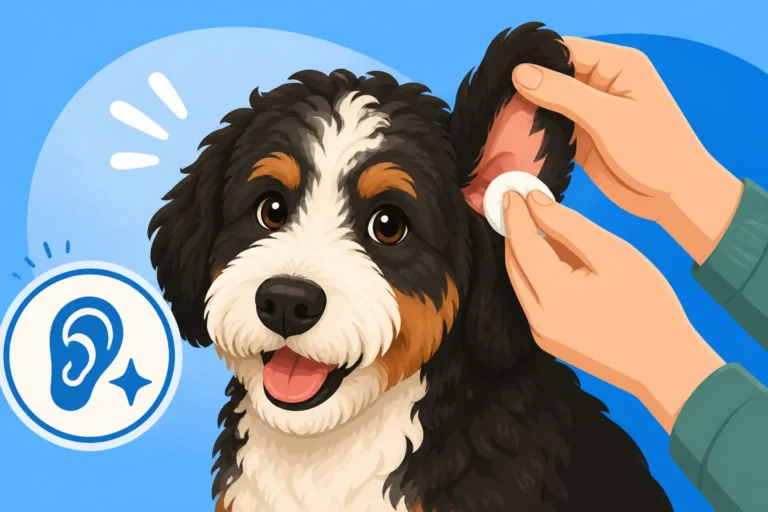
- Inspect Skin for Irritation: Once dry, carefully examine your Bernedoodle's skin, especially in the areas where ice balls were present. Look for any redness, chafing, cuts, or tender spots. If you find any, clean them gently and apply a pet-safe soothing balm or consult your vet if the irritation seems severe.
- Reward and Comfort: Your Bernedoodle just endured a potentially uncomfortable experience. Offer praise, treats, and plenty of cuddles. Make the post-walk routine positive, so they continue to associate snowy adventures with good feelings.
Long-Term Care and Winter Preparedness
Managing ice balls is part of a broader strategy for keeping your Bernedoodle healthy and happy throughout the colder months. Think of winter care as a holistic approach that includes consistent grooming, proper nutrition, and mindful monitoring.
Regular Grooming Habits
Consistent grooming isn't just about aesthetics; it's fundamental to your Bernedoodle's health, especially their coat.
- Daily or Every-Other-Day Brushing: In winter, increase your brushing frequency. Even if your Bernedoodle typically gets by with a few brushes a week, snowy conditions demand more attention. Daily brushing, or at least every other day, helps prevent tangles and mats from forming, which are precursors to ice balls. Focus on those 'high-traffic' areas like legs, belly, and tail. How Often a Bernedoodle Should Be Brushed is a great resource for developing this routine.
- Professional Grooming Schedule: Maintain a consistent schedule with a professional groomer. They can provide essential services like thorough dematting, sanitary trims, and paw pad trims that are harder to do at home. Regular appointments ensure your Bernedoodle's coat stays in optimal condition to fend off winter woes.
- Invest in Quality Tools: A good slicker brush, a metal comb, and blunt-nosed scissors are essential for home grooming. Consider a force dryer if your Bernedoodle's coat is particularly dense and takes ages to air dry after a bath or wet snow. While quality tools can be an investment, they pay for themselves in preventing costly grooming emergencies.
Nutrition and Coat Health
What goes into your Bernedoodle's body can significantly impact the health and resilience of their coat.
- Balanced Diet: Ensure your Bernedoodle is on a high-quality, balanced diet. A diet rich in essential fatty acids (Omegas 3 and 6) supports healthy skin and a strong, lustrous coat. A healthy coat is less prone to dryness and brittleness, which can make it more susceptible to damage from ice and cold. Brands like
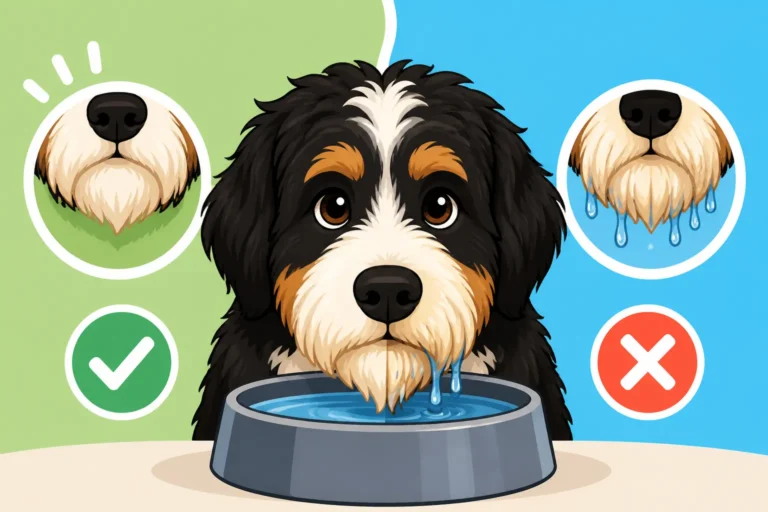
Ollieoffer fresh, wholesome ingredients that can contribute to overall coat health. - Hydration: Just like humans, dogs need adequate hydration, especially when their systems are working harder to regulate body temperature in cold weather. Ensure constant access to fresh water.
- Supplements (Vet-Approved): If your Bernedoodle has particularly dry skin or a dull coat, discuss skin and coat supplements with your veterinarian. Fish oil or specific fatty acid supplements can often make a noticeable difference in coat quality and integrity.
Monitoring Your Bernedoodle in Cold Weather
Even with the best preparations, vigilance is key during winter.
- Observe Behavior: Pay close attention to your Bernedoodle's behavior during and after walks. Are they limping, licking their paws excessively, or showing reluctance to move? These could be signs of discomfort from ice balls, irritation, or even Whether Road Salt Hurts a Bernedoodle's Feet.
- Limit Exposure to Harsh Conditions: On extremely cold or icy days, reconsider long outdoor excursions. Short, frequent potty breaks might be better than one extended walk. For more considerations on how your dog handles winter, take a look at Winter With a Bernedoodle.
- Check Pads and Toes Regularly: Make it a habit to check your Bernedoodle's paws, toes, and the feathering on their legs immediately after coming indoors from any snowy or icy outing. This allows you to catch and address ice balls or irritation before they become a major problem.
By being proactive with grooming, using protective measures, and being prepared for safe removal, you can help your Bernedoodle enjoy the snowy wonderland without the discomfort and dangers of ice balls. Your commitment to their care means they can continue to be your happy, healthy companion through all seasons.
Disclaimer
This article is for general informational purposes only and does not constitute professional advice. Laws, prices and regulations vary by location and change over time. Consult a qualified professional for guidance on your specific situation.