Whether Pavement Burns a Bernedoodle’s Pads
It's a common summer dilemma, isn't it? You want to get out and enjoy the beautiful weather with your beloved Bernedoodle, but then you pause, staring down at the baking pavement, and a wave of worry washes over you. How hot is too hot? Could this innocent walk actually be harming your dog's sensitive paw pads? This guide is here to unravel that worry, explaining precisely why hot surfaces pose a real threat to your Bernedoodle and, more importantly, how you can keep those precious paws safe and sound.
The Hidden Danger Underfoot: Why Pavement Burns are a Real Threat
We often see our dogs trot happily across various surfaces, and it's easy to assume their paw pads are like tough, leathery shields, impervious to discomfort. After all, they don't wear shoes, right? But that assumption, while understandable, can lead to painful, even serious, injuries. Hot pavement isn't just uncomfortable for your Bernedoodle; it's a genuine burn hazard, and their paws are far more vulnerable than many of us realize.
The Misconception of Invincible Paws
Let's clear this up right away: your Bernedoodle's paw pads are not invincible. While they are indeed tougher than human skin, designed to withstand varied terrain and provide grip, they are still living tissue susceptible to temperature extremes. Think of it this way: you wouldn't walk barefoot on asphalt in the peak of summer, would you? The surface can reach astonishingly high temperatures, far exceeding the air temperature, and your Bernedoodle's paws have limited protection against that kind of heat.
Their paw pads consist of a thick outer layer of keratinized skin, fatty tissue, and sweat glands, providing insulation and cushioning. However, this natural protection has its limits. Constant exposure to extreme heat can break down these layers, leading to painful burns. Unlike a swift, sharp cut that might bleed, a burn might not show immediate dramatic signs but can cause deep tissue damage, leading to blisters, peeling, and potential infection. A Bernedoodle, especially a larger standard size, carries a lot of weight, putting even more pressure and heat transfer onto those pads.
Understanding Surface Temperatures: It's Hotter Than You Think
The air temperature might feel pleasant, even cool, but the ground beneath your Bernedoodle's feet can be drastically hotter. Dark asphalt, for instance, absorbs and retains heat like a sponge, becoming a searing hot plate under direct sunlight. Concrete sidewalks, brick patios, and even sandy beaches can all reach dangerous temperatures. Grass, thankfully, tends to stay cooler because it doesn't absorb and hold heat in the same way, offering a safer alternative when available.
To truly understand the danger, you need to employ the "five-second rule." This simple, yet effective, test involves placing the back of your hand flat on the pavement for five seconds. If you can't comfortably keep your hand there for the entire duration, then it's too hot for your Bernedoodle's paws. Seriously, try it. You'll often be surprised at how quickly that surface becomes unbearable, even on days that don't feel scorching hot to you.
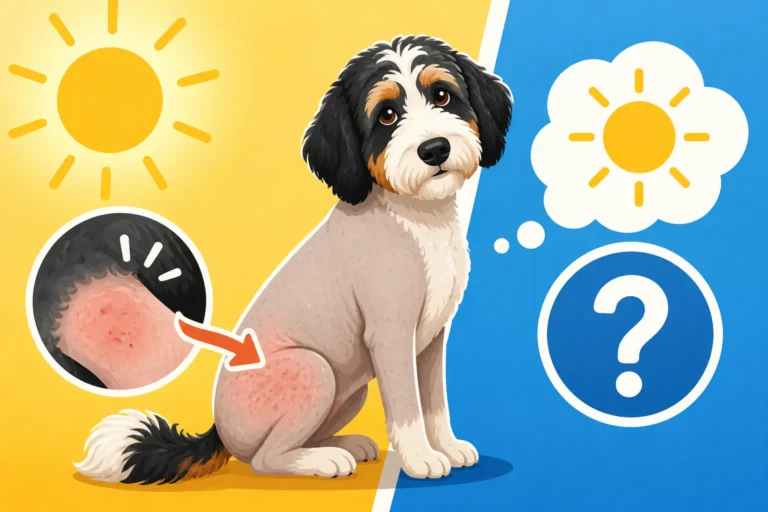
Consider a sunny day with an air temperature of a comfortable 77°F (25°C). The asphalt can easily climb to 125°F (52°C) or higher. At 120°F (49°C), paw pads can sustain damage within just 60 seconds. At 130°F (54°C), burns can occur in 30 seconds, and at 150°F (65°C), damage can happen almost instantly. These aren't just numbers; they represent real pain and injury for your loyal companion. This isn't just about general comfort; it's about preventing a serious injury. If you're wondering Whether a Bernedoodle Should Be Walked in Summer at all, this principle is key to making that decision.
Recognizing the Signs: Is Your Bernedoodle's Pavement Exposure Becoming a Problem?
Sometimes, the signs of burned paws aren't immediately obvious, especially if your Bernedoodle is stoic or you're not actively looking for them. However, your dog will almost certainly be trying to tell you something is wrong, often through subtle behavioral cues before any visual damage appears. Being observant can make all the difference in catching an issue early and preventing it from worsening.
Behavioral Clues Your Bernedoodle Might Be Hurting
Bernedoodles are generally eager to please and love their walks, so any reluctance or change in their normal walking behavior should immediately raise a red flag. If your Bernedoodle starts to lag behind, repeatedly tries to pull towards the grass, or even outright refuses to walk on a particular surface, pay attention! They might be "tippy-toeing," lifting their paws frequently, or shifting their weight from one foot to another in an attempt to alleviate the burning sensation.
After a walk, you might notice them excessively licking, chewing, or biting at their paws. This isn't just general grooming; it's often a direct response to pain or irritation. They might whimper or yelp when you touch their paws, or pull away sharply. A Bernedoodle with sore paws might also be less enthusiastic about playing or might even seem a bit grumpy or withdrawn, which is a significant departure from their usual happy-go-lucky nature. Understanding Signs a Bernedoodle Is Overheating often includes paw discomfort, so these behaviors can be indicators of overall distress.
Visual Indicators of Paw Pad Burns
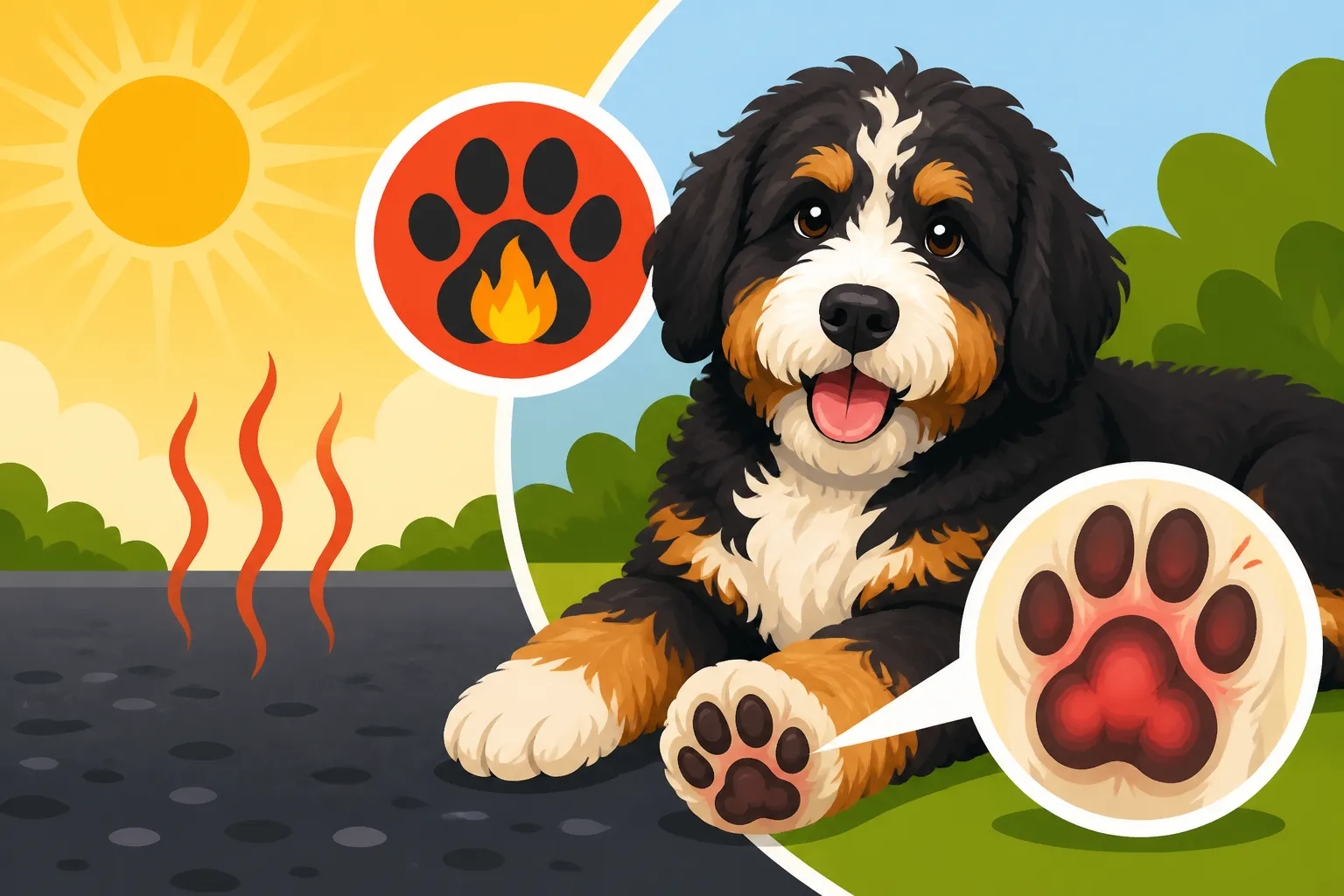
Beyond behavioral changes, there are distinct visual signs that indicate paw pad burns. A healthy paw pad should feel relatively smooth, firm, and pliable. It should be free of redness, swelling, or open sores.
Here's what to look for if you suspect a burn:
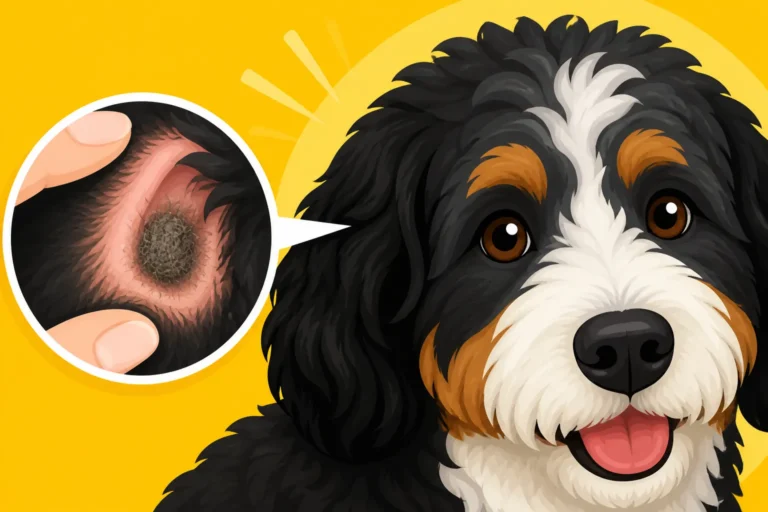
- Redness and Inflammation: The pads might appear unusually red or inflamed compared to their normal color.
- Blisters: Just like human skin, burned paw pads can develop fluid-filled blisters. These can be small or quite large.
- Peeling or Sloughing Skin: In more severe cases, the outer layers of the paw pad skin might actually peel away, revealing raw, tender tissue underneath.
- Darkening or Discoloration: The pads might look darker than usual, sometimes almost black, especially if the burn is deep.
- Limping or Holding Up a Paw: This is a clear sign of pain and discomfort. Your Bernedoodle might avoid putting weight on the affected paw.
It's crucial to inspect your Bernedoodle's paws regularly, especially during warmer months. Gently spread their toes and examine the pads for any of these signs. Catching a minor burn early can prevent it from progressing into a more serious infection.
| Sign Type | Healthy Paw Pad | Burned Paw Pad |
|---|---|---|
| Appearance | Smooth, pliable, intact | Red, inflamed, blistered, peeled, darkened |
| Texture | Soft but firm, resilient | Tender, rough, swollen, possibly hardened |
| Behavior | Walks normally, no excessive licking | Limping, holding paw up, excessive licking/chewing |
| Sound | Normal gait | "Tippy-toeing," hesitant steps, occasional whimper |
| Touch Sensation | Warm to touch, no pain | Hot, painful to touch, may react sharply |
Proactive Paw Protection: Keeping Your Bernedoodle's Feet Safe
The best offense is a good defense, especially when it comes to protecting your Bernedoodle's paws from hot pavement. A little planning and some consistent care can go a long way in preventing painful burns and ensuring your furry friend can enjoy their outdoor adventures safely.
Smart Walking Schedules and Route Planning
This is your first line of defense. Adjusting when you walk and where you walk makes a massive difference.
- Early Mornings and Late Evenings: These are almost always the coolest parts of the day. Get those walks in before the sun has a chance to bake the pavement, or wait until after dusk when surfaces have had time to cool down. It's often safer to stick to these times if you're trying to figure out The Temperature a Bernedoodle Should Not Be Walked In outdoors.
- Seek Out Natural Surfaces: Whenever possible, steer your Bernedoodle onto grass, dirt paths, or shaded trails. These surfaces absorb much less heat than asphalt or concrete. If your walk involves crossing a street or a parking lot, aim to do it as quickly as possible and then get back to a cooler area.
- Walk in the Shade: Trees, buildings, and awnings can cast significant shadows that keep the ground cooler. Plan your route to maximize shaded areas.
- Be Mindful of Weather, Not Just Temperature: A cloudy day can still see pavement reach high temperatures if it's been sunny for hours before. Humidity can also make heat feel more intense. Always do the five-second hand test.
Remember, a Bernedoodle needs daily exercise, but it needs safe exercise. Prioritizing cooler times and natural terrain is a non-negotiable part of responsible ownership during warmer months. Think about the overall exercise needs; a The Exercise a Standard Bernedoodle Needs Daily might need to be split into shorter, cooler sessions.
Practical Gear and Consistent Paw Maintenance
Sometimes, avoiding hot surfaces entirely isn't possible, or you need extra protection for adventurous outings. This is where protective gear and regular paw care come in.
- Dog Boots/Paw Protectors: Yes, your Bernedoodle might look a little silly in boots at first, and it will take some training to get them used to them. But for walks on hot pavement, they are truly the ultimate protection. Look for boots with durable, heat-resistant soles that fit snugly but aren't too tight. Brands like Ruffwear or Muttluks offer excellent options. You can find a wide variety of these on Amazon or specialized pet stores. Start by letting your Bernedoodle wear them for short periods indoors, rewarding them heavily, before venturing outside.
- Paw Balms and Waxes: These products create a protective barrier on your dog's paw pads, offering a layer of moisture and some protection against harsh elements, including moderate heat. They won't prevent burns on scorching pavement, but they can help keep pads supple, preventing cracks that could become more susceptible to injury. Products containing beeswax or lanolin are common. You can often find great paw balms from reputable brands on Chewy or at your local pet supply store. Apply them before walks and at bedtime.
- Regular Paw Inspections and Grooming: Make it a habit to check your Bernedoodle's paws daily. Look for any redness, cuts, cracks, or foreign objects lodged between their pads. Regular grooming, including Trimming Between a Bernedoodle's Pads, is also vital. Excess hair between the pads can trap heat, collect debris, and make it harder for the paws to grip surfaces, potentially leading to slips and further injury. Keep the hair short and neat in this area.
When the Worst Happens: First Aid and Veterinary Care for Burned Paws
Despite our best efforts, accidents can happen. Perhaps you underestimated the heat, or your Bernedoodle unexpectedly darted across a patch of hot asphalt. Knowing what to do in the immediate aftermath of a paw burn can significantly impact your dog's recovery and comfort.
Immediate Steps for Minor Paw Burns
If you suspect your Bernedoodle has walked on hot pavement and their paws are showing early signs of discomfort (like the tippy-toeing or immediate licking), take these steps right away:
- Get Off the Hot Surface: Immediately move your Bernedoodle to a cool, shaded area like grass, dirt, or indoors.
- Cool the Paws: Gently cool their paws with cool (not ice cold) water. You can use a hose on a low setting, soak their paws in a shallow basin, or apply cool, wet compresses. Do this for about 10-15 minutes. The goal is to bring the temperature down slowly and alleviate pain. Don't use ice directly as it can cause further tissue damage. This is similar to strategies you might use for Cooling a Bernedoodle Down Safely if they're generally overheated.
- Clean Gently: After cooling, gently clean the paws with a mild, dog-safe antiseptic solution or just plain water. Remove any debris that might have stuck to the softened pads. Pat dry thoroughly with a soft towel.
- Prevent Licking: Dogs naturally want to lick their wounds, but this can introduce bacteria and worsen the burn. If you have an E-collar (cone of shame), put it on immediately. If not, try to distract them or keep them from licking until you can get proper veterinary advice.
- Assess the Damage: Once cooled and cleaned, carefully examine each paw pad. Look for redness, swelling, blisters, or peeling skin.
For very mild burns (slight redness, no blisters), keeping the paws clean, dry, and protected from licking might be sufficient, along with rest. However, always err on the side of caution.
Knowing When It's Time for Professional Help
Any burn that goes beyond mild redness, or if you have any doubt about the severity, warrants a trip to the veterinarian. It’s always better to be safe than sorry when it comes to your pet's health.
Seek immediate veterinary attention if you observe:
- Deep Redness, Swelling, or Severe Blistering: These indicate a more serious burn that needs medical intervention.
- Open Sores or Peeling Skin: This exposes raw tissue, making it highly susceptible to infection. A vet can properly clean, debride, and dress the wound.
- Limping That Doesn't Improve: If your Bernedoodle is still clearly in pain or unwilling to put weight on a paw after initial first aid, it's time for professional help.
- Signs of Infection: Redness, swelling, pus, foul odor, or fever are all indicators of infection requiring antibiotics or other treatments.
- Extreme Pain or Distress: If your Bernedoodle is crying, lethargic, or showing other signs of severe discomfort, don't wait.
Your vet can properly diagnose the severity of the burn, clean the wounds thoroughly, prescribe pain medication, antibiotics if needed, and give you specific instructions for ongoing care. They might also recommend special bandages or wraps to protect the healing paws. Remember, prompt treatment can prevent complications and speed up recovery time for your Bernedoodle.
Long-Term Paw Health and Overall Well-being for Your Bernedoodle
Protecting your Bernedoodle's paws from hot pavement isn't just a summer concern; it's part of a holistic approach to their long-term health and comfort. Healthy paws are essential for their mobility, their enjoyment of walks, and their overall quality of life.
Regular Inspections Beyond Just Heat
Think of paw inspections as part of your Bernedoodle's routine grooming and wellness check, right up there with brushing their coat or checking their ears. Beyond just checking for heat damage, use these moments to look for other common paw problems:
- Cuts, Scrapes, and Punctures: Even small ones can become infected. Keep an eye out for anything sharp or abrasive on your walking routes.
- Foreign Objects: Tiny pebbles, burrs, thorns, or even chewing gum can get lodged between pads, causing irritation and pain. Bernedoodles with their often curly or wavy coats can sometimes get things tangled in the hair between their toes.
- Ingrown Nails: Especially for dogs who don't wear down their nails naturally, overgrown nails can curve into the paw pad, causing immense pain. Regular nail trims are a must!
- Dryness and Cracking: In winter, or in very dry climates, paw pads can become dry and cracked, making them more susceptible to injury and infection. Paw balms can be very helpful here.
- Allergies or Skin Issues: Sometimes, excessive licking or redness might be due to environmental allergies or yeast infections that affect the paws.
By integrating regular, thorough paw checks into your routine, you'll be able to spot problems early, whether they're from hot pavement or something else entirely. This vigilance contributes to What a Bernedoodle Needs Every Day for happy living.
Connecting Paw Health to Total Health
A Bernedoodle's paw health isn't an isolated concern; it's intricately linked to their overall well-being. A dog with healthy, comfortable paws is a dog that can move freely, exercise adequately, and maintain a good quality of life. Conversely, painful paws can lead to a sedentary lifestyle, weight gain, and even behavioral issues due to discomfort.
Proper nutrition plays a role too. A balanced diet, rich in essential fatty acids, can contribute to healthy skin and coat, including the tough skin of the paw pads. While no food will prevent a pavement burn, supporting overall skin integrity certainly helps with recovery and resilience. Brands like Ollie, known for their fresh, human-grade ingredients, prioritize balanced nutrition that contributes to a dog's general vitality. You could also explore supplements from Chewy that support skin and joint health, which indirectly benefits paw pads by ensuring overall physical soundness.
Furthermore, a well-exercised Bernedoodle, who has had appropriate mental and physical stimulation, is generally happier and healthier. Just be sure that this exercise, like The Exercise a Standard Bernedoodle Needs Daily, is always undertaken with careful consideration for the surfaces they're on, especially when the sun is blazing. Prioritizing their paw health allows them to continue enjoying those cherished walks and outdoor adventures with you for many years to come.
Disclaimer
This article is for general informational purposes only and does not constitute professional advice. Laws, prices and regulations vary by location and change over time. Consult a qualified professional for guidance on your specific situation.