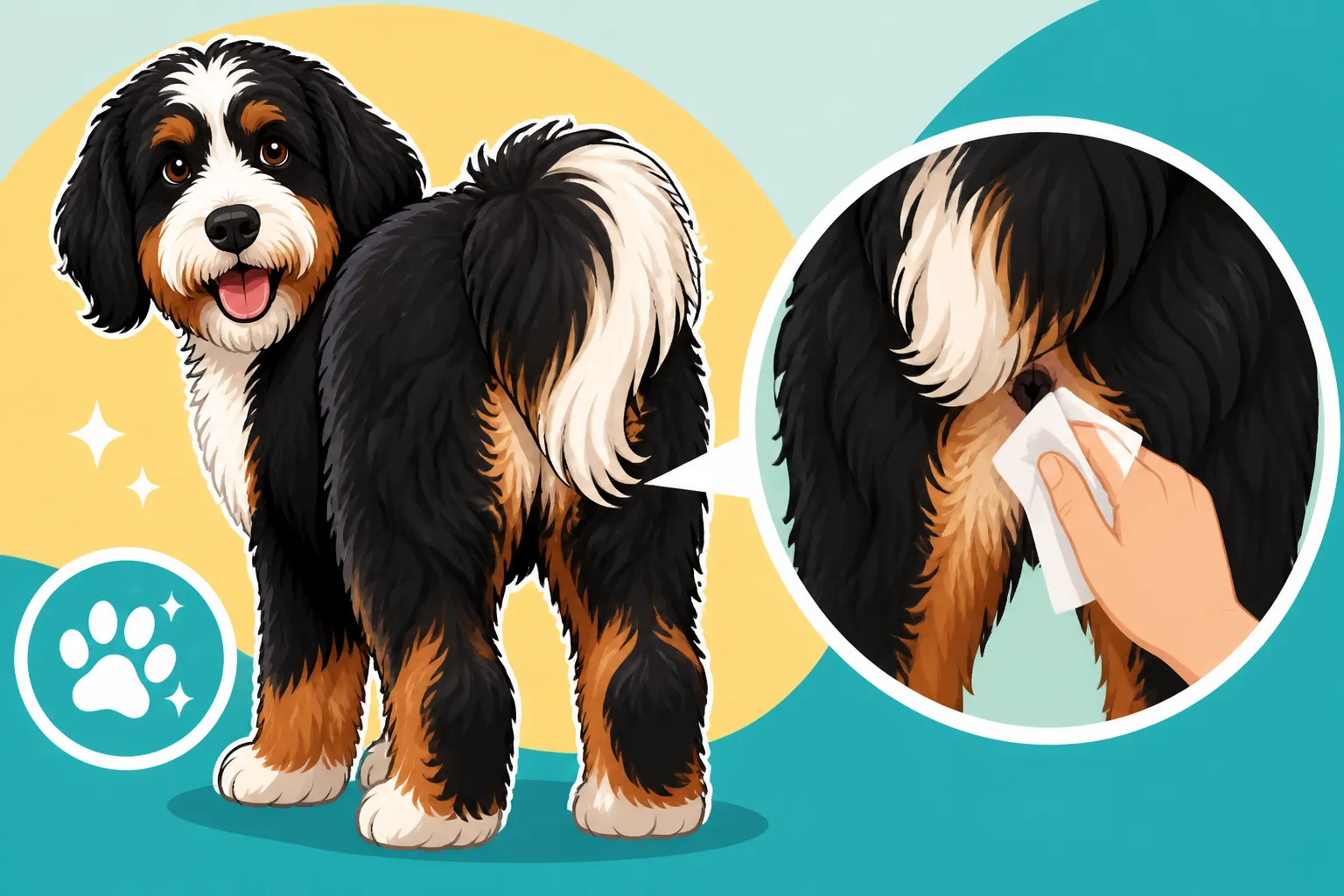
Keeping a Long Coated Bernedoodle Clean Behind
Anyone who shares their home with a Bernedoodle knows the joy, the cuddles, and let's be honest, the constant battle against the elements trying to turn that beautiful, fluffy rear end into a matted, messy disaster zone. It's a common frustration, isn't it? One minute they're romping in the yard, the next they've come back in looking like they've single-handedly redecorated the entire back forty with… well, with stuff. This comprehensive guide is here to walk you through the practical steps, essential tools, and daily habits you need to keep your long-coated Bernedoodle clean and comfortable behind, saving you both stress and endless clean-up.
Understanding the "Why" Behind the Mess
Before we dive into solutions, let's commiserate a little and understand why our beloved Bernedoodles seem to be magnets for mess, particularly around their hindquarters. It's not just bad luck; it's a combination of genetics, anatomy, and sometimes, even diet.
The Bernedoodle Coat Type and Its Challenges
The Bernedoodle's coat is a thing of beauty, a glorious blend of the Bernese Mountain Dog's thick, often wavy or straight double coat and the Poodle's dense, curly, non-shedding fur. This combination usually results in a low-shedding, soft, often wavy or curly coat that can range from quite shaggy to tightly curled. While this is fantastic for allergy sufferers and means less fur tumbleweeds around the house, it creates a unique challenge, especially around the "britches" area – that long, fluffy fur on their rear legs and under their tail.
This dense fur acts like a sponge and a broom all at once. When your Bernedoodle squats to do their business, that long hair can easily collect any lingering debris, particularly if their stool isn't perfectly firm. Mud, leaves, small twigs, and anything else they brush against during their outdoor adventures also cling stubbornly to this area. It's a prime spot for mats to form, too, especially when moisture and debris are involved. A matted coat down there doesn't just look awful; it can pull on their skin, causing discomfort, and worse, create a breeding ground for bacteria, leading to skin irritation or infections if not addressed promptly. For more on their diverse coats, you might want to read The Coat a Bernedoodle Gets From Two Heavy Coated Parents or even The Wavy Coat Most Bernedoodles Carry.
Anatomy and Natural Habits Contributing to Soiling
Think about the physical act of your Bernedoodle going to the bathroom. They squat, and if they have a long, flowing tail plume and thick furnishings on their hindquarters, there's a good chance that hair comes into contact with whatever they're eliminating. It’s not their fault; it's just how they're built with that lush Bernedoodle glory!
Beyond just contact, their natural behaviors play a role. Bernedoodles love to roll around, especially after a good potty break or a romp in a muddy patch. That fresh, clean snow or a patch of damp grass becomes an irresistible invitation to flop and rub, inadvertently picking up more grime. Their long, pendulous ears and shaggy beards might get them into other kinds of messy trouble, but it's the sheer volume of coat around their rear that really catches the "dirty surprise." It’s also worth considering how a dog cleans itself. While they do groom, a Bernedoodle's long, thick coat, particularly if it's curly, makes it incredibly difficult for them to effectively clean their own posterior, especially if it's matted. They just can't reach or get through the density of it.
Diet and Digestive Health as a Factor
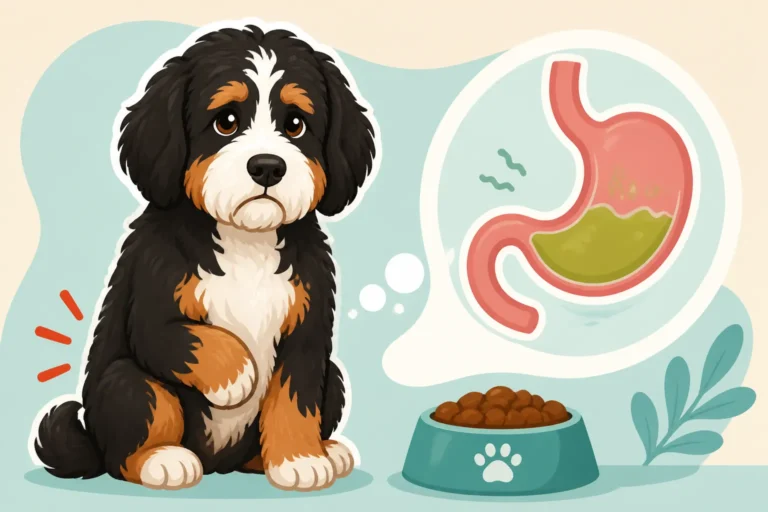
This is a big one that often gets overlooked! The consistency of your Bernedoodle's stool has a direct, undeniable impact on how clean their behind stays. A firm, well-formed stool is far less likely to leave residue behind compared to soft, loose, or even runny stool. If your Bernedoodle consistently has loose stools, you're fighting an uphill battle against a dirty rear.
What causes loose stools? It could be anything from a sudden change in diet, food sensitivities, parasites, stress, or even just eating something they shouldn't have out in the yard. Paying close attention to your dog's diet is crucial. Are they on a high-quality food that agrees with them? Some Bernedoodles thrive on traditional kibble, while others do better on fresh food diets. Brands like Ollie, for instance, offer human-grade fresh food options that can sometimes help with digestive issues, though every dog is different. It's important to consult with your vet if loose stools are a chronic problem, as it can indicate underlying health issues. Even benign things like too many rich treats or table scraps can upset their delicate digestive balance. Ensuring they have a consistent, appropriate diet can significantly reduce the frequency of rear-end messes. If you're feeding a large Bernedoodle, thinking about their nutritional needs for growth and digestion is a good step; you might find Feeding a Bernedoodle That Will Reach Ninety Pounds helpful.
Practical Grooming Strategies for a Clean Rear
Now that we understand why the struggle is real, let's talk about the practical solutions. Regular, proactive grooming is your best friend when it comes to keeping your Bernedoodle's backend pristine.
The Importance of a Sanitary Trim
This is, hands down, the most effective preventative measure you can take. A sanitary trim involves carefully trimming the hair very short around your Bernedoodle's anus and genitals. This creates a clean "landing strip" that significantly reduces the chances of feces or urine clinging to their fur. It’s not just about aesthetics; it's about hygiene and comfort.
A good sanitary trim should be done regularly, typically every 4-6 weeks, or as soon as you notice the hair starting to get too long in that area. You can do this yourself at home with the right tools and a cooperative dog, or you can have a professional groomer handle it. Most professional grooms, even basic bath-and-brush services, will include a sanitary trim as a standard part of their package. It's a quick process that makes a world of difference. When done correctly, the hair is short enough to stay clear, but not so short that it irritates the skin. Discussing this specific trim with your groomer is a good idea to ensure they understand your concerns about cleanliness. You might find that adding this little trim into their regular grooming schedule reduces your daily battles significantly, and understanding the general cost of grooming can be found in What a Standard Bernedoodle Groom Costs.
Essential Tools for At-Home Maintenance
Having the right arsenal of tools makes all the difference for managing a long-coated Bernedoodle. Don't try to tackle this with kitchen scissors!
- Blunt-tipped scissors or small grooming shears: These are absolutely crucial for safe trimming around sensitive areas. The blunt tips prevent accidental pokes and cuts. Look for a pair specifically designed for pet grooming. Amazon or Chewy are excellent places to find these.
- Electric clippers (with a #10 blade): For a really close and efficient sanitary trim, clippers are often preferred by many owners and all professional groomers. A #10 blade is standard for sanitary areas as it leaves the hair very short without cutting too close to the skin. Make sure the clippers are quiet and don't vibrate excessively, as this can scare your dog.
- Slicker brush and metal comb: Even with a sanitary trim, the hair on their britches and tail still needs regular attention to prevent mats. A good slicker brush followed by a metal comb will help you keep that longer fur tangle-free. This is part of the daily upkeep, not just for the sanitary area. Learn more about general grooming tools in The Brushes a Bernedoodle Owner Actually Needs.
- Dog-specific wipes: Keep a supply of pet-friendly cleansing wipes (unscented is often best for sensitive skin) near the door for quick clean-ups after potty breaks. These are fantastic for minor messes and help refresh the area.
- Dog shampoo and conditioner: For those times when a wipe just won't cut it, a gentle, dog-specific shampoo and conditioner are essential. Choose formulas that are moisturizing to prevent dry, irritated skin, especially if you're bathing the area frequently.
- High-velocity pet dryer: While not strictly essential for every home, a force dryer can be a game-changer for thoroughly drying any damp or wet areas quickly, preventing skin issues and making brushing much easier. If you plan on bathing your Bernedoodle at home, especially a large one, you’ll appreciate how quickly this tool works to get them fully dry, right down to the skin, which is crucial to prevent matting and skin issues. This can be found on Amazon.
Step-by-Step Cleaning and Drying Techniques
When a mess inevitably happens, or it’s time for a routine clean-up, a systematic approach will make it less stressful for both of you.
- Assess the situation: If it's just a minor smudge, a pet wipe might suffice. For more substantial messes, prepare for a targeted bath.
- Gather your supplies: Have everything you need within arm's reach before you start: shampoo, warm water, towels, wipes, and a pair of blunt-tipped scissors if you need to carefully cut away any heavily soiled clumps before wetting.
- Careful pre-trim (if necessary): If there are large, caked-on pieces of fecal matter, gently try to snip them off with blunt-tipped scissors before wetting the area. Trying to wash these out when dry often just spreads the mess. Be incredibly cautious and always point the tips away from the skin.
- Targeted bathing: You don't necessarily need to give your entire Bernedoodle a full bath. For rear-end messes, you can often do a "spot bath." Use a detachable showerhead or even a pitcher to wet the affected area with warm water. Apply a small amount of dog shampoo, lather gently, and make sure to work it down to the skin. Pay special attention to the hair around the anus, the insides of the back legs, and under the tail.
- Rinse thoroughly: This is key! Any shampoo residue left behind can irritate the skin. Rinse until the water runs clear and you can't feel any slickness on the fur.
- Squeeze and towel dry: Gently squeeze excess water from the fur. Then, use a super-absorbent towel to blot and rub the area vigorously. You want to remove as much moisture as possible at this stage.
- Blow dry (recommended): For long-coated dogs, air-drying is an open invitation for mats and skin irritation. Use a pet-specific force dryer or even a human hairdryer on a cool or low-heat setting, keeping it moving constantly to avoid burning the skin. Brush the hair as you dry to ensure it's completely dry and tangle-free down to the skin. This prevents fungal infections and hot spots. Getting them completely dry is important for overall health, and you can learn more about this in Drying a Bernedoodle to the Skin.
- Final brush and inspect: Once completely dry, give the area a final brush with a slicker brush and comb to ensure there are no tangles or hidden mats. This is also a good time to check for any redness or irritation.
Daily Habits and Preventative Measures
Beyond the major grooming sessions, consistent daily habits are truly what keep your Bernedoodle's backend clean and healthy. These small efforts add up to a big difference.
Regular Brushing and Checking for Mats
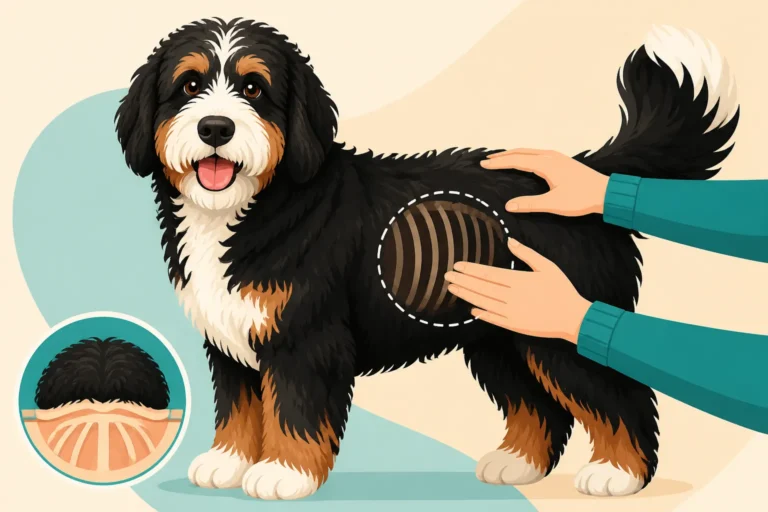
Even with a perfect sanitary trim, the longer hair on their britches and tail can still get matted and collect debris. Make it a daily or at least every-other-day habit to brush out their rear end. Use a slicker brush to get through the top layer, then follow up with a metal comb to ensure you've reached down to the skin and removed any tangles or developing mats. This is especially important for Mats in a Bernedoodle's Armpits and Britches areas and anywhere friction or moisture occurs.
Focus on the areas that tend to mat most easily: behind the ears, armpits, and, of course, the hindquarters. If you find a small mat, try to work it out gently with your fingers, then use a comb. Never pull harshly. If it's a tight mat, a mat splitter or blunt-tipped scissors might be needed, but always exercise extreme caution. Prevention is better than cure when it comes to mats. Remember, a matted area can trap moisture and fecal matter, leading to painful skin infections, sometimes resulting in Hot Spots Under a Bernedoodle's Thick Coat.
Post-Potty Routines and Wipes
This is perhaps the simplest daily habit that yields incredible results. After every single potty break, especially number two, do a quick check of your Bernedoodle's hindquarters. Keep a container of dog-specific wipes by the door.
Make it part of your routine to grab a wipe and give their bottom a quick, gentle swipe. This is particularly crucial if you notice any residue left behind or if their stool was a little softer than usual. These wipes are usually infused with gentle cleansers and moisturizers, helping to keep the skin clean and free from irritation. Get your Bernedoodle used to this routine from a young age, so it becomes a normal, quick part of their day. A tasty treat afterward can make it a positive experience. Think of it like changing a baby's diaper – it's just part of responsible pet ownership with a fluffy-bottomed dog!
Environmental Management for a Cleaner Dog
Sometimes, the simplest solutions involve modifying their environment to reduce exposure to mess-making elements.
- Designated potty area: If you have a yard, consider creating a designated potty area that is easier to keep clean. This could be a patch of gravel or even a small, mulched area rather than dense, muddy grass. This way, they're not tracking through the entire yard after every bathroom break.
- Fencing off muddy zones: If you have areas of your yard that become particularly muddy after rain, consider temporarily fencing them off or laying down temporary stepping stones to create a cleaner path for your dog.
- Foot baths and drying stations: For persistent outdoor adventurers, setting up a "dog cleaning station" by your back door can be a lifesaver. This could be a simple bucket with warm water and a towel for quick foot and rear rinses, or a designated spot with a pet grooming hose for more thorough cleanings before they come bounding inside.
- Weather awareness: On very rainy or muddy days, keep walks shorter and stick to paved paths if possible. If they absolutely must go into a messy area, consider a doggy raincoat that offers some coverage over their hindquarters. Some even come with leg coverings that can offer an extra layer of protection, though your Bernedoodle's long coat can sometimes make these tricky to fit.
Dealing with Unexpected Messes and Persistent Problems
Despite all your best efforts, sometimes things go wrong. A bad bout of diarrhea, a missed grooming appointment, or an extra muddy day can lead to serious situations. Knowing how to handle these can prevent discomfort and more serious issues for your Bernedoodle.
Tackling Severe Matting and Fecal Adherence
This is arguably one of the most unpleasant situations for both you and your Bernedoodle. Severe matting in the sanitary area, combined with caked-on fecal matter, is not only disgusting but can be incredibly painful and dangerous for your dog. The matted hair pulls on their skin, and the trapped feces can lead to severe skin irritation, bacterial infections, and even fly strike in warm weather.
If you encounter this, your first instinct might be to jump in the tub, but often that's not the best approach. Water can make mats tighter and harder to remove, spreading the mess further.
- Stay calm and assess: Take a deep breath. Your dog will pick up on your stress.
- Attempt gentle removal (dry): If the fecal matter is dry and somewhat crumbly, try to gently break it off with your fingers or a comb. If it's sticky and heavily matted into the fur, this is where you need to be extremely careful.
- Blunt-tipped scissors or clippers are your friend: If the matting is severe and intertwined with feces, the safest and most humane option is often to carefully cut or clip it out. Use only blunt-tipped scissors, pointing them away from the skin, or electric clippers with a #10 blade. The key is to slide the blade or scissors under the mat, parallel to the skin, never pointing directly at it. If you can't get under it, consider cutting through the mat from the outside in, slowly sectioning it until you can get closer to the skin. This is delicate work, and if your dog is squirming or it's very severe, it might be best left to a professional. What a Matted Bernedoodle Costs to Shave can give you an idea of the expense if professional help is needed.
- Once removed, then clean: After the bulk of the matted and soiled fur is gone, then you can proceed with a targeted bath as described earlier. Wash the area thoroughly with dog shampoo, rinse meticulously, and dry completely.
- Monitor the skin: After cleaning, carefully inspect the skin underneath. Look for any redness, irritation, cuts, or sores. If you see anything concerning, contact your vet.
When to Seek Professional Grooming or Vet Advice
There are definitely times when it's best to call in the experts. Don't feel like a failure if you can't handle a particular mess or persistent problem on your own.
- Severe matting you can't safely remove: If the mats are too tight, too widespread, or your Bernedoodle is too stressed or painful for you to safely remove them, a professional groomer is your best bet. They have specialized tools and experience to handle even the most challenging matting situations. They might even recommend shaving down the area completely to give it a fresh start.
- Persistent loose stools: If your Bernedoodle is frequently getting messy because of ongoing loose stools or diarrhea, this isn't just a grooming problem; it's a health concern. You need to consult your veterinarian to determine the underlying cause. It could be diet-related, a parasite, an infection, or another medical issue. Your vet can recommend dietary changes (perhaps a bland diet for a few days, or a specific probiotic), medication, or further diagnostics to get to the bottom of it. Sometimes, simply switching to a higher-quality food from a place like Chewy or exploring fresh food options like Ollie could make a difference, but always check with your vet first.
- Skin irritation, redness, or odor: If, despite your best cleaning efforts, your Bernedoodle's skin around their rear is consistently red, inflamed, develops a rash, or has a persistent foul odor, it's time for a vet visit. These can be signs of infection, allergies, or anal gland issues that require professional diagnosis and treatment.
- Behavioral issues during grooming: If your Bernedoodle becomes aggressive, extremely fearful, or bites when you try to clean or groom their hindquarters, it's crucial to seek help. This could indicate pain, past trauma, or simply a lack of proper desensitization. A professional groomer or a certified dog trainer can offer guidance and techniques to make grooming a more positive experience.
Keeping a long-coated Bernedoodle clean behind requires consistency, patience, and the right approach. But with a good sanitary trim, proper tools, and diligent daily habits, you can conquer the mess and ensure your furry friend stays happy, healthy, and smelling fresh!
| Aspect | At-Home Strategy | When to Call a Professional Groomer | When to Call the Vet |
|---|---|---|---|
| Sanitary Trim | Regular clipping with blunt-tipped scissors or #10 clippers. | When you're uncomfortable or can't manage safely. | If skin irritation or cuts occur post-trim. |
| Matting | Daily brushing, gentle detangling of small mats. | Severe, tight, or feces-embedded mats you can't remove. | If matting leads to skin infections, redness, or pain. |
| Fecal Adherence | Immediate post-potty wipe, spot baths as needed. | If the mess is overwhelming or deeply matted into fur. | Persistent loose stools, diarrhea, or strong foul odor. |
| Skin Health | Routine cleaning, thorough drying, checking for irritation. | General coat maintenance to prevent issues. | Any signs of rash, sores, swelling, or persistent licking. |
| Digestive Issues | Consistent high-quality diet, monitoring stool. | (N/A) | Chronic loose stools, blood in stool, vomiting, lethargy. |
| Grooming Behavior | Positive reinforcement, short sessions. | If dog is anxious, fearful, or aggressive during grooming. | If pain is suspected as the cause of behavior. |
Disclaimer
This article is for general informational purposes only and does not constitute professional advice. Laws, prices and regulations vary by location and change over time. Consult a qualified professional for guidance on your specific situation.