Whether Omega Oils Help a Bernedoodle’s Coat Density
It's incredibly frustrating when you've done everything right for your beloved Bernedoodle – the best food, regular grooming, plenty of love – yet their beautiful coat just isn't as lush or dense as you'd hoped, or maybe it seems dull or prone to shedding. You might start wondering about supplements, and omega oils often come up as a popular solution. This guide will dive deep into whether omega oils truly make a difference for a Bernedoodle's coat density, what to look for, and how to use them effectively.
Understanding Your Bernedoodle's Unique Coat
Before we jump into supplements, it's really helpful to understand what makes a Bernedoodle's coat tick. They're a hybrid, a wonderful mix of two very different purebred coats, and that means a whole spectrum of possibilities when it comes to their fur.
The Bernedoodle's Double Heritage and Coat Types
Your Bernedoodle inherits its genetic blueprint from both the Bernese Mountain Dog and the Poodle. The Bernese brings that glorious, thick double coat – a dense, insulating undercoat and a longer, coarser outer coat. This is what gives them their majestic appearance but also contributes to significant shedding seasons. On the other hand, the Poodle contributes a single layer of dense, curly hair that grows continuously and sheds minimally, if at all, making it often touted as "hypoallergenic."
When these two distinct coats combine in a Bernedoodle, you can get a wide range of coat types. Some Bernedoodles end up with a straighter, more Bernese-like coat that might shed more, though usually still less than a pure Bernese. Others have a very curly, Poodle-like coat, which is dense and low-shedding but prone to matting. And then there are the wavy coats, often called "fleece" coats, which are a lovely blend, usually dense and soft with moderate to low shedding. The inherent density of your Bernedoodle's coat largely depends on which genes won out in that lottery. A dog with a genetically thinner coat isn't suddenly going to grow a super thick one, but we can support the health and robustness of the hair they do have. You might find it helpful to learn more about The Wavy Coat Most Bernedoodles Carry or even The Volume of Coat a Bernedoodle Owner Brushes Weekly for context.
Factors Influencing Coat Health Beyond Genetics
Beyond genetics, several other crucial factors play a role in your Bernedoodle's coat health and perceived density. Think of their coat as a mirror reflecting their internal health. A shiny, healthy coat typically means a healthy dog, while a dull, brittle, or sparse coat can signal something amiss.
Nutrition is absolutely paramount. Just like humans, dogs need a balanced diet rich in quality protein, essential fats, vitamins, and minerals to grow strong, healthy hair. If your Bernedoodle's diet is lacking in any key nutrients, their coat will be one of the first places you notice a decline. Environmental factors, like excessive dryness in the air or prolonged sun exposure, can also take a toll, making hair brittle or skin flaky. Even stress can lead to a dull coat or excessive shedding. Regular, thorough grooming is another non-negotiable aspect. Without consistent brushing, especially for those dense, wavy or curly Bernedoodle coats, matting can occur. Mats pull on the skin, cause discomfort, and prevent proper air circulation, leading to skin irritation and unhealthy hair follicles. All these elements combined contribute to the overall vibrancy and apparent density of their fur.
The Science Behind Omega Fatty Acids for Canine Coats
So, where do omega oils fit into all of this? They're more than just a popular buzzword; these fatty acids are essential building blocks for healthy cells throughout your dog's body, and their impact on skin and coat is particularly notable.
What Are Omega-3 and Omega-6 Fatty Acids?
Omega fatty acids are types of polyunsaturated fats that are crucial for various bodily functions in both humans and dogs. The two main groups we talk about are Omega-3 and Omega-6. Here's the kicker: dogs can't produce these essential fatty acids on their own, meaning they must get them from their diet.
Omega-3s include Alpha-linolenic acid (ALA), Eicosapentaenoic acid (EPA), and Docosahexaenoic acid (DHA). ALA is found in plant sources like flaxseed, while EPA and DHA are primarily found in fatty fish, krill, and algae. These are often highlighted for their powerful anti-inflammatory properties. Omega-6s, such as Linoleic acid (LA), Gamma-linolenic acid (GLA), and Arachidonic acid (AA), are typically more abundant in a dog's diet, found in poultry, eggs, and many vegetable oils. While both are vital, maintaining a healthy balance between omega-3 and omega-6 is key, as too much omega-6 without sufficient omega-3 can actually promote inflammation.
How Omegas Contribute to Skin and Coat Health
The magic of omega fatty acids, especially omega-3s, for skin and coat health lies in their ability to support cellular function and combat inflammation. On a microscopic level, these fats are integral components of cell membranes throughout the body, including those in the skin and hair follicles. When these cell membranes are healthy and flexible, they can better perform their protective and regenerative roles.
Specifically, omega-3s, particularly EPA, are fantastic anti-inflammatories. If your Bernedoodle suffers from dry, itchy skin, allergies, or other inflammatory skin conditions – which can certainly lead to a dull, sparse, or brittle coat – omega-3s can help calm that irritation. By reducing inflammation, they allow the skin barrier to heal and function more effectively, retaining moisture and better protecting against environmental irritants. A healthy skin barrier is the foundation for healthy hair growth. Furthermore, strong, well-nourished hair follicles are more likely to produce stronger, more resilient hair strands, reducing breakage and promoting a healthier overall appearance that contributes to perceived density.
Specific Benefits for Bernedoodle Coat Density
For a Bernedoodle, with their often dense and sometimes challenging coats, omega oils can offer some very tangible benefits that indirectly address coat density. While they won't magically make a sparsely coated Bernedoodle grow a Bernese-level undercoat, they will optimize the health of the hair your dog already has.
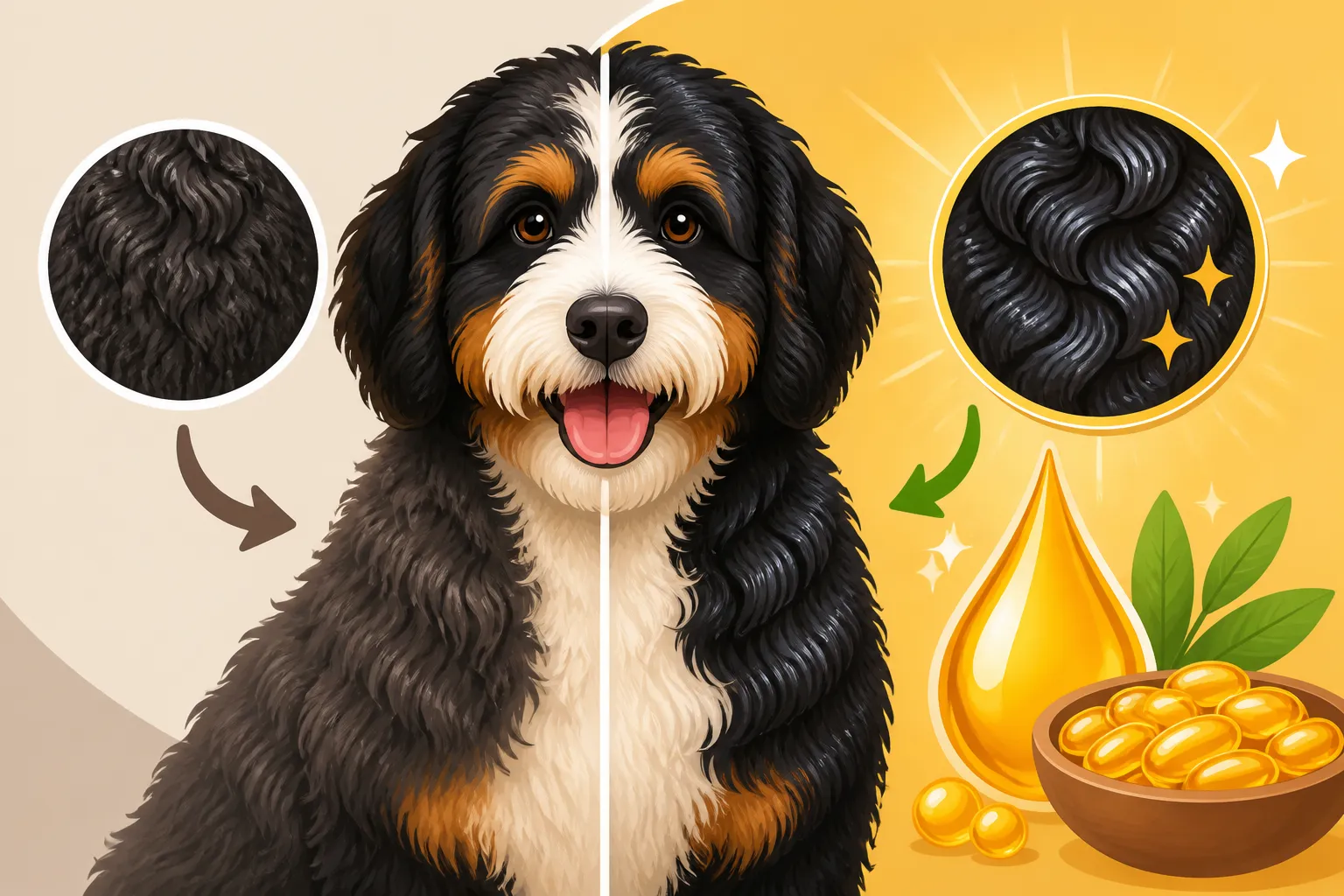
By nourishing the skin from within, omega oils help create an ideal environment for robust hair growth. This means less flaky, irritated skin that might hinder hair production, and more moisture retained in the skin itself, leading to healthier follicles. For Bernedoodles prone to dry, brittle hair or excessive shedding (especially those with more Bernese-like coats), omega supplementation can lead to stronger, more elastic hair strands that are less prone to breakage. This reduction in breakage can make the coat appear fuller and more dense over time, as individual hairs are less likely to snap off. Additionally, the anti-inflammatory effects can be a game-changer for Bernedoodles who experience skin allergies or sensitivities, which often manifest as dull, sparse patches or excessive itching that damages the coat. A calmer, healthier skin barrier directly translates to a more vibrant and potentially denser-looking coat.
Choosing and Administering Omega Oil Supplements for Your Bernedoodle
Once you're convinced that omega oils might be a good addition to your Bernedoodle's regimen, the next step is figuring out which ones to choose and how to give them safely and effectively. It's not just about grabbing the first bottle you see; quality really matters here.
Sources of Omega Fatty Acids
When it comes to getting omega fatty acids into your Bernedoodle, you have a few options. Firstly, certain foods are naturally rich in these fats. Fatty fish like salmon, sardines, and mackerel are excellent sources of EPA and DHA. Some plant-based oils, such as flaxseed oil and chia seeds, provide ALA, which dogs can convert to EPA and DHA, though less efficiently than directly consumed EPA/DHA.
However, for consistent and targeted supplementation, especially for therapeutic benefits, a dedicated omega oil supplement is often the most reliable route. Fish oil is the most common and potent source of EPA and DHA. Look for products derived from small, wild-caught fish (like anchovies and sardines) as they tend to have lower levels of heavy metals like mercury compared to larger, longer-lived fish. Algal oil is another fantastic option, especially if your Bernedoodle has fish allergies or you prefer a vegan source; it provides direct DHA and sometimes EPA. When shopping, you'll find plenty of reputable options available from online retailers like Chewy or Amazon, making it easy to compare ingredients and reviews. For fresh food adherents, some brands like Ollie, which provides human-grade dog food, will include these beneficial fats in their balanced formulations.
Dosage, Quality, and Potential Side Effects
Choosing a supplement isn't just about the source; it's about quality and appropriate dosing. When selecting an omega oil, look for supplements that specify the amounts of EPA and DHA per serving, not just the total fish oil. This is important because EPA and DHA are the active components providing the most benefits. High-quality supplements will also often boast third-party testing for purity, potency, and absence of contaminants like heavy metals and PCBs. A good sign is a certification seal from organizations that test pet supplements. Avoid any oils that smell rancid or are stored in clear bottles, as light and air can degrade the delicate fatty acids.
Regarding dosage, it's always best to consult your veterinarian. They can help determine the ideal amount for your Bernedoodle based on their size, specific health needs, and existing diet. Over-supplementing can lead to issues, so resist the urge to just eyeball it. Generally, you'll start with a lower dose and gradually increase it. As for side effects, omega oils are usually well-tolerated, but some Bernedoodles might experience mild gastrointestinal upset, like soft stools or diarrhea, especially when first introduced or if the dose is too high. This is why a slow introduction and veterinary guidance are so important.
Integrating Omegas into Your Bernedoodle's Routine
Getting your Bernedoodle to take an omega oil supplement is usually pretty straightforward, as most dogs don't mind the taste, especially if it's mixed into their food. The key is consistency. For visible improvements in coat density and overall health, you'll need to administer the supplement daily.
Most liquid omega oils can be simply pumped or poured over your Bernedoodle's regular kibble or wet food. If you're using capsules, you can try burying them in a treat or a small dollop of peanut butter (xylitol-free, of course!). Some dogs will even happily swallow them whole if offered directly. Patience is a virtue when it comes to seeing results. It can take anywhere from 4 to 12 weeks of consistent supplementation to notice significant changes in coat quality, as hair growth cycles take time. Don't expect an overnight transformation, but rather a gradual improvement in sheen, softness, and a reduction in dryness or flakiness, all of which contribute to a more robust-looking coat. Consistent daily use is far more effective than sporadic dosing.
Beyond Omega Oils: A Holistic Approach to Bernedoodle Coat Density
While omega oils are fantastic tools for enhancing coat health, they're just one piece of a much larger puzzle. For truly optimal coat density and overall well-being for your Bernedoodle, you need to consider their entire lifestyle.
The Crucial Role of Diet and Grooming
Even the best omega supplement won't completely fix a coat problem if the underlying diet isn't up to par. A high-quality, balanced diet specifically formulated for large breeds (if you have a standard Bernedoodle) is the foundation. Look for foods with real meat as the first ingredient, and ensure they contain a good balance of protein, healthy fats, carbohydrates, vitamins, and minerals. Some owners find Feeding a Bernedoodle That Will Reach Ninety Pounds to be a helpful guide in this area. Think about how important protein is for building strong hair strands, and how vital vitamins like biotin and zinc are for skin health. If your dog's food is lacking, omega oils can only do so much to compensate.
Beyond food, consistent and correct grooming is non-negotiable for a Bernedoodle. Their dense, often wavy or curly coats are notorious for matting. Mats not only look unsightly but can be painful, pulling on the skin and creating a breeding ground for skin infections. They also prevent proper air circulation to the skin, which can lead to dull, unhealthy fur. Regular line brushing down to the skin is essential to prevent tangles from becoming felted mats. Professional grooming every 6-8 weeks for a full bath, blow-dry, and trim also plays a huge role in maintaining their coat's health and density, removing dead undercoat and keeping the hair at a manageable length to prevent new mats.
Addressing Underlying Health Issues
Sometimes, a dull, thinning, or patchy coat isn't just about diet or lack of omegas; it can be a red flag for an underlying health problem. If you've been consistent with diet, grooming, and supplements and are still seeing issues, it's time for a veterinary check-up.
Conditions like hypothyroidism, which can be inherited from the Bernese side of your Bernedoodle, frequently manifest as a dry, brittle, thinning coat or even hair loss. Allergies, whether environmental or food-related, can also cause intense itching, leading to hot spots, skin infections, and damaged fur. Parasites like fleas or mites, though less common with preventative care, can also wreak havoc on a coat. Even stress or anxiety can contribute to excessive shedding or dullness. Your vet can perform diagnostic tests to rule out these possibilities. Addressing the root cause of a poor coat is always the most effective long-term solution, and supplements will simply be a supportive measure, not a cure. Learn more about Hypothyroidism From the Bernese Side of a Bernedoodle or even Skin Problems Under a Bernedoodle's Heavy Coat if you're concerned.
Environmental Considerations
The environment your Bernedoodle lives in also has a surprising impact on their coat health and density. Just like our hair and skin can feel different in various climates, so too can your dog's.
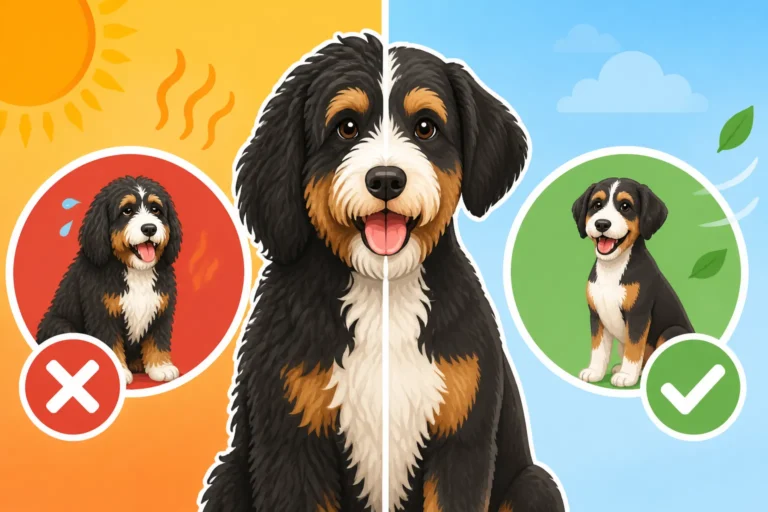
For instance, living in a very dry climate can strip moisture from your Bernedoodle's skin and coat, leading to dryness, flakiness, and brittle hair. Conversely, high humidity can sometimes contribute to yeast overgrowth on the skin or make it harder for the coat to dry thoroughly after baths, potentially leading to skin issues. Even the amount of sun exposure can play a role; while a little sun is good, excessive, unprotected sun can damage hair strands and dry out the skin. For Bernedoodles, especially those with darker coats like a black tri Bernedoodle, heat can be a significant concern. They can easily overheat, which causes stress and can affect overall health, including coat quality. Ensuring your Bernedoodle has access to shade, cool water, and is not exposed to extreme temperatures is vital. Factors like whether a Bernedoodle cannot cope with heat or Why a Black Tri Bernedoodle Overheats directly impact their comfort and well-being, which in turn influences coat health.
Here’s a quick comparison of common omega oil sources for your Bernedoodle:
| Omega Source | Primary Omega-3s | Key Benefits for Bernedoodles | Pros | Cons |
|---|---|---|---|---|
| Fish Oil | EPA, DHA | Strong anti-inflammatory, improves skin barrier, enhances coat sheen & strength, reduces shedding if inflammation is a factor. | Rich in direct EPA/DHA, widely available, generally palatable. | Potential for fishy breath/odor, risk of rancidity if not stored correctly, environmental concerns with sourcing, higher mercury risk if from large fish. |
| Flaxseed Oil | ALA | Plant-based source, supports general health, may improve coat luster over time. | Vegan option, easily found, milder taste. | ALA conversion to EPA/DHA is inefficient in dogs, less direct anti-inflammatory benefit. |
| Algal Oil | DHA (sometimes EPA) | Direct DHA source, anti-inflammatory, excellent for brain & eye health, good for skin. | Vegan, sustainable, no fish odor, no heavy metal concerns. | Can be more expensive than fish oil, less common to find combined with EPA. |
| Krill Oil | EPA, DHA | Contains astaxanthin (powerful antioxidant), good bioavailability. | Astaxanthin offers added benefits, good absorption. | More expensive than fish oil, sustainability concerns depending on sourcing. |
Disclaimer
This article is for general informational purposes only and does not constitute professional advice. Laws, prices and regulations vary by location and change over time. Consult a qualified professional for guidance on your specific situation.