Whether Grain Free Diets Threaten a Bernedoodle’s Heart
It can be incredibly confusing and even alarming when you're trying to do your best for your Bernedoodle, only to hear whispers and warnings about certain types of dog food. The news swirling around grain-free diets and their potential link to serious heart conditions in dogs has left many of us feeling lost and worried. This guide is here to untangle the science, address your concerns, and offer clear, actionable advice on how to feed your beloved Bernedoodle safely and healthily.
The DICM Concern and Grain-Free Diets
When you bring a big, goofy Bernedoodle into your life, you want to ensure they live a long, happy, and healthy life. So, when the discussion about diet and heart health started making waves, particularly regarding grain-free foods, it was completely understandable to feel a pang of anxiety. We’re constantly bombarded with new information, and it's hard to discern what's genuinely concerning from what's just another passing fad. For many years, grain-free was touted as the superior choice, only for the narrative to dramatically shift.
What is Dilated Cardiomyopathy DCM
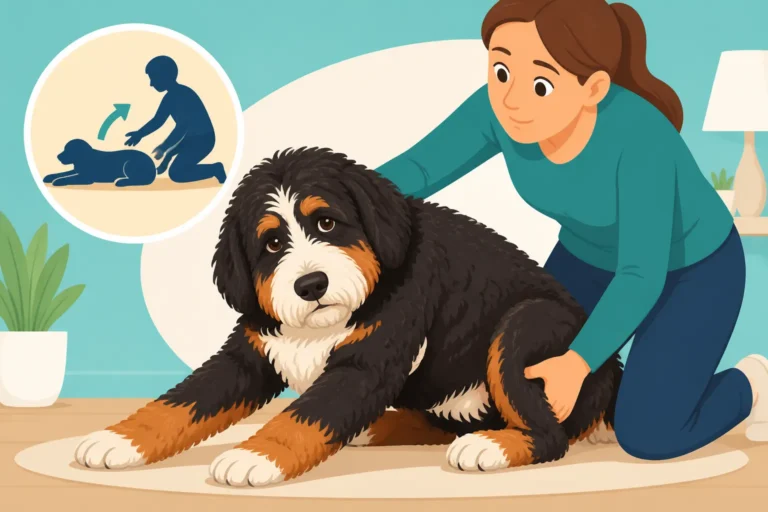
Dilated Cardiomyopathy, or DCM, is a severe heart condition where the heart's chambers become enlarged and the heart muscle weakens. This makes it harder for the heart to pump blood effectively to the rest of the body. Imagine your Bernedoodle's heart, usually a strong, efficient pump, suddenly struggling to do its job. Over time, this reduced pumping ability can lead to fluid buildup in the lungs, weakness, lethargy, and eventually, heart failure. It's a progressive disease, and while some breeds have a genetic predisposition, the recent surge in cases among breeds not typically associated with DCM has raised significant alarms.
Symptoms of DCM can be subtle at first, often going unnoticed until the disease has progressed considerably. You might observe your usually energetic Bernedoodle becoming more lethargic, tiring easily during walks or playtime, or even coughing. Sometimes, they might seem generally unwell, with a decreased appetite or unexplained weight loss. As the condition worsens, you might notice difficulty breathing, a distended belly due to fluid accumulation, or even episodes of fainting. Early detection is absolutely crucial for managing DCM, which is why understanding the potential links to diet became so vital.
For Bernedoodle owners, this is particularly concerning because while the Poodle side of the mix isn't typically predisposed to DCM, the Bernese Mountain Dog side can sometimes be susceptible to various heart issues, though DCM isn't their most common genetic heart problem. The hybrid vigor is supposed to offer some protection, but diet is a factor that can affect any dog, regardless of its genetic background. This highlights why paying close attention to what goes into your Bernedoodle's bowl is so important for their long-term wellness.
The FDA's Investigation and the "BEG" Diet Link
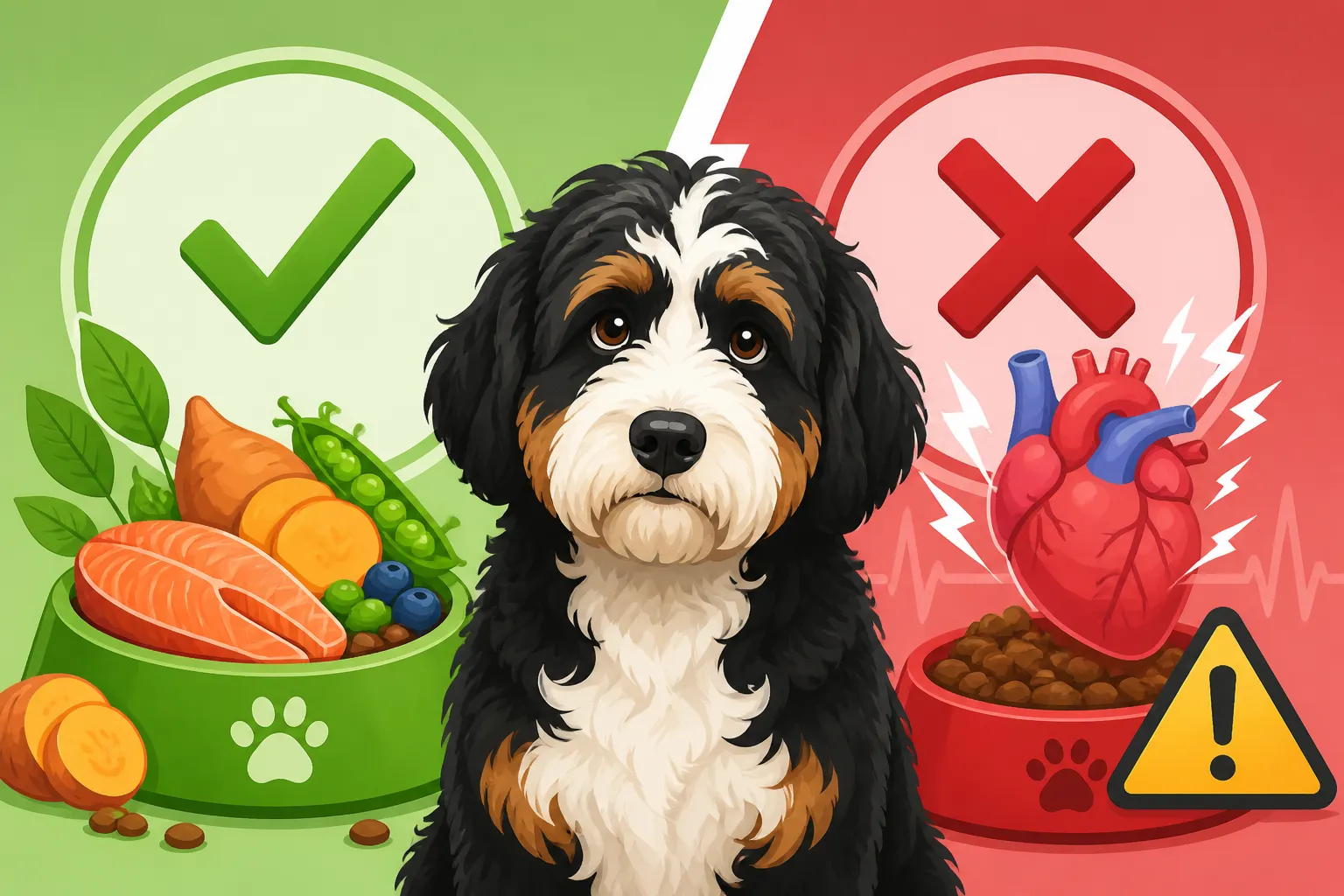
The alarm bells truly started ringing when the U.S. Food and Drug Administration (FDA) began investigating a potential link between certain diets and cases of DCM in dogs. This wasn't just a few isolated incidents; veterinarians were reporting an increase in DCM cases in breeds not typically known for the condition, and many of these dogs were on what became known as "BEG" diets. "BEG" stands for Boutique, Exotic ingredient, and Grain-free. These diets often feature novel proteins like kangaroo or duck, and common grain replacements like peas, lentils, chickpeas, and potatoes.
The FDA's investigation, which is ongoing, specifically focused on whether these diets were somehow contributing to taurine deficiency, which is a known cause of DCM in some dogs. Taurine is an amino acid vital for heart function, among other things. While dogs can synthesize taurine from other amino acids, some theories suggested that the high legume and potato content in many grain-free foods might interfere with this synthesis or absorption, leading to a deficiency. It wasn't necessarily the absence of grains that was the problem, but rather what was used to replace them.
This created a massive wave of confusion and fear among pet owners. Many had switched to grain-free because they believed it was healthier, perhaps due to marketing that emphasized "natural" or "ancestral" diets. To suddenly be told that this choice might actually be harming their beloved pets was a shock. It underscored the importance of not just trusting marketing claims, but understanding the underlying nutritional science and consulting with experts. You can find many of these brands available through retailers like Chewy or Amazon, making them easily accessible, but not necessarily vetted for every health concern.
Why Bernedoodles Might Be Affected
Bernedoodles, like all dogs, rely on a balanced diet to thrive. While they are a hybrid breed, often celebrated for their robust health, they are not immune to dietary issues. Both the Bernese Mountain Dog and Poodle sides of their lineage bring their own unique genetic predispositions, and while neither is specifically known for diet-related DCM, any dog can be affected if their nutritional needs aren't met. The focus here isn't on breed-specific vulnerability to genetic DCM, but rather on diet-induced DCM that can affect any dog.
If a Bernedoodle is consuming a diet that leads to taurine deficiency, whether due to problematic ingredients or manufacturing processes, their heart health could be compromised. This is especially poignant when we consider that Bernedoodles are often large dogs, and large breed dogs can have specific nutritional requirements, particularly during their rapid growth phases. Feeding a Bernedoodle That Will Reach Ninety Pounds involves careful consideration of nutrient ratios to support their skeletal and muscular development, and equally, their cardiovascular system needs robust support.
Owners of larger breeds like Bernedoodles often pay close attention to joint health, but heart health can sometimes be overlooked until symptoms become apparent. The concern with grain-free diets highlights that what seems like a simple choice at the pet store can have profound, long-term implications. It’s not about panicking, but about being informed and proactive in choosing a diet that truly supports your Bernedoodle's entire body, from their playful paws to their strong, beating heart.
Understanding the Nutritional Science Behind the Debate
The world of dog nutrition can feel like a minefield, especially when new research emerges that challenges long-held beliefs or popular trends. The grain-free debate is a perfect example of how complex it can be to ensure our Bernedoodles are getting everything they need to stay healthy. It's not as simple as 'grains are bad' or 'grains are good'; it's about the intricate balance of nutrients and how different ingredients interact within a dog's body. Understanding these nuances is key to making truly informed decisions for your furry family member.
The Role of Taurine in Canine Heart Health
Taurine is an amino acid that plays a vital role in many bodily functions, but it's particularly critical for healthy heart muscle function, vision, digestion, and immune system health. Unlike cats, which require dietary taurine, dogs can typically synthesize their own taurine from other sulfur-containing amino acids, such as methionine and cysteine, which are abundant in meat and poultry. This is why for a long time, taurine wasn't considered an essential dietary nutrient for dogs.
However, the FDA's investigation suggested that some dogs consuming certain grain-free diets were developing DCM due to low taurine levels, despite these diets often containing decent levels of protein. The hypothesis is that something in the formulation of these particular diets, especially the high inclusion of legumes and other alternative carbohydrates, might be interfering with taurine synthesis or absorption in some individual dogs. It's a complex metabolic pathway, and if any part of it is disrupted, even a dog with a seemingly protein-rich diet could become taurine deficient, leading to heart issues.
For a Bernedoodle, maintaining optimal taurine levels is crucial for their active lifestyle and overall well-being. If you're concerned, a conversation with your vet about taurine levels might be a good idea, especially if your Bernedoodle has been on a grain-free diet for an extended period. Some veterinarians might recommend blood tests to check taurine levels, and if a deficiency is found, supplementation might be advised in conjunction with a diet change.
Legumes, Potatoes, and Other Alternative Carbohydrates
When grains like corn, wheat, or rice are removed from dog food formulas, they have to be replaced with something else to provide carbohydrates and fiber. In many grain-free diets, these replacements frequently include ingredients like peas, lentils, chickpeas, and various forms of potatoes. These are not inherently "bad" ingredients; in fact, they can provide beneficial fiber and nutrients. The concern isn't about their presence, but their proportion and interaction within the overall diet.
The theory is that these ingredients, when present in very high amounts, might contribute to issues with taurine status in a couple of ways. Firstly, they may contain compounds that interfere with the absorption of other nutrients or the metabolism of amino acids needed for taurine synthesis. Secondly, if these ingredients are used as a primary protein source instead of animal-based proteins, the overall amino acid profile of the diet might not be optimal for taurine production, even if the crude protein percentage looks adequate on the label.
It’s a tricky balance, because these alternative carbohydrates are often used to achieve certain nutritional profiles, and some dogs may genuinely tolerate them well. However, for a breed like the Bernedoodle, who may already be predisposed to other health concerns like Bloat in a Standard Bernedoodle's Deep Chest or Hips on a Ninety Pound Bernedoodle, ensuring every aspect of their diet is sound is paramount. It’s not just about what's missing from the food, but what has been added in abundance to take its place.
Grain-Free vs. Grain-Inclusive: It's Not Just About Grains
This whole discussion makes it clear that the term "grain-free" itself can be misleading. It implies that grains are the problem, when in reality, the issue seems to lie more with the alternative ingredients used to replace them and the overall formulation of the diet. Many high-quality, grain-inclusive dog foods are perfectly healthy and have been fed to dogs for generations without issues. Grains can be excellent sources of complex carbohydrates, fiber, and essential nutrients.
The core takeaway here is that it's not about being "for" or "against" grains. It's about choosing a well-researched, properly formulated diet that meets the nutritional needs of your Bernedoodle. Brands that have invested in veterinary nutritionists and conducted feeding trials often formulate diets based on sound scientific principles, regardless of whether they contain grains or not. For example, some brands like Ollie offer fresh-food options that focus on whole, balanced ingredients, whether grain-inclusive or specific grain-free recipes for those with diagnosed sensitivities, all developed with veterinary oversight.
A useful way to think about it is comparing two hypothetical diets: one that's grain-free but filled with questionable fillers and imbalanced nutrients, and another that's grain-inclusive but crafted with high-quality, digestible ingredients. The grain-inclusive option would almost certainly be the healthier choice. The emphasis should always be on the quality and balance of the ingredients, not just the presence or absence of a single category like "grains."
Navigating Food Choices for Your Bernedoodle
Choosing the right food for your Bernedoodle can feel like an overwhelming task with so many brands, ingredients, and opinions floating around. You want to make the best choice for their health, vibrancy, and longevity, but the sheer volume of information can be paralyzing. It's about finding clarity amidst the noise and focusing on what truly matters for your specific dog. This section aims to equip you with the tools to confidently navigate the pet food aisle and make decisions that stand up to scrutiny.
Consulting Your Veterinarian
This cannot be stressed enough: your veterinarian is your absolute best resource when it comes to your Bernedoodle's diet. They know your dog's individual health history, any pre-existing conditions, and can offer advice tailored to their specific needs. Before making any drastic changes to your Bernedoodle’s diet, especially if they’ve been on a grain-free food, have an open conversation with your vet. They can help you understand the current research, assess your Bernedoodle's risk factors, and guide you toward appropriate food choices.
Your vet can also help you determine if your Bernedoodle has any true food sensitivities or allergies, which are often mistakenly attributed to grains. True food allergies are quite rare and are usually to protein sources, not carbohydrates like grains. If your Bernedoodle does indeed have a food sensitivity, your vet can recommend a proper diagnostic protocol, which might involve an elimination diet, to pinpoint the exact allergen. Without a proper diagnosis, simply switching to "grain-free" might not address the underlying issue and could inadvertently create new ones.
Don't hesitate to ask your vet questions about specific brands or ingredients. They can provide recommendations for diets that are formulated by veterinary nutritionists and undergo rigorous feeding trials, rather than relying solely on anecdotal evidence or flashy marketing. This professional guidance is invaluable in ensuring your Bernedoodle receives the most nutritious and safest diet possible.
What to Look for in a Dog Food Formula
When you're standing in front of the shelves at Chewy or browsing options on Amazon, it's easy to get lost in the sea of claims and appealing packaging. To cut through the marketing jargon, focus on these key indicators of a high-quality dog food for your Bernedoodle:
First, look for an AAFCO (Association of American Feed Control Officials) statement on the label. This statement, often found near the ingredient list, will usually say something like "Formulated to meet the nutritional levels established by the AAFCO Dog Food Nutrient Profiles for [Life Stage]." This indicates that the food is nutritionally complete and balanced for a specific life stage (puppy, adult, all life stages). Without this, you have no guarantee the food provides everything your Bernedoodle needs.
Second, consider the brand's approach to research and development. Look for companies that employ veterinary nutritionists (DACVN certified) and conduct actual feeding trials, not just rely on nutrient analysis. These brands are often transparent about their scientific backing and quality control. This level of diligence helps ensure that the food is not only theoretically balanced but also proven to support a dog's health in real-world conditions. For a large breed like a Bernedoodle, supporting healthy growth with balanced Large Breed Puppy Food for a Standard Bernedoodle is particularly vital.
Finally, examine the ingredient list. While the "top five" ingredients are often highlighted, the overall balance is what truly matters. Look for identifiable animal protein sources as the primary ingredients. Be mindful of the proportion of legumes and potatoes if you're concerned about the BEG diet link. A varied and balanced ingredient list is generally a good sign. For detailed information on what your Bernedoodle needs daily, check out articles like What a Bernedoodle Needs Every Day.
| Feature | High-Quality Dog Food | Potentially Problematic Food (BEG-linked) |
|---|---|---|
| AAFCO Statement | "Meets nutritional levels…" for specific life stages | May be missing, vague, or state "for intermittent feeding only" |
| Formulation | Formulated by veterinary nutritionists, feeding trials | Based on marketing trends, minimal scientific backing |
| Primary Protein | Clearly identifiable animal protein (chicken, beef, fish) | Often plant-based or novel/exotic proteins |
| Carbohydrates | Balanced mix of digestible grains, some legumes/potatoes | Very high levels of peas, lentils, chickpeas, potatoes |
| Ingredient List | Recognizable whole ingredients, clear sourcing | Many unidentifiable "fractions" or generic terms |
| Taurine | Typically sufficient through ingredients or supplementation | May lead to deficiency due to ingredient interactions |
Monitoring Your Bernedoodle for Heart Health
Even if you're meticulous about your Bernedoodle's diet, it's essential to remain vigilant about their overall health, including their heart. Regular veterinary check-ups are crucial for catching potential issues early. During these visits, your vet will listen to your Bernedoodle's heart for any murmurs or abnormal rhythms, which can be early indicators of cardiac problems.
Beyond routine vet visits, it’s important for you, as their primary caregiver, to be aware of the signs that could indicate a heart issue. As mentioned earlier, increased lethargy, reduced exercise tolerance, coughing (especially at night or after exertion), labored breathing, or a swollen belly can all be red flags. Your Bernedoodle might not be as eager for their usual walk or might pant excessively after minimal activity. If you notice any of these symptoms, contact your vet immediately. Don't wait to see if they improve, as early intervention can make a significant difference in managing heart conditions.
Remember that Bernedoodles are generally robust, but like all dogs, they benefit from a keen eye from their owners. Keeping an eye on their weight is also vital, as Whether an Overweight Bernedoodle Loses Years is a real concern and excess weight places additional strain on the heart. Your active participation in their health monitoring is one of the greatest gifts you can give your furry friend.
Common Misconceptions and Practical Advice
It’s easy to get caught up in the latest pet food trends or anecdotal advice from well-meaning friends. But when it comes to your Bernedoodle’s heart health, relying on solid information and practical, vet-backed strategies is paramount. Let's debunk some common myths and offer straightforward advice to help you ensure your Bernedoodle is thriving.
"My Dog Has a Grain Allergy"
This is perhaps one of the most persistent misconceptions in the pet food world. While genuine grain allergies in dogs do exist, they are actually quite rare. Far more commonly, dogs with food sensitivities or allergies react to common protein sources like chicken, beef, dairy, or eggs. The symptoms often associated with "grain allergies"—such as itching, skin issues, or gastrointestinal upset—are much more likely to be caused by these protein allergens or environmental factors.
Marketing campaigns often fueled the idea that grains are common allergens, leading many well-intentioned owners to switch to grain-free diets without a proper diagnosis. If your Bernedoodle is experiencing allergy-like symptoms, your first step should always be a visit to your veterinarian. They can help you differentiate between environmental allergies, parasitic infestations, and true food allergies. If a food allergy is suspected, a controlled elimination diet, guided by your vet, is the most accurate way to identify the culprit. This process typically involves feeding a novel protein and carbohydrate source for several weeks and then reintroducing suspected allergens one by one.
Switching to grain-free "just in case" isn't a benign choice, as we've discussed with the DCM concerns. It's crucial to address the actual problem, not a perceived one. For Bernedoodles, who can sometimes have Skin Problems Under a Bernedoodle's Heavy Coat, identifying the real cause of skin irritation is important, and often, it's not the grains.
Transitioning Your Bernedoodle's Diet Safely
If you and your vet decide that a diet change is in order for your Bernedoodle, whether it’s moving away from a grain-free formula or simply switching to a new brand, it’s vital to do so gradually. A sudden change in diet can upset your dog's digestive system, leading to issues like diarrhea, vomiting, or a lack of appetite. Your Bernedoodle might already have a sensitive stomach, so taking it slow is even more important.
A good rule of thumb is to transition over 7 to 10 days. Start by mixing a small amount of the new food with their old food, gradually increasing the proportion of the new food while decreasing the old. Here's a typical schedule:
- Days 1-3: 25% new food, 75% old food
- Days 4-6: 50% new food, 50% old food
- Days 7-9: 75% new food, 25% old food
- Day 10 onwards: 100% new food
Monitor your Bernedoodle closely during this transition. Watch for any signs of digestive upset, changes in stool consistency, or decreased appetite. If you notice any issues, slow down the transition and give your Bernedoodle more time to adjust before increasing the new food ratio. It's a marathon, not a sprint, especially when it comes to their tummies!
Supplementation and Home-Cooked Diets
The idea of making your Bernedoodle a home-cooked meal every day or adding a range of supplements might seem appealing, especially with the desire to control every ingredient. However, this path comes with significant risks if not done under strict veterinary guidance. Creating a nutritionally complete and balanced home-cooked diet for a dog, particularly a large breed like a Bernedoodle, is incredibly difficult. It requires precise calculations of vitamins, minerals, proteins, fats, and carbohydrates to prevent deficiencies or excesses that could lead to serious health problems.
Unbalanced home-cooked diets are a major concern for veterinary nutritionists, as they often lack essential nutrients or have incorrect ratios of calcium and phosphorus, which can be detrimental to a Bernedoodle's growing bones and joints. If you're considering a home-cooked diet, work with a board-certified veterinary nutritionist who can formulate a recipe specifically for your dog. Similarly, don't start taurine supplementation without consulting your vet. While taurine deficiency can be a problem, over-supplementation can also have risks, and your vet will be able to determine if it's truly necessary based on your dog's diet and blood test results.
Brands like Ollie provide a fresh, human-grade food option that is already balanced and formulated by veterinary nutritionists, offering a safer alternative to DIY home-cooked meals for those who prefer fresh food. When looking for supplements, whether taurine or joint support, stick to reputable brands available from trusted sources like Amazon or Chewy, and always discuss them with your vet first to ensure they are appropriate and correctly dosed for your specific Bernedoodle.
Disclaimer
This article is for general informational purposes only and does not constitute professional advice. Laws, prices and regulations vary by location and change over time. Consult a qualified professional for guidance on your specific situation.