How Many Months a Bernedoodle’s Coat Change Runs
One of the most surprising, and often frustrating, phases of Bernedoodle ownership is navigating that tricky, bewildering period when their soft, fluffy puppy coat decides to transform into their denser, more complex adult attire. Many new Bernedoodle parents find themselves suddenly battling mats and a completely different hair texture, wondering if they're doing something wrong or if their sweet pup has somehow mutated overnight. This guide is here to shed some light on this confusing coat change, explaining why it happens, how long you can expect it to last, and what you can do to make it through without losing your sanity (or your dog's lovely coat!).
Unpacking the Bernedoodle Puppy Coat and Its Early Days
When you bring home a Bernedoodle puppy, they usually arrive with the most delightful, cloud-like fluff. It's soft, often straight to mildly wavy, and generally quite easy to manage. You brush them, and the brush just glides through. This lovely, low-maintenance period, however, is often a calm before the storm. Many first-time Bernedoodle owners are completely unprepared for the dramatic shift that's about to occur, and it's totally understandable why it catches them off guard.
The Initial Fluff and Why It's Misleading
That puppy coat is designed for warmth and comfort when they're small, and it's just not the same structure as the adult coat beneath it. It lacks the density and the often-curly or wavy texture that the adult coat will possess. Because it's so airy and fine, brushing seems simple. You might even start to think that all those warnings about Bernedoodle grooming were overblown! Unfortunately, this easy phase is temporary and can lull you into a false sense of security about what's to come. It’s important to remember that this "easy" coat isn't representative of the long-term grooming commitment a Bernedoodle requires.
First Signs of the Change
The first hint that the coat change is on its way often appears subtly. You might notice a slight change in the texture of their fur, perhaps feeling a bit coarser or more dense in certain areas. This is usually the adult coat starting to push through the softer puppy hair. Then, the matting starts. Suddenly, those quick brushes aren't cutting it, and you're finding little knots, especially in friction areas. This usually kicks off around 5-7 months of age, but it can vary. Think of it as your Bernedoodle's adolescent phase, but for their fur! This transition period is where a solid grooming routine becomes not just advisable, but absolutely essential to prevent major issues like painful skin infections under severe matting.
The Core of the Coat Change: Duration and Intensity
So, how long does this coat change actually run? There's no single answer, unfortunately, as every Bernedoodle is an individual, but we can give you a pretty good idea of what to expect. This period is notorious for being the most challenging time for grooming, making it a critical phase to understand and prepare for.
The "Ugly Duckling" Phase
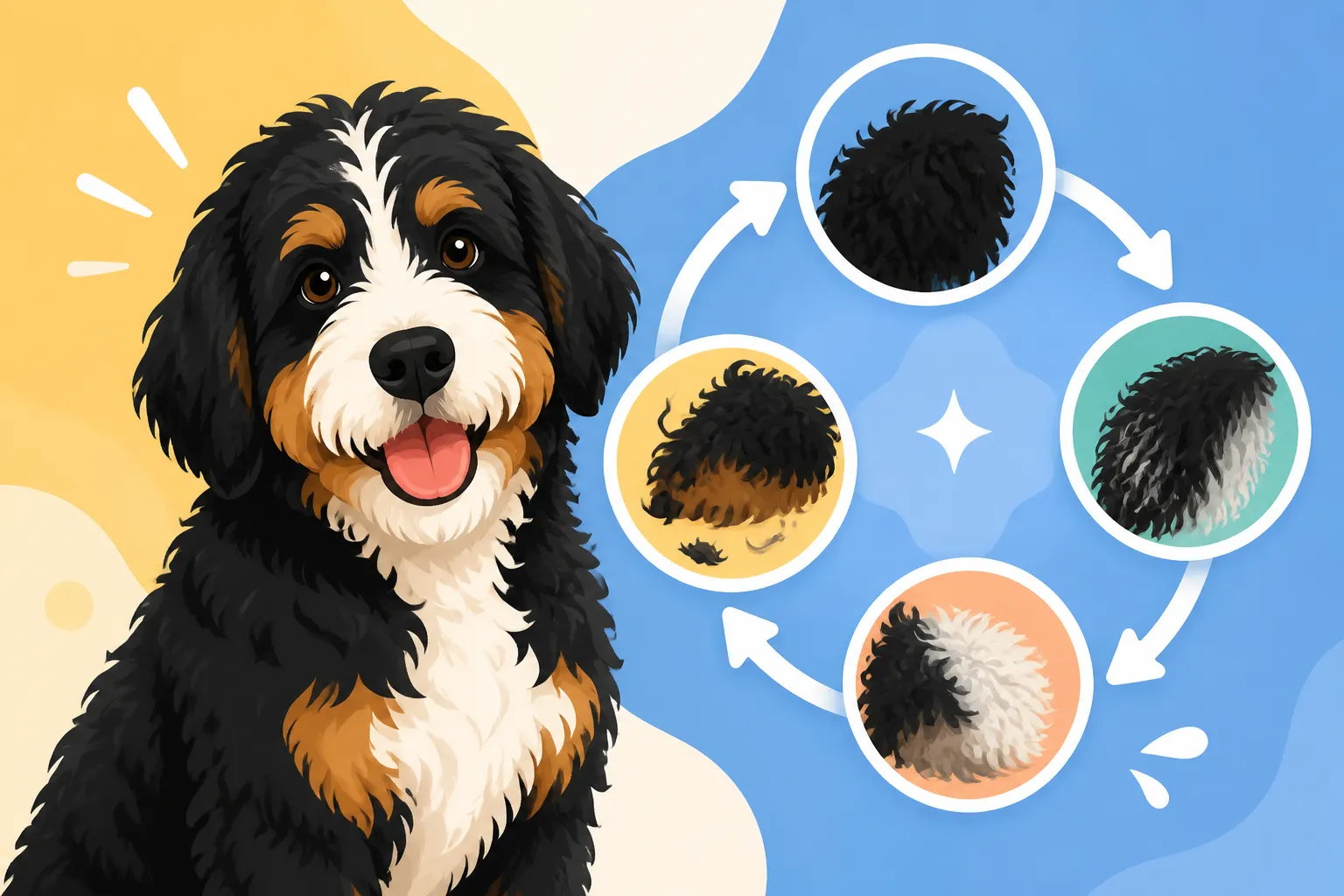
Most Bernedoodles begin their coat transition around 6 to 8 months of age. This isn't a quick shed like some double-coated breeds; it's more like a gradual transformation where the old puppy coat gets tangled with the emerging adult coat. This can last anywhere from 2 to 6 months, and for some, even up to a year or more, often stabilizing closer to 18-24 months of age. During this time, the soft puppy fur doesn't fall out cleanly; instead, it gets interwoven with the coarser, denser new growth, creating a perfect storm for matting.
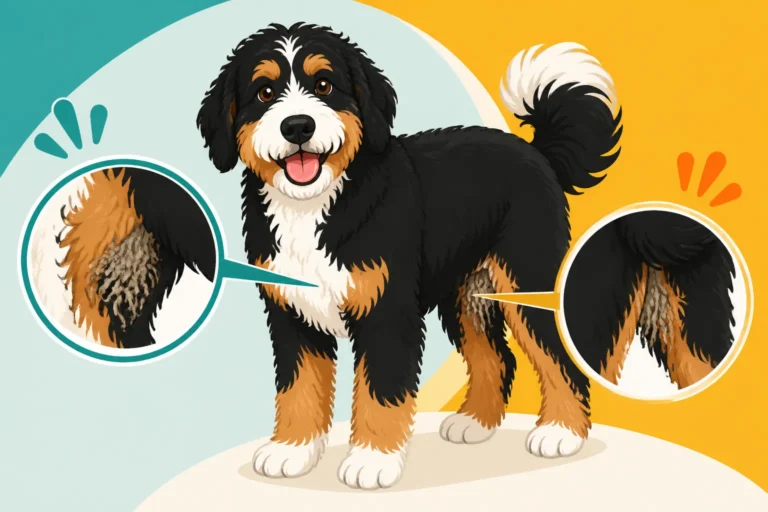
Imagine trying to brush a tangled ball of cotton mixed with wool – that's often what it feels like. You'll find mats forming seemingly overnight, particularly behind the ears, in the armpits, on the belly, and around the tail and britches. This intense period requires consistent daily grooming to prevent serious matting that can necessitate a full shave-down, which no owner or dog wants. It's a true test of patience and commitment, but staying on top of it will save you a lot of heartache (and vet bills for mat removal) down the line. You might even notice a significant change in color or pattern during this time, as Whether a Bernedoodle's Color Changes After the Puppy Coat is a common question.
Factors Influencing the Length of the Change
Several factors can influence how long and how intense your Bernedoodle's coat change will be:
- Genetics and Coat Type: This is the biggest factor. A Bernedoodle with a curlier, denser Poodle-like coat (like The Curly Coat Bernedoodle and Its Upkeep) might experience a more intense and prolonged matting period than one with a wavier coat (like The Wavy Coat Most Bernedoodles Carry) or even a straight, shedding coat (which is less common, but does happen, see The Straight Coated Bernedoodle That Sheds). The more Poodle genetics are expressed in the coat, the more likely you are to have a longer, more challenging coat change.
- Coat Density: Some Bernedoodles simply have a thicker, denser coat from the start, inherited from both the Bernese Mountain Dog and Poodle sides. More hair means more potential for tangles and mats when the new coat starts coming in.
- Grooming Frequency (or lack thereof): If you've been lax with brushing your Bernedoodle puppy, even during the easy phase, you'll feel the impact tenfold during the coat change. Lack of consistent, thorough brushing will exacerbate matting and prolong the difficult period. The Month a Bernedoodle Puppy Starts Matting Daily is a real turning point for many.
- Nutrition: A healthy diet can contribute to overall coat health, potentially making the transition smoother, though it won't prevent matting. We'll talk more about this below.
Navigating the Coat Change: Practical Strategies for Owners
Facing down a Bernedoodle coat change can feel overwhelming, but with the right tools and strategies, it's completely manageable. This isn't a time to give up; it's a time to double down on your grooming routine.
Grooming Tools and Techniques
The key to surviving the coat change is daily, thorough brushing, often twice a day if your dog has a particularly dense or curly coat. You'll need more than just a basic brush.
- Slicker Brush: This is your primary tool for separating and detangling the coat. Choose one with fine, firm pins.
- Metal Comb: A sturdy metal comb with both wide and fine teeth is indispensable. Use the wide teeth to work through larger tangles and the fine teeth to ensure you've brushed right down to the skin. This is crucial for checking for hidden mats, especially in tricky areas like behind the ears or in Mats in a Bernedoodle's Armpits and Britches.
- Grooming Spray/Detangler: A good quality detangling spray can make a world of difference. It lubricates the hair, making it easier to brush through tangles without causing pain or damage. You can find excellent options on Amazon or Chewy.
The most important technique is line brushing. This involves parting the coat horizontally and brushing a small section at a time, starting from the skin and working your way out. You lift the hair, brush the section underneath, then drop a little more hair and brush again, systematically working across the dog's body. Line Brushing a Bernedoodle to the Skin is a skill worth mastering, as it's the only way to truly prevent mats from forming against the skin. Remember, if you can't get a comb through the coat all the way to the skin, there's matting.
Here’s a quick overview of essential tools:
| Tool Type | Purpose | Frequency During Coat Change | Where to Find |
|---|---|---|---|
| Slicker Brush | Detangling and removing loose puppy coat & undercoat | Daily (1-2 times) | Pet stores, Chewy, Amazon |
| Metal Comb | Checking for mats, working through knots to the skin | Daily | Pet stores, Chewy, Amazon |
| Detangling Spray | Lubricates hair, makes brushing easier, reduces breakage | With each brushing session | Pet stores, Chewy, Amazon |
| Dematting Rake | For severe tangles (use with extreme caution to avoid skin irritation) | As needed, with care | Pet stores, Chewy, Amazon |
| Force Dryer | Speeds drying after baths, helps "blow out" loose hair | After every bath | Pet specialty stores, online |
Professional Grooming and Prevention
During the coat change, regular professional grooming appointments are your best friend. Even if you're diligently brushing at home, a professional groomer has the tools and expertise to tackle any emerging mats and give your Bernedoodle a fresh start. Many owners schedule appointments every 4-6 weeks during this intense period, rather than the typical 6-8 weeks for an adult coat. Don't be afraid to communicate openly with your groomer about what you're experiencing; they've seen it all and can offer invaluable advice and hands-on help. Sometimes, a shorter "puppy cut" can make daily management much easier during this phase, helping you prevent What a Matted Bernedoodle Costs to Shave later on. Regular bathing, followed by a thorough drying process using a force dryer, is also critical to prevent matting and ensure cleanliness, as wet hair left to air dry can mat quickly. How Often a Bernedoodle Should Be Brushed means every single day during this time.
Diet and Coat Health
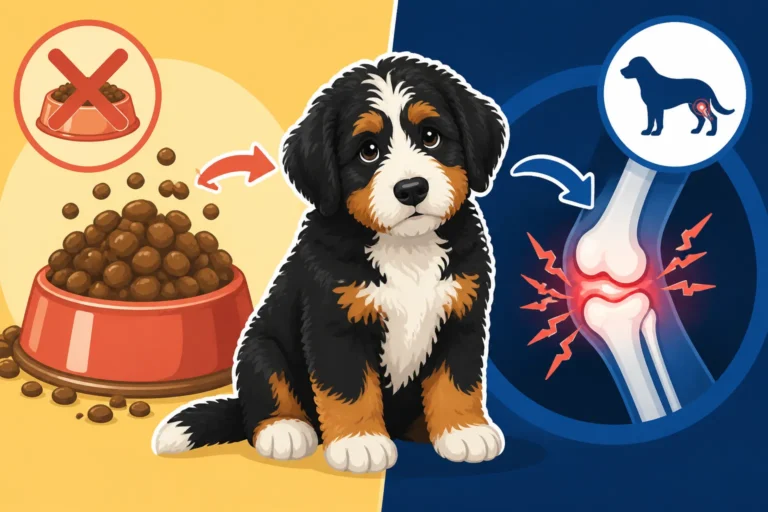
While diet won't prevent the coat change or stop matting, good nutrition plays a vital role in the overall health and quality of your Bernedoodle's adult coat. A healthy coat is stronger, more resilient, and less prone to breakage. Look for high-quality dog foods that list meat as the first ingredient and contain essential fatty acids like Omega-3 and Omega-6, which contribute to skin and coat health. Brands like Ollie focus on fresh, human-grade ingredients that can provide excellent nutritional support. While these foods won't solve matting, they ensure the new coat coming in is as healthy as possible, which helps in the long run.
What Happens After the Coat Change
The good news is, the coat change is a phase, and it does end! You'll breathe a sigh of relief when you notice the daily battle with mats becoming less intense. However, "less intense" doesn't mean "over."
The Adult Coat's Characteristics
Once your Bernedoodle's adult coat fully comes in, usually between 18 to 24 months, it will have its own distinct characteristics. It will likely be denser, possibly curlier or wavier than their puppy fluff, and will generally shed very minimally, if at all (depending on their specific genetics). Whether a Bernedoodle's Coat Gets Thicker With Age is a common observation as they mature past this phase. This adult coat is what you'll be managing for the rest of your dog's life, and while the intensity of matting might decrease compared to the transition, consistent grooming remains paramount. This is also when you'll truly understand the beauty of The Coat a Bernedoodle Gets From Two Heavy Coated Parents.
Lifelong Grooming Requirements
Even after the "ugly duckling" phase, Bernedoodles require a significant commitment to grooming. Their adult coats, particularly the curly and wavy types, are prone to matting if not maintained regularly. You'll still need to brush them several times a week, ensuring you're getting all the way down to the skin. Professional grooming appointments every 6-8 weeks are generally necessary to keep their coat trimmed, healthy, and mat-free. This isn't just about aesthetics; matted coats can be incredibly painful, pulling on the skin, restricting movement, and creating a breeding ground for skin infections. So, while the most challenging phase will pass, the dedication to grooming is a lifelong journey with your beloved Bernedoodle. The Weekly Hours a Standard Bernedoodle's Coat Takes is a realistic assessment you should prepare for.
Disclaimer
This article is for general informational purposes only and does not constitute professional advice. Laws, prices and regulations vary by location and change over time. Consult a qualified professional for guidance on your specific situation.