Whether a Bernedoodle’s Color Changes After the Puppy Coat
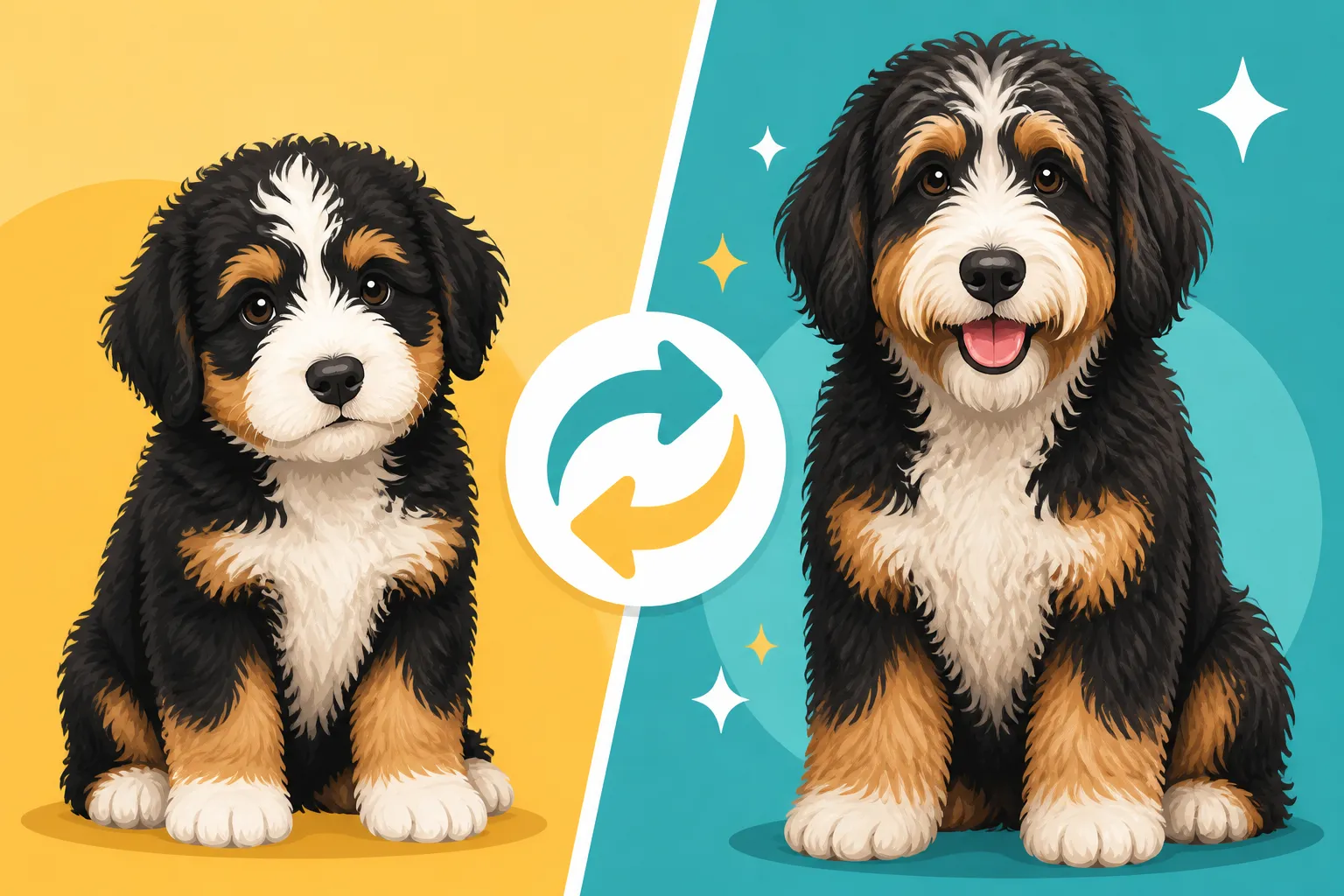
It's completely normal to fall head over heels for the adorable fluffball that is your Bernedoodle puppy, with their pristine colors and markings. But then, as they grow, you might start noticing subtle, or sometimes even dramatic, shifts in their coat color, leaving you wondering if your beautiful pup is actually changing right before your eyes. This guide will dive deep into why a Bernedoodle's coat color can transform after its puppy stage, what factors play a role, and what to expect as your companion matures.
The Poodle's Genetic Influence on Bernedoodle Coat Color
One of the biggest factors influencing a Bernedoodle's coat color changes comes directly from their Poodle parentage. Poodles are known for a fascinating genetic trait often referred to as the "fading gene" or "greying gene," which causes their coat color to lighten or silver over time. This isn't just about aging; it's an inherited characteristic that can manifest relatively early in a dog's life.
The Greying and Fading Gene Explained
Imagine a beautiful, inky black Poodle puppy. Over its first year or two, that deep black might soften into a charcoal grey, or even a stunning silver. This isn't unusual; it's the greying gene at work. This gene essentially dilutes the intensity of the pigment in the hair shaft over time, causing the color to become lighter. The same goes for brown Poodles, who can "fade" to a café au lait or even a silver beige. Since Bernedoodles inherit a mix of genes from both their Bernese Mountain Dog and Poodle parents, they are absolutely susceptible to this phenomenon. It's not a flaw, but simply a part of their unique genetic makeup. Your Bernedoodle might carry this gene, and you won't know for sure until you start seeing those subtle shifts. Many a Bernedoodle owner has been surprised to see their jet-black puppy become a handsome silver sable as they mature.
Impact on Common Bernedoodle Colors
This Poodle-derived fading gene can affect various Bernedoodle colors in different ways. Black is probably the most commonly observed color to lighten, often transforming into a steel gray or silver. A truly deep, non-fading black in a Poodle, and by extension a Bernedoodle, is actually quite rare. Brown coats can lighten to various shades of café au lait, while red or apricot coats might become a creamier, softer shade. Even those vibrant tri-color markings, often so sought after, can experience some softening. The black areas might grey, and the rust-colored points might become more muted. It’s all part of the genetic lottery, and it means that the puppy you bring home might look a little different as an adult, adding to their unique charm. Some breeders will even mention the possibility of a "clear coat" or "fading gene" in their contracts, acknowledging that these changes are a natural part of owning a Poodle cross.
The Bernese Mountain Dog's Contribution to Coat Stability
While the Poodle brings the potential for color changes, the Bernese Mountain Dog parent often contributes a more stable color palette. Bernese Mountain Dogs are known for their distinct and consistent tri-color markings: jet black, clear white, and rich rust (or tan). These colors are typically quite stable and do not fade or grey over the dog's lifetime.
Tri-Color Markings and Their Stability
The traditional tri-color pattern, which many Bernedoodle owners adore, is a hallmark of the Bernese. This pattern is controlled by a set of genes that are generally quite dominant and stable. When a Bernedoodle inherits these genes, particularly from the Bernese side, their black, white, and rust markings tend to hold their intensity much better than solid colors influenced by the Poodle's fading gene. You might still see a slight softening of the black areas if the Poodle's fading gene is present, but the distinct pattern itself usually remains clear. The rust points, often seen on the eyebrows, cheeks, and legs, are particularly robust and usually retain their warm, rich hue. This is why a classic What a Traditional Tri Color Bernedoodle Looks Like often maintains a very striking appearance from puppyhood into adulthood, making it a highly desired look.
Recessive Genes and Unexpected Colors
While tri-color is dominant for the Bernese, the Poodle side can introduce other genes that lead to a wider variety of Bernedoodle colors. These can include phantom, sable, or even merle patterns, though merle is a whole other discussion regarding responsible breeding. For instance, a phantom Bernedoodle might have a solid base color (like black or brown) with distinct lighter markings in specific areas, mimicking the Doberman or Rottweiler pattern. A sable Bernedoodle has hair shafts that are dark at the tips and lighter at the base, giving a shaded appearance that can change quite dramatically as the puppy coat transitions. What a Sable Bernedoodle Looks Like can be quite different as an adult, often clearing to a lighter, more uniform base color. These less common patterns can be beautiful but may also come with their own unique ways of developing and changing over the first couple of years, sometimes making it hard to predict the final adult look.
Common Bernedoodle Color Transformations to Expect
Knowing the genetic background helps, but what does this actually look like in real life for your Bernedoodle? Owners often report a few common transformations, from subtle shifts to more noticeable changes. It's truly a journey to watch your Bernedoodle's coat evolve.
Black to Silver or Blue
This is perhaps the most well-known transformation in Bernedoodles. A puppy that appears solid black or has very dark black patches in its tri-color pattern might develop a blue or silver hue as it matures. This isn't a change in the black pigment itself, but rather the dilution of that black over time due to the Poodle's greying gene. You might notice it first around the muzzle, eyes, or paw pads, and it can gradually spread over the body. It’s not uncommon to see a Bernedoodle’s black fur turn almost grey by the time they're a year or two old. Whether a Black Bernedoodle Turns Gray is a question many owners ask, and the answer is often a resounding "yes!" This can create a stunning, unique look, turning a standard black and white into a sophisticated silver and white, often with the rich rust points still holding strong.
Sable to Cream or Gold
Sable Bernedoodles are incredibly charming as puppies, with their dark-tipped, shaded coats. However, this is one of the coat types that can undergo the most dramatic change. As the puppy coat sheds and the adult coat comes in, those dark tips often recede, and the underlying lighter color (usually cream, gold, or apricot) becomes much more prominent. A puppy that looked quite dark and brindled can lighten significantly to a much softer, often solid-looking, golden or cream adult. This is due to the way the agouti gene interacts with other color genes. Sometimes, a "ghost" of the sable shading might remain, especially on the ears or along the back, but the overall effect is a much lighter dog than anticipated. This transformation is a prime example of why Whether a Bernedoodle's Color Changes After the Puppy Coat is such a common and valid concern for prospective owners.
Phantom and Bi-Color Markings Softening
Phantom Bernedoodles, with their distinct secondary color on specific points, and bi-color Bernedoodles (often black and white), can also experience coat changes. The solid base color (black, brown, or red) is subject to the same fading genes as solid Poodles. So, a black phantom might see its black areas soften to grey or silver, while the tan points often remain quite stable. Similarly, in a black and white Bernedoodle, the black might grey out, but the crisp white markings usually stay consistent. These shifts are typically less dramatic than a full sable fade but can still alter the dog's overall appearance. Understanding What a Phantom Bernedoodle Looks Like as a puppy versus an adult requires knowing these potential shifts.
Factors Beyond Genetics Affecting Coat Appearance
While genetics are the primary drivers of color change, other environmental and care-related factors can subtly influence your Bernedoodle's coat appearance, from its vibrancy to its texture.
Sun Exposure
Just like human hair, a dog's coat can be affected by sun exposure. Prolonged time in the sun, especially for darker-coated Bernedoodles, can lead to a natural lightening or "bleaching" effect. A rich black coat might develop reddish or rusty undertones, particularly along the back and shoulders, due to the sun breaking down the eumelanin pigment. While this isn't a true genetic color change, it definitely alters the perceived color of your dog's fur. It's a temporary effect that often grows out with new hair but can be quite noticeable during peak summer months. Ensuring your Bernedoodle has shade, especially during the hottest parts of the day, can help mitigate this.
Diet and Nutrition
A healthy, well-nourished coat is typically vibrant and rich in color. A diet lacking essential nutrients, particularly fatty acids like Omega-3 and Omega-6, can lead to a dull, dry, and sometimes even faded-looking coat. While it won't genetically change your dog's base color, a poor diet can certainly make it appear less intense or vibrant. High-quality dog foods, rich in appropriate proteins, vitamins, and healthy fats, are crucial for maintaining optimal coat health and shine. Brands like Ollie, known for fresh, human-grade ingredients, often emphasize the benefits for skin and coat, while Chewy offers a vast array of premium kibbles and supplements designed to support healthy skin and a lustrous coat. Discussing your Bernedoodle's nutritional needs with your vet can help ensure their diet is supporting their coat and overall health.
Grooming and Coat Condition
Regular grooming is paramount for a Bernedoodle, not just for preventing mats, but also for maintaining coat health and appearance. A matted, dirty coat can appear duller and even discolored simply due to accumulated dirt and oils. Regular brushing helps distribute natural oils, remove dead hair, and stimulate circulation, all of which contribute to a healthier, shinier coat. The famous The Volume of Coat a Bernedoodle Owner Brushes Weekly is a serious commitment, but it pays off in more ways than just preventing painful tangles. Proper bathing with appropriate shampoos and conditioners can also enhance coat vibrancy. Sometimes, an owner might notice a "color change" that is actually just a vast improvement in coat health and cleanliness after a thorough grooming session. A well-maintained coat often looks richer and truer to its genetic color. Remember that even though it looks thick, getting Mats in a Bernedoodle's Armpits and Britches or other high-friction areas can dull the surrounding fur.
Health and Underlying Conditions
While less common, certain health conditions can sometimes manifest as changes in coat color or texture. Hormonal imbalances, such as hypothyroidism (Signs a Bernedoodle's Thyroid Has Failed), can lead to a dull, dry coat, or even hair loss, which might be perceived as a color change. Skin infections or allergies can also affect the coat's appearance. If you notice a sudden or drastic change in your Bernedoodle's coat quality, texture, or color, especially accompanied by other symptoms like itching, lethargy, or changes in appetite, it's always best to consult your veterinarian. Early detection and treatment of underlying health issues are crucial. Investing in pet insurance from providers like Healthy Paws can be a smart move, helping to offset the costs of unexpected veterinary care should such issues arise, ensuring you can provide the best care for your beloved Bernedoodle.
What to Expect as Your Bernedoodle Matures
The most significant coat color changes in Bernedoodles typically occur during their first two years of life as they transition from their soft, fluffy puppy coat to their denser adult coat.
Puppy Coat to Adult Coat Transition
The transition from a puppy's soft, often slightly lighter coat to a denser, more textured adult coat is a critical period for color development. This "coat change" typically happens between 6 to 18 months of age, though it can vary. During this time, the true adult color, influenced by all those Poodle and Bernese genes, starts to emerge. This is when a sable puppy might lighten dramatically, or a black puppy might start showing signs of greying. The adult coat will usually be thicker and sometimes coarser than the puppy fluff. The Month a Bernedoodle Puppy Starts Matting Daily often coincides with this coat change, as the different textures of hair intertwine and create tangles more easily. This phase can be challenging for grooming, but it's also fascinating to watch your Bernedoodle's final coloration reveal itself.
Long-Term Color Evolution
For many Bernedoodles, once the adult coat has fully come in and any initial fading or greying has occurred, their color tends to stabilize. However, subtle changes can still happen over their lifespan, particularly with age. Just like humans, dogs can develop grey hairs around their muzzle and eyes as they enter their senior years. This isn't the same genetic fading seen in younger Poodle crosses; it's simply a sign of graceful aging. So, while the dramatic puppy-to-adult transformations are usually over by two years, don't be surprised if your Bernedoodle eventually gets a distinguished frosted face, adding even more character to their beloved expression. Knowing What Changes in a Bernedoodle After Eight often includes these lovely signs of wisdom and maturity.
Embracing the Unique Journey
Ultimately, a Bernedoodle's coat color journey is part of what makes them so unique and beloved. The slight shifts, the unexpected fading, or the gradual greying are all natural expressions of their mixed heritage. Instead of viewing these changes as a deviation from what you expected, try to embrace them as part of your individual dog's story. No two Bernedoodles are exactly alike, and their evolving coats are a beautiful testament to that fact. A healthy, well-cared-for Bernedoodle, regardless of its exact shade of black, silver, or cream, will always be a stunning companion.
| Puppy Coat Color | Common Adult Transformation | Genetic Influence |
|---|---|---|
| Jet Black | Charcoal, Silver, Blue | Poodle (Fading Gene) |
| Dark Sable | Cream, Gold, Lighter Red | Poodle (Agouti Gene, Fading Gene) |
| Dark Brown | Café au Lait, Silver Beige | Poodle (Fading Gene) |
| Black & White | Black turns Grey/Silver | Poodle (Fading Gene) |
| Tri-Color (Black parts) | Black turns Grey/Silver, Rust stable | Poodle (Fading Gene), Bernese (Stable Tri-Color) |
| Red/Apricot | Cream, Lighter Apricot | Poodle (Fading Gene) |
Disclaimer
This article is for general informational purposes only and does not constitute professional advice. Laws, prices and regulations vary by location and change over time. Consult a qualified professional for guidance on your specific situation.