Whether Breeders Charge to Reserve a Bernedoodle’s Color
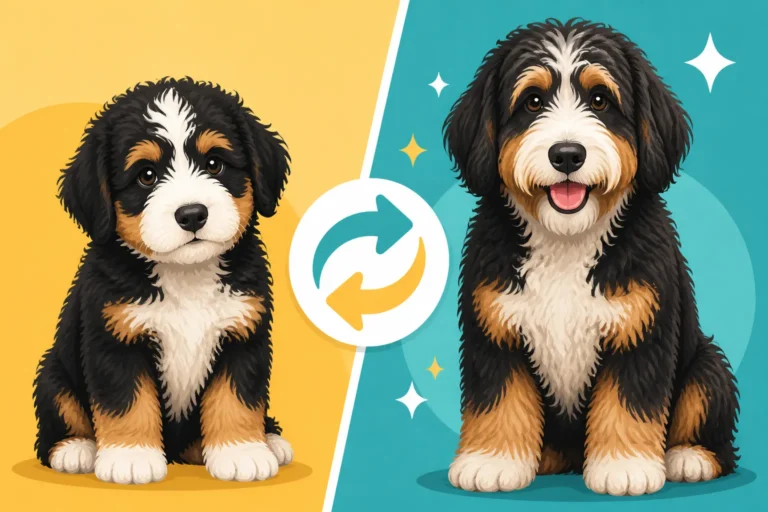
It’s a truly exciting time when you’re looking forward to bringing home a Bernedoodle puppy, and it’s natural to have a picture in your mind of what your new furry family member will look like. Many prospective owners fall in love with a specific coat color or marking pattern they’ve seen online, dreaming of a classic tri-color or a striking merle, only to find themselves wondering if they’ll have to pay extra just to get the look they desire. This guide will walk you through the nuances of Bernedoodle color selection, why some breeders might charge more, and what you should truly prioritize when choosing your forever companion.
The Allure of Bernedoodle Colors and the Reality of Genetics
Let's be honest, Bernedoodle coats are absolutely stunning, and it’s completely understandable why a certain color or pattern might capture your heart. From the classic black, white, and rust of a traditional tri-color to the swirling, marbled patterns of a merle, or the elegant points of a phantom, these dogs offer a visual feast. You might have scoured countless photos online, envisioning that perfect pup with specific markings that just scream "yours." This strong preference can quickly become a central point in your puppy search.
The challenge, however, lies in the unpredictable nature of genetics. Bernedoodles are a hybrid breed, a mix of the Bernese Mountain Dog and the Poodle, and the coat outcomes can be incredibly varied. While both parent breeds contribute to the gene pool, the way those genes express themselves in a litter can be a delightful surprise – or a source of frustration if you have your heart set on something very specific. You might see a picture of a past litter from a breeder, filled with gorgeous tri-colors, and assume your future puppy will look just like them, only to find the next litter looks completely different.
For instance, the sought-after tri-color pattern, with its distinct rust points over a black and white base, is recessive. This means both parents must carry the gene for it to appear in the puppies, and even then, it’s not a guarantee for every pup in the litter. Whether an F1 Bernedoodle Can Be Tri Color can depend heavily on the specific genetic makeup of both the Bernese and Poodle parents. Similarly, merle is a dominant gene, but it comes with its own complex inheritance patterns and potential health considerations, which responsible breeders take very seriously. Because of these genetic complexities, truly guaranteeing a specific color can be a real gamble for a breeder, making some hesitant to take color-specific reservations at all.
How Reputable Breeders Handle Color Preferences and Pricing
When it comes to the nitty-gritty of securing a puppy, most reputable Bernedoodle breeders operate with a strong emphasis on health and temperament above all else. They understand that a healthy, well-adjusted dog that fits your family's lifestyle is far more important than a specific shade of fur. However, they also know that color is a significant draw for many families.
Standard Deposit and Waitlist Procedures
Typically, you'll place a general deposit to get on a breeder's waiting list for an upcoming litter. This deposit secures your spot in line to choose a puppy from a litter, often based on gender or overall size expectations (standard, mini, tiny). The order of deposits usually dictates the order of puppy selection. When puppy selection day arrives, which is usually around 6-8 weeks of age after personalities have started to emerge, you choose from the available puppies. At this point, you'll see the full range of colors and patterns present in the litter.
Many breeders will conduct temperament testing at this stage to help guide families toward a puppy that matches their lifestyle. If you're looking for a calm companion for apartment living, they won't steer you towards the most energetic pup, regardless of its captivating merle coat. This process prioritizes matching the dog to the home, rather than just fulfilling a color request. It can be a little nerve-wracking if you had your heart set on a particular look, but it’s a sign of a truly ethical breeder focused on long-term success for their puppies and families.
Fees for "Pick of the Litter" or Specific Colors
Now, to the core question: do breeders charge extra to reserve a specific Bernedoodle color? The answer is often nuanced. It's less common for a breeder to have a separate, explicit "color reservation fee" as a standalone charge. Instead, any additional cost related to color typically comes in a few forms:
- "Pick of the Litter" Fee: Some breeders offer a premium for the "first pick" or "second pick" from a litter. This isn't specifically for color, but if you have first choice, you naturally have the best chance of getting your desired color if it's available in that litter. This fee is for the privilege of early selection, not for the color itself.
- Higher Base Price for Certain Colors: It's quite common for certain Bernedoodle colors to simply have a higher base price from the start. Colors like traditional tri-color, merle, or phantom often command a higher price tag than, say, a solid black Bernedoodle. This isn't usually an extra charge on top of a base puppy price, but rather that puppies with these more sought-after patterns are priced higher to begin with. What a Traditional Tri Color Bernedoodle Costs is usually higher than a solid color, and What a Merle Bernedoodle Costs can be even more substantial due to its perceived rarity and visual appeal. This pricing reflects market demand and the effort (and often genetic testing) involved in producing specific patterns.
- Specialty Waitlists: A few breeders might offer a "color-specific" waitlist, where you place a non-refundable deposit to wait for a litter that is expected to produce a high number of a particular color. This means you might wait longer, and the deposit might be slightly higher, reflecting the specialized nature of your request. However, even then, success isn't 100% guaranteed.
It’s vital to understand that a truly responsible breeder will not just breed for color. They prioritize the health and genetic soundness of their breeding dogs first and foremost. Be wary of any breeder who only advertises specific "rare" colors for exorbitant fees without clear evidence of health testing and a strong focus on temperament. Sometimes, what’s marketed as "rare" is simply capitalizing on trends, and you want a puppy from parents that have had the proper health clearances. What the Five Clearances a Bernedoodle Breeder Should Have are non-negotiable, regardless of coat color.
Example Scenarios:
- Scenario A: You're on a breeder's general waiting list. When it's your turn to pick, there are three puppies left: a solid black, a bi-color (black and white), and a tri-color. All are healthy and have great temperaments. The breeder has different prices for each color, with the tri-color being the most expensive. You choose the tri-color, paying the higher listed price for that specific puppy.
- Scenario B: A breeder offers a "first pick" option for an additional sum, say, $500 on top of the base puppy price. If you pay this, you get to choose first from the litter, giving you the best chance to select your preferred color if it's available among the first choices. You're paying for priority, which indirectly helps with color preference.
- Scenario C: You insist on a merle Bernedoodle. A breeder tells you they have a separate waitlist for merle litters, which might take longer and requires a slightly higher initial deposit to join. This is still a deposit on the puppy, but a higher entry fee for a specialized waitlist.
In essence, while direct "color reservation fees" are rare, the cost structure around Bernedoodle puppies often reflects the demand and perceived rarity of certain coat patterns. It’s a commercial reality that plays into the desirability of these unique-looking dogs.
The "Premium" for Specific Bernedoodle Colors – Is It Justified?
You've seen the price differences: a solid Bernedoodle might be a certain price, while a tri-color or merle from the same litter can be hundreds, sometimes even thousands, more. It makes you wonder, is this premium really justified, or is it just clever marketing?
Understanding the Rationale Behind Higher Prices
From a breeder's perspective, there can be several reasons for differential pricing based on color:
- Supply and Demand: This is the most significant factor. Certain colors, like the traditional tri-color, are simply more desired and harder to consistently produce in large numbers. When demand outstrips supply, prices go up. Merle, too, often commands a premium because of its eye-catching appearance and relative scarcity compared to solid or bi-colors.
- Genetic Complexity: Breeding for specific colors, especially recessive ones like tri-color or dominant ones with associated health considerations like merle, requires careful genetic planning and testing. Whether Merle Is Safe to Breed in a Bernedoodle is a critical question, and responsible breeders invest in DNA testing to ensure safe pairings, particularly to avoid "double merle" puppies that can have severe health issues. These tests add to the breeder's overhead.
- Perceived Value: Let's face it, a visually striking dog often has a higher perceived value in the market. People are drawn to what looks unique and beautiful. This isn't just a Bernedoodle phenomenon; it happens across many dog breeds and even other consumer goods.
Ethical Considerations vs. Market Realities
The question of justification often boils down to ethics versus market reality. Ethically, a dog's color should not make it inherently "better" or more valuable than another. A solid black Bernedoodle is just as loving, intelligent, and deserving of a wonderful home as a tri-color. Whether Color Should Change What You Pay for a Bernedoodle is a personal question, but from a purely ethical standpoint, no, it shouldn't. Health, temperament, and ethical breeding practices should always be paramount.
However, in the real-world market, price does fluctuate based on consumer preference. If more people want tri-color Bernedoodles, breeders who consistently produce them will charge more because they can. It's a fundamental economic principle. The key is to ensure that this premium isn't only for color, but also comes with the assurance of a healthy, well-socialized puppy from genetically screened parents.
Be cautious if a breeder seems solely focused on producing "rare" or "designer" colors without emphasizing health clearances, temperament, or proper puppy raising. Whether a Rare Color Bernedoodle Is a Marketing Line is a valid concern, and unfortunately, it sometimes is. You want a breeder who values the dog as a whole, not just its coat.
When considering the costs, remember that the initial puppy price, whether for a solid or a merle, is just the beginning. The lifetime cost of owning a Bernedoodle, which includes food, grooming, vet care, and insurance from providers like Healthy Paws, far outweighs the initial purchase price. Investing in a healthy puppy from a reputable breeder, regardless of color, will save you far more in potential vet bills down the line than any "discount" you might get on a puppy chosen purely for its cheaper color from an untested litter. What a Bernedoodle Costs Over Its Whole Life is a significant commitment.
What About Less "Flashy" Colors?
Often, solid black, solid brown, or bi-color (black and white) Bernedoodles are priced lower than their tri-color or merle counterparts. This isn't because they are somehow "lesser" dogs; it's simply due to demand. These dogs are equally wonderful companions, and sometimes choosing one of these colors can mean a shorter waitlist or a more accessible price point. Don't overlook them if your primary goal is a loving, healthy Bernedoodle rather than a specific aesthetic. Whether a Solid Bernedoodle Is Worth Less is a common question, but their value as a family member is certainly not less.
Navigating the Puppy Selection Process with Color in Mind
So, you're trying to find that perfect Bernedoodle and you have a color preference, but you also want to be a responsible buyer. How do you navigate this process without getting caught up in superficial details or exploited by unethical breeders?
Prioritize the Breeder, Not Just the Puppy's Looks
This is perhaps the most crucial advice: choose your breeder before you choose your puppy. A truly excellent breeder will prioritize health, temperament, and genetic screening above all else. They will be transparent about their practices, happy to answer questions about health clearances (like those for hips, elbows, and eyes), and genuinely care about placing their puppies in the right homes. What a Standard Bernedoodle Costs From a Tested Breeder might be higher, but it's an investment in a healthier future.
Once you’ve found a breeder you trust, you can then discuss your color preferences. They will be able to give you realistic expectations about their upcoming litters and what the likelihood of certain colors appearing might be. A good breeder will also explain Whether a Bernedoodle's Color Changes After the Puppy Coat, as many Bernedoodles "clear" or fade over time, meaning that vibrant puppy coat might not be what you see in adulthood anyway.
Communicate Your Preferences, But Be Flexible
It's perfectly fine to tell your breeder you have a strong preference for a tri-color or a phantom Bernedoodle. A good breeder will make a note of it. However, it's equally important to convey that your priority is a puppy with a good temperament that fits your family's lifestyle.
Imagine you're on a waiting list, and when it's your turn to pick, there's a stunning merle puppy, but its temperament is super energetic, and you live in a small apartment and want a calmer dog. And then there's a solid black puppy, equally beautiful in its own way, whose temperament is a perfect match for your quiet household. Which one do you choose? A flexible approach allows you to prioritize the more important factors: health and temperament.
The Role of Temperament Testing and Puppy Aptitude
Reputable breeders often perform temperament tests on their puppies around 7-8 weeks of age. These tests evaluate things like sociability, retrieve drive, sensitivity to touch, and how they react to new situations. This information is invaluable for matching puppies to families. A puppy that tests as more confident and outgoing might be perfect for an active family with lots of visitors, while a slightly more reserved puppy might thrive in a quieter home.
Even if your dream color is available, a responsible breeder will still encourage you to consider the puppy's individual personality. It’s better to have a slightly different colored dog that perfectly integrates into your family than a "dream color" dog that constantly struggles with its environment. This is where services like Chewy for a variety of training aids or Ollie for proper nutrition become more impactful for your dog's well-being than simply its coat color.
Understanding the Contract
Always read your breeder's contract carefully. It should clearly outline the terms of the deposit, the selection process, and any health guarantees. What a Bernedoodle Health Guarantee Covers is far more important than any color guarantee. If there are clauses related to color, make sure you understand them completely. Are you truly paying to reserve a specific color, or are you paying a premium for a puppy that happens to be that color if available in your pick order?
In conclusion, while it’s completely natural to be drawn to a specific Bernedoodle coat color, remember that the most valuable traits are often unseen: health, temperament, and the love your future companion will bring. Be transparent with your breeder about your preferences, but keep an open mind and prioritize ethical breeding practices.
| Breeder Approach | Description | Potential Cost Implications | What to Prioritize |
|---|---|---|---|
| No Color Specifics | Puppies chosen based on temperament/waitlist order, regardless of color. | Standard deposit. | Health, temperament, breeder reputation. |
| "Pick of the Litter" Fee | An additional fee to get first choice among available puppies. | Higher overall puppy price. | Ensuring picks are still temperament-matched. |
| Color-Specific Waitlist | Waiting for a litter with a high likelihood of a certain color. | May involve a higher deposit or a longer wait. | Patience, clear communication with the breeder. |
| "Premium" for Rare Colors | Charging extra for colors like merle or specific tri-colors. | Significant price increase. | Health guarantees, ethical breeding practices. |
Disclaimer
This article is for general informational purposes only and does not constitute professional advice. Laws, prices and regulations vary by location and change over time. Consult a qualified professional for guidance on your specific situation.