What a Traditional Tri Color Bernedoodle Costs
Navigating the world of Bernedoodle pricing can feel like trying to solve a puzzle, especially when you have your heart set on a specific look. Many hopeful puppy parents fall in love with the classic, striking appearance of a traditional tri color Bernedoodle, only to wonder if this particular pattern comes with an even steeper price tag. This guide is here to demystify the cost associated with bringing a traditional tri color Bernedoodle into your home, from the initial purchase price to the long-term expenses, so you can budget realistically and make an informed decision.
Understanding Bernedoodle Pricing Beyond the Basics
Before we dive into the specifics of a tri color Bernedoodle, it's crucial to understand the general landscape of Bernedoodle pricing. These wonderful dogs are a designer breed, and their popularity, combined with the efforts of responsible breeders, often translates into a higher initial cost compared to some other breeds.
The Standard Bernedoodle Price Range
Generally speaking, a Bernedoodle puppy from a reputable breeder isn't an impulse purchase. The base price for any Bernedoodle, regardless of color, can be a significant investment, reflecting the breeder's careful planning, health testing of parent dogs, quality of care for the puppies, and the time involved in raising a healthy, well-socialized litter. This initial outlay covers a lot more than just the puppy itself; it includes the genetic screening, initial vet checks, vaccinations, and sometimes even microchipping.
You might find that prices vary wildly depending on your location, the breeder's reputation, and even the specific generation of the Bernedoodle (F1, F1b, Multigen). It's a spectrum, but you should always be wary of prices that seem too low, as they might indicate corners were cut on critical aspects like health testing or puppy care. Getting a handle on The Thirty Five Hundred to Sixty Five Hundred a Standard Bernedoodle Costs will give you a good starting point for what to expect.
Why Color Matters in Bernedoodle Pricing
It might seem superficial to some, but color and coat pattern play a surprisingly significant role in Bernedoodle pricing. Just like in fashion or art, certain aesthetics are more sought after, and the availability of those traits can drive up the cost. For Bernedoodles, the more "unique" or "desirable" a coat pattern is perceived to be, the higher the demand, and consequently, the higher the price.
This isn't necessarily about breeders being greedy; it often reflects the increased challenge and specificity involved in breeding for particular colors and patterns. Some colors are recessive or require very specific genetic combinations, meaning fewer puppies in a litter might carry that desired look. Breeders who consistently produce these highly sought-after patterns invest a great deal of time and genetic understanding into their breeding programs, which is naturally factored into the price.
The Appeal and Cost of a Traditional Tri Color Bernedoodle
When people picture a Bernedoodle, often the image that comes to mind is the striking "traditional tri color" pattern. It's truly beautiful and a big reason why many fall in love with the breed.
Defining "Traditional Tri Color" and Its Rarity
A "traditional tri color" Bernedoodle closely mimics the iconic markings of the Bernese Mountain Dog parent. This means the dog will have a dominant black base coat, crisp white markings (typically on the chest, muzzle, and paws), and distinctive rust or tan points. These rust points usually appear over the eyes, on the cheeks, inside the ears, on the legs, and under the tail. It's these three distinct colors—black, white, and rust—arranged in that classic Bernese pattern that defines the traditional tri. What a Traditional Tri Color Bernedoodle Looks Like
While immensely popular, true traditional tri color Bernedoodles are not as common as you might think. The tri-color gene is recessive, meaning both parent dogs must carry and pass on the specific genetic markers for these markings to appear. Even then, not every puppy in a litter will inherit the exact symmetrical and vibrant tri-color pattern that is so prized. This genetic lottery, combined with high demand, contributes directly to their premium pricing.
The Premium for Perfection: Why Tri Color Costs More
Given the genetic complexities and the high aesthetic appeal, traditional tri color Bernedoodles almost universally command a higher price than their bi-color (black and white) or solid-colored littermates. This isn't just a whim; it's a reflection of several factors:
- Supply and Demand: The market for these beautiful dogs is robust. Many prospective owners specifically seek out the tri color pattern, creating significant demand that often outstrips supply.
- Breeding Challenges: Breeders aiming to consistently produce traditional tri colors need to be very knowledgeable about canine genetics. They often invest in specific DNA testing for color traits in their breeding pairs to increase the likelihood of producing tri-colored puppies. This specialized knowledge and additional testing add to the overall cost of their program.
- Aesthetic Appeal: There's no denying the visual impact of a well-marked traditional tri color. The distinct black, white, and rust create a truly stunning dog that stands out. People are willing to pay more for this specific look, viewing it as an investment in a living piece of art. The additional cost often linked to these markings truly shows What Tri Color Adds to a Bernedoodle's Price.
Price Variation Among Tri-Color Bernedoodles
Even within the category of "traditional tri color," there can be price variations. Not every tri-color puppy is created equal in the eyes of the market. Factors that can influence the specific price of a tri color Bernedoodle puppy include:
- Symmetry and Clarity of Markings: Puppies with very clear, well-defined white blazes, symmetrical rust points over the eyes, and distinct chest markings are often considered more desirable and may fetch a higher price. Minor imperfections in markings might slightly reduce the cost, but generally, the tri-color pattern itself holds a premium.
- Intensity of Color: The richness of the black, the crispness of the white, and the vibrancy of the rust points can also play a role. A puppy with deep, rich colors may be priced higher than one with faded or less distinct hues.
- Coat Type: While not strictly color-related, the desired wavy or curly non-shedding coat (often associated with the Poodle side) combined with the tri-color pattern can increase a puppy's value. A "flat-coated" tri-color, which might shed more, could be slightly less expensive.
- Temperament: Of course, temperament is paramount, and a puppy with an exceptional, confident, and outgoing personality, even with perfect markings, will always be highly valued.
So, while the base price for a tri color is already elevated, the "perfection" of its markings can add another layer to the cost.
Other Factors Influencing the Final Price Tag
Beyond color, several other critical elements contribute to the overall price you’ll pay for any Bernedoodle, including your coveted tri color. Understanding these factors helps you discern a fair price from a potentially problematic one.
Size, Generation, and Breeder Reputation
The size of your Bernedoodle is another major pricing factor. Generally, smaller Bernedoodles—Minis and Tinys—tend to cost more than Standards. This is because breeding smaller sizes often requires more generations of careful selection and smaller breeding stock, which can be more challenging and therefore more expensive. So, if you're looking for a Mini traditional tri color, be prepared for an even higher price point. If you've ever wondered Why a Mini Bernedoodle Costs More Than a Standard, this is often a key part of the explanation.
The generation (F1, F1b, Multigen) also plays a role. F1 Bernedoodles (50% Bernese, 50% Poodle) are often the most straightforward to breed and might be at the lower end of the Bernedoodle price scale. F1b (75% Poodle, 25% Bernese) and Multigen Bernedoodles are often bred for specific coat types (like more curl, less shedding) or to solidify certain traits, which can involve more complex breeding programs and thus higher prices.
Most importantly, a breeder's reputation and practices are directly reflected in their prices. A reputable breeder invests heavily in their dogs, which directly translates to healthier, better-adjusted puppies. This includes things like high-quality nutrition for the breeding dogs, proper veterinary care, genetic health testing, and extensive early socialization for the puppies. They also typically offer strong health guarantees and support for the lifetime of your dog. These are all elements that add value far beyond the initial price.
Health Clearances and Guarantees: Value Beyond the Price
A higher purchase price often means the breeder has made significant investments in health testing their parent dogs. This is absolutely critical for a breed like the Bernedoodle, which can be prone to certain genetic conditions inherited from both the Bernese Mountain Dog and Poodle lines. These conditions can include hip and elbow dysplasia, various eye conditions, heart problems, and certain blood disorders.
A responsible breeder will screen their breeding stock for these issues before breeding them, often through organizations like the Orthopedic Foundation for Animals (OFA) or PennHIP for hips and elbows, and genetic DNA tests for conditions like Von Willebrand's Disease and Degenerative Myelopathy. The cost of these tests is substantial, but it vastly reduces the risk of your puppy developing debilitating and expensive health problems later in life. This due diligence is built into the puppy's price. When you see a breeder highlighting The Five Clearances a Bernedoodle Breeder Should Have, understand that these are investments made to protect your future puppy's health. For example, testing for DM with The SOD1 Test Both Bernedoodle Parents Need is a crucial step that adds peace of mind.
While a health guarantee might not seem like a tangible "cost," it represents a significant commitment from the breeder and offers priceless peace of mind. Knowing that the breeder stands behind the health of their puppies speaks volumes about their confidence in their breeding program. What a Bernedoodle Health Guarantee Covers can vary, but generally covers genetic issues that manifest within the first one to two years.
Location and Market Demand
Where you live can also impact the price of a traditional tri color Bernedoodle. In areas with a high demand for designer doodles and fewer reputable breeders, prices tend to be higher. Conversely, in regions with more breeders or less intense demand, you might find slightly lower prices, though still within the expected range for a quality Bernedoodle.
It's not uncommon for prospective owners to travel to find a reputable breeder with available puppies, especially if they have a specific preference like a traditional tri color. This adds travel costs to your overall budget, but it can be worth it to find a breeder you trust and a puppy that meets your expectations. The local market dynamics are a real force shaping Bernedoodle prices across the country.
Beyond the Purchase Price: The True Cost of a Traditional Tri Color Bernedoodle
The initial purchase price of your traditional tri color Bernedoodle, while significant, is just the beginning. Owning a large, high-maintenance breed like a Bernedoodle involves ongoing financial commitments that can add up quickly. It’s vital to budget for these from the start.
Initial Setup Costs
When you first bring your Bernedoodle puppy home, there's a flurry of one-time expenses. You'll need a spacious crate that can accommodate their adult size, comfortable bedding, an assortment of toys (durable ones are a must for these chewers!), food and water bowls, a leash, collar or harness, and possibly a car restraint. Don't forget the initial vet visits for check-ups, follow-up vaccinations, deworming, and microchipping.
You'll also need to stock up on high-quality puppy food. Brands like Ollie or Chewy offer excellent options, and it's essential to choose a formula specifically designed for large breed puppies to support their rapid, yet controlled, growth. The type of food you choose can impact their health and development, making this an important decision right from the start.
Ongoing Monthly and Annual Expenses
The day-to-day and yearly costs of owning a Bernedoodle are substantial.
- Food: A standard Bernedoodle, especially a large tri-color, will eat a considerable amount of food. High-quality large breed kibble or fresh food options are crucial for their health and can be a significant monthly expense. This isn't an area where you want to skimp.
- Grooming: This is arguably the biggest ongoing cost for most Bernedoodle owners. That beautiful coat, especially a tri-color you want to keep looking sharp, requires professional grooming every 6-8 weeks. Think about The Seventy to Hundred Fifty Dollar Bernedoodle Groom – and that's just per session! These dogs can be prone to matting, so regular brushing at home is also a must to extend time between professional grooms and keep them comfortable.
- Veterinary Care: Routine check-ups, annual vaccinations, flea and tick prevention, and heartworm medication are non-negotiable. As your Bernedoodle ages, these costs may increase with preventative screenings and age-related care.
- Pet Insurance: Given the potential for genetic health issues in Bernedoodles, pet insurance is a wise investment that can save you thousands of dollars in emergency situations. Companies like Healthy Paws offer various plans that can help mitigate the financial shock of unexpected illnesses or accidents. Getting Insuring a Bernedoodle Against the Bernese Half can be a strategic move to protect against costly conditions passed down from the Bernese side.
- Training and Socialization: Puppy classes, obedience training, and possibly specialized training for certain behaviors are important investments in a well-behaved dog.
Unexpected Costs and Long-Term Planning
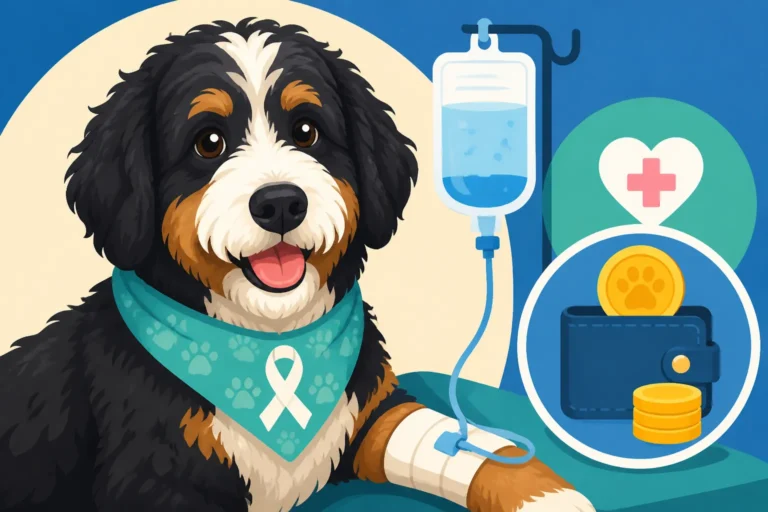
Life with a dog, especially a large one, is full of surprises. Accidents happen, and dogs can get sick unexpectedly. Emergency vet visits can quickly run into thousands of dollars. Imagine the heartbreak and financial strain if your beloved Bernedoodle developed a serious condition like cancer; What Cancer Treatment Costs a Bernedoodle Owner can be astronomical, potentially reaching tens of thousands.
It’s crucial to have an emergency fund or robust pet insurance in place to cover these unforeseen circumstances. Additionally, planning for the long term means considering the cost of boarding or pet sitters if you travel, potential orthopedic issues as they age (which can involve costly surgeries), and simply the rising cost of everyday pet supplies over their lifetime. A Bernedoodle is a commitment for 10-15 years, and budgeting for that entire lifespan is essential.
| Cost Category | Description | Estimated Impact on Price (Tri Color) |
|---|---|---|
| Initial Purchase | Puppy price from breeder (reflects breeding, health testing, initial care) | High (Premium due to tri color) |
| Initial Setup | Crate, bed, bowls, leash, toys, first vet visit, vaccinations | Medium |
| Food (Monthly) | High-quality large breed food (e.g., Chewy, Ollie) | Medium (High volume, quality food) |
| Grooming (Bi-monthly) | Professional cuts, baths, dematting prevention | High (Frequent, specialized care) |
| Vet Care (Annual) | Check-ups, preventative meds, potential emergencies | Medium to High |
| Pet Insurance | Monthly premiums (e.g., Healthy Paws) | Medium (Recommended for peace of mind) |
| Training/Socialization | Puppy classes, obedience training | Medium (Initial investment) |
| Miscellaneous | Toys, treats, boarding, unexpected medical bills | Variable |
Owning a traditional tri color Bernedoodle is a deeply rewarding experience, but it comes with a significant financial responsibility that extends far beyond the initial, premium purchase price. Being prepared for all these costs will ensure you can provide the best possible life for your furry family member.
Disclaimer
This article is for general informational purposes only and does not constitute professional advice. Laws, prices and regulations vary by location and change over time. Consult a qualified professional for guidance on your specific situation.