What a Mini Bernedoodle Sells For
It's no secret that bringing a Bernedoodle into your life is an investment, and when you start looking at the Mini Bernedoodle specifically, many folks are surprised by the price tag. You might wonder why these smaller versions often cost more than their standard counterparts, or what exactly goes into that initial cost. This guide is here to shed light on exactly what a Mini Bernedoodle sells for, dissecting the factors that influence the price so you can budget realistically and make an informed decision.
Understanding the Mini Bernedoodle Price Tag
When you first start researching Bernedoodles, one of the first things that hits you is the wide range in prices. And for Mini Bernedoodles, it often feels like the numbers are even higher than you anticipated. It's a common frustration, and many prospective owners wonder if they're seeing an inflated price or if there's a legitimate reason behind it. The truth is, several key elements contribute to why these adorable smaller doodles can command a premium price.
The Size Factor in Mini Bernedoodle Pricing
Here’s the big one, and it often catches people off guard: Mini Bernedoodles frequently cost more than a standard size. You might think, "Smaller dog, smaller price," but with Bernedoodles, it's often the opposite. While The Thirty Five Hundred to Sixty Five Hundred a Standard Bernedoodle Costs, you might find Mini Bernedoodles fetching anywhere from $4,000 to even $7,000 or more, depending on the breeder and specific traits. This premium stems from the inherent difficulty and additional time a breeder needs to consistently produce smaller, healthy puppies. Breeding down in size, especially when one parent is a very large breed like the Bernese Mountain Dog, requires careful selection across multiple generations, often involving miniature or toy Poodles. This isn't just a one-off pairing; it's a dedicated breeding program that takes time, expertise, and significant resources, all of which get reflected in the final puppy price.
Moreover, the demand for Mini Bernedoodles is incredibly high. Many families desire the charming personality and hypoallergenic-leaning coat of a Bernedoodle but in a more manageable size for apartment living or simply for easier handling. This strong market demand allows reputable breeders to price their puppies accordingly, especially given the extra effort involved in producing them. It’s a classic case of supply and demand meeting complex breeding science, making Why a Mini Bernedoodle Costs More Than a Standard a real consideration for your budget.
Supply and Demand Dynamics
The popularity of the Bernedoodle has exploded over the last decade, and within that phenomenon, the Mini Bernedoodle has carved out a particularly strong niche. Everyone wants a dog that's friendly, intelligent, and relatively low-shedding, and if it can also fit comfortably in a smaller home, that's a huge bonus. This surging demand, combined with the inherently more complex and time-consuming breeding process for smaller sizes, creates a market where prices naturally ascend. It’s not simply about having puppies available; it’s about having healthy, well-socialized puppies from properly health-tested parents.
Responsible breeders often have extensive waitlists for their Mini Bernedoodle litters, sometimes stretching a year or more. This kind of demand indicates a healthy market for well-bred dogs and gives breeders the confidence to maintain their pricing structure. However, it also means that if you see a Mini Bernedoodle advertised for a suspiciously low price with immediate availability, it’s a red flag. These might be puppies from puppy mills or backyard breeders who cut corners on health testing, proper socialization, or even basic care, leading to potential health and behavioral issues down the line that will cost you far more in the long run.
Breeder Reputation and Practices
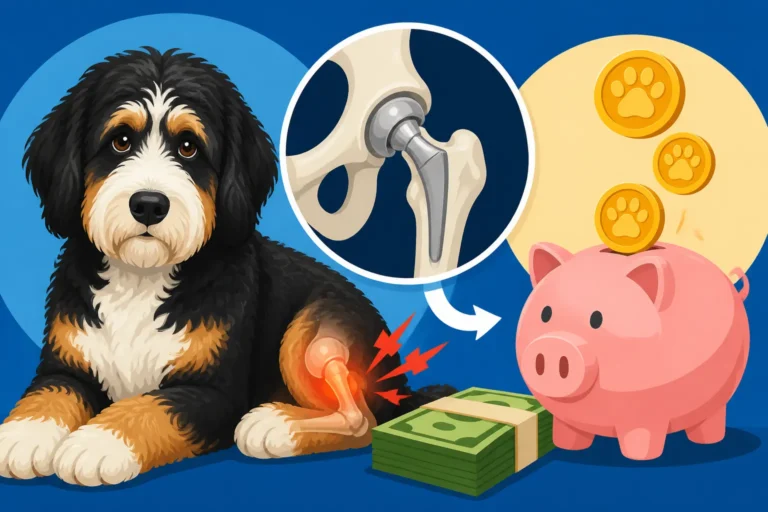
The breeder you choose plays an enormous role in the price of a Mini Bernedoodle. A reputable breeder isn't just someone who produces puppies; they are dedicated professionals who invest heavily in the health, temperament, and welfare of their dogs. This includes meticulous health testing of parent dogs for genetic conditions common to Bernese Mountain Dogs and Poodles, such as hip and elbow dysplasia, Von Willebrand's disease, and various eye conditions. These tests are expensive, but absolutely crucial for producing healthy offspring. In fact, understanding The Five Clearances a Bernedoodle Breeder Should Have is vital for any prospective owner.
Beyond health testing, responsible breeders provide excellent nutrition, early neurological stimulation, proper socialization, and a clean, stimulating environment for their puppies. They offer ongoing support to new owners, often have a comprehensive health guarantee, and take back puppies if circumstances change. These practices aren't cheap. The higher price from a reputable breeder reflects these significant investments in time, money, and expertise. Conversely, a lower price often indicates a breeder who is skipping these critical steps, which can lead to heartbreaking and costly issues for you later on. Think of it as paying for peace of mind and a solid foundation for your new family member.
Delving into Coat Colors and Markings
One of the most exciting aspects of Bernedoodles for many prospective owners is the incredible variety of coat colors and markings they can exhibit. From solid black to intricate tri-colors and even merle patterns, there's a Bernedoodle to suit nearly every aesthetic preference. However, it's important to understand that certain colors and patterns aren't just about looks; they can significantly impact the price of a Mini Bernedoodle, often adding another layer to the cost you're already considering.
The Popularity of Traditional Tri-Color Markings
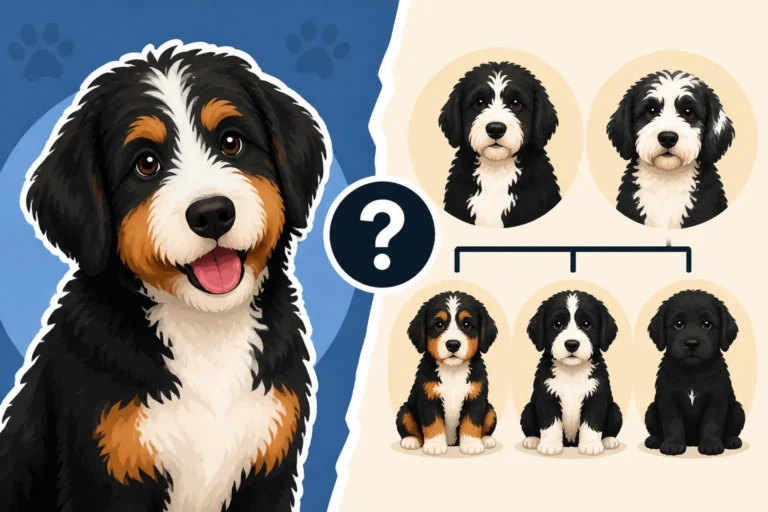
The "traditional" tri-color Bernedoodle is perhaps the most iconic and sought-after look, closely resembling the stunning markings of its Bernese Mountain Dog parent. This pattern features a black base coat with rust-colored points (over the eyes, on the cheeks, chest, and legs) and white markings (on the muzzle, chest, and sometimes paws or tail tip). These striking colors are what many people envision when they think of a Bernedoodle, and as such, they often command a higher price. Breeders expend considerable effort and genetic knowledge to consistently produce puppies with these desirable markings.
The genetics behind tri-color are recessive, meaning both parent dogs must carry the gene for the puppies to express it. This makes it more challenging to achieve consistently across litters, further contributing to its premium status. If you're set on a Mini Bernedoodle with that classic Bernese look, be prepared for The Premium a Tri Color Bernedoodle Carries. It's a testament to both the beauty of the pattern and the breeder's skill in producing it.
The Controversy and Cost of Merle Patterns
Merle is another striking pattern, characterized by patches of diluted color on a solid background, often with blue or parti-colored eyes. Merle Bernedoodles can be incredibly beautiful and are highly desired for their unique appearance. However, the merle gene comes with a significant genetic responsibility. Breeding two merle dogs together (a "double merle") can lead to severe health issues, including deafness, blindness, and other ocular defects in puppies. Responsible breeders will never breed two merle dogs together, as this is considered highly unethical due to the health risks involved.
Because of the careful genetic management required, and the sheer uniqueness of the pattern, merle Mini Bernedoodles often fall into the higher end of the price spectrum, sometimes even exceeding traditional tri-colors. It's crucial, if considering a merle puppy, to ensure your breeder is extremely knowledgeable about merle genetics and can prove that only one parent carries the merle gene. If you're researching What a Merle Bernedoodle Is Priced At, always prioritize health and ethical breeding practices over aesthetic appeal alone.
Other Desirable Color Variations
Beyond tri-color and merle, Bernedoodles come in a delightful array of other colors and patterns, many of which can also influence pricing. Phantom Bernedoodles, for example, have the same rust-colored points as a tri-color but lack the white markings, giving them a sophisticated, two-toned look. Sable Bernedoodles feature guard hairs that are darker at the tips, often giving them a "tipped" or shaded appearance that can change as they mature, sometimes fading to a lighter color. Bi-color Bernedoodles, typically black and white, are also popular.
While perhaps not always as expensive as a traditional tri-color or a merle, these unique patterns can still add to the price compared to a solid-colored Bernedoodle, especially if they are particularly striking or rare within a breeder's lines. The market dictates that uniqueness often equates to a higher price. Therefore, your preference for a particular aesthetic can definitely steer your budget in one direction or another. Always remember that while color is captivating, it should never overshadow a puppy's health, temperament, and the ethics of the breeder.
The Hidden Costs Beyond the Purchase Price
When you're dreaming of bringing home a Mini Bernedoodle, it's easy to get fixated on that initial purchase price. But experienced dog owners know that the sticker price is just the tip of the iceberg. These dogs, while absolutely worth it, come with ongoing expenses that can quickly add up, and it's essential to budget for them from day one. Failing to consider these "hidden" costs can lead to financial strain and even, sadly, situations where families can no longer care for their beloved pet. Remember, you're not just buying a dog; you're signing up for a long-term commitment.
Initial Health Screenings and Vaccinations
Bringing home a new puppy means immediate veterinary visits. Your Mini Bernedoodle will need a series of vaccinations to protect them from common diseases like distemper, parvovirus, and rabies. They'll also require deworming treatments, microchipping, and a general health check-up. Depending on your location and chosen vet, these initial visits and procedures can easily cost several hundred dollars. It's a non-negotiable expense for any responsible pet owner, ensuring your puppy starts life healthy and safe.
Beyond the basics, you might consider pet insurance from the start. Companies like Healthy Paws offer various plans that can help mitigate the costs of unexpected illnesses or accidents. While it's an additional monthly premium, having insurance can be a lifesaver if your Bernedoodle encounters a significant health issue down the road. Some breeders may even require proof of insurance as part of their puppy contract, underscoring the importance of budgeting for potential health expenses.
Grooming Demands and Costs
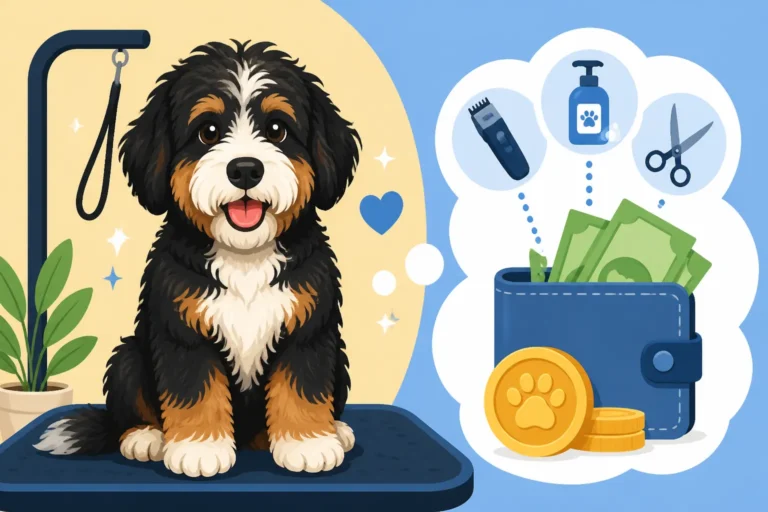
The Bernedoodle coat, while beautiful and often low-shedding, is not low-maintenance. This is especially true for Mini Bernedoodles, whose coats can range from wavy to curly and are prone to matting without regular care. You'll need a steady supply of good quality brushes (slicker and comb are essentials), dog-specific shampoo, and maybe even a detangling spray. However, for most owners, professional grooming is a necessity.
A professional groomer will bathe, dry, brush, clip, and tidy up your Bernedoodle's coat, usually every 6-8 weeks. Because of their size and coat density, Mini Bernedoodles still require a significant amount of time and skill from a groomer. What a Mini Bernedoodle Groom Costs can range from $70 to $150 or more per session, depending on your location, the groomer's experience, and the condition of your dog's coat. Over a year, these expenses can easily total $600-$1,200. Learning to do some basic brushing and dematting at home can help extend the time between professional grooms, but it's a commitment you absolutely must factor into your budget.
The Lifelong Expense of Food and Supplies
Feeding a growing and adult Mini Bernedoodle, even though they're smaller than their standard counterparts, is still a significant ongoing expense. They need high-quality dog food to support their health and energy levels. Brands like Chewy offer a vast selection of premium foods, and you'll want to choose one appropriate for their age and activity level. Many owners find themselves spending $50-$100 per month on food alone, and if you opt for fresh or specialty diets like those from Ollie, that cost can be considerably higher.
Beyond food, there's a constant need for supplies: a sturdy leash and collar, a comfortable bed (or two!), toys (which they will inevitably destroy and need replacing), treats for training and rewards, and dental chews. Don't forget about routine preventative care, such as flea, tick, and heartworm medications, which are typically monthly expenses. These essential items, while seemingly small individually, collectively add up to a substantial portion of What a Bernedoodle Costs Over Its Whole Life. It's crucial to have a realistic understanding of these ongoing needs before bringing your Mini Bernedoodle home.
Deciphering Breeder Practices and Health Guarantees
When considering a Mini Bernedoodle, the sheer difference in price points between breeders can be bewildering. You’ll see some puppies advertised for seemingly reasonable sums, while others are priced significantly higher. Often, this disparity comes down to the quality of the breeding practices and the assurances—or lack thereof—a breeder provides regarding the health of their puppies. Understanding these differences is paramount, as a cheaper puppy can often mean far greater expenses and heartache down the road if corners were cut.
The Importance of Parent Health Testing
A responsible breeder’s higher price for a Mini Bernedoodle isn't arbitrary; it directly reflects their commitment to the health of their breeding stock and, by extension, their puppies. Both Bernese Mountain Dogs and Poodles are susceptible to certain genetic health conditions that can be passed down to their offspring. For Bernese, this includes hip and elbow dysplasia, Von Willebrand's disease (a bleeding disorder), and certain cancers. Poodles can carry genes for conditions like progressive retinal atrophy (PRA), patellar luxation, and also hip dysplasia.
Reputable breeders invest thousands of dollars in health testing their adult breeding dogs. This means having their hips and elbows evaluated by organizations like OFA (Orthopedic Foundation for Animals) or PennHIP, conducting DNA tests for genetic diseases like Von Willebrand's Disease in a Bernedoodle and degenerative myelopathy, and regular eye exams. These tests are performed by specialists and veterinarians to ensure the parent dogs are clear of, or only carriers for, these inheritable conditions. When you pay a higher price for a Mini Bernedoodle, you're essentially helping to cover the cost of these crucial tests, which significantly reduce the likelihood of your puppy developing these painful and expensive diseases.
Understanding Your Breeder's Health Guarantee
A strong health guarantee is a hallmark of a responsible breeder and offers peace of mind. While the specifics can vary, a typical Bernedoodle health guarantee will cover genetic health conditions for a certain period, often one to two years from the puppy's birth date. Some even offer a more extensive guarantee for conditions like hip and elbow dysplasia. This means if your Mini Bernedoodle is diagnosed with a covered genetic condition within the specified timeframe, the breeder will offer a replacement puppy, a partial refund, or sometimes cover a portion of veterinary expenses.
It's vital to read and understand What a Bernedoodle Health Guarantee Covers before you commit to a puppy. Be wary of breeders who offer no health guarantee, or one that is extremely short (e.g., 72 hours for "general health"). This can be a strong indicator that they are not confident in the health of their lines. A good health guarantee isn't just a piece of paper; it’s a reflection of the breeder's dedication and accountability, ensuring they stand behind the puppies they produce.
The Role of Pedigree and Generation
The specific generation of a Bernedoodle (F1, F1b, F2, Multigen) and the pedigree of the parent dogs can also influence the price, especially for Mini Bernedoodles where the size reduction requires careful lineage planning. An F1 Bernedoodle (50% Bernese, 50% Poodle) is a first-generation cross. An F1b (75% Poodle, 25% Bernese) often has a curlier, more non-shedding coat, which is highly sought after by allergy sufferers, potentially increasing its price. Multigenerational Bernedoodles, bred over several generations to fine-tune traits like coat type, size, and temperament, also represent a significant investment in breeding expertise and often come with a higher price tag.
Breeders who can show a strong, healthy pedigree for both parent breeds, with documented health clearances extending back several generations, are investing in the genetic integrity of their puppies. This level of transparency and diligence allows them to command a higher price, and rightly so. While some breeders may offer a "size guarantee," it's important to remember that genetics aren't always 100% predictable, so understanding Whether Size Is Guaranteed in a Bernedoodle Contract can manage your expectations and prevent future disappointment.
Navigating Alternatives: Rescues and Rehoming
While purchasing a Mini Bernedoodle puppy from a reputable breeder is the most common path, it's not the only one. For various reasons, some Bernedoodles, including minis, find themselves in need of new homes through rescues or private rehoming. Exploring these alternatives can be a deeply rewarding experience, often providing a loving home to a dog in need and potentially coming with a different financial outlay compared to buying a puppy. However, it’s important to approach rescue with realistic expectations, as it comes with its own set of considerations.
The Reality of Bernedoodle Rescues
It might seem surprising, given their popularity, but Bernedoodles do turn up in rescues. Sometimes it's due to unforeseen life circumstances of their original owners—a move, a job change, a new baby, or an allergy that suddenly became unmanageable. Other times, it's because owners underestimated the grooming needs, the training commitment, or simply the size and energy of their "mini" doodle. While less common for Mini Bernedoodles compared to standards due to their compact size, they are still available.
Finding a dedicated Bernedoodle rescue can be challenging, as many operate regionally or as part of broader "doodle" or "Poodle mix" rescue organizations. These organizations often have a thorough application process, including home visits and vet checks, to ensure their dogs go to suitable homes. The advantage is that these dogs often come spayed/neutered, up-to-date on vaccinations, and sometimes even microchipped. The primary drawback can be the unknown history of the dog, though many rescues provide as much background as they know. Finding What a Bernedoodle Rescue Charges will give you an idea of the adoption fees, which are typically much lower than breeder prices but cover the costs the rescue incurred for the dog's care.
Adoption Fees and Their Value
The adoption fees for a Mini Bernedoodle from a rescue can vary significantly but are almost always substantially less than purchasing a puppy from a reputable breeder. You might expect to pay anywhere from $300 to $800, sometimes a bit more for a highly sought-after dog or a younger one. While this might seem like a bargain compared to the thousands charged by breeders, it’s important to understand what that fee covers.
Rescue adoption fees are not about profit. They are designed to offset the costs of vetting the dog, including spay/neuter surgery, necessary vaccinations, deworming, microchipping, and any medical treatments or surgeries the dog may have needed while in the rescue's care. They also help cover food, shelter, and transportation costs. When you pay an adoption fee, you're contributing to the sustainability of the rescue and helping them save more dogs. So, while it offers a different financial entry point, it’s still an investment in the dog's well-being. Looking into Whether Bernedoodle Adoption Fees Vary by Age can also give you insight into how fees might be structured.
Considering an Older Mini Bernedoodle
Opting for an older Mini Bernedoodle, whether through a rescue or private rehoming, can be an excellent choice for many reasons, including potentially lower costs. Older dogs often have a more established temperament, and their adult size and coat type are already evident. This eliminates some of the guesswork that comes with a puppy. Many older Bernedoodles may already be house-trained and have some basic obedience skills, which can be a huge bonus for busy families.
While the initial adoption fee for an older dog might be similar or slightly lower than a puppy from a rescue, the long-term cost benefits can be significant. They typically require less intensive initial training, are past the destructive puppy phase, and may be less prone to accidents that could require emergency vet visits. Of course, an older dog may also come with existing medical conditions that need ongoing management, so it’s crucial to get a full veterinary history and assessment before committing. Regardless of age, Whether Two Mini Bernedoodles Cost Less Than One Standard is a question to consider if you're thinking about adding multiple dogs to your home, as the combined expenses will still be substantial.
Bernedoodle Pricing: A Comparative Look
Here's a quick overview of how different factors can influence the price of a Bernedoodle, helping you understand the value proposition for a Mini.
| Factor | Standard Bernedoodle Price | Mini Bernedoodle Price | Notes |
|---|---|---|---|
| Base Price Range | $3,500 – $6,500 | $4,000 – $7,000+ | Mini often commands a premium due to breeding complexity and high demand. |
| Tri-Color Markings | Adds $500 – $1,500 | Adds $500 – $1,500+ | Highly sought after, reflects breeder skill in genetics. |
| Merle Pattern | Adds $1,000 – $2,500+ | Adds $1,000 – $3,000+ | Unique and requires careful, ethical breeding. |
| Breeder Reputation/Health Testing | Higher price reflects investment in parent health and puppy welfare. | Higher price reflects investment in parent health and puppy welfare. | Essential for healthy, well-adjusted puppies. |
| Health Guarantee | Included with reputable breeders. | Included with reputable breeders. | Provides peace of mind and breeder accountability. |
| Rescue/Adoption | $300 – $800 | $300 – $800 | Lower initial cost, covers vetting, but history may be unknown. What a Bernedoodle Rescue Charges is transparent. |
Disclaimer
This information is for general guidance only and should not be considered professional veterinary or financial advice. Puppy prices and associated costs can vary significantly based on location, breeder, individual dog characteristics, and economic factors. Always consult with a qualified veterinarian for specific health concerns and financial advisors for budgeting decisions.