The Premium a Tri Color Bernedoodle Carries
It’s a common scenario for many hopeful Bernedoodle owners: you’ve fallen head over heels for their charming personalities, their soft, wavy coats, and that undeniable goofy spirit. You start browsing puppies online, dreaming of bringing home your new furry family member. Then you notice something. Some puppies are priced significantly higher than others, and more often than not, it's those striking tri-color Bernedoodles that come with a heftier price tag. This can be incredibly frustrating and confusing, leaving you wondering if you're missing something crucial or if you're just being taken for a ride. This guide is here to unravel the mystery of why a tri-color Bernedoodle often carries a premium, helping you understand the factors at play and what to consider beyond just the initial sticker shock when searching for your perfect companion.
Understanding Bernedoodle Pricing Beyond Just Size
When you first start looking into bringing a Bernedoodle into your life, the price variations can feel like a labyrinth. It’s not just about standard versus mini, or even the generational split like F1 versus F1b. There’s a whole host of factors that contribute to what a breeder might ask for a puppy, and understanding these can really help you set realistic expectations and, more importantly, make a responsible choice.
The Baseline Cost of a Bernedoodle Puppy
Let's be upfront: Bernedoodles are not typically an inexpensive dog. Even a standard, solid-colored Bernedoodle puppy from a reputable breeder is going to represent a significant investment. This isn't just about the cuteness factor; it reflects the substantial time, effort, and financial outlay that goes into responsible breeding. Think about all the things a good breeder does: health testing the parent dogs, providing excellent prenatal care for the mother, ensuring proper nutrition, early socialization for the puppies, and all the necessary veterinary checks like deworming and first vaccinations. These aren't corners that should be cut, and these costs add up quickly.
Many people are surprised to learn that even a "plain" Bernedoodle can range anywhere from $2,500 to $4,000, depending on location, breeder reputation, and specific lineage. When you're dreaming of a Bernedoodle, it's wise to have this baseline in mind. If you see prices drastically lower than this, it should raise a red flag about what compromises might have been made in the breeding process. You might even find yourself looking at posts like The Thirty Five Hundred to Sixty Five Hundred a Standard Bernedoodle Costs to get a clearer picture of the general range.
Factors Influencing General Bernedoodle Pricing
Beyond the basic costs of responsible breeding, several other elements can influence the price of any Bernedoodle puppy, regardless of color. Size is a huge one, surprisingly. While larger dogs often come with higher ongoing costs (more food, bigger crates, higher grooming bills), smaller Bernedoodles – the minis and tiny Bernedoodles – often fetch a higher initial purchase price. This is largely due to the increased complexity and demand in breeding smaller versions of a large-breed cross. Breeding smaller dogs can also present more challenges during pregnancy and whelping, leading to higher veterinary costs for the breeder. This is why you often see discussions like Why a Mini Bernedoodle Costs More Than a Standard.
Another factor is the generation. An F1 Bernedoodle (50% Bernese, 50% Poodle) might be priced differently than an F1b (75% Poodle, 25% Bernese) or a Multigen. The F1b, for example, is often sought after for its higher likelihood of being non-shedding, which can drive up demand and, consequently, price. Location also plays a role; a breeder in a high-cost-of-living area might have higher overheads, which translate to higher puppy prices. Lastly, the reputation and experience of the breeder, including their track record of producing healthy, well-tempered dogs, can significantly impact their pricing structure.
The Illusion of a "Cheap" Bernedoodle
It's tempting to jump at a "bargain" when you see a Bernedoodle advertised for a suspiciously low price. Who wouldn't want to save a few thousand dollars? However, this is one area where the old adage "you get what you pay for" often holds tragically true. A breeder charging significantly less than the market average is almost certainly cutting corners somewhere. This could mean skipping vital health screenings for the parent dogs, leading to puppies with a higher risk of genetic diseases like hip or elbow dysplasia, or even cancer.
It might also mean poor living conditions for the breeding dogs and puppies, inadequate nutrition, or a lack of crucial early socialization. A puppy from such an environment might come with behavioral issues, fear, or aggression, requiring extensive and costly training down the line. Ultimately, saving a thousand dollars on the purchase price could easily lead to thousands, if not tens of thousands, in vet bills, behavioral therapy, and heartache. The initial investment in a well-bred puppy is an investment in a healthy, happy companion, and it’s a cost that truly pays dividends over the lifespan of your dog.
The Allure of the Tri-Color Bernedoodle
Among the myriad of Bernedoodle coat colors and patterns, the tri-color stands out as a particular favorite for many. Its striking appearance harks back to its Bernese Mountain Dog heritage, making it instantly recognizable and highly desirable. But what exactly defines this coveted pattern, and why does it captivate so many prospective owners?
What Defines a True Tri-Color Bernedoodle
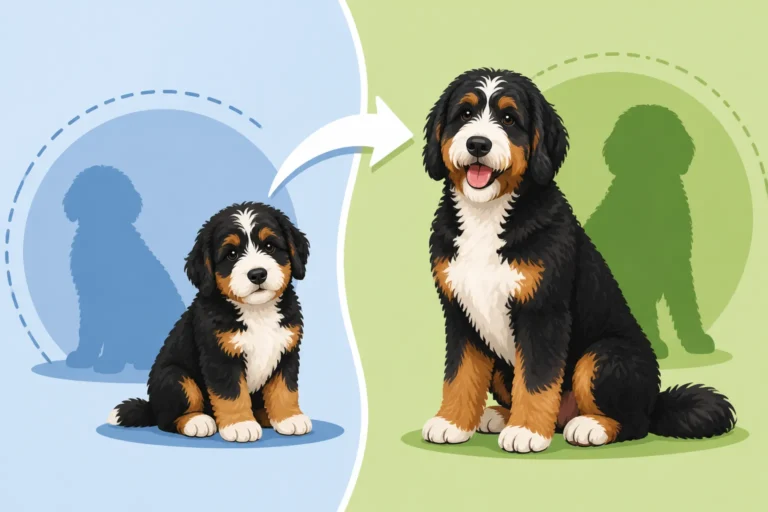
A true tri-color Bernedoodle is a stunning example of genetics at play, mimicking the classic markings of the Bernese Mountain Dog. This means a base coat of deep black, complemented by rich rust or tan markings, and crisp white patches. You'll typically see the white blaze running up the face, often extending into a collar around the neck, and covering the chest and paws. The rust or tan points usually appear on the eyebrows, cheeks, inside the ears, on the legs, and sometimes around the tail base. These distinct, clearly defined markings, often with a symmetrical quality, are what give the tri-color its iconic look.
It's not just about having three colors; it's about the placement and clarity of those colors. When a Bernedoodle is described as "tri-color," it implies this very specific pattern, derived directly from the Bernese parent. Breeders meticulously work to achieve these distinct markings, knowing how much they are valued by families looking for that quintessential Bernedoodle aesthetic.
The Aesthetic Appeal and Desirability
There's no denying the visual impact of a tri-color Bernedoodle. They embody the best of both worlds in terms of appearance for many people: the elegant Poodle conformation with the sturdy, charming color palette of the Bernese. The contrast of the dark black, warm rust, and pure white is simply beautiful and eye-catching. For many, it's the image that first comes to mind when they think of a Bernedoodle, making it the "ideal" look they are searching for.
This aesthetic appeal creates a significant demand. People fall in love with pictures of these striking puppies, often before they've even considered other coat variations. This high demand, coupled with the genetic complexities involved in consistently producing these markings, naturally drives up the price. It's a classic case of supply and demand, where a highly desired, somewhat challenging-to-produce trait commands a premium.
Comparing Traditional Tri-Color to Phantom or Sable
It's important to distinguish the traditional tri-color from other patterns that might superficially appear similar but are genetically different and often priced differently. Phantom-colored Bernedoodles, for example, also have two distinct colors in addition to a base color, but the markings are typically solid patches of color on specific areas – like eyebrows, muzzle, chest, and legs – without the distinct white patches of a true tri-color. A phantom might be black and tan, or chocolate and tan. While still beautiful, they lack the characteristic white "splash" of a traditional tri-color.
Sable Bernedoodles are another variation where individual hairs are banded with different colors, typically lighter at the base and darker at the tip, often giving them a shaded or "smoky" appearance. Their coat can change dramatically as they mature, often fading or lightening from their puppy color. While a sable can have tri-color points (referred to as "sable tri"), it's distinct from the classic black, white, and rust pattern. These other patterns, while popular in their own right, generally don't command the same consistent premium as the traditional tri-color, which is directly linked to the iconic Bernese appearance. Discussions like What a Phantom Bernedoodle Is Priced At or What a Sable Bernedoodle Sells For often highlight these distinctions in cost.
Genetic Realities Behind Tri-Color Markings
To truly appreciate why a tri-color Bernedoodle carries a premium, it helps to understand a little bit about the genetic lottery that goes into creating those beautiful markings. It's not as simple as mixing two dogs and hoping for the best; there are specific genes at play from both parent breeds that need to align just right.
The Bernese Mountain Dog's Influence on Tri-Color
The tri-color pattern is a hallmark of the Bernese Mountain Dog. Their iconic black, rust, and white markings are a fixed breed standard, meaning every purebred Bernese carries the necessary genes to express this pattern. Specifically, Bernese Mountain Dogs typically carry alleles for black base color (K locus), the tan point gene (at the A locus), and genes for white spotting (S locus). These genes are largely recessive or expressed in specific combinations that ensure the tri-color pattern is present in almost all Bernese puppies.
When breeding a Bernedoodle, the Bernese parent reliably contributes these genetic components. However, whether they are expressed in the Bernedoodle puppy in the same distinct way depends heavily on the Poodle's genetic contribution, which can sometimes overshadow or dilute these markings. The consistency of the Bernese tri-color is a strong foundation, but it's only half the equation in a crossbreed like the Bernedoodle.
The Role of Poodle Genetics in Color Expression
Poodles, on the other hand, come in a vast array of solid colors and patterns, but the traditional tri-color pattern seen in Bernese Mountain Dogs is not standard for them. Poodles carry many different genes that affect coat color and pattern, including genes for fading (G locus), dilutions (D locus), and various patterns like phantom or sable. When a Poodle is bred with a Bernese, the Poodle's dominant genes can sometimes interfere with the expression of the Bernese's tri-color genes.
For example, a Poodle might carry a fading gene, which could cause the Bernedoodle's black and even rust markings to "clear" or fade to silver or cream over time. A Poodle's solid color genes might also dominate, resulting in puppies that are bi-color (black and white) or even solid, despite having a tri-color Bernese parent. The interaction of these complex genes from two very different breeds is what makes predicting tri-color puppies a real challenge. This is often why questions arise like Whether an F1 Bernedoodle Can Be Tri Color, as the first generation can be quite varied.
Breeding Challenges for Consistent Tri-Color Coats
Given the complex interplay of genetics, consistently breeding Bernedoodles with clear, well-defined tri-color markings is far from simple. It requires an in-depth understanding of canine color genetics, careful selection of both Bernese Mountain Dog and Poodle parents, and sometimes, multiple generations of selective breeding. A breeder can't just cross any Bernese with any Poodle and expect a litter full of perfect tri-colors.
They need to select Poodles that carry specific recessive genes or are less likely to interfere with the tri-color expression. This might involve extensive genetic testing of the parent dogs to determine their exact color genotypes. Furthermore, even with careful planning, litters can still produce a mix of colors and patterns, making the truly classic tri-colors more rare within a given litter. This inherent difficulty in achieving the desired outcome contributes significantly to the premium price. Breeders invest heavily in genetic testing, health clearances, and sometimes even traveling to find the right breeding partners, all of which factors into the cost of their puppies.
Why Tri-Color Bernedoodles Command a Higher Price Tag
The demand for tri-color Bernedoodles isn't just a fleeting trend; it's a consistent preference among many prospective owners. This sustained interest, combined with the inherent challenges of breeding, creates a unique market dynamic where these particular puppies naturally carry a higher price tag.
The Supply and Demand Dynamic
It really boils down to basic economics: supply and demand. The demand for tri-color Bernedoodles is incredibly high. People often fall in love with the classic Bernese Mountain Dog markings and want that look in a low-shedding, Poodle-infused companion. This strong desire means that many families specifically seek out tri-color puppies, often willing to wait longer and pay more to get exactly what they envision.
On the other side of the coin, the supply of consistently well-marked tri-color Bernedoodles from reputable breeders is inherently limited. As discussed, achieving those perfect black, white, and rust patterns isn't a guarantee in every litter, even with the most careful genetic planning. Therefore, when a litter does produce several beautifully marked tri-colors, the breeder knows they are highly sought after. This imbalance of high demand and limited supply is the primary driver behind the premium pricing. You'll often see breeders with long waiting lists specifically for tri-color puppies, further reinforcing their value. This plays directly into what's discussed in articles like What Tri Color Adds to a Bernedoodle's Price.
Breeder Expertise and Investment in Tri-Color Lines
Producing desirable tri-color Bernedoodles isn't just luck; it's a testament to a breeder's expertise, experience, and significant investment. Reputable breeders who consistently produce healthy, well-tempered, and beautifully marked tri-colors aren't just crossing two dogs. They are carefully selecting breeding pairs based on extensive health clearances, temperament assessments, and a deep understanding of canine genetics.
This investment includes:
- Genetic Testing: Ensuring both parents carry the right color genes and are free from hereditary diseases. This isn't cheap.
- Higher Stud Fees: Sometimes, a breeder might need to use a stud dog with specific, proven tri-color genetics, which can come with a higher stud fee compared to a solid-colored Poodle stud.
- Time and Research: Years of experience go into understanding how to pair dogs to achieve certain traits, including coat color. This knowledge is invaluable.
- Quality Care: Providing top-tier nutrition, veterinary care, and early neurological stimulation for the puppies, ensuring they are healthy and well-adjusted.
All these factors represent a significant financial and time commitment on the part of the breeder. The higher price for a tri-color Bernedoodle reflects this added investment and expertise, ensuring you're getting a puppy from a carefully planned and executed breeding program.
Perceived Rarity and Uniqueness
While tri-color Bernedoodles might not be truly "rare" in the sense of being endangered, they are certainly less common than solid black, bi-color (black and white), or even some merle patterns within many Bernedoodle litters. The specific combination of genes required to produce that classic Bernese tri-color pattern, especially with clear, distinct markings, means fewer puppies in a given litter might fit this description perfectly.
This perceived rarity and uniqueness contribute to the premium. People often feel a sense of exclusivity or specialness in owning a tri-color, and this emotional connection can influence their willingness to pay more. It's similar to how certain limited edition items or designer goods command higher prices because of their unique appeal and less common availability. For many, the tri-color isn't just a color pattern; it's a statement, a visual representation of the best of the Bernedoodle blend.
Other Color and Marking Variations and Their Cost Impact
While the tri-color may often be at the top of the price ladder, it's far from the only beautiful coat option available in the Bernedoodle world. Understanding the other variations and their typical price points can help you broaden your search and potentially find a wonderful companion that fits your budget and aesthetic preferences.
Merle Bernedoodles and Associated Health Concerns/Costs
Merle Bernedoodles, with their striking splotchy or marbled coats (often blue merle, red merle, or sable merle), are also incredibly popular and often command a premium similar to, or even exceeding, that of tri-colors. The merle gene creates unique and highly sought-after patterns, and sometimes even blue eyes. However, breeding merle dogs comes with significant responsibilities and potential health concerns that breeders must be acutely aware of.
The merle gene can carry risks, particularly if two merle dogs are bred together (known as a "double merle" breeding). Double merle dogs have a very high likelihood of being born with severe health issues, including deafness, blindness, and other ocular defects. Responsible breeders will never breed two merle dogs together. They will always breed a merle dog with a non-merle dog. This careful selection and genetic testing (to identify merle carriers and avoid dangerous pairings) adds another layer of complexity and cost to breeding merle Bernedoodles. Therefore, when you see What a Merle Bernedoodle Is Priced At, it reflects not just the aesthetic appeal but also the ethical breeding practices required to minimize health risks. If a merle puppy is offered at a very low price, it's crucial to question the breeder's practices and ensure they understand the genetics involved.
Phantom and Sable Bernedoodles: Subtle Variations
Phantom Bernedoodles, as mentioned earlier, display distinct markings similar to a Doberman Pinscher or Rottweiler, with tan or rust points on a darker base coat (black, blue, or chocolate). These markings appear on the muzzle, chest, legs, and above the eyes, without the characteristic white of a tri-color. Sable Bernedoodles have a coat where individual hairs are shaded, typically lighter at the base and darker at the tip, giving them a rich, often changing, appearance. They can also come in "sable tri," meaning they have the sable shading with the additional tan points and white markings.
These patterns are also very attractive and often quite popular, but they tend to fall into a mid-range pricing category compared to the top-tier tri-color or merle. They are beautiful, unique, and often quite striking, offering a fantastic alternative for those who love intricate markings but might find the tri-color or merle prices a bit steep. Their genetic expression can also be complex, requiring careful breeding, but perhaps with slightly less consistent demand-driven inflation than the classic tri-color.
Solid and Bi-Color Bernedoodles: Often More Affordable
On the other end of the spectrum, solid-colored Bernedoodles (most commonly black, but also chocolate, gray, or red) and bi-color Bernedoodles (typically black and white, or sometimes brown and white) are generally the most affordable options. This isn't because they are any less healthy, well-tempered, or loving! It's simply because the genetics for these colors are often more straightforward to achieve, and they might not have the same level of overwhelming demand as the more intricate patterns.
A solid black Bernedoodle with its deep, luxurious coat can be absolutely stunning. A bi-color, often resembling a classic "tuxedo" pattern, is also very charming. For families prioritizing temperament, health, and the wonderful Bernedoodle personality over a specific coat color, these options present a fantastic opportunity. You can often find an equally wonderful companion at a more accessible price point, proving that sometimes, less "flashy" doesn't mean less value.
Navigating the Bernedoodle Breeder Landscape
Finding a Bernedoodle, especially one with specific traits like a tri-color coat, can feel overwhelming. The internet is flooded with breeders, but not all are created equal. It's crucial to understand what distinguishes a responsible, ethical breeder from those who are simply trying to capitalize on the breed's popularity. This discernment is perhaps the most important part of your journey, far outweighing the appeal of a specific coat color or an initially lower price tag.
Red Flags: What to Watch out for in Pricing
When you're comparing Bernedoodle prices, be vigilant for red flags that could indicate a less-than-reputable breeder or even a puppy mill.
- Unusually Low Prices: As discussed, if a tri-color Bernedoodle (or any Bernedoodle) is advertised for significantly below the typical market rate (e.g., under $2,000 for a standard), proceed with extreme caution. This is often a sign of cut corners, lack of health testing, or poor puppy care.
- "Bargain" Deals for Specific Colors: While prices vary, a breeder aggressively discounting certain colors or consistently having "sales" on puppies can be a warning sign. Reputable breeders usually have waiting lists and don't need to resort to heavy discounting.
- Lack of Transparency: If a breeder is evasive about parentage, health testing results, or where the puppies are raised, that's a huge red flag. A good breeder will be open and proud of their program.
- Multiple Litters and Breeds: Be wary of operations that seem to churn out many litters of various "designer" breeds simultaneously. This can indicate a commercial breeding operation rather than a dedicated, ethical breeder.
- No Application Process: A responsible breeder will vet you just as much as you're vetting them. If they're willing to sell a puppy to anyone with cash, it's a sign they don't truly care about finding the right homes.
What a Reputable Breeder Invests In
A reputable Bernedoodle breeder invests heavily, not just financially but emotionally and intellectually, in their breeding program. This investment directly translates to the quality, health, and temperament of the puppies they produce, and it's a major reason why their puppies come with a higher price tag – including those coveted tri-colors.
- Parent Dog Selection & Health Testing: This is paramount. They invest in rigorous health testing for both the Bernese Mountain Dog and Poodle parents, screening for conditions common to both breeds like hip and elbow dysplasia, eye conditions (The Eye Conditions a Bernedoodle Is Tested For), cardiac issues, and genetic diseases such as Von Willebrand's Disease and Degenerative Myelopathy. This can cost thousands of dollars per parent dog. These are tests a breeder has already paid for, as you might read in What a Bernedoodle Breeder Has Already Paid For.
- Optimal Care for Breeding Dogs: Their breeding dogs are cherished family members, not just commodities. They receive high-quality food (like options from Chewy's premium lines or Ollie's fresh food subscriptions), regular veterinary care, and live in clean, loving environments.
- Prenatal and Postnatal Care: The mother dog receives excellent nutrition and vet care throughout pregnancy, and the puppies are raised in a clean, stimulating environment with proper nutrition and early socialization.
- Veterinary Care for Puppies: Puppies receive multiple dewormings, first vaccinations, and a thorough vet check before going home.
- Support and Education: A good breeder provides ongoing support and guidance to new puppy owners and is knowledgeable about the breed. They will readily answer questions about your puppy's transition and care.
The Importance of Health Testing and Guarantees
This really cannot be stressed enough: health testing of parent dogs is non-negotiable. A breeder who claims their dogs are "vet checked" is not the same as one who provides OFA (Orthopedic Foundation for Animals) or PennHIP clearances for hips and elbows, DNA test results for genetic diseases, and regular eye exams (CAER/CERF). These tests significantly reduce the risk of passing on debilitating conditions to puppies. For instance, knowing if parents are clear of Degenerative Myelopathy Both Bernedoodle Parents Can Carry or Von Willebrand's Disease in a Bernedoodle is crucial.
A reputable breeder will not only perform these tests but will be transparent with the results, often providing copies of certifications. They will also offer a health guarantee, typically covering genetic health issues for the first one to two years of the puppy's life. This guarantee, as explored in What a Bernedoodle Health Guarantee Covers, offers peace of mind and demonstrates the breeder's confidence in the health of their lines. While it adds to the initial puppy cost, it's a crucial investment that can save you immense heartache and thousands of dollars in veterinary bills down the road.
Beyond the Purchase Price: The True Cost of a Bernedoodle
The initial purchase price of a Bernedoodle, whether it’s a coveted tri-color or another stunning variation, is just the beginning of your financial commitment. Many prospective owners are so focused on this upfront cost that they underestimate the substantial ongoing expenses involved in raising a large, long-lived, and often high-maintenance breed. Understanding the true cost of ownership is essential for responsible planning.
Ongoing Grooming Expenses for Doodles
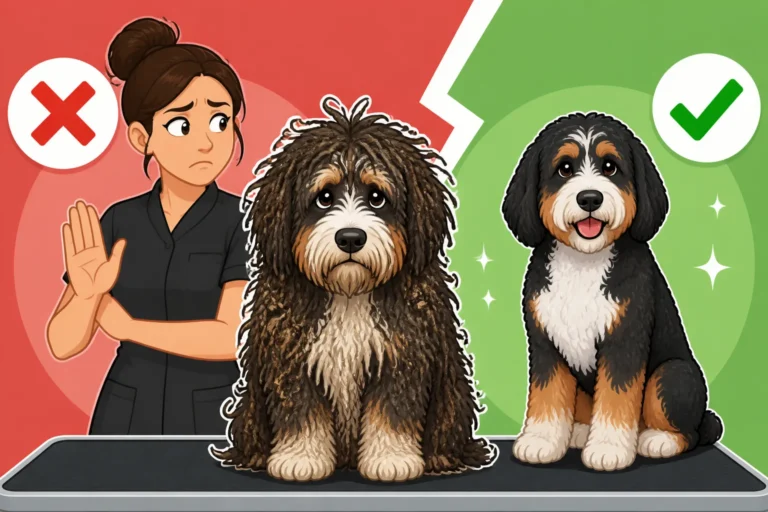
Bernedoodles, especially those with the signature wavy or curly Poodle-like coats, are notorious for their grooming needs. Their non-shedding (or very low-shedding) coats grow continuously and are prone to matting, requiring regular professional grooming every 6-8 weeks. A standard Bernedoodle, being a large dog, will cost significantly more to groom than a small breed.
You can expect to pay anywhere from $70 to $150 or more per professional groom, depending on your location, the groomer's rates, and the condition of your dog's coat. This includes bathing, drying, brushing, clipping, nail trims, and ear cleaning. Over a year, this adds up to a substantial sum, easily reaching Six Hundred to Twelve Hundred a Year Grooming a Bernedoodle. If a Bernedoodle's coat becomes severely matted due to lack of regular brushing at home, the groomer might need to perform a costly "shave down," which can be even more expensive and stressful for the dog. Investing in quality at-home grooming tools like slicker brushes, combs, and a good detangling spray is crucial to minimize professional grooming costs and keep your dog comfortable between appointments.
Food, Supplies, and Veterinary Care
Feeding a standard Bernedoodle, which can easily reach 70-90 pounds, is another significant ongoing expense. They require high-quality large-breed dog food to support their growth and maintain their health. Brands available through Chewy or even specialized fresh food services like Ollie can be excellent choices, but they come at a price. A 30-pound bag of premium kibble might last only a few weeks, costing $60-$80 or more per month. Over a year, this can be $700-$1,000+ just for food.
Beyond food, you'll need to budget for:
- Supplies: A large crate, bed, leash, collar, bowls, toys, and grooming tools.
- Routine Veterinary Care: Annual check-ups, vaccinations, parasite prevention (flea, tick, heartworm), which can easily run several hundred dollars a year.
- Unexpected Vet Bills: This is where the true financial surprise often lies. Accidents, illnesses, or the emergence of genetic conditions can lead to emergency vet visits, diagnostic tests, medications, and surgeries that can quickly run into the thousands. Even with a well-bred dog, life happens. This is why considering What a Bernedoodle Costs Over Its Whole Life is so important.
The Value of Pet Insurance
Given the potential for high veterinary costs, especially with large breeds that can be prone to conditions like bloat, cancer, or orthopedic issues (Hips on a Ninety Pound Bernedoodle or Elbow Dysplasia in a Growing Bernedoodle), pet insurance is a financial lifesaver for many Bernedoodle owners. While it's an additional monthly premium, it can provide invaluable peace of mind and prevent you from having to make agonizing financial decisions during a medical crisis.
Policies from providers like Healthy Paws can cover a significant portion of unexpected vet bills for accidents and illnesses, including surgeries, emergency care, diagnostics, and prescriptions. While it doesn't cover pre-existing conditions, enrolling your Bernedoodle when they are a puppy ensures maximum coverage. The premiums will vary based on your dog's age, breed, and your location, but it's a wise investment that can literally save your dog's life without draining your savings. Think of it as an essential part of your Bernedoodle budget, similar to insuring yourself or your home. It's truly a critical consideration, especially when you think about topics like Insuring a Bernedoodle Against the Bernese Half due to the genetic predispositions of the parent breeds.
| Cost Category | Initial Purchase (Range) | Monthly/Annual Ongoing Cost (Estimate) | Notes |
|---|---|---|---|
| Puppy Price | $2,500 – $6,000+ (Tri-color often higher) | N/A | Varies by breeder, size, color, health testing, location. |
| Food | N/A | $60 – $100/month | For high-quality large breed kibble. May be higher for fresh food. |
| Grooming | N/A | $70 – $150 per session (every 6-8 weeks) | Essential for non-shedding coats to prevent matting. |
| Routine Vet Care | N/A | $200 – $500/year | Annual check-ups, vaccinations, parasite prevention. |
| Pet Insurance | N/A | $40 – $100/month | Highly recommended for unexpected illnesses/accidents, covers major vet bills. |
| Supplies (Initial) | $300 – $800 | N/A | Crate, bed, leash, collar, toys, bowls, initial grooming tools. |
| Training | $150 – $500+ (optional) | N/A | Puppy classes, private lessons. Can be ongoing if behavioral issues arise. |
| Total First Year | $3,500 – $8,500+ | N/A | Includes purchase, initial supplies, first year of food, grooming, vet, insurance. |
| Total Lifetime | N/A | $20,000 – $40,000+ | Estimates based on 10-12 year lifespan, highly variable depending on health and lifestyle. |
Making an Informed Decision About Your Bernedoodle
Bringing a Bernedoodle into your home is a decade-plus commitment filled with love, laughter, and yes, significant responsibility. While the allure of a stunning tri-color coat is undeniable, making an informed decision means looking beyond aesthetics and prioritizing the long-term well-being of your future companion. It's about ensuring a happy, healthy life for your dog and a rewarding experience for your family.
Prioritizing Health and Temperament Over Color
It's easy to get fixated on the "perfect" coat color or markings, especially with a breed as visually appealing as the Bernedoodle. However, the most beautiful puppy in the world won't bring joy if it's plagued by chronic health issues or displays problematic temperament traits. Responsible ownership dictates that health and temperament should always be the top priorities when selecting a puppy.
A healthy Bernedoodle, born from extensively health-tested parents, will save you immense emotional distress and financial burden down the line. A well-socialized puppy with a stable temperament will integrate seamlessly into your family, be a joy to train, and become a beloved companion. Focus on finding a breeder who places these values above all else, regardless of whether their current litter has many tri-colors or not. Sometimes, the most loving and well-adjusted dog might be a solid black or bi-color, and it will bring just as much, if not more, happiness. Remember, a Bernedoodle's personality and health will define your life together far more than the pattern of its fur.
Researching Breeders Thoroughly
This is perhaps the most critical step in your Bernedoodle journey. Do not rush into choosing a breeder, especially not based solely on puppy availability or price. Thorough research is paramount.
- Ask for Health Clearances: Insist on seeing official documentation for OFA or PennHIP certifications for hips and elbows, eye certifications (CAER), and DNA testing for common genetic diseases. A reputable breeder will be happy to provide these.
- Visit the Breeder (Virtually or In-Person): If possible, visit the breeder's facility to see where the dogs live and how the puppies are raised. Observe the temperament of the parent dogs if they are on-site. If an in-person visit isn't possible, ask for video tours and multiple video calls.
- Ask Detailed Questions: Inquire about their breeding philosophy, the socialization process for puppies, the puppy's diet, and their lifetime support policy. A good breeder will ask you plenty of questions too, ensuring their puppies go to suitable homes.
- Check References: Ask for references from previous puppy buyers. Social media groups dedicated to Bernedoodles can also be a good place to find reviews and experiences with different breeders.
- Understand Contracts and Guarantees: Carefully read the breeder's contract and health guarantee. Understand what it covers (and doesn't cover) and for how long.
A breeder who is transparent, knowledgeable, and genuinely cares for their dogs is worth waiting for and paying a premium for, regardless of the puppy's color.
Budgeting for a Lifelong Companion
Finally, be realistic about the lifelong financial commitment of a Bernedoodle. The premium for a tri-color is just one small part of the overall expense. Create a comprehensive budget that includes not only the purchase price but also estimated costs for:
- Food: High-quality nutrition for a large breed.
- Grooming: Regular professional grooming sessions.
- Veterinary Care: Routine check-ups, vaccinations, and emergency funds.
- Pet Insurance: An essential safety net for unexpected medical events.
- Supplies: Crate, bed, toys, leashes, and training tools.
- Training: Puppy classes, obedience training, or behavioral consultation if needed.
By budgeting realistically and considering all these factors, you ensure that you are fully prepared to provide a loving, stable, and healthy home for your Bernedoodle, whether they have those striking tri-color markings or another equally charming coat. Your commitment to their well-being will be the truest measure of your investment.
Disclaimer
The information provided in this article is for general informational purposes only and does not constitute professional veterinary advice. Always consult with a qualified veterinarian or animal health professional for any questions or concerns regarding your pet's health and well-being.