What a Sable Bernedoodle Sells For
Bringing a Bernedoodle into your family is an incredibly exciting prospect, but as you dive into your research, you quickly realize that the price tags can be wildly different, and specific coat colors like sable seem to have their own unique market. It's frustrating to navigate the varied pricing, especially when you're trying to understand what factors truly contribute to a fair and responsible cost for your future furry family member. This guide aims to demystify the pricing of a sable Bernedoodle, helping you understand not just the initial purchase price but also the significant ongoing costs involved in caring for this wonderful crossbreed.
Understanding the Bernedoodle Price Tag Beyond Color
Before we delve specifically into the beautiful sable coat, it’s essential to understand the foundational elements that contribute to the overall price of any Bernedoodle. There's a reason these puppies aren't generally found at bargain-basement prices, and it often comes down to the immense effort and ethical practices of responsible breeders.
The Baseline Cost of a Quality Bernedoodle Puppy
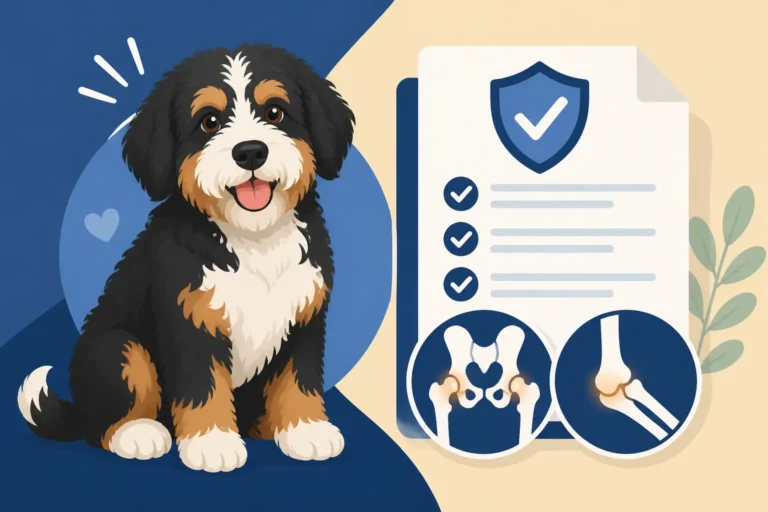
When you start looking for a Bernedoodle, you'll notice a significant range in initial purchase prices. This isn't just arbitrary; it reflects the breeder's investment in their breeding program. A well-bred Bernedoodle, regardless of color, comes from parents who have been rigorously health-tested for genetic conditions common to both Bernese Mountain Dogs and Poodles. This testing isn't cheap, but it’s absolutely crucial to ensuring a healthy puppy and reducing the likelihood of heartbreaking and expensive health issues down the line. We’re talking about clearances for hips, elbows, eyes, heart, and genetic conditions like Von Willebrand's disease and degenerative myelopathy.
Beyond health testing, consider the general care for the breeding dogs and the puppies. This includes high-quality nutrition, regular veterinary check-ups, appropriate vaccinations and deworming for the puppies, and providing a clean, stimulating environment for their crucial early weeks. All of these elements contribute to the baseline cost you see. When you see what a standard Bernedoodle sells for, it’s really about the breeder's dedication to the health and well-being of their dogs.
Why Reputable Breeders Charge What They Do
Reputable breeders aren’t just selling puppies; they are investing a tremendous amount of time, energy, and financial resources into producing healthy, well-socialized companions. Their pricing reflects this commitment. They spend countless hours researching pedigrees, ensuring genetic diversity, planning breedings, and caring for pregnant dams and newborn puppies around the clock. They also provide early socialization, which is critical for developing a stable temperament. This often includes exposure to various sounds, textures, people, and other animals.
Think of it this way: a responsible breeder considers themselves a steward of the breed, aiming to improve it and ensure the puppies they produce are set up for success in their new homes. They often offer lifetime support, advising new owners on everything from training tips to dietary needs. This comprehensive approach differentiates them from backyard breeders or puppy mills, who often cut corners on health testing, socialization, and overall care, leading to cheaper upfront prices but potentially devastating long-term costs and heartbreak for owners.
The "Too Good to Be True" Red Flags
It’s tempting to be swayed by a lower price tag, especially when Bernedoodles can be a significant investment. However, if a price seems drastically lower than the general market, consider it a major red flag. There are listings for a Bernedoodle advertised at eight hundred dollars, for example, that are almost always associated with concerning breeding practices. These breeders often skip essential health clearances, leading to puppies with a higher risk of expensive genetic conditions like hip or elbow dysplasia.
They might also house dogs in unsanitary conditions, neglect early socialization, or mislead prospective buyers about the puppy's true parentage or health history. An untested Bernedoodle litter is often a gamble with your finances and your heart. Always be wary of breeders who:
- Can't provide verifiable health clearances for both parents.
- Don't allow you to visit their facility or meet the puppy's parents (if geographically feasible).
- Offer multiple breeds constantly, suggesting a high-volume operation.
- Demand immediate payment without a clear contract.
- Don't ask you many questions about your living situation or experience with dogs, as a good breeder wants to ensure their puppies go to suitable homes.
If something feels off, it almost certainly is. Investing a little more upfront in a well-bred puppy often saves you a fortune in vet bills and behavioral training down the road.
Deciphering the Sable Coat and Its Market Value
Now that we've set the stage for general Bernedoodle pricing, let's talk about the specific allure and cost implications of the sable coat. It's a truly beautiful and dynamic color pattern, but it also comes with its own set of characteristics and price tendencies.
What Exactly is a Sable Bernedoodle?
A sable Bernedoodle is characterized by a coat where each individual hair strand has multiple colors, typically darker tips that fade into lighter bases. This creates a beautiful, often smoky or shaded effect. Imagine the rich, complex fur of some wild animals – that’s the kind of depth a sable coat can have. The darkest color, usually black, is concentrated at the tips, while the base of the hair can be shades of tan, cream, or silver. This gives the dog an incredibly unique and often striking appearance that really stands out from the more common black, bi-color, or tri-color Bernedoodles.
The sable pattern can appear in various base colors, leading to different sable variations like black sable, blue sable, or even chocolate sable, each with its own subtle nuances. The depth and clarity of the sable markings can also vary greatly, from a very distinct shading to a more subtle, washed-out look. It’s a color pattern that carries a certain mystique and is highly sought after by many potential owners who appreciate its distinctive beauty.
How Sable Compares to Other Bernedoodle Colors in Price
Generally speaking, sable Bernedoodles often fall into a similar price bracket as other "designer" or less common color patterns like phantom or merle. While traditional black and white or solid black Bernedoodles might be at the lower end of the Bernedoodle price spectrum (though still a significant investment!), the more intricate or rarer patterns tend to command a premium. This isn't necessarily because sable is "harder" to breed in the same way that certain genetic health clearances might be, but rather because of supply and demand.
The striking appearance of a sable coat makes it highly desirable. Many breeders find that puppies with unique color patterns like sable, phantom, or certain merle variations are in higher demand, and this demand naturally influences their pricing. So, while a black and white Bernedoodle costs a certain amount, a sable Bernedoodle might be positioned towards the higher end of the typical Bernedoodle price range.
The Fading Factor: What Happens to Sable as They Mature
One of the most fascinating, and sometimes surprising, aspects of the sable Bernedoodle coat is its tendency to "fade" or change as the dog matures. Unlike solid colors or distinct tri-color markings that often remain relatively stable, the sable pattern can evolve significantly from puppyhood to adulthood. Those dark tips that give a sable puppy its rich, almost charcoal appearance might lighten considerably over time, revealing more of the underlying cream or tan base color.
This fading isn't a defect; it's a natural genetic characteristic linked to the sable gene. It means the adorable, dark-tipped sable puppy you bring home might develop a much lighter, softer, more "buff" or "silver" sable appearance as it sheds its puppy coat and grows its adult fur. Some owners are surprised by this transformation, expecting the puppy’s vibrant color to remain. Reputable breeders will often educate prospective buyers about this potential change, ensuring transparency and managing expectations. If you’re considering a sable, embrace the possibility of a beautiful color evolution, as whether a sable Bernedoodle fades is a common question, and the answer is usually yes, to some degree.
Factors That Influence a Sable Bernedoodle's Price
Beyond the specific appeal of the sable coat itself, several other critical factors play a significant role in determining the final price of your Bernedoodle puppy. These elements are a combination of genetics, market demand, and the breeder’s operational costs and ethical standards.
Generation and Parentage: F1, F1b, and Beyond
The generation of a Bernedoodle refers to its parentage and genetic makeup, and this can definitely impact the price, sometimes even more so than color.
- F1 Bernedoodles: These are first-generation crosses, meaning one parent is a purebred Bernese Mountain Dog and the other is a purebred Poodle. They are often highly sought after for their "hybrid vigor," which is the belief that crossing two purebreds can lead to healthier offspring. An F1 Bernedoodle can also be tri color, and they tend to have a good mix of traits from both parent breeds.
- F1b Bernedoodles: This generation is a backcross, meaning an F1 Bernedoodle is bred back to a purebred Poodle (or sometimes a Bernese, though less common for coat traits). F1b puppies typically have more Poodle characteristics, including a curlier, often less-shedding coat, which is highly desirable for allergy sufferers. This increased likelihood of a hypoallergenic coat can sometimes push their price higher, as demand is significant.
- Multigen Bernedoodles: These are subsequent generations, such as F2, F3, or F1bb, where both parents are Bernedoodles, or one parent is an F1b and the other is a Poodle, and so on. Breeding multigens involves more complex genetics and often requires extensive testing to predict traits and ensure health. While some multi-generation puppies may have very consistent coats, others might revert to shedding more like a Bernese.
The complexity of breeding for specific traits across generations, especially hypoallergenic coats and desired colors like sable, means that F1b and multigen Bernedoodles with predictable characteristics often fetch a slightly higher price than F1s.
Size Matters: Standard, Mini, and Tiny Sables
It might seem counterintuitive, but often the smaller the Bernedoodle, the higher the price. This is particularly true for mini and tiny sable Bernedoodles.
- Standard Bernedoodle: These are the largest, typically weighing 70-90+ pounds. They are wonderful dogs, but their size can be a barrier for some living situations, making them slightly less expensive than their smaller counterparts. What a standard Bernedoodle sells for is still a substantial amount, reflecting all the care and breeding efforts.
- Mini Bernedoodle: Ranging from roughly 25-50 pounds, the Mini Bernedoodle is a popular size, offering a more manageable dog for many families and homes. This increased demand often translates to a higher price point. What a mini Bernedoodle sells for tends to be more than a standard.
- Tiny Bernedoodle: These are the smallest, usually under 25 pounds, and are the most expensive. Breeding tiny Bernedoodles requires breeding down the size over several generations, often using Miniature or Toy Poodles, which is a more intricate and labor-intensive process for breeders. The demand for these pint-sized companions, coupled with the specialized breeding involved, drives their price significantly higher.
So, while you might find a stunning sable coat on any size, expect to pay more for that sable pattern if it comes in a mini or tiny package.
Breeder Reputation, Health Clearances, and Guarantees
As touched upon earlier, a breeder's reputation and their commitment to ethical practices are paramount, and they directly influence the puppy's price. A breeder who proudly displays the five clearances a Bernedoodle breeder should have for their breeding stock—hips, elbows, eyes, heart, and genetic disease panels (like Von Willebrand's and DM)—is investing heavily in the health of their puppies. This investment is reflected in the price.
A responsible breeder also provides a comprehensive health guarantee as part of their contract, which offers peace of mind regarding certain genetic health conditions for a specified period. This transparency and accountability are invaluable. They will also be transparent about their practices, allowing potential buyers to visit and see the conditions the puppies are raised in.
In contrast, a breeder offering a much lower price might be skipping these vital steps, increasing the risk of your puppy inheriting costly and painful conditions. Ultimately, the higher price from a reputable breeder is an investment in your puppy's long-term health and well-being, potentially saving you tens of thousands of dollars in vet bills over their lifetime. Whether an untested Bernedoodle litter is worth buying is a crucial question to ask yourself – and generally, the answer is no.
Beyond the Initial Purchase: The Ongoing Costs of Owning a Sable Bernedoodle
Bringing home a sable Bernedoodle isn't just about the initial purchase price. These wonderful dogs, especially with their unique coats and generally larger sizes, come with significant ongoing expenses. It's crucial to budget for these commitments to ensure your Bernedoodle lives a happy, healthy life.
Grooming: The Sable Coat's Specific Needs
One of the most underestimated costs of owning a Bernedoodle, regardless of color, is grooming. And a sable coat, with its potential for varying textures and density, is no exception. Bernedoodles are known for their thick, often wavy or curly coats that, while beautiful, are prone to matting if not regularly maintained. This is particularly true during their "coat change" phase, typically between 6-18 months, when the soft puppy fluff is replaced by a denser adult coat.
Professional grooming is essential every 6-8 weeks for most Bernedoodles to keep their coats healthy and tangle-free. What a Bernedoodle groom costs every six weeks can vary depending on your location and the size of your dog, but it's a recurring expense you must factor in. For a standard Bernedoodle, these sessions can last several hours, involving bathing, drying, brushing, clipping, and ear cleaning. The monthly hours a standard Bernedoodle's coat takes to maintain yourself between professional grooms is also considerable, requiring daily or every-other-day brushing with the right tools. Failing to keep up with grooming can lead to painful mats that necessitate a full shave-down, which is often more expensive and can be stressful for the dog.
Feeding a Growing (and Grown) Bernedoodle
Bernedoodles, especially standard-sized ones, can grow to be quite large, and feeding a dog that will reach ninety pounds requires a substantial food budget. During their rapid growth phase as puppies, they need high-quality large-breed puppy food formulated to support healthy skeletal development and prevent rapid growth that can exacerbate joint issues like hip or elbow dysplasia.
As they mature, they transition to adult formulas. How much an adult Bernedoodle eats will depend on their size, activity level, and metabolism, but it will be a significant amount of food daily. Choosing a high-quality kibble from reputable brands available through retailers like Chewy ensures they get the necessary nutrients. Some owners also opt for fresh or raw food diets, which can be even more expensive, but offer excellent nutrition. Brands like Ollie deliver fresh, human-grade food right to your door, but the cost for a large Bernedoodle can add up quickly. Regardless of your choice, a healthy diet is fundamental to your Bernedoodle's overall health and energy levels.
Veterinary Care and Health Insurance Considerations
Routine veterinary care is a non-negotiable expense. This includes annual check-ups, vaccinations, parasite prevention (heartworm, flea, and tick), and regular dental care. For a large breed like a Bernedoodle, these costs can accumulate. Moreover, despite the best efforts of reputable breeders, no dog is entirely immune to health issues. Bernedoodles, being a mix of Bernese Mountain Dog and Poodle, can still be susceptible to conditions prevalent in either parent breed, such as cancer, bloat, or orthopedic problems like hip and elbow dysplasia.
This is where pet health insurance becomes an invaluable tool. What insuring a standard Bernedoodle runs can vary, but it's a worthwhile investment that can provide peace of mind in the face of unexpected emergencies or chronic illnesses. Companies like Healthy Paws offer comprehensive plans that can cover a significant portion of veterinary bills for accidents, illnesses, and even some emergency treatments. Without insurance, a single major surgery or prolonged treatment could cost thousands of dollars, placing a huge financial burden on owners. Planning for these potential expenses is a crucial part of responsible Bernedoodle ownership.
Finding a Reputable Breeder for Your Sable Bernedoodle
The journey to finding your sable Bernedoodle should begin with a thorough search for a reputable breeder. This isn't just about finding a puppy; it's about partnering with someone who prioritizes the health, temperament, and ethical breeding of these wonderful dogs.
Questions to Ask About Health Testing and Pedigree
When you're speaking with a potential breeder, be prepared with a list of in-depth questions. This is your chance to really gauge their commitment to responsible breeding. Start by asking for verifiable health clearances for both parent dogs. Don't just accept a verbal assurance; ask to see the official documentation, such as OFA (Orthopedic Foundation for Animals) or PennHIP certifications for hips and elbows, CERF (Canine Eye Registry Foundation) or OFA Eye Exam results, and genetic testing results for conditions like Von Willebrand's Disease and Degenerative Myelopathy. A transparent breeder will be happy to share these.
Also, inquire about the parent dogs' pedigrees. Understanding their lineage can give you insights into potential hereditary traits and health concerns. Ask about the lifespan of the parent dogs' ancestors; while Bernedoodles are generally believed to live longer than purebred Bernese, a breeder's knowledge of their lines' longevity is a good sign. You want a breeder who actively works to improve the health of the breed, not just produce puppies. Remember, what a Bernedoodle health guarantee covers should be clearly outlined in your contract and discussed in detail.
What to Look for in a Breeder's Environment and Practices
If possible, visit the breeder's facility in person. Observe the conditions the puppies and parent dogs are living in. Are they clean, safe, and stimulating? Do the dogs appear well-socialized, friendly, and healthy? A reputable breeder will typically keep their dogs indoors or in clean, spacious outdoor runs with plenty of interaction. They should not have an overwhelming number of adult dogs or multiple litters at once, which can be a sign of a puppy mill operation.
Pay attention to how the puppies interact with each other and with people. Early socialization is incredibly important for temperament development. Puppies should be curious, playful, and responsive, not overly timid or fearful. The breeder should be knowledgeable about puppy development and able to discuss their socialization protocols. They should also provide ongoing support and advice for the lifetime of your dog, demonstrating a genuine care for their puppies even after they leave for their new homes.
Understanding Contracts and Guarantees
A detailed, written contract is a hallmark of a reputable breeder. This document should clearly outline the terms of sale, including the purchase price, vaccination schedule, deworming history, and microchip information. Crucially, it should include a health guarantee, specifying what genetic conditions are covered and for how long.
For example, a good contract might guarantee against severe, life-altering hip and elbow dysplasia for a certain number of years. It should also outline the breeder's policy if a covered health issue arises, such as offering a replacement puppy or a partial refund. Be sure to read the contract thoroughly and ask any questions you have before signing. A responsible breeder will want you to understand every aspect of the agreement. They might also include clauses about spaying or neutering, or require you to return the dog to them if you are ever unable to care for it, showing their commitment to their puppies' welfare throughout their lives.
Is a Sable Bernedoodle the Right Choice for Your Budget and Lifestyle?
Deciding to bring a sable Bernedoodle into your life is a big decision, extending far beyond simply admiring their unique coat color. It’s about a long-term commitment that impacts your time, finances, and daily routine for potentially a decade or more.
Weighing the Emotional Value Against the Financial Commitment
There's no denying the emotional joy and companionship a Bernedoodle brings. Their loving, goofy personalities can truly enrich a family's life. However, it's essential to approach this decision with a clear understanding of the financial commitment involved. The purchase price, while substantial, is merely the beginning. You need to consider the recurring costs of high-quality food, regular grooming, veterinary care, pet insurance, training classes, toys, bedding, and potential emergency funds.
If the financial commitment feels overwhelming, it's wise to re-evaluate. It’s far better to delay getting a dog until you are financially prepared than to cut corners on their care later, which can lead to stress for both you and your Bernedoodle. While a sable Bernedoodle is undeniably beautiful, the emotional return on your investment comes from providing excellent care, not just from owning a specific color.
Preparing for Unexpected Expenses
Life with dogs, especially large ones, is full of surprises – some delightful, some expensive. Despite rigorous health testing by reputable breeders, unforeseen accidents or illnesses can still occur. A torn cruciate ligament in a heavy Bernedoodle, for instance, can require costly surgery. A sudden bout of bloat in a standard Bernedoodle's deep chest could be a life-threatening emergency requiring immediate and expensive veterinary intervention.
Having an emergency fund specifically for your pet, or a robust pet insurance policy, is paramount. Think about it: if your Bernedoodle needed an emergency vet visit costing thousands of dollars tomorrow, would you be prepared? This preparedness is a crucial aspect of responsible dog ownership. It’s about being ready for anything that might come your way over the twelve to fifteen years a Bernedoodle is sold on for.
Considering Adoption or Rescue as an Alternative
If the upfront cost of a well-bred Bernedoodle, particularly a sable one, is prohibitive, or if you simply prefer giving a deserving dog a second chance, considering adoption or rescue is a wonderful alternative. While Bernedoodles are popular, they do, unfortunately, sometimes end up in shelters or breed-specific rescues. This can happen for a variety of reasons, such as owners underestimating the grooming commitment, the size of a standard Bernedoodle, or changes in family circumstances.
Adoption fees are typically much lower than breeder prices and often include initial veterinary care, spay/neuter surgery, and vaccinations. While you might not find a sable Bernedoodle specifically, you'll be providing a loving home to a dog in need. Often, rescue organizations have a good understanding of the dog's history and temperament, helping you find a suitable match for your family. If you're open to a mixed breed that might not be a pure Bernedoodle but has similar wonderful characteristics, your options broaden even further.
Sable Bernedoodle Pricing and Factors Table
To give you a clearer picture of how various factors can influence the price of a sable Bernedoodle, here's a helpful overview:
| Factor | Impact on Price (General Tendency) | Notes |
|---|---|---|
| Sable Coat Color | Medium to High | Unique, often sought-after appearance. May be priced similarly to other "designer" colors like phantom or merle due to demand. |
| Breeder Reputation | High | Reputable breeders invest in health testing, socialization, and lifetime support. This significantly increases initial cost but reduces long-term risks. |
| Health Clearances | High | Parents with verifiable OFA/PennHIP, eye, heart, and genetic clearances (vWD, DM) add substantial value and peace of mind. |
| Generation (F1, F1b) | Medium (F1) to High (F1b, Multigen) | F1b and Multigen often command higher prices due to more predictable, potentially hypoallergenic coats and specific trait refinement. |
| Size (Standard, Mini, Tiny) | Low (Standard) to Very High (Tiny) | Inverse relationship: smaller sizes (Mini, Tiny) are generally more expensive due to specialized breeding and high demand for apartment-friendly options. What a tiny Bernedoodle size class costs can be significantly more. |
| Health Guarantee | Included with Reputable Breeders | A comprehensive health guarantee provides reassurance against specific genetic health issues, often for 1-2 years. |
| Geographic Location | Varies | Prices can fluctuate based on regional demand and cost of living. |
| Training/Socialization | Can add a premium | Some breeders offer started puppies with basic training or extensive socialization, which may increase the price. |
| Limited vs. Full Reg. | Varies | Most companion puppies are sold on a limited registration (no breeding rights), full registration for breeding purposes is significantly more expensive and rare. |
Disclaimer
This article is for general informational purposes only and does not constitute professional advice. Laws, prices and regulations vary by location and change over time. Consult a qualified professional for guidance on your specific situation.