What Replacing a Bernedoodle’s Hip Costs
One of the most heart-wrenching realities for any Bernedoodle owner is the thought of their beloved, goofy companion struggling with chronic pain, especially when it affects their mobility. Large breeds, unfortunately, carry a higher risk for certain orthopedic conditions, and hip dysplasia can cast a long shadow over their active lives. This guide aims to shed light on the complex question of what replacing a Bernedoodle's hip costs, outlining not just the surgical fees but all the hidden expenses involved, and how you might prepare for such a significant financial and emotional challenge.
Understanding Hip Dysplasia in Bernedoodles
Hip dysplasia is a common skeletal condition where the ball and socket of the hip joint don't fit together properly. Instead of sliding smoothly, they grind and rub, leading to painful degeneration over time. For Bernedoodle owners, this isn't just a clinical diagnosis; it’s seeing your once-energetic dog hesitate before jumping, struggle to get up, or limp after a walk. It’s a truly difficult thing to witness.
The Bernese and Poodle Connection to Hip Health
Both parent breeds of the Bernedoodle – the Bernese Mountain Dog and the Poodle – are known to carry a genetic predisposition for hip dysplasia. The Bernese, being a large, heavy-boned dog, is particularly susceptible, and while the Poodle often brings a lighter build, the genes for hip laxity can still be passed down. This means that even with the "hybrid vigor" often discussed with designer breeds, Bernedoodles are absolutely not immune. In fact, many people mistakenly believe that crossing breeds eliminates these issues entirely, but the genetic lottery still plays a significant role. Understanding that your Bernedoodle has this dual genetic legacy is the first step in proactive care. Hips on a Ninety Pound Bernedoodle delves deeper into what this means for your large companion.
It's a common frustration to buy a "designer dog" with the expectation of fewer health issues, only to find that hereditary conditions persist. Responsible breeders do their best to screen parent dogs through certifications like OFA (Orthopedic Foundation for Animals) or PennHIP, providing a grade for their hips and elbows. However, even with diligent screening, there's no 100% guarantee that a puppy won't develop hip dysplasia. This is why understanding the risk factors and being vigilant from a young age is so vital. If you're considering a Bernedoodle, always ask your breeder about their hip clearance rates and what specific scores the parents achieved.
Recognizing the Signs of Hip Dysplasia
Spotting hip dysplasia early can be tricky, as symptoms can vary widely depending on the severity and the dog's pain tolerance. Often, it begins subtly, with a slight stiffness after rest or a reluctance to engage in strenuous play. You might notice your Bernedoodle favoring one leg, or a distinctive "bunny hop" gait when they run, where both hind legs move together. This can be especially concerning in a growing puppy. The Bunny Hop Gait in a Young Bernedoodle can offer more insights into this specific symptom.
As the condition progresses, the signs become more pronounced. Your dog might show obvious lameness, difficulty rising from a lying position, or a decreased range of motion in their hips. They may also start losing muscle mass in their hind legs due to disuse, making their hips appear narrower. It’s important not to dismiss these changes as merely "getting older" or "being lazy," especially if your Bernedoodle is still relatively young. Any persistent change in gait or activity level warrants a visit to the vet.
Diagnosis and Initial Treatment Paths
If you suspect hip dysplasia, your veterinarian will typically start with a physical examination, feeling for looseness in the joint and assessing pain response. The definitive diagnosis, however, usually comes from X-rays. These images allow the vet to visualize the hip joint, assess the degree of laxity, and look for signs of degenerative joint disease or arthritis. Often, these X-rays are taken with the dog sedated to ensure proper positioning and comfort, adding to the initial diagnostic cost.
Once diagnosed, the initial treatment path for hip dysplasia is often conservative, focusing on pain management and improving joint function without surgery. This can include anti-inflammatory medications, joint supplements, controlled exercise, weight management to reduce stress on the joints, and physical therapy. Many dogs can live comfortable lives for years with conservative management, especially if the dysplasia is mild to moderate. However, for severe cases or when conservative methods no longer provide relief, surgery becomes a serious consideration. Managing Arthritis in an Old Bernedoodle provides helpful information for long-term comfort.
The Surgical Option: Total Hip Replacement
When conservative treatments no longer suffice, and your Bernedoodle's quality of life is significantly impacted by chronic hip pain, Total Hip Replacement (THR) becomes the gold standard surgical solution. It’s a major operation, but for the right candidate, it can offer a complete return to pain-free function and a vastly improved life.
When Surgery Becomes Necessary
The decision to pursue hip replacement surgery is a deeply personal one, often made in consultation with your veterinarian and a veterinary orthopedic specialist. It typically arises when your Bernedoodle is experiencing persistent, debilitating pain that isn't controlled by medication, when their mobility is severely restricted, and when their quality of life is noticeably diminished. Perhaps they can no longer enjoy walks, play with toys, or even comfortably lie down and get up. The goal is to alleviate pain and restore function, allowing your Bernedoodle to live a full and active life again.
It's not uncommon for owners to struggle with this decision, weighing the risks of surgery against the ongoing suffering of their pet. The ideal candidate for THR is usually a dog that is skeletally mature (generally over a year old, though it can vary), in good overall health, and has a good prognosis for recovery. Age isn't necessarily a barrier, as even older Bernedoodles can be excellent candidates if their general health is robust. The most important factor is improving their comfort and mobility.
Types of Hip Replacement for Bernedoodles
There are primarily two surgical options considered for severe hip dysplasia in Bernedoodles:
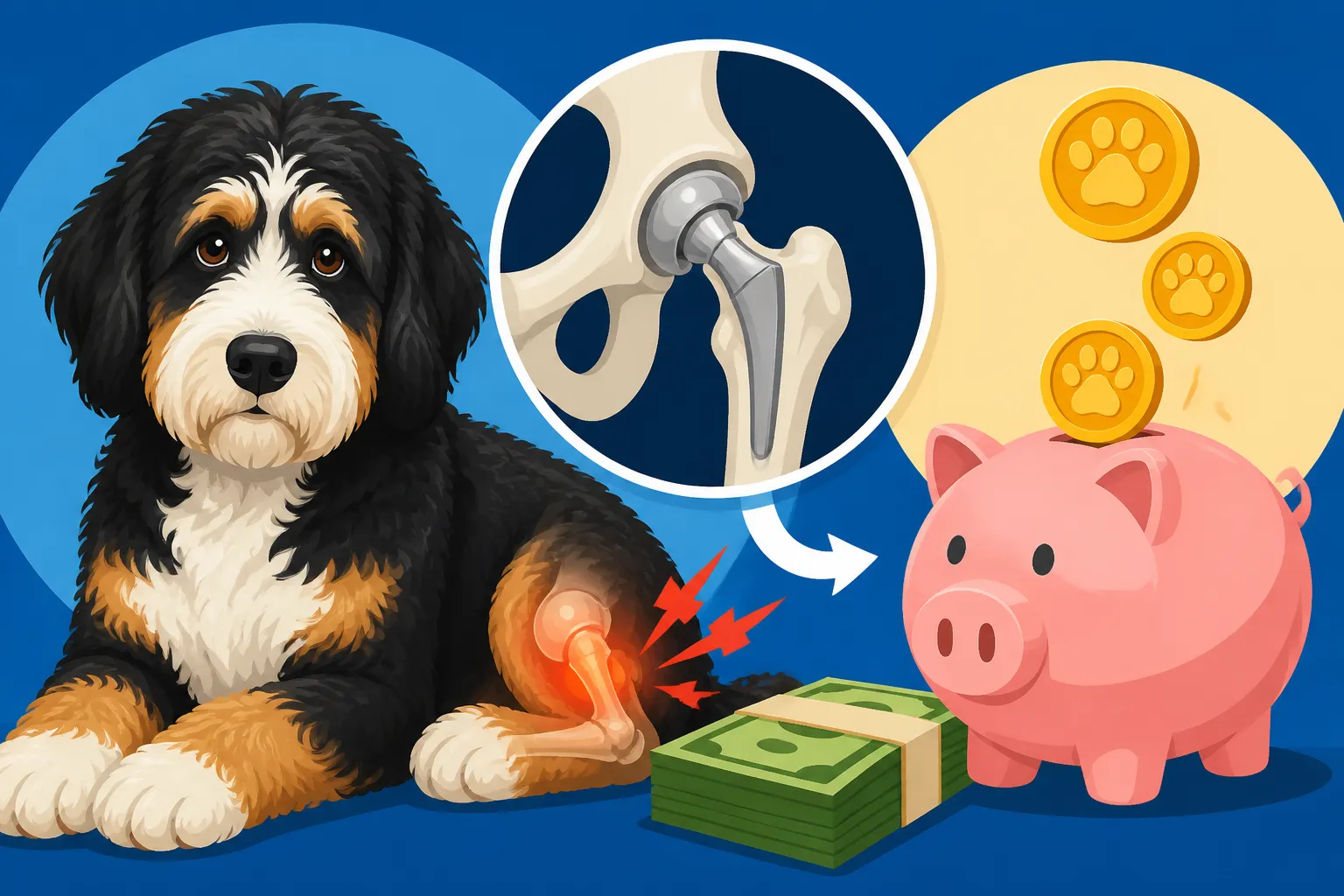
Total Hip Replacement (THR): This is the most effective procedure for restoring near-normal function and eliminating pain. In a THR, the diseased femoral head (the "ball" part of the joint) and the damaged acetabulum (the "socket" part) are removed and replaced with prosthetic implants made of metal and plastic. Think of it much like human hip replacement surgery. This procedure aims to create a new, perfectly articulating joint. While it sounds drastic, the success rates are very high, and the relief it provides to dogs is often profound. It allows them to bear full weight on the limb without pain.
Femoral Head Ostectomy (FHO): An FHO is a "salvage" procedure, usually considered when THR is not an option due to cost constraints, patient size (though less common for Bernedoodles, it's more for very small dogs), or other medical reasons. In an FHO, the femoral head is removed, but no prosthetic is implanted. Instead, scar tissue forms in the area, creating a "false joint." While it removes the bone-on-bone grinding, it doesn't restore normal hip anatomy and function. Dogs will often have a permanent limp, but the goal is pain reduction, and they can still lead active lives, especially if they undergo extensive physical rehabilitation. The limb will likely be shorter and weaker than a THR limb, but it eliminates the painful friction.
Pre-Surgical Preparations and Assessments
Before any major surgery, especially a Total Hip Replacement, a comprehensive pre-surgical work-up is essential to ensure your Bernedoodle is a good candidate and to minimize risks. This typically involves extensive blood work to assess organ function, urinalysis, and potentially additional cardiac evaluations like an ECG or echocardiogram, particularly for large breeds. A consultation with the orthopedic surgeon is also crucial to discuss the procedure, potential risks, and expected outcomes. They'll review the X-rays in detail and explain the specific implants that will be used.
Your Bernedoodle will also need to be at an ideal body weight. If they are overweight, a diet plan may be initiated prior to surgery to reduce stress on the joints and facilitate a smoother recovery. This might involve transitioning to specific veterinary-prescribed diets or using portion-controlled meals, which can be easily sourced from reputable pet supply stores like Chewy or even fresh food services such as Ollie, if your vet approves. Physical conditioning might also be recommended to strengthen surrounding muscles. These preparatory steps, while seemingly minor, play a huge role in the success of the surgery and the recovery process.
Breaking Down the Financial Aspects of Hip Replacement
The cost of a Bernedoodle's hip replacement is undoubtedly one of the most significant concerns for owners. It's not just a single fee; it's a complex puzzle of surgical charges, diagnostics, medications, and rehabilitation. Understanding these components can help you prepare for the financial reality.
The Core Surgical Procedure Costs
The primary component of the cost will be the surgery itself – the Total Hip Replacement. This isn't a simple procedure; it requires a highly skilled veterinary orthopedic surgeon, specialized equipment, sterile operating room conditions, and a dedicated surgical team. The quoted "surgical fee" often includes the surgeon's time and expertise, anesthesia, monitoring during surgery, and the cost of the prosthetic implants. Because these implants are specialized, precisely manufactured for veterinary use, they represent a significant portion of the expense.
Keep in mind that if both hips are dysplastic, the surgery is typically performed one hip at a time, with a recovery period in between, meaning you would incur the costs twice. This staggered approach is to allow for proper rehabilitation of the first hip before the second is operated on. The overall cost can easily run into several thousands of dollars per hip, making it one of the most expensive procedures a dog can undergo. This figure can vary widely depending on the region, the specific veterinary hospital, and the individual surgeon's rates.
Ancillary and Post-Operative Expenses
Beyond the core surgery, there are numerous ancillary and post-operative costs that add up. Before surgery, there are comprehensive diagnostic imaging costs, including additional X-rays and potentially other scans like CT. Anesthesia, which can be complex for large breeds, involves pre-anesthetic blood work, the anesthetic drugs themselves, and the constant monitoring by a veterinary technician.
After surgery, your Bernedoodle will require pain medication, antibiotics, and possibly anti-inflammatory drugs. These post-operative medications are crucial for comfort and preventing infection. Then comes the critical phase of rehabilitation. Physical therapy is almost always recommended, if not mandatory, for a successful recovery after THR. This can involve hydrotherapy, therapeutic exercises, laser therapy, and regular sessions with a certified rehabilitation specialist. These therapy sessions, often weekly for several months, will add hundreds to thousands of dollars to the total bill. Even something as simple as special harnesses for support and traction socks for navigating slippery floors contributes to the overall expense.
The Impact of Location and Specialist Fees
Just like human medical care, the cost of veterinary surgery, especially specialized procedures like hip replacement, can vary significantly by geographical location. Veterinary hospitals in major metropolitan areas or those affiliated with university teaching hospitals often have higher overheads and thus charge more than clinics in rural areas. The expertise of the surgeon also plays a role; a board-certified veterinary orthopedic surgeon, with years of specialized training, will naturally command higher fees than a general practitioner, although most hip replacements are performed by specialists.
The type of facility also matters. A state-of-the-art veterinary specialty center with advanced diagnostic equipment and a dedicated surgical ward will have different pricing structures than a smaller private practice. When researching, it’s always wise to get detailed quotes from several facilities, understanding exactly what is included in each estimate. Don't be afraid to ask for a breakdown of costs – a reputable clinic will be transparent about their fees.
Managing the Financial Burden
Faced with potentially staggering veterinary bills for a hip replacement, many Bernedoodle owners feel overwhelmed. However, there are strategies and resources available to help manage the financial burden, from proactive planning to emergency funding.
Pet Insurance and Hip Replacement
One of the most effective ways to mitigate the cost of a major surgery like hip replacement is to have pet insurance. If your Bernedoodle is enrolled in a comprehensive pet insurance plan, providers like Healthy Paws, for example, typically cover a significant percentage of eligible veterinary expenses, including diagnostics, surgery, hospitalization, and even rehabilitation. However, it is absolutely crucial to understand the terms of your policy before an issue arises.
Most pet insurance policies have waiting periods for orthopedic conditions, often six months to a year, and pre-existing conditions are almost always excluded. This means if your Bernedoodle is diagnosed with hip dysplasia before you have insurance or during the waiting period, the condition will likely not be covered. This highlights the importance of enrolling in pet insurance when your Bernedoodle is a young, healthy puppy, ideally before any signs of issues appear. Regularly reviewing your policy to understand coverage limits, deductibles, and reimbursement percentages is also vital.
Payment Plans and Financial Aid Options
If you don't have pet insurance or your policy doesn't cover the full cost, don't despair. Many veterinary hospitals understand the financial strain of such procedures and offer various payment options. Some clinics provide in-house payment plans, allowing you to pay the total cost over several months. There are also third-party financing options specifically designed for veterinary care, such as CareCredit, which offers deferred interest plans if paid within a certain timeframe.
Beyond traditional financing, various charitable organizations and foundations exist that provide financial assistance for pet owners facing expensive veterinary treatments. These are often based on financial need and specific criteria, but they can be a lifeline for families struggling to afford life-changing surgery for their beloved pet. A good starting point is to ask your veterinary team, as they are often aware of local and national resources available to clients.
Proactive Care to Potentially Delay or Prevent
While some Bernedoodles will inevitably face hip dysplasia regardless of preventative measures, proactive care can go a long way in supporting joint health and potentially delaying the onset or severity of symptoms, thus reducing the likelihood of needing costly surgery down the line. A cornerstone of this is proper nutrition from puppyhood. Feeding a large breed specific puppy food, which helps promote slow, steady growth, is essential to protect developing joints. Overfeeding or allowing rapid growth can exacerbate genetic predispositions to orthopedic issues. Growing a Standard Bernedoodle Slowly on Purpose details this crucial aspect of care.
Maintaining a healthy weight throughout your Bernedoodle's life is also paramount. Excess weight puts enormous strain on the hips, accelerating degeneration and increasing pain. Regular, appropriate exercise – avoiding high-impact activities in youth and focusing on controlled movements and swimming – can help build strong muscle support around the joints without causing undue stress. High-quality joint supplements containing glucosamine, chondroitin, and MSM can also be beneficial, even from a young age, and are readily available from online retailers like Chewy or can be found in premium dog food brands, sometimes even those offered by fresh food services like Ollie. Regular veterinary check-ups are key to catching any early signs of discomfort and adjusting care as needed. Whether Joint Supplements Help a Bernedoodle provides additional information on this topic.
Here's a breakdown of the potential cost components for Bernedoodle hip replacement:
| Cost Category | Description | Estimated Impact on Total Bill |
|---|---|---|
| Pre-Surgical | Initial vet consultations, physical exams, comprehensive blood panels, urinalysis, specialized X-rays/CT scans | Significant |
| Surgical Procedure | Surgeon's fee, anesthesia, operating room charges, surgical team, cost of prosthetic implants | Highest |
| Hospitalization | Overnight stays, intravenous fluids, pain management, monitoring in recovery | High |
| Post-Operative Meds | Pain relievers, anti-inflammatories, antibiotics, sedatives (if needed) | Moderate |
| Physical Therapy | Hydrotherapy, therapeutic exercises, laser therapy, specialized rehabilitation sessions (multiple over months) | High |
| Supportive Care | Special harnesses, orthopedic beds, ramps, non-slip flooring solutions for home | Moderate |
| Follow-up Exams | Post-surgical check-ups, follow-up X-rays to monitor healing and implant stability | Moderate |
Disclaimer
This article is for general informational purposes only and does not constitute professional advice. Laws, prices and regulations vary by location and change over time. Consult a qualified professional for guidance on your specific situation.