What a Standard Bernedoodle Costs From a Tested Breeder
Bringing a Bernedoodle into your life is an incredible joy, but many prospective owners are understandably caught off guard by the financial commitment involved, especially when seeking a puppy from a reputable, tested breeder. It's not just the initial purchase price that can make you pause; it's the understanding that a higher upfront cost often signifies a lower risk of heartbreaking and expensive health issues down the line. This comprehensive guide will walk you through what to expect when investing in a standard Bernedoodle from a breeder who does their homework, from the initial puppy price to the vital first-year expenses that often go overlooked.
The Foundation: Understanding the Initial Investment
Let's be real: the cost of a Bernedoodle puppy from a tested breeder isn't pocket change. It's a significant investment, and for good reason. You're not just buying a cute face; you're buying into a breeder's dedication, their ethical practices, and their commitment to the health and well-being of their breeding dogs and puppies. This initial cost reflects years of research, genetic testing, quality care, and early socialization that are crucial for a healthy, well-adjusted companion.
What Drives the Price Tag
The price of a standard Bernedoodle from a reputable breeder is influenced by several factors, and it's helpful to understand them before you even start looking. Size, coat color, markings, and even the breeder's location can all play a role, but the most critical factor is the breeder's commitment to health testing and responsible breeding practices. When you see a higher price, it's often a direct correlation to the level of care and genetic screening that has gone into producing that puppy.
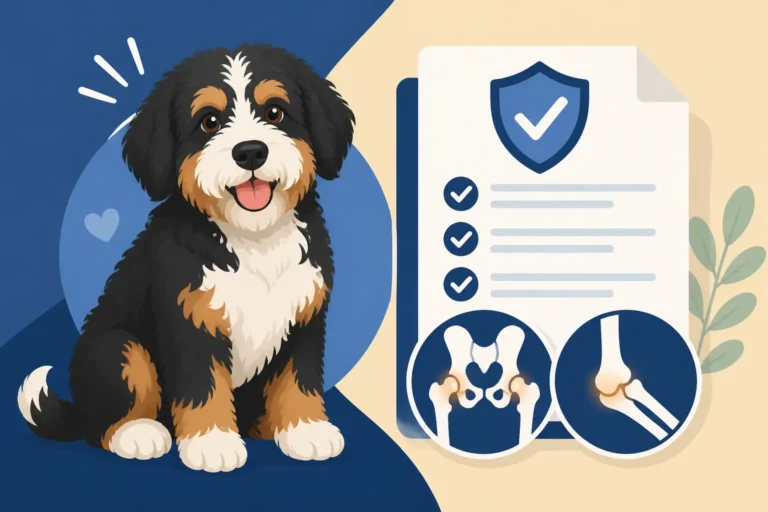
For instance, a breeder who invests in extensive genetic health screenings for both parent dogs, ensuring they are clear of common hereditary conditions like hip and elbow dysplasia, certain eye diseases, and bleeding disorders, will naturally have higher operational costs. This proactive approach helps mitigate the risk of these issues appearing in the puppies, saving you potentially thousands of dollars in veterinary bills and emotional distress in the future. You might see a Bernedoodle advertised for far less, but as we often find in life, you truly get what you pay for. For a deeper dive into the price points, you can explore what a standard Bernedoodle sells for.
The True Value of a Tested Breeder
When we talk about a "tested breeder," we're talking about someone who goes above and beyond the minimum. They perform comprehensive health screenings on their breeding stock, often through organizations like the Orthopedic Foundation for Animals (OFA) or PennHIP for hips and elbows, and genetic tests for conditions like Von Willebrand's Disease and Degenerative Myelopathy. This isn't just a quick vet check; it's a rigorous process that can take years and involves multiple specialists.
A responsible breeder won't just tell you their dogs are "healthy"; they'll provide verifiable documentation of these clearances for both parent dogs. They'll show you the OFA numbers for hips and elbows, and readily discuss what these certifications mean. For example, understanding what OFA elbow grades mean on a Bernedoodle can give you insight into a puppy's potential joint health. This transparency is key because it indicates they're actively working to reduce the incidence of debilitating genetic diseases that are prevalent in the parent breeds. Choosing a puppy from a breeder who has conducted these tests is a vital step in ensuring your future companion has the best possible start to a long and healthy life.
Beyond the Puppy Price: First-Year Essentials
The moment you bring that fluffy, adorable standard Bernedoodle puppy home, the costs certainly don't stop. The first year is often the most expensive, outside of a major health emergency, as you'll be setting up your home for a large breed dog, establishing their health care routine, and enrolling them in training. These initial setup costs are significant, and it's wise to budget for them well in advance.
Setting Up Your Bernedoodle's Home
Preparing for a standard Bernedoodle means investing in durable, appropriate-sized gear that can withstand a growing, playful giant. Your puppy will quickly outgrow smaller items, so thinking ahead to their adult size is crucial.
First, a sturdy crate is essential for house-training and providing a safe space. For a standard Bernedoodle that will easily reach ninety pounds or more, you're looking at a large to extra-large crate. You'll also need a comfortable, orthopedic dog bed – or several – because these big pups love to lounge, and good joint support is important from a young age. Beyond that, consider high-quality, durable toys designed for strong chewers, stainless steel food and water bowls (especially if you're concerned about bowl height and bloat risk), and a reliable leash and harness. While exploring options on sites like Chewy, remember that quality items may cost more upfront, but they'll last longer and stand up to your Bernedoodle's enthusiasm.
Initial Veterinary Care and Wellness
The first few months of your Bernedoodle's life will involve several visits to the veterinarian for vaccinations, deworming, and general health check-ups. This initial series of visits is crucial for building your puppy's immunity and ensuring they're growing properly. Your vet will also discuss preventative medications for fleas, ticks, and heartworm, which are ongoing monthly expenses.
Beyond routine care, it's important to consider microchipping, which is a one-time cost that provides invaluable peace of mind should your adventurous Bernedoodle ever wander off. And don't forget spaying or neutering, typically performed around 6-18 months of age, depending on your vet's recommendation and current research on large breed growth plates. This surgical procedure represents another significant expense in the first year. A good breeder will often have a health guarantee that outlines some of these initial health considerations, giving you some guidance on what they cover.
Training and Socialization Investments
Bernedoodles are intelligent, but they also have a playful, sometimes stubborn streak, and they grow fast. Training and early socialization are not just beneficial; they are absolutely essential for a standard Bernedoodle, especially one destined to reach ninety pounds. Think about it: a poorly behaved giant dog can be a handful, even dangerous, if not properly managed.
Puppy classes are invaluable for teaching basic commands, leash manners, and appropriate social interactions with other dogs and people. Group classes can range in price, but the investment pays dividends in a well-adjusted adult dog. For some, one-on-one training with a professional might be necessary for specific behavioral challenges or if you're looking to pursue more advanced training. Remember, a Bernedoodle matures slower than it grows, so consistent, positive reinforcement training is vital throughout their adolescent phase. You want a dog that understands leash manners on a Bernedoodle heading for ninety pounds!
The Long Haul: Ongoing Annual Costs
Once your Bernedoodle sails past their first birthday, some of the initial setup costs subside, but the ongoing expenses become the new normal. These are the regular, predictable costs that you'll factor into your budget for the next decade or more, demonstrating what a Bernedoodle costs over its whole life.
Food: Fueling a Gentle Giant
Feeding a standard Bernedoodle is no small feat for your grocery bill. These are large dogs with hearty appetites, and their nutritional needs are specific to large and giant breeds to support their bone and joint development.
High-quality kibble, often specifically formulated for large breeds, is essential. The exact amount will vary based on their age, activity level, and metabolism, but you can expect to go through a significant amount of food each month. Some owners opt for fresh food diets, like those offered by Ollie, or a combination of kibble and fresh. While these options can be excellent for their health, they typically come at a higher price point than traditional kibble. It's a trade-off many owners consider for their dog's long-term health and vitality. Understanding what feeding a ninety pound Bernedoodle costs is crucial for budgeting.
Grooming: Maintaining that Magnificent Coat
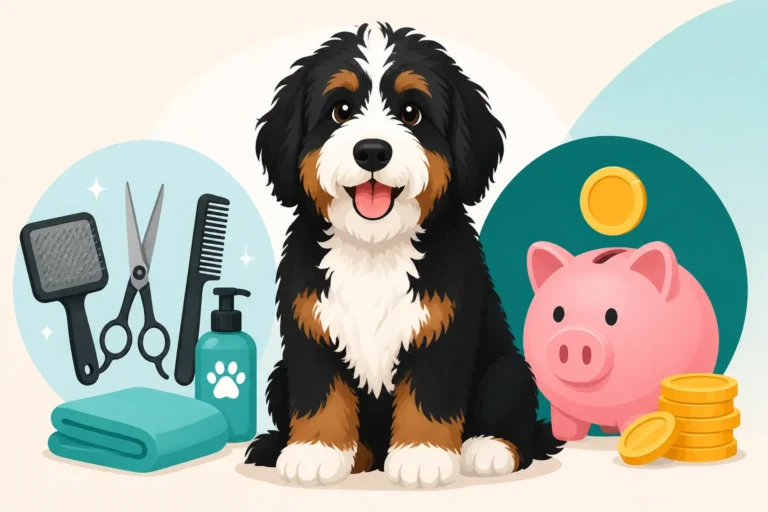
That gorgeous, fluffy, low-shedding Bernedoodle coat is one of their most appealing features, but it doesn't maintain itself. Bernedoodles require consistent, professional grooming every 6-8 weeks to prevent matting and keep their skin healthy.
Professional grooming for a large dog like a standard Bernedoodle includes bathing, drying, brushing out tangles, trimming, nail clips, and ear cleaning. The cost of a professional groom for a standard Bernedoodle typically falls within a specific range, and it's a non-negotiable expense if you want to avoid painful matting that can lead to skin infections and require a full shave down. While some owners attempt home grooming to save money, it's a time-consuming and skill-intensive endeavor, especially with a large, dense coat. Even with home grooming, you'll still need to invest in quality brushes and clippers.
Preventative Care and Pet Insurance
Regular veterinary check-ups, typically once a year for adult dogs, are vital for maintaining their health and catching any issues early. These visits will include a physical exam, vaccinations boosters as needed, and routine parasite prevention. As your Bernedoodle ages, these check-ups might become more frequent, especially as you learn what changes in a Bernedoodle after eight.
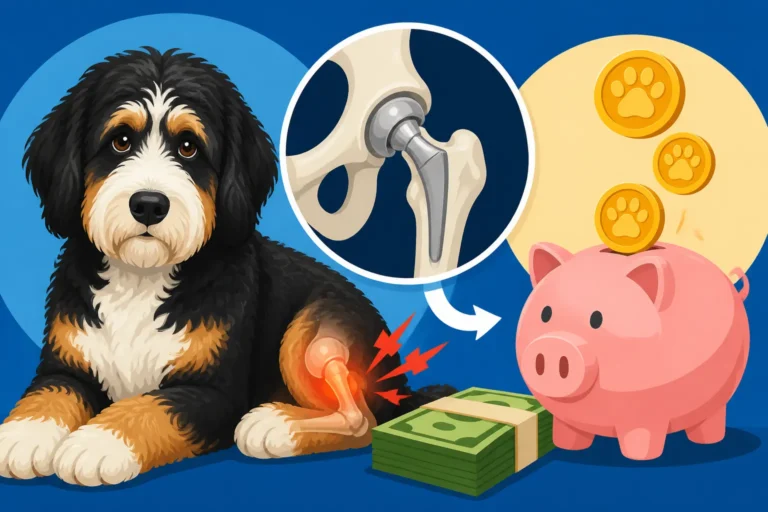
Pet insurance is another expense that many Bernedoodle owners find invaluable. Given the breed's potential predispositions to certain conditions from both the Bernese Mountain Dog and Poodle sides, such as hip and elbow dysplasia, certain cancers, and bloat, having a robust pet insurance policy can save you from financially devastating decisions. Companies like Healthy Paws offer various plans that can cover accidents, illnesses, and even some emergency care. While it's an added monthly cost, knowing that you have a safety net for unexpected medical emergencies or chronic conditions offers tremendous peace of mind and is a proactive way of insuring a Bernedoodle against the Bernese half.
Here’s a simplified breakdown of potential costs for a standard Bernedoodle from a tested breeder:
| Category | First Year Estimated Costs | Annual Ongoing Estimated Costs | Notes |
|---|---|---|---|
| Initial Purchase | Varies by breeder | N/A | Reflects health testing, breeder care, genetic quality. |
| Setup & Supplies | Significant | Small (replacements) | Crate, bed, bowls, leash, toys, grooming tools. Quality items last longer. |
| Vet Visits (Puppy) | Moderate to High | N/A | Vaccinations, deworming, microchip, spay/neuter. |
| Food | Moderate to High | Moderate to High | High-quality large-breed food, can increase with specialty diets (e.g., Ollie, fresh food). |
| Grooming | Moderate to High | Moderate to High | Professional grooms every 6-8 weeks. Home grooming reduces cost but requires tools and time. |
| Training | Moderate | Optional | Puppy classes, private lessons. Investing early prevents costly behavioral issues later. |
| Preventative Meds | Moderate | Moderate | Flea, tick, heartworm prevention. |
| Pet Insurance | Moderate | Moderate | Highly recommended for large breeds prone to certain conditions. Providers like Healthy Paws are common. |
| Miscellaneous | Small to Moderate | Small to Moderate | Licensing, treats, dog walkers/sitters, unexpected items. |
Keep in mind that these are general estimates. Your actual costs may vary based on your location, chosen products, specific veterinary needs, and lifestyle.
The Bottom Line: An Investment in Health and Happiness
Choosing a standard Bernedoodle from a tested breeder is often a more expensive route upfront, and it can feel daunting to see those numbers. However, this initial financial commitment is truly an investment in the long-term health, temperament, and overall well-being of your future family member. By supporting ethical breeders who prioritize health clearances, you are actively participating in responsible breeding practices that aim to reduce the prevalence of genetic diseases, ultimately leading to fewer unexpected and costly veterinary bills for you down the line.
While the "sticker shock" of the puppy price is real, it's crucial to look beyond that initial number and factor in all the necessary expenses for the first year and beyond. From quality food on Chewy, ensuring your big pal isn't overweight (because whether an overweight Bernedoodle loses years is a real concern), to considering a comprehensive pet insurance plan from a provider like Healthy Paws, every dollar spent contributes to a happy, healthy Bernedoodle life. This approach not only provides you with a fantastic companion but also gives you the peace of mind that you've done everything you can to ensure they have the best possible start and continue to thrive for years to come.
Disclaimer
This article is for general informational purposes only and does not constitute professional advice. Laws, prices and regulations vary by location and change over time. Consult a qualified professional for guidance on your specific situation.