The Month a Bernedoodle Puppy Starts Matting Daily
One of the most surprising and often frustrating challenges new Bernedoodle puppy parents face is the sudden onset of matting. You spend weeks, sometimes months, thinking you've got this beautiful, fluffy, low-shedding pup, only to wake up one day and find little knots everywhere, seemingly overnight. It’s a completely normal, if overwhelming, part of their development, and this guide is here to walk you through exactly when that coat transition typically begins and, more importantly, how to tackle it head-on so you can keep your beloved Bernedoodle comfortable and mat-free.
Understanding the Bernedoodle Coat Transition
The Bernedoodle's coat is one of its most defining features, a beautiful blend that promises the low-shedding qualities of the Poodle and the luxurious thickness of the Bernese Mountain Dog. However, this blended heritage also brings a unique challenge: the "puppy coat change." This isn't just about their fur getting longer; it's a fundamental shift in the very texture and composition of their hair.
From Puppy Fluff to Adult Coat
When your Bernedoodle is a tiny puppy, their coat is usually soft, fine, and relatively easy to manage. It's often described as "puppy fluff" – lightweight and wonderfully cuddly. This coat doesn't typically mat easily because the hairs are uniformly thin and haven't yet developed the dense undercoat or the varied texture of their adult fur. You might get away with minimal brushing during these early weeks, lulled into a false sense of security that your Bernedoodle will always be this easy to groom.
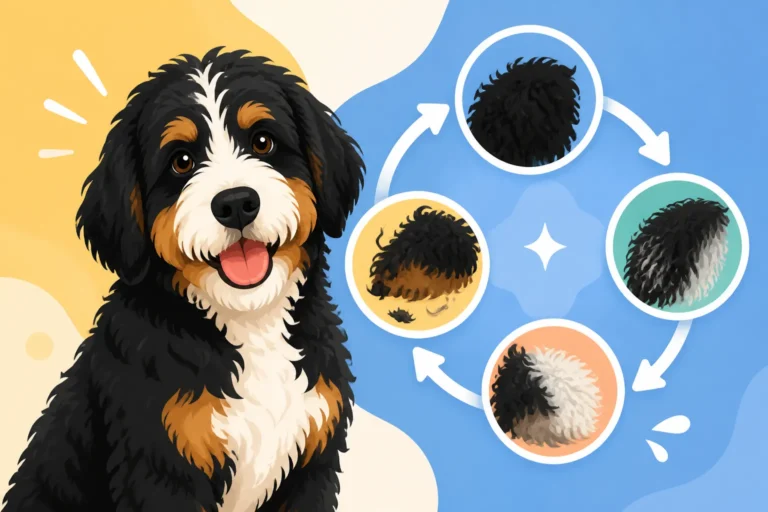
However, as they grow, their body begins the natural process of replacing this baby-fine hair with their more robust, mature coat. This new coat is denser, often thicker, and can have more texture – from wavy to curly, depending on their genetics. The old, fine puppy hairs start to get trapped within the emerging coarser adult hairs. It’s like trying to comb two different types of yarn that are tangled together. This creates the perfect storm for mats to form, and once they start, they can spread with astonishing speed. It’s a bit like watching a tiny snowball roll down a hill; it just gets bigger and bigger.
The Genetic Rollercoaster of Coat Types
The Bernedoodle's coat isn't a single, predictable entity. It’s a spectrum inherited from both parents. Some Bernedoodles lean more towards the Poodle's tight curls, others towards the Bernese's wavy, shaggy look, and some unlucky few even get a straighter, shedding coat. These genetic differences play a huge role in how and when the matting phase hits. A dog with a wavier, looser curl might start matting earlier and more severely than one with very tight Poodle curls, simply because the loose waves allow more room for trapped puppy hair to knot.
Understanding your puppy’s specific coat type, even at a young age, can give you a heads-up. If you see a lot of "feathering" or softer, longer hair around their legs and ears, those areas will likely be prime matting spots. The denser and wavier the coat, the more diligent you'll need to be. Breeders often talk about coat genetics and whether a Bernedoodle is more likely to shed or be hypoallergenic. While helpful, even the "perfect" non-shedding Bernedoodle will go through this matting phase because it's about the texture change, not necessarily shedding. You might want to learn more about The Wavy Coat Most Bernedoodles Carry or The Curly Coat Bernedoodle and Its Upkeep to get a better sense of what you're dealing with.
The Critical Window: When Matting Becomes a Daily Reality
So, when exactly does this matting madness begin? While there's no single "magic month" carved in stone, most Bernedoodle owners report the onset of significant matting during a relatively narrow window.
The Four to Eight Month Mark
Generally, you can expect your Bernedoodle puppy to start experiencing noticeable matting between four and eight months of age. For many, it hits squarely around the five to six-month mark. This is when the puppy coat is actively being pushed out and intertwined with the rapidly growing adult coat. It's not a gradual process you can ease into; it often feels like it appears overnight. One day your pup is fine, the next you're finding little felted patches behind their ears, in their armpits, and on their rump.
This period is akin to a human teenager's awkward growth spurt – everything feels a bit out of whack. Your puppy is also growing rapidly in size, often doubling or tripling their weight in these months. Their skin is stretching, their coat is thickening, and all these factors contribute to the perfect conditions for mats. It's a frustrating time for owners who are suddenly having to wrestle a wiggly puppy more intensely than before, and for the puppies themselves, who might find the brushing uncomfortable if not done correctly.
Why This Age Is So Challenging
Several factors converge to make the 4-8 month window particularly challenging for Bernedoodle coat care:
First, as mentioned, the puppy hair is literally getting "caught" in the coarser, thicker adult hair. Imagine brushing out two different types of fiber that are naturally trying to bond.
Second, this is often the age when puppies are most active and playful. They roll in the grass, wrestle with other dogs, explore muddy puddles, and generally do everything that encourages tangles. That adorable rough-and-tumble play session with a dog park buddy? It might be great for socialization, but it can turn their fluffy coat into a matted mess in minutes. This is why paying special attention to Mats in a Bernedoodle's Armpits and Britches is so important. These hidden areas are often overlooked until they become severely matted.
Third, puppies at this age are also testing boundaries and developing their personalities. They might suddenly be less tolerant of grooming than they were as tiny pups, making the necessary daily brushing a battle. Owners, especially first-timers, might not realize the intensity of daily grooming required during this phase until it's too late and mats have already set in. The sheer The Volume of Coat a Bernedoodle Owner Brushes Weekly can be a shock.
Proactive Mat Prevention Strategies
The key to surviving the Bernedoodle puppy coat change is proactive, consistent grooming. Waiting until you see mats means you're already behind. Your goal should be to prevent them from forming in the first place, or at least to catch them when they are tiny and manageable.
Daily Brushing, No Exceptions
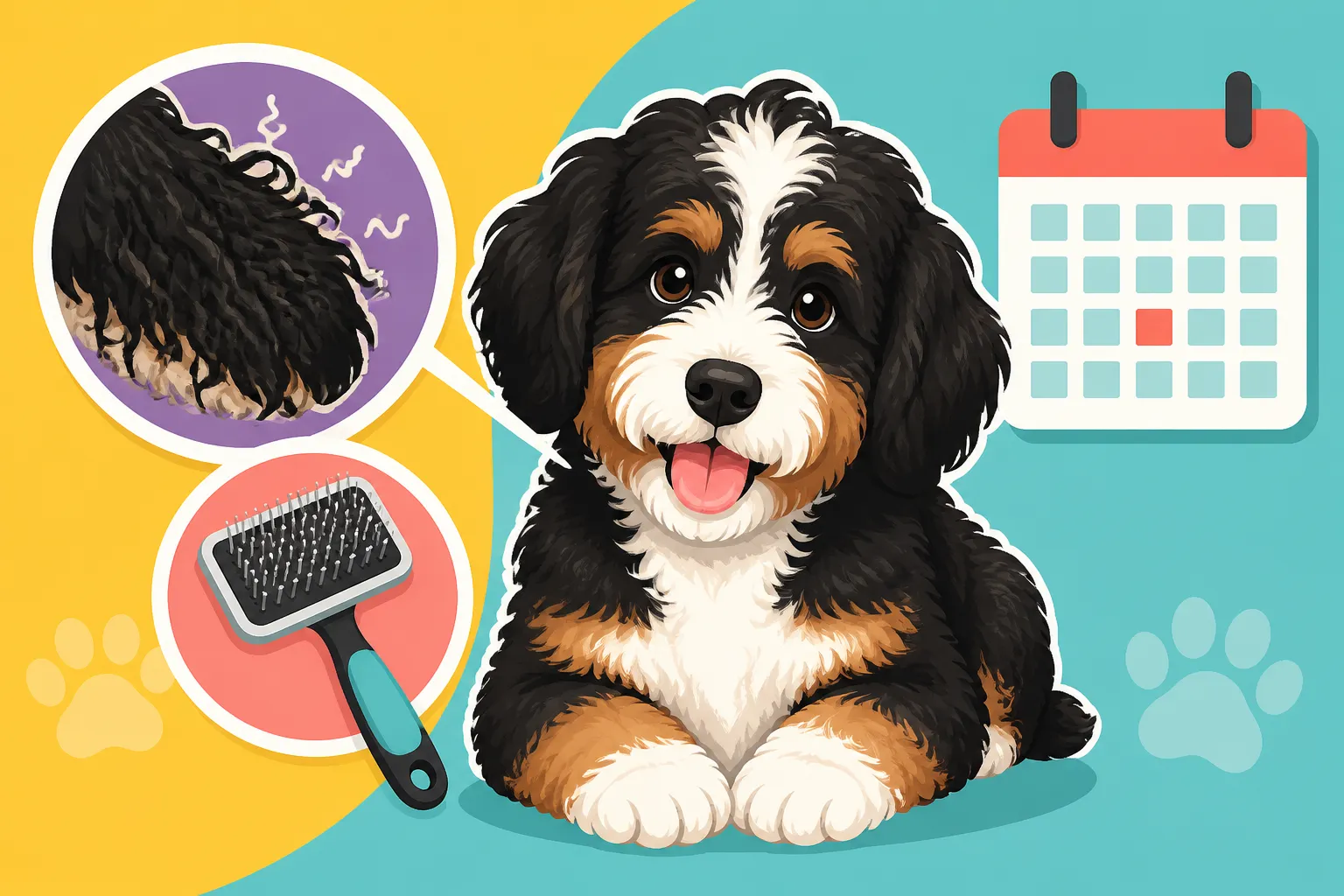
I cannot stress this enough: daily brushing is non-negotiable during this critical coat change period. This isn't a quick once-over; it's a thorough session. You're aiming to get right down to the skin, separating the hairs and removing any trapped puppy fluff before it has a chance to bind with the adult coat. A good technique is "line brushing," where you section off the coat and brush in small rows, ensuring you reach every layer. It’s laborious, I know, but it’s far less painful and time-consuming than dealing with large, painful mats later on.
Consistency helps your puppy learn to tolerate and even enjoy the process. Make it a positive experience with treats and praise. Start with short sessions, gradually increasing the duration as your pup becomes more accustomed to it. A quiet corner of the house, perhaps while you're watching TV, can be a good time to bond and brush. Establishing this routine early on will pay dividends for the rest of their lives, especially since How Often a Bernedoodle Should Be Brushed will be a recurring question for their entire lifespan.
Strategic Trimming and Professional Grooming
While daily brushing is your primary defense, strategic trimming can also be incredibly helpful. Areas like behind the ears, in the armpits, and around the sanitary regions are notorious for matting because of friction and moisture. Keeping these areas trimmed short by a professional groomer or carefully at home can significantly reduce mat formation.
Don't be afraid to schedule a "puppy trim" or an introductory grooming session with a professional groomer around 4-5 months of age. Even if it's just a bath, a tidy-up, and getting them used to the grooming table and dryer, it sets them up for success. Professional groomers have specialized tools and expertise to handle the dense Bernedoodle coat. They can also provide advice on managing your specific dog's coat type. Discuss with them a plan to get ahead of the coat change before it becomes overwhelming. You may find that getting A Year of Grooming Bills on a Standard Bernedoodle is a worthwhile investment.
Bathing Best Practices
Bathing a Bernedoodle requires careful consideration, especially during the matting phase. While it might seem counterintuitive, bathing a matted dog can actually make the mats worse, tightening them like felt. Always brush your Bernedoodle thoroughly before bathing. This ensures that any existing tangles are worked out.
When you do bathe your Bernedoodle, use a high-quality dog shampoo and conditioner. The conditioner helps to lubricate the coat, making it easier to brush through. The most crucial step after bathing is thorough drying. A force dryer, if you have access to one (many groomers use them), helps to blast water out of the coat and straighten the hairs, preventing them from curling and knotting as they dry. If you're drying at home, section the coat and dry thoroughly with a towel and then a hairdryer on a cool setting, brushing as you go. Never let a Bernedoodle air dry when their coat is undergoing this change, as it's an open invitation for mats. Getting them Drying a Bernedoodle to the Skin is essential.
Tools and Techniques for Battling Mats
Having the right tools is half the battle when it comes to managing a Bernedoodle's coat, especially during the challenging puppy coat change. Investing in quality equipment will save you time, frustration, and potential vet bills for mat removal.
Essential Grooming Tools
You'll need a specific arsenal of brushes and combs to effectively manage your Bernedoodle's coat. A flimsy brush from the dollar store simply won't cut it.
- Slicker Brush: This is your workhorse. A good quality slicker brush with firm but flexible pins is crucial for getting down to the skin and removing loose hair and small tangles. Opt for a size appropriate for your Bernedoodle's growing body.
- Metal Comb: A sturdy metal comb with both wide and fine teeth is indispensable. The wide-toothed end is great for checking your work after brushing with the slicker, ensuring you've gotten all the way to the skin. The fine-toothed end can be used for delicate areas like the face and behind the ears, but be gentle!
- Dematter Tool/Mat Splitter: For those inevitable small mats that form, a dematter tool or mat splitter can be a lifesaver. These tools are designed to cut through mats with minimal hair loss. Use them with extreme caution and always away from the skin, as they are sharp.
- Grooming Spray/Detangler: A good leave-in grooming spray or detangler can make brushing easier and help prevent static, which contributes to matting. Apply a light mist before brushing, especially in drier climates or during winter.
- Force Dryer (Optional but highly recommended): While an investment, a force dryer (sometimes called a high-velocity dryer) is a game-changer for thick-coated breeds. It dramatically reduces drying time and helps to blow out loose hair, preventing mats. Many owners find them invaluable.
You can find all these items, from slicker brushes to detangling sprays, readily available from online retailers like Chewy or Amazon. Make sure to research and choose reputable brands for durability and effectiveness. More details on The Slicker and Rake a Bernedoodle Needs can guide your choices.
Techniques for Safe Mat Removal
When you encounter a mat, your first instinct might be to pull it out, but that’s a painful experience for your dog. Patience and proper technique are key.
- Isolate the Mat: Gently separate the matted section of hair from the surrounding loose hair. Hold the hair at the base of the mat (closest to the skin) to minimize pulling on the skin while you work. This is vital to prevent pain.
- Apply Detangler: Spray a generous amount of dog-safe detangling spray or conditioner directly onto the mat. Let it sit for a minute or two to penetrate the hairs.
- Work from the Outside In: Start gently picking at the very edge of the mat with the wide-toothed side of your metal comb or the tip of your slicker brush. Work in tiny increments, gradually loosening the hairs. Never try to pull the comb straight through the mat.
- Use a Mat Splitter (If Necessary): If the mat is dense and not responding to the comb, use a dematter tool. Carefully slide the tool into the mat, parallel to the skin, and make a small cut to split the mat. This breaks it into smaller, more manageable sections. Repeat this in different directions, creating channels, until the mat is broken up. Be extremely careful not to cut the skin.
- Brush and Comb Through: Once the mat is broken down into smaller tangles, use your slicker brush and then your metal comb to gently brush and comb through the section until it’s smooth and free of knots.
- Praise and Reward: Keep the experience positive with plenty of praise and treats. If your puppy is getting agitated or in pain, take a break and come back to it later. Sometimes, a severely matted area might require a trip to a professional groomer or even a veterinary visit if the mat is causing skin irritation or infection. Remember, Whether a Matted Bernedoodle Is Painful to Handle is a real concern, and their comfort should be your top priority.
When to Seek Professional Help
There will be times when a mat is simply too big, too tight, or too close to the skin for you to safely remove at home. Don't feel guilty about this; it happens to even the most diligent owners, especially during this challenging coat change.
A professional groomer has specialized tools, techniques, and experience in dealing with severe matting. They can often demat a dog that an owner couldn't, or they can safely shave down matted areas if dematting isn't possible or humane. Be prepared that removing severe mats can be costly, as groomers often charge by the hour for dematting services, and it can sometimes lead to shaving the dog very short to alleviate the problem. This is a common situation that impacts What a Matted Bernedoodle Costs to Shave. If mats are causing pain, skin irritation, or infections, a veterinary visit might be necessary, as these can sometimes be a sign of underlying skin issues, or the mats themselves can create hot spots. Never underestimate the potential health issues that can arise from neglected matting.
| Age Range (Approx.) | Coat Description | Grooming Needs | Common Challenges |
|---|---|---|---|
| 8-16 Weeks | Soft puppy fluff | Gentle brushing 2-3 times/week to get used to it. | Introduction to grooming tools. |
| 4-8 Months | Puppy fluff changing to adult coat | Daily thorough brushing (slicker + comb). Introduce professional grooming. | Sudden, rapid matting. Puppy resistance to grooming. |
| 8-18 Months | Adult coat maturing | Daily to every-other-day brushing, professional groom every 6-8 weeks. | Developing full coat density, potential for knots. |
| 18+ Months | Mature adult coat | Regular brushing, professional groom every 6-8 weeks. | Maintaining coat length, preventing mats from friction. |
Disclaimer
This article is for general informational purposes only and does not constitute professional advice. Laws, prices and regulations vary by location and change over time. Consult a qualified professional for guidance on your specific situation.