Line Brushing a Bernedoodle to the Skin
The Bernedoodle's luxurious coat is undeniably beautiful, but it's also a magnet for frustrating mats and tangles that surface brushing can't resolve. Many owners feel overwhelmed by the sheer volume and density of their dog's hair, struggling to keep it healthy right down to the skin. This guide unveils the indispensable technique of line brushing, ensuring your Bernedoodle remains comfortable and mat-free.
Understanding Your Bernedoodle's Unique Coat
The first step to effective grooming is truly understanding the magnificent (and sometimes maddening!) coat your Bernedoodle proudly wears. This isn't just a simple layer of fur; it's a complex blend inherited from two very different, yet equally heavily coated, parent breeds: the Bernese Mountain Dog and the Poodle. This genetic lottery results in a variety of coat types, all of which demand diligent care.
The Bernedoodle's Double Coat Dilemma
Many Bernedoodles, especially those with a strong Bernese influence, inherit what's often referred to as a "double coat" or a very dense undercoat. Even if your Bernedoodle has that characteristic wavy or curly coat from the Poodle side, it's often far denser and thicker than a purebred Poodle's single coat. This density is a blessing in cold weather, providing insulation, but it's a curse when it comes to grooming. The fine, soft undercoat is the primary culprit behind mats. It sheds, but instead of falling out, it gets trapped within the curlier, coarser outer coat, weaving into tight tangles that cling to the skin.
This isn't just about aesthetics; matted fur can cause serious health issues for your Bernedoodle. Mats pull on the skin, causing pain and irritation. They can restrict movement, hide parasites, and create a breeding ground for skin infections because air cannot circulate properly. Imagine wearing a heavy, tight sweater that constantly pulls at your skin – that's what a matted coat feels like to your dog. It's truly uncomfortable, and can even be dangerous, especially in warm weather. Understanding The Coat a Bernedoodle Gets From Two Heavy Coated Parents is crucial here.
Common Bernedoodle Coat Types and Their Grooming Needs
Bernedoodle coats come in a spectrum, generally categorized into straight, wavy, and curly, each with its own quirks.
A straight coat, while less common, often sheds more, sometimes resembling a Bernese Mountain Dog's coat with less curl. While it might seem easier to brush, it can still develop mats, especially in areas of friction. The straight hair can still trap shed undercoat close to the skin. Owners with these coats sometimes underestimate the need for deep brushing. You might even find yourself wondering if The Straight Coated Bernedoodle That Sheds still needs this much attention, and the answer is a resounding yes.
The wavy coat is perhaps the most common and often what people picture when they think "Bernedoodle." It has a beautiful, flowing texture, but it’s incredibly prone to matting. The waves act like tiny hooks, catching loose hair and debris. This is often the coat type that surprises new owners with just how much brushing it demands. These lovely waves require consistent attention to prevent mats from taking hold, especially during seasonal coat changes. Learn more about The Wavy Coat Most Bernedoodles Carry.
The curly coat is closest to a Poodle's, often dense and woolly. While typically described as non-shedding, the hair still detaches; it just gets caught in the surrounding curls. This makes it a matting machine if not brushed regularly and thoroughly. These coats need to be brushed down to the skin even more frequently, as mats can form very quickly and tighten severely, sometimes seeming to appear overnight. This coat type is usually associated with less shedding, but it's a higher grooming commitment. Dive deeper into The Curly Coat Bernedoodle and Its Upkeep.
The Essential Tools for Line Brushing Success
Before you even think about tackling that beautiful Bernedoodle coat, you need to arm yourself with the right tools. Skimping on quality or using the wrong type of brush will only lead to frustration for both you and your dog, and you'll never get to the skin effectively. Think of it like trying to paint a masterpiece with a toothbrush – it just won't work.
Must-Have Brushes and Combs
These are your non-negotiables for line brushing a Bernedoodle:
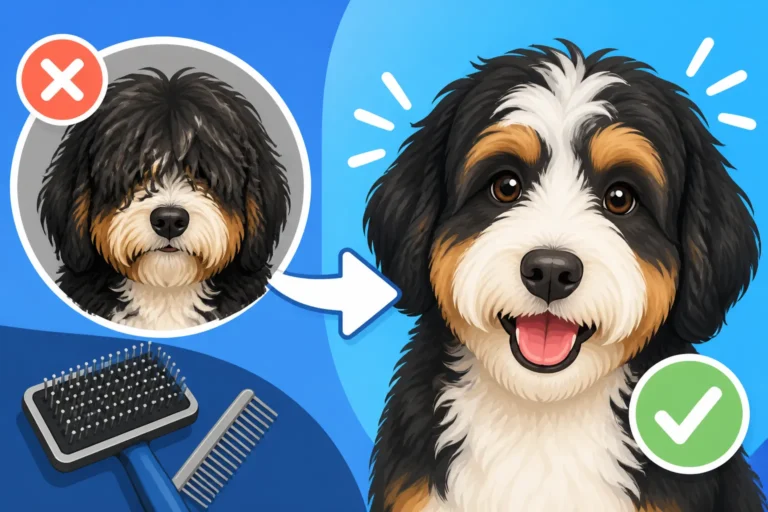
- Slicker Brush: This is your workhorse. A good quality slicker brush has fine, wire bristles angled on a flat or curved surface. It’s designed to penetrate dense coats, separate hairs, and pull out loose undercoat without scratching the skin if used correctly. Look for one with comfortable handle and sturdy pins. Brands widely available on platforms like Amazon or Chewy offer various sizes.
- Metal Greyhound Comb: This is your finishing tool and your mat detector. A sturdy, stainless steel comb with both wide and fine teeth is essential. The wide teeth are for initial detangling and working through thicker sections, while the fine teeth are for checking your work and finding any small tangles you missed. It’s crucial for ensuring you’ve brushed all the way to the skin. Without this, you're guessing whether you've truly removed all the mats.
- Detangling Spray/Conditioner: A good quality detangling spray is a game-changer. It lubricates the hair shaft, making it easier for brushes to glide through tangles and reducing static. Never brush a dry coat! It can damage the hair and increase static, leading to more mats. Many popular pet brands offer excellent detangling sprays that you can find at stores or online retailers.
For a quick overview, here's a table of essential tools:
| Tool | Primary Use | Why it's Essential |
|---|---|---|
| Slicker Brush | Removing loose undercoat, separating hair, light detangling | Penetrates dense coats, prevents mats, stimulates circulation |
| Metal Greyhound Comb | Checking for mats, fine detangling, separating sections | Confirms coat is tangle-free to the skin, finds hidden knots |
| Detangling Spray | Lubricating coat, reducing static, easing brushing | Prevents hair breakage, makes brushing easier, reduces friction |
| Dematting Rake/Tool | Breaking up severe mats (use with extreme caution) | Last resort for stubborn mats, but can cut hair if misused |
Additional Helpful Grooming Supplies
While the above are critical, these items can make your life (and your Bernedoodle's!) much easier:
- Dematting Tool (optional, use with caution): For really stubborn mats that you absolutely cannot brush out, a dematting rake or tool can be useful. However, these have sharp blades and should be used very sparingly and carefully, as they cut through the mat rather than brushing it out. Misuse can easily cut your dog's skin or severely thin their coat. It's often better to prevent mats than to have to resort to these.
- Force Dryer: If you bathe your Bernedoodle at home, a high-velocity force dryer is invaluable. It blasts water out of the coat, significantly reducing drying time and helping to straighten the hair, making it much easier to brush out. It also helps "line dry" the coat, blowing the hair up and away from the skin, which assists in reaching every layer. Attempting to dry a thick Bernedoodle coat with a human hairdryer is an exercise in futility and can lead to frizz and new mats. For more on this, check out Drying a Bernedoodle to the Skin.
- Grooming Table with Arm: While not strictly a "brushing tool," a stable grooming table with a noose arm can transform your grooming experience. It gets your Bernedoodle up to a comfortable working height, saving your back, and the arm helps keep them still and secure. This is particularly useful for larger standard Bernedoodles. You can find many options on Amazon that make home grooming much more manageable.
Remember, investing in good quality tools from the start will save you a lot of headache and expense in the long run. Cheap brushes bend, break, and don't penetrate the coat effectively, leaving mats untouched.
The Step-by-Step Guide to Line Brushing
Now that you're equipped with the right tools and understand your Bernedoodle's coat, it's time to dive into the technique itself. Line brushing isn't just randomly dragging a brush through the fur; it's a methodical process that ensures every inch of your dog's skin and coat gets attention. Patience is key, especially when first teaching your dog to tolerate grooming sessions.
Preparing for Your Grooming Session
Before you even touch a brush to your Bernedoodle, set yourself up for success. Choose a quiet time when your dog is relaxed and when you won't be interrupted. A dedicated grooming space, perhaps on a sturdy table with a non-slip mat, can make a huge difference. For bigger dogs, a raised platform is a back-saver. Have all your tools laid out, within easy reach.
Start by gently spritzing a section of your Bernedoodle's coat with a detangling spray or a light conditioning spray. Remember, never brush a dry coat. Brushing dry fur causes friction, breaks hair, and generates static electricity, which can actually worsen tangles. The spray helps the brush glide smoothly and reduces discomfort for your dog. For pups, make this a positive experience with plenty of praise and high-value treats. You want them to associate grooming with good things, especially once a Bernedoodle puppy starts mouthing.
The Art of Sectioning and Brushing
Line brushing means you work in small, manageable sections, effectively creating "lines" through the coat.
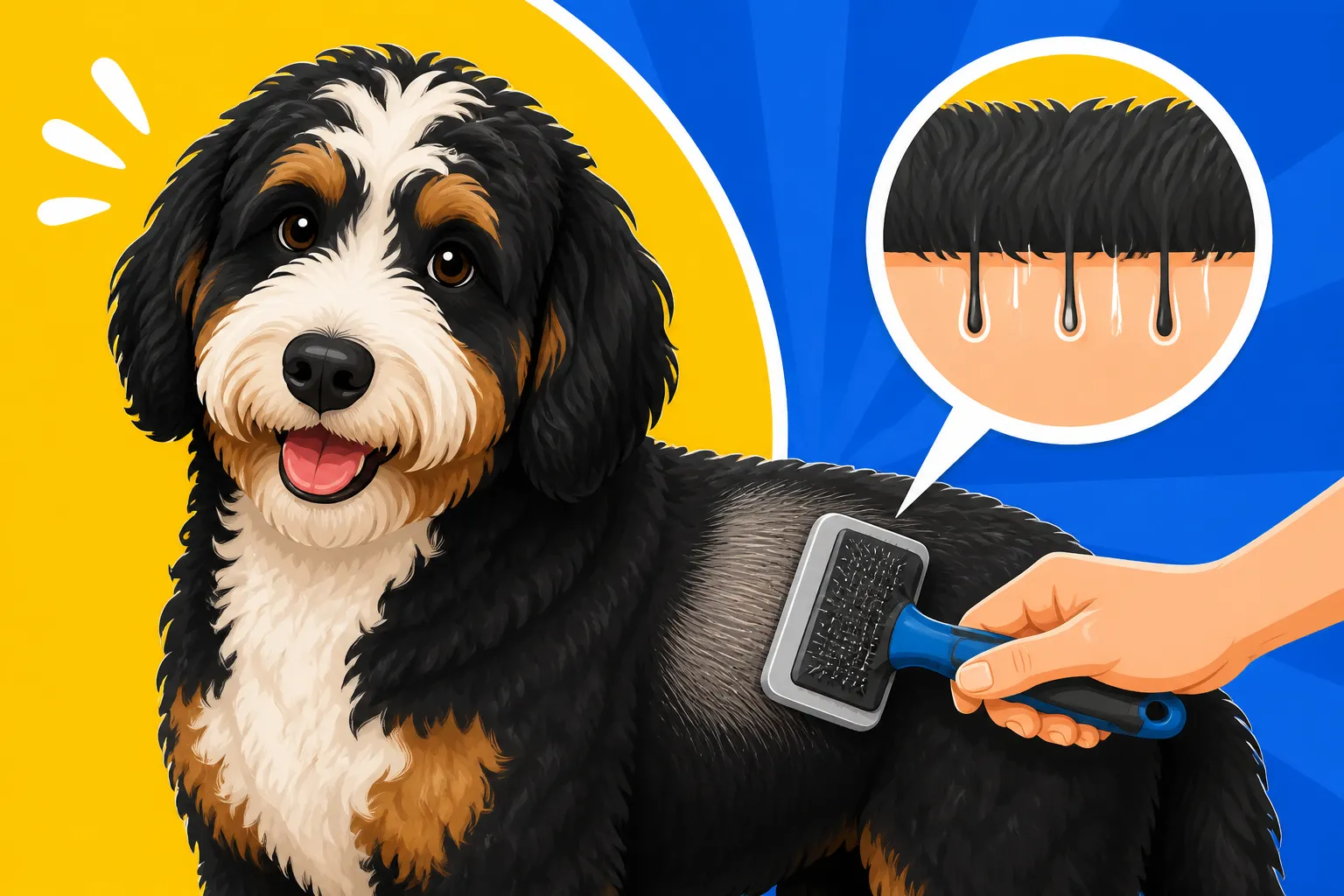
- Divide and Conquer: Start with your Bernedoodle lying comfortably on their side, or standing if they prefer. Pick an area to begin, usually a leg or the lower flank, away from sensitive spots like the face or belly initially. Using your free hand (or the comb's wide teeth), gently part the hair horizontally, revealing a strip of skin.
- Brush from the Bottom Up: Hold the upper section of hair up and out of the way with your non-brushing hand, exposing the part line you just created. Now, take your slicker brush and begin brushing the lower section of hair from the skin outwards. Brush in small, gentle strokes, working your way up from the skin towards the ends of the hair. The key is to see the skin as you brush.
- Overlap and Repeat: Once that small section feels smooth and tangle-free, drop a little more hair down from the section you're holding up. Create a new part line just above the one you just brushed. Again, hold the unbrushed hair up and brush the newly revealed section, overlapping slightly with the section you just finished. You are essentially working in narrow horizontal strips, layer by layer, moving upwards along your dog's body. This ensures you're reaching the very roots of the hair and not just skimming the surface.
- Comb Check: After you've brushed a section with the slicker brush, take your metal comb and gently run it through the same section, all the way from the skin to the tip of the hair. If the comb glides through smoothly without snagging, you've done a great job! If it snags, go back with your slicker brush and carefully work out the tangle, then re-comb until it's clear. This comb check is absolutely vital – it's your only way to truly confirm that you've reached the skin and removed all mats.
Be especially diligent in "high-friction" areas like behind the ears, armpits, britches (the hair on their hind legs), and where harnesses sit. These are notorious spots for mats to form and tighten quickly. Neglecting these areas will inevitably lead to painful, tight mats that might require shaving. Mats in a Bernedoodle's Armpits and Britches are particularly common.
Tackling Tangles and Knots
If you encounter a knot with your slicker brush, do not pull. For mild tangles, saturate the tangle with detangling spray, and gently try to pick it apart with your fingers or the wide teeth of your comb. Once loosened, you can work it out with the slicker brush, always brushing away from the skin.
For more stubborn, tighter mats, the strategy shifts to gentle, repetitive picking and saturating. You might need to use a dematting tool very carefully, or even consider a professional groomer if the mat is close to the skin and painful. Never try to cut out a mat with scissors close to the skin; it's incredibly easy to accidentally cut your dog. If you find a particularly dense knot, remember Why the Undercoat Is What Mats on a Bernedoodle and focus your efforts there.
Common Line Brushing Challenges and Solutions
Grooming a Bernedoodle isn't always a walk in the park. These big, often playful dogs can present a range of challenges, from wriggling puppies to stubborn seniors. It’s easy to get discouraged when your dog isn’t cooperating or when you feel like you’re battling a never-ending tangle. But with a bit of strategy and empathy, many common hurdles can be overcome.
My Bernedoodle Hates Being Brushed!
This is a common lament among Bernedoodle owners, and it's completely understandable. The truth is, if grooming is painful or uncomfortable, your dog will naturally resist. The key is to change their association with brushing from negative to positive, and to ensure you're not pulling on their skin.
- Start Slow and Positive: If your Bernedoodle is new to brushing or has had bad experiences, start with very short sessions – literally 30 seconds to a minute. Focus on an area they tolerate well, like a shoulder or flank. Give plenty of high-value treats during and immediately after the session. Use a calm, reassuring voice. The goal is to make it a positive interaction, not a battle.
- Gradual Desensitization: Slowly increase the duration and the areas you brush. If they pull away from a certain spot, move to an easier area, then return to the sensitive spot for just a few seconds, rewarding heavily. Consider teaching them to lie calmly on their side or back. Getting a Bernedoodle to Lie on Its Side can be a game-changer for accessing tricky areas like the belly and armpits.
- The Right Tools Matter: As discussed, using the correct brushes and a good detangling spray will minimize discomfort. Trying to yank a regular brush through a matted coat will quickly sour your dog on grooming. If your slicker brush feels like it's pulling, ensure you're brushing in small sections and that the spray has adequately lubricated the hair.
Dealing with Stubborn Mats and Undercoat Blow
No matter how diligent you are, a Bernedoodle's coat can still develop mats, especially during seasonal "coat blows" or around the age where their puppy fluff transitions to adult fur – The Month a Bernedoodle Puppy Starts Matting Daily. This transition period is notorious for intense matting.
- Patience and Product: When faced with a stubborn mat, resist the urge to pull aggressively. Instead, thoroughly saturate the mat with a generous amount of detangling spray or even a leave-in conditioner. Let it sit for a few minutes to penetrate the hair.
- Pick, Don't Pull: Use your metal comb (starting with the wide teeth) or even your fingers to gently pick at the outer edges of the mat, working small sections loose. Think of it like unknotting a shoelace, strand by strand, rather than trying to rip it apart. Once you've loosened the edges, you can use the slicker brush to carefully work through the now-smaller tangles.
- Professional Help: If a mat is large, tight, or very close to the skin, it is always safer to take your Bernedoodle to a professional groomer. They have specialized tools and expertise to remove mats safely, often requiring a full shave-down underneath the mat. Attempting to cut out dense mats at home with scissors can result in accidental cuts to your dog's skin, which can be very serious. Never hesitate to seek professional assistance rather than risking injury or causing your dog severe pain. Sometimes, a full shave is the kindest option if Whether a Matted Bernedoodle Must Be Shaved Down becomes unavoidable.
Managing the Sheer Volume of Hair
A standard Bernedoodle has a lot of hair, and it can feel overwhelming. Many owners find themselves asking The Weekly Hours a Standard Bernedoodle's Coat Takes because the commitment is real.
- Break It Down: Don't try to groom your entire Bernedoodle in one marathon session, especially if they are wiggly or prone to matting. Instead, break it into smaller, more frequent sessions. Maybe focus on the legs one day, the body the next, and the head/tail another. This makes it less daunting for both of you.
- Consistency is Key: Little and often is far more effective than trying to catch up once a month. Even 15-20 minutes of thorough line brushing every other day can prevent major matting issues. Regular short sessions also make the process more tolerable for your dog, as they learn to expect it and there are fewer painful tangles to remove.
- Professional Grooming: Regular appointments with a professional groomer every 6-8 weeks are highly recommended for Bernedoodles, regardless of how much home grooming you do. They can maintain a manageable length, address any missed spots, and ensure the coat stays healthy. This partnership between home care and professional care is ideal for Bernedoodle coat health.
Integrating Line Brushing into Your Routine
Line brushing isn't just a sporadic activity; it needs to become a regular, integral part of your Bernedoodle's care routine. Consistency is the secret weapon against matting and the key to maintaining a healthy, comfortable coat. Without it, you're constantly fighting an uphill battle, often leading to costly and stressful dematting sessions at the groomer, or even worse, painful skin conditions for your beloved companion.
Frequency and Duration of Brushing Sessions
The ideal frequency for line brushing your Bernedoodle depends on several factors: coat type, coat length, activity level, and the season.
- Curly or Wavy Coats: For Bernedoodles with very curly or wavy coats, especially those kept at a longer length, daily line brushing is almost essential. Mats can form incredibly quickly, sometimes within a day or two, particularly in high-friction areas. Aim for 15-30 minutes each day, ensuring you cover all sections.
- Straighter Coats: While less prone to matting, even straight-coated Bernedoodles benefit from line brushing 2-3 times a week to remove shed undercoat and prevent tangles.
- Puppy Coat Changes: During the transition from puppy fluff to adult coat, usually between 6-18 months of age, matting can be extreme. This period will likely require daily, intensive line brushing to prevent serious tangles. You might be surprised at how much attention your dog needs as they grow through The Month a Bernedoodle Puppy Starts Matting Daily.
- Seasonal Changes: Bernedoodles will often "blow" their undercoat in spring and fall. During these times, increase your brushing frequency to daily, as the sheer volume of shedding hair will exponentially increase the risk of matting.
- Activity Level: If your Bernedoodle loves to play outdoors, roll in leaves, or swim, they will inevitably pick up debris and be more prone to tangles. Check their coat thoroughly after outdoor adventures and brush as needed.
Remember, short, consistent sessions are much more effective and less stressful for your dog than infrequent, marathon grooming sessions where you're battling huge mats.
Partnering with Your Professional Groomer
While home line brushing is vital, it doesn't replace regular professional grooming. Think of your groomer as a partner in maintaining your Bernedoodle's coat health.
- Scheduled Appointments: Aim for professional grooming appointments every 6-8 weeks. This allows the groomer to maintain a manageable coat length, perform thorough washing and drying (which is crucial for preventing mats), and address any areas you might have missed. They also have access to powerful force dryers and professional tools that make their job easier.
- Clear Communication: Be open with your groomer about your home grooming routine. Let them know what you do regularly and what challenges you face. A good groomer can offer advice, demonstrate techniques, and recommend specific products.
- Preventative vs. Corrective Care: Consistent home line brushing allows your groomer to focus on preventative care and maintenance, rather than spending hours dematting your dog, which can be costly and uncomfortable. If your dog arrives severely matted, a groomer's only humane option is often a full shave-down, which can be a disappointment to owners hoping for a specific cut. Regular brushing means your Bernedoodle can get the stylish trims you desire.
Maintaining a Bernedoodle's coat is a significant commitment, but it's a labor of love that directly impacts your dog's comfort and well-being. By embracing line brushing as a regular practice, you're not just keeping them looking good; you're keeping them healthy and happy, from their nose to their wagging tail.
The Long-Term Benefits of Consistent Line Brushing
It's easy to see grooming as just another chore on the seemingly endless list of pet care tasks. But with a Bernedoodle, consistent, thorough line brushing is far more than just aesthetics; it's a foundational pillar of their overall health, comfort, and even your bond with them. The investment of time and effort now pays dividends for years to come.
Healthier Skin and Coat
Perhaps the most obvious benefit of regular line brushing is a healthier coat and skin. When you brush, you're not just removing tangles; you're also distributing natural oils throughout the coat, which keeps the hair shiny, soft, and less prone to breakage. This natural oil distribution also nourishes the skin, preventing dryness and flakiness.
Furthermore, line brushing stimulates blood flow to the skin. This increased circulation supports healthy skin cell turnover and hair growth. By getting down to the skin, you're also removing dead skin cells and loose hair, which would otherwise get trapped and contribute to matting or exacerbate skin irritations like "hot spots." You'll be surprised how much undercoat you remove when you consistently reach the skin, actively preventing it from becoming felted.
Early Detection of Health Issues
Consistent grooming sessions provide an invaluable opportunity for a hands-on health check of your Bernedoodle. As you systematically work through their coat, you'll feel every inch of their body. This tactile examination allows you to quickly detect:
- Lumps and Bumps: You might feel new growths, warts, cysts, or suspicious lumps that could indicate a health concern. Early detection often leads to more successful treatment outcomes. You might even find The Skin Tumors a Bernedoodle Develops.
- Skin Irritations: Redness, rashes, dry patches, or signs of fleas or ticks become evident. Mats can hide these problems until they become severe.
- Injuries: Small cuts, scrapes, thorns, or even signs of pain in joints can be noticed during a thorough brush-down. For instance, if you're line brushing a leg and your dog flinches, it might be an early sign of a joint issue that needs attention, such as Elbow Dysplasia in a Growing Bernedoodle or issues with their hips.
- Parasites: Brushing helps reveal fleas, ticks, or other external parasites hiding in their dense fur before they become a full-blown infestation.
These subtle signs might otherwise go unnoticed for weeks or months in a thick, unbrushed coat, allowing conditions to worsen.
Enhanced Bond and Positive Behavior
Grooming isn't just about maintenance; it's a bonding experience. When done correctly and positively, regular line brushing builds trust and strengthens the relationship between you and your Bernedoodle. It teaches them patience and allows for quiet, calm time together.
Dogs that are accustomed to regular handling and grooming are generally more tolerant of veterinary visits, nail trims, and other necessary procedures. This early desensitization makes their lives, and yours, much less stressful. A well-groomed Bernedoodle is also a more comfortable and happy Bernedoodle, free from the pain and irritation of mats. This comfort translates to a more relaxed and cooperative companion, enhancing their overall temperament and making them a joy to live with. It’s a win-win situation, fostering a calm demeanor during a task that many dogs learn to dread.
Disclaimer
This article is for general informational purposes only and does not constitute professional advice. Laws, prices and regulations vary by location and change over time. Consult a qualified professional for guidance on your specific situation.