Keeping an Old Bernedoodle Comfortable
Watching your beloved Bernedoodle, once a bouncy, energetic ball of fluff, begin to slow down can be a truly heartbreaking experience. You notice the gray around their muzzle deepening, their once effortless leaps becoming more hesitant, and those long walks getting a little shorter. It's a natural part of life, of course, but it doesn't make it any easier to witness your furry family member facing the aches and changes that come with age. This guide is all about navigating those senior years with grace and intention, ensuring your aging Bernedoodle stays as comfortable, happy, and loved as possible, making every remaining moment count.
Recognizing the Signs of Aging in Your Bernedoodle
The first step in keeping your senior Bernedoodle comfortable is knowing what to look for. They can't tell us in words when something hurts or when they're confused, so it's up to us to be their keenest observer. These changes aren't always dramatic; sometimes, they're subtle shifts that, when put together, paint a picture of an aging friend who needs a little more help.
Physical Changes and Mobility Challenges
One of the most common and visible signs of aging in a Bernedoodle, particularly a large breed like the standard size, is a decrease in their physical mobility. You might start noticing them struggling to do things they once did with ease.
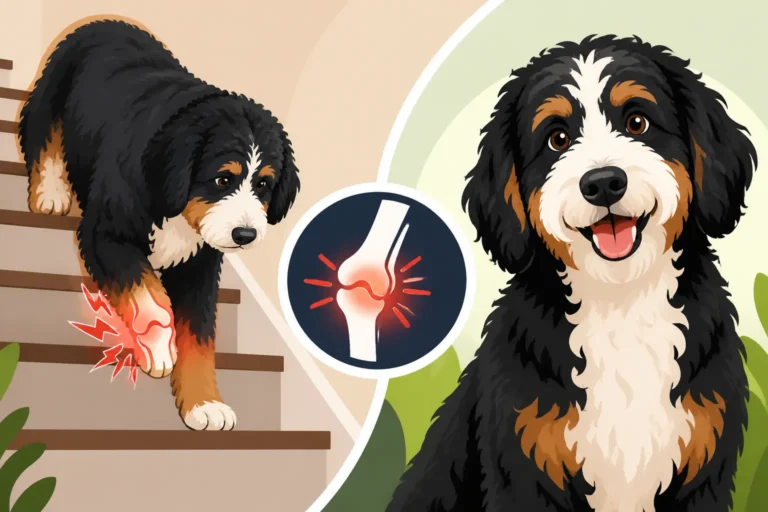
Perhaps they're a bit stiff when getting up after a long nap, or they hesitate before jumping into the car or onto the couch. This isn't just "slowing down" – it could be a sign of underlying joint discomfort, such as arthritis, which is incredibly common in larger breeds as they age. Their gait might change, becoming more shuffling or unsteady, especially on slippery surfaces. You might also notice a decrease in muscle mass, particularly in their hindquarters, even if their appetite remains robust. This muscle loss further impacts their stability and strength, making everyday movements more challenging. Don't dismiss these as just "getting old"; many of these issues can be managed to significantly improve their quality of life. For more on this, you might find Arthritis in a Bernedoodle at Eight helpful.
Cognitive Shifts and Behavioral Alterations
Beyond the physical, you might also start to see changes in your Bernedoodle's mental faculties and behavior. This can be one of the more challenging aspects of senior pet ownership, as it touches on their very personality.
They might become more confused, disoriented in familiar surroundings, or stare blankly at walls or into space. You might notice changes in their sleep patterns, perhaps pacing at night or sleeping much more during the day. Sometimes, an old Bernedoodle might forget housetraining rules, or become more anxious or vocal, especially when left alone. Interactions with family members, including other pets, might also change; they could become less tolerant, more withdrawn, or even show signs of irritability. These are often signs of Canine Cognitive Dysfunction (CCD), sometimes referred to as "doggy dementia," which is not unlike Alzheimer's in humans. Recognizing these changes early is crucial for finding ways to support their mental well-being and maintain a sense of routine and security. This is often an area where pet parents feel a lot of guilt and frustration, but understanding it's a medical condition, not defiance, can help immense. For more on supporting an old dog with cognitive changes, you can refer to An Old Bernedoodle That Stares at Walls.
Changes in Appetite and Elimination
As Bernedoodles age, their bodies process food differently, and their internal systems might not be as efficient as they once were. This can manifest in altered eating habits and changes in their bathroom routines.
You might notice a decreased appetite, or perhaps they become pickier about their food. Sometimes, it's the opposite, and they seem hungrier due to metabolic changes. Weight loss or gain without a change in diet is also a red flag. Digestive issues, such as increased gas, constipation, or diarrhea, can become more frequent. On the elimination front, incontinence is a common concern in older dogs. They might have accidents in the house, either due to a decreased ability to hold it, reduced mobility making it hard to get outside in time, or even cognitive impairment leading them to forget where they are supposed to go. Monitoring these changes and discussing them with your veterinarian is essential, as dietary adjustments, supplements, or medication can often help manage these issues and keep your Bernedoodle more comfortable and clean.
Optimizing Their Living Environment for Comfort
Once you start noticing the shifts that come with age, your home environment, which once perfectly suited your spry Bernedoodle, might need some thoughtful adjustments. Creating a safe, accessible, and supportive living space can make a world of difference in their daily comfort and independence.
Supportive Bedding and Accessible Spaces
A good bed is no longer just a luxury for an old Bernedoodle; it's a necessity. Their joints are likely aching, their muscles may be sore, and they need a place where they can truly rest without pressure points.
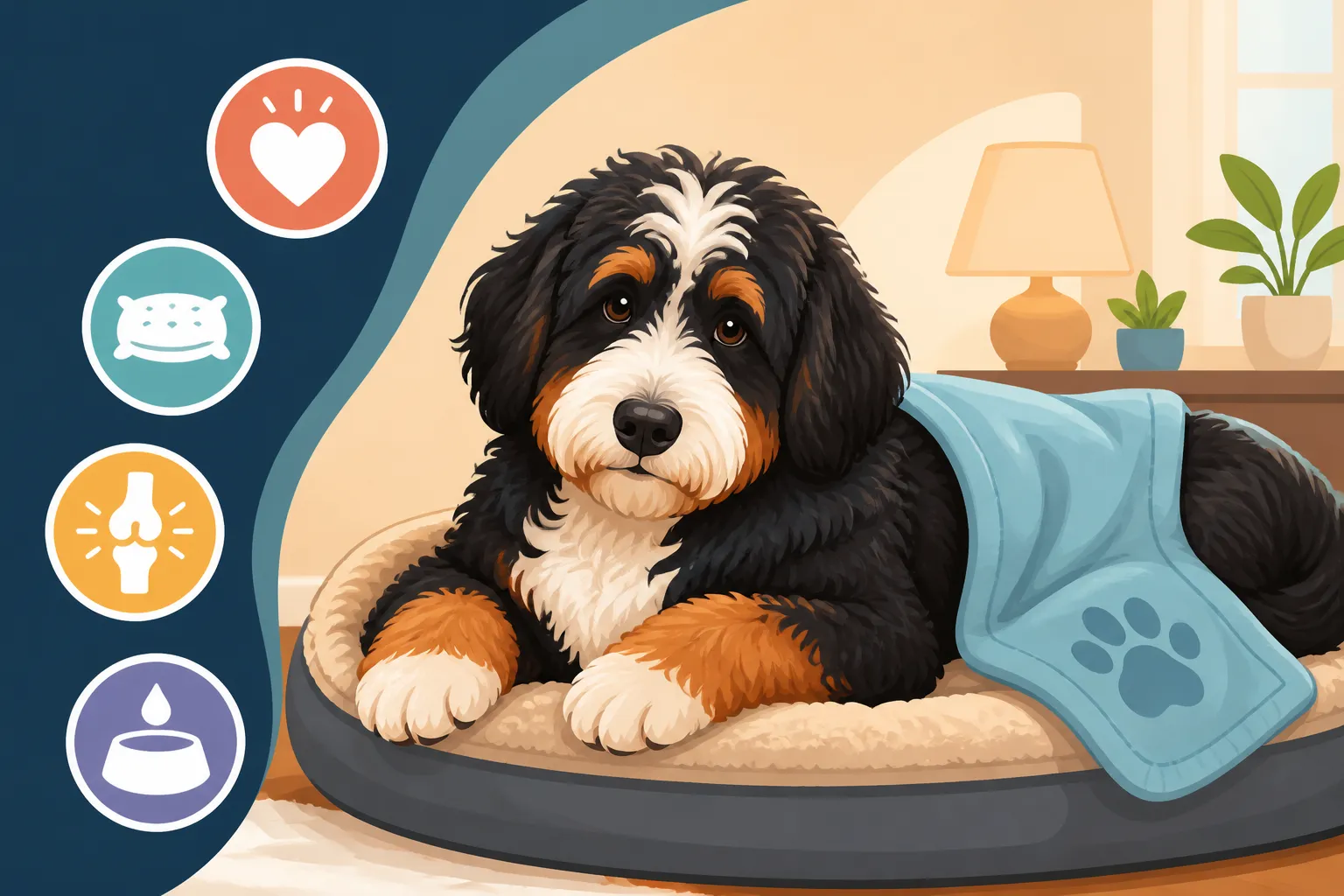
Investing in a high-quality orthopedic bed, or even several placed strategically around the house, is one of the kindest things you can do. These beds are designed with memory foam or other supportive materials that cushion their joints and distribute weight evenly, reducing discomfort. Look for beds with bolstered sides that provide a sense of security and a place for their heads to rest. Consider low-profile beds or those with easy-access ramps if your Bernedoodle struggles to step over high edges. Beyond just beds, think about their favorite resting spots. Can they still comfortably reach them? Maybe their favorite sunbeam spot on the hardwood needs a soft rug or a cozy mat now. Having easily accessible, comfortable resting spots throughout the home minimizes the effort they need to expend simply to get comfortable, encouraging them to rest and recover. For more on suitable sleeping arrangements, check out Beds That Support a Heavy Old Bernedoodle.
Managing Stairs and Slippery Floors
Stairs and slick flooring can become significant hazards for an aging Bernedoodle, especially one of the standard Bernedoodle size with its substantial weight. A slip or fall can lead to serious injury or exacerbate existing joint conditions.
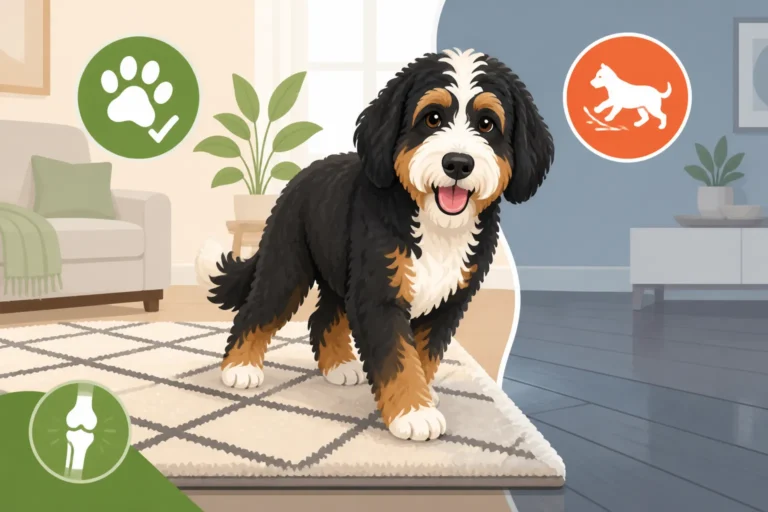
If you have stairs, consider limiting access or investing in sturdy pet ramps. For smaller Bernedoodles, you might be able to carry them up and down, but for a ninety-pound standard, that's simply not feasible or safe for either of you. Ramps can be placed both indoors for stairs and outdoors for car access or elevated porches. On slippery surfaces like hardwood, tile, or laminate, non-slip runners or rugs are your best friend. Place them in high-traffic areas, leading to food and water bowls, and around their beds. You can also get anti-slip socks or paw pads for your dog, though some dogs tolerate these better than others. The goal is to provide stable footing, preventing slips that can cause pain, fear, and further injury. Making these simple environmental changes can boost their confidence and make moving around their home much less daunting. You can find many options for ramps and non-slip mats on online retailers like Amazon or Chewy.
Temperature Regulation and Seasonal Considerations
Senior Bernedoodles can become more sensitive to extreme temperatures, both hot and cold. Their ability to regulate their body temperature might decrease, and conditions like arthritis can be aggravated by cold or damp weather.
During colder months, ensure your home is adequately heated and provide extra blankets or heated beds for their comfort. A warm dog coat or sweater can be beneficial for outdoor excursions, especially for those with thinner coats or significant muscle loss. In warmer weather, the thick Bernedoodle coat, especially if it's a dark color, can make them prone to overheating. Ensure they have access to cool, shaded areas, plenty of fresh water, and consider using cooling mats or elevated beds. Keep them indoors during the hottest parts of the day, and be mindful of walks on hot pavement. A good clip at the groomer can also help them immensely during summer, though ensure it's not too short to risk sunburn. Being proactive about temperature control helps prevent discomfort and potential health emergencies.
Adjusting Their Routine for Senior Needs
A routine is still important for senior Bernedoodles, providing structure and security, especially if they are experiencing cognitive changes. However, that routine often needs significant modification to accommodate their changing physical and mental capabilities.
Tailoring Exercise and Play
The days of long, strenuous hikes or intense games of fetch might be behind your Bernedoodle, but that doesn't mean exercise stops altogether. It just changes.
Gentle, shorter, more frequent walks are often much better than one long one. Think of a pleasant stroll rather than a brisk power walk. The key is consistency and moderation. Swimming can be an excellent low-impact exercise for dogs with joint pain, taking the weight off their limbs while still allowing them to build muscle and enjoy movement. Interactive puzzle toys can keep their minds engaged without requiring much physical exertion. Observe your dog closely during and after exercise: are they stiff afterward? Do they seem to be in pain? Adjust accordingly. The goal is to maintain muscle tone and joint flexibility, prevent boredom, and continue to provide enjoyable experiences without causing undue strain. Exercise for a Bernedoodle With Arthritis offers more in-depth advice on this.
Adapting Grooming Sessions
Grooming a Bernedoodle is already a commitment, but with an older dog, it requires even more patience and adaptation. Standing for long periods on a grooming table can become painful and stressful for them.
Consider breaking grooming sessions into shorter, more manageable chunks. Instead of trying to do a full brush-out, bath, and trim all at once, spread it over a couple of days. Brush one section thoroughly, then take a break. Your dog might be more comfortable lying down for parts of the grooming process, especially for brushing their sides and belly. If they struggle to stand, invest in a good non-slip mat for the grooming table, and provide plenty of praise and treats. You might need to find a groomer experienced with senior dogs who is willing to take extra time, offer breaks, and even groom on the floor if necessary. For those challenging tasks like nail trims, consider having your vet or vet tech handle them if your dog becomes too stressed or painful for you to manage. Keeping them well-groomed is crucial for comfort, preventing painful mats and skin issues, but it should never come at the cost of their well-being. Grooming an Old Bernedoodle That Cannot Stand Long discusses this further.
Mental Stimulation for Aging Minds
Just like humans, senior dogs benefit from mental exercise to keep their brains active and engaged. Preventing boredom and cognitive decline is a vital part of keeping them comfortable and happy.
Puzzle toys, snuffle mats, and slow feeders are fantastic for mental enrichment, challenging them to "work" for their food or treats. These engage their problem-solving skills and can slow down mealtime, which is also good for digestion. Continue with short, fun training sessions, revisiting tricks they already know or teaching simple new ones. Even five minutes a day can make a difference. Scent games, where you hide treats around the house for them to find, are also excellent for engaging their powerful noses and minds without much physical effort. Keeping their environment predictable but also introducing novel, safe sensory experiences – like new smells on a short walk or a new texture to explore – can also be beneficial. The aim is to provide gentle mental challenges that prevent boredom and keep their minds as sharp as possible.
Nutritional Support and Hydration for Senior Bernedoodles
Nutrition plays an even more critical role in the senior years, supporting their changing metabolism, joint health, and overall vitality. What worked for them as a young adult might not be what they need as they age.
Choosing the Right Senior Diet
As a Bernedoodle ages, their metabolism often slows down, and their activity levels decrease. This means they typically need fewer calories to maintain a healthy weight.
Feeding a specifically formulated senior dog food is often the best approach. These diets are designed with appropriate calorie levels to prevent obesity (which puts extra strain on aging joints) and often contain ingredients beneficial for senior health, such as glucosamine and chondroitin for joint support, and antioxidants for cognitive function. Some brands like Chewy offer a wide selection of senior-specific formulas, making it easier to find one that suits your dog's individual needs. If your Bernedoodle has specific health conditions, your vet might recommend a prescription diet tailored to support kidney function, heart health, or other issues. Portion control is also critical; even with a senior diet, overfeeding can quickly lead to unwanted weight gain. Always consult your veterinarian for the best dietary recommendations for your individual dog. Feeding a Bernedoodle Past Eight delves deeper into these considerations.
Addressing Digestive Sensitivities
Many older Bernedoodles develop more sensitive stomachs or have difficulty digesting certain foods. This can lead to discomfort, gas, bloating, and changes in stool quality.
Look for senior diets that are easily digestible and contain prebiotics or probiotics to support gut health. Some Bernedoodle owners find success with fresh food diets, like those offered by Ollie, as they can be less processed and more palatable, especially for dogs with reduced appetites. If your dog is experiencing frequent digestive upset, try introducing new foods very slowly, over several days, to allow their system to adjust. Small, frequent meals can also be easier on their digestive system than one or two large ones. Avoid feeding table scraps or rich treats, as these can easily trigger an upset stomach. If issues persist, your vet can help determine if there's an underlying medical cause and recommend appropriate dietary changes or digestive supplements.
Ensuring Adequate Water Intake
Hydration is crucial for senior dogs, supporting kidney function, joint lubrication, and overall health. However, some older Bernedoodles may drink less, or even more due to certain health conditions.
Always ensure multiple sources of fresh, clean water are readily available throughout the house. If your dog struggles to reach a water bowl, consider elevated bowls that they don't have to bend down as far for. If they're not drinking enough, you can try adding a little low-sodium chicken or beef broth to their water, or offering wet food, which has higher moisture content. A pet water fountain might also entice some dogs to drink more, as the moving water can be more appealing. Conversely, if your Bernedoodle is drinking significantly more than usual, it could be a sign of a medical condition like kidney disease or diabetes, warranting an immediate vet visit. Staying well-hydrated is fundamental to their comfort and health in these later years.
Partnering with Your Vet: Proactive Health Management
Your veterinarian becomes an even more invaluable partner as your Bernedoodle enters their senior years. Regular check-ups and open communication are key to identifying issues early and ensuring your dog receives the best possible care.
Regular Check-ups and Early Detection
Routine veterinary visits are essential for senior Bernedoodles, even if they seem healthy. These visits aren't just for vaccinations; they're comprehensive health assessments aimed at early detection.
Your vet will perform a thorough physical exam, looking for lumps, listening to their heart and lungs, checking their teeth, and assessing their mobility. They will often recommend routine blood work and urine analysis. These tests can catch hidden issues like kidney disease, liver problems, diabetes, or thyroid imbalances long before they become outwardly apparent. Early detection means earlier intervention, which can significantly improve outcomes and extend your Bernedoodle's comfortable life. Don't wait until something is clearly wrong; proactive care is the cornerstone of senior pet comfort. Think of these visits as their annual preventative health tune-up. You might find The Screening a Bernedoodle Should Have Yearly to be a helpful read.
Pain Management Strategies
Pain is a silent struggle for many older dogs, and our Bernedoodles are no exception. They are masters at hiding discomfort, so it's vital to be vigilant for subtle signs like reluctance to move, changes in posture, or irritability.
If your Bernedoodle is showing signs of pain, especially joint pain from arthritis, your vet can recommend a variety of pain management strategies. These might include non-steroidal anti-inflammatory drugs (NSAIDs) to reduce inflammation and pain, joint supplements containing glucosamine and chondroitin, or other medications to address nerve pain. Physical therapy, acupuncture, or even therapeutic laser treatments can also be incredibly effective for improving mobility and reducing discomfort. The goal is to create a multi-modal pain management plan that keeps your Bernedoodle as comfortable and mobile as possible, allowing them to enjoy their golden years without unnecessary suffering. Never administer human pain medication to your dog, as many are toxic to canines. For more in-depth advice on managing joint issues, consider Managing Arthritis in an Old Bernedoodle.
Understanding End-of-Life Care Considerations
While it's a topic no pet owner wants to dwell on, understanding end-of-life care is an important part of ensuring your Bernedoodle's comfort throughout their entire life, right to the very end.
This involves open and honest discussions with your veterinarian about your dog's quality of life. They can help you assess their comfort levels, mobility, appetite, and engagement with their family. It's about recognizing when their bad days start to outnumber their good days, and when continued treatment might cause more stress than benefit. Palliative care focuses on pain relief and comfort, allowing your dog to live their remaining time with dignity. Knowing your options, whether it's hospice care at home or making the difficult decision for humane euthanasia, allows you to make informed choices rooted in love and compassion. This preparation, while painful, is ultimately an act of love to ensure your Bernedoodle's comfort is prioritized until their very last breath.
Senior Bernedoodle Comfort Checklist
To help summarize some key actions you can take, here's a checklist for keeping your senior Bernedoodle comfortable. Remember, every dog is an individual, so work with your vet to tailor these suggestions to your specific Bernedoodle's needs.
| Area of Comfort | Key Actions to Take | Example Products/Services |
|---|---|---|
| Mobility | Provide orthopedic bedding, use ramps, add non-slip rugs. | Orthopedic dog beds, pet ramps (Amazon), non-slip runners (Chewy) |
| Adjust exercise to shorter, more frequent, low-impact walks. | Leash walks, swimming, gentle backyard play | |
| Consider joint supplements or pain medication (vet-prescribed). | Glucosamine/Chondroitin, NSAIDs (vet) | |
| Cognition | Maintain a consistent routine, provide mental stimulation. | Puzzle toys, snuffle mats, scent games |
| Engage in gentle, short training sessions. | Revisiting known commands, simple new tricks | |
| Discuss cognitive support supplements with your vet. | Antioxidant supplements, brain-support diets | |
| Nutrition & Hydration | Switch to a senior-specific diet. | Senior dog food formulas (Chewy, Ollie), vet-prescribed diets |
| Monitor appetite and weight. | Regular weigh-ins, food journals | |
| Ensure constant access to fresh water, consider elevated bowls. | Multiple water bowls, pet water fountain, elevated feeders | |
| Grooming | Break grooming sessions into shorter, more frequent parts. | Daily short brushing, professional groomer visits |
| Groom in comfortable positions (lying down). | Non-slip mats for grooming, patience | |
| Maintain appropriate coat length for comfort and hygiene. | Regular trims, professional grooming for difficult areas | |
| Environment | Regulate home temperature (cool in summer, warm in winter). | AC, fans, heating pads, dog coats |
| Block off unsafe areas (e.g., steep stairs). | Baby gates, pet gates | |
| Vet Care | Schedule bi-annual senior wellness exams. | Routine blood work, urine tests, physical exams |
| Discuss pain management options proactively. | NSAIDs, physical therapy, acupuncture | |
| Talk about quality of life and end-of-life planning. | Quality of Life assessments, hospice care |
Disclaimer
This article is for general informational purposes only and does not constitute professional advice. Laws, prices and regulations vary by location and change over time. Consult a qualified professional for guidance on your specific situation.