Whether a Bernedoodle With DM Can Be Kept Comfortable
Watching your beloved Bernedoodle, once full of boundless energy, begin to struggle with their hind limbs due to Degenerative Myelopathy (DM) is an incredibly difficult experience. This progressive neurological condition can feel like a relentless thief, slowly stealing their mobility. But while there's no cure for DM, the good news is that we can absolutely take meaningful steps to ensure our Bernedoodles remain comfortable, happy, and maintain a good quality of life for as long as possible. This guide will walk you through practical, empathetic strategies to support your furry family member through every stage of their DM journey.
Understanding Degenerative Myelopathy in Bernedoodles
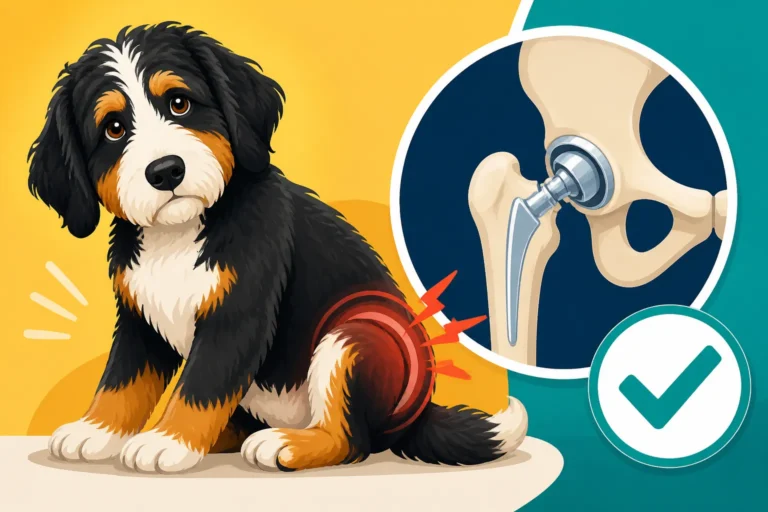
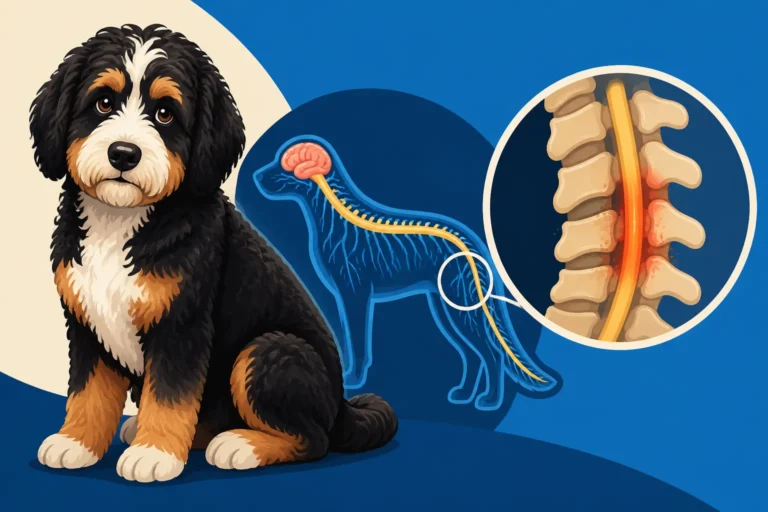
Degenerative Myelopathy (DM) is a cruel, progressive disease of the spinal cord in older dogs, leading to weakness and eventual paralysis of the hind limbs. For Bernedoodle owners, the fear of DM is very real, largely because both parent breeds – the Bernese Mountain Dog and the Poodle – can carry the SOD1 gene mutation associated with the condition. It's a genetic hand dealt to some unfortunate pups, manifesting typically in middle to senior years, often between 8 and 14 years old. While it shares some superficial similarities with hip issues or arthritis in its early presentation, DM is fundamentally different because it affects the nerves, not the joints themselves.
The heartbreaking aspect of DM is its relentless progression. It starts subtly, perhaps with a slight scuffing of paws or a wobbly gait, and gradually worsens over months to years. What's crucial to understand is that DM itself isn't a painful disease. The spinal cord degeneration doesn't directly cause pain. However, the secondary issues that arise from reduced mobility – muscle strain, skin irritation, joint stiffness from compensatory movements, or even sores from dragging – can cause discomfort or pain. This distinction is vital because our comfort measures will primarily focus on managing these secondary issues and supporting their mobility. If you're wondering what signs to watch for, a good resource is What Degenerative Myelopathy Looks Like in a Bernedoodle. Preventing DM is largely about responsible breeding, and understanding The SOD1 Test Both Bernedoodle Parents Need is key for prospective owners.
Early Intervention and Managing Initial Symptoms
The moment you suspect something is off with your Bernedoodle's gait, it's time to act. Early detection won't stop DM, but it can significantly improve your dog's quality of life by allowing you to implement comfort measures sooner. The first step is always a thorough veterinary examination to confirm the diagnosis and rule out other conditions like hip dysplasia, arthritis, or even a slipped disc. These other conditions can often be treated, so a proper diagnosis is paramount. You might notice your Bernedoodle starting to show signs as they approach their senior years, making you question The Age Degenerative Myelopathy Appears in a Bernedoodle.
When DM is in its initial stages, often marked by hind limb weakness, occasional stumbling, or the tell-tale dragging of a back foot, gentle physical therapy becomes your best friend. This isn't about pushing them to extreme workouts, but rather maintaining existing muscle mass and flexibility. Simple exercises like controlled walks on soft surfaces, gentle massage, and passive range of motion exercises can make a huge difference. Hydrotherapy or swimming, if accessible and enjoyed by your Bernedoodle, is fantastic because it allows them to move their limbs without bearing full weight, which strengthens muscles without putting stress on their joints. Even at this stage, small modifications at home can provide immense comfort. Think about laying down non-slip rugs on slick floors to give them better traction, especially in high-traffic areas. Raised food and water bowls can also help, as they prevent your dog from having to bend down too much, which can be awkward and taxing as their balance declines. If you're unsure if a dragging paw is DM or something else, understanding Whether a Bernedoodle Dragging a Back Foot Has DM and Telling DM From Hip Disease in a Bernedoodle can provide valuable insights.
Adapting as Degenerative Myelopathy Progresses
As DM progresses, your Bernedoodle's mobility will inevitably decline, and your role will shift towards becoming their primary mobility assistant. This is where creative solutions and a deep well of patience truly come into play.
Enhancing Mobility with Supportive Devices
When your Bernedoodle's hind legs start giving out more frequently, or they struggle to get up from a lying position, it's time to explore mobility aids. A good support harness, often one that supports both the front and rear, can be incredibly helpful. Brands like GingerLead or Help 'Em Up Harness are popular choices, offering sturdy handles that allow you to lift and stabilize your dog as they walk, navigate stairs, or relieve themselves. These can provide invaluable assistance for short periods, reducing the strain on your Bernedoodle and preventing falls.
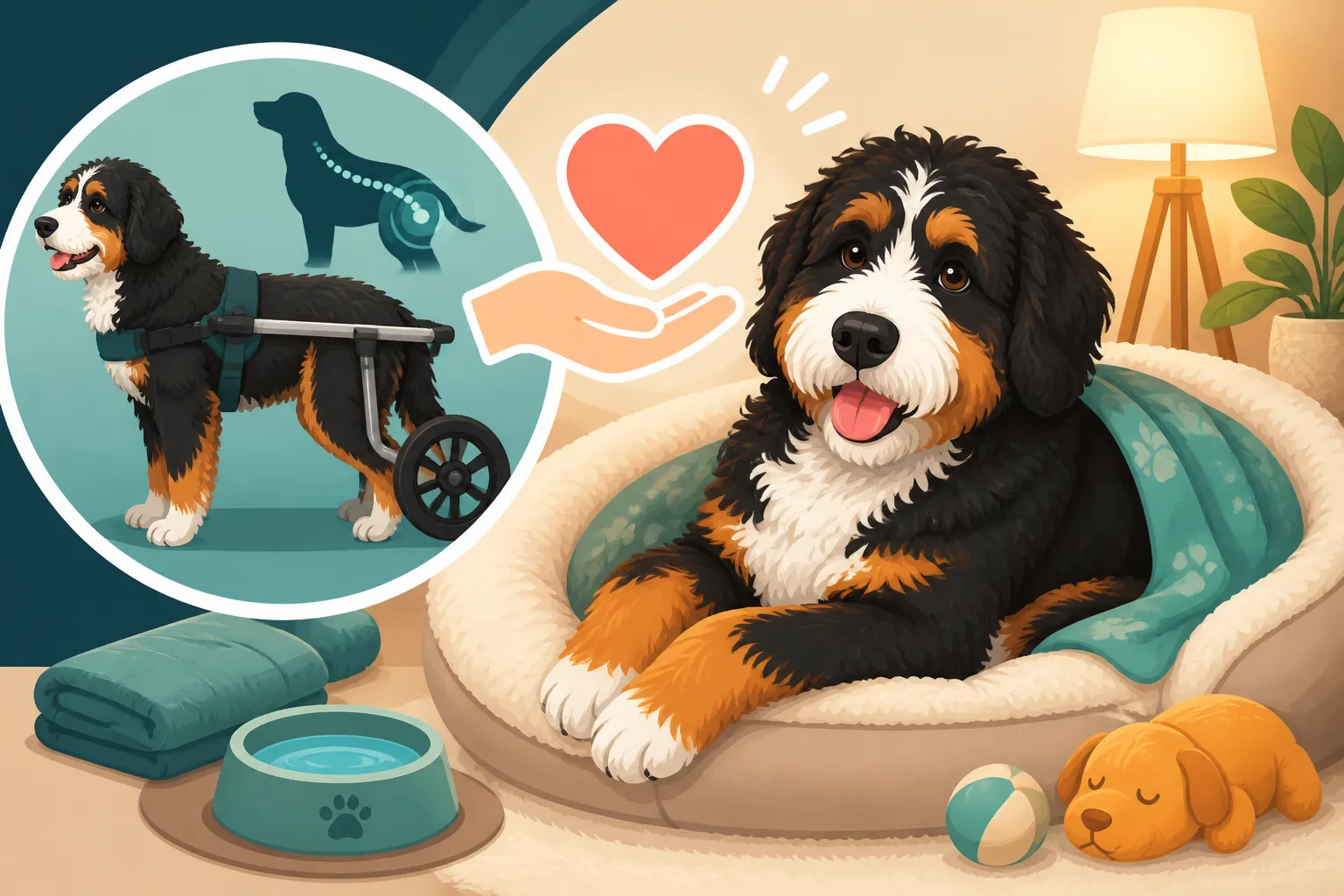
Eventually, many Bernedoodles with DM will benefit significantly from a dog wheelchair or cart. This might seem daunting at first, but for many dogs, it's a game-changer, giving them back a sense of independence and the ability to enjoy walks and outdoor activities. Custom-fitted wheelchairs from companies like Walkin' Pets or Eddie's Wheels can dramatically improve their quality of life, allowing them to run and play again, even with paralyzed hind limbs. It's truly amazing to see a dog's spirit reignite when they can move freely once more. For more information on these devices, check out Wheelchairs and Carts for a Bernedoodle With DM.
Creating a Safe and Comfortable Home Environment
Your Bernedoodle's home environment will need to evolve with their condition. Orthopedic beds, especially those with memory foam, are no longer a luxury but a necessity. They provide superior joint support, prevent pressure sores, and make resting much more comfortable. Consider beds with lower profiles to make getting in and out easier, or even dog beds with built-in ramps or step-ups. For a heavy Bernedoodle, finding supportive bedding is critical, so look into Beds That Support a Heavy Old Bernedoodle. If they struggle with stairs, installing a ramp for access to raised areas like the bed or couch can be incredibly helpful. Similarly, ramps for cars or outdoor steps will protect their remaining strength and your back. For comprehensive advice on this, refer to Whether an Old Bernedoodle Needs a Ramp.
Hygiene becomes a significant concern as mobility decreases. Incontinence can be common, leading to urine scald or skin irritation. Regular cleaning, using doggy diapers, and applying protective creams are essential. Your Bernedoodle might need frequent baths, particularly their hindquarters, to keep them clean and prevent skin issues. For larger Bernedoodles, bathing can be a challenge, so consider professional groomers or self-wash stations with elevated tubs.
Nutrition and Overall Well-being
Maintaining a healthy weight is paramount for a Bernedoodle with DM. Every extra pound adds strain to their already compromised limbs and makes movement harder. Work with your vet to establish a balanced diet that supports muscle mass without adding unnecessary calories. High-quality protein and appropriate fat levels are key. You might find yourself needing to cut portions as their activity level decreases, as even Whether an Overweight Bernedoodle Loses Years is a concern for their overall health, not just DM.
Don't forget mental stimulation. Even if their body is failing, their mind remains sharp. Puzzle toys, scent games, and short training sessions (adapted to their mobility, of course) can keep them engaged and happy. This is also where pet insurance, like a comprehensive plan from Healthy Paws, can really make a difference. Knowing that unexpected costs for adaptive equipment, physical therapy, or even veterinary visits related to secondary complications are covered can give you immense peace of mind during this challenging time. It allows you to focus on your Bernedoodle's comfort without the added stress of overwhelming bills.
Comprehensive Comfort and Quality of Life Care
Providing comfort for a Bernedoodle with DM extends beyond just physical support; it encompasses a holistic approach to their well-being. This often means exploring complementary therapies and ensuring a strong emotional connection.
Exploring Complementary Therapies
Many owners find success incorporating complementary therapies alongside conventional veterinary care. Acupuncture, administered by a certified veterinary acupuncturist, can help with nerve function, muscle pain, and overall comfort, especially for any secondary issues that arise. Veterinary massage therapy can improve circulation, reduce muscle stiffness, and provide a sense of relaxation and well-being. Regular, gentle massage from you at home can also strengthen your bond and help you monitor for any new areas of tenderness or skin irritation. Certain supplements, such as Omega-3 fatty acids for their anti-inflammatory properties, or antioxidants, may be recommended by your vet to support overall neurological health, although their direct impact on DM progression is still being studied. For older Bernedoodles, managing general age-related discomfort, like Managing Arthritis in an Old Bernedoodle, becomes even more important.
Emotional Support and Connection
Your Bernedoodle relies on your presence and reassurance more than ever during this time. Spending quality time together, even if it's just gentle petting sessions, reading to them, or quiet cuddles, is vital for their emotional well-being. Many dogs with DM remain incredibly sweet and loving, and maintaining their emotional comfort is just as important as their physical comfort. They sense your stress, so try to remain calm and positive around them. Celebrate their small victories, like a successful, unassisted stand or a happy wag of the tail during a supported walk.
Regular veterinary check-ups become even more critical. Your vet can monitor their condition, adjust medications for any secondary pain or inflammation, and help you anticipate future needs. They can also screen for other age-related conditions that might impact your Bernedoodle's comfort. Understanding What Changes in a Bernedoodle After Eight can help you prepare for these broader senior dog considerations. When your Bernedoodle is struggling to rise, knowing how to provide Supporting an Old Bernedoodle That Cannot Rise can greatly reduce their frustration and discomfort.
It's also important to consider the difficult conversation about quality of life. While DM itself isn't painful, the loss of mobility, dignity, and ability to engage in activities they once loved can severely impact a dog's overall happiness. Your vet can provide tools and guidance to help you objectively assess their quality of life, looking at factors like appetite, hydration, hygiene, happiness, mobility, and pain. This painful but necessary assessment helps you make the most loving decision when the time comes. Having a robust pet insurance plan like Healthy Paws throughout your Bernedoodle's life provides a crucial safety net, ensuring you can pursue every available treatment and comfort measure without financial barriers, ultimately supporting your ability to maximize their quality of life until their very last day.
Stages of Degenerative Myelopathy and Comfort Measures
To help visualize how comfort measures evolve with the progression of DM, here's a table summarizing common stages and corresponding strategies:
| DM Stage | Common Symptoms | Recommended Comfort Measures |
|---|---|---|
| Early | Mild hind limb weakness, paw scuffing, wobbling. | Gentle daily walks, non-slip rugs, raised food/water bowls, vet check-ups. |
| Moderate | Noticeable hind limb weakness, difficulty rising, occasional falls. | Rear-end support harness, physical therapy/hydrotherapy, orthopedic bedding, ramp access. |
| Advanced | Hind limb paralysis, significant incontinence, inability to stand/walk without support. | Full-body support harness, custom wheelchair, diligent hygiene care (diapers, frequent cleaning), pressure sore prevention, mental enrichment, elevated soft bedding. |
| End Stage | Extreme weakness, profound mobility loss, decline in overall well-being. | Focus on warmth, soft bedding, hand-feeding, constant monitoring, gentle massage, pain management for secondary issues, quality of life assessment with vet. |
Disclaimer
The information provided in this article is for general informational purposes only and does not constitute veterinary advice. Always consult with a qualified veterinarian for any health concerns or before making any decisions about your Bernedoodle's medical care or treatment plan.