What Gastropexy Adds to a Bernedoodle’s Spay
One of the most terrifying things a Bernedoodle owner can face is the sudden, life-threatening emergency of bloat, medically known as Gastric Dilatation-Volvulus (GDV). This horrific condition can strike without warning, turning a perfectly healthy dog into a critical patient within hours. For many of us with deep-chested breeds, the fear of bloat often looms in the back of our minds. This comprehensive guide aims to shed light on what a prophylactic gastropexy adds to your Bernedoodle's spay, offering a proactive measure to protect your beloved companion from this devastating illness.
Understanding Bloat and Its Risk to Bernedoodles
It's a chilling thought, isn't it? That your vibrant, playful Bernedoodle could suddenly be in mortal danger due to something as innocuous as a meal. But for owners of large, deep-chested dogs, bloat is a very real, very present threat.
What is Gastric Dilatation-Volvulus (GDV)?
Let's break down what actually happens when a dog experiences bloat, or more specifically, Gastric Dilatation-Volvulus (GDV). It's not just a bit of a tummy ache; it's a catastrophic medical emergency. First, the stomach fills with gas, food, or fluid, causing it to dilate or "bloat." This alone is incredibly painful and puts immense pressure on other organs, impacting breathing and blood flow. The real danger, however, comes with the "volvulus" part – the stomach then twists on its axis, cutting off both the entrance and exit points. This torsion traps the gas, food, and fluids, rapidly leading to tissue death in the stomach wall, shock, and ultimately, organ failure and death if not treated immediately.
The speed at which GDV can progress is what makes it so terrifying. Many owners report their dog seeming perfectly fine one minute and then showing severe signs of distress just an hour or two later. It's truly a race against time, with survival rates dropping significantly the longer treatment is delayed.
Why Bernedoodles Are Particularly Susceptible
If you're wondering why we're talking about Bernedoodles specifically, it boils down to genetics and conformation. As a mix of a Bernese Mountain Dog and a Poodle, Bernedoodles inherit traits from both parents, and unfortunately, a propensity for deep chests is one of them. Deep-chested breeds are disproportionately affected by GDV. Think about it: a deep, narrow chest allows the stomach more room to swing and twist, unlike a broad, shallow chest where it's more snugly held in place.
The Bernese Mountain Dog, in particular, is one of the breeds with a significantly elevated risk of bloat. This risk passes directly to their Bernedoodle offspring. While the Poodle side might offer some mitigating factors in other health areas, when it comes to the specific anatomical risk of a deep chest, the Bernese influence is strong. This means that a standard Bernedoodle, especially a male, is definitely on the watch list for this condition. We often talk about how The Chest That Puts a Standard Bernedoodle at Bloat Risk makes them more vulnerable. It's not something to ignore; it's a critical consideration for their lifelong care.
The Silent Threat of Bloat Symptoms
Recognizing the signs of bloat is absolutely crucial, because early intervention can be the difference between life and death. The symptoms can be subtle at first, which adds to the terror, as you might not realize the severity until it's too late.
The most common initial signs include restlessness and anxiety. Your dog might pace, try to lie down but quickly get back up, or seem uncomfortable. They might drool excessively or constantly try to vomit, but nothing comes up – this is often described as non-productive retching. This symptom, often referred to as The Retching That Means a Bernedoodle Has Torsed, is a huge red flag. You might also notice a distended abdomen, which can feel tight like a drum, though this isn't always obvious, especially in the early stages or with a fluffy coat. Pain, rapid shallow breathing, weakness, and collapse are later, more severe signs that demand immediate emergency veterinary attention. If you suspect bloat for even a second, do not wait. Get to an emergency vet clinic right away. It's always better to be safe than sorry when it comes to GDV.
Gastropexy: A Proactive Defense Against Bloat
Given the terrifying nature and high mortality rate of bloat, many Bernedoodle owners, myself included, start looking for ways to prevent it rather than react to it. That's where gastropexy comes in. It's a preventive surgery that can offer immense peace of mind.
What Exactly is a Gastropexy?
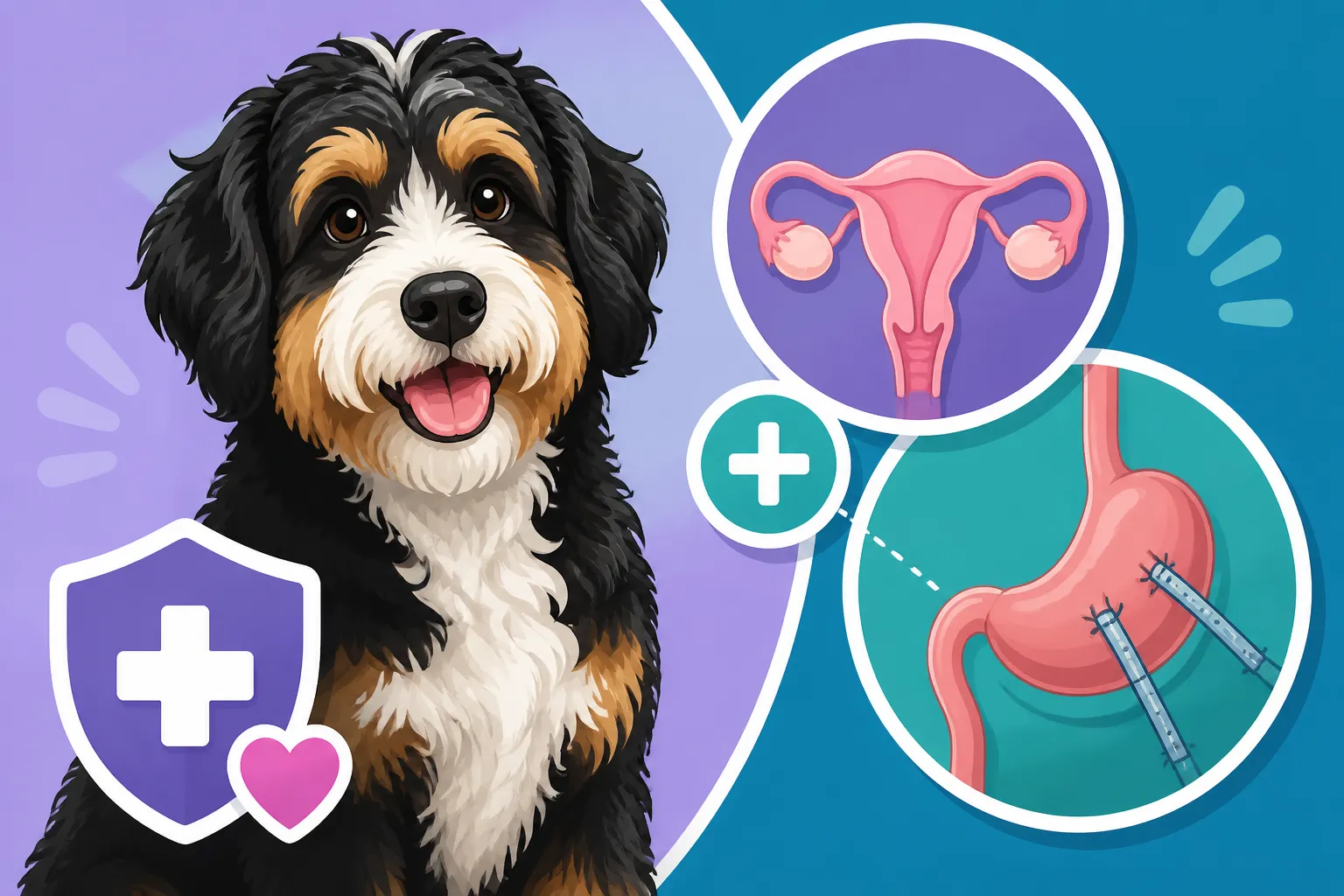
A gastropexy is a surgical procedure where a dog's stomach is permanently attached to the abdominal wall. Think of it as anchoring the stomach in place. This attachment prevents the stomach from twisting (volvulus), even if it does dilate with gas or food. So, while a dog who has had a gastropexy can still "bloat" (i.e., their stomach can fill with gas), the life-threatening twisting motion that constitutes GDV is prevented.
The procedure itself is relatively straightforward for an experienced veterinary surgeon. It can be performed as an "open" surgery, where an incision is made in the abdomen, or laparoscopically, which is less invasive. The goal is the same: to create a permanent adhesion between the stomach and the body wall. This simple act dramatically reduces the risk of GDV, saving countless lives and heartache.
Why Combine Gastropexy with a Spay?
One of the most practical and beneficial times to perform a gastropexy is concurrently with another abdominal surgery, such as a spay (ovariohysterectomy). This is precisely what many Bernedoodle owners consider. The reasons for combining these two procedures are compelling.
First, your Bernedoodle will only need to undergo anesthesia once. Anesthesia, while generally safe, always carries some degree of risk, and minimizing exposure is always a good thing. By combining the surgeries, you reduce the overall stress on your dog's body and the number of recovery periods. Second, it often means a single trip to the vet, a single set of pre-operative blood tests, and a single recovery phase, which can be less disruptive for both you and your dog. Finally, it can be more cost-effective. While a gastropexy does add to the overall cost of a spay, performing it as a standalone procedure later would incur separate anesthesia fees, surgical suite charges, and recovery monitoring, often making the combined approach more economical in the long run. It's a smart, pragmatic choice that many veterinarians recommend for at-risk breeds like the Bernedoodle. This is why discussions around Whether a Standard Bernedoodle Should Be Tacked at Spay are so important for owners.
Types of Gastropexy Procedures
Not all gastropexy procedures are created equal, and understanding the different options can help you have a more informed conversation with your vet.
Historically, the most common method was the incisional gastropexy, an "open" procedure. This involves making a larger incision in the abdomen, then making a small incision into the outer muscular layer of the stomach and a corresponding incision into the inner abdominal wall. These two incisions are then stitched together, forming a strong, permanent bond as they heal. This method is highly effective and widely available.
More recently, laparoscopic-assisted gastropexy has become increasingly popular, especially in specialty and emergency veterinary hospitals. This minimally invasive technique involves making only a few small incisions through which a camera and surgical instruments are inserted. The stomach is then identified and tacked to the abdominal wall using specialized instruments. This approach typically results in less post-operative pain, smaller scars, and a faster recovery time for your dog, though it can sometimes be more expensive and requires specialized equipment and training. For a large dog like a Bernedoodle, the benefits of a less invasive procedure can be significant, especially when considering What Anesthesia Is Riskier on a Ninety Pound Bernedoodle.
Another variation is the circumcostal gastropexy, where a flap of stomach tissue is passed around a rib and sutured to itself. While effective, it's less commonly performed today due to the success and less invasive nature of other techniques. Ultimately, the best type of gastropexy for your Bernedoodle will depend on your veterinarian's expertise, the resources of their clinic, and your dog's specific health needs.
Weighing the Benefits and Considerations
Deciding to pursue a prophylactic gastropexy is a significant choice. It’s about balancing the clear advantages of prevention against the inherent considerations of any surgical procedure.
The Lifesaving Advantages of Prophylactic Gastropexy
The primary, undeniable advantage of prophylactic gastropexy is that it dramatically reduces the risk of your Bernedoodle ever experiencing the fatal torsion aspect of GDV. While they could still experience simple bloat (stomach dilation), the twist is what truly kills, and gastropexy stops that. Imagine the peace of mind knowing that you've taken a concrete step to protect your furry family member from what is essentially a ticking time bomb for breeds like ours.
Think of it this way: instead of waiting for a frantic late-night dash to an emergency vet, facing an expensive and high-risk emergency surgery with an uncertain outcome, you've opted for a planned, lower-risk procedure. Emergency GDV surgery is incredibly invasive, prolonged, and costly, often ranging from $3,000 to $7,000 or more, with survival rates for emergency cases often cited between 70-85%, depending on how quickly they get to surgery and the extent of the damage. Prophylactic gastropexy, on the other hand, usually costs significantly less and is performed on a healthy patient, leading to a much better prognosis. This proactive measure not only saves lives but also spares you immense emotional and financial stress.
Potential Risks and Recovery
Like any surgical procedure, gastropexy carries potential risks, though they are generally low, especially when performed on a young, healthy dog by an experienced veterinary team. These risks include general anesthesia complications, post-operative pain, infection at the surgical site, and in very rare cases, failure of the stomach to adhere properly to the abdominal wall.
Recovery from a gastropexy combined with a spay is similar to recovery from a standard spay, with a few nuances. Your Bernedoodle will likely need pain medication, restricted activity (no running, jumping, or strenuous play) for 10-14 days, and careful monitoring of the incision site. You'll also need to prevent them from licking or chewing at the stitches, often with an Elizabethan collar (the dreaded "cone of shame"). Recovery time is generally quite manageable, especially with the laparoscopic technique. Your vet will provide specific post-operative care instructions, including guidelines on feeding after surgery. It's often recommended for a standard Bernedoodle to avoid intense exercise or large meals right after returning home.
Financial Implications and Insurance Coverage
The cost of adding a gastropexy to your Bernedoodle's spay will vary depending on your location, the veterinary clinic, and whether an open or laparoscopic approach is used. Generally, you can expect it to add anywhere from a few hundred dollars to over a thousand dollars to the total bill. While this might seem like a significant upfront cost, it's important to view it as an investment in your dog's future health and a hedge against the potentially astronomical costs of emergency GDV surgery.
Many pet insurance providers, such as Healthy Paws, cover prophylactic gastropexy when it's medically necessary due to breed predisposition, though it's always wise to check your specific policy details before scheduling the procedure. Policies typically have waiting periods and may not cover pre-existing conditions, so insuring your Bernedoodle early is key. For comparison, let's look at the average costs:
| Procedure Type | Average Cost Range (USD) | Notes |
|---|---|---|
| Standard Spay (without gastropexy) | $300 – $800 | Varies greatly by clinic, location, and dog's size/age. |
| Open Gastropexy (standalone) | $800 – $2,000 | Requires separate anesthesia, recovery; typically more expensive than combined. |
| Laparoscopic Gastropexy (standalone) | $1,200 – $3,000 | More specialized, often at specialty clinics; less invasive. |
| Combined Spay + Open Gastropexy | $700 – $1,800 | Often the most cost-effective way to get both procedures done; single anesthesia. |
| Combined Spay + Laparoscopic Gastropexy | $1,000 – $2,500 | Great for faster recovery, but may be limited to clinics with appropriate equipment. |
| Emergency GDV Surgery (if bloat occurs) | $3,000 – $7,000+ | Includes emergency stabilization, surgery, and intensive post-op care; high mortality risk. |
(Note: These are estimated ranges and can fluctuate based on geographic location, clinic, and individual case complexity.)
When you consider the potential cost of an emergency, not to mention the emotional toll, the prophylactic gastropexy can quickly become a very sensible financial decision, akin to planning for other potential expenses like What Cancer Treatment Costs a Bernedoodle Owner.
Making an Informed Decision for Your Bernedoodle
Choosing whether to proceed with a prophylactic gastropexy is a personal decision that should be made with careful consideration and professional guidance.
Consulting Your Veterinarian
The absolute first step in making this decision is to have an open and detailed conversation with your trusted veterinarian. They know your Bernedoodle's individual health history, can assess their specific risk factors based on their size, conformation, and lineage, and can discuss the pros and cons in the context of your local veterinary options.
Your vet can explain the procedure in detail, clarify the recovery process, and provide a clear breakdown of the costs involved. Don't hesitate to ask questions, no matter how small they seem. Inquire about their experience with gastropexy, especially for large breeds. If your regular vet doesn't perform laparoscopic procedures, they might be able to refer you to a specialty clinic that does. Remember, this is about ensuring the best possible health and longevity for your Bernedoodle. They can also advise on other preventative measures for bloat, such as appropriate feeding schedules – for instance, Whether a Standard Bernedoodle Should Rest After Meals.
Post-Operative Care and Long-Term Outlook
Once your Bernedoodle has undergone the combined spay and gastropexy, the focus shifts to a smooth recovery. Strict adherence to your vet's post-operative instructions is vital. This typically includes:
- Pain Management: Administering prescribed pain medication to keep your Bernedoodle comfortable.
- Activity Restriction: Limiting strenuous exercise, jumping, and rough play for 10-14 days to allow internal and external incisions to heal. Leash walks for potty breaks only are usually recommended.
- Incision Monitoring: Regularly checking the surgical site for any signs of redness, swelling, discharge, or opening.
- Preventing Licking: Using an E-collar or recovery suit to prevent your Bernedoodle from licking or chewing the incision, which can lead to infection or dehiscence (opening of the wound).
- Feeding Guidelines: Following any specific feeding recommendations from your vet, such as smaller, more frequent meals for a few days to ease digestion.
The long-term outlook for Bernedoodles who have undergone prophylactic gastropexy is excellent. The procedure is highly effective in preventing GDV, significantly extending the potential lifespan and quality of life for these wonderful dogs. While you'll still need to be aware of other potential health concerns that can affect Bernedoodles, such as Hip and Elbow Dysplasia, or even The Seven Years a Bernese Lives and the Twelve a Bernedoodle Might when considering their overall health, bloat will largely be a fear of the past. It’s a powerful tool in your arsenal as a responsible Bernedoodle owner, offering true peace of mind that you've done everything possible to protect your furry companion from one of the most dreaded canine emergencies.
Disclaimer
This article provides general information and is not a substitute for professional veterinary advice. Always consult with a qualified veterinarian regarding your Bernedoodle's specific health concerns, treatment options, and surgical decisions.