Whether a Bernedoodle That Tears One Cruciate Tears the Other
It’s a truly gut-wrenching moment when your beloved Bernedoodle, full of life and joy, suddenly comes up lame. After the vet visit, the diagnosis of a torn cranial cruciate ligament (CCL) is devastating enough, but then the fear creeps in: what about the other leg? Many Bernedoodle owners find themselves haunted by the question of whether a dog that tears one cruciate is destined to tear the other. This guide aims to address that very real concern, diving deep into why this happens, what you can expect, and most importantly, what steps you can take to protect your furry companion.
Understanding Cranial Cruciate Ligament CCL Tears in Bernedoodles
When your Bernedoodle suffers a CCL tear, it's not just a simple sprain. This is a significant injury that often requires surgical intervention, and the recovery process is long and demanding. It's a journey no pet parent wants to embark on, especially with such large, active dogs.
What is a CCL Tear and Why Bernedoodles Are Prone?
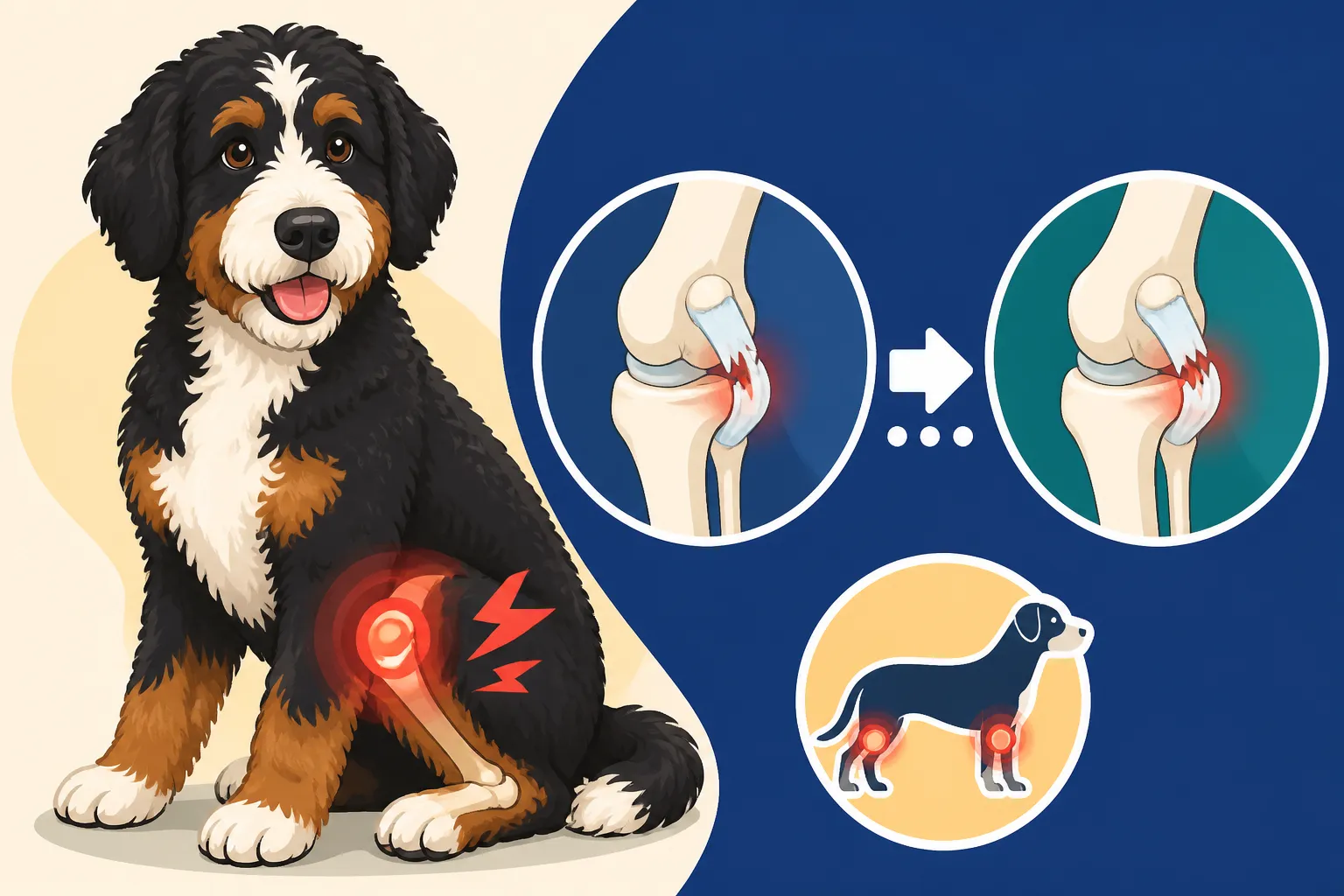
Let's break down what a CCL tear actually is. Think of the cruciate ligaments in a dog's knee (stifle) as similar to the ACL in a human knee. The cranial cruciate ligament is crucial for stabilizing the knee joint, preventing the tibia (shin bone) from sliding forward excessively relative to the femur (thigh bone), and limiting internal rotation. When this ligament tears, the knee becomes unstable, leading to pain, lameness, and eventual arthritis if left untreated.
Bernedoodles, being a crossbreed of Bernese Mountain Dogs and Poodles, inherit traits from both sides. Unfortunately, both parent breeds can be predisposed to orthopedic issues. Bernese Mountain Dogs, like many large and giant breeds, are known for joint problems, including hip and elbow dysplasia, but also ligament issues. Poodles, particularly Standard Poodles, can also have their share of orthopedic concerns. This genetic predisposition, combined with their often robust size – especially a standard Bernedoodle that can easily reach 70 to 90 pounds – places significant stress on their joints. Imagine all that weight and energy impacting a relatively small, complex joint like the knee. Activities like sudden turns, jumping, or even just misstepping during a playful romp can put immense strain on the CCL, leading to a tear. It’s not always a single traumatic event; often, it’s a culmination of degenerative changes over time, where the ligament slowly weakens until a seemingly minor movement causes it to rupture completely. It's a heartbreaking reality for many large breed owners.
The Initial Signs and Diagnosis of a Torn CCL
Recognizing the signs of a torn CCL is the first critical step. Typically, you'll notice sudden lameness in one of your Bernedoodle's hind legs. It might start as a subtle limp after a vigorous play session, gradually worsening, or it could be a sudden refusal to bear weight. Your dog might hold the leg up, reluctant to put any pressure on it. When they do try to walk, their gait might be altered, sometimes described as a "toe-touching" lameness, where they just touch the ground with their paw without fully weighting the leg. You might also observe swelling around the knee, or your Bernedoodle might be hesitant to jump into the car, climb stairs, or even get up from a lying position.
If you notice any of these signs, don't delay a visit to your veterinarian. They will perform a physical examination, feeling for instability in the knee joint. The "cranial drawer test" and "tibial compression test" are classic diagnostic maneuvers veterinarians use to detect laxity in the joint, indicative of a torn CCL. Often, sedation is required for these tests, especially with a large, anxious, or painful dog like a Bernedoodle, to get an accurate assessment. X-rays are also typically taken, not directly to see the ligament (which is soft tissue and doesn't show up well on standard X-rays), but to assess for secondary signs of arthritis, swelling, or bone changes that often accompany a CCL tear. Sometimes, your vet might recommend a referral to an orthopedic specialist for further diagnostics, such as an MRI, though the physical exam and X-rays are usually sufficient for diagnosis. Early and accurate diagnosis is key to starting the right treatment plan.
The High Risk of Contralateral CCL Rupture
This is the part that keeps many Bernedoodle owners up at night. You've just navigated the emotional and financial rollercoaster of one torn cruciate, and now you have to worry about the other one. It's a valid and, unfortunately, statistically sound concern.
Why the Other Leg is So Vulnerable
When one CCL tears, your Bernedoodle naturally compensates by putting more weight and stress on the "good" leg. Think about it: if you sprain an ankle, you instinctively shift your weight to the other side, even subconsciously. Dogs do the same. While this helps them manage the pain and instability in the injured leg, it puts an enormous, unnatural load on the contralateral limb. This increased stress on the seemingly healthy knee can accelerate any pre-existing degenerative changes in that ligament, making it far more susceptible to a tear itself. It's not just the extra weight; it's the altered biomechanics, the way they move, jump, and even stand. The muscles in the healthy leg work overtime, and the ligament, already potentially weaker from the same genetic predispositions that affected the first leg, simply gives out under the sustained strain. It's a vicious cycle that can feel incredibly unfair. This phenomenon highlights why considering prophylactic measures or rigorous management of the uninjured leg is so crucial.
Statistics and Timeline for a Second Tear
The statistics on contralateral CCL tears are sobering. Veterinary studies consistently show that if a dog tears one CCL, there's a significant chance—often cited as between 40% to 60%—that they will eventually tear the other within a few years. Some studies even report rates as high as 70% in certain large breeds. For Bernedoodle owners, this means that even after successful surgery and rehabilitation for the first tear, you're not entirely out of the woods.
The timeline for a second tear can vary widely. It can happen as soon as a few months after the first injury or several years down the line. However, the highest risk period often falls within the first 12-24 months post-initial surgery. This is precisely when the "good" leg has been bearing the brunt of the compensatory weight for an extended period, especially during the initial recovery of the first leg when activity is restricted. It’s a constant tightrope walk, balancing the need for rehabilitation of the injured leg with the protection of the healthy one. Understanding this timeline can help you stay vigilant and proactive in your Bernedoodle's care.
Proactive Steps to Protect the Other Cruciate Ligament
Given the high risk of a second tear, being proactive is not just a good idea—it's absolutely essential for your Bernedoodle's long-term comfort and mobility. The goal is to minimize stress on that vulnerable second knee as much as possible.
Weight Management and Nutrition
This cannot be stressed enough: maintaining a healthy weight is perhaps the single most impactful thing you can do to protect your Bernedoodle's joints, especially the contralateral CCL. Every extra pound your Bernedoodle carries multiplies the stress on their knees. Imagine carrying a backpack full of bricks all day—that's what excess weight feels like for your dog's joints. If you're currently Feeding a Bernedoodle That Will Reach Ninety Pounds or more, you need to be particularly mindful of their caloric intake.
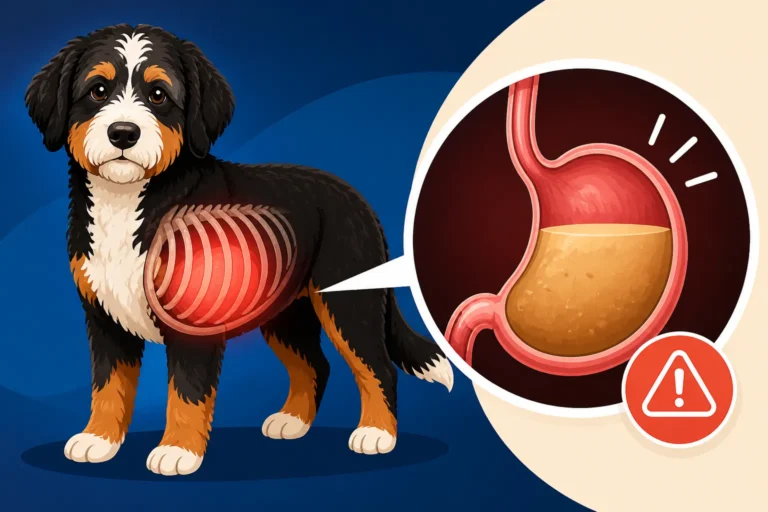
Work closely with your veterinarian to determine an ideal body weight for your Bernedoodle and create a tailored feeding plan. This might involve precise portion control, switching to a lower-calorie, high-quality large-breed food, and being extremely careful with treats. Remember, a Bernedoodle's thick coat can sometimes hide excess weight, so regularly feeling for their ribs is important. You should be able to feel them easily without pressing too hard. If you're struggling to keep their weight in check, consider consulting a veterinary nutritionist or exploring specific weight management diets available through your vet. This simple step can drastically reduce the load on their ligaments and extend their joint health.
Controlled Exercise and Rehabilitation
After a CCL surgery, proper rehabilitation is critical not only for the operated leg but also for preventing injury to the other side. During the initial recovery, strict activity restriction is paramount. This means leash walks only, no jumping, no running, and no stairs. This period of controlled movement allows the surgical site to heal, but it also means the uninjured leg is doing most of the work, albeit in a restricted manner.
As your Bernedoodle progresses through rehabilitation, under the guidance of a certified canine rehabilitation therapist, the focus will gradually shift to strengthening both hind legs. This includes gentle range-of-motion exercises, controlled balance work, and hydrotherapy (underwater treadmill or swimming). Swimming can be particularly beneficial for Bernedoodles, as it allows for muscle strengthening without impact on the joints. The therapist will design exercises that build strength and stability without putting excessive strain on the vulnerable ligament. It’s about building foundational strength and improving proprioception (awareness of body position) so that both legs can handle daily activities more effectively. Skipping or rushing this phase can be detrimental, potentially leading to re-injury or a new injury in the other leg. Remember, Exercise That Suits a Bernedoodle With Bad Elbows will often also apply to knees, requiring careful management.
Medical and Surgical Considerations
Beyond weight and exercise, there are medical and even preventative surgical options to discuss with your vet or an orthopedic specialist. Many owners opt to give their Bernedoodle joint supplements, often containing glucosamine, chondroitin, and MSM, to support joint health. While the efficacy of these supplements can vary and they are not a cure-all, they can contribute to overall joint wellness and reduce inflammation. It's worth discussing Whether a Bernedoodle Needs Joint Supplements From Young, especially given their breed predisposition.
In some cases, especially for dogs with particularly severe conformation issues or a history of one CCL tear and early signs of instability in the other, a veterinarian might discuss "prophylactic" surgery on the healthy leg. This is a big decision and not one to be taken lightly, as it involves operating on a currently sound leg. However, for some owners, the peace of mind might be worth it, especially if the dog is still young and very active. Another non-surgical option that some owners explore is a custom knee brace for the healthy leg. While braces are primarily used post-surgery on the injured leg or for managing non-surgical candidates, some companies offer preventative braces for the contralateral limb. Their effectiveness as a preventative measure is still debated and highly individual, but it's a conversation worth having with your vet.
Coping with Bilateral CCL Tears in Your Bernedoodle
The thought of facing two CCL tears is overwhelming, to say the least. It’s a physically and emotionally draining experience for both you and your Bernedoodle. But with proper planning and support, it is manageable.
Managing the Physical and Emotional Toll
Caring for a Bernedoodle with bilateral CCL tears—whether simultaneously or sequentially—presents unique challenges. Physically, your dog will face significant mobility issues, potentially needing assistance to stand, walk, or navigate stairs. You might need to invest in ramps for cars and home access, specialized orthopedic beds, and even mobility slings to help them get around. The recovery period after two surgeries, even if spaced apart, will be lengthy and require immense patience. Helping an Old Bernedoodle Get Up Off the Floor is a challenge that can become a daily reality even for a middle-aged dog with bilateral tears.
Emotionally, it's tough. Seeing your active, playful Bernedoodle in pain or struggling with basic movements can be heartbreaking. They might also experience frustration or depression from restricted activity. It's crucial to provide them with mental stimulation through puzzle toys, gentle training, and plenty of loving attention. Your emotional resilience will be tested, but remember, your Bernedoodle relies on you. Seek support from your vet, rehabilitation specialists, and even online communities of owners facing similar challenges. Sharing experiences and tips can be incredibly validating and helpful.
Financial Implications and Insurance
Let's be realistic: CCL surgery is expensive. A single surgery, depending on the technique (TPLO, TTA, lateral suture), the veterinary specialist, and your geographic location, can cost anywhere from $3,500 to $7,000 or more per leg. If your Bernedoodle tears both cruciates, you're potentially looking at double that cost, not including diagnostics, medications, follow-up visits, or weeks/months of rehabilitation therapy. This significant financial burden is a huge stressor for many owners. It’s why understanding The Price of Cruciate Surgery on a Ninety Pound Bernedoodle is so vital.
This is where pet insurance can be a literal lifesaver. Companies like Healthy Paws offer comprehensive plans that can cover a significant portion of unexpected veterinary bills, including orthopedic surgeries and rehabilitation. If you have pet insurance, review your policy details carefully to understand your deductible, reimbursement percentage, and any annual limits. Unfortunately, pre-existing conditions are typically not covered, so if your Bernedoodle already has one torn CCL, the second tear might be considered a pre-existing condition by some insurers if it manifests too soon after policy activation or if there were prior signs in that leg. However, many policies consider contralateral conditions not directly linked to the exact original injury to be covered. It's a complex area, so always clarify with your insurer.
If you don't have insurance or if the second tear isn't covered, explore options like veterinary payment plans, credit lines designed for pet care (like CareCredit), or even fundraising if necessary. The overall financial picture for Caring for a Bernedoodle Past Eight, especially with chronic issues, can be substantial, so planning for these possibilities is prudent.
| Aspect | One CCL Tear | Bilateral CCL Tears |
|---|---|---|
| Initial Lameness | Sudden, severe in one leg | Could be simultaneous or sequential |
| Recovery Period | Long (3-6 months post-op) | Much longer, potentially ongoing |
| Mobility Challenges | Significant on one side, but other leg helps | Severe, often requiring more assistance |
| Rehabilitation Intensity | High, focus on injured leg & protecting other | Extremely high, focus on overall stability & strength |
| Cost of Surgery (Estimate per leg) | $3,500 – $7,000+ | $7,000 – $14,000+ (for two surgeries) |
| Risk of Re-injury | Minimal on operated leg with proper rehab | Still possible, but focus shifts to protecting all joints |
| Long-Term Management | Weight, controlled exercise, supplements | All of the above, plus heightened mobility support |
Navigating a Bernedoodle's health, especially when joint issues are involved, can be an immense challenge. While the prospect of a contralateral CCL tear is daunting, being informed, proactive, and having a strong support system with your vet and potential pet insurance like Healthy Paws, can make all the difference in ensuring your Bernedoodle lives the happiest, most comfortable life possible.
Disclaimer
This article is for general informational purposes only and does not constitute professional advice. Laws, prices and regulations vary by location and change over time. Consult a qualified professional for guidance on your specific situation.