What OFA Elbow Grades Mean on a Bernedoodle
Bringing a Bernedoodle into your family is an incredibly exciting time, but the joy can often be overshadowed by worries about their health, especially inherited conditions like elbow dysplasia. Understanding what those complex OFA elbow grades mean, and how they impact your furry friend's future, can feel like deciphering a secret code. This comprehensive guide is here to unravel the mystery, offering clear, empathetic insights into everything you need to know about OFA elbow evaluations for your beloved Bernedoodle.
Understanding Elbow Dysplasia in Bernedoodles
Elbow dysplasia is a term that strikes fear into the hearts of many large breed dog owners, and for good reason. It's a complex, inherited condition that affects the elbow joints, which are critical for your Bernedoodle's mobility and comfort. When you're dealing with a breed that can grow to be quite substantial, like a Standard Bernedoodle, the soundness of their joints becomes even more paramount for their long-term well-being.
What Exactly is Elbow Dysplasia?
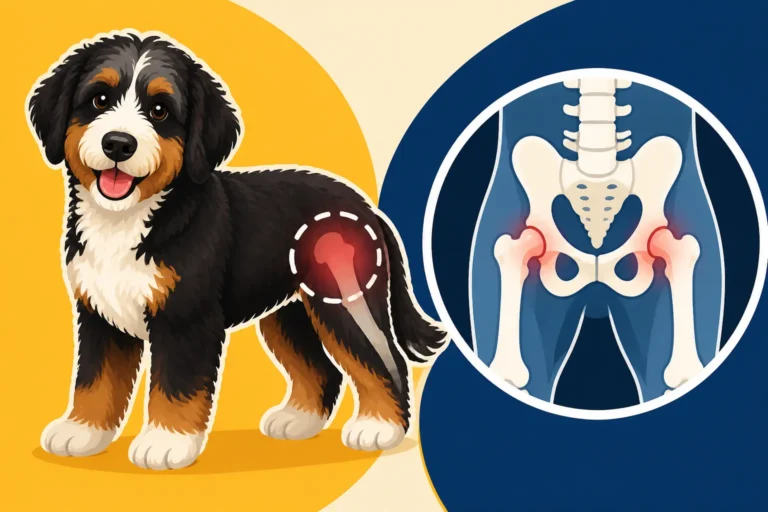
At its core, elbow dysplasia isn't just one problem, but rather a catch-all term for several developmental abnormalities that can occur in the elbow joint during a dog's rapid growth phase. Imagine the elbow as a perfectly fitted puzzle, made up of three bones: the humerus (upper arm), and the radius and ulna (lower arm). In a healthy dog, these bones grow in perfect synchrony, creating a smooth, functional joint. However, with elbow dysplasia, one or more of these pieces don't fit quite right, leading to chronic pain, lameness, and eventually, debilitating arthritis.
These developmental issues can manifest in various ways, including an ununited anconeal process (UAP), osteochondrosis dissecans (OCD) of the humeral condyle, fragmented coronoid process (FCP), or elbow incongruity (a mismatch in the fit of the bones). Any of these conditions can cause abnormal wear and tear, inflammation, and bone spurs, making simple acts like running, jumping, or even just standing uncomfortable. It's a progressive disease, meaning it tends to worsen over time, especially without proper management.
The impact of elbow dysplasia can range from subtle lameness that you might only notice after a long walk, to severe, constant pain that drastically reduces your dog's quality of life. Owners often report their Bernedoodle showing reluctance to play, a change in gait (like a stiff or choppy walk), or even whimpering when getting up. It’s a heartbreaking reality, and it’s why understanding prevention and early detection is so crucial for these wonderful dogs.
Why Bernedoodles Are Prone to Elbow Issues
Unfortunately, Bernedoodles, like many large and giant breeds, carry a genetic predisposition to elbow dysplasia. This susceptibility comes from both sides of their lineage: the Bernese Mountain Dog and the Poodle. Bernese Mountain Dogs are well-known for their gorgeous coats and sweet dispositions, but they also have a higher incidence of orthopedic issues, including elbow and hip dysplasia, within their breed. This is one of the reasons breeders carefully screen their Bernese parent dogs.
On the other side, while Poodles are generally considered healthier than many large breeds, particularly in terms of hip and elbow issues, certain lines can still carry genes for these conditions. When you combine the genetic blueprint of these two breeds, especially without meticulous health screening, the risk of elbow dysplasia in their Bernedoodle offspring can remain a significant concern. It's not a guarantee that every Bernedoodle will develop it, but the genetic dice are definitely loaded.
Beyond genetics, the rapid growth rate typical of a Standard Bernedoodle also plays a substantial role. Puppies grow at an astonishing pace, and if their diet isn't perfectly balanced (too much or too little calcium, for example), or if they experience excessive, high-impact exercise during their formative months, it can exacerbate any underlying genetic tendencies toward elbow dysplasia. That’s why proper nutrition and controlled exercise are absolutely vital for Growing a Standard Bernedoodle Slowly on Purpose and protecting their developing joints.
Decoding OFA Elbow Grades
The Orthopedic Foundation for Animals (OFA) is a well-respected organization that has been at the forefront of canine health screening for decades. They provide a standardized method for evaluating the elbow joints of breeding dogs, giving prospective owners a clearer picture of a puppy's genetic health lineage. When a breeder talks about "OFA clearances," they're referring to these evaluations, which are crucial for assessing inherited conditions.
The Grading Scale Explained
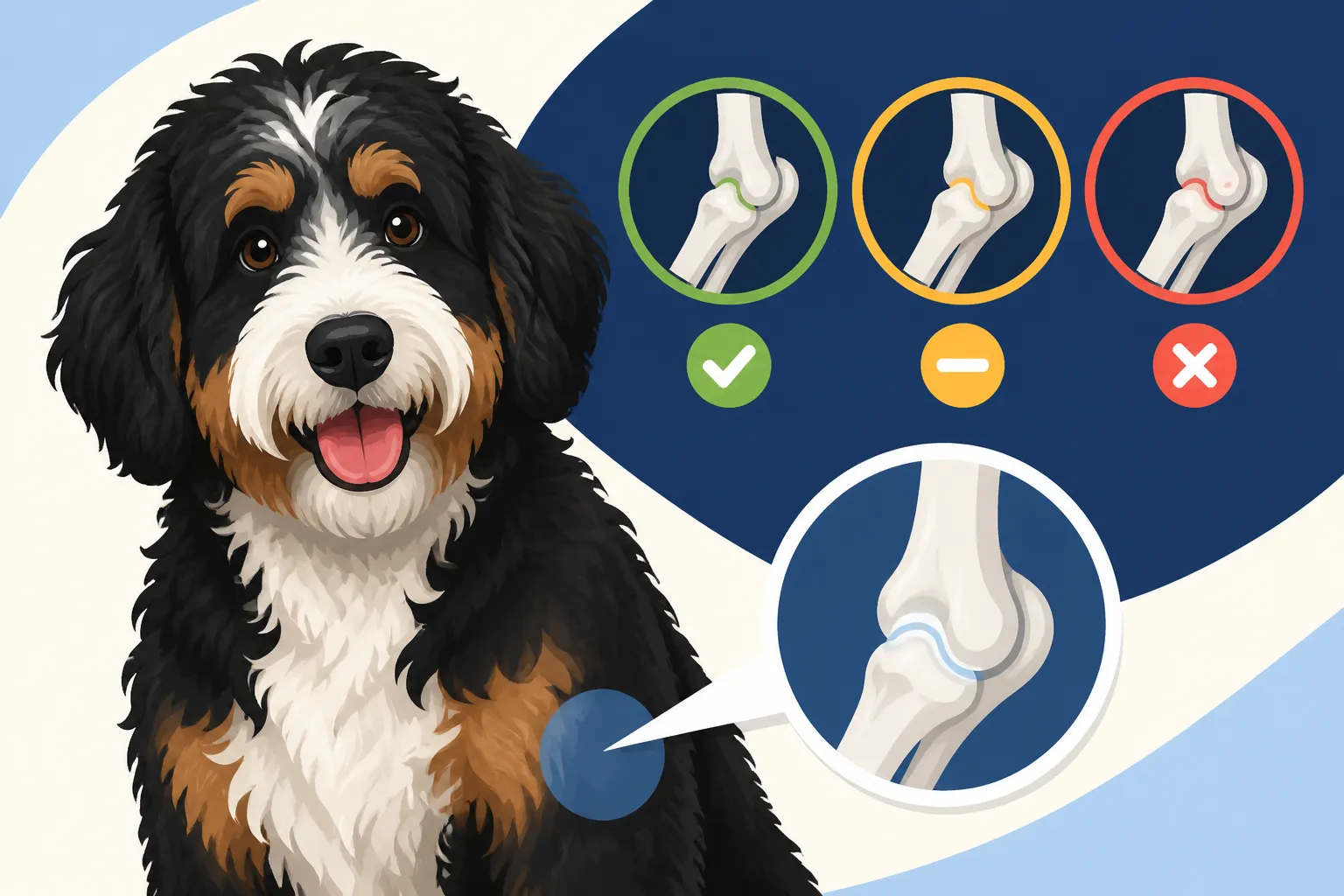
When a Bernedoodle (or any dog) undergoes OFA elbow evaluation, specialized X-rays of their elbows are taken and then reviewed by a panel of three board-certified veterinary radiologists. These experts scrutinize the images for any signs of the four primary conditions that fall under the umbrella of elbow dysplasia. Based on their findings, the elbows are assigned a grade. It’s important to remember that elbows are evaluated as a pair, so a dog receives a single elbow grade that reflects the condition of both elbows.
The OFA elbow grading scale is quite straightforward:
- Normal (Grade 0): This is the optimal result, indicating that the elbows are free of any evidence of elbow dysplasia. These dogs are considered suitable for breeding from an elbow health perspective.
- Grade I (Mild Elbow Dysplasia): This grade means there's minimal bone change present, often characterized by subtle signs of osteoarthrosis (arthritis) or other mild abnormalities. While mild, it still indicates the presence of elbow dysplasia.
- Grade II (Moderate Elbow Dysplasia): Dogs with Grade II elbow dysplasia show more significant bone changes and arthritic signs. These changes are more obvious on X-ray and often correlate with clinical signs of lameness.
- **Grade III (Severe Elbow Dysplasia): This is the most severe grade, indicating extensive bone changes, advanced arthritis, and significant abnormalities in the elbow joint. Dogs with Grade III often experience considerable pain and mobility issues.
Understanding these distinctions is vital because it directly relates to the genetic health passed down to future generations. A breeder should always be transparent about these grades, and you should feel comfortable asking about them.
What a "Normal" OFA Elbow Grade Truly Means
Achieving an OFA "Normal" elbow grade (Grade 0) is the gold standard for breeding dogs. It means that, at the time of the X-ray, there was no radiographic evidence of elbow dysplasia. This is fantastic news because it significantly reduces the likelihood that a dog will pass on the genetic predisposition for the condition to its offspring. When you see parents with "Normal" clearances, it’s a strong indicator of responsible breeding practices aimed at improving the health of the Bernedoodle line.
However, it's crucial to understand that "Normal" doesn't mean "perfect" or a lifelong guarantee against any elbow issue. It means genetically suitable at the time of evaluation. Environmental factors, such as injury, inappropriate exercise, or obesity, can still lead to elbow problems in a dog, even one with excellent genetic clearances. The OFA clearance assesses the genetic likelihood of developing dysplasia, not immunity from all joint ailments. Think of it as mitigating a major risk, not eliminating all risks.
Responsible breeders use these "Normal" clearances as a tool to make informed decisions, alongside other genetic tests and evaluations, such as for Hips on a Ninety Pound Bernedoodle or Von Willebrand's Disease. It's about stacking the deck in favor of healthier puppies. So, while a "Normal" grade is highly desirable, it's one piece of a larger puzzle in ensuring your Bernedoodle lives a long, comfortable life.
Living with a Bernedoodle That Has Imperfect Elbows
Discovering your Bernedoodle has elbow dysplasia, even a mild case, can be disheartening. However, it's not a definitive end to their quality of life. Many Bernedoodles with Grade I or even Grade II elbow dysplasia can live happy, fulfilling lives with proper management. The key is early diagnosis and a commitment to a proactive care plan. This often involves working closely with your veterinarian to develop a tailored approach.
Management strategies often focus on pain control, reducing inflammation, and maintaining joint mobility. This might include a combination of non-steroidal anti-inflammatory drugs (NSAIDs) during flare-ups, joint supplements (like glucosamine and chondroitin), and even physical therapy. Low-impact exercise, such as swimming, can be incredibly beneficial for Exercise That Suits a Bernedoodle With Bad Elbows by building muscle support without stressing the joints. Keeping your Bernedoodle at a healthy weight is also paramount, as excess pounds significantly increase the load on already compromised elbows.
In some cases, especially with more severe grades or specific types of elbow dysplasia, surgical intervention might be recommended. This could range from arthroscopic procedures to remove fragmented cartilage to more complex corrective surgeries. While surgery can be a big decision, it often provides significant relief and improved mobility. The goal is always to provide your Bernedoodle with the most comfortable life possible, allowing them to enjoy their playful nature for as long as they can.
The Importance of OFA Clearances for Breeders and Owners
When you're looking for a Bernedoodle puppy, the breeder's commitment to health testing, particularly OFA clearances, should be one of your top considerations. It's a hallmark of an ethical and responsible breeding program that prioritizes the health and longevity of their dogs over profit or convenience. Navigating this landscape can feel overwhelming, but knowing what to ask for and what to expect will empower you.
Why Responsible Breeders Prioritize OFA Testing
Responsible Bernedoodle breeders understand that elbow dysplasia is a highly heritable condition. This means it can be passed down from parents to their puppies. To break this cycle and improve the health of the breed, ethical breeders make it a non-negotiable practice to health test all their breeding dogs. This includes OFA elbow evaluations, along with other crucial screenings like OFA hips, eye certifications (CAER), and genetic tests for conditions like Von Willebrand's Disease and Degenerative Myelopathy. You should always look for The Five Clearances a Bernedoodle Breeder Should Have as a minimum.
The standard age for OFA elbow evaluation is at least 24 months (two years old). While preliminary X-rays can be done earlier, only the results from dogs aged two years or older are eligible for final OFA certification and can be publicly listed in the OFA database. This waiting period is critical because many developmental joint issues won't be fully apparent until the dog's skeletal system has matured. Breeders who claim clearances on dogs younger than two years old are not providing final, certifiable results.
By only breeding dogs with "Normal" OFA elbow clearances, breeders significantly reduce the risk of producing puppies that will suffer from this painful condition. They are not just selling a puppy; they are contributing to the long-term health and reputation of the Bernedoodle. It's an investment in the future of their lines and a testament to their dedication to the welfare of every dog they bring into the world.
What Owners Should Look for in a Puppy's Pedigree
As a prospective Bernedoodle owner, it's your right—and frankly, your responsibility—to ask for proof of OFA elbow clearances for both parent dogs. Don't be shy about it! A reputable breeder will be proud to share this information and explain what it means. They will typically provide you with the OFA certification numbers for the sire and dam, which you can then verify directly on the OFA public database. This transparency is key.
Look for a breeding pair where both the Bernese Mountain Dog and the Poodle parents have "Normal" (Grade 0) OFA elbow ratings. This indicates the lowest genetic risk for elbow dysplasia. If a breeder shows you anything other than a "Normal" grade for a breeding dog, especially if it's a Grade I or higher, it should raise a red flag. Breeding dogs with any degree of elbow dysplasia, even mild, contributes to the spread of the condition. You definitely don't want to bring home a puppy from Whether an Untested Bernedoodle Litter Is Worth Buying, as it's a huge gamble.
Beyond the official paperwork, pay attention to the breeder’s overall approach to health. Do they talk about their lines and health history? Do they openly discuss common Bernedoodle health concerns? Do they seem knowledgeable and willing to answer all your questions thoroughly, rather than rushing you? This holistic view often reveals a truly dedicated breeder who cares deeply about the health of their puppies, and a breeder committed to using the appropriate elbow grades to inform their breeding program.
| OFA Elbow Grade | Radiographic Description | Breeding Recommendation | Potential Clinical Impact |
|---|---|---|---|
| Normal | No evidence of elbow dysplasia (Grade 0) | Suitable for breeding | Generally asymptomatic |
| Grade I | Minimal bone change (e.g., small osteophytes < 2mm) | Not recommended for breeding | Mild lameness, especially after exercise |
| Grade II | Moderate bone change (e.g., osteophytes 2-5mm, sclerosis) | Not recommended for breeding | Consistent lameness, noticeable stiffness |
| Grade III | Severe bone change (e.g., osteophytes > 5mm, severe sclerosis) | Not recommended for breeding | Severe, chronic lameness, significant pain |
Managing and Preventing Elbow Dysplasia in Your Bernedoodle
While genetics play a huge role, managing and preventing elbow dysplasia also involves a lot about how you raise your Bernedoodle. As owners, we have a significant impact on their joint health through diet, exercise, and proactive care. It’s about building good habits from puppyhood and maintaining them throughout their lives.
Early Signs and Veterinary Intervention
One of the best tools you have as a Bernedoodle owner is observation. Being aware of the subtle cues your dog gives can lead to early detection and intervention, which can make a world of difference in managing elbow dysplasia. Keep a close eye on your puppy or young adult Bernedoodle for any Signs a Bernedoodle Puppy's Elbows Hurt. These might include an intermittent lameness, particularly after periods of rest or strenuous activity, or a reluctance to put full weight on one or both front legs.
You might notice a change in their gait, often described as a stiff, choppy trot, or they might swing their affected leg out rather than flexing the elbow properly. Some dogs might show pain when their elbow is manipulated, or you might even feel warmth or swelling around the joint. If your Bernedoodle is less enthusiastic about playing fetch, hesitates to jump into the car, or avoids stairs, these could all be subtle indicators that something is amiss with their elbows.
If you observe any of these signs, don't delay in scheduling a visit with your veterinarian. They will conduct a thorough physical examination, observing your dog's gait and palpating their joints. If elbow dysplasia is suspected, X-rays will be the primary diagnostic tool. The sooner a diagnosis is made, the sooner you can start an appropriate management plan, potentially slowing the progression of arthritis and improving your dog's comfort.
Lifestyle Adjustments for Joint Health
Even with impeccable genetics, how you raise and care for your Bernedoodle significantly impacts their joint health. For a rapidly growing, large breed puppy, controlled growth is paramount. This means feeding a high-quality, large-breed puppy food specifically formulated to ensure slow, steady growth and appropriate calcium and phosphorus levels. Overfeeding a puppy, or giving them too many calorie-dense treats, can lead to accelerated growth, which puts undue stress on developing joints. Remember, Why Calcium Levels Matter for a Growing Bernedoodle and how a balanced diet supports their skeletal development.
Exercise also needs to be carefully managed, especially during puppyhood. While Bernedoodles are energetic and love to play, excessive or high-impact activities like prolonged running on hard surfaces, repetitive jumping, or intense agility training should be avoided until their growth plates have closed, typically around 18-24 months of age. Short, frequent walks and gentle play sessions are much better for The Five Minute Rule on a Bernedoodle Puppy's Walks and protecting delicate joints.
As your Bernedoodle matures, maintain a healthy weight through a balanced diet and regular, moderate exercise. Consider incorporating joint supplements containing ingredients like glucosamine, chondroitin, and omega-3 fatty acids, which can support cartilage health. Providing comfortable, orthopedic bedding can also offer joint relief, especially for older Bernedoodles. These thoughtful lifestyle adjustments can make a profound difference in the comfort and mobility of your Bernedoodle throughout their life.
Financial Considerations and Insurance
Dealing with elbow dysplasia can unfortunately come with significant financial implications. The costs can quickly add up, from initial diagnostic X-rays and specialist consultations to ongoing medications, joint supplements, physical therapy, and potentially even surgery. A single surgical procedure for elbow dysplasia can range from a few thousand dollars to well over ten thousand, depending on the severity and location, and that’s before any follow-up care.
This is where pet insurance can be an absolute lifesaver. Companies like Healthy Paws offer comprehensive plans that can help alleviate the financial burden of unexpected veterinary expenses, including those related to chronic conditions like elbow dysplasia, provided the condition isn't pre-existing when you enroll. Having a good insurance policy can give you peace of mind, allowing you to focus on getting your Bernedoodle the best possible care without having to make agonizing financial decisions. It's truly worth investigating What Insuring a Bernedoodle Against the Bernese Half can cover.
Beyond insurance, it’s always a good idea to set aside an emergency fund for your Bernedoodle’s health needs. Even with the best breeding and care, unforeseen health issues can arise. Being financially prepared, whether through insurance, savings, or both, ensures you can provide your beloved companion with whatever care they need to live a long, happy, and comfortable life. The long-term costs of caring for a Bernedoodle can be substantial, as highlighted in What a Bernedoodle Costs Over Its Whole Life, so planning ahead is smart.
Disclaimer
This article is for general informational purposes only and does not constitute professional advice. Laws, prices and regulations vary by location and change over time. Consult a qualified professional for guidance on your specific situation.