Cooling a Bernedoodle Down Safely
One of the biggest worries for any Bernedoodle parent, especially as the temperatures start to climb, is keeping our fluffy companions comfortable and safe. That thick, luxurious coat we love so much can quickly become a dangerous liability when the mercury rises, and watching your normally energetic pup pant heavily and seek shade can be truly alarming. This guide is here to walk you through exactly how to safely and effectively cool your Bernedoodle down, both in an emergency and as a proactive measure, so you can both enjoy those warmer days without fear.
Understanding Why Bernedoodles Struggle with Heat
It’s easy to look at our Bernedoodles, with their goofy grins and endless energy, and forget they’re not built for scorching summers. Their genetics, a beautiful blend of the Bernese Mountain Dog and the Poodle, come with certain predispositions that make them more susceptible to overheating than many other breeds. Understanding these inherent traits is the first step in keeping them safe.
The Double-Coated Dilemma
Many Bernedoodles, especially those with a wavier or straighter coat type, inherit a significant undercoat from their Bernese Mountain Dog parent. This isn't just fluffy hair; it's a dense layer designed to insulate them against the cold, much like a winter jacket. While it’s fantastic for keeping them toasty during colder months or even allowing them to enjoy Winter With a Bernedoodle, it becomes a severe disadvantage in the heat. This double coat traps heat close to their body, making it incredibly difficult for them to regulate their temperature naturally. It's like wearing a heavy wool sweater on a hot July day – you just can't cool down effectively. Even Bernedoodles with more Poodle-like curly coats, while often single-coated, still possess a dense, thick layer of fur that can hold heat.
Size and Activity Levels
Let's be real, a standard Bernedoodle can be a big dog, often weighing in at seventy to ninety pounds, or even more. Larger dogs, in general, have a smaller surface area to volume ratio compared to smaller breeds, which means they have a harder time dissipating heat from their bodies. Combine this substantial size with the inherent energy and playful nature they get from both sides of their lineage, and you have a recipe for overheating. They love to run, jump, and play, sometimes to their own detriment, especially if they’re still in their adolescent phase where they might be growing faster than they think and push their limits. Imagine a ninety-pound dog exerting itself on a warm day; their internal temperature can skyrocket surprisingly fast. This is particularly true for those beautiful Black Tri Bernedoodles, as darker coats absorb more heat from the sun, intensifying the problem.
The Dangers of Overheating
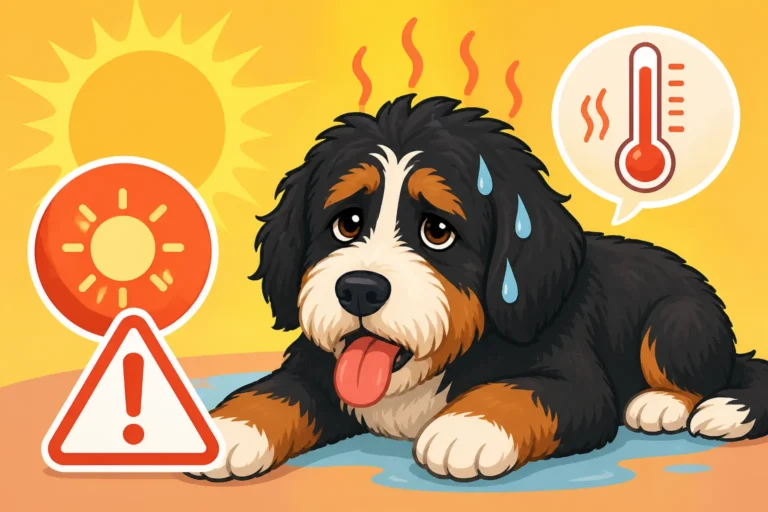
The stakes are high when it comes to heat and dogs. Unlike humans, dogs don't sweat efficiently through their skin; they primarily cool themselves by panting. When a Bernedoodle overheats, their panting becomes less effective, and their core body temperature can rise to dangerous levels, leading to heatstroke. Signs of Heatstroke in a Bernedoodle can range from excessive panting, drooling, and weakness, to more severe symptoms like vomiting, diarrhea, seizures, and collapse. This isn't just uncomfortable; it can cause organ damage, brain injury, and even be fatal if not addressed immediately. It's a terrifying scenario for any pet owner, and understanding the gravity of it helps us appreciate the importance of quick, decisive action.
Immediate Steps to Cool Down an Overheated Bernedoodle
If you find your Bernedoodle exhibiting signs of being too hot, time is of the essence. Don't panic, but act swiftly and deliberately. Your quick response can make all the difference in preventing a severe outcome.
Get Them to a Cooler Environment
The very first thing you need to do is remove your Bernedoodle from the source of heat. This means getting them into the shade, inside an air-conditioned building, or even into your car with the AC blasting. If you're out on a walk and notice them struggling, stop immediately and find the nearest patch of shade. Don't try to push them further. If you're at home, guide them to the coolest part of the house, away from direct sunlight and any warm surfaces. Remember, concrete and asphalt can retain heat for hours after the sun goes down, making it dangerous for their paw pads and contributing to overall body temperature.
Once in a cooler spot, encourage them to lie down. If they're particularly lethargic, gently help them. The goal is to stop any further exertion and start bringing their body temperature down. This immediate change of environment is critical because simply being out of the direct sun can significantly reduce the heat load on their body, especially for those with darker coats that absorb a lot of solar radiation.
Water, Water Everywhere
Water is your best friend when cooling a Bernedoodle. First, offer them fresh, cool (not ice-cold) water to drink. Many overheated dogs will be thirsty, and rehydrating is important. Don't force them to drink, but make it readily available.
Next, focus on external cooling. Get them wet. If you have access to a hose, gently spray their body with cool water. If you're in a park or wilderness setting, a natural stream or even a puddle can work in a pinch. However, be cautious: avoid using ice-cold water, as this can cause blood vessels to constrict, potentially hindering heat dissipation and even leading to shock. Lukewarm or cool tap water is ideal. Focus on wetting their entire body, getting the water down to their skin through that dense coat. Don't forget their belly, armpits, and groin – areas with less fur where blood vessels are closer to the surface. A Bernedoodle Swims to Cool Off, and while a kiddie pool can be a great preventative, a full swim might not be feasible or safe for an already distressed dog. The key is to get them thoroughly damp, letting the evaporative cooling process work its magic.
Strategic Cooling Points
While getting them wet all over is good, certain areas of a dog's body are more effective for rapid cooling because large blood vessels lie close to the surface. Think of these as your Bernedoodle's natural "radiators."
Concentrate your cooling efforts on these spots:
- Paws: The pads of their feet have sweat glands, and wetting them down can help. More importantly, the blood circulating through their paws can be cooled.
- Ears: The ears, especially the thinner parts, can release heat. Gently wipe them with cool, damp cloths.
- Groin and Armpits: These areas are where major blood vessels run close to the skin. Applying cool, wet cloths or sponges here can help cool the blood as it circulates through their body.
- Neck and Chest: Similar to the groin and armpits, these are vital areas to cool.
Keep replacing warm cloths with cool ones. You'll literally feel the cloths heating up as they draw warmth away from your dog's body. Continue these efforts until their panting starts to subside, they appear more alert, and their gums return to a healthy pink color (if they were brick red or very pale). Remember, the goal is to bring their temperature down gradually, not too rapidly.
Proactive Measures to Prevent Overheating
While knowing how to react in an emergency is crucial, preventing your Bernedoodle from getting overheated in the first place is always the best approach. A little planning goes a long way in ensuring their comfort and safety.
Smart Exercise Scheduling
Bernedoodles are active dogs, and they need their exercise. But when the weather warms up, you need to be smart about when and how they get it. Avoid walks or strenuous play during the hottest parts of the day, typically between 10 AM and 4 PM. Instead, aim for early morning excursions when the air is still cool and pavement temperatures are low. If you can, go out again late in the evening after the sun has set and surfaces have had a chance to cool down.
Consider the temperature a Bernedoodle Should Not Be Walked In. Generally, anything above 75-80°F (around 24-27°C) with high humidity is pushing it, especially for a standard Bernedoodle. On truly hot days, switch to indoor activities entirely, like puzzle toys, training sessions, or short, leashed potty breaks on grass. Remember that even on cooler days, direct sun exposure, especially for a Black Tri Bernedoodle, can quickly raise their body temperature. Always feel the pavement with your hand; if it's too hot for your bare skin, it's too hot for their paws.
Grooming for Comfort
That magnificent Bernedoodle coat, while beautiful, is a challenge in the summer. Many owners wonder about The Summer Shave Argument on a Bernedoodle. While a full shave down might seem intuitive, it's a bit more nuanced. Shaving too short can expose their sensitive skin to sunburn and actually hinder their natural insulation. Their double coat, if properly maintained and brushed out, creates an insulating layer that can help regulate temperature by allowing air circulation near the skin.
However, a well-executed summer clip can certainly make a huge difference. Talk to your groomer about a "utility cut" or a shorter trim (think 1-2 inches) that takes off bulk while still providing some protection. Regular brushing is paramount to prevent matting, which further traps heat and prevents airflow. Line Brushing a Bernedoodle to the Skin is essential year-round, but especially in summer, to remove loose undercoat and ensure maximum airflow. Don't neglect trimming between their paw pads, as this can help dissipate heat and prevent slipping. For those with a Bernedoodle's Ear Canal Needs Clearing, keeping the fur around and inside the ear trimmed can also improve airflow and prevent ear infections, which can be exacerbated by trapped moisture and heat.
Hydration and Resting Spots
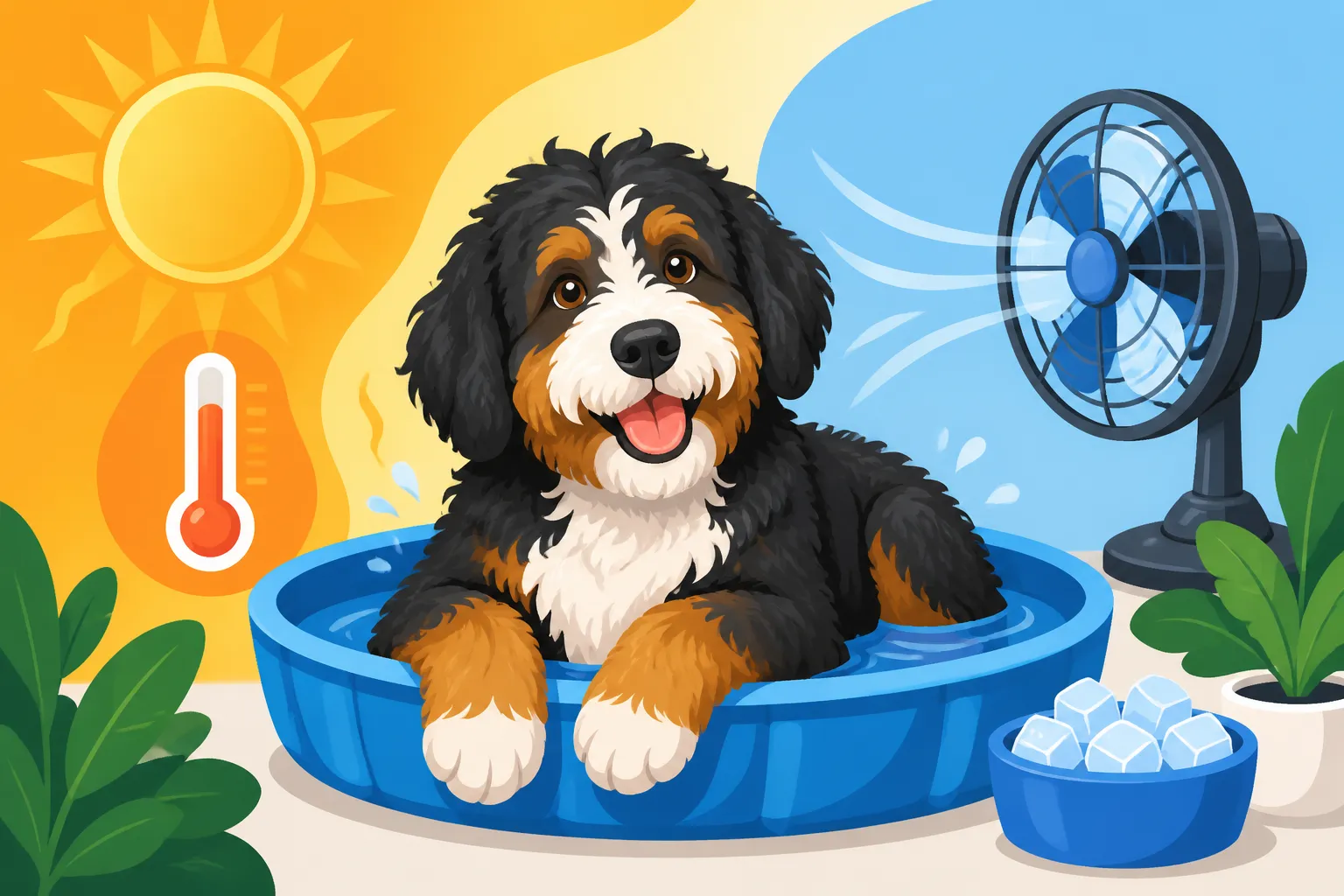
Always ensure your Bernedoodle has access to plenty of fresh, cool water, both indoors and out. If you're going for a walk, bring a portable water bottle and bowl. Consider adding ice cubes to their water bowl at home (again, not too many, just enough to keep it cool) or even making them some dog-friendly ice treats.
Beyond water, creating cool resting spots is key. This could be:
- Cooling Mats: These gel-filled mats absorb body heat and provide a refreshing surface for your dog to lie on. They're fantastic for use indoors or in shaded outdoor areas.
- Elevated Beds: Beds that allow air to circulate underneath can be much cooler than traditional flat beds, preventing heat from getting trapped.
- Shade: Ensure ample shade in your yard if they spend time outdoors. Tarps, umbrellas, or natural tree cover work wonders.
- Kiddie Pools: A shallow plastic kiddie pool filled with a few inches of water can be an absolute godsend for a Bernedoodle who enjoys a splash. Many love to wade and cool their paws and bellies.
Remember that their daily routine needs to shift in warmer weather. If you’re questioning Whether a Bernedoodle Should Be Walked in Summer, the answer is yes, but with careful modifications. Even a car can be a heat trap; never, ever leave your Bernedoodle in a parked car, even for "just a minute," as the internal temperature can skyrocket to lethal levels in minutes, even with windows cracked.
When to Call the Vet and What to Expect
Even with the best preventative measures and immediate cooling efforts, sometimes heatstroke can progress to a critical stage. Recognizing when professional medical intervention is necessary is crucial.
Recognizing Critical Symptoms
While initial signs like heavy panting and drooling are alarming, more severe symptoms demand immediate veterinary attention. These include:
- Vomiting and Diarrhea: Especially if it contains blood.
- Confusion or Disorientation: Staring blankly, bumping into things, or unresponsiveness.
- Seizures or Collapse: This is an emergency.
- Brick-red or very pale gums: Healthy gums are typically pink.
- Wobbly gait or inability to stand.
- Rapid heart rate and difficulty breathing.
- Body temperature above 104°F (40°C): If you have a rectal thermometer and can safely take their temperature.
If you observe any of these critical signs, it's no longer just a "cool down at home" situation. You need to get your Bernedoodle to an emergency veterinary clinic immediately. Call ahead if possible, to let them know you're coming and what symptoms your dog is experiencing. This allows them to prepare for your arrival and begin treatment without delay.
What the Vet Will Do
When you arrive at the vet with an overheated Bernedoodle, they will act quickly. Their priority will be to stabilize your dog and rapidly but safely lower their core body temperature. This typically involves:
- Intravenous (IV) Fluids: To combat dehydration and support organ function.
- Cooling Techniques: This might include cool water enemas, cool IV fluids, or even fanning and misting in a controlled environment.
- Monitoring: Continuous monitoring of heart rate, blood pressure, respiration, and body temperature.
- Blood Work: To assess for organ damage (especially kidneys and liver), electrolyte imbalances, and clotting abnormalities that can result from heatstroke.
- Medications: Depending on the severity, medications might be given to address shock, seizures, or other complications.
The recovery process can be intensive and may require hospitalization for several days, especially if there has been organ damage. Even after their temperature normalizes, there can be delayed complications, so close veterinary supervision is vital.
The Importance of Pet Insurance
Let's be realistic: emergency vet visits, especially for something as serious as heatstroke, can be incredibly expensive. Diagnostic tests, IV fluids, hospitalization, and potential medications can quickly add up to thousands of dollars. This is where pet insurance can be a true lifesaver, allowing you to make medical decisions based on what's best for your Bernedoodle, rather than on your wallet.
Companies like Healthy Paws offer comprehensive pet insurance plans that typically cover emergency visits, diagnostics, and treatments for unexpected illnesses and accidents, including heatstroke. Having a policy from a reputable provider like Healthy Paws in place means that if the worst happens, you won't be faced with a heartbreaking choice due to financial constraints. It provides peace of mind, knowing that your beloved Bernedoodle can receive the best possible care without you having to dip into emergency savings or go into debt. It's a proactive step that protects both your pet and your finances, ensuring that even if you face an unforeseen health challenge, like bloat in a Standard Bernedoodle's Deep Chest, you're prepared. You can explore options to see what fits your budget and your Bernedoodle's needs.
Quick Reference: Cooling Methods for Your Bernedoodle
To help you keep track, here's a quick table summarizing different cooling methods, their applications, and key considerations.
| Method | Application | Pros | Cons | When to Use |
|---|---|---|---|---|
| Cool Water Sprays/Wipes | Entire body, focusing on belly, armpits, groin, paws | Rapid cooling, accessible | Can be messy, avoid ice-cold water | Immediate response to overheating, general cooling after exercise |
| Drinking Water | Offered freely | Essential for hydration and internal cooling | Only effective if dog drinks, can cause bloat if consumed too fast | Always available, especially when hot or exercising |
| Shade/AC | Moving to cool environment | Stops further heat gain, very effective | Requires accessible cool spot | First step for any overheated dog, preventative |
| Cooling Mats | Lying surface | Provides passive cooling, comfortable | Less effective for rapid cooling than water | Preventative, mild overheating, general comfort |
| Kiddie Pool | Shallow wading or splashing | Fun, effective full-body cooling | Requires setup, supervision, may not be liked by all dogs | Preventative, mild cooling on hot days |
| Grooming (Summer Clip) | Professional trim | Reduces coat bulk, improves airflow | Can expose skin to sunburn if too short, not for rapid cooling | Preventative, scheduled prior to summer |
| Elevated Beds | Resting surface | Allows air circulation underneath | Not for rapid cooling | Preventative, general comfort |
| Vet Intervention | Medical treatment | Life-saving for severe heatstroke | Costly, stressful, requires immediate action | Critical symptoms (vomiting, collapse, seizures) |
Remember, this table is a guide, and individual Bernedoodles may respond differently. Always prioritize safety and consult your vet if you have any concerns. Prevention is always better than treatment, so incorporating these proactive strategies into your routine is truly the best way to keep your Bernedoodle happy and healthy, even when the mercury climbs.
Disclaimer
This article is for general informational purposes only and does not constitute professional advice. Laws, prices and regulations vary by location and change over time. Consult a qualified professional for guidance on your specific situation.