Whether Bernese Shyness Passes to a Bernedoodle
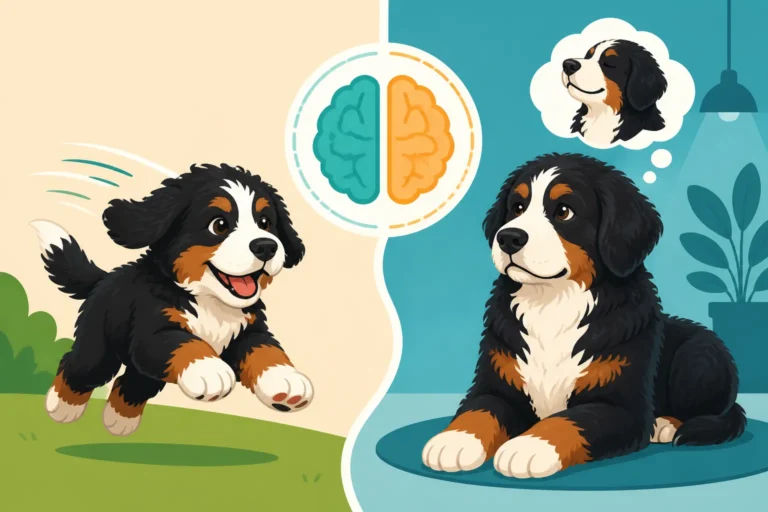
One common concern for prospective Bernedoodle owners, especially those familiar with the Bernese Mountain Dog, is the potential for shyness or a reserved nature to pass down to their doodle. It’s a very valid worry, as you want a confident, happy companion, not a dog constantly on edge. This comprehensive guide will explore the genetic predispositions from both parent breeds, how to identify early signs of timidity, and, most importantly, provide actionable strategies for fostering a well-adjusted and outgoing Bernedoodle.
The Bernese Mountain Dog's Temperament: A Foundation
The Bernese Mountain Dog is undeniably beautiful and historically known for its gentle, loyal, and affectionate nature. They are often described as "nanny dogs" due to their patience with children and their strong bond with family. However, like any breed, they come with certain predispositions, and a tendency towards shyness or being reserved with strangers is one that can manifest.
The Gentle Giant's Core Traits
Bernese Mountain Dogs are, at their heart, magnificent working dogs from the Swiss Alps. They were bred for drafting and guarding livestock, which required a level of independence and a watchful eye, but also a deeply devoted nature to their human families. Their ideal temperament is calm, good-natured, and self-assured. They bond profoundly with their people, often displaying a classic "lean" or a desire to be physically close, which is utterly endearing. This strong family bond means they don't always extend the same effusive greetings to strangers as, say, a Golden Retriever might. They tend to be a bit more discerning. What the Bernese Contributes to a Bernedoodle delves deeper into these foundational traits.
When a Bernese is well-socialized from a young age, they typically mature into polite and confident adults. They might not be the life of the party, rushing to greet every new person, but they should be comfortable and composed in various situations. The challenge arises when this natural reservedness tips into genuine fear or shyness, which can be an inherited trait.
Bernese Shyness: A Heritable Trait
Shyness in Bernese Mountain Dogs isn't a universal characteristic, but it's prevalent enough that responsible breeders actively work to breed it out of their lines. This inherent shyness can manifest as a dog backing away from new people, cowering, hiding, or even exhibiting nervous barking. It's not a sign of aggression, but rather a display of fear or extreme apprehension. If a Bernese parent carries this trait, there's a definite chance it can be passed on to their Bernedoodle offspring.
This is why researching your Bernedoodle puppy's lineage is so crucial. A reputable breeder will be transparent about the temperaments of both parent dogs, including any tendencies towards shyness. They should be able to tell you about the parents' personalities, how they react to strangers, and what their puppies' temperaments have been like in previous litters. A breeder dedicated to healthy and well-adjusted puppies will make temperament a priority, alongside health clearances.
Sensitivity to New Experiences
Beyond inherent shyness, Bernese Mountain Dogs can also be quite sensitive to new experiences and loud noises. A sudden, unexpected sound or a new environment can be more unsettling for some Bernese than for other, more boisterous breeds. This sensitivity can sometimes be mistaken for shyness, but it's more about their emotional response to stimuli. They process things carefully and can be easily overwhelmed if not introduced to new things gradually and positively.
This sensitivity is another trait that can make its way into the Bernedoodle. Imagine a large, fluffy puppy, still growing into its paws, suddenly confronted with a busy street full of honking cars and unfamiliar faces. Without proper positive exposure, this could quickly develop into a lasting fear. It highlights the importance of thoughtful and consistent socialization from the moment you bring your Bernedoodle puppy home.
The Poodle Influence: Counteracting Shyness
On the other side of the Bernedoodle equation, we have the Poodle – a breed renowned not just for its intelligence and elegant coat, but also for its often outgoing and confident personality. The Poodle's contribution can be a powerful counter-balance to any potential Bernese shyness.
Poodle's Outgoing Nature
Poodles, whether Standard, Miniature, or Toy, are typically smart, energetic, and possess a cheerful disposition. They are often eager to please, highly trainable, and tend to approach new situations with curiosity and confidence rather than apprehension. They thrive on interaction and mental stimulation, which often makes them very adaptable and sociable dogs. Many Poodles are natural extroverts, happy to greet friends and strangers alike, and they usually recover quickly from any minor startling events. What the Poodle Contributes to a Bernedoodle explores their influence in detail.
This zest for life and natural confidence is a significant factor in the Bernedoodle temperament. The aim of the cross is often to blend the Bernese's calm loyalty with the Poodle's intelligence and outgoing nature, hopefully mitigating some of the Bernese's potential for timidity. This blend can result in a dog that is friendly, approachable, and enjoys meeting new people and experiencing new things.
The Hybrid Vigor Effect
The concept of "hybrid vigor" (also known as heterosis) suggests that crossbred animals tend to be healthier and more robust than their purebred parents due to increased genetic diversity. While often discussed in terms of physical health, it can also extend to temperament. In theory, by mixing the genetic lines of two different breeds, you might dilute or reduce the incidence of certain undesirable traits, including extreme shyness.
For Bernedoodles, this means that even if one Bernese parent carried a tendency for shyness, the introduction of a confident Poodle parent might lead to puppies that are more balanced in their temperament. It doesn't guarantee a completely extroverted dog, but it often results in a more moderate disposition, less prone to extreme fear responses than a purebred Bernese from a shy line might be. However, it's not a magic bullet; careful breeding and early socialization remain paramount.
Predicting Temperament in a Crossbreed
Predicting the exact temperament of a Bernedoodle puppy can be a bit like a genetic lottery, albeit one with good odds when reputable breeders are involved. You're getting a mix of traits from both parent breeds, and it's impossible to know exactly which traits will be dominant in any given puppy. Some Bernedoodles might lean more heavily into the calm, gentle Bernese side, potentially inheriting some of its reservedness. Others might take on more of the Poodle's playful, outgoing personality.
This variability is why visiting a litter and observing the puppies' individual personalities is so important, if possible. A good breeder will also spend time with their puppies and be able to offer insights into their developing temperaments, helping you choose a puppy that matches your lifestyle and experience level. While genetics play a huge role, early environment and consistent training are equally influential in shaping your Bernedoodle's personality.
Recognizing Shyness in Your Bernedoodle Puppy
Identifying shyness early on in your Bernedoodle puppy is key to addressing it effectively. Sometimes, what looks like shyness might just be a puppy being cautious, but knowing the difference and understanding the subtle cues can make all the difference.
Subtle Signs of Apprehension
Shyness in puppies isn't always overt cowering. It can manifest in much more subtle ways. Keep an eye out for these signs when your puppy encounters new people, places, or sounds:
- Lip Licking or Yawning: These are classic stress signals in dogs. If your puppy is doing this when someone new approaches, they might be feeling anxious.
- Turning Head Away/Breaking Eye Contact: A confident dog might engage with eye contact; a shy one might try to avoid it, signaling discomfort.
- Tucked Tail (even slightly): A full tail tuck is obvious, but even a slight lowering of the tail can indicate apprehension.
- Body Language: A tense, stiff body, or a slightly crouched posture can be a sign of discomfort. They might also try to make themselves appear smaller.
- Freezing: If your puppy suddenly stops moving and seems to "lock up" when something new happens, it's a sign of fear.
- Hiding or Retreating: Moving behind your legs, under furniture, or trying to put distance between themselves and the stimulus.
- Excessive Barking or Growling: While sometimes seen as aggression, this can often be "fear aggression," where a dog tries to make scary things go away by barking.
It’s important to remember that puppies, especially larger breeds that mature slower, can be a little clumsy or hesitant as they navigate the world. The Age a Bernedoodle Finally Settles talks about their maturity curve. The goal isn't to create an overly boisterous dog, but a confident one that can handle novel situations calmly.
Common Triggers for Shyness
Several things can trigger shy behavior in a Bernedoodle puppy. Understanding these triggers can help you manage and mitigate them.
- New People, especially Men or Children: Some puppies are more wary of certain demographics. Men often have deeper voices and larger physical presences, and children can be unpredictable in their movements and sounds.
- Unfamiliar Environments: A vet's office, a busy park, a friend's house – any new place can be overwhelming without prior positive associations.
- Loud Noises: Fireworks, thunderstorms, construction sounds, or even a dropped pan can startle a sensitive puppy.
- Strange Objects: Vacuum cleaners, bicycles, large bags, or even new furniture can appear threatening to a timid pup.
- Lack of Early Socialization: Puppies have a critical socialization window (roughly 3-16 weeks) where positive exposure to a wide variety of sights, sounds, people, and other dogs is crucial. If this window is missed or poorly managed, shyness is far more likely to develop.
Consider keeping a little journal for a few weeks, noting what made your puppy shy, their reaction, and how you responded. This can help you spot patterns and tailor your approach.
Distinguishing Shyness from Caution
Not every reserved moment is a sign of deep-seated shyness. It's vital to differentiate between a truly shy dog and one that is simply being appropriately cautious. A cautious Bernedoodle might observe a new person or object from a distance, then slowly approach with a wagging tail once they feel safe. They might not immediately rush up, but they will eventually investigate with curiosity rather than fear.
A truly shy dog, on the other hand, will show persistent signs of fear. They might cower, tremble, try to escape, or even react defensively (barking, growling) when confronted with something new, even after repeated, gentle exposure. Their recovery time will be much longer, and they may not overcome their fear without significant intervention. If your Bernedoodle is naturally reserved, but still curious and recovers quickly, that’s a good sign. It simply means you need to be consistent and patient with their socialization, understanding that they might not be the most outgoing dog in the world, and that's perfectly okay. Whether a Bernedoodle Is Aloof Rather Than Shy might offer further insight here.
Proactive Socialization Strategies
The best defense against shyness in a Bernedoodle is a good offense: proactive, positive, and consistent socialization from an early age. This means carefully exposing your puppy to a wide variety of experiences so they learn the world is a safe and interesting place.
Early and Positive Exposure
The critical socialization window for puppies typically closes around 16 weeks of age. This means that from the moment you bring your Bernedoodle puppy home (usually around 8 weeks), you have a precious, limited time to introduce them to as much of the world as possible. This isn't about overwhelming them; it's about making every new experience a positive one.
- People: Introduce your puppy to people of all ages, sizes, and appearances (wearing hats, glasses, different skin tones, etc.). Ask people to offer treats gently, avoid towering over the puppy, and let the puppy approach them. Encourage gentle petting.
- Sounds: Expose them to common household sounds (vacuum cleaner, doorbell, washing machine), outdoor sounds (cars, sirens, children playing), and even gentle music or TV. Keep these exposures at a low volume initially and pair them with treats or playtime.
- Sights: Walk them in various environments (quiet streets, parks, pet-friendly stores). Let them see different objects, animals (from a safe distance), and situations. Always ensure these experiences are calm and happy.
- Surfaces: Let them walk on grass, concrete, gravel, wood floors, and even slick surfaces (with caution and supervision).
- Handling: Regularly handle their paws, ears, mouth, and tail. This makes vet visits and grooming sessions much less stressful later on. The Age to Book a Bernedoodle's First Groom highlights the importance of early positive grooming experiences.
Remember the golden rule: always keep it positive! Short, sweet sessions are far more effective than long, stressful ones. If your puppy shows signs of discomfort, don't force them. Gently remove them from the situation and try again later with a less intense version.
Controlled Environments and Gradual Introductions
For a Bernedoodle that might be prone to shyness, uncontrolled exposure can actually do more harm than good. Instead, focus on controlled environments where you can manage the intensity of new experiences.
- One-on-One Introductions: When introducing your puppy to new people, start with one calm person at a time in a familiar, quiet space. Let the person sit on the floor, avoid direct eye contact initially, and offer a high-value treat.
- Observation from a Distance: If your puppy is hesitant about a new environment, simply sit with them at a distance where they feel comfortable, allowing them to observe. Reward them for calm behavior. Slowly, over time, you can decrease the distance as their confidence grows.
- Short Outings: Don't drag a shy puppy to a bustling street fair for hours. Opt for short, five-minute trips to a quiet corner of a park or a low-traffic pet supply store. Gradually increase the duration and intensity as your puppy shows comfort.
- Positive Reinforcement is Key: Always reward brave or calm behavior with praise, treats, and gentle affection. Associate new experiences with good things. BAXTER & Bella offers excellent online puppy training programs that emphasize positive reinforcement and structured socialization, which can be a huge asset for owners looking to build a confident dog from the ground up.
A great way to integrate new items into their daily life is to place them in their environment, allowing them to investigate on their own terms. Perhaps a new umbrella laid on the floor, or a box of cans for a few days to get them used to the smell and sight before it's used.
The Role of Puppy Classes
Once your Bernedoodle puppy has received their initial vaccinations and your vet gives the all-clear, enrolling in a well-run puppy socialization class is one of the best things you can do. These classes offer a safe and structured environment for puppies to interact with other puppies and people under the supervision of experienced trainers.
- Safe Play: Puppy classes allow your Bernedoodle to learn appropriate dog-dog social skills, which is crucial for preventing fear or reactivity towards other dogs later in life. They learn bite inhibition and how to interpret canine body language.
- Exposure to Different People: Trainers and other owners in the class provide more opportunities for positive interactions with a variety of human types.
- New Environment Practice: The classroom itself is a new environment, helping your puppy adapt to different settings. The exercises often involve novel objects or sounds, which further aids in building resilience.
- Foundation for Training: Beyond socialization, puppy classes lay the groundwork for basic obedience commands, which builds confidence and strengthens the bond between you and your Bernedoodle. What a Bernedoodle Puppy Should Learn First includes many of the foundational skills taught in these classes.
Look for classes that prioritize positive reinforcement, small class sizes, and experienced trainers who understand puppy development and body language. A good class can make a world of difference in shaping a confident, well-adjusted Bernedoodle.
Building Confidence in a Timid Bernedoodle
If your Bernedoodle has already shown signs of shyness or timidity, don't despair! While early intervention is ideal, it's never too late to work on building their confidence. It just requires patience, consistency, and a deep understanding of positive reinforcement.
Positive Reinforcement and Trust Building
The cornerstone of confidence building for any shy dog is positive reinforcement. You need to become your Bernedoodle's most trusted advocate and make every interaction with the world a rewarding one.
- High-Value Rewards: Identify what truly motivates your Bernedoodle. Is it special treats (cooked chicken, cheese)? Favorite toys? Specific praise? Use these powerful motivators whenever they show a moment of bravery, no matter how small.
- "Look at That" Game: This is a fantastic exercise. When your dog sees something that usually makes them shy, say "Look at that!" and immediately give them a treat. The goal isn't to force interaction, but to change their emotional response from fear to anticipation of a treat. Over time, they associate the scary thing with good things.
- Never Punish Fear: Punishing a shy dog for barking, growling, or retreating only makes them more fearful and can damage your bond. It teaches them to hide their fear signals, which can be dangerous as a dog might then bite without warning. Instead, identify the trigger, remove the dog from the situation, and work on positive associations at a distance where they feel safe. Whether a Bernedoodle Is Sensitive to Being Told Off emphasizes the impact of your reactions.
- Be a Safe Haven: When your Bernedoodle is scared, don't ignore them. Calmly reassure them, offering comfort and a safe space. Your calm presence can communicate that everything is okay. Don't coddle, which can reinforce fear, but offer quiet support.
Building trust means being predictable, gentle, and always advocating for your dog's comfort. They need to know you will protect them and guide them through new experiences.
Structured Training and New Experiences
Beyond basic socialization, engaging in structured training and carefully curated new experiences can significantly boost a timid Bernedoodle's confidence.
- Obedience Training: Even if your dog isn't a puppy, an adult obedience class or working with a private trainer can do wonders. Mastering commands like "sit," "stay," "come," and "down" gives your dog a sense of control and predictability, which is comforting for a shy personality. When they know what's expected of them, they feel more secure. Success in training builds self-esteem.
- Confidence-Building Games: Introduce games that require problem-solving, like puzzle toys or scent work (hiding treats for them to find). These activities engage their minds and reward their initiative, fostering a sense of accomplishment. Products found on Amazon like snuffle mats or interactive treat dispensers can be great for this.
- Gradual Exposure to Novelty: Continue the process of gradual, positive exposure. If your Bernedoodle is shy of visitors, start with visitors who ignore the dog completely, letting the dog approach on their terms. If they are wary of the car, start with simply sitting in the car with treats, then short drives, then longer trips.
- Body Awareness Activities: Activities that help your dog become more aware of their body and balance, like walking over different textures or navigating a simple agility course, can be great for building physical confidence, which often translates to mental confidence. Building Confidence in a Timid Bernedoodle expands on these techniques.
Remember, every dog is an individual. What works for one might not work for another. Be patient, observe your Bernedoodle's reactions, and adjust your approach accordingly.
Creating a Safe Haven
A shy Bernedoodle needs a designated safe space where they can retreat and feel completely secure. This could be their crate, a cozy bed in a quiet corner, or even a specific room.
- Crate Training: A crate, when introduced positively, becomes a den-like refuge for your dog. It's their own private room where they can relax without being disturbed. Make sure it's comfortable with soft bedding.
- Quiet Retreat: Ensure there's a spot in your home that is always calm and quiet, especially when visitors are over or during loud events. This gives your Bernedoodle the option to remove themselves from stressful situations.
- Respect Their Space: Teach everyone in the household, especially children, to respect your Bernedoodle's safe space. If the dog is in their crate or bed, they should not be disturbed. This builds trust and reinforces that the space is truly theirs.
This "safe haven" isn't about letting them avoid the world forever, but giving them the ability to decompress and recharge when needed. It empowers them to manage their own stress and contributes to overall emotional well-being.
When to Seek Professional Help
While many Bernedoodles can overcome mild shyness with consistent positive reinforcement and socialization, some may exhibit more severe or persistent fear-based behaviors that require professional intervention. Knowing when to call in the experts is crucial for your Bernedoodle's well-being and your peace of mind.
Identifying Persistent or Extreme Shyness
It's important to recognize when a Bernedoodle's shyness is beyond what you can reasonably address on your own. You should consider professional help if your dog exhibits any of the following:
- Extreme Fear Responses: This includes uncontrollable trembling, panic attacks, urinating or defecating out of fear, or persistent hiding, even after gentle, repeated exposure to triggers.
- Aggression Driven by Fear: If your Bernedoodle barks, growles, lunges, or snaps at people or other dogs out of fear, this is a serious issue that needs immediate professional attention to prevent escalation. Whether a Bernedoodle Is Ever Aggressive discusses these behaviors.
- Inability to Cope with Daily Life: If your dog is so fearful that simple activities like going for a walk, visiting the vet, or having a friend over become impossible or cause immense stress for both of you.
- Lack of Improvement: If, despite consistent efforts with positive reinforcement and gradual exposure over several weeks or months, your Bernedoodle's shyness shows no signs of improvement or seems to be worsening.
- Separation Anxiety: While not strictly shyness, extreme anxiety when left alone can sometimes be linked to a general anxious temperament. Whether a Bernedoodle Suffers Separation Anxiety might offer insights if this is also a concern.
Remember, fear is a powerful emotion, and a dog trapped in a state of chronic fear can suffer greatly. Seeking help is a sign of responsible pet ownership, not failure.
The Benefits of a Certified Professional Dog Trainer
For many cases of moderate to severe shyness, a certified professional dog trainer (CPDT) is an invaluable resource. Look for trainers who specialize in fear and anxiety, use only positive reinforcement methods, and are well-versed in canine body language.
- Personalized Assessment: A good trainer will observe your Bernedoodle's behavior, assess their specific triggers, and help you understand the root cause of their shyness. They can differentiate between genuine fear and simple lack of socialization.
- Tailored Training Plan: They will develop a customized training plan that fits your dog's individual needs, your lifestyle, and your specific goals. This might involve desensitization, counter-conditioning, and structured confidence-building exercises.
- Hands-on Guidance: Trainers provide hands-on guidance, teaching you how to effectively implement techniques, read your dog's subtle cues, and manage challenging situations. They act as a coach for both you and your Bernedoodle.
- Ongoing Support: Many trainers offer follow-up sessions and support, helping you adjust the plan as your Bernedoodle progresses. Online courses like those from BAXTER & Bella can also provide ongoing structured support and learning, often complementing in-person training.
Don't hesitate to interview several trainers to find one whose philosophy aligns with yours and with whom you feel comfortable.
Considering Veterinary Behaviorists
In some cases, especially when shyness is extreme, persistent, or accompanied by other behavioral issues like severe anxiety or aggression, a veterinary behaviorist might be the most appropriate professional. A veterinary behaviorist is a licensed veterinarian who has gone on to complete extensive training and certification in animal behavior.
- Medical Assessment: Because they are veterinarians, they can rule out any underlying medical conditions that might be contributing to the behavioral issues. Pain or illness can sometimes manifest as fear or irritability.
- Pharmacological Support: A veterinary behaviorist is qualified to prescribe medication if necessary. For dogs with severe anxiety or phobias, anti-anxiety medication can help manage their fear response, allowing them to be more receptive to behavioral modification training. Medication is never a standalone solution but can be a powerful tool when combined with a comprehensive behavior plan.
- Integrated Approach: They offer an integrated approach, combining behavioral modification techniques with potential medical support, ensuring all aspects of your Bernedoodle's well-being are addressed.
Working with a team that includes your regular veterinarian, a certified professional dog trainer, and potentially a veterinary behaviorist provides the most comprehensive care for a Bernedoodle struggling with significant shyness or anxiety. Investing in their emotional health is just as important as their physical health.
| Trait Category | Bernese Mountain Dog (Typically) | Poodle (Typically) | Bernedoodle (Potential Range) |
|---|---|---|---|
| Reservedness | Can be reserved with strangers | Outgoing and friendly | From reserved to very outgoing |
| Confidence | Calm, self-assured with family | Confident, adaptable | Varies, often moderate |
| Sensitivity | Can be sensitive to new things | Generally resilient | Can range from sensitive to robust |
| Social Needs | Strong family bonds, less need for external validation | Loves interaction, thrives on engagement | High need for family, enjoys social interactions |
| Trainability | Intelligent, but can be stubborn | Highly intelligent, eager to please | Highly trainable, may have a stubborn streak |
Disclaimer
This article is for general informational purposes only and does not constitute professional advice. Laws, prices and regulations vary by location and change over time. Consult a qualified professional for guidance on your specific situation.