Degenerative Myelopathy Both Bernedoodle Parents Can Carry
It’s a heart-wrenching moment when you notice something isn’t quite right with your beloved Bernedoodle's gait. Perhaps a slight stumble, a drag of a back paw, or just a general unsteadiness that wasn’t there before. Your mind races through a dozen possibilities, from a minor sprain to something far more serious. For many Bernedoodle owners, the fear of degenerative myelopathy, or DM, looms large, especially once they learn that this debilitating neurological condition can be carried by both the Bernese Mountain Dog and Poodle sides of their furry family. This guide is here to walk you through everything you need to know about DM in Bernedoodles, from its genetic origins to managing the condition and supporting your cherished companion.
What Exactly is Degenerative Myelopathy in Bernedoodles?
Degenerative Myelopathy (DM) is a progressive, incurable neurological disease that affects the spinal cord in dogs, primarily leading to weakness and paralysis in the hind limbs. It's often compared to amyotrophic lateral sclerosis (ALS) in humans because of the way it systematically deteriorates the nerve fibers that transmit movement commands from the brain to the limbs. For Bernedoodle owners, understanding this condition is crucial, not just for potential diagnosis, but for making informed choices even before bringing a puppy home.
The Genetics Behind the Disease
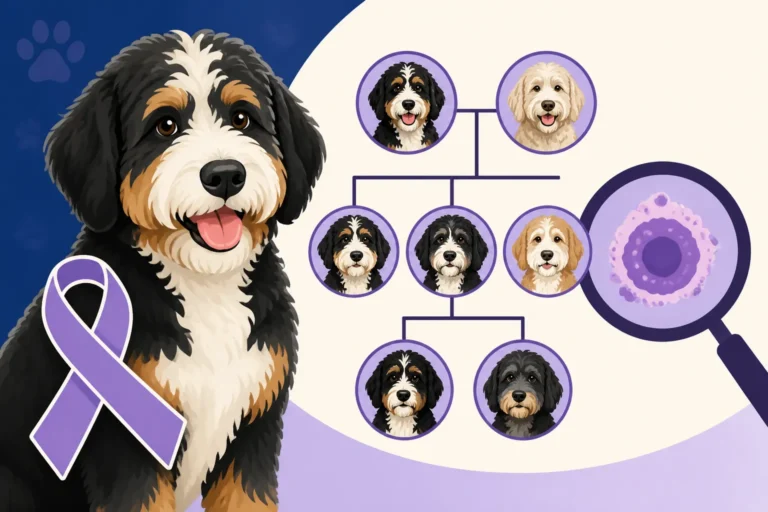
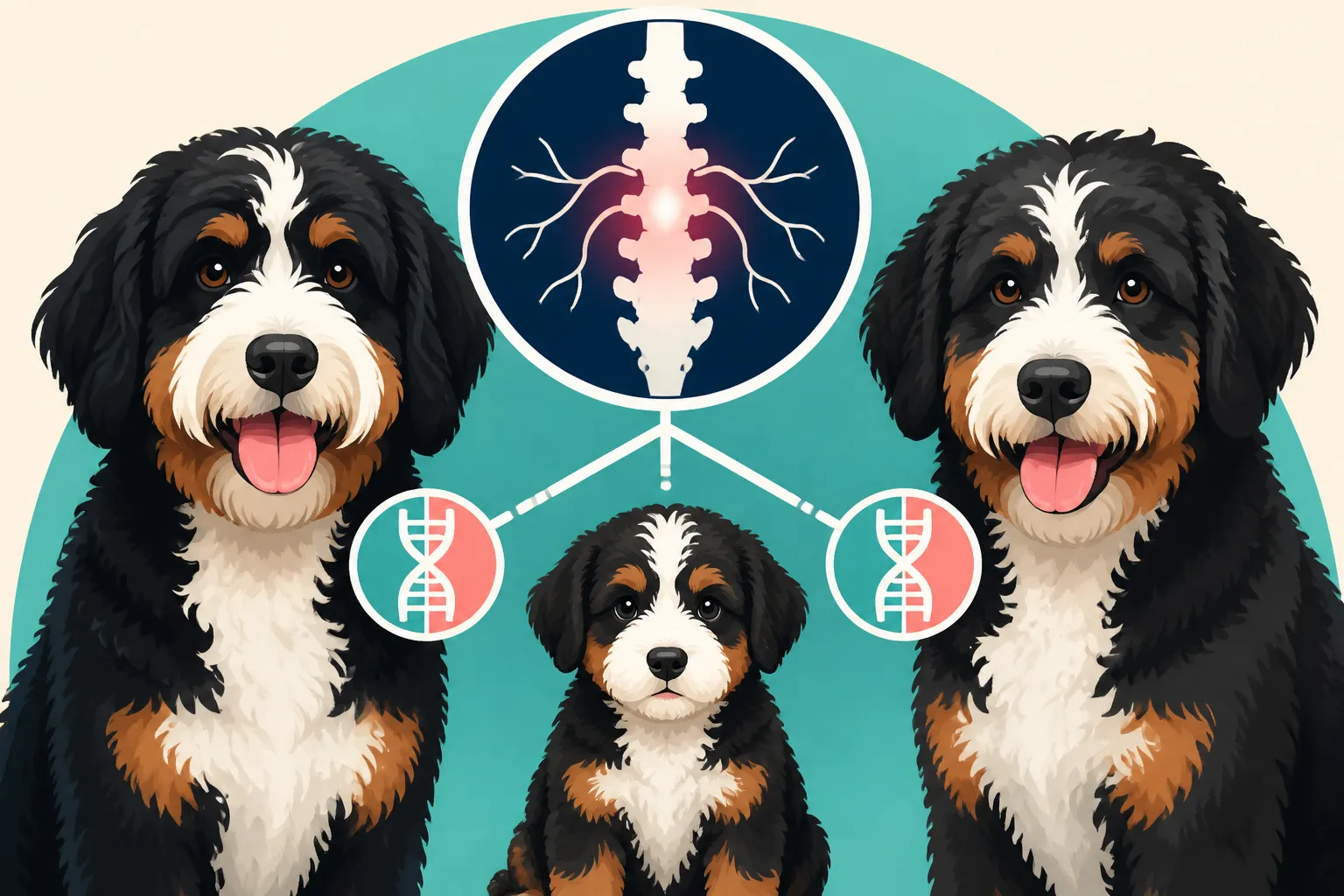
At its core, DM is a genetic disorder, specifically linked to a mutation in the SOD1 gene. Dogs need two copies of the normal SOD1 gene to be "clear" and unaffected by DM. If a dog inherits one mutated copy and one normal copy, they are considered a "carrier." Carriers typically do not develop DM themselves, but they can pass the mutated gene on to their offspring. The real problem arises when a dog inherits two copies of the mutated SOD1 gene – one from each parent. These dogs are classified as "at risk" and are highly likely to develop DM symptoms at some point in their lives, usually in their senior years. This is why it's so vital that both Bernedoodle parents undergo screening for this specific genetic marker. If two carriers are bred together, there's a 25% chance with each puppy that it will inherit two copies of the mutated gene and become "at risk."
The complexity here is that the presence of two mutated genes doesn't guarantee a dog will show clinical signs. It means they are genetically predisposed to the disease, and most will eventually develop symptoms if they live long enough. Environmental factors and other genetic modifiers might play a role in the onset and progression, but the foundational predisposition is undeniably genetic. This is different from many other health conditions where environment or injury can be the primary cause. DM is a ticking genetic clock, and responsible breeding aims to prevent any dog from being born with that clock set.
The Progressive Nature of Symptoms
The insidious nature of DM lies in its gradual progression. It doesn’t hit suddenly like an injury or an acute illness; rather, it creeps up over time, making early detection a true challenge. Owners might first notice subtle changes, like a slight scuffing of the hind paws on walks, especially when turning, or an occasional stumble. This might be dismissed as clumsiness or a sign of aging, especially since DM often manifests in middle-aged to senior dogs, typically between 8 and 14 years old. The symptoms begin as a lack of coordination (ataxia) and weakness in the hind limbs.
As the disease advances, the hindlimb weakness becomes more pronounced. Your Bernedoodle might struggle to stand up from a lying position, exhibit a wobbly gait, or start to "bunny hop" when running, using both back legs simultaneously. Over time, this progresses to complete hindlimb paralysis. The spinal cord degenerates, interrupting the nerve signals from the brain to the back legs. Eventually, the front limbs may also be affected, though this is less common and usually occurs in very late stages. The crucial thing to understand is that DM is not typically painful in its initial stages, which can sometimes make owners delay seeking veterinary attention, assuming it's just "old age." This lack of pain, however, makes the emotional toll even heavier, as you witness your dog's mobility decline without them expressing discomfort.
Differentiating DM from Other Mobility Issues
One of the greatest challenges with a suspected DM diagnosis is distinguishing it from a myriad of other conditions that also cause hindlimb weakness. Many Bernedoodles, particularly the larger standard variety, are prone to orthopedic issues like Hips on a Ninety Pound Bernedoodle or Elbow Dysplasia in a Growing Bernedoodle, which can cause similar mobility problems. Conditions like arthritis, intervertebral disc disease (IVDD), or even certain tumors can mimic DM symptoms. This is why a thorough veterinary examination, including neurological assessment and diagnostic imaging, is absolutely vital.
Your veterinarian will conduct a neurological exam, looking for specific reflexes, muscle tone, and proprioception (awareness of limb position). They'll observe your dog's gait, paying close attention to how they place their paws and balance. X-rays, MRI, or CT scans might be ordered to rule out other spinal cord compressions or injuries. While there's no single definitive live test for DM other than a post-mortem tissue biopsy, a genetic test for the SOD1 mutation, coupled with a full neurological workup to exclude other causes, can lead to a presumptive diagnosis. The absence of pain is a key indicator that often helps differentiate DM from painful orthopedic conditions or disc issues. It's a cruel twist of fate that a dog can be losing the ability to walk without feeling direct pain from the disease itself, making the owner's journey particularly heartbreaking.
Why Both Bernese Mountain Dogs and Poodles Can Carry the Gene
It's a common misconception that since the Bernese Mountain Dog is known for certain health challenges, the Poodle parent would always "clean up" the gene pool. However, when it comes to Degenerative Myelopathy, both sides of the Bernedoodle lineage can contribute to the risk. This makes careful genetic screening of both parents absolutely non-negotiable for responsible breeders. Ignoring either side could inadvertently set up puppies for an "at risk" status.
The Bernese Mountain Dog Connection
The Bernese Mountain Dog breed has a well-documented history with Degenerative Myelopathy. Unfortunately, it's one of the breeds where the SOD1 gene mutation is relatively common. Historically, the breed has faced various health challenges, and DM is one that ethical breeders have worked hard to screen for. The goal in purebred Bernese breeding is to avoid breeding two carriers together, to prevent producing "at risk" puppies. This diligent screening has been in place for many years within responsible Bernese communities.
When considering a Bernedoodle, many prospective owners are hoping that the Poodle cross will mitigate some of the Bernese's health predispositions. While the hybrid vigor can certainly offer benefits in other areas, like potentially reducing the risk of conditions such as Histiocytic Sarcoma and Whether a Bernedoodle Escapes It, it doesn't automatically eliminate the risk of DM. If a Bernese parent carrying the SOD1 mutation is bred to a Poodle parent who is also a carrier, the risk of "at risk" puppies remains significant. This is why simply having a "Poodle parent" isn't enough; the genetic health of that Poodle parent is equally important.
The Poodle's Role as a Carrier
This often comes as a surprise to many Bernedoodle hopefuls: Poodles, in all their sizes (Standard, Miniature, and Toy), can also be carriers of the SOD1 gene mutation. While perhaps not as widely publicized for DM as some other breeds like the Bernese or German Shepherd, the Poodle population does have a percentage of carriers. This means that a Poodle parent, even one from an excellent line, could unknowingly pass on a mutated copy of the SOD1 gene.
The fact that both parent breeds can contribute to the DM risk highlights the critical necessity of comprehensive genetic testing for every breeding pair. A breeder who only tests the Bernese parent or assumes the Poodle is "clear" because of breed stereotypes is taking a huge, irresponsible gamble with the health and future of their puppies. The beauty of the Bernedoodle lies in its unique blend of these two fantastic breeds, but this also means inheriting the full spectrum of their genetic possibilities – both good and bad. Therefore, when evaluating a potential puppy, always inquire about the DM status of both the Bernese and Poodle parents.
Understanding the "Carrier" Status
Let's clarify what being a "carrier" truly means for a dog. A carrier possesses one normal copy of the SOD1 gene and one mutated copy. For most genetic conditions, including DM, being a carrier means the dog itself will not develop the disease. They typically live a full, healthy life without ever showing symptoms of DM. Their normal gene copy is usually sufficient to prevent the disease from manifesting.
However, the critical implication of being a carrier is that they can pass on that single mutated gene to their offspring. If a carrier dog is bred with a "clear" dog (one with two normal copies), roughly half of their puppies will be clear, and the other half will be carriers. None of these puppies would be "at risk" for DM. But if a carrier dog is bred with another carrier dog, then approximately 25% of the puppies will be "clear," 50% will be "carriers," and crucially, 25% will be "at risk" (inheriting two mutated copies). Responsible breeding practices aim to prevent the pairing of two carriers to avoid producing any "at risk" puppies, thus systematically reducing the incidence of DM in future generations. This genetic knowledge is a powerful tool in a breeder's hands, and it should always be wielded with utmost care.
The Critical Importance of SOD1 Genetic Testing
Genetic testing for Degenerative Myelopathy is not just a suggestion; it's a fundamental pillar of responsible Bernedoodle breeding. Without it, breeders are essentially flying blind, potentially perpetuating a devastating disease that could have been avoided. For prospective puppy owners, understanding and verifying these tests is your strongest line of defense against future heartbreak.
Breeder Responsibility and Transparency
Any reputable Bernedoodle breeder worth their salt will have performed comprehensive genetic testing on both parent dogs before a litter is conceived. This includes testing for the SOD1 gene mutation. They should be completely transparent with these results, providing documentation for both the Bernese Mountain Dog parent and the Poodle parent. You should expect to see results clearly stating "Clear," "Carrier," or "At Risk" for DM.
A responsible breeder will never breed two "carriers" together, nor will they breed an "at risk" dog. Their primary goal is to ensure no puppy born in their care will be classified as "at risk" for DM. If a breeder is hesitant to share these results, or if they only provide partial testing (e.g., only for the Bernese parent), that should be a significant red flag. This isn't just about avoiding a sick puppy; it’s about upholding ethical breeding standards and contributing to the overall health of the Bernedoodle population. Asking The Five Clearances a Bernedoodle Breeder Should Have is part of being an informed buyer.
Interpreting Test Results for Your Bernedoodle
Understanding the results of a SOD1 genetic test is fairly straightforward, but the implications are profound.
- Clear (N/N): This means the dog has two normal copies of the SOD1 gene. They will not develop DM due to this gene, nor will they pass the mutated gene on to any offspring. A "Clear" dog can be safely bred with a "Carrier" or another "Clear" dog without producing "at risk" puppies.
- Carrier (N/A): This means the dog has one normal copy and one mutated copy of the SOD1 gene. As discussed, carriers typically do not develop DM symptoms themselves. However, they can pass the mutated gene to approximately 50% of their offspring. A "Carrier" dog should only be bred with a "Clear" dog to ensure no "at risk" puppies are produced.
- At Risk (A/A): This means the dog has two copies of the mutated SOD1 gene. Dogs in this category are genetically predisposed and highly likely to develop DM if they live long enough. Responsible breeders should never breed a dog classified as "At Risk" for DM.
These classifications are absolute and provide definitive answers about a dog's genetic predisposition to DM. Knowing The SOD1 Test Both Bernedoodle Parents Need and understanding its results empowers you to choose a puppy wisely.
Genetic Counseling and Breeding Decisions
For breeders, genetic testing isn't just a checkbox; it's a vital tool for genetic counseling and making informed breeding decisions that prioritize the health of future generations. The goal is simple: eliminate the production of "at risk" puppies. This can be achieved by never breeding two "carrier" dogs together, and never breeding an "at risk" dog.
A carrier dog can still be a valuable part of a breeding program, especially if they possess other desirable traits, provided they are only bred to a "clear" partner. This strategy allows breeders to maintain genetic diversity while systematically reducing the prevalence of the mutated gene. Over time, through careful selective breeding based on genetic test results, the incidence of DM can be significantly reduced within the Bernedoodle population. This proactive approach by breeders is the single most important factor in preventing the heartbreak of a DM diagnosis in your future Bernedoodle companion.
What to Do if Your Bernedoodle is Diagnosed as "At Risk" or Shows Symptoms
Receiving a presumptive diagnosis of Degenerative Myelopathy, or even learning your Bernedoodle is "at risk," can feel like a punch to the gut. The initial shock can be overwhelming, but it's important to remember that this diagnosis, while serious, is not an immediate end. There are many steps you can take to support your Bernedoodle and maintain their quality of life.
Proactive Management for At-Risk Dogs
If your Bernedoodle has been identified as "at risk" for DM through genetic testing, but has not yet shown symptoms, this is an opportunity for proactive management. While you can't prevent the genetic predisposition, you can focus on overall health and well-being, which may help delay the onset or slow the progression of symptoms.
Regular veterinary check-ups are paramount, focusing on neurological assessments even before symptoms appear. Maintaining an ideal weight is also crucial, as extra pounds put additional strain on the hind limbs and spine, which can exacerbate any underlying weaknesses. Consider introducing a controlled exercise regimen, such as swimming or gentle leash walks, to help maintain muscle mass and proprioception. Some owners explore early intervention strategies like canine physiotherapy or hydrotherapy, which can help keep muscles strong and joints mobile. It's about laying a strong foundation for health, knowing what might be coming, and being prepared to act swiftly at the first subtle sign of change. While there is no definitive way to prevent DM in a genetically "at risk" dog, these measures can contribute to overall wellness and potentially buy valuable time.
Managing the Progression of Symptoms
Once your Bernedoodle starts showing clinical signs of DM, the focus shifts to supportive care and maintaining their comfort and mobility for as long as possible. The progression can vary from dog to dog, but generally, the goal is to adapt their environment and provide aids as their abilities decline.
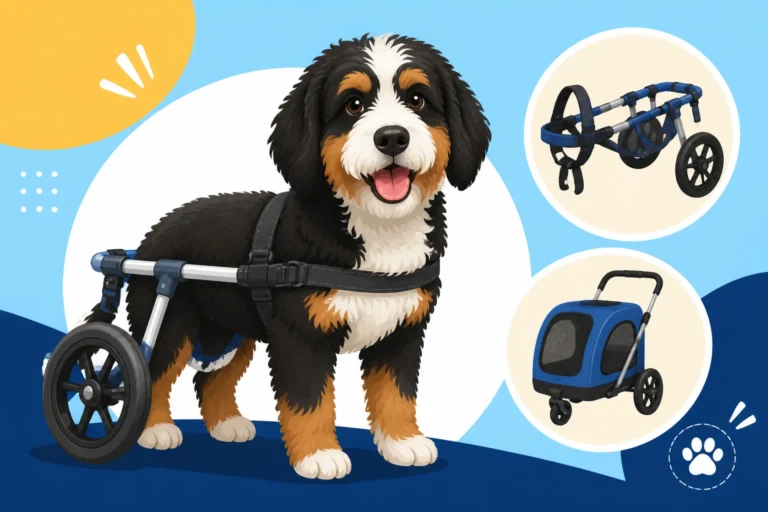
Mobility aids become increasingly important. Rear-support harnesses and slings can help you assist your dog when they struggle to stand or navigate stairs. As hindlimb weakness progresses, a custom-fitted dog wheelchair (sometimes called a cart) can be a true game-changer, allowing your Bernedoodle to regain independence and enjoy walks and outdoor activities. Many owners wonder about Wheelchairs and Carts for a Bernedoodle With DM and are amazed at the quality of life they can offer. Inside the home, simple modifications can make a huge difference: laying down non-slip rugs on slick floors, using pet ramps instead of stairs, and ensuring their bed is easily accessible and supportive. Regular communication with your veterinarian is crucial to adjust care plans, discuss pain management (if secondary issues like arthritis arise), and, most importantly, continuously assess your Bernedoodle's quality of life. This journey requires immense dedication and empathy, but it allows you to give your dog the best possible life despite the challenges.
Emotional Support for Owners
A DM diagnosis is devastating, and it's perfectly normal to feel a whirlwind of emotions – grief, frustration, helplessness, and sorrow. Watching your vibrant, active Bernedoodle slowly lose their ability to walk is incredibly painful, especially knowing there's no cure. It's essential to acknowledge these feelings and seek support for yourself.
Many online and local support groups exist for owners of dogs with DM, where you can share experiences, ask for advice, and find solace with others who understand your unique challenges. Lean on your veterinary team; they are there to provide medical guidance, but also emotional support and a listening ear. Remember that providing love, comfort, and adapting to your Bernedoodle's changing needs is the most profound way you can show your devotion. Focus on the good days, cherish every cuddle, and know that you are doing everything you can to ensure their dignity and well-being. This journey is a testament to the incredible bond we share with our dogs.
The Lifestyle Adjustments for a Bernedoodle with Degenerative Myelopathy
Living with a Bernedoodle diagnosed with Degenerative Myelopathy requires significant adjustments to their daily routine and environment. The key is to adapt to their evolving needs, prioritizing their comfort, safety, and emotional well-being as the disease progresses. These changes aren't just for your dog; they become part of your life too, as you become your Bernedoodle's primary caregiver and advocate.
Maintaining Mobility and Muscle Mass
Even as DM progresses, maintaining as much mobility and muscle mass as possible is crucial. While you can't reverse the nerve degeneration, you can help support the muscles that are still receiving signals. Canine physical therapy, often prescribed by a veterinary rehabilitation specialist, can be incredibly beneficial. These therapies might include therapeutic exercises to strengthen remaining muscles, passive range of motion exercises to keep joints flexible, and hydrotherapy (underwater treadmill or swimming). Swimming is particularly good because it provides buoyancy, reducing strain on joints while allowing muscles to work.
The goal is to keep your Bernedoodle moving safely and gently. Consistent, low-impact activity helps prevent muscle atrophy and can improve proprioception. However, it’s vital to avoid overexertion or activities that could lead to injury. For instance, high-impact activities or long, strenuous walks may need to be replaced with shorter, more frequent outings or specialized exercises. For an older Bernedoodle that is slowing down, you may also need to consider Exercise That Suits a Bernedoodle With Bad Elbows as their overall joint health may be deteriorating. Always work closely with your veterinarian or a certified canine physical therapist to design a tailored exercise program that suits your Bernedoodle's current stage of DM.
Ensuring Safety and Preventing Accidents
As your Bernedoodle's hindlimb weakness increases, their home environment needs to be modified to ensure their safety and prevent falls or injuries. Slippery floors, such as hardwood or tile, become a significant hazard. Placing non-slip rugs or runners throughout your home, especially in high-traffic areas and where your Bernedoodle rests, can provide much-needed traction.
Assisted walking outdoors is essential. A sturdy rear-support harness, like those offered by companies like Ruffwear or Help 'Em Up, allows you to help lift and support your Bernedoodle's hindquarters, preventing collapses and helping them maintain balance during walks or when navigating uneven terrain. Ramps can be invaluable for accessing cars, beds, or going up small sets of stairs, reducing the need for your dog to jump or struggle. Additionally, closely monitor your Bernedoodle for pressure sores, which can develop on bony prominences (like hips or hocks) if they spend too much time lying in one position. Providing soft, supportive bedding is key to preventing these. Regularly inspect their skin, especially on their hindquarters, for any redness or irritation.
Nutritional and Supplemental Support
While there is no specific diet or supplement that can cure or prevent DM, a high-quality, balanced diet is essential for overall health and to support your Bernedoodle's body as it fights this degenerative disease. Some veterinarians may recommend diets rich in antioxidants, omega-3 fatty acids, and B vitamins, given their role in neurological health and anti-inflammatory processes.
Specific supplements, such as N-acetylcysteine (NAC), Coenzyme Q10, and certain B vitamins, are sometimes suggested due to their antioxidant and neuroprotective properties, but it's crucial to consult with your veterinarian before introducing any new supplements. They can interact with other medications or be inappropriate for certain health conditions. The focus of nutritional support is on maintaining muscle mass, supporting cellular health, and ensuring your Bernedoodle receives all the necessary nutrients to thrive for as long as possible. The aim is always supportive care, acknowledging that while there's no magical "fix," you can still offer optimal health through diet and appropriate supplementation.
The Financial Implications and Insurance Considerations
Dealing with a Bernedoodle diagnosed with Degenerative Myelopathy is not only emotionally taxing but can also carry significant financial implications. The ongoing care required can add up, making it crucial for owners to understand potential costs and how pet insurance might factor into the equation.
Understanding the Costs of Long-Term Care
The financial commitment for a Bernedoodle with DM can be substantial and continuous. Initial diagnostic tests to rule out other conditions, such as MRIs or CT scans, can cost thousands of dollars. Once a presumptive diagnosis is made, the ongoing expenses often include:
- Veterinary Visits: Frequent check-ups to monitor progression, discuss new symptoms, and manage secondary issues like urinary incontinence or skin infections.
- Physical Therapy & Rehabilitation: Sessions with a canine physiotherapist, hydrotherapy, or even acupuncture can range from $50-$200 per session, often needed weekly or bi-weekly.
- Mobility Equipment: Custom harnesses ($100-$300), slings ($30-$100), and especially custom wheelchairs ($500-$1,500+) are significant investments. Ramps ($50-$300) and orthopedic beds ($100-$500) also add up.
- Medications & Supplements: While no drug cures DM, supportive medications for secondary issues (e.g., bladder control, anti-inflammatories for concurrent arthritis) and prescribed supplements can be ongoing costs.
- Home Modifications: Non-slip rugs, gates, and other adaptations to make your home safer.
These costs aren't a one-time expense; they represent an ongoing financial commitment for the remainder of your Bernedoodle's life. Being prepared for this reality can help alleviate some of the stress during an already difficult time.
Pet Insurance and DM Coverage
Pet insurance can be a lifesaver for managing unexpected veterinary costs, but when it comes to chronic conditions like DM, timing is everything. Most pet insurance policies consider conditions that show symptoms or are diagnosed before the policy starts, or during a waiting period, as "pre-existing conditions." Unfortunately, pre-existing conditions are generally not covered.
This means if your Bernedoodle starts showing DM symptoms, or receives an "at risk" diagnosis (even if asymptomatic), before you enroll in pet insurance or before the waiting period for chronic conditions has passed, any related costs will likely be excluded from coverage. This highlights the immense value of enrolling in a comprehensive pet insurance plan, like those offered by Healthy Paws, when your Bernedoodle is a young, healthy puppy. For instance, if you enroll your puppy with Healthy Paws before any signs of DM appear, and then symptoms develop years later, the costs associated with managing DM could be covered, depending on your policy terms. Always read the fine print of any policy to understand what is covered, waiting periods, and how hereditary conditions are handled. While it's too late for coverage once symptoms appear, having a plan in place from puppyhood can provide invaluable peace of mind for such possibilities.
Preparing for the Future
The financial burden, coupled with the emotional toll, makes advanced planning incredibly important for owners of Bernedoodles with DM. Beyond understanding the costs, it's about making peace with the journey ahead. Consider setting aside a dedicated emergency fund for veterinary care. If you have pet insurance, ensure you understand your deductible, reimbursement percentage, and annual limits.
More importantly, prepare yourself emotionally. This journey will test your resilience and your bond with your Bernedoodle. Have frank conversations with your veterinarian about expected progression, quality of life indicators, and when difficult decisions might need to be made. Knowing what to expect and having a support system in place can make this challenging time a little more manageable. Remember that every decision you make is rooted in love for your companion.
Debunking Myths and Misconceptions About Bernedoodle DM
Degenerative Myelopathy carries with it a shroud of misunderstanding, often conflated with other conditions or surrounded by outdated information. For Bernedoodle owners, clarity on DM is crucial to providing the best possible care and avoiding unnecessary distress. Let's tackle some common myths head-on.
DM is Not Always Painful
Perhaps one of the most significant and heartbreaking misconceptions about Degenerative Myelopathy is that it's an excruciatingly painful condition. Unlike arthritis, hip dysplasia, or disc disease, where inflammation and nerve compression often lead to overt pain signals, DM itself is typically not painful in its initial and middle stages. The degeneration of the spinal cord is a process that interferes with nerve transmission rather than causing direct pain receptors to fire.
This lack of pain can be a double-edged sword. On one hand, it means your Bernedoodle isn't suffering physically from the disease itself. On the other hand, it can make diagnosis tricky because the absence of yelping or obvious discomfort can lead owners to dismiss early signs as simple aging or clumsiness. It also adds to the emotional burden for owners who are watching their dog lose mobility without the dog expressing pain. However, as the disease progresses, secondary issues can arise, such as pressure sores or muscle strain from altered gait, which can cause discomfort. These secondary issues require management, and ensuring Supporting an Old Bernedoodle That Cannot Rise is part of providing compassionate care. It's vital to differentiate between the primary disease and any subsequent complications.
Not All Carriers Develop Symptoms
Another widespread misunderstanding is that if a Bernedoodle is a "carrier" for DM, they are destined to develop the disease. This is incorrect. As we discussed, a "carrier" dog possesses only one copy of the mutated SOD1 gene. For almost all cases of DM, a dog needs two copies of the mutated gene (making them "at risk") to develop the clinical disease.
A carrier dog generally lives a completely normal, healthy life without ever showing any signs or symptoms of Degenerative Myelopathy. The concern with carriers lies solely in their potential to pass the mutated gene on to their offspring if bred with another carrier. Therefore, if your Bernedoodle is identified as a carrier, there's no need to panic about their personal health regarding DM; the information is primarily relevant for breeding decisions. This distinction is critical for owners to understand, saving them from unnecessary worry and focusing care where it is truly needed. Knowing Whether a Bernedoodle Carrier Ever Shows Signs provides significant reassurance.
DM is Not a Death Sentence (But it is Progressive)
While a diagnosis of Degenerative Myelopathy is indeed serious and the disease is ultimately progressive and incurable, it is not an immediate death sentence. Many Bernedoodles can live for months or even a few years after diagnosis with good supportive care. The disease does not typically affect other organ systems directly, meaning dogs often remain alert, happy, and otherwise healthy until their mobility severely impacts their quality of life.
The focus shifts from curing the disease to managing its progression and maximizing your Bernedoodle's comfort and happiness for as long as possible. This means adapting their environment, providing mobility aids like wheelchairs, engaging in gentle physical therapy, and showering them with love and attention. Eventually, as hindlimb paralysis becomes complete and potentially affects other bodily functions (like bowel and bladder control), quality of life may decline to a point where difficult decisions about euthanasia become necessary. However, the journey leading up to that point is often filled with continued joy and companionship, thanks to dedicated owners who prioritize their dog's well-being. It's about living with the disease, not succumbing to it immediately, and ensuring every day is lived with dignity.
Understanding SOD1 Genetic Test Results
To help clarify the different genetic test results for Degenerative Myelopathy (DM) and their implications for your Bernedoodle, here is a breakdown:
| Test Result | Genetic Code (SOD1) | What it Means for Your Bernedoodle | Breeding Implications |
|---|---|---|---|
| Clear | N/N | Your Bernedoodle has two normal copies of the gene. Will not develop DM. | Can be safely bred with any dog (Clear or Carrier) without producing At-Risk puppies. |
| Carrier | N/A | Your Bernedoodle has one normal and one mutated gene. Will likely not develop DM. | Should only be bred with a Clear dog to avoid producing At-Risk puppies. |
| At Risk | A/A | Your Bernedoodle has two mutated copies of the gene. Is highly likely to develop DM. | Should never be bred. |
This table provides a quick reference for understanding the critical genetic information related to DM in Bernedoodles.
Disclaimer
The information provided in this article is for educational and informational purposes only, and does not constitute veterinary advice. Always consult with a qualified veterinarian for any health concerns or before making any decisions about your pet's medical care. Genetic testing results should be interpreted by a veterinarian or genetic counselor.