Feeding a Bernedoodle Past Eight
It’s a bittersweet milestone when your beloved Bernedoodle hits the golden age of eight. Suddenly, the playful, perhaps a little goofy, energy of their younger years starts to mellow, and with that comes a shift in their physical needs, especially when it comes to their diet. Many of us find ourselves wondering if their usual food is still doing the trick, or if those slowing steps mean it’s time for a change. This guide is all about navigating those dietary waters, helping you understand how your Bernedoodle's nutritional requirements evolve past eight years old, and how to keep them healthy, happy, and comfortable for as many golden years as possible.
Understanding Your Senior Bernedoodle's Changing Nutritional Needs
As our Bernedoodles gracefully enter their senior years, typically around The Birthday a Standard Bernedoodle Counts as Senior, their bodies begin to operate a little differently than they did in their prime. It's not a sudden overnight change, but a gradual shift that impacts everything from their metabolism to their joint health. What worked wonderfully for a vibrant, energetic five-year-old might not be the best fit for an eight-year-old who prefers long naps to long hikes. Recognizing these subtle shifts is the first step in ensuring their diet supports their new life stage.
The Slowdown and Metabolism Shifts
One of the most noticeable changes in an aging Bernedoodle is a general slowdown in activity. They might still enjoy a good romp, but the intensity and duration often decrease. This reduction in activity means their caloric needs go down, even if they're still eating the same amount of food they always have. Their metabolism also isn't as efficient as it once was, making them more prone to weight gain. This isn't just about aesthetics; extra weight puts significant strain on their joints, heart, and other vital organs, potentially shortening their lifespan or exacerbating existing conditions.
Beyond the energy dip, their digestive system can also become a bit more sluggish. Nutrient absorption might not be as optimal, and they might become more sensitive to certain ingredients. We often hear from owners whose Bernedoodles suddenly develop a finicky stomach or seem to have less energy than before, despite no obvious illness. These are often early indicators that their diet might need tweaking to match their slower metabolic pace and changing digestive capabilities. Ignoring these signs can lead to excess weight, which in turn can lead to more serious health issues down the line. It's a tricky balance because while they need fewer calories, they still need nutrient-dense food to support their aging body.
Focusing on Joint Health and Mobility
Joint health becomes a paramount concern for Bernedoodles as they age. They inherit a predisposition to conditions like hip and elbow dysplasia from their Bernese Mountain Dog lineage, and years of carrying a large frame can lead to arthritis. Past eight years old, even a Bernedoodle with previously sound joints can start to show signs of stiffness or discomfort, especially after resting or in colder weather. Your vet might discuss Managing Arthritis in an Old Bernedoodle with you.
Their diet plays a critical role in supporting their joints. We want to look for ingredients that help cushion and lubricate cartilage, reduce inflammation, and maintain overall joint integrity. Glucosamine and chondroitin are often highlighted in senior dog foods because they are the building blocks of cartilage. Omega-3 fatty acids, particularly EPA and DHA from fish oil, are also incredibly beneficial for their anti-inflammatory properties, which can help alleviate joint pain. Many commercial senior dog foods specifically formulate with these ingredients, but for some Bernedoodles, additional supplementation might be necessary. Keeping your Bernedoodle at a healthy weight is perhaps the single most impactful thing you can do for their joints, as every extra pound adds stress to already aging and potentially compromised cartilage. You can explore options on sites like Chewy, which offer a wide range of joint support formulas.
Supporting Organ Function and Overall Health
Beyond joints, a senior Bernedoodle's internal organs also undergo changes. Kidneys, heart, and even brain function can be impacted by age. Their diet needs to be tailored to support these vital systems. For instance, while protein is crucial for maintaining muscle mass in older dogs, overly high protein levels might put a strain on aging kidneys in some cases. It's a delicate balance that often requires a veterinary assessment of your dog's individual health status.
Antioxidants, found in fruits and vegetables, become increasingly important for combating cellular damage and supporting cognitive function. Just like humans, dogs can experience cognitive decline as they age, and diet can play a supportive role in keeping their minds sharp. Healthy fats are still important for maintaining skin and coat health, which might become drier or thinner in older dogs. It's also vital to ensure they are getting a full spectrum of vitamins and minerals. Regularly discussing your Bernedoodle's overall health with your veterinarian during their annual check-ups, especially The Screening a Bernedoodle Should Have Yearly, can help you make informed decisions about supporting their organ function through their diet.
Adjusting Your Bernedoodle's Diet: What to Look For
Transitioning your Bernedoodle to a senior diet isn't just about picking a bag labeled "senior food" off the shelf. It requires a thoughtful approach, understanding the nuances of various formulas, and carefully monitoring your dog's response. The goal is to provide optimal nutrition that addresses their specific needs, supporting their comfort and vitality as they navigate their golden years.
Choosing the Right Senior Dog Food Formula
The market is flooded with dog food options, and selecting the right one for your senior Bernedoodle can feel overwhelming. When looking at senior formulas, you'll generally want to find one that's lower in calories but still nutrient-dense. This often means a slightly reduced fat content to prevent weight gain, while maintaining moderate, high-quality protein levels to preserve muscle mass. High fiber content is also a common feature, which aids in digestion and can help prevent constipation, a frequent issue in older dogs.
Consider the form of the food as well. If your Bernedoodle has dental issues, a softer wet food or rehydrated kibble might be more palatable and easier to chew. For those interested in fresh food options, services like Ollie often offer tailored plans that can be adjusted for senior dogs, providing meals that are easy to digest and packed with whole ingredients. Always check the ingredient list for whole meat as the first ingredient, and ensure it contains those crucial joint-supporting nutrients like glucosamine and chondroitin. A discussion with your vet can help narrow down the best choices based on your Bernedoodle's specific health profile.
Managing Portion Sizes and Feeding Schedules
One of the biggest pitfalls with senior dogs is inadvertently overfeeding them. Because their caloric needs decrease, continuing to feed the same amount as their younger years almost guarantees weight gain. This is where precise portion control becomes non-negotiable. Don't just eyeball it; use a measuring cup. The feeding guidelines on dog food bags are a starting point, but every dog is an individual. You might find you need to feed less than recommended, especially if your Bernedoodle is very sedentary. This can be a significant change from Feeding a Bernedoodle That Will Reach Ninety Pounds when they were growing.
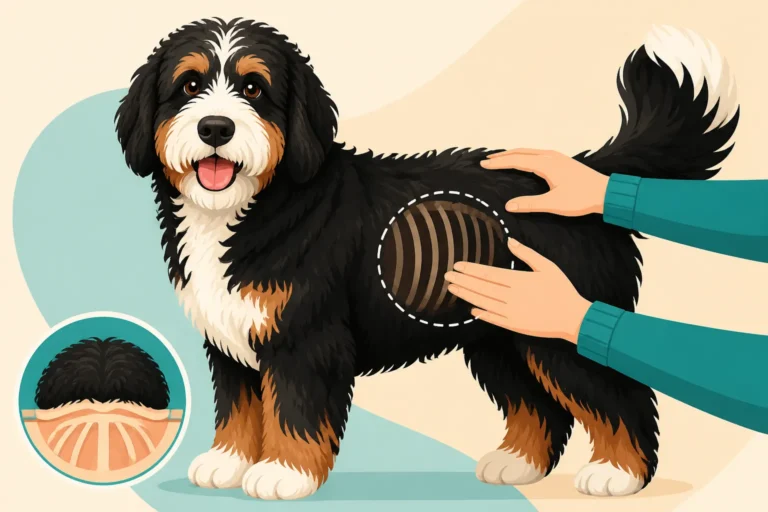
Consider splitting their daily food allowance into two smaller meals. This can aid digestion, prevent them from feeling overly full, and maintain a more stable blood sugar level. It also gives you two opportunities a day to interact around mealtime, checking them over and ensuring they're eating well. Regularly monitor your Bernedoodle's weight and body condition. You should be able to feel their ribs without pressing hard, and they should have a discernible waistline when viewed from above. If you notice weight creeping up, don't hesitate to reduce their portions further or consult your vet. They can help you calculate The Daily Cups a Standard Bernedoodle Needs for a senior dog.
Incorporating Supplements Thoughtfully
While a good senior dog food provides a solid nutritional foundation, sometimes targeted supplementation can offer an extra boost, especially for specific concerns. Joint supplements are perhaps the most commonly considered for aging Bernedoodles. Products containing glucosamine, chondroitin, and MSM can help support cartilage health and reduce inflammation. Omega-3 fatty acids, often in the form of fish oil, are another excellent choice for their anti-inflammatory properties, benefiting joints, skin, coat, and even cognitive function.
However, it's crucial to approach supplementation thoughtfully and always consult your veterinarian before adding anything new to your Bernedoodle's regimen. They can advise on appropriate dosages, potential interactions with any medications, and determine if a supplement is truly necessary or if a dietary change alone would suffice. Some Bernedoodles might benefit from probiotics for digestive health, or antioxidants for cognitive support. Reputable brands offer these supplements, and you can often find a wide selection of high-quality options on platforms like Amazon or Chewy, but always with a vet's blessing first. Remember, supplements are meant to supplement a balanced diet, not replace it.
Common Feeding Challenges and Solutions for Senior Bernedoodles
Even with the best intentions and the perfect food, feeding a senior Bernedoodle isn't always smooth sailing. They can develop new quirks, health issues that impact their appetite, or simply become more particular in their old age. Addressing these challenges proactively can make a huge difference in their quality of life and ensure they continue to get the nutrition they need.
Dealing with Decreased Appetite or Pickiness
It's not uncommon for older Bernedoodles to develop a decreased appetite or become surprisingly picky eaters. This can be incredibly frustrating and worrying for owners. Sometimes, it's a natural reduction in their energy needs, making them less enthusiastic about food. Other times, it can signal an underlying health issue, such as dental pain, kidney disease, or even something as simple as feeling generally unwell. If your Bernedoodle consistently refuses food, a vet visit is the absolute first step to rule out medical causes.
Once health issues are addressed, there are several strategies you can try. Warming their food slightly can enhance its aroma and make it more appealing. Adding a little low-sodium chicken broth, warm water, or a spoonful of plain canned pumpkin (if they tolerate it) can also entice them. Experimenting with different textures, like mixing wet food with their kibble, might also spark their interest. For some, a switch to a fresh food diet might be the answer, as the palatability is often higher. Above all, maintain a calm and positive feeding environment, and avoid making mealtime a battle.
Addressing Weight Gain and Obesity
Despite reduced appetites in some, many senior Bernedoodles actually gain weight. The combination of a slower metabolism, decreased activity, and sometimes owners unknowingly overcompensating with treats can lead to unwelcome pounds. Whether an Overweight Bernedoodle Loses Years is a serious concern. Obesity in senior dogs is particularly detrimental, exacerbating joint pain (especially for a large breed like a Bernedoodle), increasing the risk of diabetes, heart disease, and putting extra strain on their organs. Getting weight off an overweight Bernedoodle requires dedication and consistency.
Strict portion control is paramount. Review Cutting an Old Bernedoodle's Portions as It Slows and measure every meal precisely. Eliminate or drastically reduce high-calorie treats; opt for low-calorie alternatives like green beans or baby carrots (if your vet approves) if you must give something. Adjust their exercise routine to include gentle, consistent walks or swimming, which is easier on their joints. Even a few extra pounds can make a significant difference to their comfort and mobility. Your veterinarian can help you devise a safe and effective weight loss plan, which might include specific prescription weight-management diets.
Dental Health and Eating Comfort
Dental problems are incredibly common in senior dogs and can severely impact their ability and desire to eat. Periodontal disease, cracked teeth, or even tooth loss can make chewing painful, leading to a decreased appetite or a reluctance to eat harder kibble. Imagine trying to eat with a throbbing toothache – it's no fun! These issues aren't always obvious; sometimes, the only sign is a change in eating habits or bad breath.
Regular dental check-ups with your vet are essential. If your Bernedoodle has significant dental disease, professional cleaning or extractions might be necessary. In the meantime, offering softer foods, or simply adding water or broth to their kibble to soften it, can make mealtime much more comfortable. Special dental chews designed for older dogs or specific dental diets can also help maintain oral hygiene, but they won't fix existing, painful problems. Ensuring their mouth is healthy means they can enjoy their food, properly chew it, and absorb nutrients more effectively.
Hydration and Monitoring Your Senior Bernedoodle
Feeding isn't just about the food bowl; it's also deeply intertwined with hydration and continuous observation. As your Bernedoodle ages, their body's ability to regulate hydration can change, and subtle shifts in their overall health might first manifest around their eating and drinking habits. Staying vigilant and working closely with your vet are key components of senior Bernedoodle care.
Ensuring Adequate Water Intake
Hydration is crucial for all dogs, but it becomes even more critical for senior Bernedoodles. Older dogs can be more prone to dehydration, especially if they have underlying health conditions like kidney disease. Adequate water intake helps support organ function, aids in digestion, and keeps their systems running smoothly. Sometimes, senior dogs don't drink as much simply because they're less active, or they might struggle to get to their water bowl if they have mobility issues.
Encourage drinking by placing multiple water bowls around the house, ensuring they're always clean and filled with fresh water. Some dogs enjoy a pet water fountain, which circulates water and might entice them to drink more. Adding a little water or low-sodium broth to their meals can also boost their daily intake. Monitor their water consumption; a sudden increase or decrease could indicate a health issue that warrants a vet visit. Ensuring easy access and palatable water can go a long way in supporting their overall health.
Regular Vet Check-ups and Dietary Adjustments
Perhaps the most important aspect of feeding a Bernedoodle past eight is the ongoing partnership with your veterinarian. What might be the perfect diet for one senior Bernedoodle could be completely wrong for another, especially if they have specific health challenges like diabetes, kidney disease, or severe arthritis. Your vet is your best resource for tailored advice.
Regular senior wellness exams are vital. These check-ups often include blood work, urinalysis, and a thorough physical examination, which can reveal subtle changes in organ function or overall health that might require dietary modifications. For example, if blood tests show early signs of kidney issues, your vet might recommend a prescription diet specifically formulated to support kidney health, which will have precise protein and phosphorus levels. Don't make drastic dietary changes without consulting them. Any transition to a new food should be gradual, typically over 7-10 days, to avoid upsetting their sensitive senior stomachs. This proactive approach ensures that your Bernedoodle's diet evolves with their changing needs, helping them live their best life, comfortably and happily, into their golden years.
Here's a quick look at how senior dog food typically compares to adult formulas:
| Feature | Adult Dog Food | Senior Dog Food |
|---|---|---|
| Calorie Count | Higher, for active adult energy needs | Lower, to prevent weight gain in less active seniors |
| Fat Content | Moderate to higher, for energy | Lower, to reduce calories and manage weight |
| Protein Level | Varies, usually moderate to high | Moderate, high-quality to maintain muscle mass |
| Fiber Content | Moderate | Higher, for digestive health and regularity |
| Joint Support | Often minimal or none | Enhanced with glucosamine, chondroitin, MSM, Omega-3s |
| Antioxidants | Present, but often less emphasized | Increased, for cognitive and immune support |
| Vitamins/Minerals | Balanced for active adults | Specifically balanced for aging organ function |
Disclaimer
This article is for general informational purposes only and does not constitute professional advice. Laws, prices and regulations vary by location and change over time. Consult a qualified professional for guidance on your specific situation.