Signs a Bernedoodle Is Overheating
As Bernedoodle owners, we often marvel at their fluffy coats and playful personalities. But that luxurious fur, combined with their sometimes boundless energy and impressive size, can quickly become a serious concern when temperatures rise. Many of us have experienced that heart-stopping moment when our beloved companion seems just a little too hot, panting more than usual, and we're left wondering if it's just normal dog behavior or if something more serious is brewing. This guide is here to help you recognize the critical signs that your Bernedoodle might be overheating and what immediate steps you need to take to keep them safe.
Why Bernedoodles Are Prone to Overheating
It's not just your imagination; Bernedoodles do have a few specific traits that make them more susceptible to overheating than some other breeds. Understanding these inherent characteristics is the first step in being a responsible and proactive owner. They're a beautiful blend of two wonderful breeds, the Bernese Mountain Dog and the Poodle, and unfortunately, they can inherit some traits from both that don't mix well with hot weather.
The Double Whammy of a Thick Coat
Let's be honest, that gorgeous Bernedoodle coat is one of their most defining features. Whether your pup has a wavy, curly, or even a straighter coat, it's typically dense and substantial. This is a fantastic advantage in cooler climates, offering insulation against the cold, much like their Bernese ancestors were built for the snowy Swiss Alps.
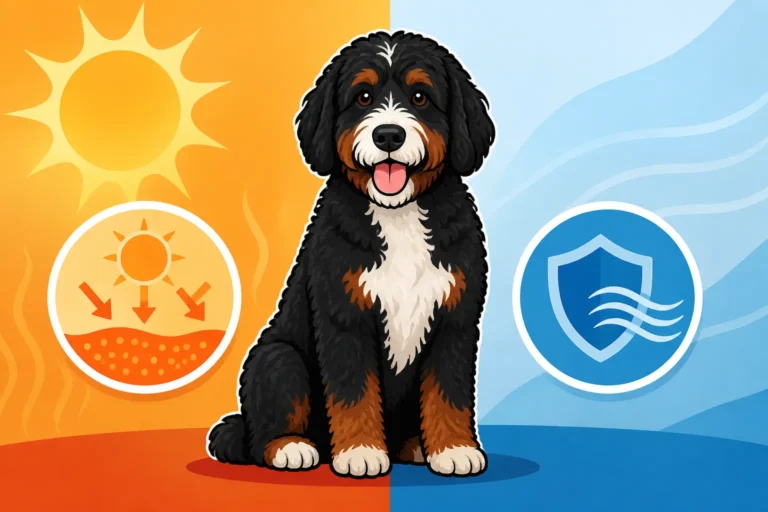
However, this same thick coat, especially if it's longer or hasn't been properly maintained, acts like a heavy winter blanket in the summer heat. It traps body heat close to the skin and makes it incredibly difficult for the dog's natural cooling mechanisms, primarily panting, to work effectively. Owners of dogs with darker coats, like a black tri Bernedoodle, might find their dogs absorb even more radiant heat from the sun, intensifying this challenge. It's a constant battle to keep that coat from becoming a sauna suit for your furry friend.
Activity Levels and Body Size
Bernedoodles are known for being active, playful dogs. They love to run, jump, and engage in vigorous play. A standard Bernedoodle, weighing anywhere from 70 to 90 pounds, is a substantial animal. Larger bodies naturally generate more heat during exercise and simply have more mass to cool down.
Compounding this is their often goofy, sometimes oblivious nature; they might not always recognize when they've had enough. You'll throw the ball one more time, and they'll happily chase it, even if their body is screaming for a break. This combination of size and a desire to please or play can quickly push them past their comfortable temperature zone, especially if they're still in their adolescent phase where they feel invincible and don't yet know their limits.
Environmental Factors and Humidity
It's not just about the thermometer reading; humidity plays a massive role in how well your Bernedoodle can cool itself. Dogs primarily cool down by panting, which involves evaporating moisture from their respiratory tract. When the air is already saturated with moisture (high humidity), this evaporative cooling process becomes far less efficient.
Imagine trying to sweat in a steam room; it's just not as effective. For a Bernedoodle with that thick coat, high humidity can turn a merely warm day into a dangerous one very quickly. Even on days that don't feel scorching to us, the combination of heat and humidity can lead to a significant heatstroke risk in a dark coated Bernedoodle. Always consider the "feels like" temperature, not just the actual temperature, when planning outdoor activities with your Bernedoodle.
Early Warning Signs of Heat Stress in Your Bernedoodle
Spotting the subtle hints that your Bernedoodle is getting too hot before it becomes an emergency is crucial. These early signs are their way of telling you they're uncomfortable and need a break, even if they're still trying to be a good sport. Don't dismiss these signals; they are your pup's distress calls.
Excessive Panting and Drooling
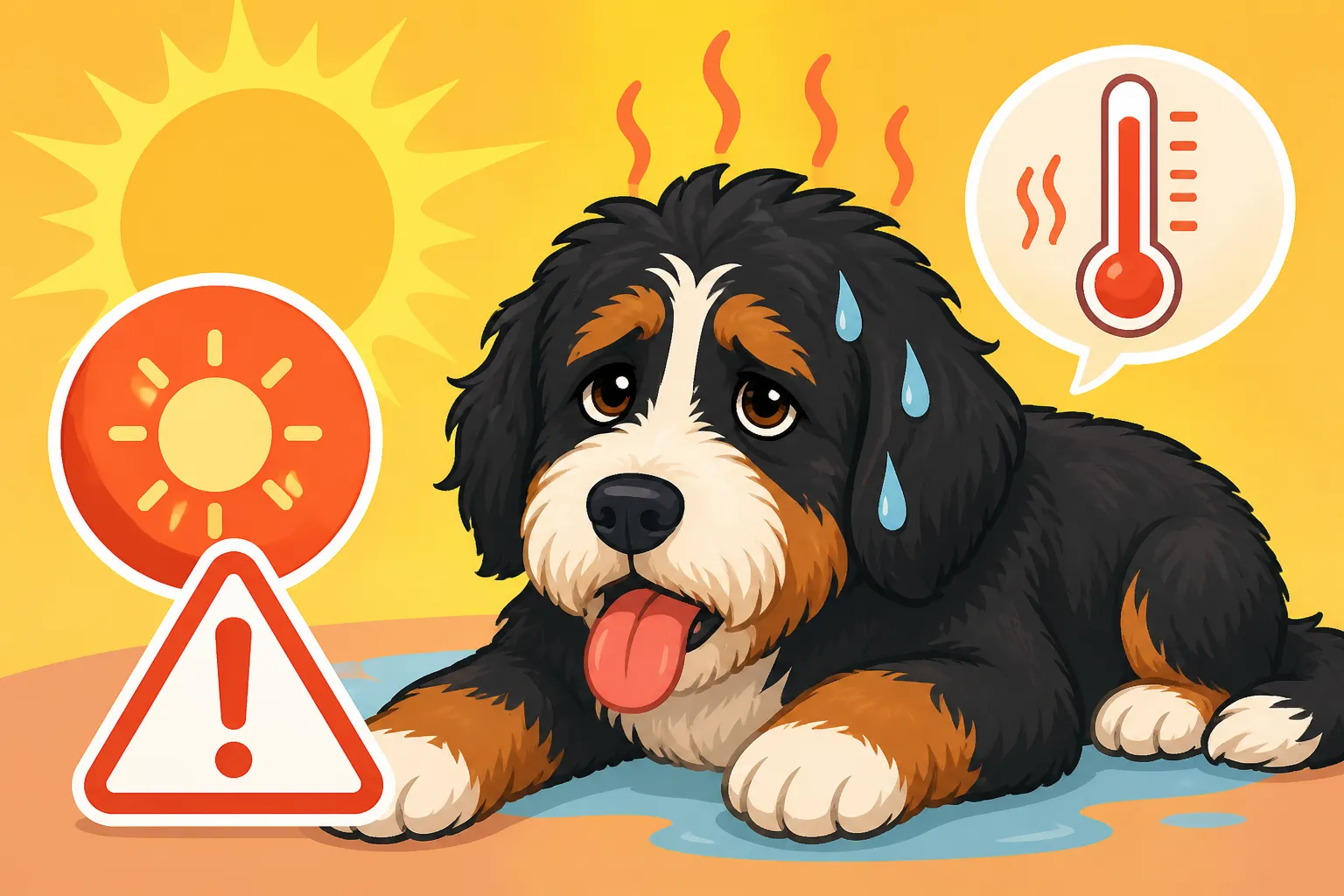
Panting is a dog's primary way of cooling down, so a little panting after a romp is perfectly normal. However, if your Bernedoodle's panting becomes noticeably more rapid, labored, or sounds louder than usual, it's a red flag. It might sound like a desperate gasping for air rather than a controlled exhalation.
Accompanying this excessive panting, you'll often see an increase in drooling. This isn't just a bit of slobber; it can be thick, stringy, and copious. The body is trying everything to release heat and moisture. If you notice your Bernedoodle pants more than other dogs, especially in warm conditions, it's a good indicator that they have a lower tolerance for heat and you need to be extra vigilant.
Changes in Energy and Behavior
One of the first things you might notice, especially if your Bernedoodle is usually a ball of energy, is a sudden lack of enthusiasm. They might become sluggish, reluctant to play, or even lie down unexpectedly during an activity they usually love. This isn't laziness; it's their body conserving energy because it's working overtime to try and cool down.
They might also appear disoriented or confused, bumping into things, or just looking "off." Look for subtle shifts in their normal routine or personality. If your usually bouncy Bernedoodle is suddenly seeking shade and refuses to move, it's a clear signal to intervene.
Gastrointestinal Upset
As heat stress progresses, a Bernedoodle might start to show signs of gastrointestinal distress. This can manifest as vomiting or diarrhea. The body, under extreme stress from overheating, begins to redirect blood flow away from non-essential organs like the digestive system to prioritize cooling mechanisms.
This can lead to nausea and upset stomach. If your Bernedoodle throws up or has loose stools after being out in the heat, even if other symptoms seem mild, it's a serious sign that their body is struggling and they need immediate cooling and possibly veterinary attention. These symptoms can quickly lead to dehydration, further complicating the situation.
Recognizing Advanced Stages of Heatstroke
When the early warning signs are missed or ignored, heat stress can quickly escalate into full-blown heatstroke, a life-threatening condition that requires immediate and aggressive intervention. This is where minutes matter, and prompt action can be the difference between recovery and a tragic outcome.
Worsening Physical Symptoms
As heatstroke takes hold, the physical symptoms become much more pronounced and alarming. The panting will become even more exaggerated and desperate, possibly turning into gasping or very noisy breathing. Their gums and tongue might change color, appearing bright red initially, indicating increased blood flow to the surface trying to dissipate heat. However, as their condition worsens, they might become pale, gray, or even bluish (cyanotic) if they are not getting enough oxygen.
Their skin might feel very hot to the touch, especially in areas with less fur like the inner thighs. Their heart rate will be significantly elevated, and you might notice a very rapid, weak pulse. You might even see small bruises or pinpoint red spots on their gums, which can indicate issues with blood clotting, a severe complication of heatstroke.
Neurological Changes and Collapse
One of the most concerning signs of advanced heatstroke is the onset of neurological symptoms. Your Bernedoodle might stagger, stumble, or appear uncoordinated, almost as if they are drunk. They could become completely disoriented, staring blankly, or showing no recognition of you or their surroundings.
Tremors, muscle twitching, or even seizures can occur as the brain swells and struggles with the elevated body temperature. Ultimately, if not cooled down, they may collapse and lose consciousness. At this stage, time is of the essence. Any sign of collapse, unresponsiveness, or seizure-like activity demands immediate emergency veterinary care. This isn't something you can just "wait and see" about at home.
Organ Damage and Emergency Intervention
Heatstroke doesn't just make a dog hot; it causes systemic damage throughout the body. The extremely high body temperature starts to break down cells and tissues, leading to multi-organ failure. Kidneys can shut down, the liver can be severely damaged, and the lining of the intestines can be compromised, leading to further dehydration and toxin release. The blood's ability to clot can be affected, leading to internal bleeding.
At this point, your Bernedoodle needs professional medical intervention, including intravenous fluids, oxygen therapy, and close monitoring to manage organ function. Even if they appear to recover from the initial cooling, internal damage can still be progressing. Prompt diagnosis and treatment by a vet are critical to mitigating long-term complications. This is why pet insurance, like a policy from Healthy Paws, can be an absolute lifesaver, covering the potentially astronomical costs of emergency care for conditions like heatstroke.
Immediate Steps to Cool Down an Overheating Bernedoodle
If you suspect your Bernedoodle is overheating, acting quickly and correctly can save their life. Panic is your enemy here; a calm, systematic approach is what's needed. Remember, the goal is to lower their body temperature gradually and safely, not drastically.
Moving to a Cooler Environment
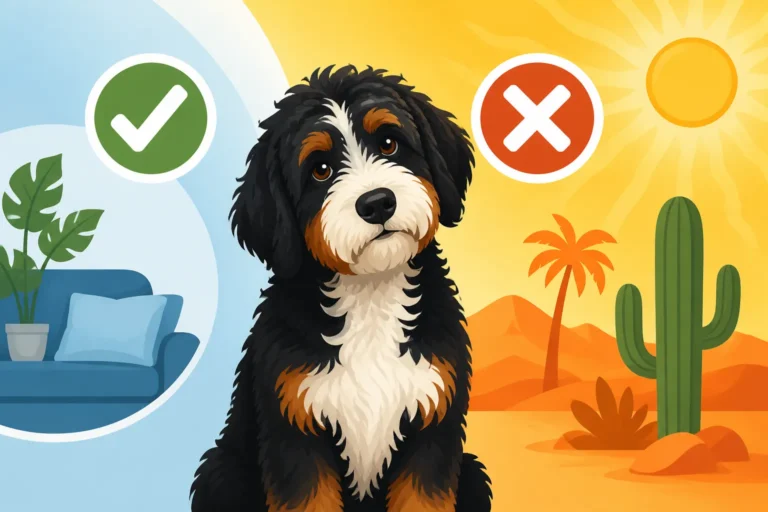
The very first thing you need to do is get your Bernedoodle out of the heat source. Move them immediately into an air-conditioned space, a shaded area, or even a cool, tiled bathroom floor. Any place that offers relief from direct sunlight and radiant heat.
If you're outside and an indoor space isn't immediately available, look for dense shade and ensure there's a breeze, or create one with a fan if you have access. Even sitting in a car with the air conditioning blasting can offer temporary relief while you assess the situation further. This initial step stops the continued escalation of their body temperature.
Applying Cool Water Safely
Once in a cooler environment, begin to cool your Bernedoodle with water. Do NOT use ice-cold water, as this can cause the blood vessels to constrict, trapping heat inside their core, and can also lead to shivering, which generates more heat. Lukewarm or cool, not cold, water is best.
Focus on areas where blood vessels are close to the surface: their paws, underarms, groin, and neck. You can gently spray them with a hose, wet towels and place them on these areas, or even use a sponge. A kiddie pool can also be a wonderful asset for cooling down a Bernedoodle, allowing them to stand or lie in a shallow layer of cool water. Make sure the water isn't too deep to prevent accidental drowning, especially if they are disoriented. You can also gently wet the pads of their feet and the inside of their ears. Avoid covering their entire body with wet towels or blankets for prolonged periods, as this can trap heat.
| Method of Cooling | Best Application Area | Notes |
|---|---|---|
| Cool, Wet Towels | Neck, armpits, groin, paws | Wring out excess water. Replace frequently as they warm up. Avoid draping entirely over the body. |
| Gentle Hose Spray | Whole body, focusing on belly, inner thighs | Use cool, not icy, water. Avoid spraying directly into face/nose. |
| Fan/Air Conditioning | Direct air flow onto the dog | Helps with evaporative cooling. Can be combined with wet towels. |
| Kiddie Pool | Paws, lower body | Shallow water is ideal. Ensures dog can stand/lie comfortably. Offers mental stimulation too. |
| Ice Packs (wrapped) | Only briefly on specific spots: groin, armpits | Use with extreme caution. Never apply directly to skin. Limit duration to avoid frostbite or vasoconstriction. |
Seeking Veterinary Care Promptly
Even if your Bernedoodle seems to be recovering and cooling down, it is absolutely imperative to contact your veterinarian immediately. Heatstroke can have delayed complications, and internal damage might not be immediately apparent. Your vet can assess their condition, check for organ damage, and provide necessary supportive care like IV fluids to combat dehydration and flush toxins.
Describe all the symptoms you observed, the steps you took, and how long they were exposed to the heat. They might advise you to come in for an examination, even if it's just a quick check-up to ensure everything is okay. Don't underestimate the severity of heatstroke; a veterinarian's expertise is invaluable in these situations.
Prevention is Key: Keeping Your Bernedoodle Cool
As the saying goes, an ounce of prevention is worth a pound of cure, and this couldn't be truer when it comes to keeping your Bernedoodle safe from overheating. Being proactive and mindful of the weather and your dog's specific needs will make all the difference.
Smart Exercise Practices
Bernedoodles thrive on activity, but that doesn't mean pushing them in extreme conditions. During warmer months, adjust their exercise schedule. Opt for walks or play sessions during the coolest parts of the day – early mornings and late evenings. Avoid the midday sun entirely, especially if the temperature a Bernedoodle should not be walked in is approaching or exceeding 75-80°F (24-27°C), or if humidity levels are high.
Keep walks shorter and less intense. Instead of a long jog, consider a leisurely sniffari in a shaded park. If your Bernedoodle should be walked in summer, keep it brief and always carry water. Pay close attention to their breathing and energy levels, and don't be afraid to cut a walk short if they seem to be struggling. Remember that pavement can also be dangerously hot, burning their paw pads.
Hydration and Cooling Aids
Constant access to fresh, cool water is non-negotiable for a Bernedoodle, especially in warm weather. Keep multiple water bowls around the house and outside, ensuring they are always full. If you're out and about, carry a portable water bottle and a collapsible bowl for your pup. Consider adding ice cubes to their water bowl to keep it cooler longer.
There are also many fantastic cooling aids on the market. Cooling vests, bandanas, and mats can provide relief by absorbing heat or offering a cool surface. For some Bernedoodles, a quick dip can be a fantastic way for a Bernedoodle to swim to cool off, providing both exercise and temperature regulation. Just ensure supervision and that they have a safe entry and exit point. If you have any concerns about health conditions, an insurance provider like Healthy Paws offers extensive coverage that can provide peace of mind in managing potential health issues.
Grooming and Coat Management
While a thick coat offers protection from the sun, a matted or overly dense coat traps heat more effectively. Regular grooming is essential year-round, but it becomes even more critical in warmer weather. Frequent brushing helps remove loose undercoat and allows for better air circulation close to the skin.
Many owners opt for a shorter summer clip for their Bernedoodle. A trim that leaves about an inch or two of hair can help significantly reduce heat retention without exposing their skin to sunburn. Talk to your groomer about a "summer cut" or "kennel clip" that provides functionality over aesthetics. However, completely shaving a Bernedoodle handles heat better is a misconception; a short layer of fur actually provides insulation against the sun's direct rays and helps regulate body temperature, so never shave them down to the skin.
When to Worry: Differentiating Normal Panting from Danger
It's easy to second-guess yourself when your Bernedoodle is panting. Is this normal? Are they just excited? Or are they in trouble? Learning to differentiate between healthy cooling and concerning signs of overheating is a skill every Bernedoodle owner needs to master.
Understanding Your Bernedoodle's Baseline
Every dog has a normal range of behavior. Take the time to observe your Bernedoodle when they are healthy and comfortable in different temperatures and activity levels. How much do they pant after a short walk on a cool day? What's their energy level like indoors versus outdoors? This baseline knowledge is invaluable.
If your Bernedoodle pants more than other dogs, even in mild temperatures, it could indicate a lower tolerance for heat or an underlying respiratory issue. Pay attention to the type of panting: is it relaxed and rhythmic, or strained and shallow? A relaxed pant usually involves an open mouth with the tongue slightly out, while a distressed pant is often wide-mouthed, rapid, and sometimes accompanied by noisy breathing.
Factors That Increase Risk
Several factors can increase your Bernedoodle's risk of overheating, even if the weather isn't extreme. For example, puppies and senior dogs are generally more susceptible due to their less efficient thermoregulation. Young Bernedoodles are often too enthusiastic to stop, while older Bernedoodles might have underlying health issues or simply can't cool down as effectively.
Dogs with brachycephalic (flat) faces are also at higher risk, though this isn't typically an issue for Bernedoodles, it's worth noting. Overweight dogs have an extra layer of insulation and struggle more to dissipate heat. Underlying health conditions, such as heart or respiratory problems, can also compromise their ability to cool down. If your Bernedoodle has any existing health concerns, or if they are prone to conditions like bloat in a standard Bernedoodle's deep chest, extreme heat can exacerbate these issues, making vigilant monitoring even more critical.
Trusting Your Gut Instinct
Ultimately, you know your Bernedoodle best. If something feels "off" to you, trust that instinct. It's always better to be overly cautious than to regret not acting sooner. If you're ever in doubt about whether your Bernedoodle is just hot or truly overheating, err on the side of caution.
Immediately move them to a cooler environment, offer water, and begin passive cooling measures. If their symptoms don't improve quickly, or if they worsen, don't hesitate to call your vet. A quick phone call can provide peace of mind or prompt vital action. Remember that the house air conditioned is necessary for a Bernedoodle in many climates to ensure their safety and comfort, especially if they spend significant time indoors. Protecting your Bernedoodle from overheating is a year-round commitment, not just a summer concern.
Disclaimer
This article is intended for informational purposes only and does not constitute veterinary advice. Always consult with a qualified veterinarian for any health concerns or before making any decisions about your Bernedoodle's care. In an emergency, seek immediate veterinary attention.