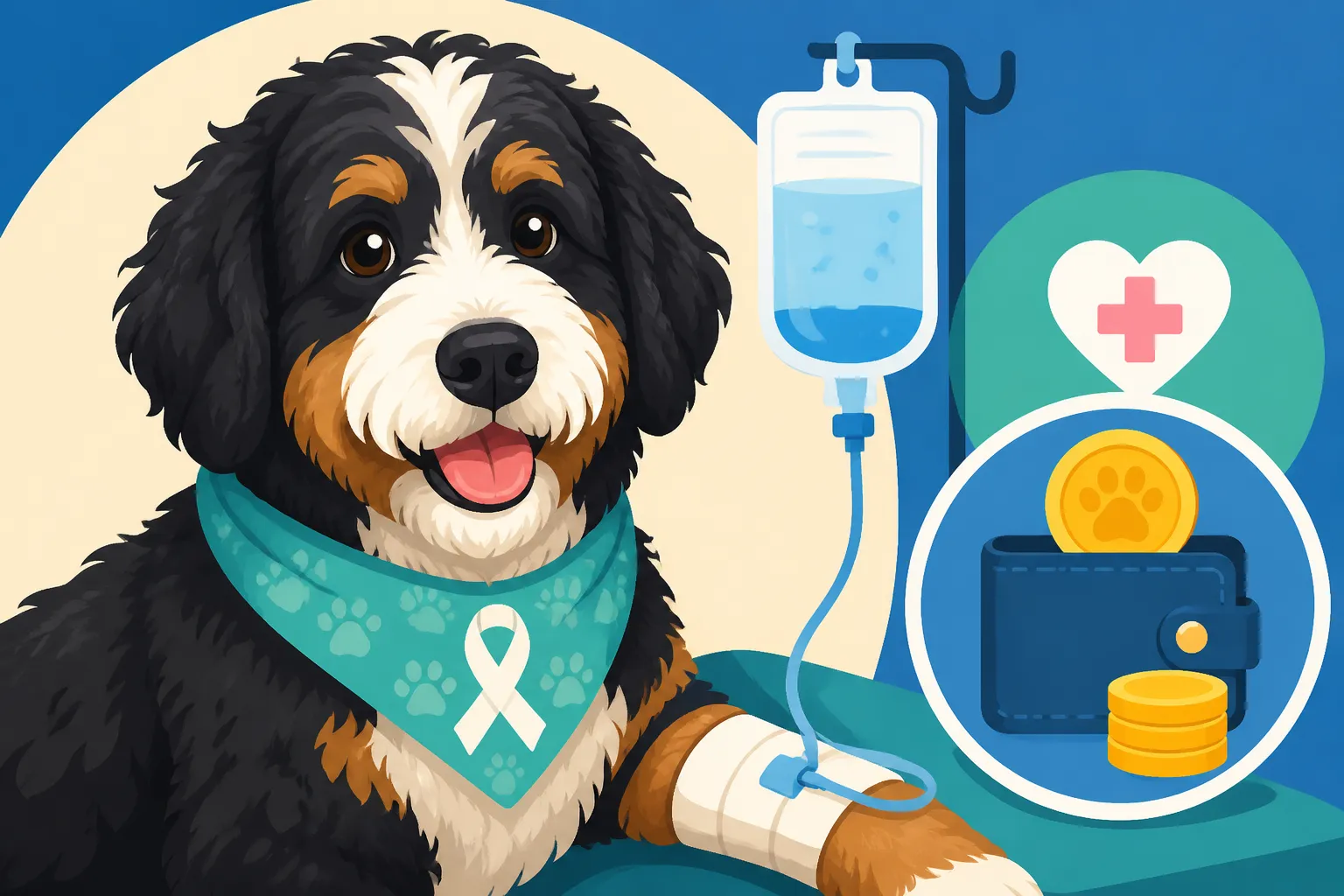
What Chemotherapy Runs Per Session for a Bernedoodle
Discovering your beloved Bernedoodle has cancer is a gut-wrenching experience, instantly bringing a wave of emotional pain mixed with practical anxieties, not least of which is the financial burden of treatment. It’s completely understandable to feel overwhelmed wondering how you'll manage the costs, particularly when it comes to something as intensive as chemotherapy. This guide aims to break down the complexities of chemotherapy costs for Bernedoodles, helping you understand what contributes to the price tag per session and what other expenses you might encounter.
Understanding the Reality of Bernedoodle Cancer Treatment Costs
When you hear the word "chemotherapy," your mind probably jumps to astronomical figures, and while it's true that veterinary oncology can be expensive, understanding the breakdown can help alleviate some of the initial shock. The cost of a single chemotherapy session for your Bernedoodle isn't a fixed price tag; it's a dynamic figure influenced by numerous factors, from the specific drugs used to the veterinary practice you choose. Many Bernedoodle owners face this challenge, often feeling unprepared for the financial aspect on top of the emotional toll of their dog's diagnosis. It's not just about the drugs; it's about the expertise, the monitoring, and the supportive care that goes into each treatment.
For a Bernedoodle, which can range from a smaller Mini to a large Standard size, the dosage of medication—and therefore the cost—will naturally differ. A larger Bernedoodle, potentially weighing ninety pounds or more, will require a significantly higher dose of chemotherapy drugs than a smaller one, directly impacting the per-session cost. This often means that What Cancer Treatment Costs a Bernedoodle Owner can feel different for owners of various sizes of the breed. It’s a reality that can hit hard, as the sheer size and presence of our big, lovable Bernedoodles also means larger bills for medications.
Beyond the direct drug costs, each session typically includes the fees for the veterinary staff administering the treatment. This isn't just a simple injection; it often involves careful calculation, preparation of hazardous drugs, precise administration, and meticulous monitoring for immediate reactions. Specialized veterinary oncologists and their trained technicians are involved, and their expertise is invaluable. So, while you're paying for the medication itself, a significant portion of the cost is also for the professional care and oversight that ensures your Bernedoodle receives the safest and most effective treatment possible.
Factors Influencing Chemotherapy Session Costs
The price of a single chemotherapy session for your Bernedoodle can vary widely, much like the cost of a Bernedoodle puppy itself, depending on several key elements. It's rarely a one-size-fits-all situation, and understanding these variables can help you anticipate the financial commitment involved. From the type of drug prescribed to where you live, each factor plays a role in the final tally.
The Specific Chemotherapy Drug and Dosage
The biggest driver of cost per session is often the chemotherapy drug itself. There are many different chemotherapy agents, each with varying price points based on its manufacturing, availability, and specific action against cancer cells. Some drugs are relatively inexpensive, while others, particularly newer or more specialized compounds, can be quite costly. Furthermore, as mentioned, your Bernedoodle's size directly dictates the dosage. A standard Bernedoodle, often weighing in the 70-90 pound range, will require a higher volume of medication than a Mini Bernedoodle, and this scales up the drug cost proportionally. This is a crucial distinction that can significantly impact What Chemotherapy Runs Per Session for a Bernedoodle. The vet will calculate the dose based on your dog's body surface area or weight, ensuring they get exactly what's needed for their unique case.
Method of Administration and Clinic Type
How the chemotherapy is administered also affects the cost. Oral chemotherapy medications, which you might administer at home, typically have a lower per-session veterinary fee because they don't require extensive clinic time for administration, though the drug cost itself remains. Injectable chemotherapy, however, requires a veterinary visit, often with intravenous (IV) administration, which is more labor-intensive and requires careful monitoring, driving up the cost. You might also find a difference in pricing between a general veterinary practice that offers basic oncology services and a specialized veterinary oncology center. The latter will often have state-of-the-art equipment, highly specialized staff, and advanced protocols, all of which contribute to a higher, but often more comprehensive, fee structure. Knowing Whether a Bernedoodle Tolerates Chemotherapy Well is also a factor, as some may require more intensive supportive care during or after administration.
Geographic Location and Additional Services
Just like real estate, veterinary costs can vary significantly depending on your geographic location. A chemotherapy session in a major metropolitan area or an affluent region might carry a higher price tag than the same treatment in a rural area, simply due to overhead costs and demand. Additionally, what's included in a "session" can differ. Some clinics might bundle pre-chemo blood work, intravenous fluids, anti-nausea medication, or other supportive drugs into the session fee. Others might list these as separate charges. It's vital to get a detailed estimate from your veterinary oncologist so you understand exactly what you're paying for and what might be an additional cost. For instance, if your Bernedoodle needs specific supplements or a prescription diet, online retailers like Chewy might offer some convenience, but the core medical costs are handled by the clinic.
Types of Chemotherapy and Their Cost Implications
Chemotherapy isn't a singular treatment; it's an umbrella term for various approaches designed to target and destroy cancer cells. For Bernedoodle owners, understanding these different types is key to comprehending the associated costs and what each entails for your dog's care.
Oral vs. Injectable Chemotherapy
The most common distinction you'll encounter is between oral and injectable chemotherapy. Oral chemotherapy drugs are often prescribed for at-home administration, meaning you pick up the medication from your vet or a compounding pharmacy and give it to your Bernedoodle according to their schedule. The primary costs here are the drugs themselves, which, depending on the specific medication, can range from a modest amount to substantial figures for a month's supply. While the per-session clinic cost is minimal, the overall monthly drug cost can still be considerable. On the other hand, injectable chemotherapy requires your Bernedoodle to visit the veterinary clinic for each dose. These sessions include the cost of the drug, the specialized administration by trained veterinary technicians, pre-treatment checks (like blood work to ensure liver/kidney function and white blood cell counts are adequate for treatment), and often intravenous fluids to help flush the system and prevent dehydration. This intensive, in-clinic care naturally makes injectable sessions more expensive individually.
Metronomic Chemotherapy
A less aggressive, but often effective, approach is metronomic chemotherapy. This involves administering low doses of chemotherapy drugs more frequently, typically daily or every other day, often orally. The goal isn't to blast cancer cells with high doses, but rather to inhibit the growth of new blood vessels that feed tumors and to stimulate an anti-tumor immune response, while minimizing side effects. Because the doses are lower and it's primarily an oral treatment, the drug cost per month can sometimes be lower than for high-dose injectable protocols, and the veterinary visits are less frequent and less intensive. However, it's an ongoing treatment, so the cumulative cost over many months can still add up. This approach is often considered for certain types of cancer or as a maintenance therapy, and your vet will discuss if it's a suitable option for your Bernedoodle's specific condition.
Combining Therapies and Specialized Treatments
Sometimes, your Bernedoodle's treatment plan might involve a combination of therapies, such as chemotherapy alongside radiation or surgery. Each of these components carries its own significant cost. Additionally, there are highly specialized chemotherapy drugs or targeted therapies that are newer to veterinary medicine. These can be incredibly effective for certain types of cancer but often come with a premium price tag due to their novelty and targeted action. For complex cases, a veterinary oncologist might recommend drugs or protocols that are at the cutting edge of treatment. While these options offer hope, they typically represent the higher end of the cost spectrum. It’s important to have open and honest conversations with your veterinary team about the anticipated costs for all recommended treatments and whether your pet insurance, like Healthy Paws, might provide some coverage.
Beyond the Session: Other Costs Associated with Chemotherapy
While the per-session cost of chemotherapy is a significant part of the financial picture, it’s crucial to understand that it’s rarely the only expense you’ll face. Treating cancer in your Bernedoodle involves a broader range of costs, from initial diagnostics to ongoing supportive care, all of which contribute to the overall financial commitment. Preparing for these additional expenses is just as important as understanding the chemotherapy session itself.
Diagnostic Testing and Staging
Before chemotherapy even begins, your Bernedoodle will undergo a battery of diagnostic tests to confirm the cancer diagnosis, determine its type, and stage the disease. Staging involves finding out if the cancer has spread and how aggressive it is. This can include blood tests, urine tests, radiographs (X-rays), ultrasounds, CT scans or MRIs, biopsies, and cytology. These initial diagnostic procedures, each with its own cost, are absolutely essential for your veterinary oncologist to formulate the most effective treatment plan. For example, knowing Whether Cancer Is Still the Leading Cause in Bernedoodles often drives the push for early and comprehensive diagnostics. Without this comprehensive understanding, treating cancer is like trying to navigate in the dark.
Supportive Care and Symptom Management
Chemotherapy, while vital, can have side effects. Many Bernedoodles experience nausea, appetite loss, fatigue, or other issues. A crucial part of cancer treatment involves supportive care to manage these side effects and maintain your dog's quality of life. This means additional medications, such as anti-nausea drugs, appetite stimulants, pain relievers, and sometimes antibiotics if their immune system is compromised. These medications are ongoing costs between chemotherapy sessions. Some Bernedoodle owners might also invest in special diets or supplements to support their dog's health during treatment. Brands like Ollie, known for fresh pet food, or specific veterinary prescription diets found on Chewy, might be recommended to help maintain weight and appetite. These supportive measures, while not direct chemotherapy costs, are integral to successful treatment and comfortable recovery.
Follow-Up Care and Monitoring
After chemotherapy treatments are completed, or even during an ongoing protocol, regular follow-up appointments and monitoring are necessary. This includes routine blood tests to check for bone marrow suppression (a common side effect of chemo), re-checks of tumor size through imaging, and overall assessments of your Bernedoodle's health. These follow-up costs are vital for ensuring the treatment is working as intended and to catch any new issues or recurrences early. What Changes in a Bernedoodle After Eight might make these follow-ups even more important, as older dogs can sometimes have other health concerns complicating their cancer journey. The journey through cancer treatment is long-term, and these monitoring costs are an expected part of the continuum of care.
Financial Planning and Support for Bernedoodle Cancer Treatment
Facing a cancer diagnosis for your Bernedoodle is emotionally taxing, and the financial stress can compound it dramatically. It's okay to feel overwhelmed, but there are proactive steps you can take to manage the costs and find support. Planning ahead, understanding your options, and knowing where to look for assistance can make a significant difference.
Pet Insurance and Savings
One of the most impactful ways to cushion the blow of veterinary cancer costs is through pet insurance. If you enrolled your Bernedoodle in a policy like Healthy Paws before the diagnosis, it could cover a significant portion of the chemotherapy and related expenses. Many comprehensive pet insurance plans are designed to cover accidents and illnesses, including cancer treatment, often reimbursing a percentage of your veterinary bills after your deductible. However, it’s crucial to remember that pet insurance typically doesn't cover pre-existing conditions, so if your Bernedoodle is diagnosed before you have a policy, it won't be covered. This is why many experienced Bernedoodle owners stress the importance of getting pet insurance when your dog is young and healthy. For those without insurance, setting aside an emergency fund specifically for pet health is a wise strategy, as unexpected illnesses like cancer can arise at any time.
Payment Plans and Financial Aid Programs
Don't be afraid to discuss financial concerns openly with your veterinary oncology team. Many veterinary practices understand the burden of expensive treatments and offer various payment options, such as structured payment plans that allow you to spread the cost over several months. This can make the difference between proceeding with life-saving treatment and having to make difficult decisions. Beyond clinic-specific plans, numerous non-profit organizations offer financial assistance to pet owners facing significant veterinary bills. These organizations often have specific criteria, but they are worth exploring. Your veterinary team may be able to provide a list of such resources in your area, and a quick online search can also reveal many national and local charities dedicated to helping pets with cancer. Setting Money Aside for a Bernedoodle's Cancer Bills is a practical step, but sometimes, even with savings, external help is needed.
Considering Quality of Life and Prognosis
While discussing costs, it’s also important to have a frank conversation with your veterinary oncologist about your Bernedoodle's prognosis and quality of life during and after treatment. Chemotherapy aims to extend life and improve quality of life, but it's not always a cure, and some treatments can come with side effects. Understanding the realistic outcomes will help you make informed decisions that are best for your Bernedoodle and your family, financially and emotionally. Sometimes, the most loving choice is to prioritize palliative care to ensure comfort rather than pursuing aggressive treatments with a poor prognosis. This difficult conversation is part of responsible pet ownership, and your vet can help guide you through it, helping you weigh the potential benefits of treatment against the financial strain and the impact on your Bernedoodle's daily well-being.
Disclaimer
This article is for general informational purposes only and does not constitute professional advice. Laws, prices and regulations vary by location and change over time. Consult a qualified professional for guidance on your specific situation.