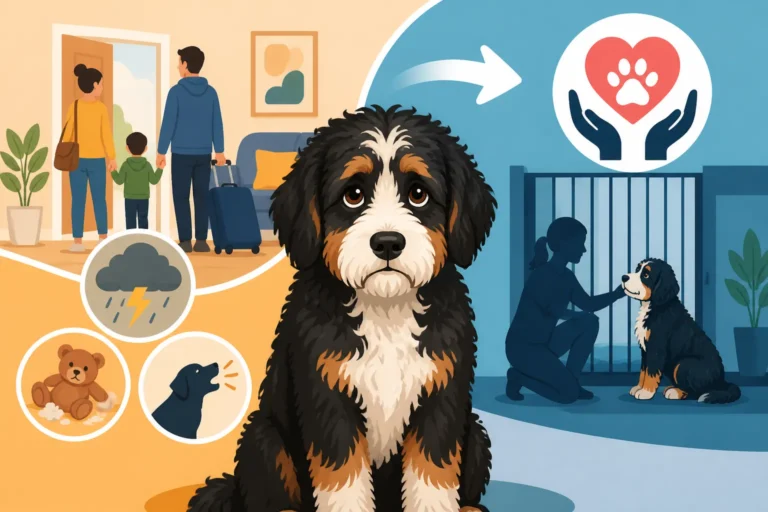
Whether Doodle Rescues Take Standard Bernedoodles
It’s a common misconception that animal rescues are primarily for smaller dogs or specific breeds, leaving many wondering if a larger, beloved hybrid like a standard Bernedoodle would ever find its way into such a system. The truth is, while Bernedoodles are incredibly popular, life circumstances can change in an instant, and rescue organizations absolutely do take in standard Bernedoodles, working tirelessly to find them loving, permanent homes. This guide will walk you through why these wonderful dogs sometimes end up in rescue, how the process works, and what you can do to bring one home.
The Reality of Doodle Rescues and Standard Bernedoodles
When you think of a rescue dog, you might picture a stray found wandering the streets, or a dog from a local shelter. While that's certainly a part of the rescue world, a significant portion of dogs, including purebreds and designer breeds like Bernedoodles, come into rescue through owner surrenders. Life happens, and sometimes, for reasons entirely unrelated to the dog's temperament or health, an owner simply can't keep their beloved pet anymore. This is a tough reality for everyone involved, but it's precisely why rescue networks are so vital.
Why Standard Bernedoodles End Up in Rescue
It might be hard to imagine why someone would give up a dog they specifically sought out, especially one as charming as a Bernedoodle. However, the reasons are often complex and heartbreaking, rarely boiling down to the dog itself being "bad." Sometimes, it’s a sudden job loss, a family illness, or a move to housing where pets aren't allowed – especially larger dogs. Other times, the sheer size and care requirements of a standard Bernedoodle become overwhelming.
Think about the first-time dog owner who underestimated what it truly means to care for a dog that will eventually reach [Ninety Pounds]. They might have fallen in love with a cute, fluffy puppy but weren't prepared for the exercise needs, the rigorous grooming schedule – which can quickly add up to The Seventy to Hundred Fifty Dollar Bernedoodle Groom – or the strength of a fully grown, enthusiastic standard Bernedoodle on the leash. We've all seen those pictures of tiny puppies, but they grow fast! Adolescence can also hit hard, as A Bernedoodle That Leans on Everyone or a sudden burst of adolescent energy can catch an unprepared owner off guard. Then there are those unforeseen medical expenses; a serious illness or injury can lead to vet bills that are simply insurmountable for some families, prompting the agonizing decision to surrender. It's never an easy choice, and these dogs, through no fault of their own, find themselves needing a new beginning.
How Rescue Organizations Handle Size and Space
Doodle-specific rescues, or even general large breed rescues, are well-equipped to handle standard Bernedoodles. They understand the unique needs of these larger, often shaggy companions. Unlike municipal shelters that might have stricter size or breed restrictions, breed-specific rescues are set up precisely for dogs like Bernedoodles. They often have networks of foster homes, which are invaluable for larger dogs. A foster home provides a temporary, loving environment where the Bernedoodle can decompress, get basic training, and have its personality assessed. This is crucial because it helps the rescue match the dog with the right permanent family.
These rescues also have experience dealing with the logistics of large dogs – from finding transport to arranging veterinary care for health issues that might emerge, such as potential hip or elbow concerns common in larger breeds. They work with veterinary partners who understand the specific health screenings a Bernedoodle might need. They're often run by passionate volunteers who have their own Bernedoodles or large dogs, meaning they understand the space, exercise, and training requirements firsthand. They know that a standard Bernedoodle needs room to move, a secure yard, and owners committed to continuing their training and socialization, even if the dog is well past the puppy stage. They recognize that a standard Bernedoodle in rescue could be anywhere from a young adult who needs guidance because A Bernedoodle That Jumps on People to an older companion who just wants a soft bed and gentle walks.
Navigating the Search for a Standard Bernedoodle Through Rescue
Finding a standard Bernedoodle through rescue often requires a different approach than simply visiting a local shelter. These dogs tend to be in high demand, and the rescue process is designed to be thorough to ensure the best possible match for both the dog and the adopter. It's less about first-come, first-served and more about finding the perfect fit.
The Application Process: What to Expect
When you apply to adopt a standard Bernedoodle from a reputable rescue, be prepared for a comprehensive process. This isn't just a casual chat; it's usually a multi-step evaluation designed to ensure you're ready for the commitment of a large dog like a Bernedoodle. You'll likely start with a detailed application form, which will ask about your living situation, your experience with dogs (especially large ones), your family dynamic, your work schedule, and your plan for the dog's daily care and exercise. They'll want to know about your fenced yard, your vet references, and even your thoughts on things like crate training or professional grooming.
Many rescues will follow up with phone interviews, a home visit (either in person or virtual), and reference checks, including contacting your veterinarian if you have other pets. This isn't meant to be intrusive; it's simply their way of doing due diligence. They want to ensure the Bernedoodle isn't just going to another temporary home. They're looking for stability, a genuine understanding of the breed's needs, and the financial capacity to provide proper care, including high-quality food (like options from Ollie or similar brands) and regular veterinary check-ups. It's a testament to their dedication to the dogs' well-being. Don't be surprised if they ask about your plans for managing potential health issues, or even how you would cope if The Chest That Puts a Standard Bernedoodle at Bloat Risk became a reality.
The Importance of Patience and Persistence
The demand for Bernedoodles, even in rescue, can be quite high. This means you might not find your perfect match on your first try, or even your fifth. It requires patience and persistence. You might need to apply to several different rescues, expand your search radius, and be prepared to wait. Sometimes, rescues have "foster-to-adopt" programs, allowing you to temporarily foster a Bernedoodle, which can be a great way to see if the dog is a good fit before making a permanent commitment.
Keep an eye on rescue websites and social media pages, as new dogs come in constantly. Be open to different ages, coat types, or even slightly different sizes within the "standard" range. A rescue might have an older Bernedoodle that is already house-trained and past the boisterous puppy stage, offering a calmer companion. Or, they might have one that needs a bit more work, presenting a rewarding project for an experienced owner. The key is to communicate openly with the rescue volunteers about what you're looking for and what you can offer. Your willingness to be flexible and truly commit to a rescued dog will shine through and increase your chances of finding that special Bernedoodle.
Supporting a Rescued Standard Bernedoodle: Considerations for Adoption
Adopting any dog is a significant commitment, but with a standard Bernedoodle from a rescue, there are often unique considerations to keep in mind. You're not just getting a pet; you're often offering a second chance to a dog that might have faced challenges.
Understanding Their Potential Backgrounds
When a standard Bernedoodle comes into rescue, its history can be a mixed bag. Some may have come from loving homes where circumstances changed, and they are already well-socialized and house-trained. Others might have experienced neglect, lack of training, or even trauma. This means they could arrive with some behavioral quirks, anxieties, or gaps in their training. They might be fearful of new people, other dogs, or certain environments. They could even have separation anxiety, which can lead to destructive behaviors when left alone, making you wonder What a Bernedoodle Wrecks When Left Alone.
Rescues do their best to assess each dog's temperament and provide known background information, but sometimes, a dog's true personality only fully emerges once it settles into a stable, loving home. Be prepared to invest time, patience, and potentially professional training to help your rescued Bernedoodle adjust and thrive. This is where your commitment truly matters. Understanding that their past might influence their present behavior is key to offering them the support they need. Many rescues will also have a better understanding of what sort of exercise The Exercise a Standard Bernedoodle Needs Daily and how to integrate them into a new environment.
Preparing Your Home for a Larger Dog
Bringing a standard Bernedoodle into your home requires some practical preparations, especially given their size. You'll need adequate space, both indoors and out. A secure, fenced yard is almost always a requirement for a large dog, providing a safe space for exercise and potty breaks. Indoors, ensure you have a comfortable, appropriately sized dog bed (or several!) and a sturdy crate if you plan to crate train. Consider durable, easily washable flooring in high-traffic areas, or invest in rugs if you have slippery floors, as this can be better for Keeping a Ninety Pound Bernedoodle Off Its Joints.
Food expenses for a standard Bernedoodle are not insignificant; they eat a lot! Budget for high-quality large breed dog food, whether that's kibble from Chewy or fresh options like Ollie. You'll also need sturdy leashes, harnesses, and toys designed for larger, stronger jaws. Don't forget about ongoing grooming needs; even if you plan to visit a professional groomer every 6-8 weeks, daily brushing is essential. Finally, consider pet insurance from providers like Healthy Paws. While rescue dogs may have pre-existing conditions not covered, insurance can be a lifesaver for new accidents or illnesses, especially with a larger dog where vet bills can quickly escalate. Taking the time to prepare your home and your budget will ensure a smooth transition and a happy, healthy life for your new family member.
Here's a quick comparison of common reasons Bernedoodles might enter rescue versus typical concerns adopters have:
| Reason for Surrender (Common) | Adopter Concern (Common) |
|---|---|
| Owner illness/death | Dog's health history/pre-existing conditions |
| Moving, no pets allowed | Adjusting to a new home/environment |
| Lack of time/unrealistic expectations | Training level/behavioral issues |
| Financial hardship | Grooming costs and time |
| Allergies | Dog's temperament with children/other pets |
| New baby/change in family dynamic | Exercise requirements and space needs |
Remember, every Bernedoodle in rescue is an individual with their own story and needs. By being prepared, patient, and committed, you can offer one of these wonderful dogs the loving home they truly deserve.
Disclaimer
This article is for general informational purposes only and does not constitute professional advice. Laws, prices and regulations vary by location and change over time. Consult a qualified professional for guidance on your specific situation.