Whether a Bernedoodle Takes to Nose Work
Many Bernedoodle parents are constantly on the lookout for enriching activities that go beyond just physical exercise. It's wonderful to see your furry companion zoom around the yard, but true contentment often comes from engaging their brilliant minds. If you've been wondering whether your Bernedoodle would enjoy an activity that taps into their innate canine abilities, nose work might just be the perfect fit – and you'll be surprised at how naturally they take to it, transforming everyday sniffing into an exciting quest.
Understanding Nose Work and Why It Appeals to Dogs
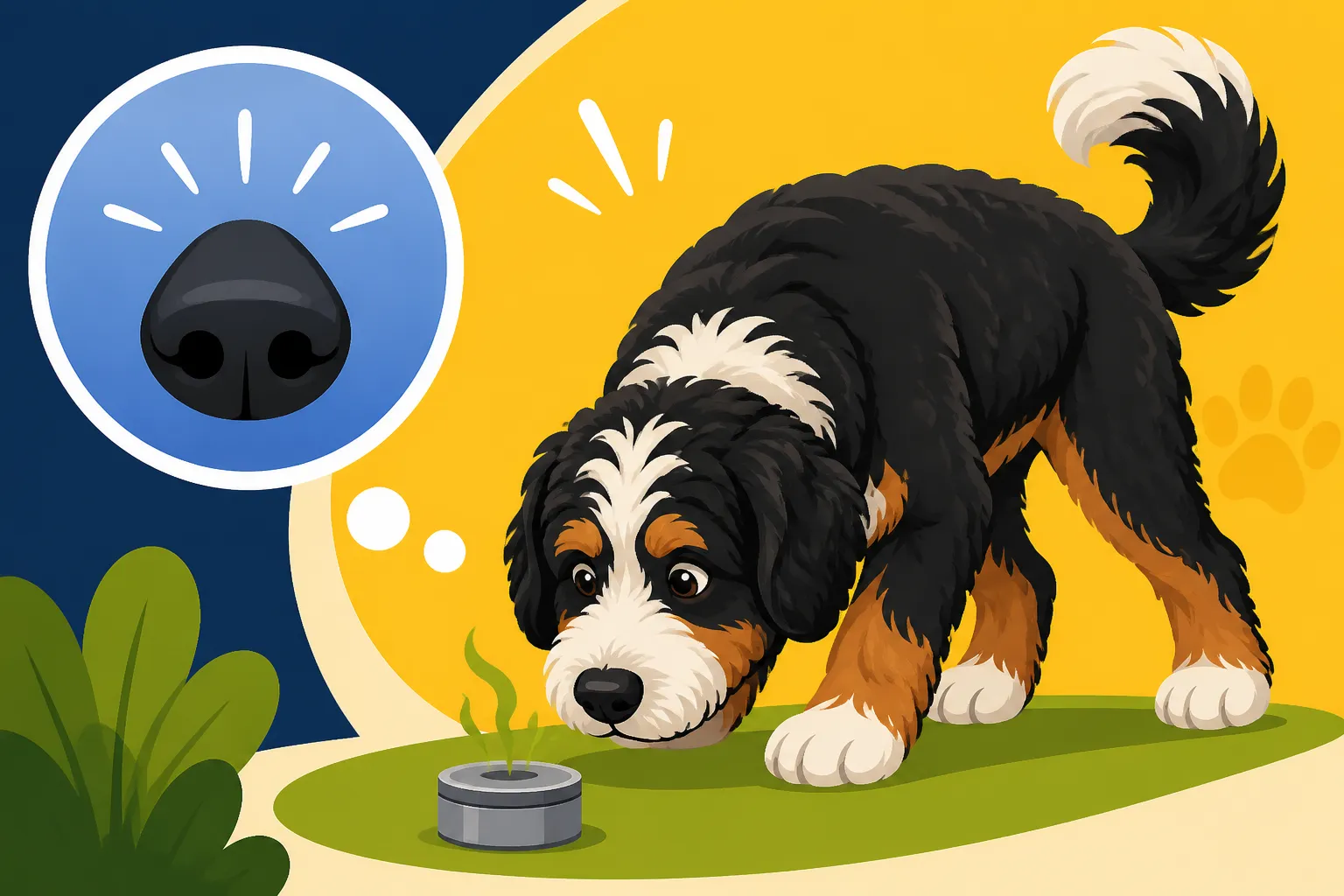
Let's be honest, dogs sniff everything. The world, to a dog, is an intricate tapestry woven from scents. For us humans, it's primarily a visual and auditory experience, but for our canine companions, their nose is the ultimate super-sense, guiding them through life. Nose work, often called "scent work" or "K9 Nose Work," isn't just about letting them sniff; it's about harnessing that powerful instinct and giving it purpose, turning it into a fun, engaging, and deeply satisfying game.
The Basics of Canine Nose Work
At its heart, canine nose work is a dog sport inspired by professional detection dogs, like those you might see working with law enforcement or at airports. The idea is simple: your dog learns to find a specific target odor (initially often high-value food, later essential oils like birch, anise, or clove) hidden in various environments. They signal to you when they've found it, and then they get a fantastic reward. It's a team sport, but your role is more about observation and encouragement than giving constant commands. You learn to read your dog's subtle cues, watching their body language as they work the scent.
Unlike some dog sports that require immense physical prowess or complicated obedience routines, nose work is incredibly accessible. It's suitable for dogs of all ages, sizes, and even those with physical limitations or reactive tendencies, as dogs typically work one at a time. It builds confidence in shy dogs, provides a safe outlet for energetic ones, and offers crucial mental stimulation that can tire a dog out just as effectively as a long walk. Think about it: a mentally fatigued dog is often a calmer, happier dog at home.
Tapping into a Dog's Natural Instincts
Dogs are hardwired to hunt and forage using their noses. For thousands of years, their survival depended on it. In our modern homes, many dogs don't get sufficient opportunities to fully engage this powerful sense. This can lead to boredom, and a bored dog can sometimes become a destructive dog. Giving your Bernedoodle a "job" that involves their nose can profoundly impact their well-being. It’s not just about finding the hidden scent; it’s about the entire process of searching, problem-solving, and the sheer joy of discovery.
The beauty of nose work is that it allows your Bernedoodle to be a dog, pure and simple. There's no pressure to perform perfectly, just an opportunity to explore and use their natural gifts. It builds an incredible bond between you and your dog as you learn to trust their nose and watch them excel at something truly instinctual. Many owners find that participating in nose work helps them see their dog in a new light, marveling at their focus and determination. It's a wonderful way to connect with your Bernedoodle on a deeper level.
The Bernedoodle's Innate Qualities for Scent Detection
When you look at a Bernedoodle, you see a delightful blend of two distinct breeds: the stoic, intelligent Bernese Mountain Dog and the sharp, athletic Poodle. Both parent breeds bring unique qualities to the table that make the Bernedoodle surprisingly adept at scent detection, often exceeding expectations. It's not just their cute looks; these dogs have brains and noses that are eager to work.
The Poodle's Keen Intelligence and Trainability
Let's start with the Poodle side of your Bernedoodle. Poodles are incredibly intelligent, often ranking among the smartest dog breeds. They are eager to please, highly trainable, and excel in almost every canine sport imaginable, from agility to obedience, and yes, to scent work. Their sharp minds allow them to understand complex tasks quickly and remember patterns. This means they can readily grasp the concept of "search for this scent" and learn to discriminate between different odors.
The Poodle's biddability, or willingness to be trained, is a huge asset in nose work. They enjoy the challenge and the interaction with their human partners. This eagerness translates into a dog that often throws itself into the search with enthusiasm, picking up cues and strategies with remarkable speed. Their ability to maintain focus, even in distracting environments once trained, is another Poodle trait that shines in scent work. For more on their cleverness, check out What the Poodle Contributes to a Bernedoodle.
The Bernese Mountain Dog's Focus and Drive
Now, let's consider the Bernese Mountain Dog heritage. While not traditionally known as a scent hound, the Bernese is a working dog through and through. They were bred for drafting, herding, and guarding, tasks that require immense focus, stability, and a strong sense of purpose. This genetic predisposition means they often possess a calm demeanor but also an underlying drive to complete a task once engaged. When a Bernese decides to put its mind to something, it does so with unwavering determination.
This focus and steady nature are invaluable in nose work. A Bernedoodle with strong Bernese traits can methodically work an area, not getting easily flustered or giving up quickly. They have a natural ability to settle into a task and see it through. While a Poodle might bring the spark of intelligence, the Bernese often contributes the deep, sustained engagement needed for prolonged searches, especially as the hides become more challenging. They might not be as flashy as some breeds in their search, but their thoroughness is often unmatched.
Bernedoodle's Unique Blend of Traits
The beauty of the Bernedoodle is truly in the blend. You get the Poodle's sharp intellect and desire to work, combined with the Bernese's steady focus and often excellent scenting ability. This combination creates a dog that is not only smart enough to learn the game but also possesses the persistence to see it through. They are often incredibly sensitive to their handler, making them excellent partners in a sport that relies heavily on subtle communication and observation.
Many Bernedoodles are happy to spend time problem-solving, which is exactly what nose work requires. They'll use their big, strong noses to meticulously explore, piece together scent puzzles, and delight in the reward of finding the "hide." This mental engagement is particularly beneficial for active Bernedoodles who need more than just physical exercise to feel fulfilled. It channels their energy and intelligence into a productive and fun outlet, leading to a truly satisfied dog.
Getting Started with Nose Work for Your Bernedoodle
Diving into nose work with your Bernedoodle doesn't require a huge investment or a professional trainer right away. You can easily start building those foundational skills at home with items you likely already have. The key is to make it a positive, low-pressure experience that builds your dog's confidence and enthusiasm for the search.
Essential Supplies for Beginner Scent Work
You don't need fancy equipment to begin. In fact, starting with simple items helps your Bernedoodle focus on the scent and the search, rather than getting distracted by new toys.
Here’s what you’ll need:
- High-Value Treats: Think small, soft, smelly treats your Bernedoodle absolutely adores. Cooked chicken, cheese, or hot dogs cut into tiny pieces work great. These are your ultimate motivators!
- Boxes or Containers: Empty cardboard boxes of various sizes are perfect. You can also use plastic containers with lids.
- Cones or Markers (Optional): If you want to get a bit more structured, traffic cones or even just small household objects can serve as markers for search areas.
- Leash (Optional for practice): For initial sessions, practicing in a safe, enclosed space might not require a leash. However, as you progress or move to new environments, a leash is essential for safety and control.
- Scent Kit (Later Stage): Once your Bernedoodle understands the game, you can invest in a basic nose work kit, often available on platforms like Amazon, that includes target odors (birch, anise, clove essential oils) and scent vessels.
| Activity | Goal | Setup | Reward |
|---|---|---|---|
| Treat Toss | Build enthusiasm for searching. | Toss treats on the floor, in grass, or under leaves. | Eating the treats immediately. |
| Box Game (Easy) | Introduce concept of searching a specific area. | Place a high-value treat in one of 3-5 empty boxes. | Dog finds and eats treat. |
| Box Game (Harder) | Increase challenge; multiple boxes, no treat. | Treat in one box, empty boxes. Dog signals empty box. | Handler reveals treat from hidden box. |
| Find It (Room) | Expand search area. | Hide treats in easy-to-find spots in a small, quiet room. | Dog finds and eats treats. |
| Container Search | Focus on specific "find." | Hide target odor in one container, food in another. | Treats from the food container upon correct identification. |
Simple Exercises to Begin at Home
Start simple and keep sessions short and sweet, especially in the beginning. This prevents frustration and keeps your Bernedoodle eager for the next game.
- The "Treat Toss": This is as basic as it gets. In a quiet room or a secure yard, toss a few high-value treats into the grass or across the floor. Say "Find it!" as you do. Let your Bernedoodle sniff them out. This builds their understanding that "Find it" means using their nose for a reward.
- The "Box Game": Gather a few clean, empty cardboard boxes. While your Bernedoodle watches (or is briefly held by someone else), place a high-value treat inside one box. Gently mix the boxes around so your dog doesn't just go to the one they saw you put the treat in. Say "Find it!" and encourage them to sniff. When they nose at or indicate the correct box, lift it up and let them have the treat! Repeat, gradually making it harder by adding more empty boxes or hiding the treat more carefully.
- The "Room Search": Once your Bernedoodle understands the box game, expand the search area. Start in a small, quiet room. Show your dog a treat, then go hide it in an obvious but out-of-sight spot (under a towel, behind a chair leg, etc.) while they watch. Release them with "Find it!" As they get better, make the hides harder, perhaps asking them to wait in another room while you hide the treat. This is fantastic mental stimulation, and you'll be amazed at their focus.
Remember, always end on a high note, even if it means doing a super easy hide that you know they’ll nail. The goal is to make it fun, not frustrating. Many reputable online training platforms, such as BAXTER & Bella, offer fantastic introductory courses that can guide you through these initial steps with professional instruction.
Advancing Your Bernedoodle's Scent Skills
Once your Bernedoodle is a superstar at finding hidden treats, it's time to introduce a specific target odor. This is where dedicated nose work really begins. You'll typically start with a single, distinct essential oil, like birch, anise, or clove, diluted and placed on a cotton swab or scent vessel.
- Pairing Scent with Food: The first step is to associate the new target odor with food. Place the cotton swab with the target odor right next to a pile of high-value treats in an open container. Let your Bernedoodle approach, sniff the odor, and eat the treats. Repeat this several times over a few sessions. The dog learns: "that smell means delicious food!"
- The Container Search: Once the association is strong, you can try a two-container search. Place the target odor in one box (without food) and a high-value treat in another. When your dog indicates the odor box, immediately open the food box and reward them. The reward comes from you, not directly from the target odor, to keep the odor clean and separate from the food itself.
- Increasing Difficulty: Gradually increase the number of containers, hide the target odor in more challenging spots, move to different rooms, and eventually, different types of environments (outdoor, vehicle searches). Always ensure success and reward generously. Don't be afraid to make it easier if your Bernedoodle gets stuck. This isn't about tricking them; it's about building their confidence in their incredible nose.
Overcoming Common Challenges and Maximizing Success
Even with the intelligence of a Poodle and the focus of a Bernese, Bernedoodles can present their own unique quirks when it comes to training. Nose work is generally very forgiving, but understanding potential hurdles can help you guide your furry friend to success and ensure it remains a joyful activity for both of you.
Handling Distractions and Maintaining Focus
Bernedoodles are often playful and can sometimes be easily distracted, especially in new or busy environments. This can be a frustration when you're trying to get them to concentrate on a scent. A key strategy is to start in the quietest, most familiar environment possible, like your living room or a secluded part of your yard. As your Bernedoodle gains confidence and experience, you can slowly introduce mild distractions.
If your Bernedoodle seems to have The Stubborn Streak Under a Bernedoodle's Poodle Brain, it might manifest as them simply giving up or wandering off if a search becomes too challenging or if something more interesting catches their eye. When this happens, it’s not a failure on their part; it’s a cue for you to make the next hide easier and more rewarding. Keep sessions short, especially for younger dogs or those just starting out. Build duration and focus gradually. Remember, success breeds confidence and engagement, while frustration can lead to disinterest. Some Bernedoodles might also take a bit longer to process information than other breeds, so patience is absolutely key. Don't mistake deliberate thought for stubbornness; sometimes they just need a moment to truly work the scent puzzle.
Keeping Training Fun and Rewarding
The absolute golden rule of nose work is to keep it fun! This isn't a chore for your Bernedoodle; it's a game. For many Bernedoodles, high-value food rewards are incredibly motivating, as discussed in What a Bernedoodle Will Work For. Use the best treats you have, and don't be stingy with them when they make a good find. The reward should be immediate and enthusiastic to create a strong positive association.
Beyond treats, enthusiastic praise, a happy voice, and maybe a quick game of tug can also be powerful rewards. Watch your Bernedoodle and see what truly excites them after a successful search. Vary your rewards to keep things interesting. Keep individual search sessions short, typically no more than 5-10 minutes, especially in the beginning. You want them to always leave wanting more, not feeling burnt out or bored. This approach aligns well with how Bernedoodles tend to learn best; shorter, impactful sessions are often more effective than long, drawn-out ones. You can find more about this in Whether Short Sessions Suit a Bernedoodle.
When to Seek Professional Guidance
While you can certainly get a great start on nose work at home, there comes a point where professional guidance can really elevate your Bernedoodle's skills and your own handling. A good instructor can spot subtle body language cues you might miss, help you troubleshoot specific problems, and guide you on how to progress safely and effectively.
Consider enrolling in a local nose work class or finding an online course that offers personalized feedback. Organizations like BAXTER & Bella provide comprehensive online dog training programs that often include modules on scent work, which can be invaluable for at-home learners who want structured guidance. A professional can help you introduce new odors, navigate more complex search environments, and prepare you for potential competitions if that's a goal. They can also provide insights if your Bernedoodle is showing signs of anxiety or disinterest that you can't quite pinpoint yourself. For more insights on seeking expert help, you might find Whether a Bernedoodle Needs a Professional Trainer useful. Ultimately, whether you keep it a fun backyard game or aim for competitive titles, nose work is an incredible journey you can share with your beloved Bernedoodle, building their confidence, engaging their brilliant mind, and strengthening your bond.
Disclaimer
This article is for general informational purposes only and does not constitute professional advice. Laws, prices and regulations vary by location and change over time. Consult a qualified professional for guidance on your specific situation.