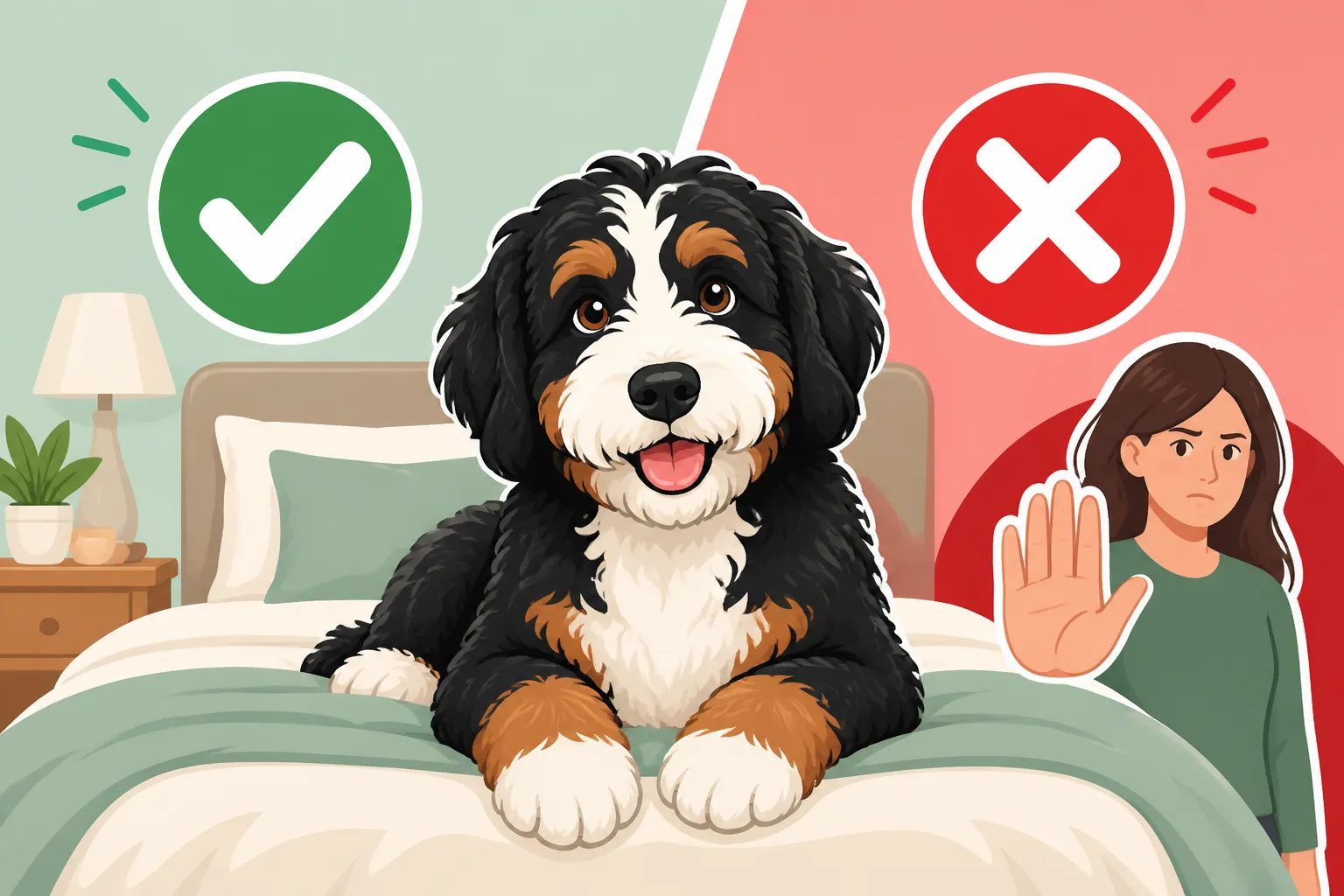
Whether a Bernedoodle Should Be Allowed on the Bed
There's nothing quite like the warmth and comfort of a fluffy Bernedoodle puppy curled up beside you, but as those adorable pups grow into intelligent, ninety-pound companions, the question of bed-sharing becomes a very real domestic dilemma. Many owners grapple with this exact situation, wondering if inviting their gentle giant onto the bed is a recipe for disrupted sleep, cramped quarters, or even potential joint issues down the line. This guide will help you navigate the joys and challenges of having a Bernedoodle on your bed, and explore practical solutions for harmonious living, whether they're snoozing beside you or in their own luxurious canine retreat.
The Appeal and Challenges of Bed-Sharing with a Bernedoodle
Let's be honest, the idea of snuggling with your Bernedoodle on the bed is incredibly appealing. They’re known for their affectionate nature and their desire to be close to their humans. But what starts as a sweet gesture with a tiny puppy can evolve into a significant challenge as they reach their full, impressive size.
Emotional Comfort and Bonding
For many Bernedoodle owners, sharing the bed is an extension of the deep bond they share with their dog. There’s a unique comfort in feeling their presence, listening to their soft snores, and waking up to their happy tail wags. Bernedoodles are incredibly social creatures, often described as "velcro dogs" who thrive on human companionship. Allowing them onto the bed can feel like a natural way to strengthen this connection, offering them a prime spot in the family "pack." It reinforces that they are cherished members of the household, and in turn, their affectionate leaning against you can be deeply reassuring. For some, it’s a source of warmth on a cold night or a comforting presence when feeling unwell. The sheer joy on your Bernedoodle's face when invited up is often enough to melt any reservations.
Space Invasion and Sleep Disruption
The reality, however, often involves a giant dog taking up a surprisingly large amount of real estate. A standard Bernedoodle can easily weigh between 70 and 90 pounds, or even more, and when they stretch out, they can claim a significant portion of a queen or even king-sized bed. What felt cozy with a puppy can become a nightly wrestling match for covers and pillow space with an adult dog. Their large bodies radiate heat, which can be an issue in warmer climates or for individuals who prefer a cooler sleeping environment. Then there’s the movement: shifting, scratching, dreaming, or simply adjusting their position can wake you up multiple times throughout the night. A Bernedoodle's sheer size means even a small adjustment can feel like a significant shake-up, leading to fragmented sleep and morning grogginess for you. You might find yourself perched precariously on the edge of the mattress, while your Bernedoodle sprawls contentedly across the middle.
Hygiene and Allergy Concerns
Another factor to consider is hygiene. Bernedoodles, with their Poodle parentage, are often touted as low-shedding or hypoallergenic, but "low-shedding" isn't "no-shedding." They still track in dirt, dust, and outdoor allergens on their paws and through their thick, often wavy or curly coats. This means more frequent washing of bedding and potentially increased exposure to allergens for sensitive individuals. If your Bernedoodle loves to roll in the grass, swim in puddles, or simply enjoys the great outdoors, all of that can end up on your sheets. Even with regular grooming and paw cleaning, a certain amount of dander, hair, and outdoor debris will inevitably make its way into your sleeping space. This isn't just a comfort issue; it can exacerbate allergies for family members, or simply mean a lot more laundry and cleaning for you.
Setting Boundaries Early: Why It Matters
Whether you ultimately decide to let your Bernedoodle on the bed or not, establishing clear boundaries from day one is paramount. Bernedoodles are intelligent and eager to please, but they also respond best to consistency and clear expectations.
Training Consistency for Large Breeds
With a dog that will grow to be as large and strong as a Bernedoodle, consistent training is non-negotiable. If you decide the bed is off-limits, then it needs to be always off-limits, starting from puppyhood. Allowing them up "just this once" for a cuddle can confuse them and make it much harder to enforce the rule later. Imagine trying to gently dissuade a determined, full-grown 80-pound Bernedoodle from jumping onto your bed when they've been allowed to do it before. It’s far easier to teach a consistent "off" command or "place" command to their own bed right from the start.
This consistency extends beyond the bed. Bernedoodles need to learn appropriate house manners and respect for personal space, especially given their size. Concepts like waiting patiently, not jumping on people, and understanding their designated resting spots are critical for a harmonious household. Online programs, such as those offered by BAXTER & Bella, can provide excellent guidance for establishing these foundational behaviors early, offering structured lessons that can be tailored to your puppy's development. This kind of early intervention and consistent training prevents behavioral issues and ensures your Bernedoodle understands what is expected of them in all areas of the house. Consistency is truly the bedrock of successful training, especially with a breed that can overpower you if boundaries aren't clear.
Preventing Resource Guarding
While Bernedoodles are generally sweet-natured, allowing unlimited access to "high-value" resources like your bed without clear boundaries can, in some rare cases, contribute to resource guarding issues. If your dog starts to view your bed as their possession, they might become possessive over it, growling or snapping if you or another pet tries to get on or off. This is far less common with Bernedoodles than some other breeds, but it's a consideration for any dog given free rein over spaces considered human territory.
By teaching commands like "off" or having a designated "place" where your Bernedoodle goes on command, you reinforce that you control access to resources, including the bed. This is not about dominance or asserting power in a harsh way, but about clear communication and leadership that helps your dog feel secure in their place within the family. It prevents any potential misunderstandings about who owns what and ensures a safe, respectful environment for everyone. Think of it as teaching them good manners, rather than enforcing strict rules; they learn to share and respect boundaries because they trust your leadership.
Practical Considerations for a Giant on the Bed
Beyond the emotional attachment, there are very tangible, practical concerns that come with sharing your sleeping space with a large Bernedoodle.
Joint Health Concerns
Bernedoodles, like their Bernese Mountain Dog ancestors and other large breeds, are prone to joint issues such as hip and elbow dysplasia. Hips on a Ninety Pound Bernedoodle and Elbow Dysplasia in a Growing Bernedoodle are serious considerations for this breed. While jumping off the bed occasionally might not seem like a big deal, repeated impact from jumping on and off can put unnecessary stress on developing joints in puppies and exacerbate existing conditions in older or genetically predisposed dogs. The height of a standard bed can be a significant drop for a large dog.
For this reason, many vets recommend discouraging large breed puppies from jumping off high surfaces until their growth plates have closed, usually around 18-24 months of age. Even for adult Bernedoodles, especially seniors or those with diagnosed joint problems, easy access to the bed via a ramp or sturdy pet stairs can make a huge difference. You might find excellent quality orthopedic ramps or dog stairs on platforms like Amazon that can help mitigate this risk, ensuring your dog can enjoy the bed without undue strain. Keeping a Ninety Pound Bernedoodle Off Its Joints is a crucial part of responsible ownership and can contribute significantly to their long-term comfort and mobility.
Hygiene and Allergies (Revisited)
We touched on this earlier, but it's worth reiterating: a large dog means more potential for mess. Beyond dander and hair, there's slobber, muddy paw prints, and the occasional upset tummy. Even the cleanest Bernedoodle will bring something onto your pristine sheets. If you have allergies, sharing a bed can significantly worsen symptoms due to prolonged, close contact with allergens. For those without allergies, it still means a stepped-up laundry schedule and potentially needing more robust cleaning tools, like powerful vacuums designed for pet hair, often found readily available on Amazon. The Coat a Bernedoodle Gets From Two Heavy Coated Parents means you'll be dealing with a lot of fur, even if it's less shedding than other breeds.
Consider how much time your Bernedoodle spends outside, what they roll in, and how often they get bathed. A dog that loves to play in the dirt or has frequent ear infections will inevitably bring those elements into your bed. While a good groomer can help manage their coat, the daily reality is that a large, fluffy dog and a clean sleeping environment require a proactive approach to hygiene.
Room for Everyone
Simply put, a full-sized Bernedoodle takes up a lot of space. If you share your bed with a partner, or if you simply prefer ample room to stretch out, adding a 70-100 pound furry companion can quickly lead to a crowded and uncomfortable night. Many owners find themselves sleeping in contorted positions, waking up with aches and pains, all while their Bernedoodle snoozes blissfully in the center of the mattress.
This isn't just about your comfort, but about achieving quality sleep for everyone in the bed. If you're constantly being nudged, pushed, or overheated, your sleep quality will suffer, impacting your overall well-being. It's a balance between wanting to be close to your beloved pet and recognizing your own needs for restorative rest. Sometimes, the desire to snuggle has to give way to the practical realities of sharing a relatively small space with a very large dog.
Alternatives to the Human Bed
If sharing your bed with your Bernedoodle isn't working out, or if you prefer not to start the habit, there are fantastic alternatives that still allow your dog to feel close and secure.
Designated Dog Beds
A high-quality, comfortable dog bed is an absolute must-have for any Bernedoodle. These dogs adore comfort, and a dedicated bed gives them their own special place. Look for orthopedic dog beds that provide excellent joint support, especially for large breeds. Memory foam or other supportive fillings can help distribute their weight evenly, protecting their hips and elbows.
Many excellent options are available, often through retailers like Amazon, ranging from plush, self-warming beds to more structured, elevated designs. The key is to find one that is appropriately sized for your adult Bernedoodle – they should be able to stretch out fully without hanging over the edges. Placing this bed in your bedroom, close to your own bed, allows your Bernedoodle to feel connected to you without physically being on your mattress. It gives them a sense of belonging and their own personal haven. You might even consider a few different beds around the house, especially in rooms where you spend a lot of time, to encourage them to settle in their own space. Beds That Support a Heavy Old Bernedoodle will be particularly important as they age.
Crate Training Benefits
Crate training, when done positively and correctly, can be a wonderful tool for Bernedoodle owners. It provides a safe, den-like space for your dog to retreat to, and it's invaluable for house training, travel, and managing periods when you can't supervise them directly. Many Bernedoodles come to love their crates as a cozy sanctuary. If you decide the bed is off-limits, the crate can be placed in your bedroom, allowing your dog to sleep near you while still maintaining boundaries.
Introducing the crate gradually with positive reinforcement, treats, and favorite toys can make it a welcoming space rather than a punishment. Never use the crate as a form of discipline. The goal is for your Bernedoodle to view it as their personal bedroom, a comfortable and secure spot where they can relax. For puppies, a crate helps with Getting a Bernedoodle Puppy Clean Indoors and ensures they're safe overnight. As they grow, it reinforces the idea of having their own defined space.
Gradual Transition Strategies
If your Bernedoodle is already accustomed to sleeping on your bed and you wish to transition them to their own bed, patience and consistency are key. This won't happen overnight, especially if it's a long-standing habit.
Here’s a general approach:
- Introduce a luxurious dog bed: Make sure it's incredibly comfortable and appealing. Place it right next to your bed initially.
- Make it inviting: Lure your Bernedoodle onto their new bed with treats, praise, and favorite toys. Feed them meals there.
- Use a command: Teach a "go to bed" or "place" command, rewarding them heavily when they settle on their bed. Online training programs like BAXTER & Bella can offer structured guidance on teaching these specific commands effectively.
- Start with short durations: Begin by having them settle on their bed for short periods during the day, gradually extending the time.
- Nighttime transition: Start by having them on their bed, but if they jump on yours, calmly and consistently redirect them back to their own bed with the "off" or "place" command. Don't engage in scolding; simply guide them.
- Praise and reward: Every time they stay on their bed, especially at night, offer soft praise and a gentle pat.
- Consider a ramp/stairs: If you still want them on your bed occasionally but want to protect their joints, invest in a sturdy pet ramp or stairs from somewhere like Amazon to make access safer.
This process requires a firm but gentle hand. There will likely be some whining or attempts to sneak back up, but consistency will eventually pay off. Remember, your Bernedoodle wants to please you, and with clear guidance, they'll learn the new routine.
Ultimately, the decision of whether a Bernedoodle should be allowed on the bed is a personal one, weighing emotional connection against practical considerations. There's no single right answer, only the one that works best for you and your furry companion.
| Feature | Bernedoodle on Human Bed | Bernedoodle on Own Dog Bed |
|---|---|---|
| Emotional Bond | Deep closeness, sense of security, direct physical contact | Still close, sense of security, designated personal space |
| Sleep Quality | Potentially disrupted, limited space, overheating | Improved, ample space for human, undisturbed sleep |
| Hygiene | Increased dirt, dander, hair, allergens on bedding | Contained to dog's bed, easier to keep human bed clean |
| Joint Health | Risk of injury from jumping on/off, especially for puppies or seniors | Safer, less impact on joints, especially with orthopedic bed |
| Space | Significant reduction of human sleeping area | No impact on human sleeping area, dedicated canine space |
| Training Needs | Requires consistent "off" command, boundaries | "Place" command, reinforces designated resting area |
| Cost | No additional cost, but more laundry/cleaning | Initial cost for quality dog bed (orthopedic recommended) |
Disclaimer
This article is for general informational purposes only and does not constitute professional advice. Laws, prices and regulations vary by location and change over time. Consult a qualified professional for guidance on your specific situation.