The Year Bernedoodles First Appeared
It's quite common for new Bernedoodle owners, or those just admiring these beautiful dogs, to wonder about their origins. It feels like they've been a staple in our lives forever with their charming personalities and teddy bear looks, but in truth, the Bernedoodle is a relatively recent addition to the dog world. This guide will peel back the layers of time, revealing the specific year and the fascinating story behind the very first Bernedoodle litter, and how a thoughtful vision brought this beloved crossbreed to life.
The Genesis of a Beloved Hybrid: When Did the Bernedoodle Story Begin?
The story of the Bernedoodle doesn't stretch back centuries, as with many established breeds. Instead, it's a tale rooted firmly in the early 21st century, born from a specific desire to combine the best traits of two incredible dogs. The precise genesis can be traced back to a particular individual and kennel, whose vision sparked a phenomenon that has captured hearts around the globe.
The Visionary Behind the Blend: Sherry Rupke and SwissRidge Kennels
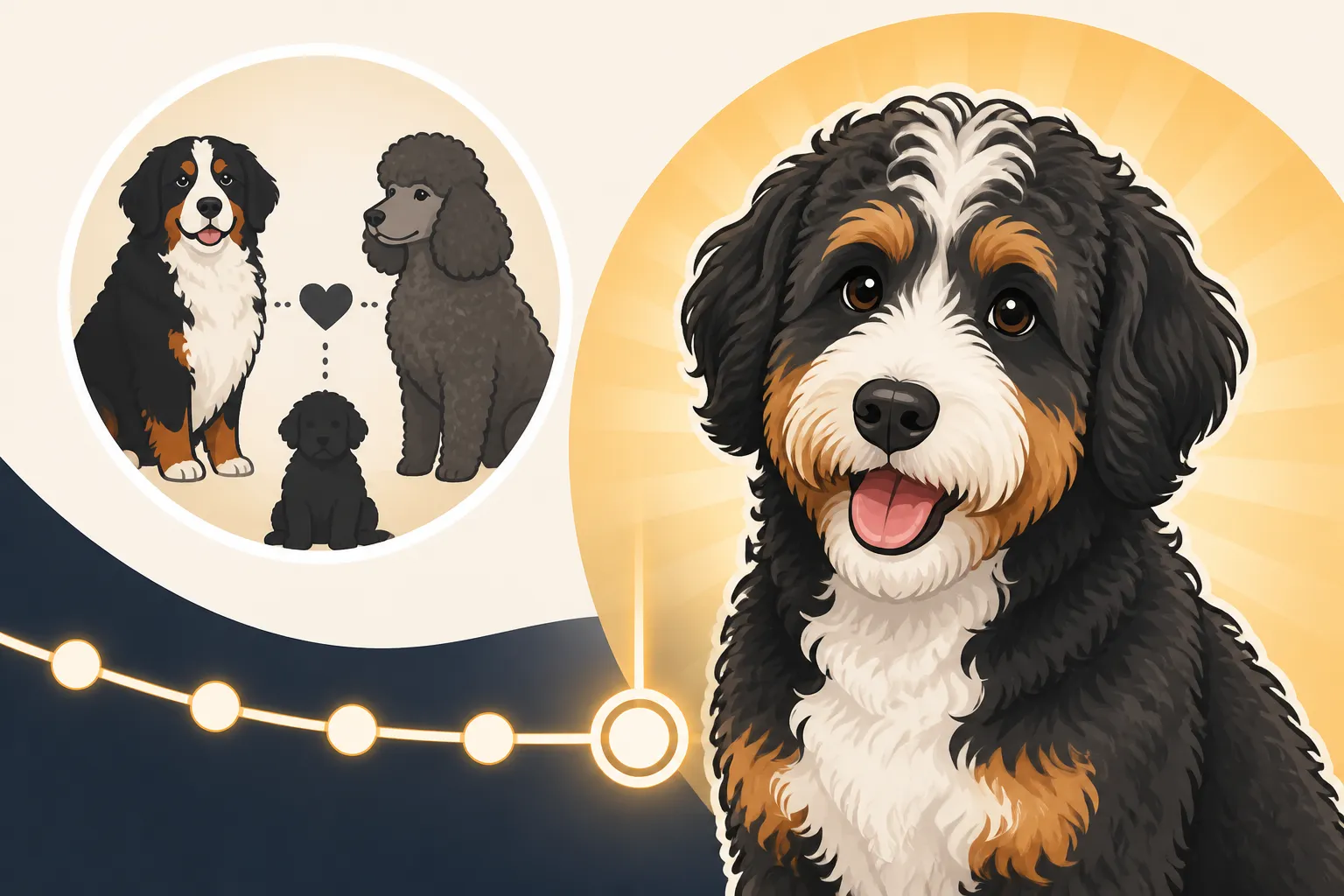
The credit for the first intentional breeding of a Bernedoodle goes to Sherry Rupke of SwissRidge Kennels, located in the beautiful landscapes of Ontario, Canada. It was in the year 2003 that Sherry embarked on this pioneering journey, aiming to create a dog that offered the beloved temperament of the Bernese Mountain Dog with the intelligence and low-shedding coat of the Poodle. Her kennel, already renowned for its dedication to breeding healthy and well-tempered dogs, became the birthplace of what would quickly become one of the most sought-after hybrid breeds.
At the time, the concept of a "designer dog" was still gaining traction, and intentional crosses were sometimes met with skepticism. However, Sherry's approach was always rooted in health, temperament, and ethical breeding practices, which set the standard for the emerging Bernedoodle community. She wasn't just mixing two breeds; she was carefully selecting parent dogs with excellent health clearances and desirable traits, aiming for a predictable outcome in the puppies.
A Client's Simple Suggestion, a Breed's Birth
What's truly fascinating is that the initial spark for the Bernedoodle wasn't just Sherry's idea alone. It came, at least in part, from a heartfelt request from a client. This client adored the gentle giant nature of the Bernese Mountain Dog but desperately needed a dog that wouldn't shed as much due to allergies in the family. They also voiced the common lament of Bernese owners: the heartbreakingly short lifespan. It was this practical need, combined with a deep love for the Bernese temperament, that crystallized the idea for the Bernedoodle.
Sherry Rupke, already experienced in breeding other Poodle crosses, recognized the potential in this specific combination. She understood the pain points of Bernese ownership and saw a genuine opportunity to create a dog that could mitigate these issues while retaining the charm and affection that made the Bernese so special. The idea wasn't just about creating a "cute" dog; it was about solving real-world problems for potential owners, offering a longer-lived, less-shedding companion without sacrificing that incredible Bernese personality. This client's suggestion acted as a catalyst, proving that there was a real demand for such a specific hybrid.
Understanding the "Why": The Driving Force Behind the Bernedoodle's Creation
The decision to intentionally cross two distinct breeds is never taken lightly by responsible breeders. For the Bernedoodle, the motivations were deeply rooted in addressing well-known challenges associated with the Bernese Mountain Dog, while capitalizing on the Poodle's many strengths. It wasn't just about creating a new look, but about improving upon certain aspects of canine companionship.
Addressing the Bernese Mountain Dog's Shorter Lifespan
One of the most heart-wrenching realities for anyone who has loved a Bernese Mountain Dog is their tragically short lifespan. Often, these magnificent dogs only bless our lives for seven to eight years, sometimes even less. This brevity is frequently attributed to a higher incidence of certain cancers, like histiocytic sarcoma, and other genetic health issues that are prevalent in the purebred Bernese gene pool. The thought of losing such a cherished family member so soon is a genuine concern for many prospective owners.
The hope behind crossing the Bernese with a Poodle was to introduce what breeders refer to as "hybrid vigor." This concept suggests that when two unrelated purebreds are crossed, the offspring often benefit from increased genetic diversity, potentially reducing the likelihood of inheriting breed-specific genetic diseases that plague either parent breed. The Poodle, while not immune to its own health issues, generally boasts a longer average lifespan than the Bernese. Therefore, the Bernedoodle was conceived with the explicit aim of creating a dog that could live a longer, healthier life, allowing families more precious years with their beloved companion. It's a testament to how much people yearn for more time with their furry friends, and the Bernedoodle offered a glimmer of hope in this regard. You can delve deeper into this topic by reading The Seven Years a Bernese Lives and the Twelve a Bernedoodle Might.
The Appeal of a Low-Shedding Companion
Beyond the lifespan, another significant factor driving the creation of the Bernedoodle was the Bernese Mountain Dog's incredibly dense, double coat. While beautiful, this coat sheds quite profusely, especially during seasonal "coat blows." For families dealing with allergies, or simply those who prefer less dog hair decorating their furniture, a Bernese can be a challenging, albeit lovable, roommate. The constant battle against shedding can be exhausting, requiring daily vacuuming and meticulous grooming.
Enter the Poodle, a breed famous for its non-shedding, hypoallergenic coat. By incorporating the Poodle's genetics, the goal was to produce a dog with a coat that was significantly less allergenic and shed far less than a purebred Bernese. While not every Bernedoodle is 100% non-shedding (especially those with a flatter or straighter coat type), the vast majority inherit a wavy or curly coat that drastically reduces shedding. This makes them a viable option for individuals and families who previously couldn't consider a large, fluffy dog due to allergy concerns. It opened up a whole new world of companionship for many, allowing them to experience the joy of a dog without the constant sniffles or an endless flurry of fur. Finding the right grooming tools for these coats can be a journey, and reliable online stores like Chewy are often a go-to for many Bernedoodle owners seeking specialized brushes and shampoos.
The Early Days: From First Litter to Rising Popularity
When something new and exciting hits the scene, especially in the world of beloved pets, it doesn't always take long for word to spread. The Bernedoodle's journey from a single visionary kennel to a widely recognized and adored hybrid breed is a testament to the success of its initial concept and the qualities it offered.
The Debut Litter and Initial Reception
Once Sherry Rupke at SwissRidge Kennels bred that first litter in 2003, the response was almost immediate and overwhelmingly positive. People were genuinely excited by the prospect of a dog that promised the gentle, loyal disposition of a Bernese with the intelligence and low-shedding coat of a Poodle, coupled with the potential for a longer, healthier life. The puppies from these early litters often displayed the charming "teddy bear" look that has become synonymous with the breed, further fueling their appeal.
These first Bernedoodles weren't just a novelty; they delivered on their promise. Owners raved about their wonderful temperaments, their trainability, and the noticeable reduction in shedding compared to purebred Bernese Mountain Dogs. The combination seemed to strike a perfect balance, creating a companion that was not only aesthetically pleasing but also a joy to live with. This initial positive feedback was crucial in establishing the Bernedoodle's reputation and generating demand far beyond the local Ontario community. Early Bernedoodle owners often became enthusiastic advocates, sharing their experiences with friends, family, and online communities, laying the groundwork for the breed's rapid expansion.
Spreading Beyond Borders: How the Bernedoodle Gained Traction
The positive buzz surrounding the Bernedoodle quickly transcended the borders of Canada. As happy owners shared their experiences, and as more responsible breeders became aware of the success of Sherry Rupke's initial efforts, the demand for Bernedoodles began to grow exponentially. What started as a thoughtful cross in a single kennel soon became a global phenomenon. Breeders in the United States and other countries began to establish their own Bernedoodle programs, carefully selecting parent dogs and striving to replicate the desirable traits that had made the original cross so popular.
The internet played a significant role in this rapid spread. Online communities, social media, and dedicated breed websites allowed prospective owners to connect with breeders, share information, and see countless pictures of these endearing dogs. This digital word-of-mouth fueled interest and educated a wider audience about the benefits of the Bernedoodle. Within a relatively short period, Bernedoodles were no longer just an obscure hybrid; they were a recognized and highly sought-after companion dog across North America and beyond. If you're curious about their journey southward, you might find When Bernedoodles Reached the United States an interesting read, illustrating how quickly they captivated the American dog-loving public. Many Bernedoodle puppies today still trace their lineage back to those foundational lines, a testament to the lasting impact of that initial breeding in 2003.
The Bernedoodle Today: A Testament to its Origins
From a single litter in 2003, the Bernedoodle has blossomed into one of the most popular and beloved hybrid dog breeds around the world. Their enduring appeal speaks volumes about the original vision and the successful combination of traits that their creator sought to achieve.
The Enduring Legacy of the Original Vision
The initial motivations for breeding the Bernedoodle – a longer lifespan, a more allergy-friendly coat, and the wonderful Bernese temperament combined with Poodle intelligence – remain the cornerstones of the breed's popularity today. While no crossbreed can guarantee perfect health or a 100% non-shedding coat for every individual, the Bernedoodle largely delivers on these promises. Modern Bernedoodles continue to be cherished for their affectionate, goofy, and loyal personalities, often making them exceptional family dogs. They thrive on human companionship, displaying a delightful blend of the Bernese's calm loyalty and the Poodle's playful spirit.
The consistent demand for Bernedoodles years after their initial appearance is a clear indication that the market deeply values the qualities that Sherry Rupke aimed to produce. Owners frequently praise their Bernedoodles for being adaptable, loving, and relatively easy to train, even for first-time dog owners. The success lies in the judicious pairing of parent breeds, each bringing unique and complementary attributes to the table, resulting in a dog that truly resonates with modern lifestyles and desires. Whether you're a seasoned dog owner or looking for your first canine companion, the Bernedoodle's foundational qualities continue to shine through.
Responsible Breeding and What to Look For
With the surge in popularity, however, comes the vital need for responsible breeding practices. Just because the Bernedoodle originated from a thoughtful process doesn't mean every breeder adheres to those same high standards. Prospective owners should always seek out breeders who prioritize the health and temperament of their dogs above all else, ensuring that the legacy of that 2003 creation continues responsibly. This means looking for breeders who perform extensive health testing on their parent dogs for conditions common to both Bernese Mountain Dogs and Poodles, such as hip and elbow dysplasia, eye conditions, and certain genetic diseases like Von Willebrand's and degenerative myelopathy.
A reputable breeder will be transparent about their testing results, offer a health guarantee, and be eager to answer all your questions about their breeding program. They'll also focus on socializing their puppies from a young age, ensuring they are well-adjusted and confident before going to their new homes. While the Bernedoodle's origins were bright, the future of the breed depends on continued ethical practices. Investing in a puppy from a responsible breeder not only supports the well-being of the dogs but also ensures that you bring home a healthy, happy companion that embodies the best of what the Bernedoodle was originally created to be. Many dedicated breeders will also recommend specific high-quality foods and supplements, readily available from retailers like Chewy, to ensure the optimal health of your new puppy.
| Year | Event | Key Motivation | Impact on Bernedoodle |
|---|---|---|---|
| 2003 | First Bernedoodle litter bred by Sherry Rupke at SwissRidge Kennels in Ontario, Canada. | Client request for a low-shedding, longer-lived Bernese-like dog. Addressing short Bernese lifespan and shedding. | Birth of the Bernedoodle breed, establishing its core characteristics and appeal. |
| Early 2000s | Growing awareness and demand for "designer dogs." | Desire for specific breed combinations, often focused on health and temperament benefits. | Created a fertile ground for new crosses like the Bernedoodle to gain traction. |
| Mid-2000s onwards | Rapid spread of Bernedoodles in North America and globally. | Positive word-of-mouth from satisfied owners, increased breeder interest. | Established the Bernedoodle as a popular and sought-after hybrid breed. |
This article is for general informational purposes only and does not constitute professional advice. Laws, prices and regulations vary by location and change over time. Consult a qualified professional for guidance on your specific situation.