The Age a Bernedoodle Switches to Adult Food
One of the most common worries new Bernedoodle parents have, especially with those adorable, rapidly growing puppies, is ensuring they're getting the right nutrition. It’s easy to feel overwhelmed by all the choices and advice out there, wondering if you're feeding your furry companion correctly. This guide is here to walk you through the journey of your Bernedoodle's dietary needs, focusing specifically on when and how to transition them from puppy food to adult formula, so you can confidently nourish them through every stage of their life.
Understanding Your Bernedoodle's Unique Growth Stages
Bringing home a Bernedoodle puppy is an absolute joy, but it also comes with a big responsibility: nurturing their incredible growth. Unlike smaller breeds that mature relatively quickly, your Bernedoodle, especially a standard one, is a large breed mix, and their growth trajectory is distinctly different. Understanding these stages is fundamental to knowing when to switch their food without causing potential health issues down the line.
The Rapid Puppy Growth Phase
From the moment you bring them home, your Bernedoodle puppy is in a whirlwind of growth. Those tiny paws and floppy ears seem to get bigger almost daily! During this initial phase, often up to about 4-6 months, your puppy's body is building its foundation at an astonishing rate. They need a diet that is specifically formulated to support this intense development. Puppy food, particularly large breed puppy food, is designed with higher levels of protein, fats, and essential nutrients like calcium and phosphorus, all balanced precisely for fast-growing bones and muscles.
However, here's the crucial part: while they need more nutrients overall, the balance of those nutrients, especially minerals, is critical. Too much calcium, for instance, can be just as detrimental as too little for large breed puppies. It can lead to rapid bone growth that outpaces soft tissue development, contributing to orthopedic problems later on. This is why sticking to a high-quality, large-breed puppy formula is non-negotiable during these early months. You might be tempted to think that since they're getting so big, they need "adult" food, but that would be a mistake. Their bodies aren't ready for the different nutritional profile of adult food yet.
The Critical Adolescent Period
Once your Bernedoodle moves past that initial explosive growth, they enter adolescence, which for a large breed can last a surprisingly long time. This phase typically runs from about 6 months all the way up to 18-24 months, or even longer for some of the biggest individuals. While they might look almost full-grown in height by their first birthday, their bones, joints, and internal organs are still developing and consolidating. Think of it like a teenager: they might be tall, but they're not fully mature adults yet, either physically or mentally!
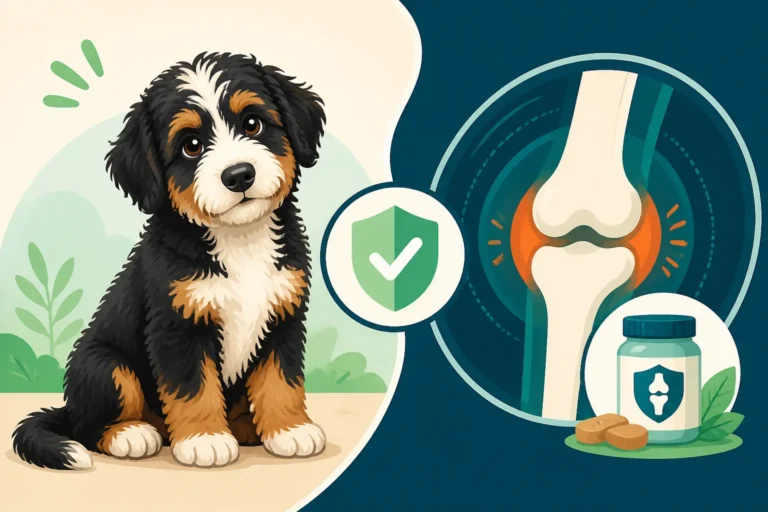
During adolescence, the goal shifts from super-fast growth to controlled, steady development. This is a vital time to continue protecting those growing joints. The Bernese Mountain Dog side of your Bernedoodle's lineage is particularly prone to conditions like elbow and hip dysplasia, and improper nutrition during this period can exacerbate these genetic predispositions. This is a key reason why we emphasize feeding specifically for slow, steady growth. Growing a Standard Bernedoodle Slowly on Purpose delves deeper into this philosophy. Many owners might notice their Bernedoodle's puppy fluff starting to transition into a denser adult coat during this time, and their boundless energy can make you feel like they're ready for anything. But their skeletal system is still vulnerable, making the careful choice of food paramount.
When "Full Grown" Actually Means Mature
It's easy to look at a majestic Bernedoodle at 12 months old, standing tall and sturdy, and think they're "full-grown." And in terms of height, they very well might be, or nearly there. However, true maturity, especially for a large breed, encompasses more than just height. Their bones are still solidifying, muscle mass is continuing to develop, and their growth plates are still closing. For a standard Bernedoodle, this process often isn't complete until they are 18-24 months old, and sometimes even closer to 2 years of age. Some males might even fill out more in chest and girth after this, gaining more mass over their frame.
The misconception that a dog is "full-grown" at one year old can lead owners to switch to adult food too soon. While a Bernedoodle might reach their adult height around 12-18 months, their skeletal system, particularly their joints, continues to mature for several more months. The subtle difference in nutrient ratios in large breed puppy food, specifically lower calcium levels compared to all-breed puppy foods, is designed to prevent bone growth that is too fast, which can put stress on developing joints. Rushing the switch could potentially undo all the careful nutrition you've provided up to that point. So, while your Bernedoodle may look like an adult, remembering that their internal architecture is still under construction is key. The Age a Bernedoodle Reaches Full Height gives more details on their physical growth milestones.
The Ideal Timing for the Switch
Deciding exactly when to transition your Bernedoodle to adult food isn't just a matter of picking a random age; it's about observing their individual development and understanding the specific needs of large breeds. It's a decision that can significantly impact their long-term health and well-being.
General Guidelines for Large Breeds
For most large and giant dog breeds, the general consensus among veterinarians and canine nutritionists is to keep them on a large-breed specific puppy food until they are between 18 and 24 months of age. This might sound like a long time, especially when your Bernedoodle is already towering over you! However, it's a critical window that ensures their skeletal system has adequate time to develop slowly and robustly.
Why this extended period? As we discussed, rapid growth in large breeds can predispose them to orthopedic issues. Large breed puppy formulas are carefully balanced to provide all the necessary nutrients for growth without accelerating it unduly. They typically have a slightly lower calorie density than "all life stages" puppy foods, preventing excessive weight gain, and specific calcium-to-phosphorus ratios tailored for slower bone maturation. This thoughtful formulation is what differentiates it from a regular puppy food designed for smaller, faster-growing breeds. When you're feeding a large Bernedoodle that will ultimately reach [Ninety Pounds], these details truly matter.
Why Bernedoodles Need a Slower Transition
Bernedoodles inherit traits from both the Bernese Mountain Dog and the Poodle. The Bernese side contributes to their impressive size and gentle nature, but also brings with it a predisposition to certain joint issues like hip and elbow dysplasia. The Poodle side, while generally healthier in terms of growth plates, still benefits from careful, controlled development. This genetic blueprint makes a slower transition to adult food even more crucial for Bernedoodles than for some other large breeds.
Think of it as building a house. You wouldn't rush the foundation work on a large structure, would you? You'd take your time, ensure every beam and support is perfectly placed and strong before adding the upper floors. Similarly, your Bernedoodle's skeletal system needs that extended foundational period. Switching too early to an adult food might mean they're missing out on the optimal, balanced nutrition specifically designed for their prolonged growth phase. This slower, more deliberate approach helps [Protect a Bernedoodle's Elbows] and hips from unnecessary stress and potential damage during their formative years. It's an investment in their future mobility and overall health.
Signs Your Bernedoodle is Ready
While the 18-24 month guideline is a great starting point, every dog is an individual. There might be subtle cues that your Bernedoodle is truly ready for the transition. These signs are less about their calendar age and more about their physical development:
- Reaching Full Height: Observe your Bernedoodle's stature. Have they stopped growing taller? While they may still "fill out," their vertical growth often plateaus first.
- Closing Growth Plates (Veterinary Confirmation): The most definitive way to know if growth plates have closed is through a veterinary examination and potentially X-rays. This isn't usually done just for a food transition, but if your dog is already getting X-rays for other reasons, it can offer insight.
- Maintaining a Healthy Weight and Body Condition Score: Your Bernedoodle should have a lean, athletic build with visible waist and tucked abdomen, and you should be able to feel their ribs without seeing them prominently. If they start to look a little too lean on puppy food and aren't gaining muscle, or conversely, if they're gaining weight too easily, it might be a subtle sign their metabolic needs are shifting. You'll want to review How Much an Adult Bernedoodle Eats compared to puppy portions.
- Energy Levels: While Bernedoodles are known for being playful, if their puppy-like bursts of energy start to mellow slightly, and they seem more able to settle, it can sometimes coincide with reaching a more mature physical state.
It's always a good idea to chat with your veterinarian about the best time to switch your specific Bernedoodle. They can assess your dog's individual growth curve and make a personalized recommendation.
Making the Transition Smoothly
So, you've decided it's time to make the switch. Great! But don't just dump out the old food and pour in the new. A sudden change can cause digestive upset, which is uncomfortable for your Bernedoodle and messy for you. A gradual approach is key to keeping their tummy happy and ensuring they accept the new diet.
The Gradual Blending Method
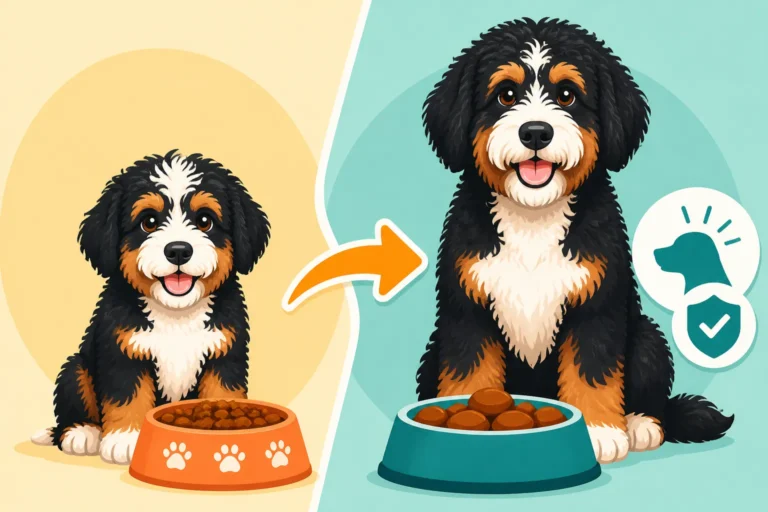
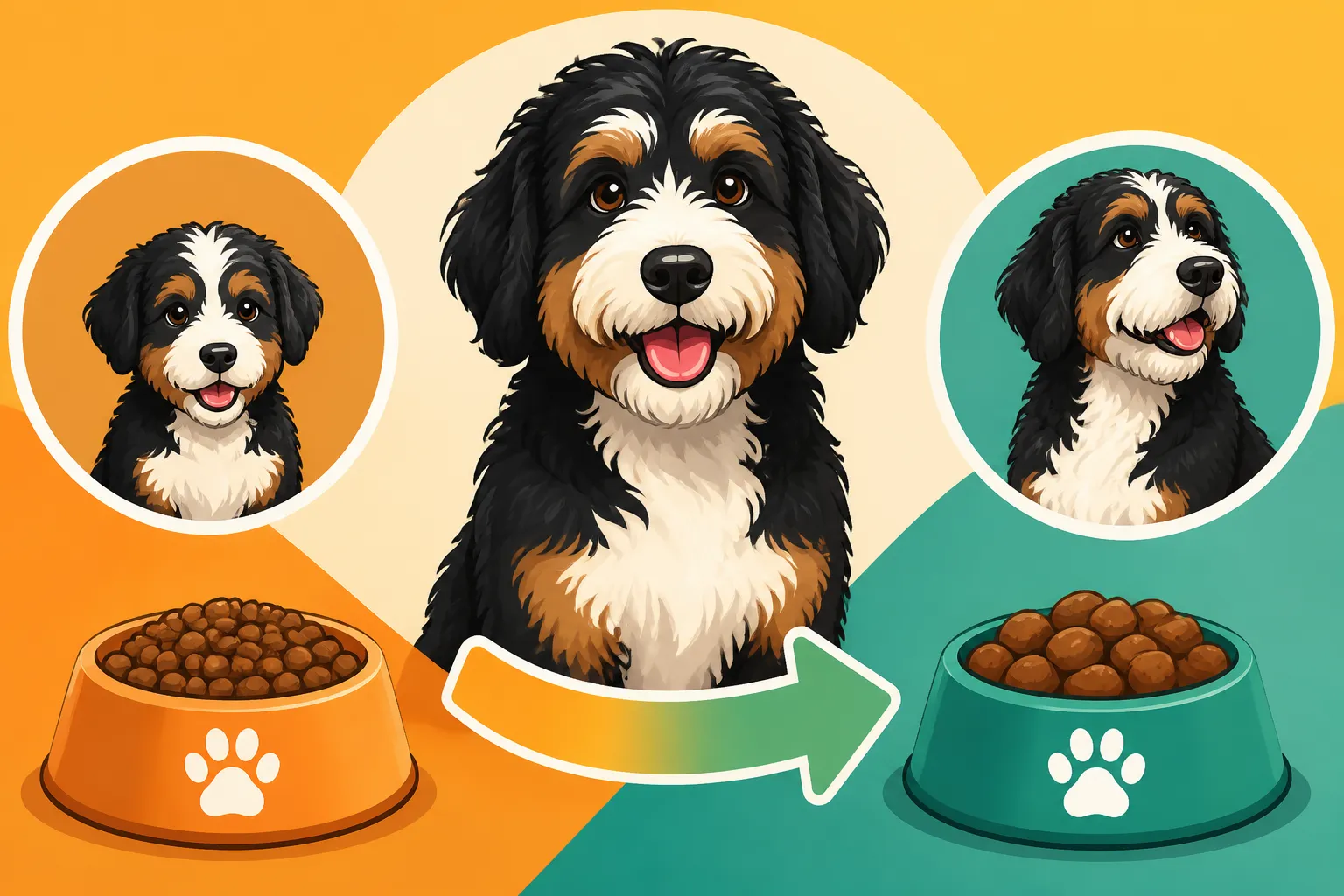
The golden rule for changing any dog's food, especially for a large breed with a potentially sensitive stomach, is to do it slowly. We recommend a 7-10 day transition period, gradually introducing more of the new food and less of the old. Here's a typical schedule:
- Days 1-2: 75% old food, 25% new food.
- Days 3-4: 50% old food, 50% new food.
- Days 5-6: 25% old food, 75% new food.
- Days 7-10: 100% new food.
Some Bernedoodles might need an even longer transition, perhaps 10-14 days. Watch their stool and overall demeanor. If they show any signs of upset, slow down the process. For example, if you see loose stool on day 3, go back to the day 1-2 ratio for a few more days before trying to progress. Patience here pays off immensely. Don't feel pressured to rush; their digestive system needs time to adjust to different ingredients, protein levels, and fiber content. This is also a good time to remember that consistency in feeding schedules helps, too. For ideas on portion sizes, refer to How Much Food a Bernedoodle Puppy Needs at Four Months as a baseline for puppy food, then compare to adult guidelines.
Monitoring for Digestive Upset
During the transition, become a detective of your Bernedoodle's bowel movements. This is your primary indicator of how well they're adjusting.
| Symptom | What it Means | Action to Take |
|---|---|---|
| Loose Stool/Diarrhea | The most common sign. Indicates the digestive system isn't happy with the change. | Slow down the transition. Go back to the previous ratio (e.g., if at 50/50, go back to 75% old, 25% new). If diarrhea is severe, contains blood, or persists for more than 24 hours, contact your vet immediately. |
| Vomiting | Less common than diarrhea, but more concerning. Could indicate intolerance or a more serious issue. | Stop the transition and return to 100% old food. If vomiting continues or is accompanied by other symptoms (lethargy, fever), call your vet. Do not restart the new food without veterinary advice. |
| Gas/Bloating | Some increased gas is normal with a diet change, but excessive gas or visible bloating is a warning. | Slow down the transition. If bloating is significant, especially combined with retching or unproductive attempts to vomit, seek emergency veterinary care immediately – this could be a sign of bloat, a life-threatening condition for deep-chested dogs like Bernedoodles. Read up on Bloat in a Standard Bernedoodle's Deep Chest. |
| Decreased Appetite | Your Bernedoodle might not like the taste or feel unwell. | If they're otherwise fine, try adding a little warm water to the new food or a small amount of low-sodium broth to entice them. If refusal to eat lasts more than 24 hours, or is accompanied by lethargy, call your vet. |
| Increased Thirst | Can sometimes accompany digestive upset or a change in food moisture content. | Monitor closely. Ensure fresh water is always available. If excessive and combined with other symptoms, or if your Bernedoodle seems unwell, consult your vet. |
Keep a close eye on their energy levels and general behavior too. A healthy dog should remain playful and active throughout the transition.
Choosing the Right Adult Food
Once you're ready to make the switch, selecting the right adult food is just as important as the timing. Here's what to look for:
- Large Breed Specific: Even for adult Bernedoodles, a food formulated for large breeds is often a good choice. These foods typically have carefully controlled calorie levels to prevent obesity (a huge risk for joint health) and often include joint-supporting ingredients like glucosamine and chondroitin. Look for brands that explicitly state "large breed adult" on the bag.
- High-Quality Ingredients: Look for real meat as the first ingredient (e.g., chicken, lamb, beef). Avoid foods with excessive fillers, artificial colors, or by-products as primary ingredients. Whole grains (if your dog tolerates them) like brown rice or oats, and a variety of fruits and vegetables are good signs.
- Reputable Brands: Stick with well-established pet food companies that conduct extensive research and quality control. Brands like Purina Pro Plan, Royal Canin, Hill's Science Diet, and other premium options are often recommended by vets. You might also explore some of the newer, fresh-food options if your budget allows, like Ollie, which can offer highly digestible protein sources. Many pet supply stores, including Chewy, offer a wide variety of these high-quality options, making comparison shopping easier.
- Consider Your Bernedoodle's Needs: Does your Bernedoodle have any sensitivities? A chicken allergy? A need for higher fiber? Choose a food that addresses any specific dietary requirements they may have. Always remember, the best food is the one your dog thrives on.
Don't be afraid to read labels and compare ingredients. A quick search on Amazon or a visit to your local pet store will show you a myriad of options, but doing your homework pays off.
Common Misconceptions and What to Avoid
Navigating the world of pet nutrition can be tricky, and there are many myths and misunderstandings that can lead well-meaning Bernedoodle owners astray. Let's clear up some common pitfalls to ensure your furry family member gets the very best care.
Don't Rush It: The Dangers of Early Switching
One of the biggest mistakes owners can make is switching their large breed Bernedoodle to adult food too early. It's often driven by the perception that a big dog needs "big dog food" sooner, or perhaps a desire to save a little money, as puppy food can sometimes be pricier. However, the potential consequences of an early switch far outweigh any perceived benefits.
When a Bernedoodle puppy is switched off a large breed puppy formula prematurely, they miss out on the specific nutritional balance designed for their extended growth period. Adult dog food typically has lower protein and fat content, and crucially, different calcium and phosphorus ratios. This can lead to issues such as:
- Orthopedic problems: Too much calcium, or an imbalanced calcium-to-phosphorus ratio, in a growing large breed can contribute to conditions like hip and elbow dysplasia, osteochondrosis (OCD), and other developmental bone diseases. These are incredibly painful for your dog and can lead to expensive surgeries and lifelong management. It can compromise Hips on a Ninety Pound Bernedoodle for good.
- Nutritional deficiencies: While adult food isn't deficient, it's not optimized for the rapid cell division and tissue growth occurring in a puppy's body. An early switch might mean they aren't getting optimal levels of certain vitamins and minerals essential for healthy development of organs, immune system, and nervous system.
- Excess weight gain: Some adult foods, if not carefully selected, might have a higher calorie density per cup than needed for a growing Bernedoodle, potentially leading to excess weight. Obesity in puppies puts undue strain on developing joints and can set them up for a lifetime of weight struggles, impacting their overall [Lifespan].
Resist the urge to rush. Your Bernedoodle will thank you with a healthier, more active life if you allow their body the full time it needs to develop properly on the right food.
The "Forever Puppy" Mindset and Its Pitfalls
On the other end of the spectrum is the "forever puppy" mindset, where owners continue to feed puppy food long past the recommended age. While less damaging than switching too early, it's still not ideal for your maturing Bernedoodle.
Puppy foods are calorie-dense and rich in nutrients to fuel intense growth. Once your Bernedoodle has reached skeletal maturity (around 18-24 months), their growth plates have closed, and their metabolism begins to slow down, continuing to feed puppy food can lead to:
- Obesity: This is the most common pitfall. The extra calories and fat in puppy food, when no longer needed for growth, will quickly translate into excess weight. An overweight Bernedoodle faces increased risks for joint problems (even if they started on the right puppy food!), heart disease, diabetes, and a reduced quality of life. Keeping a Bernedoodle's Weight Down becomes a serious challenge.
- Digestive upset: The richer formula of puppy food can sometimes be too much for an adult dog's digestive system, leading to loose stools or stomach upset.
- Imbalanced nutrition for adults: While puppy food provides many nutrients, the proportions are tailored for growth. An adult dog has different maintenance needs, and while not severely detrimental, prolonged feeding of puppy food isn't providing the optimal nutritional balance for an adult body.
It’s about finding that sweet spot. You want to support growth, but once that growth is complete, you need to support maintenance. Transitioning to an appropriate adult formula ensures your Bernedoodle gets the right fuel for their new stage of life.
Overfeeding vs. Healthy Growth
Another common pitfall, often linked to either rushing the switch or keeping them on puppy food too long, is simply overfeeding. Whether it's puppy food or adult food, feeding too much can have serious consequences for a Bernedoodle.
Many owners, worried their large breed puppy isn't growing fast enough or is too thin, will offer more food than recommended on the bag. However, large breed puppies don't need more food; they need specific food. The guidelines on the food bag are just a starting point; every dog's metabolism is unique.
- Excessive growth rate: Overfeeding, especially with puppy food, can force a large breed puppy to grow too quickly, putting immense stress on their developing joints and bones. This rapid growth is a known risk factor for hip and elbow dysplasia.
- Obesity in adulthood: Dogs fed too much as puppies are more prone to being overweight or obese as adults. This can be a lifelong struggle. To avoid this, carefully monitor your Bernedoodle's body condition. You should be able to feel their ribs easily without seeing them, and they should have a discernible waist when viewed from above and a slight tuck-up from the side.
Always measure your Bernedoodle's food precisely. Don't free-feed them, especially during puppyhood and adolescence. Consult your veterinarian regularly to assess their body condition score and adjust feeding amounts as needed. They can help you determine whether an overweight Bernedoodle loses years off its life. A healthy, lean Bernedoodle that grows at a steady, appropriate pace is much more likely to have a long, comfortable life free of avoidable joint issues.
| Aspect | Large Breed Puppy Food (approx. 8-18/24 months) | Large Breed Adult Food (approx. 18/24 months+) |
|---|---|---|
| Purpose | Support controlled, steady growth and bone/joint development. | Maintain healthy weight, muscle mass, and overall adult health. |
| Protein Level | Moderately high (e.g., 25-30%) for muscle development. | Moderate (e.g., 22-26%) for maintenance. |
| Fat Level | Moderately high (e.g., 12-18%) for energy and essential fatty acids. | Moderate (e.g., 10-16%) for energy, preventing excess weight. |
| Calcium/Phosphorus | Carefully controlled ratio (e.g., 1.2-1.5% Ca, 1.0-1.2% P) for skeletal development. | Balanced for adult bone maintenance, not rapid growth. |
| Calorie Density | Moderate, designed to prevent rapid weight gain. | Lower than puppy food, focused on maintenance calories. |
| Joint Support | Often contains ingredients like Glucosamine and Chondroitin, but primary focus is growth. | Often includes higher levels of joint-supporting ingredients for long-term health. |
| Transition Timing | Gradual switch, typically between 18-24 months, depending on individual maturity. | Not applicable, this is the destination. |
This transition isn't just about changing food; it's about acknowledging your Bernedoodle's journey from a gangly puppy to a magnificent, mature companion. With patience, careful observation, and veterinary guidance, you can ensure they receive the optimal nutrition to thrive for years to come.
Disclaimer
This article is for general informational purposes only and does not constitute professional advice. Laws, prices and regulations vary by location and change over time. Consult a qualified professional for guidance on your specific situation.