Keeping a Bernedoodle’s Face Out of Its Eyes
One of the most common frustrations Bernedoodle parents face is the constant battle against hair creeping into their dog's eyes. It’s not just about aesthetics; that fluffy fringe can cause irritation, lead to infections, and even obscure their vision. This guide is here to walk you through practical, empathetic strategies to keep your beloved Bernedoodle's eyes clear and healthy, ensuring they're comfortable and looking their best.
Understanding the Bernedoodle's Distinctive Facial Fur
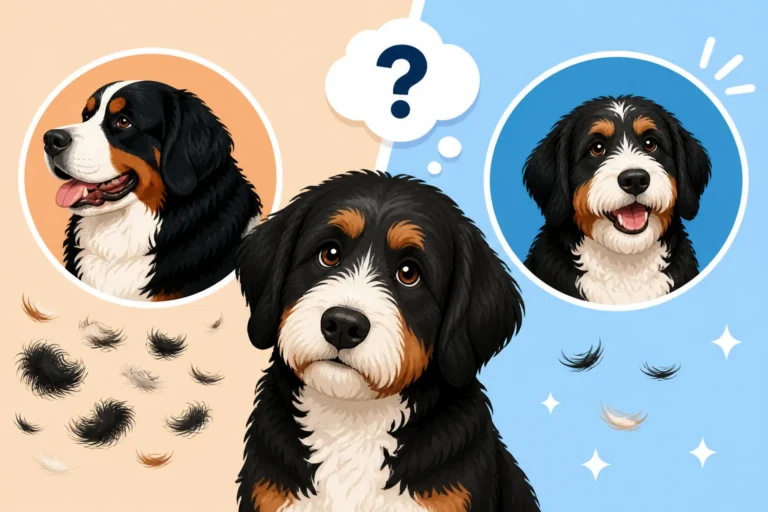
Bernedoodles inherit a wonderfully expressive, often wavy or curly coat from their Bernese Mountain Dog and Poodle parents. While absolutely adorable, this combination means they often have abundant hair around their face, particularly over their eyes. Unlike many breeds with shorter facial hair, a Bernedoodle's face fur grows continuously, much like the hair on a Poodle.
The Impact of Coat Type on Eye Health
The precise texture and growth pattern of your Bernedoodle's facial hair can vary wildly, even within the same litter. Some might have a looser, wavier coat that tends to fall more easily into the eyes, while others have a tighter curl that forms dense, almost woolly, bangs. This constant contact with the eye can lead to several problems. Beyond the obvious irritation, it can trap moisture, dirt, and allergens against the delicate tissues around the eye. This creates a prime environment for bacterial growth, potentially leading to conjunctivitis or other eye infections. Furthermore, the hair can physically rub against the cornea, which is not only uncomfortable but can also cause scratches or ulcers over time if not addressed. It’s a real challenge, and if you’re pulling your hair out over your Bernedoodle’s eye hair, you are absolutely not alone. You might also find yourself wondering about The Coat a Bernedoodle Gets From Two Heavy Coated Parents in general.
Why Bernedoodles Are Prone to Eye Irritation from Hair
The sheer volume and length of a Bernedoodle's facial hair are the primary culprits. Imagine having a persistent curtain in front of your eyes all day long, constantly brushing against your lashes and obscuring your view. That's what many Bernedoodles experience without regular trimming and care. This issue is compounded by the fact that many Bernedoodles have deep-set eyes, which can make the surrounding hair even more intrusive. The hair acts like a wick, drawing tears and eye discharge from the eye and holding it against the skin, leading to tear staining and matting. These mats, when left unchecked, can pull on the skin around the eyes, causing further discomfort and even pain. It's a cyclical problem: irritation leads to more tearing, which leads to more matting, and so on.
Practical Approaches to Face Trimming and Grooming
Keeping that charming mop of hair out of your Bernedoodle’s eyes requires a consistent, multi-pronged approach. It’s not just about one big trim; it’s about regular maintenance, whether at home or with a professional.
At-Home Trimming Techniques for Clear Vision
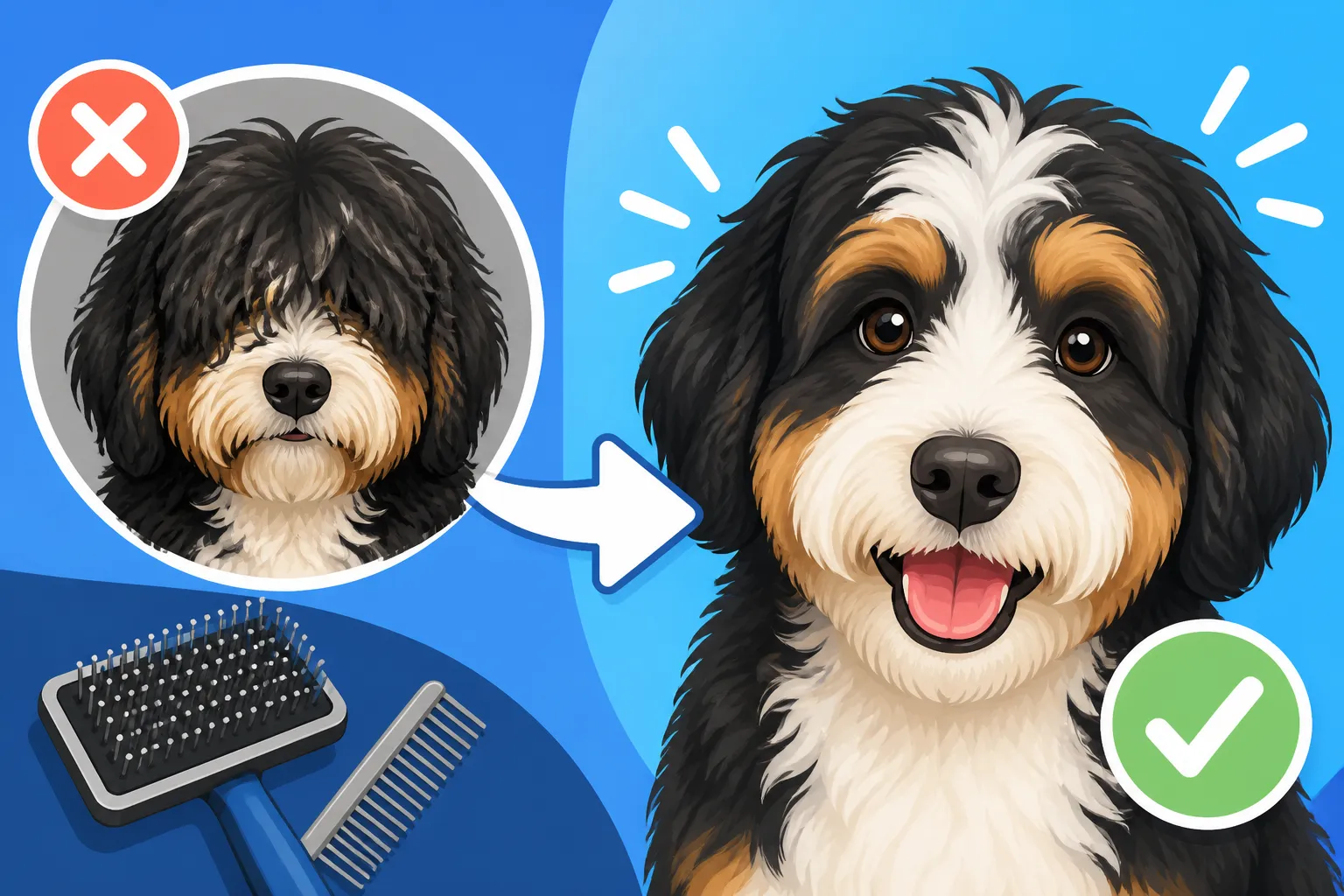
For many Bernedoodle owners, learning a few basic trimming techniques at home can be a game-changer. This isn't about giving your dog a show-ring cut, but rather ensuring their comfort and health. The key is to be gentle, patient, and to use the right tools. You’ll want a good pair of blunt-nosed grooming scissors, specifically designed for pets, and a fine-toothed comb. Always ensure your dog is calm and relaxed, perhaps after a good walk, or enlist a helper to gently hold their head still.
Start by carefully combing the hair forward over their eyes. This helps you visualize exactly what needs to be trimmed. Then, using just the tips of your blunt-nosed scissors, trim the hair so it clears the eyes. You’re aiming for a neat, clean line that allows their eyes to be fully visible without any stray hairs poking them. It's often safer to trim the hair going away from the eye rather than towards it. Small snips are better than large cuts; you can always take more off, but you can't put it back! Don’t forget the hair in the corners of the eyes, which can often contribute to tear staining and hold debris. Regular small trims every few weeks are far less stressful for both you and your dog than waiting until the hair is a tangled mess. For more general maintenance, understanding The Volume of Coat a Bernedoodle Owner Brushes Weekly is also helpful.
The Role of Professional Groomers
While at-home trims are invaluable for maintenance, professional groomers are experts in shaping your Bernedoodle's face in a way that’s both functional and flattering. They have specialized tools, training, and experience in handling dogs of all temperaments, even those who aren’t thrilled about having their face groomed. When you take your Bernedoodle to a groomer, communicate your priorities clearly: "I want the hair kept short around their eyes for hygiene and comfort, but I still love their fluffy face!" A good groomer will be able to achieve this balance.
They can offer specific cuts, like a "teddy bear" face, which keeps the hair short and rounded, or a slightly longer but still clear-eyed style. Regular professional grooming appointments, typically every 6-8 weeks, will ensure that the hair around the eyes (and the rest of the body!) is kept in optimal condition. This is especially true given The Seventy to Hundred Fifty Dollar Bernedoodle Groom can cover a lot of ground. Don’t hesitate to ask your groomer for tips on at-home upkeep between visits; they often have great advice on brushes, combs, and techniques.
Essential Grooming Tools for Eye Area Care
Having the right tools makes all the difference when tackling your Bernedoodle's facial hair. Here’s a quick rundown of what you’ll need:
| Tool Category | Specific Tool | Primary Use | Why it's Important for Bernedoodles |
|---|---|---|---|
| Trimming Tools | Blunt-Nosed Scissors | Safely trimming hair around eyes and sensitive areas. | Reduces risk of accidental pokes or cuts. |
| Small Thinning Shears | Blending hair, softening lines, reducing bulk. | Prevents a harsh, choppy look and helps hair lay better. | |
| Combing & Brushing | Fine-toothed Face Comb | Detangling small knots, lifting hair for trimming. | Crucial for precise trimming and removing debris from tear stains. |
| Pin Brush | General brushing, especially for longer facial hair. | Helps keep the bulk of the facial fur tangle-free. | |
| Cleaning | Eye Wipes/Tear Stain Remover Pads | Cleaning tear stains and discharge around eyes. | Prevents crusting and discoloration, reduces breeding ground for bacteria. |
| Soft Cloth & Warm Water | Gentle cleaning of eye area. | Safe for daily use, removes minor debris without irritation. |
You can often find these specialized grooming tools on platforms like Amazon, making it easy to assemble your at-home kit. Remember, sharp tools are safer than dull ones, as dull scissors can snag hair and cause pulling.
Beyond the Trim: Daily Eye Care and Health
While trimming is crucial, keeping your Bernedoodle's eyes healthy involves more than just a pair of scissors. Daily care routines, vigilance for potential issues, and proper cleaning techniques are equally important.
Daily Cleaning and Tear Stain Management
Bernedoodles, especially those with lighter facial markings, can be prone to tear staining. This reddish-brown discoloration is caused by porphyrins, iron-containing molecules excreted in tears, which react with light. Beyond aesthetics, excessive tearing and staining can indicate underlying irritation or blockages in the tear ducts, or simply be a result of hair wicking moisture to the area.
Make it a daily habit to gently clean around your Bernedoodle's eyes. Use a soft, damp cloth with warm water or pet-specific eye wipes. Gently wipe away any discharge, crust, or dampness from the corners of their eyes and along the hair under their eyes. This helps prevent mats from forming and reduces the environment for yeast and bacteria that can exacerbate staining and irritation. Some owners also use specialized tear stain removers, but always ensure they are safe for use around the eyes and follow the product instructions carefully. Consistency is key here; a quick daily wipe can prevent a much bigger problem. Regularly cleaning is just one part of What a Bernedoodle Needs Every Day.
Monitoring for Signs of Eye Problems
As a Bernedoodle parent, you are your dog's first line of defense against health issues. Regularly inspect your Bernedoodle’s eyes for any changes that might signal a problem. Look for excessive redness in the whites of the eyes, persistent squinting, pawing at the face, or a discharge that changes in color (from clear to yellow or green) or consistency (thick and gooey). Swelling around the eye, visible debris, or a cloudy appearance to the eye itself are also red flags.
If you notice any of these symptoms, it’s always best to consult your veterinarian. While some issues might be minor, others could indicate more serious conditions like infections, corneal abrasions, glaucoma, or even hereditary eye conditions that Bernedoodles can be prone to, such as entropion. Early detection and treatment are vital for maintaining your dog's eye health and comfort. The Screening a Bernedoodle Should Have Yearly often includes an eye check, but don't wait if you notice issues.
Addressing Underlying Causes and Prevention
Sometimes, even with diligent grooming, hair in the eyes and associated problems persist. This can indicate an underlying cause that needs a closer look, or it might mean adjusting your approach to prevention.
Dietary Considerations and Allergies
Believe it or not, what your Bernedoodle eats can sometimes contribute to tear staining and eye irritation. Some dogs can have mild food sensitivities or allergies that manifest as increased tearing or eye discharge. While a balanced, high-quality diet is essential for overall health, if you've been consistent with grooming and still see persistent issues, it might be worth discussing your dog's diet with your vet.
Switching to a different protein source or a limited ingredient diet could potentially make a difference for some dogs. Brands like Ollie focus on fresh, human-grade ingredients that some owners find beneficial for dogs with sensitivities. While not a direct cure for hair in the eyes, reducing allergy-related irritation can decrease tearing, making it easier to keep the facial hair clean and dry. Similarly, environmental allergies to pollen, dust, or household chemicals can also cause eye irritation, prompting your Bernedoodle to rub their face or produce more tears. Identifying and minimizing exposure to these allergens, possibly with the help of your vet, can significantly improve eye comfort.
The Importance of Overall Hygiene and Grooming
Keeping the rest of your Bernedoodle’s coat in good condition indirectly benefits their eye health. A Bernedoodle with a heavily matted coat, especially around the ears and neck, can experience pulling on the skin, which can, in turn, affect the delicate skin around the eyes. Regular full-body brushing, bathing, and drying are essential.
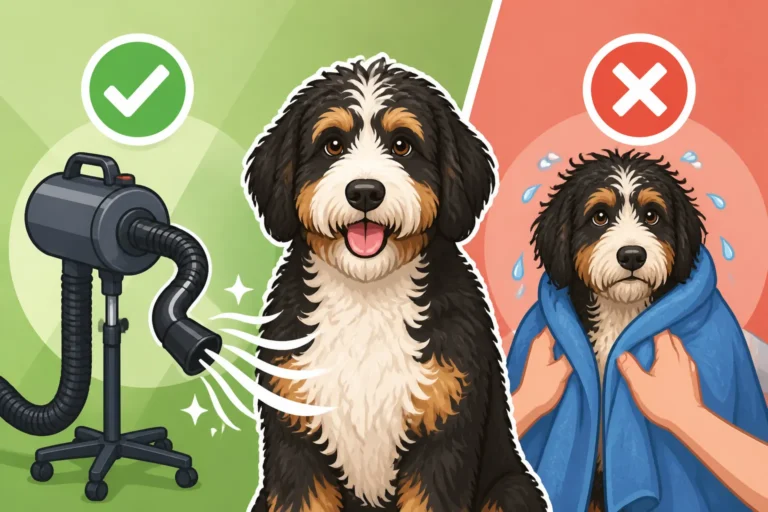
When bathing your Bernedoodle, always use a dog-specific shampoo and be very careful to avoid getting soap in their eyes. Rinse their face thoroughly, allowing the water to flow away from their eyes. After a bath, ensure you dry the facial hair completely. Damp hair is more prone to matting and can harbor bacteria. A good quality pet force dryer, which you can find on Chewy or Amazon, can be incredibly helpful for getting through that thick Bernedoodle coat, including the facial hair, in a timely manner. This comprehensive approach to grooming helps maintain a healthy skin and coat environment, reducing secondary issues that might impact eye health. Also, don't overlook common issues like Ear Infections in a Bernedoodle's Drop Ear as general hygiene can play a role.
Behavioral Training for Grooming Compliance
Let’s be honest: not every Bernedoodle loves having their face handled. Some are absolute cuddle bugs, while others might view a comb near their eyes as a personal affront. Starting early with positive reinforcement training can make a huge difference. Begin by gently touching your puppy’s face and head, rewarding them with treats and praise. Gradually introduce the comb, then the blunt-nosed scissors, always making it a positive experience.
Short, frequent sessions are more effective than long, stressful ones. If your Bernedoodle struggles, take a break and try again later. Desensitization and counter-conditioning can help. If you have an older Bernedoodle who is already resistant, patience and consistency are even more vital. You might even want to consult with a professional trainer or groomer for tips on how to manage a dog that is particularly sensitive about facial handling. A calm, cooperative dog makes the grooming process safer and more efficient for everyone involved. For a sense of how extensive grooming can be, check out Bathing and Drying a Ninety Pound Bernedoodle.
When to Seek Veterinary Advice
While proper grooming and daily care can prevent most issues related to hair in the eyes, there are times when a veterinary visit is absolutely necessary. It's always better to be safe than sorry, especially when it comes to something as vital as your dog's eyesight.
Persistent Eye Discharge or Redness
If your Bernedoodle develops persistent eye discharge that is thick, yellow, green, or cloudy, or if their eyes remain red for more than a day or two despite cleaning, it's time to call the vet. These can be signs of bacterial or viral infections, which often require prescription medication. Similarly, if your dog is squinting continuously, tearing excessively, or seems sensitive to light, these are strong indicators of pain or discomfort that warrant professional attention.
A veterinarian can perform a thorough eye examination, which might include staining the cornea to check for scratches or ulcers, testing tear production, or checking the pressure within the eye. They can accurately diagnose the problem and prescribe the appropriate treatment, whether it's eye drops, oral antibiotics, or other interventions.
Visible Injuries or Foreign Objects
Accidents happen, especially with active dogs. If you suspect your Bernedoodle has scratched their eye, has a thorn or piece of debris lodged in it, or has suffered any other form of physical trauma to the eye area, seek immediate veterinary care. Attempting to remove a foreign object yourself can cause more harm than good and should only be done by a professional.
Even minor-looking injuries can quickly escalate into serious problems, potentially leading to vision loss if not treated promptly. Your vet will have the specialized tools and expertise to safely examine the eye, remove any foreign bodies, and begin treatment to prevent infection and promote healing. Don't delay if you suspect an injury; prompt action can save your Bernedoodle's sight and prevent prolonged pain.
Disclaimer
This article is for general informational purposes only and does not constitute professional advice. Laws, prices and regulations vary by location and change over time. Consult a qualified professional for guidance on your specific situation.