What Bernedoodles Are Most Often Put to Sleep For
It’s a topic no dog owner ever wants to think about, let alone discuss: the heart-wrenching decision of saying goodbye to our beloved companions. For Bernedoodle families, understanding the common health challenges that can lead to this ultimate act of love can help us prepare, advocate for their health, and ultimately, make informed choices when faced with the unimaginable. This guide will meticulously explore the most frequent reasons Bernedoodles are put to sleep, offering a realistic look at the health battles many families sadly encounter.
The Shadow of Cancer: A Bernedoodle's Unfortunate Inheritance
When we bring a Bernedoodle into our lives, we often do so with the hope that the Poodle's genes might somehow dilute some of the more serious health predispositions of the Bernese Mountain Dog. And while that hope isn't entirely unfounded, the reality is that cancer remains a profoundly significant concern for our fluffy friends. It’s a harsh truth that many Bernedoodle owners confront, often earlier than they ever expected.
Histiocytic Sarcoma and Lymphoma
The Bernese Mountain Dog, one half of our wonderful Bernedoodle, carries a known and devastating predisposition to a particularly aggressive form of cancer called Histiocytic Sarcoma. It's a cruel disease that can spread rapidly and is often resistant to treatment. When you consider a Bernedoodle, you're looking at a dog that inherently has a percentage of that Bernese DNA, and with it, often a heightened risk for this specific type of cancer. It's not a guarantee, of course, but it's a very real concern that breeders often test for and discuss. Discovering this fast-moving cancer in your otherwise vibrant Bernedoodle can be incredibly sudden and leave you with very few options, very quickly.
Lymphoma is another form of cancer that frequently affects Bernedoodles. This cancer attacks the lymphatic system, which is part of the body's immune system, and can manifest in various places like lymph nodes, spleen, liver, or even the bone marrow. The symptoms can be insidious at first – maybe a slight decrease in appetite, lethargy, or swollen lymph nodes that you might mistake for something less serious. As lymphoma progresses, it can lead to severe discomfort, organ dysfunction, and a rapid decline in overall health. The treatments, like chemotherapy, can be incredibly expensive and don't always offer a long-term cure, leaving families in the heartbreaking position of weighing their dog's quality of life against the financial and emotional toll of continued, often aggressive, treatment. It's a decision no one ever wants to make, and sometimes, for the sake of the dog's comfort and dignity, letting go becomes the only merciful path.
Other Common Canine Cancers
Beyond these particularly aggressive forms, Bernedoodles can also fall victim to other common canine cancers, just like any other breed. These might include osteosarcoma, a painful bone cancer, or mast cell tumors, which can appear as lumps on or under the skin. While some of these might be treatable, especially if caught early, late-stage diagnoses often present a bleak prognosis. Imagine your once energetic Bernedoodle suddenly struggling to bear weight on a limb due to an aggressive bone tumor, or refusing food because internal masses are causing severe pain and organ failure. These are the heart-wrenching scenarios that force families to consider euthanasia.
The insidious nature of cancer means symptoms can often be vague until the disease is quite advanced. A subtle limp, a cough that just won't go away, or a sudden loss of appetite could all be early indicators. The challenge is that these signs can also point to a myriad of less serious issues, leading to a delay in diagnosis. When cancer has spread extensively or is in a location that surgery or radiation cannot easily address, the goal shifts from cure to comfort care. Unfortunately, when pain becomes unmanageable, or the side effects of medications severely impact their joy, the quality of life diminishes to a point where euthanasia becomes the most compassionate choice. While there's a strong desire to believe that the Whether the Bernedoodle Cross Actually Reduced Cancer from the Poodle lineage will significantly lessen the incidence of these diseases, the reality for many owners is that cancer remains a formidable foe.
Debilitating Joint and Mobility Issues
The combination of the Bernese Mountain Dog’s robust frame and the Poodle’s sometimes finer bone structure, especially in larger Standard Poodles, can unfortunately lead to a predisposition for significant orthopedic challenges in Bernedoodles. These aren't just minor aches and pains; in severe cases, these issues can profoundly impact a dog's ability to move, enjoy life, and eventually, force owners to make incredibly difficult decisions.
Severe Hip and Elbow Dysplasia
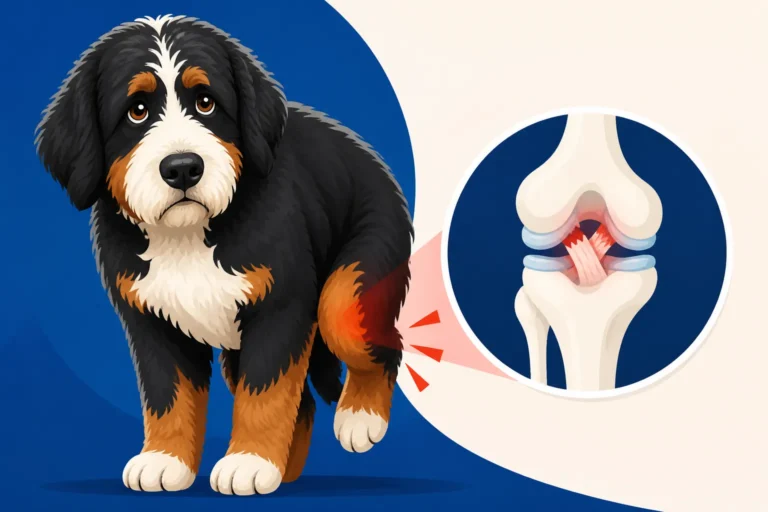
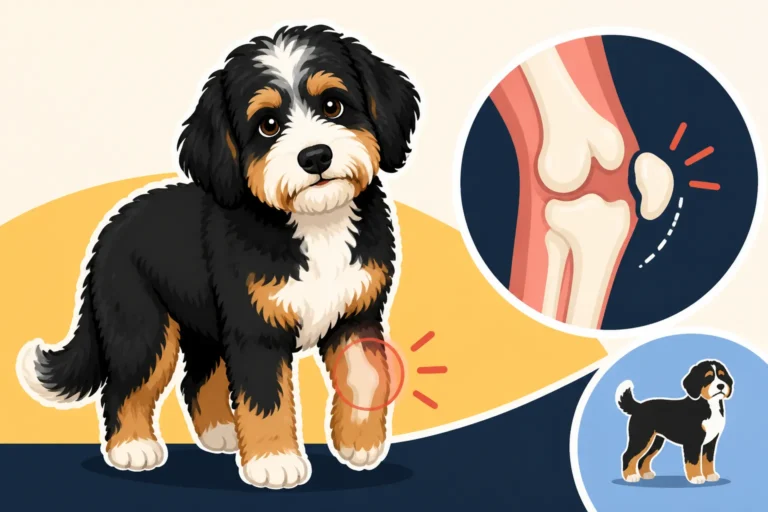
Hip and elbow dysplasia are conditions that plague many large and giant breeds, and Bernedoodles are unfortunately no exception. Hip dysplasia occurs when the ball and socket joint of the hip doesn't fit together properly, leading to grinding, pain, and eventually degenerative joint disease or arthritis. Elbow dysplasia is a similar developmental abnormality affecting the elbow joint, resulting in lameness and chronic pain. For a Bernedoodle, especially a larger one that might weigh upwards of 90 pounds, the impact of these conditions can be devastating. Imagine trying to maneuver your large, once-active dog when simply standing up causes immense pain, or a short walk leaves them limping and exhausted.
The Bernese Mountain Dog parent is notoriously prone to these issues, and while careful breeding aims to reduce the risk, it's not entirely eliminated in the Bernedoodle offspring. Puppies can sometimes show signs of discomfort or an altered gait quite young, though more commonly, symptoms worsen as they age and put more stress on the compromised joints. In severe cases, the chronic pain becomes unmanageable even with strong pain medications, anti-inflammatories, and various therapies. Surgical interventions like total hip replacements exist, but they are incredibly expensive, carry significant recovery periods, and are not always an option for every dog or every family. When a dog cannot find comfort, cannot move without agony, and their zest for life is overshadowed by relentless pain, euthanasia often becomes the only compassionate option. It’s an agonizing choice to make, watching a dog who once loved to run struggle simply to stand. If you're wondering about the specifics, articles like Hips on a Ninety Pound Bernedoodle and Elbow Dysplasia in a Growing Bernedoodle delve deeper into these concerns.
Degenerative Myelopathy Progression
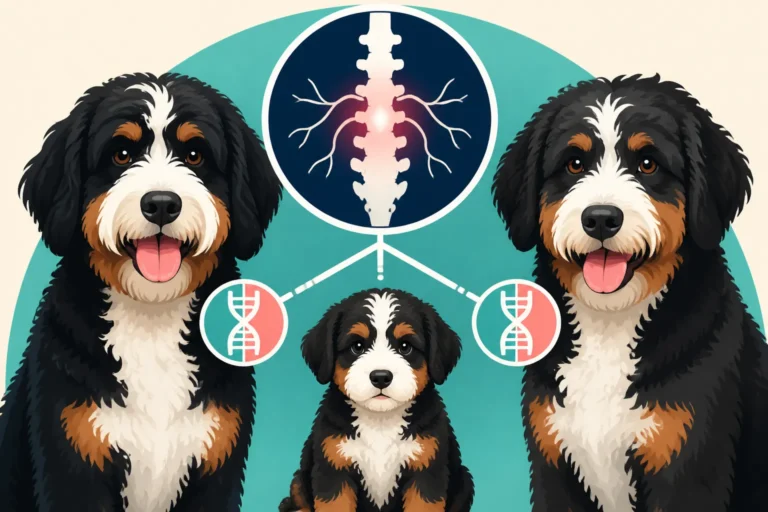
Another deeply challenging neurological condition that can affect Bernedoodles, inherited from both parent breeds, is Degenerative Myelopathy (DM). This is a progressive disease of the spinal cord that is often compared to ALS in humans. It primarily affects the hind limbs, leading to weakness, loss of coordination (ataxia), and eventually, paralysis. The heartbreaking aspect of DM is that it’s not typically painful in itself, but the resulting loss of mobility and bodily functions takes an immense toll on the dog's quality of life.
The signs usually begin subtly: a slight drag of a back paw, a wobble in their hindquarters, or difficulty jumping onto furniture. Over time, these symptoms progress, and the dog will struggle to stand, walk, or even maintain balance. Eventually, they will lose the ability to control their bladder and bowels, requiring intensive care from their owners. There is currently no cure for DM, and while physical therapy and supportive care can help manage symptoms for a time, the disease is relentlessly progressive. Witnessing your strong, independent Bernedoodle slowly lose the use of its legs, becoming completely dependent and incontinent, is emotionally crushing. Despite slings, wheelchairs, and tireless care, the physical and emotional burden on both the dog and the family can become overwhelming. When the dog's dignity is compromised, and their world shrinks to a constant struggle, making the decision to end their suffering, even without overt pain, is one of the hardest acts of love. Understanding What Degenerative Myelopathy Looks Like in a Bernedoodle can help owners identify early signs.
Acute and Catastrophic Emergencies
Sometimes, the reasons for euthanasia aren't a slow, grinding decline, but rather a sudden, terrifying emergency. These situations often leave owners reeling, forcing them to make swift, critical decisions under immense pressure and emotional distress.
Gastric Dilatation-Volvulus Bloat
Gastric Dilatation-Volvulus, or GDV, is a condition more commonly known as "bloat," and it is an absolute nightmare for owners of large, deep-chested breeds like the Bernedoodle. This isn't just an upset stomach; it's a life-threatening emergency where the stomach rapidly fills with gas and then twists on itself, cutting off blood supply and trapping the gas. The onset is incredibly sudden and devastating. Your happy, healthy Bernedoodle can go from playful to critically ill in a matter of minutes or hours.
Symptoms include a swollen, hard abdomen, non-productive retching (trying to vomit but nothing comes up), excessive drooling, restlessness, pacing, and eventually, signs of shock like pale gums, rapid breathing, and collapse. This condition requires immediate, emergency veterinary intervention, typically surgery to de-rotate the stomach and secure it in place (gastropexy) to prevent future episodes. Even with prompt surgery, the mortality rate can be significant, and the procedure itself is incredibly expensive and risky. For some families, the sudden, overwhelming cost of emergency surgery for a critically ill dog, especially if it occurs late at night at an emergency clinic, can be a tragic barrier. In these harrowing situations, if immediate care isn't possible, or if the dog's condition is too far advanced, euthanasia might be the only option to prevent prolonged, excruciating suffering. Recognizing Bloat in a Standard Bernedoodle's Deep Chest is crucial for early intervention.
Unforeseen Accidents and Injuries
Life is unpredictable, and sometimes, despite our best efforts, our beloved Bernedoodles can suffer catastrophic accidents or injuries that leave them with no viable path to recovery. These are the truly gut-wrenching situations where a healthy dog is suddenly plunged into a critical state. Imagine your Bernedoodle darting out into the street and being hit by a car, or suffering a severe fall that results in multiple complex fractures or internal injuries. The sheer force required to injure a large, sturdy dog like a Bernedoodle in such a way often means the damage is extensive.
In these emergency scenarios, veterinarians work quickly to assess the extent of the trauma. However, there are times when injuries are so severe – involving irreparable damage to the brain, spinal cord, or multiple vital organs – that a good quality of life is simply not achievable, even with heroic medical efforts. The prognosis might be extremely poor, with a very low chance of recovery, or the recovery process might involve months of agonizing pain, multiple surgeries, and a quality of life that is unacceptable for the dog. In such moments, standing in an emergency clinic, faced with a severely injured companion and a veterinarian explaining the grim realities, owners are forced to make immediate, agonizing decisions about their dog's future. The suddenness and finality of such an event can be particularly traumatic, as there's no time to prepare or say a gradual goodbye.
Unmanageable Behavioral Challenges
While physical ailments are often the primary focus when discussing euthanasia, it's a difficult truth that sometimes behavioral issues, when severe and persistent, can also lead to this ultimate decision. It's a topic riddled with guilt and heartache for owners, as it challenges the very notion of what it means to be a "good" dog parent.
Severe Aggression
This is perhaps one of the hardest reasons to discuss, as it carries an immense emotional burden and stigma for families. Bernedoodles are generally known for their friendly, often goofy disposition, but individual dogs, like humans, can develop severe aggression. This aggression might be rooted in fear, trauma, poor socialization, genetics, or even an underlying medical condition (which should always be ruled out first). When a Bernedoodle exhibits severe aggression towards people – especially children – or other animals, and all attempts at behavior modification, professional training, and medical intervention have failed, families can find themselves in an impossible situation.
The primary concern becomes safety. When a large, powerful dog like a Bernedoodle becomes unpredictable and poses a genuine threat of serious injury to family members, visitors, or other pets, the living situation becomes untenable. Owners exhaust every possible resource: multiple trainers, veterinary behaviorists, medications, muzzles, extreme management protocols, and even consider rehoming. However, finding a suitable, safe home for a large dog with a bite history or severe aggression is incredibly difficult, often impossible. The immense guilt of potentially putting someone else at risk often outweighs the desire to keep the dog alive. When all avenues have been explored, and the dog cannot safely exist in society or even within its own home, euthanasia, as a last resort to prevent harm, becomes a tragically selfless and heartbreaking decision. It's important to remember that this decision is never made lightly and is often a culmination of years of struggle and desperate attempts to help the dog. It’s also important to realize that Whether a Bernedoodle Is Ever Aggressive is a concern for any breed.
Extreme Anxiety or Phobias
Just as challenging, though often less understood by outsiders, are cases of extreme anxiety or phobias that profoundly impact a Bernedoodle's quality of life. Bernedoodles, with their intelligent Poodle side and sensitive Bernese side, can sometimes develop significant anxiety, such as severe separation anxiety or debilitating noise phobias (e.g., thunderstorms, fireworks). Imagine a dog that lives in a constant state of panic, panting, pacing, destructive chewing through walls, self-mutilating, or becoming utterly shut down and unresponsive during an anxiety attack. This isn't just "being a little nervous"; this is a profound and chronic state of suffering.
Owners will typically try everything: anti-anxiety medications, specialized training, thunder shirts, pheromone diffusers, desensitization protocols, and more. However, for a small percentage of dogs, even with comprehensive treatment, the anxiety is so deeply ingrained or severe that they cannot find peace. Their world becomes terrifying, and they lose the ability to relax, engage, or simply be a dog. When the dog's mental state is so compromised that they are perpetually stressed, miserable, and unable to function, and they are causing significant damage to themselves or their home, euthanasia, heartbreakingly, enters the conversation. It's about ending a life of relentless fear and suffering, even when there isn't a "physical" disease at play. The emotional toll on owners attempting to manage such profound behavioral issues is immense, and the decision to euthanize is usually a desperate act of compassion when all other options have been exhausted and the dog's quality of life is zero.
The Weight of Age: Senior Bernedoodle Decline
Even with the best care, proper nutrition, and a bit of luck, our Bernedoodles will eventually reach their golden years. While we wish they could live forever, the natural progression of aging inevitably brings a decline in health, and for many, this decline is the ultimate, albeit natural, reason for euthanasia.
Multi-Systemic Organ Failure
As Bernedoodles age, typically starting around 8-10 years old, their various organ systems begin to lose efficiency. This can manifest as a multitude of health problems cropping up simultaneously, often referred to as multi-systemic organ failure. You might see a decline in kidney function, leading to increased thirst and urination. Their heart might start to weaken, causing coughing or exercise intolerance. Cognitive dysfunction, similar to Alzheimer's in humans, can set in, leading to disorientation, staring at walls, altered sleep-wake cycles, and a general loss of awareness. Each of these conditions, on its own, might be manageable for a time. But when multiple systems start to fail concurrently, the cumulative effect can be overwhelming for both the dog and the owner.
The challenge lies in managing a complex array of symptoms and medications, often trying to balance relief for one condition with potential side effects on another. For example, a dog might have severe arthritis, requiring pain medication, but also have early kidney disease, meaning some medications are contraindicated or need careful dosing adjustments. As the body's systems slowly shut down, the dog's overall vitality wanes. They might lose their appetite, become progressively weaker, and struggle to regulate their body temperature or bodily functions. When medications no longer provide adequate comfort, and multiple organs are failing, euthanasia becomes a compassionate choice to prevent suffering from a drawn-out, uncomfortable demise. This slow fade can be particularly difficult because it’s a series of small losses before the final goodbye, a process often detailed when considering What Changes in a Bernedoodle After Eight.
Profound Loss of Quality of Life
Beyond specific organ failures, there's a more generalized, yet equally impactful, decline that often marks the end of a senior Bernedoodle's journey: a profound and irreversible loss of their overall quality of life. This isn't just about one disease; it's about the cumulative effect of old age. Imagine your once joyful, playful Bernedoodle struggling with severe, unmanageable arthritis that makes every step agony. They might become blind and deaf, disoriented and bumping into furniture. Incontinence becomes a constant issue, leading to accidents in the house and skin irritation. Their appetite might dwindle, or they may struggle to eat or drink due to weakness. They might no longer be able to stand on their own or even lift their head comfortably.
When a dog loses its ability to enjoy the simple pleasures of life – a gentle walk, a favorite treat, interaction with their family, or even just comfortable sleep – then their quality of life has deteriorated beyond recovery. The decision to euthanize in these cases is not about giving up, but about making the ultimate, selfless act of love to prevent prolonged suffering. It’s about ensuring their last moments are peaceful, surrounded by love, rather than struggling through another day of discomfort and confusion. As an owner, you become their advocate, their voice, and their protector from suffering. This often means making the hardest decision of all. Pet insurance providers like Healthy Paws can often help with the extensive vet bills that accumulate with senior care, offering some relief when facing these difficult times. For many, this decision comes around the age of The Birthday a Standard Bernedoodle Counts as Senior.
Understanding the Factors Influencing Euthanasia Decisions
Making the choice to euthanize a beloved Bernedoodle is never easy, and it's a decision often influenced by a complex interplay of medical, emotional, and practical factors. While we always want to do everything possible for our pets, reality sometimes dictates otherwise.
The Role of Financial Constraints
It's a harsh reality that veterinary care, especially for chronic conditions, advanced cancers, or emergency surgeries, can be incredibly expensive. Diagnostic tests, specialized treatments like chemotherapy or radiation, extensive surgeries for conditions like hip dysplasia or bloat, and ongoing medications can quickly run into thousands, or even tens of thousands of dollars. While pet owners would often give anything for their furry family members, not everyone has unlimited financial resources. Faced with a critical illness requiring an exorbitant sum that simply isn't available, owners are sometimes forced to make decisions they never wanted to consider.
This financial burden can add an immense layer of guilt and heartache to an already devastating situation. It's not about loving your dog less, but about facing the practical limits of what one can afford. Pet insurance can be a lifesaver in these scenarios, helping to cover a significant portion of unexpected veterinary bills. Companies like Healthy Paws, for example, aim to ease this financial strain, allowing owners to focus on their pet's health rather than the mounting costs. However, for those without insurance or sufficient savings, the inability to provide a necessary, life-saving treatment due to cost can tragically lead to euthanasia, not because a cure isn't possible, but because it's financially out of reach.
Emotional and Physical Burden on Caregivers
Caring for a chronically ill, aging, or disabled Bernedoodle can be an incredibly demanding undertaking. Imagine lifting a 90-pound dog multiple times a day because they can no longer stand, managing incontinence, administering multiple medications on a strict schedule, and sacrificing sleep to monitor their comfort. The emotional toll of watching your once-vibrant companion decline, suffer, or live in a constant state of anxiety is profound. Caregivers often experience burnout, severe stress, depression, and social isolation.
While love compels us to do everything we can, there comes a point where the physical and emotional burden on the human caregiver becomes unsustainable, impacting their own health and well-being. This doesn't mean the love has diminished; it means the situation has become impossible to manage long-term. When the dog's needs exceed the family's capacity, and the quality of life for both the dog and the human family is severely compromised, a responsible and compassionate decision might involve euthanasia. This is especially true when the dog's condition offers no hope of improvement, only continued decline. The decision is made not out of selfishness, but out of a desperate need to find peace for everyone involved, including yourself.
Quality of Life Assessment
Ultimately, the most crucial factor in the decision-making process is a thorough and honest assessment of the Bernedoodle's quality of life. This isn't just about whether they're eating or breathing; it's about their overall well-being, their ability to experience joy, and their freedom from suffering. Vets often use frameworks or questionnaires to help owners objectively evaluate their pet's condition.
This assessment looks at several key areas:
- Pain Management: Is the dog in chronic, unmanageable pain despite medication?
- Appetite and Hydration: Is the dog eating and drinking enough, or are they consistently refusing food/water?
- Hygiene: Can the dog maintain cleanliness, or are they constantly soiled due to incontinence or inability to groom?
- Happiness and Interest: Does the dog still show interest in activities they once enjoyed, or are they withdrawn, lethargic, or showing signs of chronic sadness/anxiety?
- Mobility: Can the dog move independently, or are they severely limited and unable to perform basic functions like standing or walking to relieve themselves?
- Good Days vs. Bad Days: Are there more bad days than good days? Are the bad days becoming increasingly severe?
When the balance shifts overwhelmingly towards suffering and a lack of joy, and there are no medical interventions left to restore a decent quality of life, then euthanasia becomes the most humane choice. It’s about prioritizing the dog's peace and comfort over our own desire to keep them with us. It’s about recognizing that sometimes, the greatest act of love is letting go.
| Common Reasons for Euthanasia in Bernedoodles | Key Symptoms Leading to Decline | Contributing Factors & Considerations |
|---|---|---|
| Cancer (e.g., Histiocytic Sarcoma, Lymphoma) | Severe pain, rapid weight loss, lethargy, loss of appetite, organ failure, difficulty breathing, unmanageable masses. | Bernese genetic predisposition, rapid progression, limited treatment options, high treatment costs (insurance like Healthy Paws can help), poor prognosis. |
| Severe Hip/Elbow Dysplasia & Arthritis | Chronic lameness, severe pain with movement, inability to stand/walk, loss of muscle mass, incontinence. | Inherited joint abnormalities, large breed growth, progression to severe arthritis, unmanageable pain, high cost of surgery/long-term meds. |
| Degenerative Myelopathy (DM) | Progressive hind limb weakness, loss of coordination, eventual paralysis, incontinence, loss of dignity. | Inherited neurological disease, no cure, progressive nature, intense daily care burden on owners, loss of independence. |
| Gastric Dilatation-Volvulus (Bloat) | Sudden, severe abdominal distention, non-productive retching, extreme pain, collapse, signs of shock. | Deep-chested breed risk, rapid onset, critical emergency, high mortality even with surgery, prohibitive emergency costs. |
| Severe Aggression/Anxiety | Unpredictable aggression towards people/animals, biting, chronic self-mutilation, extreme destructive behavior, constant panic. | Genetic predisposition, poor socialization, trauma, lack of effective treatment, safety risk, profound impact on dog's quality of life. |
| Multi-Systemic Organ Failure (Old Age) | Combination of failing kidneys, heart disease, severe arthritis, cognitive decline, blindness, deafness, general weakness. | Natural aging process, cumulative effect of multiple diseases, declining quality of life, difficulty managing multiple conditions. |
Disclaimer
This article is intended for informational purposes only and does not constitute veterinary advice. Always consult with a qualified veterinarian for any health concerns or before making any decisions regarding your Bernedoodle's care. The information provided is general and may not be applicable to your specific situation.