Whether a Mini Bernedoodle Outlives a Standard
It's a common desire among prospective Bernedoodle owners to find the healthiest, longest-living companion, and often, the thought pops up: "Does a smaller Bernedoodle mean a longer life?" This question stems from a generally held belief in the canine world that smaller breeds tend to outlive their larger counterparts. It's a valid query, especially when you're making a long-term commitment to a furry family member. This guide will dive deep into the factors influencing the lifespan of both Mini and Standard Bernedoodles, exploring genetics, breed-specific health concerns, and the crucial role of care, so you can understand what truly contributes to a long, happy life for your beloved companion.
Understanding Bernedoodle Sizes and Lifespan Basics
The Bernedoodle comes in a range of sizes, primarily categorized as Standard, Mini, and Tiny. These variations are achieved by breeding a Bernese Mountain Dog with different sizes of Poodles—a Standard Poodle for a Standard Bernedoodle, a Miniature Poodle for a Mini Bernedoodle, and a Toy Poodle for a Tiny Bernedoodle. Each size brings its own unique set of characteristics, and yes, often different general expectations for lifespan.
How Size Generally Correlates with Canine Longevity
In the broader world of dogs, there's a well-documented trend: smaller dogs typically live longer than larger dogs. Think about it – a Chihuahua can easily live 15-20 years, while a Great Dane might only reach 7-10. The reasons behind this are complex and still being researched, but theories often point to faster growth rates in large breeds, which can lead to increased cell division and a higher incidence of diseases like cancer, as well as greater stress on joints and organ systems over time. This general rule of thumb naturally makes people wonder if it applies to the Bernedoodle family as well, leading to the assumption that a Mini Bernedoodle might inherently have a leg up in the longevity race.
However, it's not quite as simple as "smaller equals longer" when we factor in the specific genetics of the Bernedoodle cross. While the Poodle side of the equation generally boasts a longer lifespan (Standard Poodles often live 12-15 years, Minis and Toys even longer), the Bernese Mountain Dog brings a much shorter average lifespan, often only 7-8 years. The interplay of these two very different genetic contributions is what makes predicting a Bernedoodle's lifespan fascinating and, at times, a little unpredictable. It's why many owners cherish every moment, understanding that The Twelve to Fifteen Years a Bernedoodle Is Sold On can be a hopeful but not guaranteed range.
Defining Standard and Mini Bernedoodle Sizes
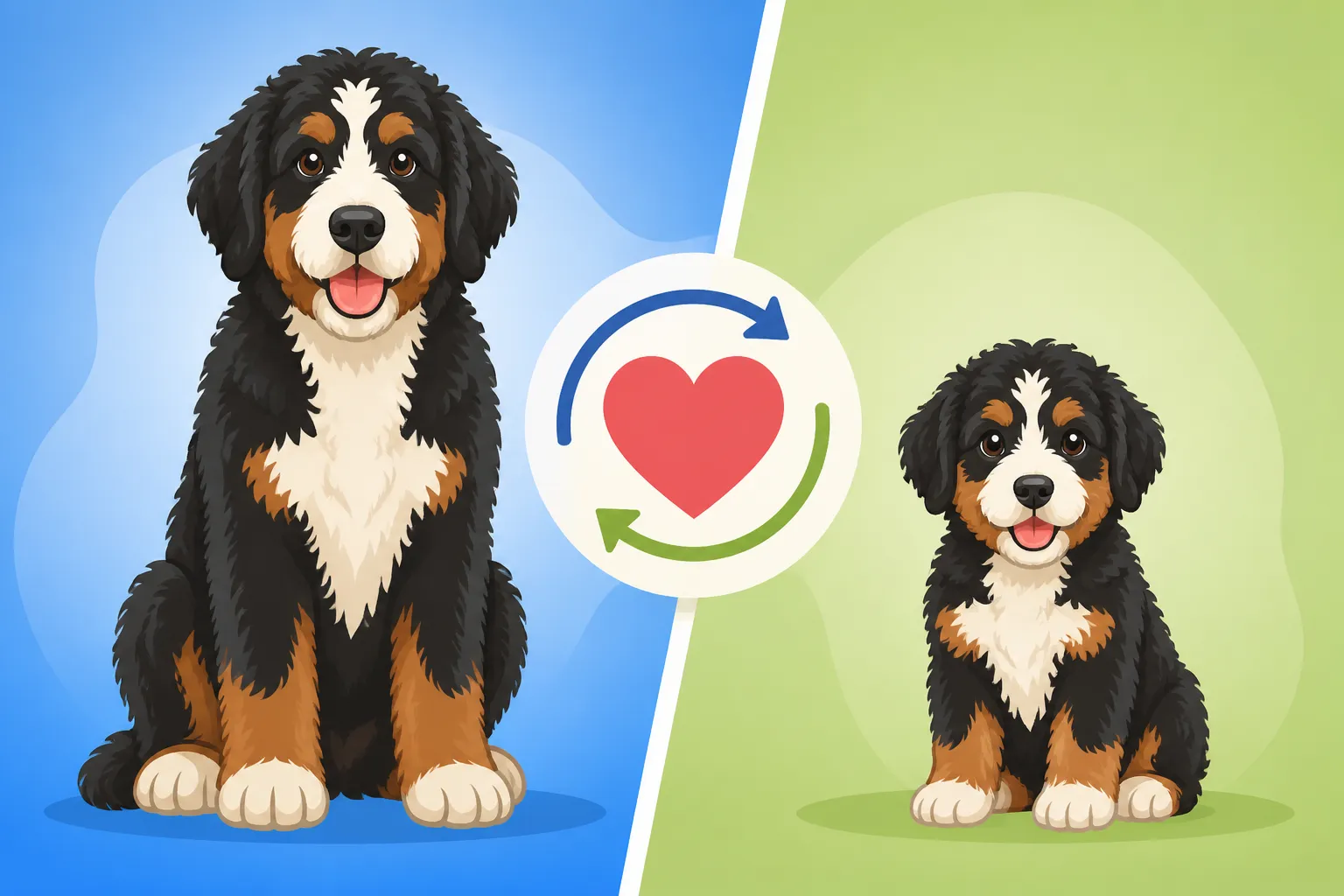
To understand their lifespans, it's helpful to clearly define what we mean by "Standard" and "Mini" Bernedoodles. A Standard Bernedoodle typically results from breeding a Bernese Mountain Dog with a Standard Poodle. These magnificent dogs can weigh anywhere from 70 to over 100 pounds and stand 23-29 inches tall at the shoulder. They're big, hearty, and often maintain a gentle giant demeanor. Their size contributes to a certain set of health considerations that are often associated with large breeds.
On the other hand, a Mini Bernedoodle is the offspring of a Bernese Mountain Dog and a Miniature Poodle. These smaller versions usually range from 25 to 50 pounds and stand 18-22 inches tall. They offer a more manageable size for many households, yet still retain much of the charm and personality of their larger counterparts. The Poodle's influence on their size, and potentially their lifespan, becomes a significant discussion point here. It's not just about What a Mini Bernedoodle Sells For but what genetic promise that price might hold for their future.
Genetic Factors and Their Influence on Longevity
The Bernedoodle, being a hybrid, benefits from what's often referred to as "hybrid vigor" or "heterosis." This concept suggests that crossbred animals can be healthier and more robust than their purebred parents due to increased genetic diversity, which reduces the likelihood of inheriting two copies of a deleterious recessive gene. However, this vigor isn't a magic bullet, and the specific genetic contributions from each parent breed still play a monumental role.
Hybrid Vigor: Is It Always a Lifespan Booster?
Hybrid vigor can certainly offer a boost to a Bernedoodle's overall health and, by extension, its lifespan. The hope is that by crossing the Bernese Mountain Dog, known for a shorter lifespan largely due to a high incidence of certain cancers, with the longer-lived Poodle, the offspring will inherit a more balanced genetic profile. Many breeders and owners firmly believe that Whether a Bernedoodle Beats Its Bernese Parent's Lifespan is a resounding yes, attributing the additional years to this hybrid advantage.
However, hybrid vigor isn't a guarantee against all genetic issues. It primarily helps when a disease is recessive and both parent breeds carry different recessive genes, or when one breed doesn't carry a specific gene at all. If both parent breeds share a common genetic predisposition to a certain ailment, even a crossbred puppy can inherit it. For instance, while Poodles generally live longer, they are not immune to all diseases, and they certainly contribute their own set of genetic predispositions to the mix, such as certain eye conditions or endocrine disorders. The key to truly leveraging hybrid vigor lies in responsible breeding, where both parent dogs are health-tested for common genetic diseases.
The Role of Poodle Genetics in Mini Bernedoodle Lifespan
The Poodle parent's genetics have a profound impact on the Bernedoodle's potential lifespan, especially for Mini and Tiny versions. Miniature Poodles, known for their intelligence, elegance, and impressively long lifespans of 14-17 years, bring a strong genetic advantage to the Bernedoodle cross. This extended longevity is one of the primary reasons why Mini Bernedoodles are often expected to live longer than their Standard counterparts. The smaller Poodle size not only influences the overall adult size of the Bernedoodle but also introduces a genetic blueprint for a longer-living constitution.
This means that a Mini Bernedoodle is drawing from a pool of genes where the "longevity factor" is significantly higher than that of the Bernese Mountain Dog. While they still inherit half their genetic material from the Bernese, the Poodle's contribution in a Mini Bernedoodle skews the average lifespan upwards more noticeably than a Standard Poodle's contribution does in a Standard Bernedoodle, simply because Miniature Poodles tend to live longer than Standard Poodles themselves. It's a crucial distinction when evaluating lifespan expectations.
Bernese Mountain Dog Influence on Standard Bernedoodle Lifespan
The Bernese Mountain Dog is undeniably beautiful and wonderfully tempered, but their Achilles' heel is often their relatively short lifespan, which averages around 7-8 years. This is largely due to their high susceptibility to various cancers, particularly aggressive forms like Histiocytic Sarcoma. When a Bernese is bred with a Standard Poodle to create a Standard Bernedoodle, the goal is often to dilute these predispositions through hybrid vigor.
While the Poodle's genetics help, the sheer genetic weight of the Bernese side, especially in a 50/50 cross (F1 generation), means that the Standard Bernedoodle still carries a significant risk profile from its Bernese heritage. They are still prone to some of the same health issues that plague the Bernese, though often with a reduced incidence or delayed onset. This is why, even with hybrid vigor, a Standard Bernedoodle's projected lifespan, typically 10-12 years, is often shorter than that of a Mini Bernedoodle. Owners must be vigilant and aware of What Histiocytic Sarcoma Does to a Bernese and other Bernese-specific ailments. It highlights the importance of choosing a reputable breeder who performs thorough health screenings on both parent dogs, particularly for conditions prevalent in the Bernese line.
Health Concerns Across Bernedoodle Sizes
While hybrid vigor is a positive aspect, no breed or crossbreed is entirely immune to health issues. Both Mini and Standard Bernedoodles can inherit predispositions to certain conditions from either parent breed. Understanding these risks, and how they might differ or overlap based on size, is crucial for proactive care and potentially influencing their longevity.
Common Health Issues in Standard Bernedoodles
Standard Bernedoodles, due to their larger size and significant Bernese heritage, are more susceptible to certain large-breed health issues. One of the most significant concerns remains cancer, which is tragically prevalent in Bernese Mountain Dogs. While the Poodle cross does reduce the risk, it doesn't eliminate it entirely. Conditions like Histiocytic Sarcoma, lymphoma, and mast cell tumors can still affect Bernedoodles. Owners should be aware of The Cancers That Take Bernedoodles Most Often and discuss screening options with their vet.
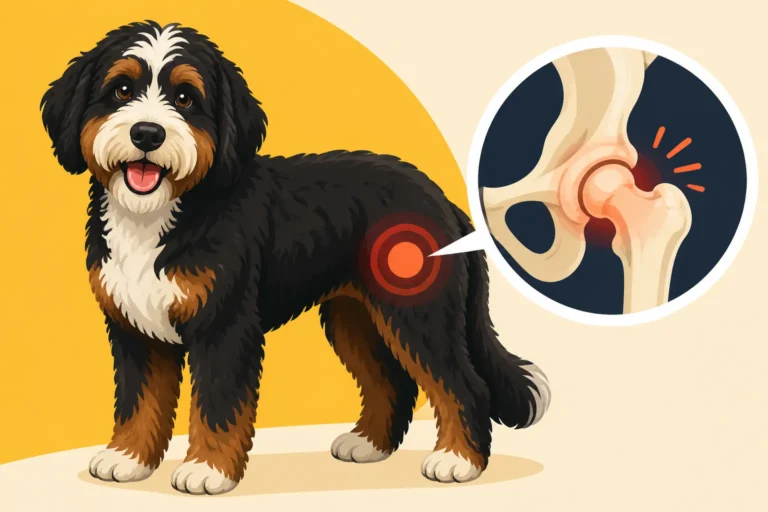
Orthopedic problems are also a major consideration. Hip and elbow dysplasia are unfortunately common in large breeds, including Bernese Mountain Dogs. The rapid growth rate of a Standard Bernedoodle puppy can exacerbate these issues if not managed carefully through proper nutrition and exercise. It's vital for breeders to provide hip and elbow clearances, and for owners to understand Hips on a Ninety Pound Bernedoodle and Elbow Dysplasia in a Growing Bernedoodle to ensure their dog receives the best possible start and preventative care.
Another serious concern for large, deep-chested breeds like the Standard Bernedoodle is bloat, or gastric dilatation-volvulus (GDV). This life-threatening condition occurs when the stomach fills with gas and twists, cutting off blood supply. It's an emergency that requires immediate veterinary intervention. Owners should know Bloat in a Standard Bernedoodle's Deep Chest and recognize the signs, as early detection can be the difference between life and death.
Health Issues Specific to Mini Bernedoodles
Mini Bernedoodles, while often benefiting from the Poodle's longer lifespan genetics, aren't without their own potential health challenges. Because they are smaller, they might naturally have a lower incidence of severe orthopedic issues like hip and elbow dysplasia compared to their larger counterparts, simply because there's less weight bearing down on their joints. However, they can still inherit these conditions if the parent dogs were carriers. Owners should still ask about hip and elbow clearances, regardless of size.
A condition more commonly associated with smaller breeds, and therefore Mini and Tiny Bernedoodles, is patellar luxation, or "slipping kneecaps." This can cause pain and lameness, and in some cases, requires surgical correction. Eye conditions, such as progressive retinal atrophy (PRA) and cataracts, are also more prevalent in Poodles, and therefore can be passed down to Mini Bernedoodles. Responsible breeders will perform eye certifications on their breeding dogs to minimize these risks. Lastly, Von Willebrand's Disease, a bleeding disorder, can affect both Poodles and Bernese Mountain Dogs, meaning Mini Bernedoodles are still at risk. Owners should be aware of The Bleeding Disorder a Bernedoodle Gets From the Bernese.
It's important to remember that pet insurance, such as policies from Healthy Paws, can be an absolute lifesaver when these unexpected health issues arise, no matter the size of your Bernedoodle. Planning for potential veterinary costs, especially for conditions that might require ongoing management or surgery, is a smart move for any dog owner.
Lifestyle, Care, and Their Impact on Lifespan
Beyond genetics, the way a Bernedoodle is raised and cared for plays an enormous role in determining its quality of life and, ultimately, its longevity. This applies to both Mini and Standard sizes, though the specifics of that care might look a little different.
The Importance of Diet and Exercise for Each Size
Diet: Proper nutrition is paramount for a long and healthy life. For a Standard Bernedoodle puppy, feeding a large-breed specific puppy food is crucial to support slow, steady growth. Rapid growth can put undue stress on developing joints, increasing the risk of orthopedic issues like hip and elbow dysplasia later in life. This careful approach to Growing a Standard Bernedoodle Slowly on Purpose can significantly impact their long-term soundness. As adults, maintaining a healthy weight is vital. An overweight Standard Bernedoodle puts extra strain on its joints and organs, which can reduce its lifespan. Owners need to be diligent about portion control and choosing high-quality food, carefully monitoring What Feeding a Ninety Pound Bernedoodle Costs to ensure they're providing optimal nutrition without overfeeding.
Mini Bernedoodles, while not facing the same large-breed growth concerns, still require a balanced diet appropriate for their size and activity level. Overfeeding a Mini Bernedoodle can lead to obesity, which brings its own set of health problems, including diabetes, heart disease, and increased stress on joints, even smaller ones. Monitoring How Much a Mini Bernedoodle Eats Daily is essential to keep them lean and healthy.
Exercise: Regular, appropriate exercise is another cornerstone of good health. Standard Bernedoodles, despite their generally calm demeanor, need a good amount of daily activity to stay fit, manage weight, and maintain muscle mass that supports their large frames. However, care must be taken with puppies to avoid over-exercising, which can damage developing joints. Think controlled walks and playtime, not forced long runs, especially while they're still growing. As they age, Keeping a Standard Bernedoodle Sound Past Ten will often involve a tailored exercise routine that respects their joint health.
Mini Bernedoodles are often more energetic than their larger cousins, thanks to the Miniature Poodle's influence. They require consistent daily exercise to burn off energy and stay mentally stimulated. This might involve longer walks, games of fetch, or even agility training. Adequate exercise helps prevent behavioral issues that can arise from boredom and contributes to their overall physical health.
Preventative Veterinary Care and Early Detection
Routine veterinary care is indispensable for maximizing any dog's lifespan. Regular check-ups, vaccinations, parasite control, and dental care are non-negotiable. These visits allow your vet to catch potential issues early, often before they become serious or untreatable. For Bernedoodles, given their breed predispositions, this takes on even greater importance.
For Standard Bernedoodles, regular screenings for orthopedic issues and being proactive about bloat prevention (like a prophylactic gastropexy during spay/neuter surgery) can be life-saving. As they get older, vigilant monitoring for lumps and bumps, and discussing cancer screening options with your vet, are crucial. What Changes in a Bernedoodle After Eight often includes slowing down, which can mask serious underlying conditions if you're not paying close attention during vet visits.
Mini Bernedoodles also benefit immensely from regular vet care tailored to their potential predispositions, such as monitoring for patellar luxation and eye health. No matter the size, prompt attention to any changes in behavior, appetite, or physical condition can make a huge difference. Investing in a comprehensive pet insurance plan, like those offered by Healthy Paws, allows you to make medical decisions based on what's best for your dog, rather than being constrained by cost, especially for unexpected illnesses or accidents. This peace of mind is truly invaluable.
Environmental Factors and Overall Well-being
A dog's environment and overall well-being significantly impact their health and lifespan. This includes everything from the comfort of their home to their emotional state. Both Mini and Standard Bernedoodles thrive in loving, stable environments where they feel secure and are treated as part of the family.
Climate: Bernedoodles generally have thick coats and can be prone to overheating, especially in warmer climates or during intense exercise. Why a Black Tri Bernedoodle Overheats explains how dark coats absorb more heat. Standard Bernedoodles, with their larger body mass, can struggle even more in the heat. Providing a cool environment, access to shade and fresh water, and avoiding walks during the hottest parts of the day are essential. This impacts their quality of life and prevents potentially fatal heatstroke.
Mental Stimulation: Bernedoodles are intelligent dogs, inheriting smarts from both the Poodle and the Bernese. They need mental stimulation to prevent boredom and destructive behaviors. Puzzle toys, training sessions, and interactive games keep their minds sharp and contribute to overall happiness. A happy dog is often a healthier dog.
Stress and Anxiety: Just like people, dogs can suffer from stress and anxiety, which can take a toll on their physical health. Bernedoodles, particularly from the Bernese side, can sometimes be prone to shyness or separation anxiety. A dog consistently under stress might have a weakened immune system, making them more susceptible to illness. Creating a calm, predictable home environment and addressing any anxiety issues with professional help can contribute positively to their longevity.
Debunking Myths and Setting Realistic Expectations
The desire for a long-lived pet often leads to assumptions, some of which might not be entirely accurate. It's important to approach the topic of Bernedoodle lifespan with realism, understanding that while general trends exist, each dog is an individual.
The "Smaller Always Means Longer" Fallacy
While the general rule of thumb that smaller dogs live longer than larger dogs holds true across many breeds, applying it blindly to crossbreeds like the Bernedoodle can be misleading. Yes, Mini Poodles generally live longer than Standard Poodles, and this certainly lends a genetic advantage to Mini Bernedoodles over Standard ones. However, it's not a direct, proportional relationship. The Bernese Mountain Dog's significant predisposition to certain health issues, particularly cancer, means that even in a smaller Bernedoodle, those risks are present to some degree.
Therefore, while a Mini Bernedoodle might statistically have a slightly longer average lifespan than a Standard Bernedoodle, it's not an ironclad guarantee. A well-bred, well-cared-for Standard Bernedoodle from health-tested lines might very well outlive a poorly bred Mini Bernedoodle with unknown genetic health. It truly comes down to a combination of genetics, environment, and comprehensive care. The focus should be on healthy years, not just number of years.
Average Lifespan Expectations for Each Size
Based on current anecdotal evidence from the Bernedoodle community and veterinary insights, we can offer some general lifespan expectations, understanding these are averages and individual dogs can vary widely.
- Standard Bernedoodle: Typically, Standard Bernedoodles are expected to live between 10 to 12 years. This is a significant improvement over the average 7-8 years for a purebred Bernese Mountain Dog, thanks to the Poodle influence and hybrid vigor. However, it's still a shorter average compared to many smaller Poodle mixes. For many owners, hitting the 10-year mark and beyond with a dog of this size is a true blessing, a testament to good genetics and dedicated care. The Birthday a Standard Bernedoodle Counts as Senior is usually around age eight, which gives you a sense of when to start focusing more intently on senior-specific care.
- Mini Bernedoodle: Mini Bernedoodles often have an expected lifespan ranging from 12 to 15 years. This longer projection is primarily attributed to the longer lifespan genetics of the Miniature Poodle parent. For many families, this increased potential for a longer life is a major draw to the Mini size. It's important to remember that even with a longer average, consistent health screening and preventative care, facilitated by robust pet insurance plans from providers like Healthy Paws, are critical to reaching these higher age ranges.
Here's a quick comparison table:
| Feature | Standard Bernedoodle | Mini Bernedoodle |
|---|---|---|
| Typical Weight Range | 70-100+ lbs | 25-50 lbs |
| Typical Height Range | 23-29 inches | 18-22 inches |
| Average Lifespan | 10-12 years | 12-15 years |
| Primary Poodle Parent | Standard Poodle | Miniature Poodle |
| Key Health Concerns | Cancer (e.g., Histiocytic Sarcoma), Hip/Elbow Dysplasia, Bloat | Patellar Luxation, Eye Conditions, Von Willebrand's Disease |
| Exercise Needs | Moderate to High | Moderate to High (often more energetic) |
| Growth Rate | Slower growth advised for joint health | Generally faster to mature than Standards |
The Overriding Importance of Responsible Breeding
No matter the size you choose, the single most impactful factor on your Bernedoodle's potential lifespan and health is responsible breeding. A reputable breeder will prioritize health over aesthetics or quick profits. This means:
- Comprehensive Health Testing: They will perform extensive genetic health screenings on both parent dogs for conditions prevalent in their respective breeds. For Bernese Mountain Dogs, this includes hips, elbows, eyes, cardiac health, and Von Willebrand's Disease, and crucially, genetic testing for Histiocytic Sarcoma markers if available or a strong lineage focus. Poodle parents should be tested for hips, eyes (PRA), patellas, cardiac, and sometimes thyroid. Don't be shy about asking for proof of these clearances. You need to know The Five Clearances a Bernedoodle Breeder Should Have.
- Transparency: They will be open about the health history of their breeding lines and provide verifiable information.
- Ethical Practices: They will not overbreed their females, and they will ensure puppies are raised in a clean, stimulating environment.
- Support for Owners: A good breeder will be a resource for you throughout your dog's life, offering guidance and support.
Choosing a puppy from parents with proven health clearances significantly reduces the risk of inheriting serious genetic conditions, giving your Bernedoodle the best possible foundation for a long and healthy life, whether it's a Mini or a Standard. It’s an investment that pays dividends in peace of mind and potentially fewer heartbreaking veterinary bills down the line.
Caring for an Aging Bernedoodle, Regardless of Size
Watching our Bernedoodles age is a bittersweet experience. Whether you have a Mini or a Standard, their senior years bring new challenges and joys. Understanding how to care for them during this phase is vital to ensuring their comfort and prolonging their healthy life.
Recognizing Signs of Aging in Bernedoodles
Just like people, dogs show signs of aging at different rates. For a Standard Bernedoodle, "senior" might start to feel like a reality around 7-8 years old, while a Mini Bernedoodle might not show significant signs until 9-10. It’s important to pay attention to subtle changes.
Common signs of aging can include:
- Slowing Down: Less enthusiasm for walks, struggling to get up, reluctance to jump. This can often be a sign of arthritis.
- Changes in Coat: A graying muzzle is classic, but their coat might also thin or change texture.
- Vision and Hearing Loss: They might start bumping into things, or not respond as readily to commands.
- Increased Sleep: Napping more, and having deeper sleeps.
- Cognitive Changes: Disorientation, staring at walls, altered sleep-wake cycles, or changes in interaction with family members. This can be a sign of canine cognitive dysfunction. An Old Bernedoodle That Stares at Walls is one such concerning sign.
- Weight Changes: Unexplained weight loss or gain.
- Urinary/Bowel Incontinence: Accidents indoors can become more frequent.
Regular vet check-ups become even more critical in these years to differentiate between normal aging and treatable medical conditions.
Adjusting Care Routines for Senior Bernedoodles
As your Bernedoodle enters its golden years, adjustments to their daily routine can make a world of difference in their comfort and well-being.
- Diet: Senior dogs often need fewer calories to maintain a healthy weight, as their metabolism slows and activity decreases. Your vet might recommend a senior-specific diet that supports joint health and other age-related needs. Adjusting portions and potentially Cutting an Old Bernedoodle's Portions as It Slows is a common step.
- Exercise: While they may not be up for strenuous hikes, maintaining gentle, regular exercise is still important for muscle tone, joint flexibility, and mental health. Short, frequent walks are often better than one long, taxing excursion. Hydrotherapy or swimming can be excellent low-impact options, especially for Bernedoodles with arthritis.
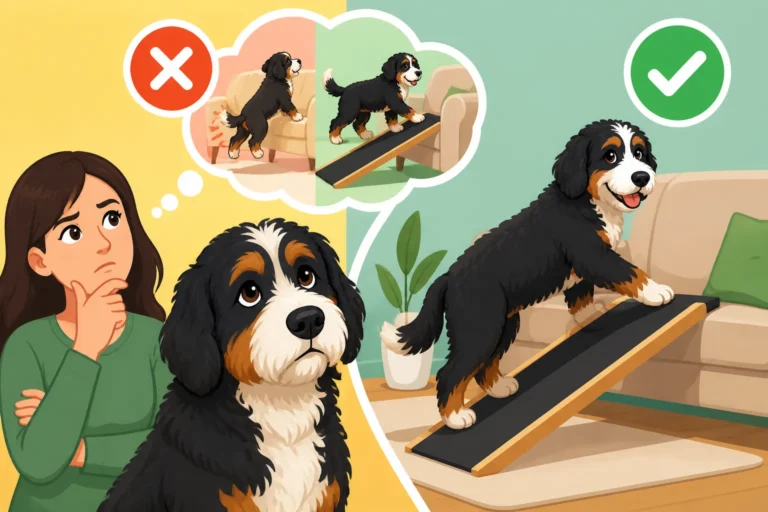
- Comfort: Providing orthopedic beds can greatly alleviate pressure on aging joints for both Mini and Standard Bernedoodles. Ensuring easy access to food and water bowls, and perhaps using ramps for cars or furniture, can help prevent injuries. Beds That Support a Heavy Old Bernedoodle can be a game-changer for their comfort.
- Grooming: Older Bernedoodles might struggle to stand for long grooming sessions. Consider splitting grooming tasks into shorter periods or discussing options with your groomer. Grooming an Old Bernedoodle That Cannot Stand Long might require more patience and breaks.
- Mental Stimulation: Keep their minds engaged with gentle puzzle toys, short training refreshers, or new scents on walks. Mental activity can help slow cognitive decline.
Supporting an Older Bernedoodle's Health
Beyond routine care, proactive health management is key.
- Vet Visits: Increase the frequency of vet visits, perhaps to twice a year, to monitor for common senior ailments like kidney disease, heart conditions, diabetes, and cancer. Early detection is crucial.
- Joint Supplements: Many older Bernedoodles, especially Standard sizes, benefit from joint supplements containing glucosamine, chondroitin, and MSM to manage arthritis pain and maintain cartilage health. Discuss options with your veterinarian. Managing Arthritis in an Old Bernedoodle often involves a multi-modal approach of supplements, medication, and appropriate exercise.
- Pain Management: If your Bernedoodle shows signs of chronic pain, particularly from arthritis, your vet can prescribe anti-inflammatory medications or explore other pain relief strategies to ensure they remain comfortable and maintain a good quality of life.
- Dental Care: Dental disease can become more prevalent and problematic in older dogs, affecting their overall health. Continue with regular dental check-ups and cleanings as advised by your vet.
By providing attentive, tailored care, you can help your Bernedoodle, regardless of its size, enjoy its senior years with comfort and dignity, cherishing every moment you have together.
Conclusion: Nurturing a Long, Healthy Life
Ultimately, while the statistical averages might suggest that a Mini Bernedoodle has a slightly longer expected lifespan than a Standard Bernedoodle, this isn't a guaranteed outcome. The true determinant of how long and how well your beloved companion lives comes down to a rich tapestry of factors, intertwining genetics, dedicated care, a healthy lifestyle, and consistent veterinary attention.
Responsible breeding, ensuring both parent dogs have undergone thorough health testing, lays the fundamental groundwork. Beyond that, the daily choices you make as an owner—from providing a balanced diet and appropriate exercise to fostering a loving, low-stress environment and staying on top of preventative vet care—are immensely powerful.
Whether you bring home a playful Mini or a gentle giant Standard, remember that each Bernedoodle is an individual. By being proactive, informed, and deeply committed to their well-being, you provide them with the very best chance to thrive, enjoy a long, healthy life, and fill your home with years of joyful companionship.
Disclaimer
This article is intended for informational purposes only and does not constitute veterinary advice. Always consult with a qualified veterinarian for any health concerns or before making any decisions about your Bernedoodle's care or treatment. Individual results and experiences may vary.