Whether Bernedoodle Breeders Trace Back to One Kennel
It’s perfectly natural to wonder, as you explore the charming world of Bernedoodles, if all these wonderful dogs somehow spring from a single, original source. With so many breeders out there, and the breed gaining such incredible popularity, it can feel like a labyrinth trying to figure out if there’s a common ancestor or a "founding kennel" that all Bernedoodles trace back to. You want to make sure you're getting a well-bred puppy, and understanding the history of how this cross came to be can be a big piece of that puzzle. This guide will help you understand the Bernedoodle's origins and how the breeding landscape has evolved.
The Genesis: The Original Bernedoodle and Its Vision
Before Bernedoodles became the beloved family companions we know today, they were an innovative idea, born from a desire to combine the best traits of two incredible breeds. It wasn't a centuries-old cross, but a relatively recent, intentional development.
The Vision Behind the Cross
The Bernedoodle as we recognize it today truly began with Sherry Rupke of SwissRidge Kennels in Ontario, Canada. She's widely credited with breeding the very first intentional litter in 2003. Her motivation wasn't simply to create another cute "doodle"; it was a heartfelt endeavor to address specific concerns within the Bernese Mountain Dog breed while retaining its unparalleled temperament. Bernese Mountain Dogs, as much as we adore them, often have heartbreakingly short lifespans, plagued by certain health issues, particularly cancer. The Poodle, on the other hand, is known for its intelligence, longevity, and a low-shedding coat – a dream for many allergy sufferers.
Sherry Rupke's vision was to create a companion dog that embodied the gentle, loyal, and goofy nature of the Bernese, but with the intelligence and longevity of the Poodle, all wrapped up in a potentially low-shedding package. It was a thoughtful, purposeful cross aimed at enhancing health and improving coat characteristics, not just for aesthetics. She carefully selected her foundation stock, ensuring that her Bernese and Poodles were healthy, temperamentally sound, and properly health-tested. This dedication to responsible breeding from the outset laid a strong foundation for the Bernedoodle's reputation. It’s fascinating to think that what started as a response to a client's suggestion grew into something so widespread. You can learn more about this beginning in The 2003 Litter That Started the Bernedoodle.
Early Days and Rapid Popularity
In those early days, the Bernedoodle was a relatively niche cross. People were intrigued by the concept of a hybrid dog that might offer the best of both worlds – the majestic look and calm disposition of a Bernese, combined with the intelligence and hypoallergenic potential of a Poodle. Word quickly spread among those seeking a specific type of family dog, one that fit a more active lifestyle than a purebred Bernese might, or offered a coat more suited to allergy sensitivities.
The initial litters from SwissRidge Kennels were highly sought after, and demand soon began to outstrip supply. This early success proved that there was a genuine need and desire for what the Bernedoodle offered. People were falling in love with these charming, intelligent, and often very handsome dogs. As their popularity grew, so did the interest from other breeders, both ethical and less so, who saw the potential in this emerging crossbreed. While SwissRidge Kennels was the pioneer, the very success of the Bernedoodle meant that others would inevitably begin breeding them as well. The breed truly took off, quickly moving beyond its Canadian origins. You might find it interesting to read about How the Bernedoodle Spread From Ontario.
The Proliferation of Bernedoodle Breeders
As the Bernedoodle's appeal skyrocketed, the landscape of breeding began to change dramatically. What started in one dedicated kennel soon branched out, creating a diverse and sometimes confusing market for prospective owners.
From Niche to Mainstream
The Bernedoodle’s journey from a carefully planned cross to a mainstream companion dog was swift. As the demand for these dogs grew exponentially, it became clear that one kennel, no matter how dedicated, could not possibly meet the needs of all interested families. This surge in popularity naturally led to a significant increase in the number of Bernedoodle breeders. Some of these new breeders were equally committed to health testing and ethical practices, inspired by the original vision. They sought out quality foundation dogs and aimed to produce healthy, well-tempered puppies.
However, the rapid rise in popularity also attracted individuals who saw the Bernedoodle primarily as a lucrative venture, rather than a commitment to improving canine health and temperament. These individuals often lacked the extensive knowledge, ethical standards, or proper health testing protocols that define responsible breeding. This influx meant that while the Bernedoodle became more accessible, the quality and consistency across breeders could vary wildly. It transformed from a niche offering to a widespread phenomenon, often advertised on popular pet sites and social media, marking its transition from a specialized cross to a common choice for families across the continent. To understand more about this period, check out When Bernedoodles Became Popular.
The Decentralized Nature of Doodle Breeding
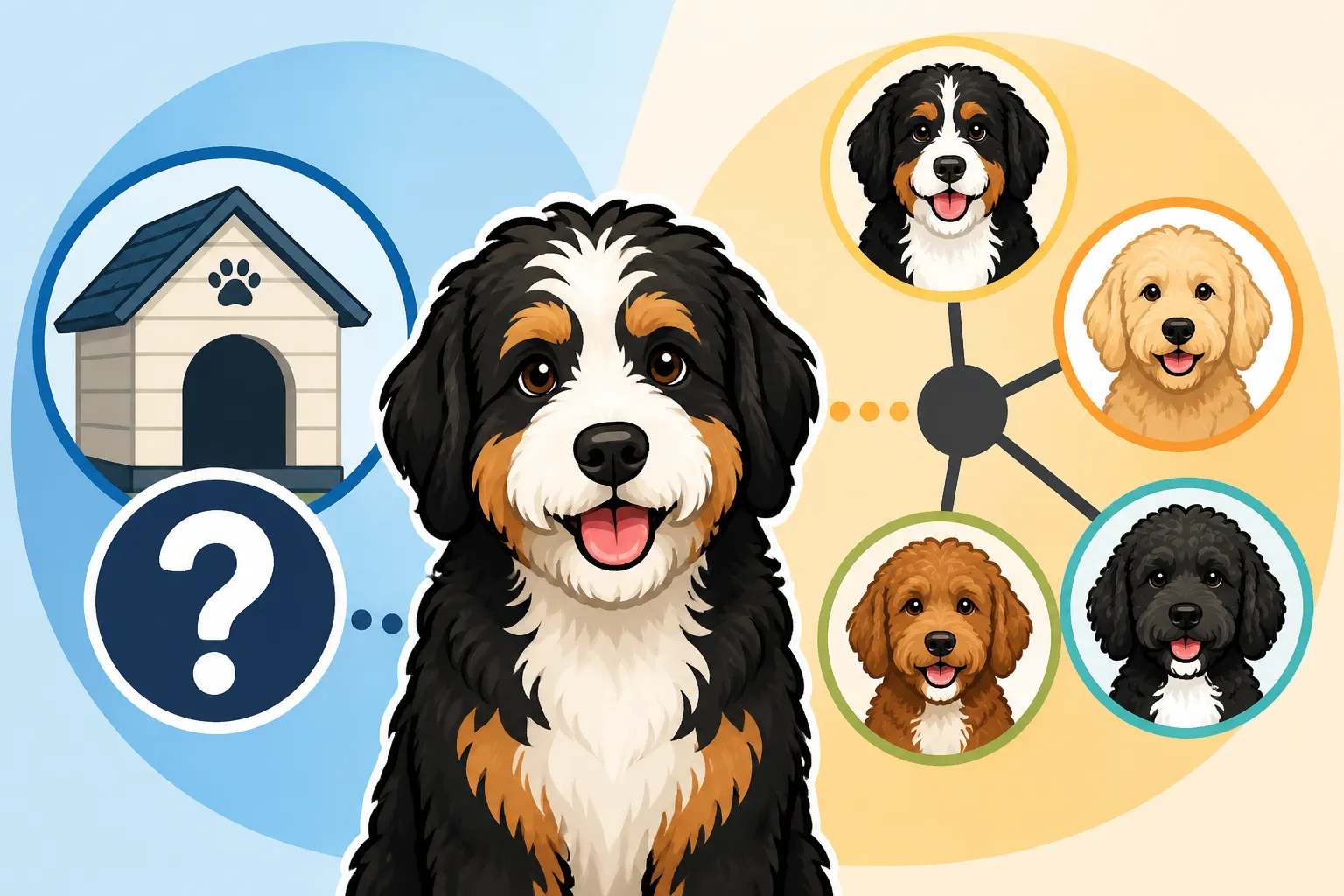
One of the most critical aspects to understand about the Bernedoodle, and indeed most "doodle" crosses, is their unofficial status within traditional dog breeding circles. Unlike purebred dogs, which are recognized by kennel clubs like the American Kennel Club (AKC) and have strict breed standards and pedigrees maintained by these organizations, the Bernedoodle is a hybrid. This means there is no overarching Bernedoodle breed club, no unified registry, and certainly no single "mother kennel" that dictates breeding practices or maintains a universal lineage for all Bernedoodles.
This lack of central oversight means that every Bernedoodle breeder operates largely independently. While many aim to adhere to high standards of health and welfare, there's no mandatory governing body enforcing these standards across the board. This decentralized nature is a double-edged sword: it allows for innovation and continued refinement of the cross outside of rigid breed standards, but it also creates an environment where unethical practices can flourish more easily. Therefore, while the initial inspiration might trace back to SwissRidge Kennels, the vast majority of Bernedoodles born today do not have a direct, documented lineage tracing back to that specific kennel’s foundation stock in the way a purebred dog would trace its ancestry. The journey to recognition is a long one for crosses, and you might wonder Whether the AKC Will Ever Recognize the Bernedoodle.
Navigating the Modern Bernedoodle Breeding Landscape
Given that the Bernedoodle world is not centrally regulated, your responsibility as a prospective owner is amplified. It means you can't just assume a Bernedoodle is "good" because of its breed name; you have to dig into the individual breeder.
The Importance of Independent Research
Because there isn't one definitive kennel or registry that all Bernedoodle breeders adhere to, independent research becomes absolutely paramount. You cannot rely on the idea that because the first Bernedoodles were well-bred, all Bernedoodles today are. You need to investigate each potential breeder thoroughly, as if they were the first and only one you've encountered. This means asking pointed questions, requesting health clearances, and speaking with references. Don't be swayed by charming puppy photos alone!
Think of it this way: just because the first car was a reliable Ford Model T, it doesn't mean every car built since then is equally reliable. You still need to check the manufacturer and the specific model. The same goes for Bernedoodle breeders. You want to understand their specific breeding program, their goals, and their practices. Are they focused on health and temperament, or are they simply producing puppies for profit? This critical distinction is what protects you and ensures you bring home a healthy, well-adjusted companion. It’s about being an educated consumer in a market that lacks traditional regulation.
What to Look for in a Reputable Breeder Today
So, if you can't simply trace back to one kennel, what should you look for? A reputable Bernedoodle breeder today will prioritize the health and temperament of their breeding dogs above all else. This means comprehensive health testing for both parent breeds, going far beyond a basic vet check. For Bernese Mountain Dogs, this includes testing for hips, elbows, eyes, heart, and genetic conditions like Von Willebrand's disease and degenerative myelopathy. Poodles also require similar extensive testing for hips, elbows, eyes, and genetic conditions such as Von Willebrand's, NeWS, and progressive retinal atrophy. Insist on seeing official certifications for these tests, not just a breeder's word. Transparency is key.
Beyond health, consider their living environment – are the puppies raised in a clean, stimulating home environment, or are they kept in kennels with minimal human interaction? A good breeder will be open about their facility, their routines, and their puppies' socialization. They'll also be an invaluable resource, providing ongoing support and guidance, whether it's recommendations for high-quality food (which you can often find conveniently on Chewy.com) or advice on training. They'll also typically provide a strong health guarantee and a clear contract. Don’t hesitate to ask Asking a Breeder About Cancer in the Bernese Line or about What a Bernedoodle Health Guarantee Covers.
Here's a quick comparison of breeding practices over time:
| Aspect | Early Bernedoodle Breeding (SwissRidge Era) | Modern Bernedoodle Breeding (Post-Popularity) |
|---|---|---|
| Origin | Single, intentional kennel (SwissRidge Kennels) | Many independent breeders, widely dispersed |
| Primary Goal | Hybrid vigor, health improvements, specific traits | Varies widely; ranges from ethical to profit-driven |
| Scale | Limited, focused production | Mass production possible, varied quality |
| Oversight | Self-regulated, driven by founder's ethics | No central oversight, relies on individual breeder ethics |
| Focus on Pedigree | Clear understanding of initial lines | Focus should be on parental health clearances primarily |
| Accessibility | Exclusive, long waitlists | Widely available, but quality search is critical |
The Impact of Diverse Breeding Practices
The widespread nature of Bernedoodle breeding means that while the original vision was clear, the reality on the ground can be quite different. This diversity has implications for everything from your dog's appearance to its long-term health.
Variations in Bernedoodle Lines
With so many different breeders, each with their own breeding stock and priorities, you'll naturally see a wide range of variations in Bernedoodles today. This is actually a really exciting part of the breed, but it also means you need to be specific about what you're looking for. Some breeders might focus on creating smaller Bernedoodles, leading to the rise of mini and tiny Bernedoodles, while others might prioritize the classic "tri-color" markings. Some aim for a specific coat type, like the coveted curly, non-shedding coat, while others might produce more wavy or even straight-coated dogs that shed more. This means that two Bernedoodles from different breeders might look, act, and even shed quite differently from each other.
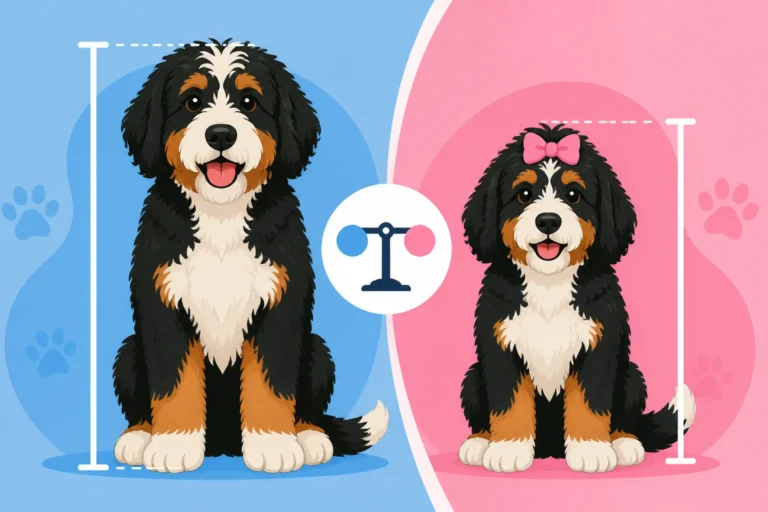
It's crucial to understand that these variations aren't necessarily "good" or "bad," but they underscore the importance of choosing a breeder whose program aligns with your expectations for a companion. If you absolutely need a low-shedding dog, for example, you'll need to work with a breeder who can confidently offer that, backed by parent genetics and puppy coat assessment. If you’re interested in understanding the different sizes, read The Three Bernedoodle Sizes and What Sets Them. For coat types, The Curly Coat Bernedoodle and Its Upkeep provides excellent insights.
Long-Term Health and Pedigree
While tracing every Bernedoodle back to one original kennel isn't feasible or even relevant anymore, what is relevant is ensuring that the specific lineage of your puppy's parents is healthy and sound. The long-term health of your Bernedoodle will depend far more on the health clearances, genetic testing, and responsible practices of its immediate parents' breeders than on any distant connection to the original SwissRidge lines. A strong pedigree, in the modern Bernedoodle context, means a documented history of health-tested parents and grandparents, free from debilitating genetic conditions common to both Bernese Mountain Dogs and Poodles.
Don’t be afraid to ask about the health history of multiple generations. A truly dedicated breeder will be proud to share this information and explain their health protocols in detail. This proactive approach to choosing your puppy’s lineage is your best defense against potential heartache and significant veterinary bills down the line. It ensures you’re not just getting a cute face, but a healthy foundation for a long, happy life together. And when it comes to supporting that health, making sure you have access to quality nutrition and supplies, perhaps through reliable sources like Chewy, is another piece of the puzzle. Understanding Whether an Unknown Pedigree Costs a Bernedoodle Years can really put this into perspective.
In essence, while there was indeed a "founding kennel" for the Bernedoodle, the vast majority of Bernedoodle breeders today do not directly trace their lines back to that single source. The breed's journey from a carefully envisioned cross to widespread popularity has created a diverse, decentralized breeding landscape. Your focus should always be on the immediate health and ethical practices of the breeder you choose, rather than trying to find a direct lineage to the very first Bernedoodles. This diligence ensures you bring home a healthy, happy companion that embodies the best of what the Bernedoodle was originally intended to be.
Disclaimer
This article is for general informational purposes only and does not constitute professional advice. Laws, prices and regulations vary by location and change over time. Consult a qualified professional for guidance on your specific situation.