The 2003 Litter That Started the Bernedoodle
Many people adore the Bernese Mountain Dog's gentle nature and stunning looks but are heartbroken by their notoriously short lifespans and common health issues. They dream of a dog with that same loving disposition, but with a longer, healthier life. This comprehensive guide delves into the fascinating origin story of the Bernedoodle, tracing its roots back to that pivotal first litter in 2003, and explores how this intentional crossbreed aimed to combine the beloved traits of both parent breeds for a more robust companion.
The Spark: Why the Bernedoodle Came to Be
The Bernedoodle didn't just appear out of nowhere; it was a thoughtful, purposeful creation born from a deep understanding of the joys and heartaches of dog ownership. The motivation was rooted in a desire to address significant health concerns prevalent in one of its parent breeds, while preserving its cherished qualities.
The Bernese Mountain Dog's Heartbreaking Lifespan
For anyone who has loved a Bernese Mountain Dog, the conversation around their lifespan is often filled with a profound sense of melancholy. These magnificent, gentle giants are known for their incredibly sweet temperaments, striking tri-color coats, and unwavering loyalty. They become deeply ingrained members of our families, bringing immense joy and comfort. Yet, their time with us is often tragically short, averaging only 7-8 years. This statistic alone is enough to give any potential owner pause.
The primary reason for this shortened lifespan is a high incidence of various cancers, particularly aggressive forms like Histiocytic Sarcoma and Whether a Bernedoodle Escapes It. Beyond cancer, Bernese are prone to other debilitating genetic conditions such as hip and elbow dysplasia, making their later years often fraught with pain and diminished quality of life. The emotional toll on families who pour their hearts into these dogs, only to face severe illness and loss far too soon, is immense. It's a constant worry that overshadows the happiness of bringing such a wonderful dog into your home.
This challenging reality created a strong desire for a dog that embodied the Bernese's beloved characteristics but with improved health prospects. People wanted more than just a few precious years with their companions; they yearned for a dog that could truly grow old with them, free from the constant shadow of severe, early-onset illnesses. This frustration was a significant catalyst for the creation of the Bernedoodle.
The Poodle's Reputation for Health and Longevity
In stark contrast to the Bernese, the Standard Poodle brings a very different set of genetic gifts to the table. Often admired for their intelligence, agility, and elegant appearance, Poodles are also renowned for their robust health and impressive longevity. They typically enjoy lifespans of 12-15 years, a significant improvement over the Bernese. This extended lifespan immediately made the Poodle an attractive candidate for a crossbreed aimed at increasing canine longevity.
Beyond their lifespan, Poodles are celebrated for their sharp minds, making them highly trainable and adaptable. Their low-shedding, often hypoallergenic coats are another major draw, making them suitable for families with allergies or those who prefer less dog hair around the house. They excel in various dog sports and are known for their athleticism, contributing a lively, playful energy that could complement the Bernese's more laid-back nature.
The Poodle's genetic diversity and general hardiness were seen as key components to infuse into a new line. By introducing Poodle genetics, the hope was to dilute the concentrated predispositions to certain diseases found in the Bernese gene pool, thereby fostering a phenomenon known as "hybrid vigor." This wasn't merely about creating a different look; it was a strategic move to improve the overall health trajectory of the resulting offspring.
The Vision for a Healthier, Happier Companion
With these considerations in mind, the vision for the Bernedoodle solidified: to create a companion animal that truly offered the best of both worlds. Imagine a dog with the majestic presence, gentle disposition, and striking looks of a Bernese, but blessed with the intelligence, adaptability, and significantly extended lifespan of a Poodle. This wasn't a whimsical idea; it was a deeply compassionate goal driven by a desire to alleviate the suffering and heartbreak associated with the Bernese's health challenges.
The concept of "hybrid vigor" was central to this vision. By crossing two genetically distinct purebreds, breeders aimed to reduce the likelihood of inheriting specific recessive genetic diseases that might be present in a concentrated form within either parent breed. The intention was to create a healthier, more robust dog, not just aesthetically pleasing but also physically sound for a longer portion of its life. This commitment to improving canine welfare was the ethical foundation of the Bernedoodle's creation.
Ultimately, the goal was to provide families with a dog that could be a cherished, long-term member of their household, reducing the constant worry of premature illness. This foundational intent – born from empathy for both dogs and their owners – is still a driving force for ethical Bernedoodle breeders today, upholding the legacy established by that pioneering effort in 2003. It's about giving families more years of unconditional love with their furry friends. The aim was for a dog that could enjoy a significantly longer period of robust health, potentially fulfilling the promise of Whether the Bernedoodle Cross Actually Reduced Cancer and other common ailments.
The First Steps: Sherry Rupke and SwissRidge Kennels
The actual creation of the Bernedoodle can be attributed to one dedicated breeder who saw the potential and took the bold step to bring this vision to life. This wasn't a random occurrence; it was a carefully considered endeavor.
A Client's Simple Question, a Breeder's Bold Experiment
The official story of the Bernedoodle begins with Sherry Rupke, the visionary founder of SwissRidge Kennels, nestled in the scenic landscapes of Ontario, Canada. Sherry was already a well-respected breeder, deeply experienced with both Bernese Mountain Dogs and Standard Poodles. She understood the inherent beauty and challenges of both breeds intimately. It was a seemingly simple, yet profoundly impactful, question from a client that truly sparked the Bernedoodle's inception: "Is there a way to get a Bernese-type dog that lives longer?"
This wasn't just a casual query; it was a heartfelt plea from someone who adored the Bernese but was heartbroken by their consistently short lifespans. Sherry, having faced this dilemma herself and seen the emotional toll it took on her clients, recognized the immense value in exploring this possibility. It took courage to move beyond traditional purebred breeding, especially in an era where crossbreeds were often dismissed. Her decision was not about chasing a trend but about genuinely seeking to improve the quality and longevity of a beloved companion animal.
Thus, a bold experiment began. Sherry's extensive knowledge of canine genetics, combined with her commitment to animal welfare, positioned her perfectly to undertake this pioneering effort. She wasn't just mixing breeds; she was carefully selecting individuals from her established lines, aiming for a specific outcome. This thoughtful approach laid the groundwork for what would become one of the most popular and cherished crossbreeds.
The Initial Breeding and the Birth of the First Litter
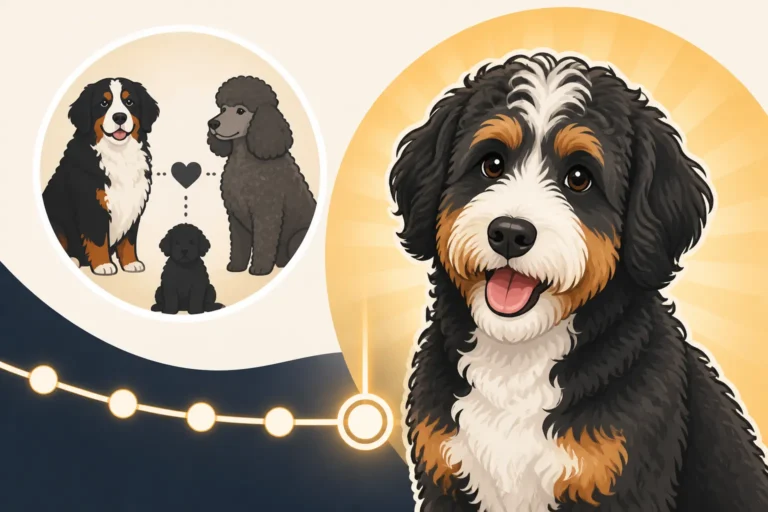
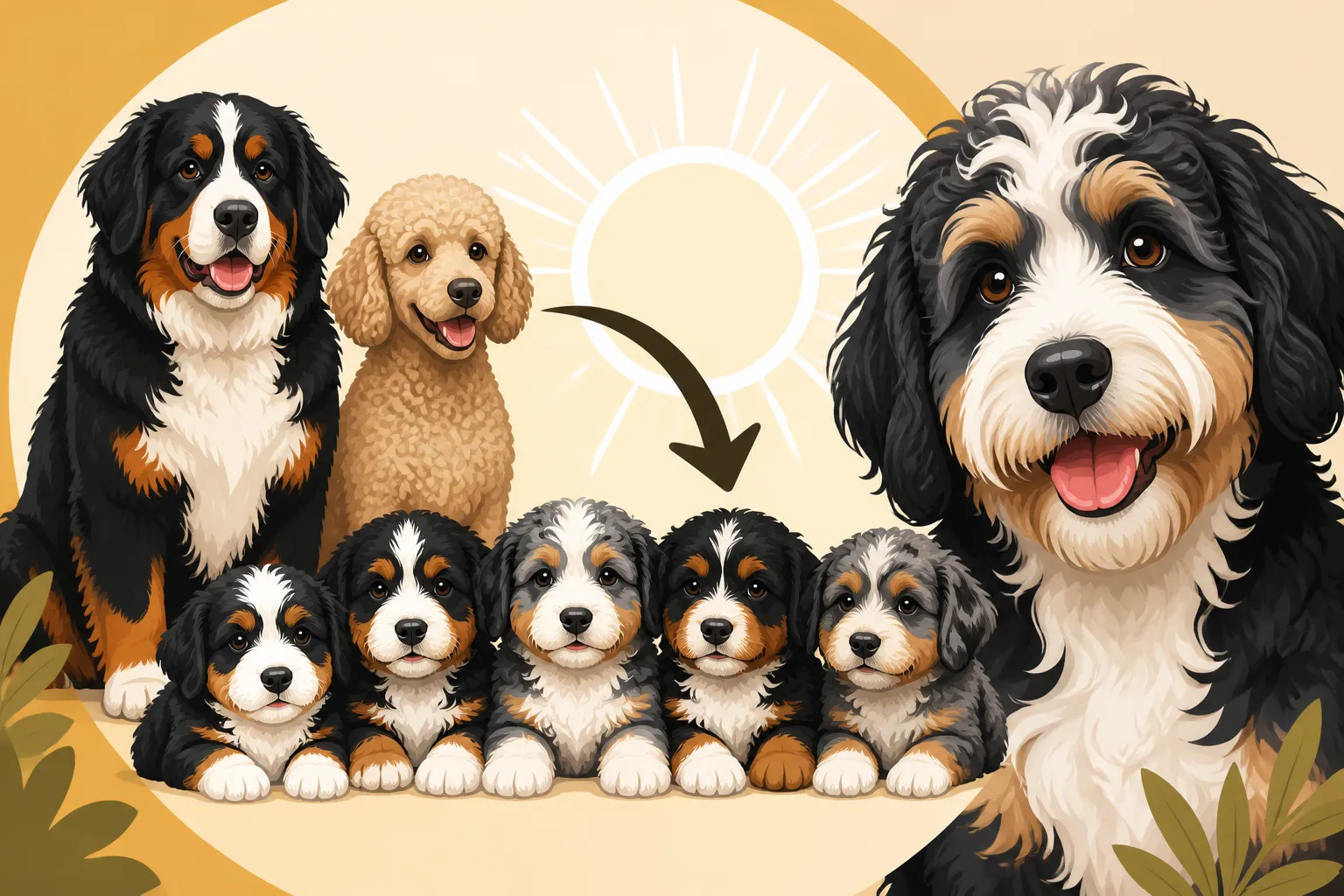
With a clear objective, Sherry Rupke meticulously chose the parent dogs for her inaugural Bernedoodle litter. This was no haphazard pairing; it involved selecting a Bernese Mountain Dog with excellent health clearances and a stable, friendly temperament, alongside a robust Standard Poodle who also boasted superior health and a biddable disposition. The choice of a Standard Poodle was strategic, intended to maintain a substantial size in the offspring while introducing the desired genetic traits for longevity and a different coat type.
The anticipation culminated in 2003, when SwissRidge Kennels welcomed the birth of the very first documented Bernedoodle litter. This was a momentous occasion, marking the tangible beginning of a new chapter in canine companionship. Each puppy represented a blend of hopes and potential, a living testament to the possibility of combining beloved traits. These first F1 Bernedoodles (first-generation crosses) were observed with keen interest, not only for their charming looks and budding personalities but also for initial signs of health and coat characteristics.
The success of this foundational litter was undeniable. The puppies showcased a delightful mix of their parents' best qualities: the gentle, affectionate nature of the Bernese combined with the intelligence and often reduced shedding of the Poodle. They were charming, intelligent, and, most importantly, showed great promise for improved health. This initial triumph validated Sherry's vision and solidified the potential for the Bernedoodle to become a truly special companion. It was the moment SwissRidge Kennels and the First Bernedoodle Litter truly made history.
Documenting the Early Bernedoodle Generations
Creating a new crossbreed is an ongoing process, far beyond the birth of a single litter. SwissRidge Kennels, under Sherry Rupke's guidance, understood the critical importance of diligent documentation and careful observation of these early Bernedoodle generations. This meticulous record-keeping involved tracking everything from health outcomes and growth patterns to temperament development and coat variations across multiple litters. This wasn't just about breeding; it was about establishing a reliable and consistent type of dog.
As new generations emerged – F1b, F2, and beyond – breeders carefully assessed how traits like size variations, coat consistency, and specific temperamental nuances were manifesting. They paid close attention to coat types, distinguishing between the curlier, wavier, and sometimes straighter coats, and how these related to shedding. This careful analysis helped refine breeding choices, aiming to solidify the most desirable characteristics and understand any genetic patterns. Understanding The Three Bernedoodle Sizes and What Sets Them and how they developed was a key part of this process.
This thorough documentation proved invaluable. It provided a roadmap for SwissRidge and other responsible breeders who subsequently embraced the Bernedoodle. It allowed for informed decisions, guiding the selection of breeding pairs to consistently produce puppies that aligned with the original vision of a healthy, well-tempered, and low-shedding companion. This commitment to data and careful observation elevated the Bernedoodle from a random mix to a thoughtfully developed and predictable crossbreed.
What Made the Early Bernedoodle Stand Out
From the very beginning, the Bernedoodle captured hearts not just with its concept, but with its immediate and undeniable appeal. Certain characteristics made these early puppies incredibly desirable and unique.
The Allure of the Tri-Color Coat
One of the most captivating features of the Bernese Mountain Dog is its iconic tri-color coat – a striking blend of black, white, and rust markings. When the first Bernedoodles appeared, many inherited these breathtaking patterns, instantly becoming highly sought-after. It was like seeing the classic Bernese aesthetic infused into a new, healthier package. This visual appeal was a huge draw, making them immediately recognizable and enchanting.
However, achieving the exact tri-color pattern isn't always straightforward, as the Poodle parent contributes a wide spectrum of solid colors. The genetic lottery can produce various stunning coats in Bernedoodles, including bi-colors, phantoms, sables, and solid colors. Yet, those early tri-color Bernedoodles held a special place, fulfilling the aesthetic dream of many Bernese lovers who longed for that distinctive look in a potentially longer-lived companion. Breeders quickly delved into the genetics to better understand and reproduce The Tri Color Markings People Buy a Bernedoodle For and to predict Whether an F1 Bernedoodle Can Be Tri Color in their litters.
The visual impact of a tri-color Bernedoodle was, and still is, profound. It combined the familiar, beloved appearance with the exciting promise of hybrid vigor and a more manageable coat. This unique combination made them stand out from other Poodle crosses and purebreds alike, cementing their status as a truly special and beautiful type of dog.
The Promise of Reduced Shedding and Allergies
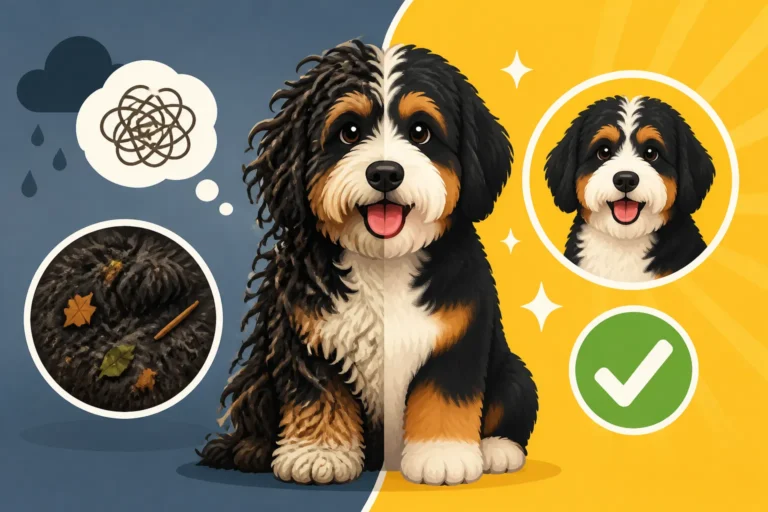
For many potential dog owners, especially those battling allergies or simply tired of constant vacuuming, the Poodle's low-shedding qualities were a game-changer. The inclusion of the Poodle in the Bernedoodle cross offered the exciting promise of a Bernese-type dog with significantly reduced shedding. And indeed, the early Bernedoodles largely delivered on this promise, with many inheriting the Poodle's wavy or curly coat, which tends to trap loose hair rather than release it into the environment.
While no dog is truly 100% hypoallergenic, Poodle mixes are often much better tolerated by individuals with mild to moderate dog allergies due to less dander and hair shedding. This opened up the world of large, affectionate dog ownership to families who previously could only dream of it. The idea of having a big, cuddly companion without the constant battle against pet dander and tumbleweeds of fur was incredibly appealing and practical.
Of course, there was some variability. Some F1 Bernedoodles, particularly those with straighter coats, might still shed to a noticeable degree, closer to their Bernese heritage. However, the overall trend was a dramatic reduction in shedding, and careful breeding practices in subsequent generations aimed to further enhance the low-shedding qualities. This practical benefit, combined with their charming looks and temperament, made the Bernedoodle an ideal choice for many modern households seeking a cleanlier pet environment, making products readily available on platforms like Chewy even more appealing for new owners.
Temperament: The Best of Both Worlds
Beyond their captivating appearance and desirable coat traits, the temperament of the early Bernedoodles was a critical factor in their appeal. The Bernese Mountain Dog is cherished for its calm, gentle, and profoundly affectionate nature, often described as a loyal "velcro dog" that thrives on companionship. The Poodle, conversely, is known for its keen intelligence, lively spirit, and high trainability. The ingenious blend of these two breeds in the Bernedoodle resulted in a remarkably balanced and endearing personality.
Early Bernedoodles quickly showcased a wonderful mix of these traits. They often inherited the Bernese's loving, devoted disposition, making them exceptional family dogs who enjoy being involved in household activities. Simultaneously, they gained the Poodle's sharp wit and playful energy, making them intelligent, relatively easy to train, and often quite goofy. This combination typically resulted in a dog that was patient with children, friendly towards other pets, and eager to please its human companions.
While some individuals might lean more towards one parent breed – perhaps exhibiting The Stubborn Streak Under a Bernedoodle's Poodle Brain from the Bernese side or more pronounced energy from the Poodle – the overall consensus was a winning temperament. They were intelligent enough to pick up commands quickly and affectionate enough to form deep, lasting bonds. This harmonious blend of personality traits solidified the Bernedoodle's place as a truly cherished companion, adaptable to a wide range of family dynamics.
The Road from a Single Litter to Widespread Popularity
The journey of the Bernedoodle from a pioneering litter in 2003 to a globally recognized and beloved crossbreed is a fascinating tale of organic growth, fueled by undeniable charm and modern connectivity.
How the Bernedoodle's Appeal Spread by Word of Mouth
In the years immediately following the first Bernedoodle litter, well before social media became ubiquitous, the breed's popularity spread primarily through the most powerful form of advertising: word of mouth. Owners of these early Bernedoodles couldn't help but sing their praises to friends, family, and even strangers encountered on walks. Imagine the conversations: "What a beautiful dog! What kind is it?" followed by an enthusiastic explanation of their dog's amazing temperament, low shedding, and wonderful health.
Each satisfied owner became an informal ambassador, enthusiastically sharing their positive experiences. People saw firsthand how these dogs fit seamlessly into family life – playful yet gentle, intelligent yet affectionate, and striking to look at. This authentic, personal endorsement was incredibly effective. It bypassed traditional marketing and resonated deeply with those who were drawn to the Bernese but hesitant due to health concerns, or those simply looking for a new type of family dog.
This organic spread created a ripple effect, steadily increasing demand. People weren't just vaguely looking for a "Poodle mix" anymore; they were specifically asking for a "Bernedoodle." This grassroots movement was a testament to the genuine success of the cross, demonstrating that it truly met a need and delivered on its promises of combining desirable traits. The initial vision was clearly being realized in happy homes across North America.
The Role of Social Media and Online Communities
As the internet evolved throughout the 2000s and 2010s, social media platforms emerged as a powerful accelerant for the Bernedoodle's popularity. Sites like Facebook, Instagram, and Pinterest became virtual showcases for these charming dogs. Photos and videos of adorable Bernedoodle puppies and majestic adults, often displaying their distinctive tri-color coats and goofy antics, began to flood feeds globally. The visual appeal was irresistible, quickly turning casual browsers into fervent admirers.
Online communities, forums, and dedicated Facebook groups sprang up, providing spaces for Bernedoodle owners and enthusiasts to connect. Here, prospective owners could find a wealth of information, compare different coat types and sizes, and read countless testimonials. These digital spaces allowed for the rapid sharing of experiences, tips, and breeder recommendations, fostering a vibrant global community around the breed. Even companies like Chewy, offering a vast array of pet supplies, indirectly benefited from this surge in online interest, as new owners sought products specifically for their Bernedoodles.
The viral nature of social media meant that a single captivating image or heartwarming video could introduce the Bernedoodle to millions overnight. This digital explosion rapidly transformed the Bernedoodle from a relatively unknown crossbreed to a household name, firmly cementing its status as one of the most beloved "designer dogs" in the world. It democratized access to information and allowed its popularity to skyrocket in a way impossible in previous decades.
The Growth of Bernedoodle Breeding Beyond SwissRidge
The undeniable appeal and soaring demand for Bernedoodles meant that breeding efforts inevitably expanded far beyond SwissRidge Kennels. While Sherry Rupke pioneered the cross, the intention behind creating a healthier companion was never meant to be exclusive. Consequently, breeders across North America and eventually worldwide began to establish their own Bernedoodle programs, eager to help meet the escalating interest.
This widespread growth, while making Bernedoodles more accessible, brought both opportunities and challenges. On the positive side, it allowed more families to welcome a Bernedoodle into their homes, often reducing How Long Bernedoodle Waitlists Run and offering more choices in terms of location and puppy characteristics. More breeders meant a greater chance for the breed to flourish and diversify.
However, the rapid increase in popularity also attracted less scrupulous individuals, often referred to as "backyard breeders" or "puppy mills," who prioritized profit over ethical breeding practices and the health of their dogs. These individuals might cut corners on health testing, neglect proper socialization, or misrepresent their puppies' lineage. This created a crucial responsibility for prospective owners to be extremely diligent in their research, ensuring they chose breeders who upheld the original ethical standards and commitment to health that defined the Bernedoodle's inception. The proliferation of Bernedoodles underscores the success of the initial vision, but also highlights the ongoing need for responsible practices within the community.
The Challenges and Responsibilities of a New Crossbreed
The journey of any new type of dog, especially a crossbreed, is not without its hurdles. The Bernedoodle's rapid ascent to popularity brought with it unique challenges and emphasized the ongoing responsibilities required to maintain the integrity of its founding vision.
Ensuring Health Testing and Ethical Breeding Practices
One of the most significant challenges for the Bernedoodle community, in the absence of a governing purebred club, is the voluntary nature of health testing. Without a breed standard or official registry requiring specific health clearances, the onus falls entirely on individual breeders to uphold ethical practices. This means prospective owners must be exceptionally diligent in verifying that a breeder performs comprehensive genetic health screens for both parent breeds. These include crucial tests for conditions like Hips on a Ninety Pound Bernedoodle, Elbow Dysplasia in a Growing Bernedoodle, Degenerative Myelopathy Both Bernedoodle Parents Can Carry, and Von Willebrand's Disease in a Bernedoodle, among others.
The temptation for less ethical breeders to skip these often costly and time-consuming tests is very real, especially when demand for puppies is high. This directly undermines the foundational purpose of the Bernedoodle – to create a healthier dog. Such shortcuts can lead to generations of puppies inheriting preventable diseases, causing heartbreak and significant veterinary bills for unsuspecting families. A truly responsible breeder will be transparent about their testing protocols, readily provide certifications (like OFA or PennHIP numbers), and explain their commitment to genetic health.
For the sake of the breed's future and the well-being of individual dogs, it's paramount that owners demand this transparency. Educating yourself on necessary health clearances and being prepared to walk away from a breeder who can't provide them is a critical responsibility. This collective effort is what protects the Bernedoodle's health legacy.
Addressing the "Designer Dog" Debate
The emergence and popularity of "designer dogs" like the Bernedoodle ignited a spirited debate within the wider canine community. Critics, often proponents of traditional purebreds, frequently argued that these crosses were merely expensive "mutts," created purely for novelty or profit, and lacking the predictability and rigorous health standards associated with established breeds. They highlighted concerns about inconsistent traits, lack of a formal breed standard, and the potential for irresponsible breeding practices fueled by public demand.
However, advocates for purposeful crossbreeding, including the Bernedoodle's pioneers, countered that these crosses were a thoughtful and ethical response to specific health and temperament issues prevalent in some purebred lines. They emphasized the concept of hybrid vigor – the idea that combining diverse genetic pools can lead to healthier, more robust offspring – and the ability to selectively combine desirable traits from two distinct breeds. For them, it wasn't about randomness; it was about intentional, informed breeding for specific welfare goals.
While the "designer dog" label can sometimes carry a negative connotation, the positive experiences of countless Bernedoodle owners speak to the success of this particular cross. The debate continues in some circles, but for many families, the Bernedoodle has proven to be an exceptional companion, offering a unique blend of traits that purebreds often cannot. The key remains to distinguish between truly ethical, purpose-driven crossbreeding and purely profit-motivated endeavors.
Managing the Demand for a Popular New Type of Dog
The Bernedoodle's exponential rise in popularity, while a testament to its charm, has created significant challenges in managing demand responsibly. High demand inevitably leads to longer waiting lists for reputable breeders, and unfortunately, can also attract individuals who prioritize quick profits over the welfare and genetic health of their dogs. When virtually everyone wants a Bernedoodle puppy, the market becomes saturated with breeders of varying ethical standards.
This intense demand can put immense pressure on reputable breeders who are committed to maintaining high standards, including thorough health testing, proper socialization, and careful breeding practices. It's difficult to meet overwhelming demand without potentially compromising quality. Moreover, the fierce competition for puppies can sometimes lead eager buyers to overlook red flags, such as breeders who offer unrealistically low prices or those who can't provide comprehensive health certifications for their breeding dogs. Understanding What a Standard Bernedoodle Costs From a Tested Breeder can help manage expectations.
For prospective Bernedoodle owners, navigating this landscape requires patience, discernment, and a firm commitment to ethical sourcing. It means being prepared for a wait, asking probing questions, and being willing to pay a fair price for a puppy whose parents have been properly health-tested and cared for. The breed's popularity is a double-edged sword: it celebrates the success of the original vision but also demands heightened vigilance from the entire Bernedoodle community to ensure its continued well-being.
What the 2003 Origin Means for Today's Bernedoodle Owners
Understanding where the Bernedoodle came from isn't just a historical footnote; it's a vital piece of information that informs how current and future owners approach everything from puppy selection to long-term care.
Understanding the Foundational Health Goals
Knowing that the Bernedoodle originated in 2003 with the explicit goal of creating a healthier, longer-lived alternative to the Bernese Mountain Dog is paramount for every owner. This isn't just about owning a cute dog; it's about being part of a legacy of intentional breeding aimed at reducing genetic health burdens. This historical context empowers you to be a more informed advocate for your Bernedoodle's well-being. It frames your expectations and responsibilities.
This foundational commitment to health directly translates into the unwavering expectation of comprehensive health testing from any reputable breeder. When you're considering a Bernedoodle puppy, you should expect to see documented proof of health clearances for the parent dogs, including hips, elbows, eyes (checking for conditions like Whether a Bernedoodle Inherits PRA From the Poodle), and genetic tests for inherited diseases. If a breeder is unable or unwilling to provide this documentation, they are fundamentally failing to uphold the very principles upon which the Bernedoodle was established. This isn't an optional extra; it's a non-negotiable requirement.
Furthermore, while hybrid vigor offers significant advantages, it doesn't grant immunity. Bernedoodles can still inherit health issues from either parent breed. Therefore, a proactive approach to their care is essential. This includes a high-quality, balanced diet – easily found from reliable pet supply retailers like Chewy, offering numerous large breed-specific formulas – regular veterinary check-ups, and appropriate exercise. The original goal was to mitigate risk, not eliminate it entirely, making diligent care an ongoing necessity.
Appreciating the Breed's Evolving Characteristics
The Bernedoodle, being a relatively young crossbreed compared to those with centuries of documented history, is still very much in its evolutionary phase. The initial litter in 2003 laid the groundwork, but breeders continue to work on refining and stabilizing its characteristics across subsequent generations. This means that while there's a recognizable "Bernedoodle look" and temperament, there can still be a degree of variability, which is part of its charm and ongoing story.
As an owner, appreciating this evolving nature means understanding that your Bernedoodle might lean more heavily on its Bernese heritage in some aspects, or perhaps exhibit more pronounced Poodle traits in others. This could manifest in subtle differences in coat texture, physical build, or even certain quirks of personality. This variability highlights the importance of choosing a breeder who transparently communicates their breeding goals for specific generations (e.g., F1, F1b, Multigen) and can guide you towards a puppy whose likely adult characteristics align with your family's lifestyle.
The breed's journey is a living testament to responsible breeding, continually striving for consistency while celebrating the unique genetic blend. The dedication of breeders to improve and stabilize characteristics like coat type, size predictability, and desired temperament ensures that the Bernedoodle continues to grow and flourish as a distinct and beloved companion. It's an exciting time to be part of a breed still shaping its identity.
The Ongoing Journey of the Bernedoodle Legacy
The legacy of that pioneering 2003 litter extends far beyond the original dogs; it encompasses the entire Bernedoodle community and its continuing evolution. It serves as a powerful reminder that intentional, responsible crossbreeding, driven by ethical considerations and a genuine desire to improve canine welfare, can lead to truly remarkable outcomes. The Bernedoodle is more than just a popular "designer dog"; it's a testament to innovation in animal husbandry.
As Bernedoodle owners, we become integral participants in this ongoing legacy. Our commitment to supporting ethical breeders, providing exceptional care, and being mindful of our Bernedoodle's unique needs directly contributes to the positive trajectory of the breed. This encompasses everything from ensuring proper nutrition and regular grooming to consistent training and ample socialization, all of which help our dogs thrive and fulfill their potential as healthy, well-adjusted companions. The pursuit of The Average Age a Bernedoodle Reaches remains a collective effort and a point of pride.
The story of the Bernedoodle is continuously being written, with each new litter and every loving home adding another chapter. From that initial spark of compassion and foresight in 2003, a truly wonderful and enduring companion has emerged, demonstrating that sometimes, the most profound advancements come from thoughtfully blending traditions to create something uniquely special. It’s a powerful narrative of hope, care, and the unbreakable bond between humans and their cherished canine friends.
Bernedoodle vs. Parents: A Quick Comparison
To further illustrate the initial intent and outcomes of the Bernedoodle cross, here's a general comparison of key characteristics between the Bernese Mountain Dog, the Standard Poodle, and the Bernedoodle.
| Characteristic | Bernese Mountain Dog | Standard Poodle | Bernedoodle (General) |
|---|---|---|---|
| Average Lifespan | 7-8 years | 12-15 years | 10-12 years (aiming for longer) |
| Shedding Level | High (heavy double coat, sheds seasonally) | Low to Non-Shedding (requires grooming) | Low to Moderate (depends on coat type, requires grooming) |
| Allergy Friendliness | Not suitable for allergy sufferers | Often considered hypoallergenic | Generally more allergy-friendly than Bernese |
| Temperament | Calm, gentle, affectionate, devoted, sensitive | Intelligent, active, loyal, trainable, playful | Goofy, affectionate, intelligent, devoted, adaptable |
| Common Health Concerns | Cancers (Histiocytic Sarcoma), Hip/Elbow Dysplasia, Bloat, Heart Disease | Hip Dysplasia, Addison's Disease, Bloat, Eye Conditions, Sebaceous Adenitis | Mix of both, with reduced incidence of certain diseases aimed for via hybrid vigor |
| Grooming Needs | Moderate (weekly brushing, seasonal clips) | High (daily brushing, professional clips every 6-8 weeks) | High (regular brushing, professional clips every 6-8 weeks) |
Disclaimer
This article is for general informational purposes only and does not constitute professional advice. Laws, prices and regulations vary by location and change over time. Consult a qualified professional for guidance on your specific situation.