Whether Any DNA Test Predicts Bernedoodle Cancer
The crushing reality for many Bernese Mountain Dog lovers is their notoriously short lifespan, often cut tragically short by aggressive cancers. It’s a pain that leaves owners desperately searching for hope, and that hope often leads them to the Bernedoodle, with whispers of improved health and longevity. Naturally, when bringing one of these beloved pups into your life, the burning question arises: can a simple DNA test tell us if our Bernedoodle will be spared the same fate? This guide will dive deep into the current landscape of canine genetic testing, managing our hopes with realistic expectations about predicting cancer in our furry family members.
The Harsh Reality of Cancer in Bernedoodles and Our Hopes
It’s hard to talk about Bernedoodles without addressing the elephant in the room: cancer. The Bernese Mountain Dog, one half of this delightful crossbreed, is sadly predisposed to several aggressive cancers, with histiocytic sarcoma being a particularly devastating one. This reality understandably casts a long shadow, prompting prospective Bernedoodle owners to seek any possible reassurance.
Why We Hope for a Genetic 'Fix'
When you fall in love with the goofy, affectionate nature of a Bernese, the knowledge of their often-short seven-year lifespan is a heavy burden. Many turn to the Bernedoodle, believing that by crossing with a Poodle, a breed known for its generally longer lifespan and different health predispositions, we might dilute or even eliminate these dreaded cancer risks. This concept, often referred to as "hybrid vigor," or heterosis, suggests that increased genetic diversity in a crossbreed can lead to a healthier, more robust animal. The hope is that the Poodle's genes might offer a protective shield against the Bernese's vulnerabilities, especially concerning cancer.
Imagine the relief of a breeder who could say, definitively, "Your puppy has been tested, and is clear of the genetic markers for cancer." It would be a game-changer, offering peace of mind that currently feels out of reach for so many. This yearning for a simple, definitive answer drives much of the interest in DNA testing for these specific, heartbreaking diseases. We want to know, more than anything, that we've done everything we can to ensure our companions have a long, healthy life, free from the suffering that cancer brings. When considering the prospects of a long life with your companion, exploring topics like The Twelve to Fifteen Years a Bernedoodle Is Sold On might offer a broader perspective on their expected lifespan.
The Complexities of Canine Cancer Genetics
Unfortunately, the reality of cancer genetics is far more intricate than we often wish it to be. Cancer isn't usually caused by a single, easily identifiable gene. Instead, it's a multifactorial disease, meaning it arises from a complex interplay of many different genes, environmental factors, lifestyle choices, and even sheer bad luck. Think of it like a puzzle with hundreds of pieces, where only a few are inherited, and the rest are filled in by what your dog eats, where they live, and even the air they breathe.
For instance, while a Bernese might have a genetic predisposition to certain types of cancer, this doesn't mean every Bernese with those genes will get cancer, nor does it mean a Bernedoodle without those specific genes is completely immune. The Poodle side, while generally healthier in some aspects, has its own unique set of cancer risks, such as certain types of lymphoma or hemangiosarcoma. So, a Bernedoodle essentially inherits a genetic lottery ticket from both parents, and predicting the outcome of something as complex as cancer from a few genetic markers is, at present, largely beyond our scientific grasp. It's a far cry from testing for a straightforward recessive disease like Von Willebrand's Disease in a Bernedoodle, where a clear genetic marker indicates carrier status or disease.
Current DNA Tests and Their Limitations for Bernedoodle Cancer
Given the complex nature of cancer, it's no surprise that definitive DNA tests for predicting all types of canine cancer remain elusive. However, that doesn't mean genetic testing is entirely useless. It's about understanding what current tests can and cannot tell us.
Specific Genetic Markers We Can Test For
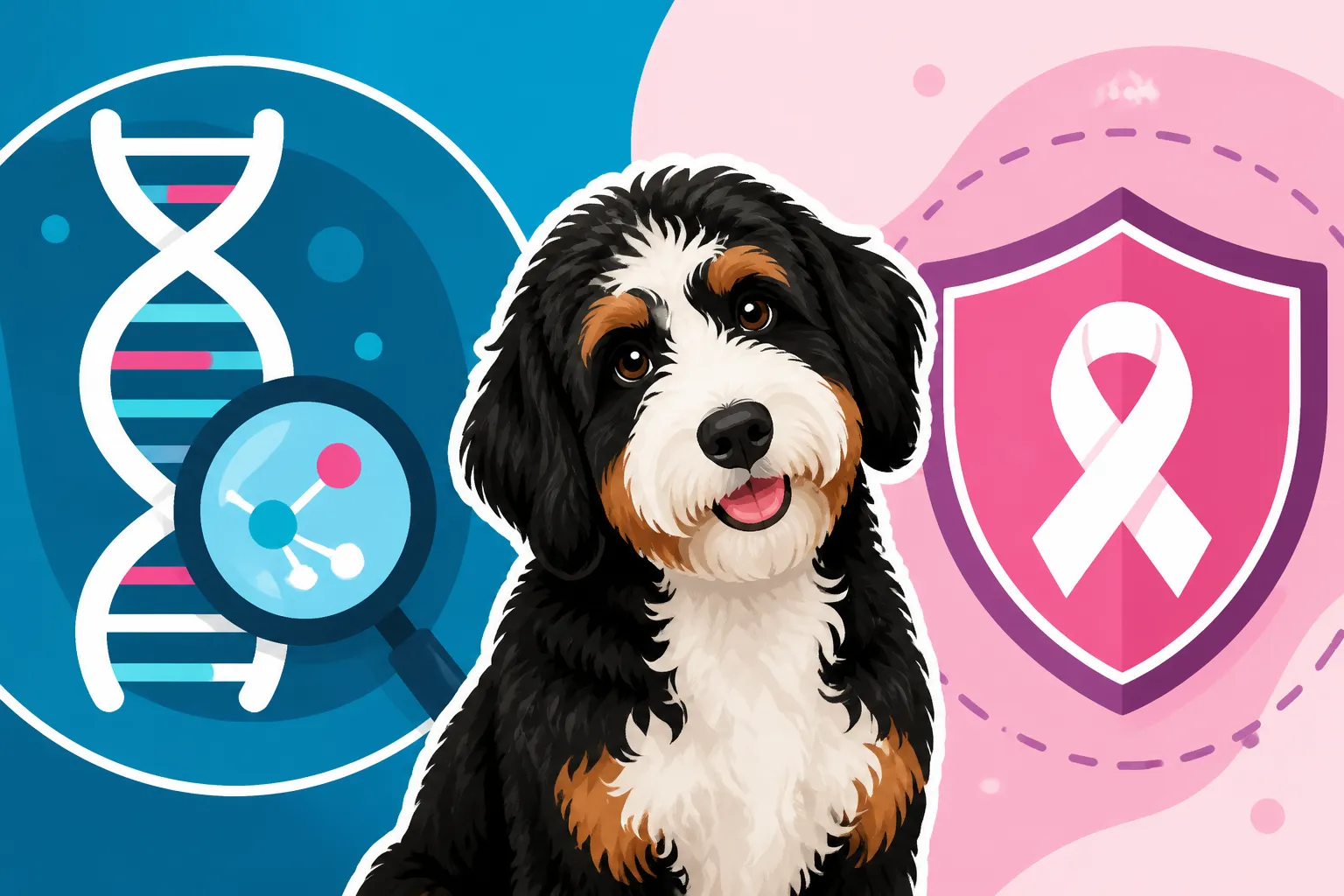
While there isn't a single "Bernedoodle cancer panel" that can predict every possible malignancy, genetic testing can identify predispositions for specific diseases that might increase the risk of certain cancers in the parent breeds. For instance, specific genetic markers have been identified in Bernese Mountain Dogs that are associated with a higher susceptibility to histiocytic sarcoma, a devastating cancer. Research conducted by institutions like the Animal Health Trust or specialized labs such as PennGen has worked to identify these risk alleles. However, these tests don't tell you if your dog will get cancer, but rather if they carry genes that might make them more likely to develop it compared to a dog without those markers. It’s a critical distinction between risk assessment and a definitive prediction.
Similarly, while less direct for cancer, other genetic tests, like the SOD1 test for Degenerative Myelopathy, are vital for assessing overall genetic health. These tests demonstrate a breeder's commitment to avoiding known heritable diseases, which indirectly speaks to the quality of their breeding program. For the Bernedoodle, understanding the specific cancer risks that often take Bernedoodles most often can help owners and vets be more vigilant. For example, some Poodle lines may have tendencies towards certain autoimmune disorders that can sometimes be linked to increased cancer risk, though not directly predictive. These specific genetic tests, therefore, offer pieces of a much larger puzzle, providing valuable information for breeders to make informed pairing decisions, but not a crystal ball for individual puppies.
Why a Universal Cancer DNA Test Doesn't Exist (Yet)
The biggest hurdle in creating a universal cancer DNA test for Bernedoodles, or any breed for that matter, is the sheer diversity and complexity of cancer itself. We're not talking about a single disease, but hundreds of different diseases, each with unique genetic and environmental triggers. Imagine trying to create a single blood test that could predict whether a human will get any form of cancer – colon cancer, breast cancer, lung cancer, leukemia – all from one sample, years before it might ever develop. It’s simply not possible with current technology.
In dogs, just like in humans, cancer development is often the result of multiple genetic mutations accumulating over time, influenced by diet, exposure to toxins, viral infections, and the natural aging process. While researchers are continually making strides in understanding specific genetic predispositions, especially for breed-specific cancers, we’re still a long way from a comprehensive, predictive DNA test. The idea that Whether the Bernedoodle Cross Actually Reduced Cancer through hybrid vigor is a hopeful one, but it doesn't mean all cancer risk is negated or easily predictable. Therefore, while genetic testing for known predispositions is valuable for breeders and can offer some insight into risk, it absolutely cannot guarantee a cancer-free life for your beloved Bernedoodle.
Here's a general overview of some common Bernedoodle health concerns and related genetic screening considerations, though it's important to remember no direct predictive cancer test exists for all types:
| Health Concern | Parent Breed Prevalent In | Genetic Test Available (Type) | What it Tells You | Relevant for Cancer? |
|---|---|---|---|---|
| Histiocytic Sarcoma | Bernese Mountain Dog | Risk marker tests (e.g., PennGen) | Identifies genetic markers associated with increased susceptibility. Not predictive. | Yes (a major concern from Bernese side) |
| Degenerative Myelopathy (DM) | Bernese, Poodle | SOD1 (A, B) alleles (Carrier/At-Risk status) | Identifies if dog is carrier or at-risk for developing DM. | No (neurological, not cancer) |
| Von Willebrand's Disease (vWD) | Poodle (Type I), Bernese (Type III) | DNA test for specific vWD types | Identifies if dog is clear, carrier, or affected by bleeding disorder. | Indirectly (surgical risk) |
| Progressive Retinal Atrophy (PRA) | Poodle | DNA test for specific PRA mutations (e.g., prcd-PRA) | Identifies if dog is clear, carrier, or affected by vision loss. | No (eye disease) |
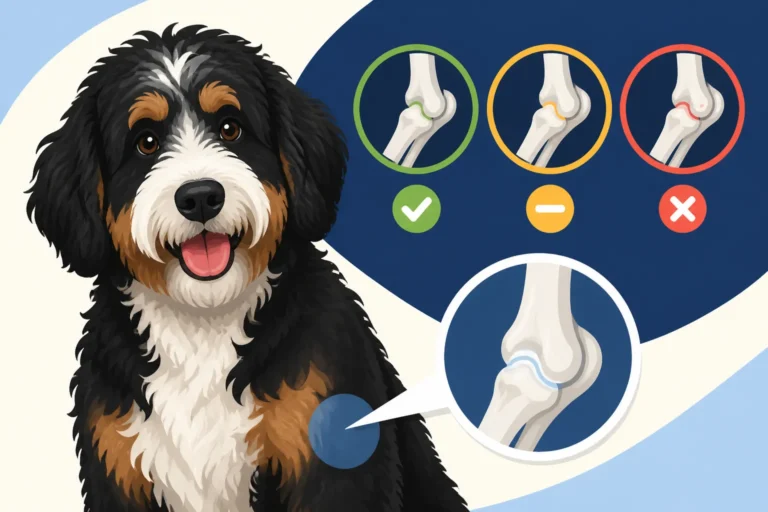
| Hip & Elbow Dysplasia | Bernese (structural) | No direct DNA test; OFA/PennHIP screenings | Assesses physical joint structure; indirect genetic component. | No (orthopedic) |
| Sebaceous Adenitis | Poodle | Some markers being researched, not definitive | Can indicate genetic predisposition for skin condition. | Indirectly (some skin issues can be linked to cancer later) |
Proactive Steps Beyond DNA for Bernedoodle Cancer Risk
While a magic "cancer-free" DNA test remains a dream, there's a lot we can do as responsible Bernedoodle owners to promote health and longevity. It's about making informed choices, from where we get our puppy to how we care for them every single day.
The Importance of Breeder Transparency and Health Clearances
When you're looking for a Bernedoodle puppy, the breeder you choose is paramount. A reputable breeder is not just selling puppies; they're safeguarding the future health of the breed. This means they should be incredibly transparent about the health history of their breeding dogs, going back generations. Don't be shy about asking a breeder about cancer in the Bernese line, and inquire about the longevity and causes of death of the Bernese parents' relatives. A good breeder will understand your concerns and be able to provide detailed information, often including records from previous litters.
Beyond pedigree, insist on comprehensive health clearances for both parent dogs. This should include certifications from organizations like the Orthopedic Foundation for Animals (OFA) for hips and elbows, ensuring good joint health, and eye certifications (CAER/CERF). While these primarily address structural and hereditary conditions like Elbow Dysplasia in a Growing Bernedoodle or Hips on a Ninety Pound Bernedoodle, they are indicative of a breeder's commitment to producing healthy puppies. Furthermore, genetic tests for conditions like Von Willebrand's Disease and Degenerative Myelopathy are non-negotiable. While these aren't cancer-specific, a breeder who goes to these lengths to screen for known genetic issues is demonstrating a strong commitment to the overall well-being of their dogs, which often correlates with healthier lines.
Lifestyle Choices and Regular Veterinary Care
Once your Bernedoodle is home, their daily life plays a huge role in their long-term health. A high-quality, balanced diet is fundamental. Just like with humans, good nutrition can bolster the immune system and support overall cellular health. Avoiding obesity is critical, as excess weight places undue stress on joints and has been linked to increased cancer risk in dogs. Feed them an appropriate amount for their size and activity level, and choose dog food formulated for large breeds, especially during their growth phase, to ensure slow, steady development. For tips on managing their diet, consider how Whether Diet Affects a Bernedoodle's Cancer Risk can be a contributing factor.
Regular, appropriate exercise is also key. Bernedoodles need physical activity to maintain a healthy weight and strong muscles, but be mindful of their growing joints, especially in puppyhood. Beyond diet and exercise, consistent veterinary care is non-negotiable. Regular check-ups allow your vet to catch any changes early, before they become serious problems. This includes yearly wellness exams, blood work as they age, and being proactive about any lumps, bumps, or behavioral changes. Knowing the first signs of cancer in a Bernedoodle, such as unexplained weight loss, lethargy, or new growths, can make a critical difference in prognosis.
Perhaps one of the most practical steps you can take is to invest in pet insurance. Companies like Healthy Paws offer comprehensive plans that can be an absolute lifesaver if your Bernedoodle does face a serious illness, including cancer. Imagine the relief of knowing that expensive treatments like chemotherapy for a Bernedoodle are covered, allowing you to make medical decisions based on what’s best for your dog, not just what you can afford. This is especially vital as a Bernedoodle ages and changes after eight years.
Managing Expectations and Embracing the Journey
Ultimately, bringing a Bernedoodle into your life means accepting that, while the crossbreed offers many wonderful qualities and may reduce some of the severe health risks of the purebred Bernese Mountain Dog, it doesn't eliminate all potential for illness. No dog, purebred or crossbreed, comes with a lifetime guarantee of perfect health. They are living beings, and just like us, they can face health challenges, including cancer.
Instead of chasing an impossible genetic guarantee, focus your energy on providing the best possible life for your Bernedoodle. This means loving them unconditionally, feeding them well, keeping them active, ensuring regular vet care, and being prepared to advocate for them if they do become sick. Whether it's the cost of a cancer diagnosis before treatment starts or the potential for advanced therapies, having a plan and being prepared emotionally and financially is part of being a responsible pet parent. Embrace every moment with your furry friend, knowing you're doing everything within your power to give them a happy, healthy, and fulfilling life, whatever challenges may come.
Disclaimer
This article is for general informational purposes only and does not constitute professional advice. Laws, prices and regulations vary by location and change over time. Consult a qualified professional for guidance on your specific situation.