Asking a Breeder About Cancer in the Bernese Line
Bringing a Bernedoodle into your family is an incredibly exciting journey, but let's be honest, it's also filled with moments of anxiety, especially when you think about their health. One of the biggest worries many prospective Bernedoodle owners face revolves around cancer, a heartbreaking reality that disproportionately affects their Bernese Mountain Dog ancestors. This guide is here to walk you through exactly how to approach this sensitive but critical topic with a breeder, ensuring you have all the information you need to make the best decision for your future furry family member.
Understanding the Bernese Mountain Dog's Cancer Predisposition
It’s no secret that the Bernese Mountain Dog, a beloved and majestic breed, sadly faces a significantly higher risk of certain cancers compared to many other breeds. This unfortunate truth is often the very reason people turn to Bernedoodles, hoping the Poodle cross might dilute some of that predisposition. But understanding the specifics of this risk is paramount.
The Stark Reality of Cancer in Bernese
When we talk about Bernese Mountain Dogs and cancer, we're not just discussing a vague possibility; we're talking about a stark, heart-wrenching reality for many owners. These beautiful dogs are prone to aggressive forms of cancer, with histiocytic sarcoma being particularly devastating. This rapidly progressing cancer can appear almost out of nowhere, often striking in the prime of a dog's life, and it's a huge cause of early mortality in the breed. Imagine falling head over heels for a gentle giant, only to have their life cut tragically short by this insidious disease. It’s a genuine fear, and one that absolutely deserves to be addressed openly. While other cancers like lymphoma, mast cell tumors, and osteosarcoma also affect Bernese Mountain Dogs, histiocytic sarcoma stands out for its prevalence and aggressive nature. Learning about What Histiocytic Sarcoma Does to a Bernese can be truly eye-opening, illustrating the severe impact this disease has.
Why This Matters for Your Bernedoodle
The decision to breed a Bernedoodle often stems from a sincere desire to improve upon the health and lifespan challenges of the Bernese Mountain Dog, specifically their cancer rates. The theory of "hybrid vigor" suggests that by crossing two distinct breeds, you can often reduce the incidence of breed-specific genetic diseases. In many cases, it does introduce a wider genetic pool, which can be beneficial. However, it's crucial to understand that hybrid vigor isn't a magic bullet. Your Bernedoodle still carries a significant portion of Bernese Mountain Dog genetics, meaning the predisposition to certain cancers is still present, albeit potentially at a reduced rate. It's not a guaranteed "cancer-free" pass, and any breeder who implies such is likely misrepresenting the facts. We often look at Whether the Bernedoodle Cross Actually Reduced Cancer and the answer is complex; while there's hope, vigilance remains key.
Essential Questions to Ask Your Bernedoodle Breeder
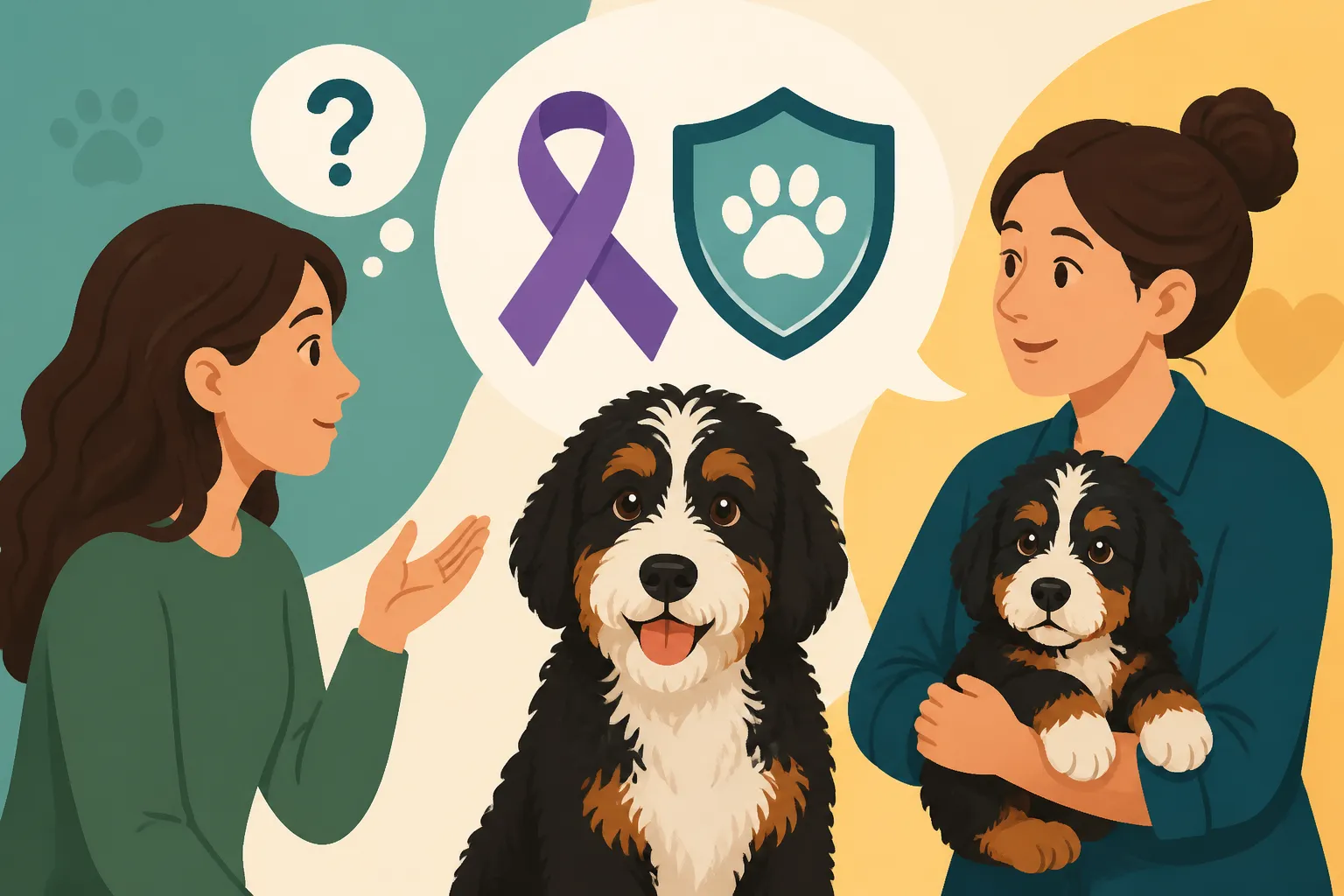
Talking about cancer with a breeder can feel awkward or even a little morbid, but it’s one of the most responsible things you can do. A reputable breeder understands this and will welcome your informed questions. They should be just as invested in the health and longevity of their puppies as you are.
Inquiring About the Bernese Parent's Lineage and Health
This is where you really need to put on your detective hat. A good breeder won't just tell you their dogs are "healthy" – they'll show you. Don't be afraid to ask for specifics. You need to know about the health history of both parent dogs, but particularly the Bernese Mountain Dog parent and their immediate lineage. Ask for verifiable health clearances, not just "vet checked" claims.
Start by asking directly about the Bernese parent's health history, including any significant illnesses, surgeries, or, crucially, any cancer diagnoses. But don't stop there. Good breeders keep meticulous records and often know the health histories of several generations back. Inquire about the lifespan of the Bernese parent's parents and grandparents, and, if possible, the cause of their deaths. Did they live to a ripe old age and pass peacefully, or were there early deaths due to cancer? These details paint a much clearer picture. For example, knowing that a Bernese grandparent succumbed to histiocytic sarcoma at age six is a significant data point, even if the parent dog itself is healthy. This kind of transparency is a hallmark of a breeder who truly cares. Don't fall for vague answers; demand specific information. Always refer back to The Five Clearances a Bernedoodle Breeder Should Have as a baseline. If they're hesitant, it's a major red flag.
Understanding Genetic Testing and Screening
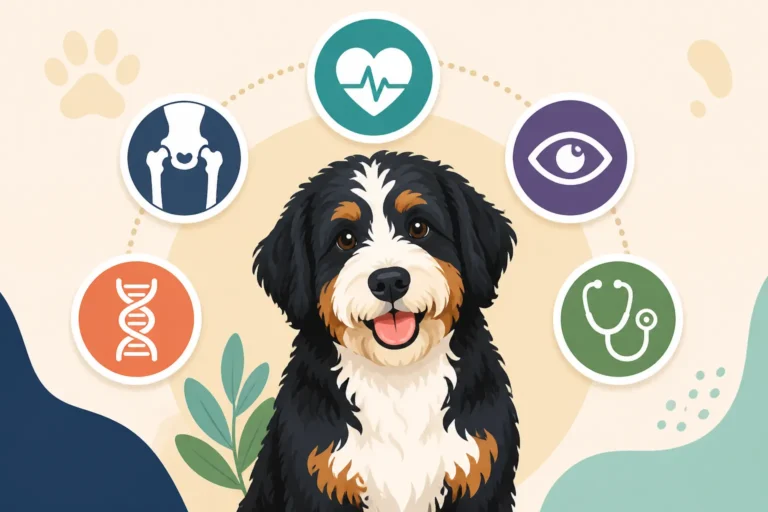
While there isn't a direct "cancer test" that definitively tells you if a dog will get cancer, reputable breeders engage in comprehensive health screening that contributes to overall health and provides insight into potential predispositions. For Bernedoodles, this includes screenings for hip and elbow dysplasia, eye conditions, and certain blood disorders. While not directly cancer-related, a dog with a robust genetic health profile is generally a better breeding candidate.
However, certain DNA tests, particularly for breeds like the Bernese Mountain Dog, can offer some indirect insights. For example, while not a direct cancer test, some research has explored genetic markers for susceptibility to diseases common in Bernese Mountain Dogs. Ask the breeder what specific genetic tests have been performed on both parent dogs and if they have any information or studies they refer to regarding cancer susceptibility in their lines. A truly knowledgeable breeder will be aware of current research and ongoing efforts in this area. It's important to understand the limitations though; as of now, there is no definitive DNA test that predicts Bernedoodle cancer with 100% accuracy. If a breeder claims otherwise, be very wary, because Whether Any DNA Test Predicts Bernedoodle Cancer is a complex scientific question without a simple "yes" answer.
Breeder Practices and Transparency
Beyond specific health records, a breeder's overall approach to transparency and ongoing support is a huge indicator of their ethics and commitment. A responsible breeder will be an open book. They should be more than willing to discuss their breeding philosophy, how they select their breeding pairs, and what steps they take to minimize health risks.
Ask about their health guarantee. What does it cover, and for how long? Does it specifically address life-threatening genetic conditions, including cancer that manifests early? While no guarantee can prevent every health issue, a comprehensive and clear health guarantee demonstrates confidence in their breeding program. Furthermore, ask if they maintain contact with previous puppy buyers and track the long-term health of their dogs. This "post-sale" engagement is invaluable, as it allows them to identify patterns in their lines, including any emerging health concerns. A breeder who actively seeks feedback on the health and longevity of their past puppies is truly dedicated to improving the breed. They should also be able to provide clear details on What a Bernedoodle Health Guarantee Covers, ensuring you understand your protections.
Interpreting Breeder Responses and Red Flags
So, you’ve done your homework and you're ready to ask the tough questions. Now, how do you sort through the answers and identify a truly responsible breeder from one who might be cutting corners or, worse, being deceptive?
What a Reputable Breeder Should Provide
A reputable Bernedoodle breeder will provide transparent, detailed, and verifiable information without hesitation. They should have a clear, organized system for their health records and be willing to share them openly. This means showing you copies of OFA or PennHIP certifications for hips and elbows, eye clearances from a board-certified veterinary ophthalmologist (CAER exams), and DNA test results for relevant genetic conditions like Von Willebrand's Disease and Degenerative Myelopathy. They should be able to calmly and confidently discuss the health history of their breeding dogs, their parents, and previous litters.
They should also be able to articulate why they chose a particular Bernese Mountain Dog for their breeding program, specifically addressing how that dog's lineage contributes to reducing known health risks like cancer. They won't promise you a dog that will never get sick – because no one can. Instead, they will explain the steps they take to maximize the chances of a healthy puppy and provide ongoing support. When you're ready to move forward, a clear, written contract and health guarantee should be part of the process. In essence, they should be comfortable with you Asking a Breeder About Cancer in the Bernese Line and providing comprehensive, easy-to-understand answers.
Identifying Potential Concerns
Unfortunately, not all breeders operate with the same high standards. Being able to spot red flags is crucial for protecting yourself and ensuring you're supporting ethical breeding practices. Here are some signs to watch out for:
- Vague or Evasive Answers: If a breeder deflects your questions about cancer, changes the subject, or gives overly general responses like "all my dogs are healthy" without providing specifics, that's a major red flag. They should have detailed answers readily available.
- No Verifiable Records: A breeder who refuses to show you actual health certificates or tells you to "trust them" is concerning. Health clearances are public records (often found on OFA's website, for instance), and DNA test results should be available.
- Dismissing Your Concerns: If a breeder downplays the severity of cancer in Bernese Mountain Dogs or suggests that Bernedoodles are completely immune, they are being unrealistic and potentially dishonest. This dismissiveness is a sign of someone who might not be prioritizing the health of their lines.
- Focus on Appearance Over Health: While coat color and markings are lovely, a breeder who talks endlessly about "rare colors" or "perfect markings" but offers little substance on health is focusing on the wrong priorities.
- High Pressure or Rushed Sales: Feeling pressured to make a quick decision or being rushed through a visit without adequate time for questions can indicate a breeder more interested in a quick sale than responsible placement.
- Poor Conditions: Even if not directly health-related, the living conditions of the parent dogs and puppies can tell you a lot. Unsanitary environments, overcrowded kennels, or unhealthy-looking animals can point towards a breeder who doesn’t prioritize welfare. This is often a sign that you might be Spotting a Bernedoodle Listing That Came From a Mill.
The Role of Health Guarantees and Insurance
Even with the most diligent breeder and all the right questions asked, life happens, and sometimes, despite everyone's best efforts, health issues arise. This is where a robust health guarantee and pet insurance become invaluable safety nets. A health guarantee from a reputable breeder typically covers serious genetic conditions for a certain period, often a year or two. It might offer a replacement puppy or a partial refund if a covered condition is diagnosed. However, these guarantees often have limitations, especially concerning long-term illnesses like cancer that may manifest much later in life.
This is precisely why pet insurance is such a wise investment for any Bernedoodle owner. Companies like Healthy Paws offer comprehensive plans that can cover a significant portion of unexpected veterinary costs, including expensive treatments for cancer. Imagine the financial and emotional stress of a cancer diagnosis; having a policy from Healthy Paws can alleviate a huge burden, allowing you to focus on your dog's care rather than the astronomical bills. Early enrollment with Healthy Paws is key, as pre-existing conditions are typically excluded. While a health guarantee provides some initial peace of mind, a good pet insurance plan from Healthy Paws offers continuous protection throughout your Bernedoodle's life, cushioning the impact of unforeseen medical expenses. Considering that What Cancer Treatment Costs a Bernedoodle Owner can be incredibly high, insurance is a critical part of being a responsible owner.
Beyond the Breeder: Ongoing Vigilance and Care
Your role in your Bernedoodle's health doesn't end once you bring them home. In fact, it's just beginning. Ongoing vigilance, proactive care, and a strong partnership with your veterinarian are paramount to giving your Bernedoodle the longest, healthiest, and happiest life possible.
Proactive Health Management
A significant part of preventing and managing health issues, including cancer, is through proactive and consistent care. Regular veterinary check-ups are non-negotiable. These aren't just for vaccinations; they're opportunities for your vet to perform thorough physical exams, catch subtle changes, and discuss age-appropriate screenings. As your Bernedoodle ages, these annual or even bi-annual visits become even more critical.
Diet also plays a crucial role. Feeding a high-quality, balanced diet appropriate for their size and life stage supports overall health and immune function. Talk to your vet about the best food choices and avoid excessive treats or table scraps, which can lead to obesity and other health problems. Regular, appropriate exercise helps maintain a healthy weight and keeps their joints supple, reducing strain. While we can't completely prevent cancer, a healthy lifestyle undeniably contributes to a stronger body capable of fighting off illness. Make sure your Bernedoodle is getting The Screening a Bernedoodle Should Have Yearly.
Recognizing Early Warning Signs
Being observant of your Bernedoodle's behavior and physical condition is one of the best tools you have for early detection. Many forms of cancer, when caught early, have a much better prognosis. So, what should you be looking for?
- New Lumps or Bumps: Bernedoodles have thick coats, so you need to be diligent about feeling your dog all over during regular grooming or petting sessions. Any new lump, bump, or swelling, no matter how small, warrants a vet visit. Don't wait to see if it grows; get it checked.
- Changes in Appetite or Weight: A sudden loss of appetite, difficulty eating, or unexplained weight loss can be a sign of underlying illness. Conversely, a sudden increase in appetite without weight gain can also be a red flag.
- Lethargy or Decreased Activity: If your normally energetic Bernedoodle seems unusually tired, less interested in walks, or sleeps more than usual, pay attention.
- Persistent Vomiting or Diarrhea: While occasional digestive upset isn't uncommon, persistent issues should always be investigated.
- Trouble Urinating or Defecating: Straining, frequent urination, or blood in urine/stool are all signs that something is amiss.
- Unusual Bleeding or Discharge: Any bleeding from the nose, mouth, or other orifices, or unusual discharge, needs immediate veterinary attention.
- Limping or Lameness: While often related to orthopedic issues like elbow or hip dysplasia (common in Bernese lines), persistent lameness can also be a sign of bone cancer.
Remember, you know your dog best. If something just "feels off," trust your gut and consult your veterinarian. Early detection truly can make a difference in treatment outcomes. Knowing The First Signs of Cancer in a Bernedoodle can empower you to act quickly.
Key Questions for Bernedoodle Breeders on Health
To help you prepare for your conversations, here's a quick reference table of essential questions to ask your prospective Bernedoodle breeder.
| Category | Specific Questions to Ask |
|---|---|
| Bernese Line Health | Can you provide verifiable health clearances (OFA/PennHIP, CAER) for both parent dogs? |
| What are the lifespans and causes of death for the Bernese parent's immediate ancestors (parents, grandparents)? Were there any early deaths due to cancer? | |
| Have any dogs in the Bernese lineage been diagnosed with histiocytic sarcoma or other aggressive cancers? If so, at what age? | |
| What steps do you take to mitigate the risk of cancer, given the Bernese predisposition? | |
| Genetic Testing | What specific DNA tests have been performed on the parent dogs (e.g., Von Willebrand's, Degenerative Myelopathy)? Can I see the results? |
| Are you aware of any genetic markers or research related to cancer susceptibility in Bernese Mountain Dogs, and do you screen for them or consider them in your breeding program? | |
| Breeder Practices | Can I see copies of your written health guarantee? What specifically does it cover regarding genetic diseases and cancer, and for how long? |
| Do you track the long-term health and causes of death of puppies from your past litters? Are you open to sharing aggregated health information from previous generations? | |
| What is your policy if a significant, inherited health issue (like aggressive cancer) is diagnosed in a puppy from your kennel? | |
| Transparency | Are you willing to provide contact information for your veterinarian or references from previous puppy buyers? |
| Can you walk me through your breeding philosophy and how you select breeding pairs to maximize health and longevity? |
Disclaimer
Please note that the information provided in this article is for educational and informational purposes only and does not constitute veterinary advice. Always consult with a qualified veterinarian for any health concerns or before making any decisions about your pet's health or treatment.