Whether an Old Bernedoodle Needs a Ramp
It's heartbreaking to watch our beloved Bernedoodles, once full of youthful bounce, start to struggle with the simple acts of everyday life. The stairs they once bounded up, the couch they effortlessly leaped onto for cuddles, or even just getting into the car for an adventure – these can become formidable obstacles as they age. This guide is all about helping you decide if a ramp is the right solution for your senior Bernedoodle, ensuring they can continue to live a comfortable, dignified life without unnecessary pain or risk of injury.
Recognizing the Signs Your Bernedoodle Needs a Ramp
Sometimes, the changes in our Bernedoodles are so subtle that we might miss them at first, or attribute them to just "getting old." But for a large breed like a Bernedoodle, whose joint health is already something we need to be mindful of throughout their life, paying close attention to these early indicators can make a huge difference. Early intervention with mobility aids like ramps can prevent more serious injuries down the line.
Observing Subtle Changes in Movement
One of the first things you might notice is a slight hesitation before your Bernedoodle performs an action they once did without a second thought. Perhaps they pause at the bottom of the stairs, contemplating the climb, or take an extra moment to position themselves before jumping onto the sofa. It's not a complete refusal, but a clear sign that the action requires more effort and thought than it used to. You might also observe a general slowing down on walks, or a less enthusiastic gait. They might not be limping overtly, but their stride could appear shorter, stiffer, or less fluid, especially after periods of rest or in cold weather. This subtle stiffness is often an early warning sign of underlying joint discomfort, much like how humans might feel a bit creaky in the morning.
Another common indicator is a change in how they get up and lie down. Instead of a smooth, graceful movement, your Bernedoodle might groan or seem to brace themselves, using their front paws more vigorously to push their body up from a lying position. Similarly, when settling down, they might collapse rather than gently lowering themselves. These small shifts in posture and movement are their body's way of telling you that simple weight-bearing tasks are becoming uncomfortable. You might also notice them shifting their weight differently when standing, perhaps favoring one side, or adopting a slightly wider stance to maintain balance. These compensations are their attempt to alleviate pressure on painful areas, and they're crucial signals that their joints might be feeling the effects of age or conditions like Arthritis in a Bernedoodle at Eight.
Noticing Reluctance or Difficulty with Obstacles
As the joint discomfort progresses, your Bernedoodle might start outright refusing certain activities. This isn't stubbornness; it's often their instinct to avoid pain. The most common obstacles for a large breed like a Bernedoodle are stairs, getting into and out of vehicles, and jumping onto furniture. If your dog, who once loved car rides, now seems anxious or resistant when it's time to load up, or if they struggle to hoist themselves into the back of your SUV, a car ramp could be incredibly beneficial. Similarly, if they hesitate at the porch steps or the single step into the garden, it’s a clear sign their body is telling them "no."
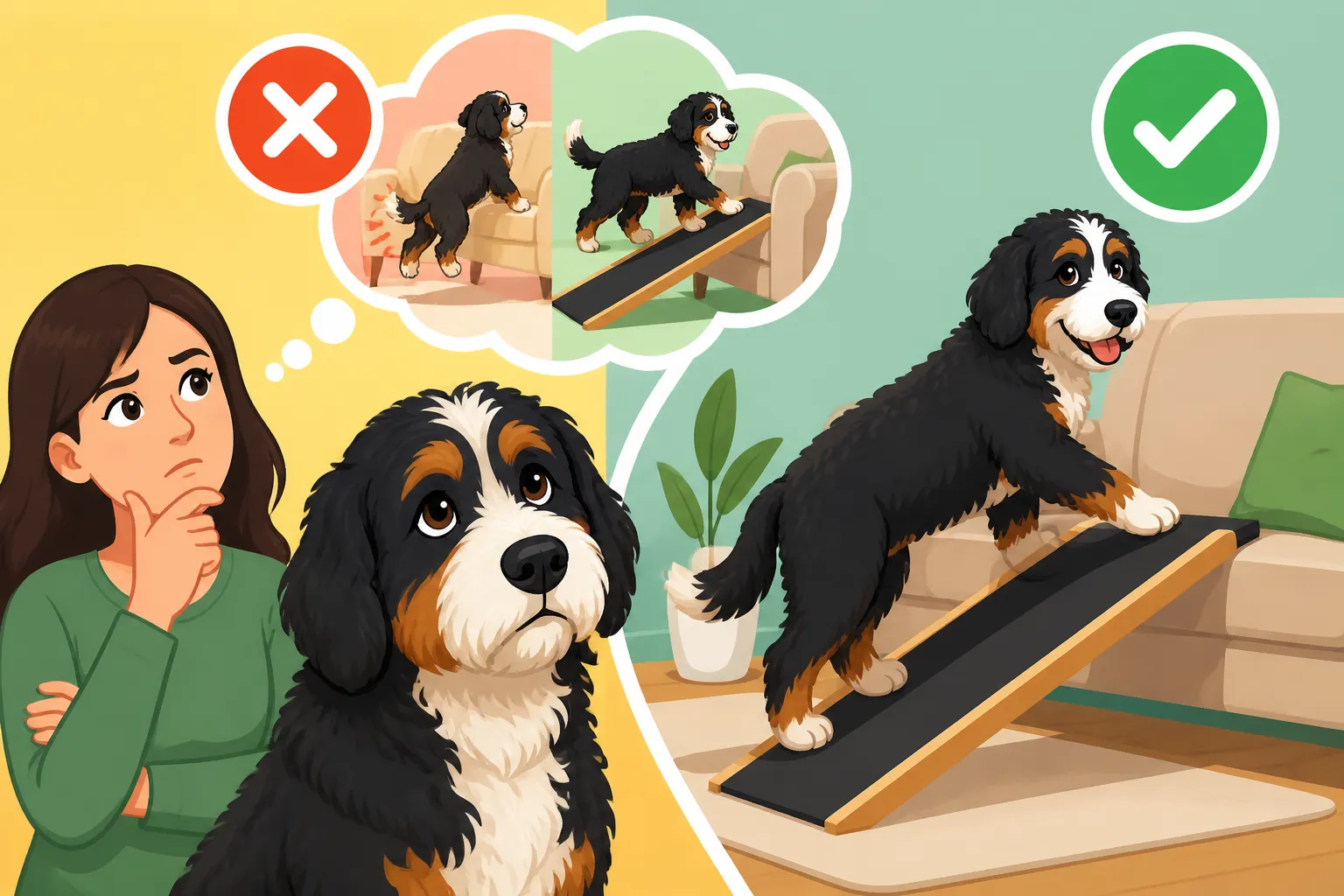
For Bernedoodles that have always been allowed on furniture, a sudden stop in this behavior, or multiple failed attempts to jump up, is a strong signal. They might try once, fail, and then just lie on the floor, looking up at you with sad eyes. This indicates a significant loss of strength or an increase in pain that makes these actions too taxing or risky. Observing these changes allows you to proactively help them, rather than waiting until a fall or injury occurs. Remember, these magnificent dogs, especially a standard Bernedoodle that can easily weigh 70-90 pounds, put immense strain on their joints with every jump and climb, particularly if they are dealing with conditions such as Loose Hips in a Growing Standard Bernedoodle. Providing a ramp removes this high-impact stress, allowing them to participate in family life without fear.
Identifying Cues of Pain or Discomfort
Sometimes the signs are more direct than just reluctance. Your Bernedoodle might vocalize with a whimper or a low groan when moving in certain ways, or they might flinch when you touch a particular area, especially around their hips, elbows, or spine. Increased panting when not exercising or in warm conditions, changes in appetite, or becoming unusually withdrawn can also be subtle indicators of chronic pain. They might start licking or chewing excessively at a specific joint, or develop muscle tremors when attempting to stand. Watch for any changes in their normal behavior, as these gentle giants often try to hide their pain, a natural instinct from their wild ancestors.
A Bernedoodle in pain might also become more irritable or less tolerant of being handled, especially by children or strangers. What might seem like a sudden change in temperament could actually be a desperate attempt to avoid further discomfort. If your normally sociable Bernedoodle starts to prefer solitude, or snaps when you try to lift them, it’s crucial to consider that pain might be the root cause. This is a clear call for a veterinary check-up to diagnose any underlying conditions and manage pain effectively. Your vet can recommend anti-inflammatory medications, physical therapy, or supplements. Additionally, providing a ramp removes the need for painful movements, which can significantly improve their overall comfort and mood. Pet insurance providers like Healthy Paws often cover a portion of diagnostic tests and ongoing treatments for age-related conditions, making it easier to manage these health concerns.
The Unquestionable Benefits of Introducing Ramps
Introducing a ramp into your Bernedoodle's life isn't just about convenience; it's a proactive step towards enhancing their comfort, extending their independence, and preventing future injuries. For a breed known for its loving nature and size, ensuring their golden years are as pain-free and mobile as possible is a true act of love.
Safeguarding Delicate Joints and Preventing Further Injury
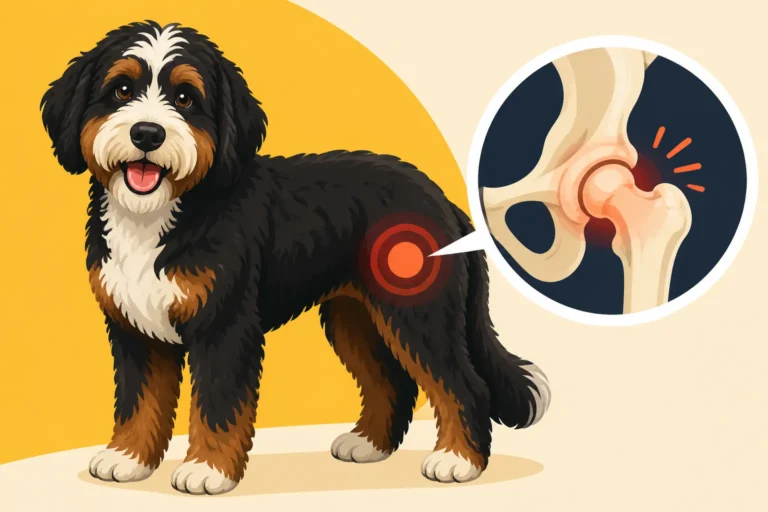
Every jump, every leap, every hurried descent down stairs places significant stress on a dog's joints, especially for large breeds like Bernedoodles. Over time, this repetitive impact can exacerbate conditions like arthritis, hip dysplasia, or elbow dysplasia, which are already concerns within the breed's genetic makeup. By providing a ramp, you eliminate the high-impact forces that contribute to joint degradation. Instead of jolting their joints with each step or landing, they can glide smoothly up and down, distributing their weight evenly and minimizing strain. This is particularly vital for dogs already showing signs of stiffness or pain, as it prevents further damage to cartilage and bone.
Think about the cumulative effect of hundreds, if not thousands, of jumps over a dog's lifetime. A ramp effectively mitigates this wear and tear. For Bernedoodles that are still relatively young but have a genetic predisposition to joint issues, a ramp can serve as a preventative measure, helping to preserve their joint health for longer. For those already in their senior years, it's about making their existing conditions more manageable and preventing acute injuries, such as a torn ligament from a misstep or awkward landing. Investing in a ramp is an investment in their long-term physical well-being, potentially reducing the need for costly pain medications or surgical interventions down the line. It's a foundational piece of the puzzle in Keeping a Standard Bernedoodle Sound Past Ten.
Fostering Independence and Maintaining a High Quality of Life
One of the hardest parts of watching a senior dog decline is seeing their independence wane. A Bernedoodle, with its intelligent and affectionate nature, thrives on being an active participant in family life. When they can no longer reach their favorite napping spot on the couch, or can't join you for a car ride adventure without assistance, it can lead to frustration, anxiety, and even depression. Ramps, by offering an easy and pain-free way to access elevated surfaces, immediately restore a significant portion of that lost independence. They can once again climb into the car, join you on the bed for morning cuddles, or relax on the porch with you without needing to be lifted.
This regained autonomy doesn't just benefit the dog; it significantly improves their overall quality of life. They feel less helpless and more capable, which can boost their morale and keep their minds active. Imagine the joy your Bernedoodle will feel being able to come and go as they please, rather than waiting for you to lift them. This ability to engage in familiar activities, even if modified, maintains their sense of normalcy and belonging. It's a powerful way to show them that while their body might be slowing down, their place in the family is as strong as ever, reinforcing their confidence and happiness during their golden years.
Enhancing Safety for Both Your Bernedoodle and Your Family
The safety aspect of ramps cannot be overstated, for both your Bernedoodle and for you. Lifting a heavy, possibly struggling, Bernedoodle, especially a standard size that can weigh up to 90 pounds or more, presents a real risk of injury to yourself. Back strains, shoulder tweaks, or even falls are common when attempting to maneuver a large, awkward dog. A ramp eliminates this physical burden, making it safer for you to assist your dog without personal injury.
More importantly, ramps drastically reduce the risk of your Bernedoodle suffering a fall or aggravating an existing injury. A clumsy jump off the bed or a misstep on the stairs can lead to serious consequences, from sprains and fractures to more complex issues like spinal injuries. By providing a stable, gradual incline, ramps ensure a controlled and safe ascent and descent. This is particularly crucial for dogs with compromised balance or vision, or those prone to Torn Cruciates in a Heavy Bernedoodle. The peace of mind that comes with knowing your dog is safely navigating their environment is invaluable. It’s a simple solution that prevents potentially devastating accidents and costly emergency vet visits. Ensuring your pet is safe from these kinds of injuries is also a factor for pet insurance like Healthy Paws; preventative measures like ramps can help you avoid claims for accidental injuries that could have been prevented.
Guiding Your Choice: Selecting the Perfect Ramp
So, you've decided a ramp is a good idea for your aging Bernedoodle. Great! But walking into a pet store or browsing online can be overwhelming with the sheer number of options. Choosing the right ramp involves considering where and how your Bernedoodle will use it, along with essential safety features.
Exploring Various Ramp Types and Their Ideal Applications
Ramps aren't one-size-fits-all, and what works for getting into a car might not be suitable for your living room. The most common types include:
- Portable Car Ramps: These are typically foldable or telescoping, designed for easy transport and deployment. They're perfect for helping your Bernedoodle get into and out of vehicles, whether it's your SUV, truck, or even a lower car. Look for lightweight, durable models that can support your Bernedoodle's full weight, and ensure they have a good anti-slip surface. Brands like PetSafe and Gen7Pets offer popular portable options. These are indispensable if your Bernedoodle loves car rides but can no longer jump in safely.
- Freestanding Ramps: These are self-supporting and don't need to lean against a surface. They're excellent for beds, couches, or even a few steps where a stable, permanent solution is desired. They tend to be heavier and less portable but offer superior stability. Some designs are adjustable in height, making them versatile for different furniture pieces. Their primary benefit is eliminating the risk of a ramp slipping off an unstable surface.
- Folding and Fixed Ramps for Home Use: Similar to freestanding, but some might be designed to lean against a specific height, like stairs. Fixed ramps are often custom-built or more robust permanent installations for outdoor steps or decking. Folding ramps for home use offer a balance of stability and the ability to put them away when not in use, which can be great for smaller living spaces.
- Stair Ramps/Converters: These aren't full ramps but systems that fit over or alongside existing stairs, creating a shallower incline. They can be good for indoor stairs that are used frequently, but they do take up significant space. For a large Bernedoodle, a full ramp usually offers a more comfortable and less steep incline.
Each type serves a specific purpose, so think about your Bernedoodle's daily routine and where they struggle most. Do they primarily need help with car access, or is their biggest challenge getting onto the couch for evening snuggles?
Essential Features for Optimal Safety and Bernedoodle Comfort
Once you know the type of ramp, delve into the features. These are critical, especially for a large dog like a Bernedoodle.
- Length and Incline: This is perhaps the most important consideration. A longer ramp will have a shallower, more comfortable incline, which is easier on your Bernedoodle's joints and less intimidating. A good rule of thumb is to aim for a ramp that provides at least 1 foot of length for every 4 inches of height difference. So, if your car's tailgate is 24 inches high, you'd ideally want a ramp at least 6 feet long. Shorter, steeper ramps can be challenging, especially for dogs with significant mobility issues.
- Width: Your Bernedoodle needs enough room to walk comfortably without feeling cramped or at risk of stepping off the sides. Aim for a ramp that's at least 16-20 inches wide, if not more, to accommodate their broad build. This prevents them from having to awkwardly twist their body, which could cause further strain or a fall.
- Surface Material: A non-slip surface is absolutely non-negotiable. Look for ramps with high-traction sandpaper-like material, rubberized treads, or carpeted surfaces. Smooth plastic or metal can be incredibly dangerous, especially if wet or if your dog is hesitant. The texture should provide grip even when wet or slightly dirty.
- Weight Capacity: Ensure the ramp is rated to support your Bernedoodle's full weight, plus a safety margin. A flimsy ramp that bows under their weight will be scary and unsafe. Always check the manufacturer's specifications.
- Side Rails or Curbs: These are highly recommended, especially for nervous or visually impaired dogs. Rails provide a visual and physical boundary, helping to guide your Bernedoodle and prevent them from stepping or falling off the edge.
- Portability (for car ramps): If it's a car ramp, consider how easily it folds, how heavy it is, and if it fits in your vehicle. Some ramps are quite bulky, so measure your cargo space before purchasing.
Choosing a ramp with these features will provide a secure and inviting pathway for your Bernedoodle. It's an investment in their safety and comfort, and making a good choice upfront can save you headaches and potential vet bills later, which is something even pet insurance providers like Healthy Paws would appreciate you taking into account.
Gently Introducing Your Bernedoodle to Their New Mobility Aid
Even the best ramp can be intimidating to a dog who's never used one. Patience and positive reinforcement are key.
- Start Slow and Steady: Don't just spring the ramp on them. Introduce it in a low-stress environment, perhaps flat on the ground first, away from any heights. Let them sniff it and explore it at their own pace. Reward them for simply approaching it.
- Positive Reinforcement is Crucial: Use high-value treats and praise generously. Lure them across the flat ramp with treats, dropping them a few inches ahead. Keep sessions short and positive, ending on a high note.
- Gradually Introduce Incline: Once they're comfortable walking on the flat ramp, introduce a very slight incline. Place one end on a low step or curb, and continue with treats and praise. Never force them onto the ramp; this can create a negative association.
- Practice with the Actual Obstacle: When they're confident on a slight incline, move the ramp to its intended location (e.g., the car or bed). Lead them up with treats, ensuring a calm, confident demeanor yourself. If they hesitate, go back to a lower incline or flat ground. It might take several days or even weeks for them to fully embrace it.
- Maintain Consistency: Once they're using the ramp, ensure it's available whenever they need it. Consistency helps build routine and confidence. For car rides, make sure the ramp is always part of the process.
Remember, your Bernedoodle trusts you. Your calm encouragement will go a long way in helping them adjust to this new tool that is designed to make their life so much easier.
A Holistic Approach to Supporting Your Aging Bernedoodle
While a ramp can be a game-changer for your senior Bernedoodle's mobility, it's truly just one piece of a larger puzzle. A comprehensive approach that encompasses environmental adjustments, veterinary partnership, and careful attention to diet and exercise will ensure your beloved companion thrives in their golden years.
Adapting Your Home Environment for Senior Dog Comfort
Think about your Bernedoodle's world from their perspective. Are there slippery floors that make walking difficult or prone to falls? Hardwood and tile can be challenging for dogs with less stable footing. Consider placing non-slip rugs or runners in high-traffic areas, especially where they eat, drink, or sleep. This small change can provide much-needed traction and confidence. Additionally, ensure their bedding is comfortable and supportive. Orthopedic beds, especially those with memory foam, can alleviate pressure on aching joints and offer excellent support for a heavy dog. These types of beds are particularly beneficial for a Bernedoodle who might struggle with Supporting an Old Bernedoodle That Cannot Rise easily from a flat surface.
Another key adjustment involves accessibility to their favorite spots. If they enjoy looking out a window, a ramp leading up to a sturdy viewing platform can let them continue this simple pleasure. For water and food bowls, consider elevated feeders. Bending down to eat or drink can be uncomfortable for dogs with neck or back pain. Elevated bowls allow them to maintain a more natural posture, easing strain on their joints. Think about pathways in your home: are they clear of clutter? A Bernedoodle with reduced vision or mobility can easily trip over obstacles. Creating clear, unobstructed paths makes navigation safer and less stressful. These thoughtful modifications show your Bernedoodle that their home is still their sanctuary, designed with their comfort in mind.
Partnering with Your Vet for Optimal Health and Pain Management
Your veterinarian is your most important ally in managing your Bernedoodle's aging process. Regular check-ups become even more critical, allowing your vet to monitor existing conditions, catch new issues early, and adjust pain management strategies as needed. Don't hesitate to discuss any changes you observe in your dog's mobility or behavior, no matter how minor they seem. Your vet can recommend various treatments, from non-steroidal anti-inflammatory drugs (NSAIDs) to newer medications that specifically target nerve pain or osteoarthritis. They might also suggest supplements like glucosamine, chondroitin, and omega-3 fatty acids, which can support joint health and reduce inflammation.
Beyond medication, physical therapy can play a significant role. This might include hydrotherapy (underwater treadmill), therapeutic exercises, massage, or even acupuncture. These modalities can improve muscle strength, flexibility, and overall comfort, making a real difference in your Bernedoodle's mobility. If your Bernedoodle is struggling with Managing Arthritis in an Old Bernedoodle, your vet can outline a comprehensive plan. Remember, while these treatments can be expensive, having pet insurance from a provider like Healthy Paws can significantly alleviate the financial burden, allowing you to focus on giving your Bernedoodle the best care possible without compromise.
The Critical Role of Diet and Exercise in Longevity
Maintaining an appropriate weight is paramount for an aging Bernedoodle. Every extra pound places additional stress on already compromised joints, exacerbating pain and accelerating the progression of conditions like arthritis. Work with your vet to determine the ideal weight for your Bernedoodle and adjust their diet accordingly. Senior dog formulas often contain fewer calories and added joint-supporting nutrients. Be mindful of treats, which can quickly add up in calories. Opt for low-calorie, healthy options, or use small pieces of their regular kibble as rewards. This commitment to weight management directly impacts their comfort and lifespan; it is a key factor in Whether an Overweight Bernedoodle Loses Years.
Appropriate exercise is also vital, but it needs to be tailored to their capabilities. While they might not be able to join you on long hikes anymore, gentle, consistent exercise can help maintain muscle mass, flexibility, and circulation. Short, leash-walks on soft surfaces like grass, multiple times a day, are often better than one long, strenuous outing. Swimming can be an excellent low-impact exercise for Bernedoodles, as the water supports their weight, reducing stress on their joints while still providing a good workout. However, always supervise them closely and ensure safe entry and exit points. Understanding exercise that suits a Bernedoodle with arthritis is essential. The goal is to keep them moving comfortably, not to push them to their limits, ensuring they remain strong and mobile for as long as possible.
Comparing Ramp Types for Your Bernedoodle
Choosing the right ramp can make a huge difference in your Bernedoodle's comfort and safety. Here's a quick comparison of common ramp types:
| Ramp Type | Best Use Case | Key Advantages | Potential Disadvantages | Ideal for Bernedoodle |
|---|---|---|---|---|
| Portable Car Ramp | Vehicles (SUV, truck, car back seat) | Easy to transport, foldable/telescoping | Can be heavy to lift, may require training to use | Any Bernedoodle needing car access, especially for travel |
| Freestanding Ramp | Beds, Couches, Short staircases (indoor) | Very stable, no need to lean on furniture | Less portable, often heavier, can take up floor space | Bernedoodles needing consistent access to furniture/beds |
| Folding Home Ramp | Couches, Beds, Short outdoor steps | More stable than portable, can be stored | Still some bulk when folded, may need to lean | Bernedoodles needing indoor access with occasional storage needs |
| Stair Converter | Permanent indoor staircases | Creates a gentler slope over existing stairs | Permanent fixture, takes up entire stair width | Bernedoodles with minor stair issues, in dedicated areas |
Disclaimer
The information provided in this article is for general informational purposes only and does not constitute veterinary advice. Always consult with a qualified veterinarian for any health concerns or before making any decisions about your Bernedoodle's care, diet, or treatment plans.